
XSU Robot Bearings Deliver Precision Motion for Industrial Robots
XSU robot bearings represent a crucial advancement in precision motion control for modern industrial robotics. These specialized components are engineered to deliver exceptional accuracy, rigidity, and durability in demanding automation environments where even micron-level deviations can compromise production quality. Through innovative crossed roller designs and advanced materials, these bearings enable seamless rotational movement in multi-axis robots, collaborative systems, and specialized manipulators across diverse industries.
Understanding XSU Robot Bearings and Their Role in Industrial Robots
What Makes These Bearings Essential for Robotic Motion?
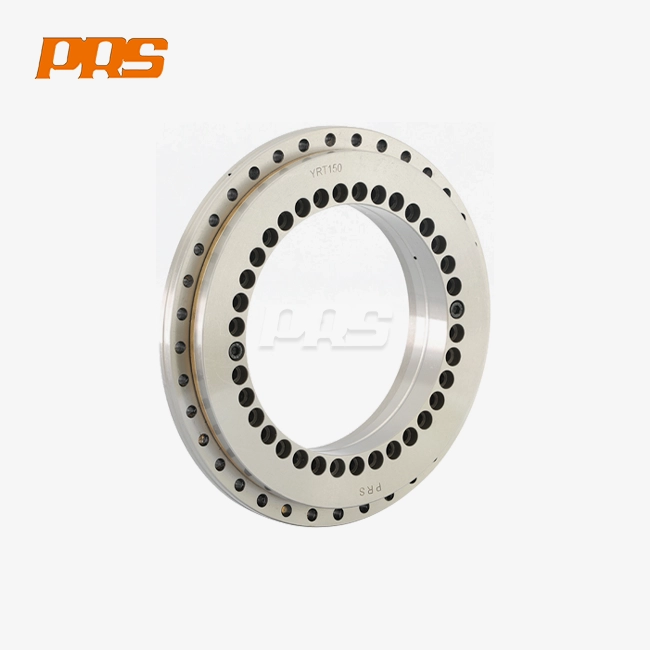
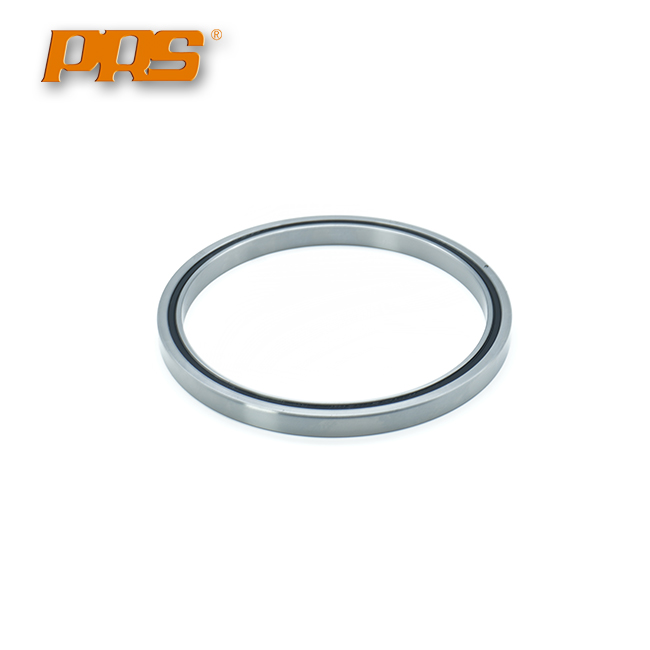
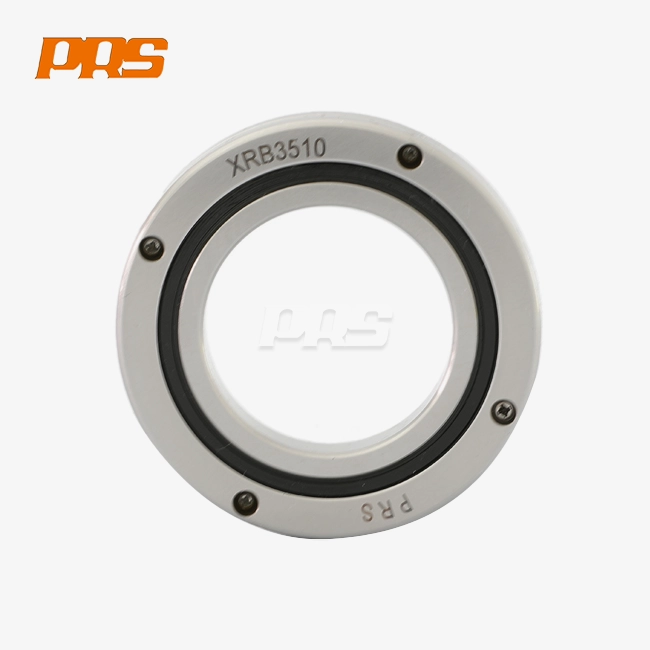
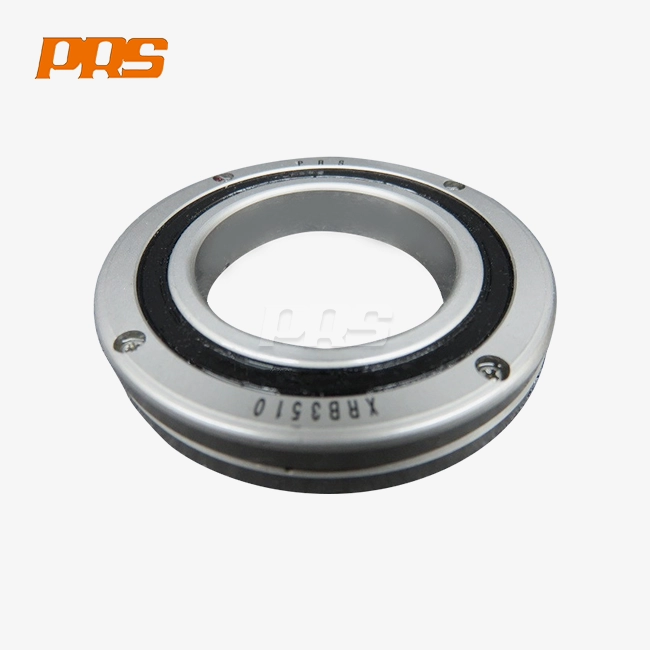
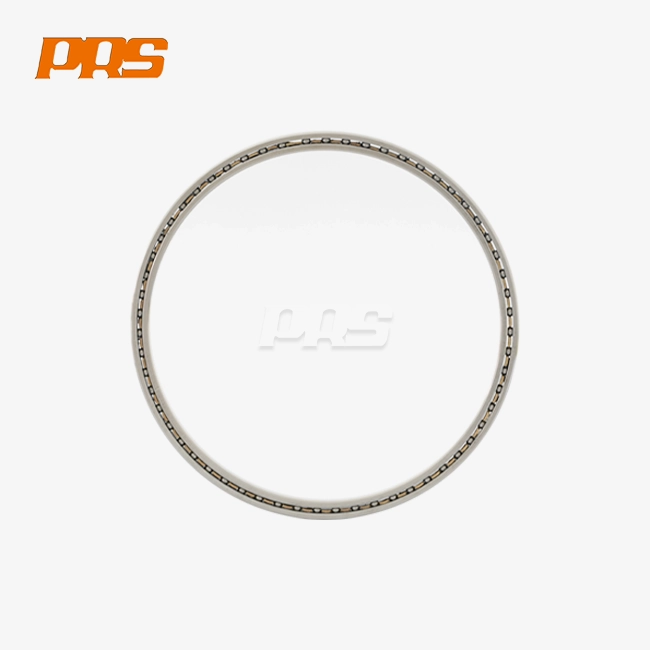
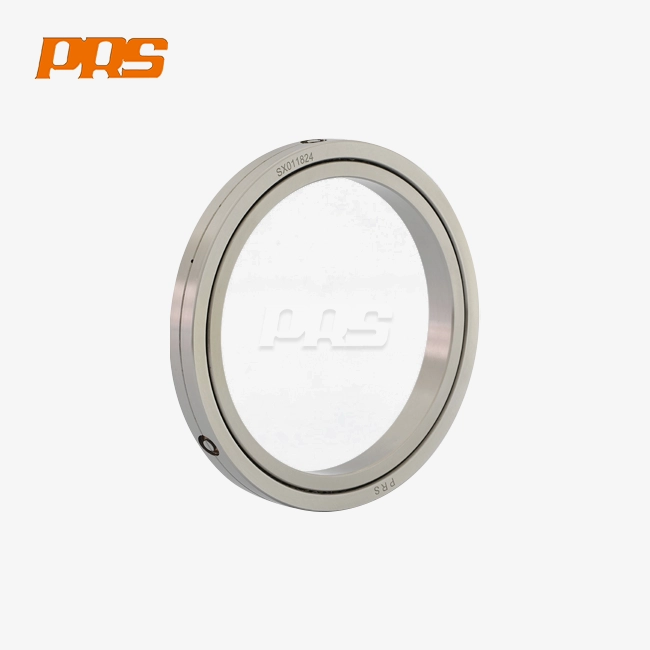
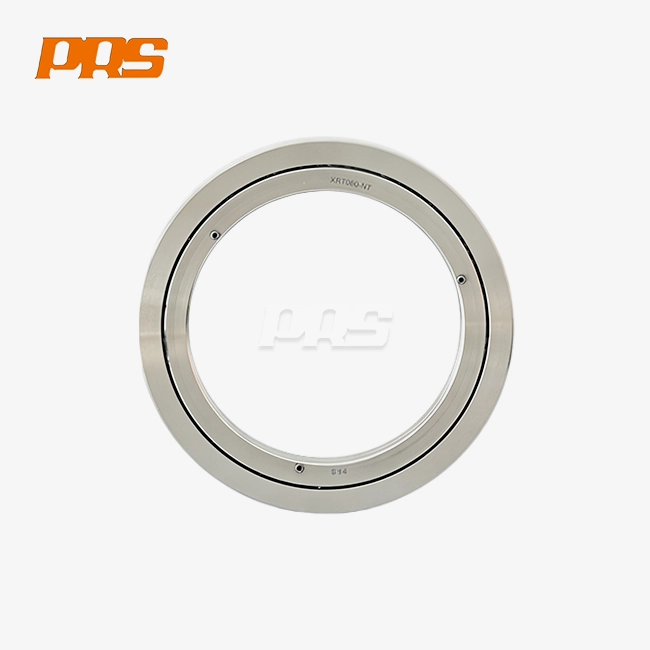
Industrial robots need bearings that can handle a wide range of loads and still keep their place accurately. This need is met by XSU robot bearings, which have a unique crossed roller configuration with cylindrical rollers set up perpendicular to each other between precision-ground raceways. This setup lets it handle radial, axial, and moment loads at the same time within a small space, which is a huge benefit for robotic joints and spinning bases that are limited on space.
The better performance is due to improved contact geometry, which is a mechanical concept. During rotation, each roller stays in contact with both the inner and outer rings. This spreads stress evenly and limits the amount of deformation of the elastic. Specialized spacers stop rollers from rubbing against each other, which lowers the amount of heat produced and increases the service life beyond what is possible with standard bearing designs.
Key Bearing Types for Different Robotic Applications
To figure out which type of bearing is best for your application, you must first know the load profiles and precision needs. Cross roller bearings work great in six-axis robot joints and shared robot bases that rotate and have loads acting in more than one way. Their high moment rigidity keeps them from deflecting during the fast cycles of speeding up and slowing down that are common in pick-and-place operations.
Angular contact ball bearings are used in places where very fast spinning with light loads is needed, like the Z-axis of a SCARA robot and the wheels of a grinding machine. The contact angle design guides loads along the best paths, which allows for speeds of over 10,000 RPM while keeping temperatures stable.
Hybrid ceramic bearings have steel rings and silicon nitride rollers. They are used to move semiconductor wafers and medical imaging equipment. This combination of materials makes the product 40% lighter than versions made of only steel, and it also makes it more resistant to rust in cleanrooms. The ceramic parts also have lower thermal expansion coefficients, which means they keep important gaps even when the temperature changes that happen in CT scanner spinning gantries.
Precision Grades and Their Application Significance
The accuracy of the bearings has a direct effect on how well your equipment can repeat positions and how long it can work. P4 grade bearings, which have dimensional errors of only 4 microns, work well in coordinate measuring tools and optical instrument rotary tables, where the quality of the parts depends on how accurately they are measured. The surfaces of these bearings are carefully smoothed until they have roughness levels below 0.2 Ra. This keeps friction changes during spinning to a minimum.
Tolerances are lowered to 2 microns in P2 grade versions, which meets the needs of laser interferometers and aircraft simulation systems. To keep the shapes of these parts consistent, they need to be made in climate-controlled facilities using advanced cylindrical grinding methods. P2 bearings give safety-critical uses the positioning certainty they need when they are used in robotic surgical joints or rocket guiding systems.
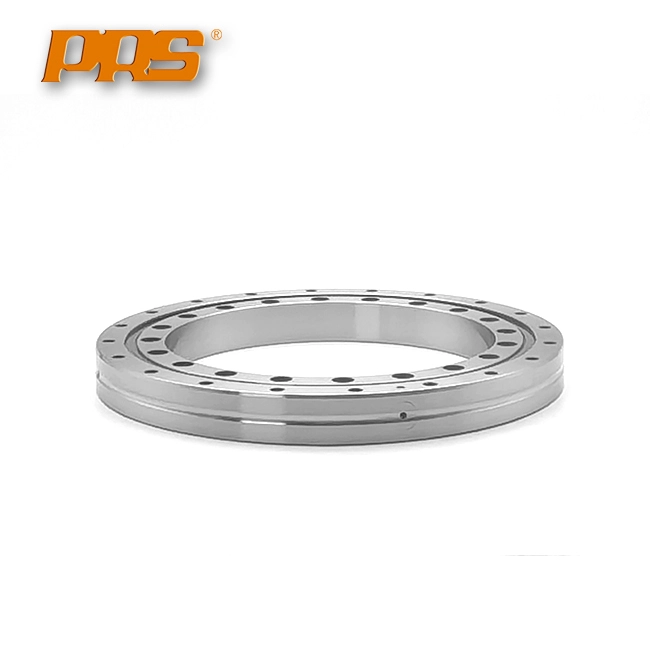
Comparing XSU Robot Bearings: Making the Right Choice for Industrial Robotics
Performance Benchmarking Against Established Solutions
When procurement teams are looking at bearing choices, they often compare the specs to well-known brands in the business. Precision bearing markets have been controlled for a long time by well-known companies like NSK. However, new companies that use focused engineering and adaptive production can now offer competitive alternatives. When made to the same precision grades, the crossed roller design found in many robot bearings gives the same load ratings and stiffness qualities across providers.
Testing for durability for XSU robot bearings shows that choosing the right materials and heat treatment methods is more important than the history of the brand. Bearings made from vacuum-degassed chrome steel and put through controlled carburizing cycles have a fatigue life of more than 20,000 hours in rotary platforms used in automated assembly lines, no matter what manufacturer they are. What sets suppliers apart is their ability to change the geometry of bearings to fit specific load profiles and space limitations.
Evaluating Total Cost of Ownership
Smart buying looks at more than just unit prices; it also looks at long-term value. A bearing's total cost of ownership is affected by how hard it is to install, how often it needs to be serviced, and the chance of downtime. Cross roller bearings with mounting holes built in make it easier to put them in CNC rotary tables and five-axis machine tool swivel heads. This cuts setup time by 30% compared to designs that need separate mounting brackets.
Maintenance schedules are greatly affected by how long lubrication lasts. In clever warehouse stackers and AGV spinning lifting platforms, bearings with low-friction seals and high-grade synthetic greases can work for more than 5,000 hours without needing to be oiled again. Because they don't need to be serviced as often, labor costs go down and production stops less often, which are often reasons why engineered bearing solutions cost more.
System integrators' real-world comments is a great way to find out how reliable a seller is. Robotics manufacturers like suppliers who keep the same level of dimensional accuracy across all production batches. This makes it possible to replace parts without having to retool. Companies that make welding robot bases and palletizing robot wrists really like it when sources offer quick prototypes for custom bearing setups.
Matching Specifications to Application Requirements
Different robotic uses have different requirements for choosing bearings. For collaborative robots to be able to move smoothly with human help, they need bearings with smooth torque qualities. Bearings with improved roller crown profiles reduce torque ripple, which makes it possible to accurately sense force when a person and a computer are interacting.
Heavy-duty manipulators used to put together cars need to be able to hold the most weight in the smallest amount of room. Compact cross roller bearings with four-point contact geometry fit many load paths into thin sections. This lets robot arms that load and unload things carry more than 50 kg while keeping the joint sizes small. The design can handle static loads of more than 100kN in holes with outside diameters smaller than 300mm.
High-frequency pick-and-place tools and other uses that need to move quickly benefit from bearing designs that are light and reduce spinning inertia. Thin-section bearings with optimized cross-sections reduce mass by 25% while keeping the right level of stiffness. This lets rotating parts in an insertion machine reach cycle rates of more than 60 operations per minute without too much vibration.
Maintenance and Troubleshooting of XSU Robot Bearings
Establishing Preventive Maintenance Protocols
Increasing the operating life of bearings starts with organized inspection processes that are made to fit the severity of the application. Monthly vibration analysis finds early signs of wear on CNC indexing tables and turning center tool turrets that are used in continuous production, before they break down completely. When accelerometers are placed close to bearing housings, they pick up frequency signals that show when the roller surface is wearing down or getting dirty.
Managing lubrication is very important in places where precision is needed. Coordinate boring machines and gear processing equipment need the right amount of lubricant. Too much grease creates churning resistance, which raises operating temperatures, while not enough lubrication speeds up surface wear. Automatic lubrication systems with precise dispensers keep the right film thickness in cam divider rotary supports and intermittent indexing tables.
Monitoring temperatures lets you know early on when problems are starting to happen. In normal situations, bearings in laser marking machine parts that rotate and DR machine arms that rotate should work within 15°C of room temperature. Long-lasting temperature rises could mean that there isn't enough greasing, too much loading, or contamination, all of which need to be looked into right away to stop damage from spreading.
Diagnosing Common Failure Modes
Knowing how failures happen for XSU robot bearings lets you fix them quickly and keep downtime to a minimum. A lot of the time, strange noises during spinning mean that there is dirt or dust between the rolling elements and the raceways. Abrasive particles from machining can get into photovoltaic dual-axis tracker joints and UAV gimbal bearings, wearing out the tracks before they should. Taking things apart and cleaning them with the right fluids, then re-greasing them, usually gets them working normally again.
If the running force goes up, it means that the grease or seal is wearing out. Extreme temperatures can cause grease to oxidize and form deposits on bearings in radar antenna rotating bases and supports for wind turbines that have yaw systems. These deposits can make rotation less smooth. Changing old oil with formulas that don't change with temperature solves this problem and makes the time between service intervals longer.
When inspected, uneven wear patterns show that the parts are not aligned correctly or are not preloaded properly. When rotating tables on a vertical machining center show damaged raceways in certain areas, installation mistakes can be found by checking the flatness of the mounting surface and the regularity of the bolt pressure. Fixing these issues during reassembly stops the problem from happening again and brings back the precise motion characteristics.
Warranty Considerations and Supplier Support
Buying from approved suppliers makes sure that you can get full warranty coverage and expert support. Reputable bearing makers back their goods with new guarantees that cover flaws in the materials or failures that happen too soon because of mistakes in the manufacturing process. This safety is especially useful in serious situations where a broken part could have serious effects, like when precision rotating parts are used in radiotherapy equipment or when aircraft modeling rotary tables are used.
The availability of technical help sets providers who care about their customers' success apart. When engineers help with load estimates and choosing bearings for new robotic designs or changing old equipment for new uses, they avoid making mistakes that cost a lot of money. Having application engineering teams at suppliers who know about robotic joint kinematics and machine tool dynamics is very helpful during the product development cycle.
Procurement Essentials: How and Where to Buy XSU Robot Bearings?
Verifying Authorized Distribution Channels
Genuine parts give your operations the accuracy and dependability they need, so verifying the seller is very important. Authorized wholesalers work directly with makers to make sure that bearings are stored properly and that the supply chain stays honest. These partners provide records that show where bearings came from (production to delivery), as well as material certifications and inspection records that are very important for medical devices and aerospace applications.
Global distribution networks make it easier to get what you need quickly, no matter where the project is located. Established suppliers keep regional warehouses stocked with common bearing sizes for surgical robot joints and biochemical analyzer rotating indexing parts. This lets maintenance needs be met the same week. Custom configurations for specialized uses like precision rotation for satellite receiving devices and armored vehicle observation systems usually need longer lead times, but authorized channels can speed up the production schedule.
Understanding Ordering Logistics and Volume Benefits
Buying in bulk has benefits for buyers that go beyond lowering unit costs. Manufacturers can better plan their production by getting bulk agreements for standard bearing sizes that are used on a number of robotic platforms. This cuts wait times for repeat orders from 8 weeks to 4 weeks. This responsiveness comes in handy when production lines need to grow or when there are multiple installation sites that need planned supplies of parts.
Unpredictable repair needs for XSU robot bearings can be met by consignment stocking programs, which also keep working capital under control. Suppliers can keep agreed-upon stock levels at customer facilities for high-demand items like digital printing machine precision indexing roller supports, and when these items are taken away, the supplier will be billed. This arrangement makes sure that parts are available right away without tying up budgets for purchases in extra inventory.
Orders come with technical information that helps the installation and upkeep teams. Full datasheets with dynamic load rates, speed limits, and suggested mounting methods stop application mistakes in photolithography machine tiny precision rotating parts and blood analyzer systems, where installation accuracy directly impacts how well the equipment works.
Future Outlook and Innovation in XSU Robot Bearings
Emerging Technologies Reshaping Bearing Design
New technologies are changing how bearings are made. Smart production programs are pushing bearing technology toward having sensors built in. Condition-based maintenance strategies, which move from planned service to need-based solutions, can be used with prototype bearings that have temperature monitors and vibration transducers built in. When used in industrial robot joints and automatic assembly line rotary platforms, these smart parts send real-time information about their health to systems that can predict problems weeks before they happen.
Advanced materials study looks into how to make bearing formulas that are best for dealing with certain environmental problems. Strong alloys and special coatings make bearings last longer in precision rotating parts of food preparation robots and pharmacy equipment that is washed down often with harsh cleaning agents, which speeds up the wear and tear on regular bearings. These new types of materials keep their shape and don't react with chemicals.
Additive manufacturing technologies promise customized bearing geometries that were not possible with traditional machining. High-speed grinding machine spindles and five-axis machine tool rotary tables could better handle heat if they had complex internal shapes that made the best use of lubricant flow lines and built-in cooling channels. While more work needs to be done before it can be used on a large scale, prototype tests show that it has a lot of speed promise.
Sustainability and Efficiency Improvements
As businesses try to reach their carbon neutrality goals, environmental concerns affect the growth paths of bearings. Getting rid of friction is still very important. Even small drops in rolling resistance add up over thousands of bearings that are always running, saving a lot of energy. Modern surface treatments that lower the coefficient of friction by 15% in the moving parts of solar inverters directly raise the efficiency of the system and lower its running costs.
Bearings with longer service lives use fewer resources because they don't need to be replaced as often. Engineering designs that can work for 30,000 hours or more without needing upkeep in things like rotating platforms for testing wind power and gimbals for overhead photography drones reduce the need for production and waste. This longevity fits with the idea of a circular economy, which is becoming more popular across many industries.
Programs that remanufacture products help the environment and keep lifetime costs low. Specialized facilities can replace worn bearings and precision grind them back to original specs on torque tester precision rotating bases and roundness tester rotor supports. This method gets back 70% of the bearing's original value while using only 20% of the energy needed to make a new one.
Conclusion
In modern industrial robotics, precise motion control depends on how well the bearings work. XSU robot bearings give multi-axis robots, specialized manipulators, and automated systems the accuracy, rigidity, and durability they need in the medical, aerospace, manufacturing, and precision equipment industries. Knowing about the different kinds of bearings, how to maintain them, and the best ways to buy things gives engineering and buying teams the power to choose solutions that meet the specific needs of their application. As robotic technology moves toward smarter, more efficient systems, bearing innovations that include sensing features and environmentally friendly design principles will continue to support operational goals and improve performance.
FAQ
What distinguishes crossed roller bearings from conventional options in robotic applications?
Crossed roller bearings use perpendicular roller arrangements to handle radial, axial, and moment loads at the same time in small designs, which is important for robotic joints that don't have a lot of room. Compared to regular single-row bearings, these are more rigid and accurate at placing, which makes them perfect for six-axis robots and precision rotary tables. The design keeps movement to a minimum even when complex loading conditions happen, which is common in automatic systems.
How often should robot bearings undergo maintenance inspection?
How often you inspect depends on how the machine is used and how hard the job is. Continuous-duty systems, like automated assembly equipment, should have their vibrations checked once a month, while systems that are only used sometimes may need to have them checked every three months. More frequent testing is needed for critical uses in medical imaging or aircraft equipment. By keeping an eye on changes in temperature and strange noises, you can find problems early, in between planned checks.
Can bearing suppliers customize specifications for unique robotic designs?
Reliable makers offer technical help for making unique bearing designs that work with certain load profiles, space limitations, and environmental conditions. When standard catalog items can't meet performance needs, custom designs are made to fit new robotic systems and specialized tools. Collaboration in the early stages of development improves the integration of bearings while keeping costs and delivery dates under control.
Partner with PRS for Superior Bearing Solutions
To make your robotic systems better, you need precise parts that are made to very high standards. Since 2003, PRS has been a specialist in XSU robot bearings. They offer P4 and P2 grade bearings that are designed for high-demand uses in automation, medicine, aircraft, and precise equipment. Whether you're making collaborative robots, CNC machine tools, or equipment for processing semiconductors, our expert team can help you choose the best bearing setups for the job.
We keep a large inventory to support fast delivery, and we also offer custom engineering for unique needs. Our dedication to quality guarantees consistent dimensions, longer service life, and dependable performance in a wide range of operating conditions. Procurement managers like how clear our communication is, how cheap our bulk buying is, and how our detailed technical documentation helps installation teams.
Email our engineering experts at ljh@lyprs.com to talk about the needs of your project and get specific quotes that are made just for you. You can look at our whole line of bearings at prs-bearing.com and get access to technical information that will help you make smart design choices. In the global market for precision bearings, PRS stands out because of its accuracy, dependability, and commitment to partnership.
References
1. Harris, T. A., & Kotzalas, M. N. (2006). Advanced Concepts of Bearing Technology: Rolling Bearing Analysis (5th ed.). CRC Press.
2. Weck, M., & Brecher, C. (2006). Werkzeugmaschinen 2: Konstruktion und Berechnung [Machine Tools Volume 2: Design and Calculation]. Springer-Verlag.
3. Schlenoff, C., & Balakirsky, S. (2012). Performance Evaluation and Benchmarking of Intelligent Systems. Springer Science & Business Media.
4. Siciliano, B., & Khatib, O. (2016). Springer Handbook of Robotics (2nd ed.). Springer International Publishing.
5. Tong, V. C., & Hong, S. W. (2016). Characteristics of tapered roller bearing subjected to combined radial and moment loads. International Journal of Precision Engineering and Manufacturing-Green Technology, 3(4), 323-333.
6. ISO 199:2014. Rolling Bearings — Thrust Bearings — Geometrical Product Specifications (GPS) and Tolerance Values. International Organization for Standardization.

USER EVALUATE
Here is the customer's evaluation of us