
RAU Bot Bearing Provides Compact Solutions for Robotic Joint Design
When designing compact robotic joints, engineers face a persistent challenge: finding bearings that deliver exceptional precision without compromising space efficiency. RAU bot bearing solutions address this dilemma through specialized crossed roller and angular contact designs that pack remarkable load capacity into minimal footprints. These precision components enable smoother articulation in six-axis robots, collaborative manipulators, and SCARA systems while maintaining micron-level positioning accuracy. The intelligent integration of lightweight materials and optimized raceways creates rotation platforms that withstand demanding industrial cycles without premature wear.
Understanding RAU Bot Bearings and Their Applications in Robotics
Modern robotic systems need bearings that aren't made the way they usually are. The RAU bot bearing technology is a big step forward in solving the unique mechanical problems that come up with controlling automated motion.
Core Technology Behind Precision Robot Bearings
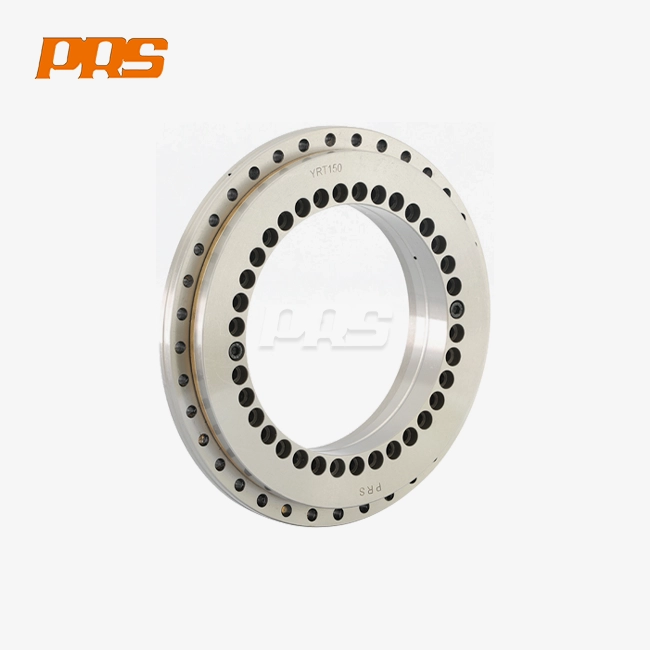
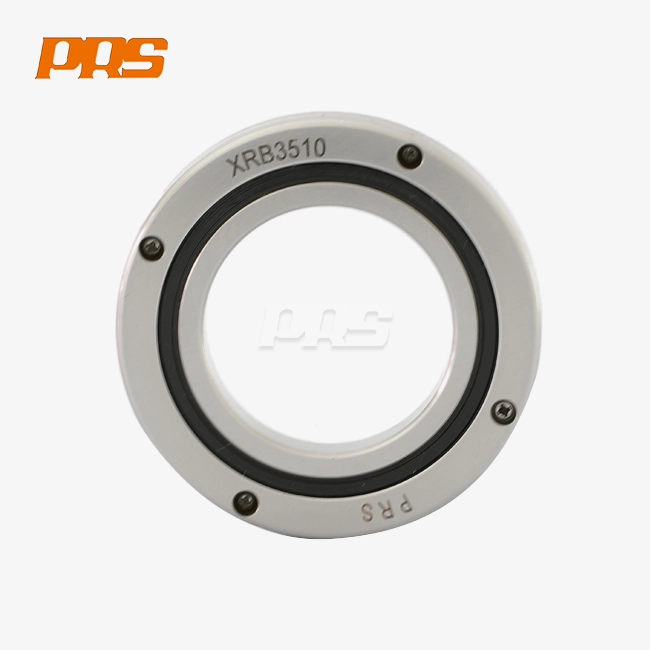
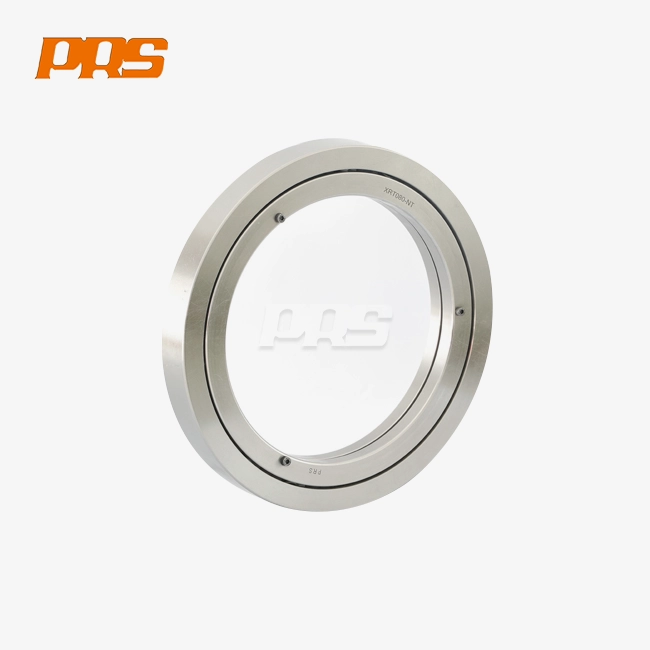
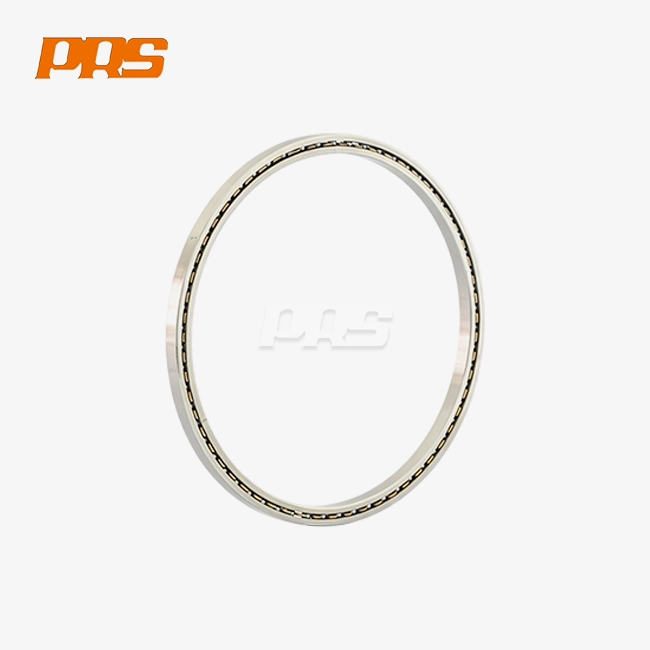
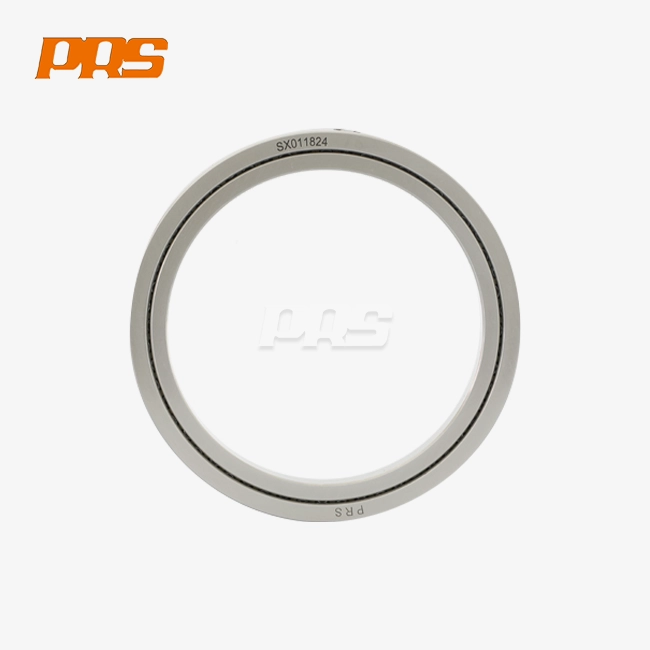
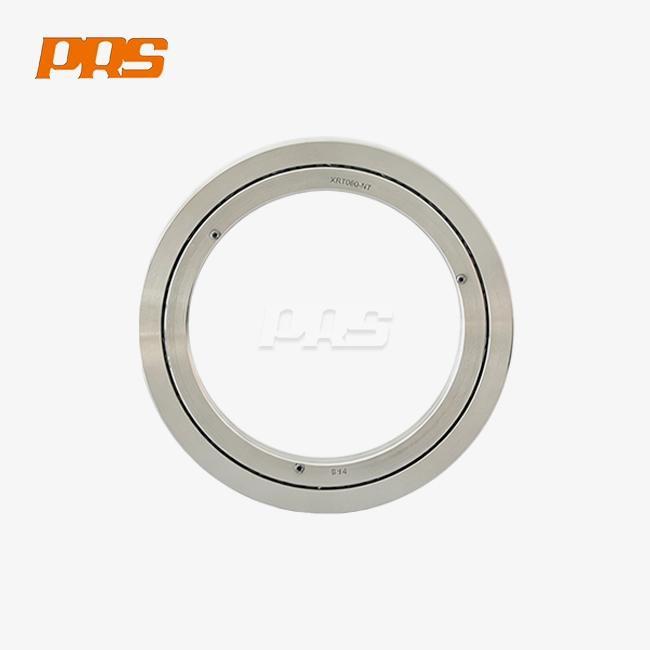
Crossed roller geometry and precision-ground raceways are the building blocks of these specialized parts. Crossed roller designs spread loads across linear contact zones, while normal ball bearings depend on point contact. This design makes the structure much more rigid while also making it less likely to deform when axial and radial forces are combined. Precision grinding is used to make the raceway surfaces meet P4 and P2 tolerance levels. This makes sure that the rotational accuracy is good enough for placing robotic arms within tight operational tolerances.
The choice of material is also very important. Specialized heat treatments are used on high-carbon chrome steel to make its dimensions more stable when the temperature changes. Corrosion-resistant coats keep surfaces safe in tough places like cleanrooms where semiconductors are made and food processing areas where washdown procedures are common.
Diverse Applications Across Industrial Sectors
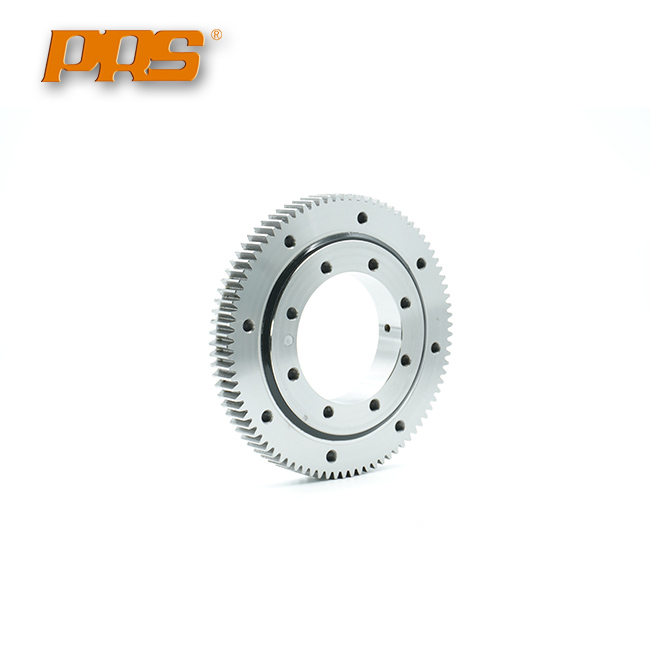
Robot makers put these bearings in a lot of different joint setups. At the elbow and wrist positions, where space is limited and high moment load needs to be met, six-axis industrial robots rely on small rotary units. The rotating bases for collaborative robots are made with thin sections that keep the bases' profiles low while still supporting loads. The high axial stiffness of the SCARA robot's Z-axis spin helps keep it from deflecting during fast vertical moves.
Specialized manipulators come with their own set of problems. Palletizing robots that do thousands of cycles every day need bearings that don't wear out quickly when they're loaded over and over again. Welding robots with spinning hands work in places where metal particles are present, so they need strong sealing solutions. Systems for loading and lifting need parts that can stay in place even when they are hit with shock loads during material handling tasks.
Engineering Solutions for Extended Operational Life
Longevity of bearings has a direct effect on repair costs and production downtime. Cage designs use roller guidance systems that are optimized to reduce wear and friction. Pathways for lubrication spread grease evenly over all contact surfaces, which lowers the temperature at which the machine works. Different seal designs protect against pollution while minimizing friction, depending on the needs of the application.
Another important part is preload optimization. Factory-set preload gets rid of internal space and stops too much contact stress, which speeds up wear. This careful balance makes sure that the bearing rotates smoothly for the whole time it's working, which is important for robotic applications that need accurate placing.

Why RAU Bot Bearings Are Ideal for Compact Robotic Joint Design?
The modern way of designing robots is based on optimizing space. For every millimeter saved in joint diameter, work areas get bigger or arm weight goes down.
Unmatched Balance of Size and Performance
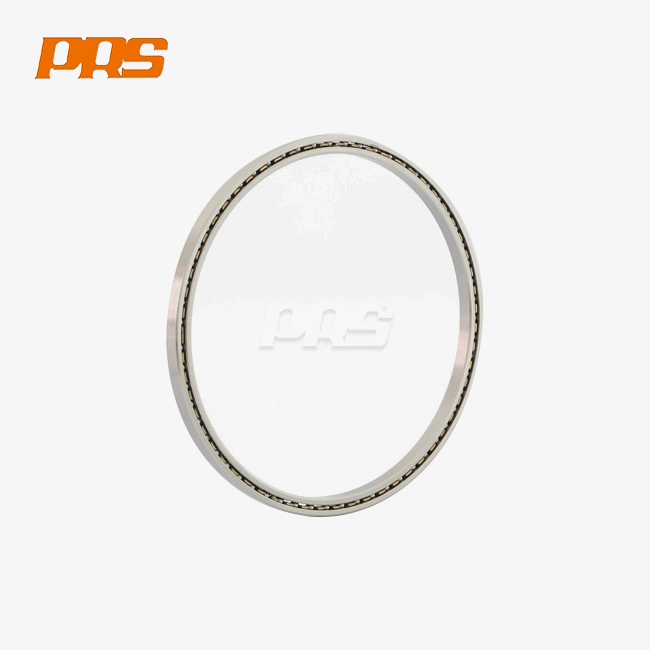
Thin-section bearing designs save a lot of room by keeping load ratings the same while reducing cross-sectional area. A normal unit might have an outer width of 200 mm but only 25 mm of axial room. This makes it possible for robot arms to have thinner profiles, which makes them easier to move around in small work cells.
Load capacity calculations show that the specs are very good. When rollers are crossed, they can handle combined loads through many contact points spread out along the raceway. Dynamic load ratings allow for constant movement under operational forces, while static ratings make sure that the load stays in place during keeping operations. When robotic grippers are extended to their fullest reach, moment load capacity stops them from tilting deflection.
Operational accuracy for RAU bot bearing meets the strict needs of jobs like measuring and putting things together precisely. Specifications for rotational accuracy below 10 arc-seconds allow for repeated positioning, which is needed for eye inspection or placing electronic components. This level of accuracy stays the same over millions of rotations, so it keeps working well over long production runs.
Comparative Advantages in Real-World Applications
Traditional ball bearings are easy to use, but they have trouble with moment loads and requirements for rigidity. Tapered roller bearings have a lot of capacity, but they need more space to be installed and more complicated mounting arrangements. Needle bearings are small, but they give up strength when they are loaded together.
Crossed roller designs work really well in robotics because they meet many performance requirements at the same time. Their stiff structure doesn't bend when off-axis forces are applied, which is common in robotic handling. Joint housings can easily fit compact form factors without needing a lot of structural reinforcement. Simplifying the mounting process makes the assembly simpler, which is an important factor for improving OEM production efficiency.
These benefits are clearly shown by machine tool applications. Crossed roller bearings on CNC rotating tables allow positioning accuracy within a few arc-seconds while taking up very little space on the machine. Five-axis machining center swivel heads depend on this rigidity to keep the cutting tool in place even when milling at high speeds. Spindle supports for grinding machines have vibration-damping properties that make the surface finish better.
Industry-Specific Performance Benefits
Manufacturers of semiconductor tools have to meet very strict standards. Wafer handling systems work in cleanrooms, which have strict rules about how many particles can be made. Precision spinning parts with sealed designs keep oil from moving around and keep motion smooth. Thermal stability makes sure that the dimensions stay the same even if the temperature of the process equipment changes.
The use of medical imaging equipment is another example of a specialized application domain. Bearings are needed for CT scanner rotating gantries to hold up heavy X-ray tube assemblies while they spin at diagnostic speeds. Low-noise handling keeps noise from getting in the way of the patient's comfort. Robotic surgical joints need to be small enough to fit inside the profiles of articulated instruments and provide reliable positioning, which is essential for surgical accuracy.
Radar tracking platforms and UAV gimbals use these parts in defense and aerospace systems. For mobile applications, where weight directly affects system performance, the combination of light weight and high load capacity is essential. When mission-critical situations arise and bearing failure could affect tactical capability, reliability becomes the most important factor.
Installation, Maintenance, and Load Capacity of RAU Bot Bearings
Using the right methods will determine if precision bearings work as well as they should for as long as they are supposed to.
Professional Installation Guidelines
Before installation can begin, the fixing surfaces must be carefully checked. Tolerances for housing bores and shaft shoulders must be within certain ranges, which are usually microns for precision uses. Surface finish requirements stop stress builds up that could cause early wear and tear. Even load distribution across the bearing contact is made possible by fixing surfaces that are perpendicular to each other.
Precision-ground surfaces are kept safe from damage by handling methods. Skin oils can't get into the raceways when you wear clean, lint-free gloves. Controlled environments keep dust and other particles from getting into the assembly area. Stabilizing the temperature lets the parts reach thermal equilibrium, which stops interference fit problems caused by differential expansion.
Different types of bearings require different mounting ways. For bolted installations, you need to use controlled torque sequences that spread the clamping forces out evenly. Thread-locking chemicals keep fasteners from coming loose when they are moved around. Using dial markers to check for alignment ensures concentricity before the final secure. In interference fit applications, thermal methods or hydraulic tooling are used to get the right fit without using impact forces that could damage the rolling elements.
Maintenance Protocols for Maximum Reliability
Regular lubrication keeps protecting layers between the raceways and the rolling elements in place. Choosing the right grease relies on things like speed, temperature range, and exposure to the surroundings. Application times make sure that there is enough oil without too much, which would make spinning resistance higher. Automated lubrication systems give exact amounts at set times, which is especially helpful in robotic setups with multiple axes.
Routine inspections for RAU bot bearing find problems before they become too big to fix. Through vibration analysis, higher frequency components can show that wear is happening or that there is contamination. Monitoring the temperature shows that there are unusual increases in friction. Measuring rotational torque figures out how much resistance changes over time. Visual inspection through viewing ports or during planned maintenance shutdowns checks the condition of the lubricant and seals.
Systematic evaluation is needed to fix common problems. Too much noise could mean that there is pollution, not enough lube, or cage wear. When rotating resistance goes up, it means that the oil is wearing out or there is seal drag. Misaligned positioning could be caused by loss of preload, damage to the track, or mounting movement. By understanding these connections, you can take targeted corrective actions that quickly improve performance.
Load Capacity Specifications and Selection Criteria
Ratings for dynamic loads show how much weight something can hold for continuous spinning uses. These specs take into account the shape of the bearing, the qualities of the material, and how the contact stress is distributed. When an application does calculations, it takes into account the operating speed, job cycles, and estimated service life, which is given in rotation hours. Safeguards that are right for the criticality of the program make sure that there are enough gaps.
The maximum loads that can be put on something when it is stationary are controlled by its static load capacity. Peak forces in robotic systems usually happen when they slow down quickly or engage a workpiece. To keep the raceway from permanently deforming, which is called brinelling, these brief loads must stay below the static values. Moment load capacity specifications talk about tilting forces that happen when loads act at angles to the bearing centerline. This is especially important for robotic arms that are cantilevered.
Environmental factors affect how well load capability is used. Material hardness and fluid density both decrease at high temperatures, so derating is needed. Polluted environments speed up wear and tear, which reduces the service life that can be achieved. When used in a cleanroom and properly maintained, applications usually go beyond standard figures. However, when used in harsh circumstances, specifications need to be more conservative.
Procurement Considerations: How to Source RAU Bot Bearings for Your Business?
Strategic decisions about where to get things affect both the short-term success of a project and its long-term dependability.
Flexible Ordering Options for Diverse Requirements
When you buy in bulk, you can save money on things like OEM production runs or large-scale building upgrades. Most of the time, promises to buy in bulk open up better price structures and make sure that production schedules are prioritized. Support for inventory management through vendor-managed programs lowers carrying costs and gets rid of the risk of running out of stock during key production stages.
Custom size options work with the limitations of each program. When engineers work together, they can make bearing standards that are best for certain load patterns, room constraints, or environmental conditions. Changes to the shape of the seals help them deal with different kinds of contamination. Different types of materials can be used to meet specific needs, such as not being magnetic for MRI machines or food-grade approvals for processing equipment.
Sample request apps let you test for validity before you make a full investment. Prototype numbers help with checking the fit, describing the performance, and developing the connection. Technical evaluation periods let a full evaluation happen in real-world operating conditions. This reduction of risk is especially helpful when switching from well-known bearing suppliers or putting in place new designs for robotic systems.
Supply Chain Efficiency and Support Infrastructure
Managing lead times has an effect on project schedules and planning for production. Standard catalog items usually ship within a few days, which is helpful for quick prototypes and replacements in case of an emergency. Depending on how complicated the specifications are, custom configurations need production processes that last anywhere from weeks to months. Clear communication about production schedules makes it possible for supply chains to plan together.
Warranty coverage protects against problems with the way the product was made and shows that the maker believes in the quality of the product. Comprehensive policies cover both material flaws and problems with the work that are found during the first operation. When rare quality problems happen, they cause the least amount of trouble when there are clear return procedures and quick claims processing. There are choices for extended warranties for important applications that reduce risk even more.
Having access to technical support is very helpful during the planning, installation, and debugging stages. With the help of application engineering, operational needs can be turned into the right bearing choices. Installation instructions keep people from making common mistakes that could hurt performance. Troubleshooting advice figures out what's wrong with operations and suggests ways to fix them. This knowledge adds to the technical skills that are already in place.
Selecting Qualified RAU Bot Bearing Suppliers
Distributor network review makes sure that customers can always get real goods that come with maker support. Authorized sellers store bearings in the right way so that the quality of the bearings stays high. Their staff gets technical training so they can help with applications correctly. Having established relationships with manufacturers speeds up communication about custom needs or questions about the supply chain.
Verifying a supplier's qualifications for RAU bot bearing helps protect against fake goods that are common in the markets for precision components. Compliance with specifications is proven by authentic documentation, such as material certifications and dimensional inspection reports. Traceability systems connect given goods to batches that were made, which helps with quality investigations if there are any issues. Systematic quality management is shown by ISO approval and quality standards that are specific to the business.
Support options after the sale affect the total cost of ownership, which goes beyond the price of the initial purchase. Replacement parts are available to make sure that systems will continue to work as they age. Technical documentation, such as installation guides and upkeep instructions, helps with skills that are kept in-house. Through training programs, employees learn how to handle, install, and maintain bearings in a way that works with robots.
Future Trends and Innovations in RAU Bot Bearings for Robotics
Bearing technology keeps getting better because automation needs are changing and new applications are coming up.
Material Science and Design Evolution
In advanced metallurgy research, alloy compositions that make them more resistant to fatigue and corrosion are looked into. Ceramic rolling elements can be used in places with very high temperatures and don't need to be magnetic. Cost and performance benefits are balanced in hybrid designs that use both steel races and ceramic rollers. New developments in surface treatment, such as diamond-like carbon coats, lower friction and increase wear protection.
The movement toward miniaturization is pushing the limits of how precise things can be made. Photolithography tools and equipment for handling semiconductors need spinning parts that are smaller and smaller without lowering their load capacity. By improving the manufacturing process, it is possible to get better tolerances at smaller actual sizes. These changes make it possible for next-generation products to have more features while still taking up less space.
Integration with Smart Manufacturing Systems
As part of Industry 4.0 projects, sensing features are built right into bearing assemblies. Built-in temperature sensors keep an eye on how things are running in real time, which lets maintenance plans be planned ahead of time. Vibration sensors find faults that are starting to show up before they start to affect performance. Condition data is sent from wireless communication modules to centralized tracking tools that look at trends across many machines.
Predictive analytics use operational data to find the best times to do maintenance. Machine learning algorithms find trends that happen before bearings fail. This lets replacements happen before they fail, during planned breaks, instead of when they happen out of the blue. The change from reactive to predictive maintenance lowers the total cost of ownership and raises the availability of production. Maintenance tasks are coordinated with production plans when they are linked to industrial execution systems.
With digital twin technology, virtual models of computer systems are made, complete with information about how well they work. Simulations can test suggested changes to designs or working parameters before they are put into action in real life. Lifecycle modeling estimates how long a service will last by looking at how it is actually used, rather than using conservative static calculations. These digital tools help make the best decisions about both the initial design and the ongoing operations.
Sustainability and Performance Enhancement
Concern for the environment leads to changes in the manufacturing process that cut down on waste and energy use. Recycling programs get useful materials from old bearings, which supports the ideas of a circular economy. Bio-based products that have less of an effect on the environment are a big focus in lubricant research. Optimizing packaging cuts down on shipping space and material use without lowering the safety of the product.
Friction reduction efforts lead to gains in energy efficiency. When cage designs and roller profiles are optimized, churning losses during rotation are kept to a minimum. Modern lubricants with friction modifiers lower operating temperatures, which means that climate-controlled buildings don't have to cool as much. When applied to large robotic installations, these small improvements add up to big energy savings that can be seen.
Performance measurement sets new standards for accuracy, load ability, and useful life. Accelerated testing protocols make sure that parts will last in harsh conditions. Through shared technical development, collaborative industry research finds solutions to problems that many businesses face. All of these efforts are pushing the precision bearing industry toward better features that will help all industrial uses.
Conclusion
Bearing solutions that balance accuracy, durability, and space efficiency are key to the design of small robotic joints. These needs are met by RAU bot bearing technology, which uses crossed roller geometries, precise production methods, and engineering that is tailored to each application. These parts make it possible for modern automation devices like six-axis industrial robots and equipment for handling semiconductors to move smoothly and accurately. When you choose, install, and manage something correctly, you can make it last as long as possible while still meeting speed standards. As robots keeps getting smarter and smaller, new developments in bearing technology will be needed to make it possible for industries like medical devices, precise manufacturing, and industrial automation to reach the next level of performance.
FAQ
What distinguishes RAU bot bearings from standard ball bearings in robotic applications?
When compared to regular ball bearings, RAU bot bearings have better rigidity and moment load capacity because they use crossed roller configurations. The linear contact design better spreads forces, which lowers deflection under the mixed loads that are common in robotic joints. Their small cross-sections let arm designs be thinner while still keeping placement accuracy within arc-seconds. Standard ball bearings work great when the load is light and the speed is high, but they don't do well when the stiffness needs are high and there isn't much room. Because of this basic difference in design, crossed roller units are the best choice for situations where precise placement and structural stability are very important.
How do I determine the appropriate bearing size for a custom robotic joint design?
When choosing a bearing, it's important to look at all of its operational parameters, such as the rotational speed, axial loads, moment loads, radial loads, and environmental conditions. When engineers do calculations, they match these needs with written load values while taking into account the right safety factors. Maximum envelope dimensions are limited by space. Talking to bearing experts during the design phase makes sure that the best specifications are used, taking into account things like how the bearing will be mounted, how it needs to be sealed, and how easy it is to grease it. Many companies offer technical support services that look at your unique needs and suggest good bearing models with full explanations. This lowers the risk of not meeting specifications and speeds up the development process.
What maintenance intervals are recommended for robot bearings in continuous production environments?
When to do maintenance relies on how often the bearings are used, the environment, and their form. Usually, lubrication needs to be added every 2,000 to 5,000 hours of continuous operation under moderate loads. More frequent gaps may be needed in harsh settings where people are exposed to contamination. Sealed bearing designs protect interior parts, which extends the service life. Predictive maintenance methods that schedule service based on the actual condition of parts instead of set intervals are made possible by condition monitoring systems that use vibration analysis and temperature tracking. By taking baseline measurements during commissioning, you can use them as a guide to find areas where performance is decreasing. This helps you plan maintenance so that unexpected failures don't happen and resources aren't wasted on service that isn't needed.
Partner with PRS for Your Precision Bearing Solutions
It has been twenty years since Luoyang PRS Precision Bearing Co., Ltd. started making high-precision rotating parts for tough robotic uses. Our range of products covers all kinds of automation needs, from medical imaging equipment and semiconductor manufacturing systems to six-axis robot joints and CNC rotary tables. As a well-known company that makes RAU bot bearings, we can offer P4 and P2 levels of precision with much faster lead times than foreign suppliers. Email our engineering team at ljh@lyprs.com to talk about your unique application needs, get technical specs, or set up a sample review. Our customer-focused method combines competitive pricing with dependable technical help to make sure that your automation systems work at their best and last as long as possible.
References
1. Harris, T.A. & Kotzalas, M.N. (2006). Advanced Concepts of Bearing Technology: Rolling Bearing Analysis, CRC Press.
2. Bhushan, B. (2013). Principles and Applications of Tribology, John Wiley & Sons.
3. ISO 492:2014. Rolling Bearings – Radial Bearings – Geometrical Product Specifications (GPS) and Tolerance Values.
4. Weck, M. & Brecher, C. (2006). Machine Tools Production Systems 2: Design and Calculation, Springer-Verlag.
5. Siciliano, B. & Khatib, O. (2016). Springer Handbook of Robotics, Springer International Publishing.
6. Eschmann, P., Hasbargen, L. & Weigand, K. (1985). Ball and Roller Bearings: Theory, Design and Application, John Wiley & Sons.

USER EVALUATE
Here is the customer's evaluation of us