
Slim Bearings vs Standard Bearings: Design and Performance Comparison
When looking at industrial bearing options, the choice between slim bearings and standard bearings has a big effect on how well the equipment works, how much space it takes up, and how efficiently it runs. Standard bearings are strong enough for heavy-duty uses, while slim bearings have very thin cross-sections that are great for small designs. Engineers and procurement professionals can make better decisions that improve machinery reliability, lower maintenance costs, and make systems work better overall across a wide range of industries by understanding the basic differences in design features, load capacity, dimensional constraints, and performance metrics.
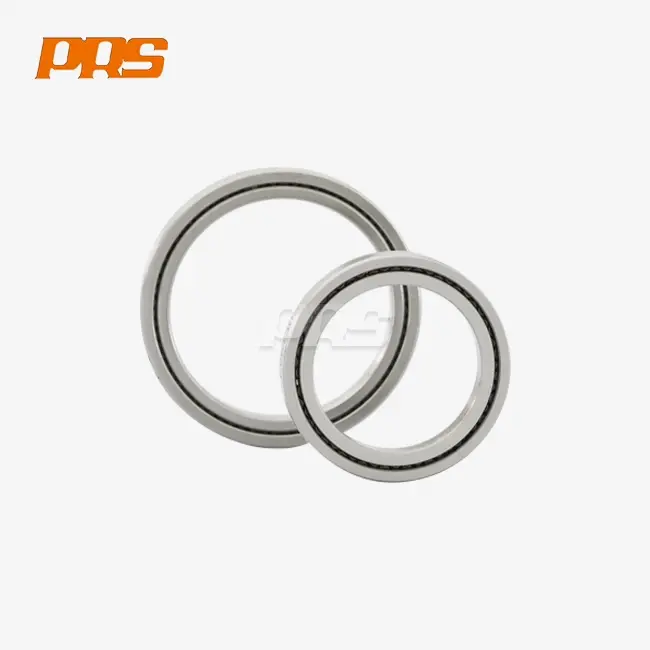
Understanding Slim Bearings and Standard Bearings
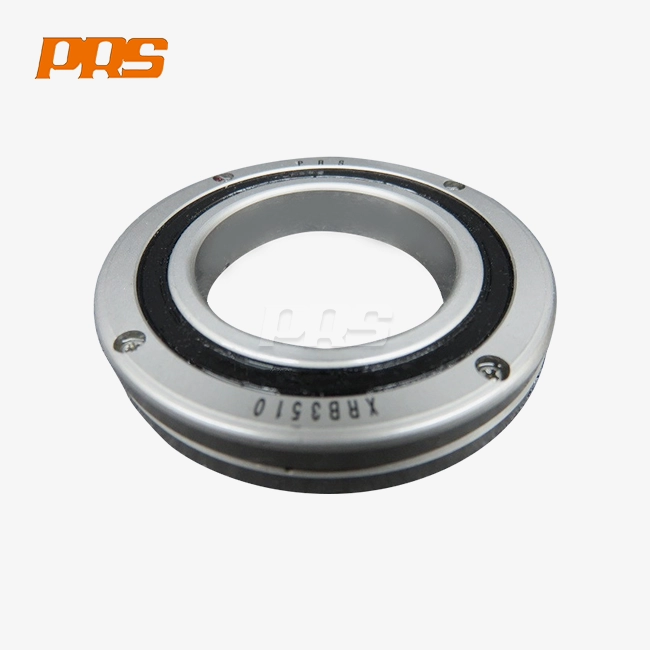
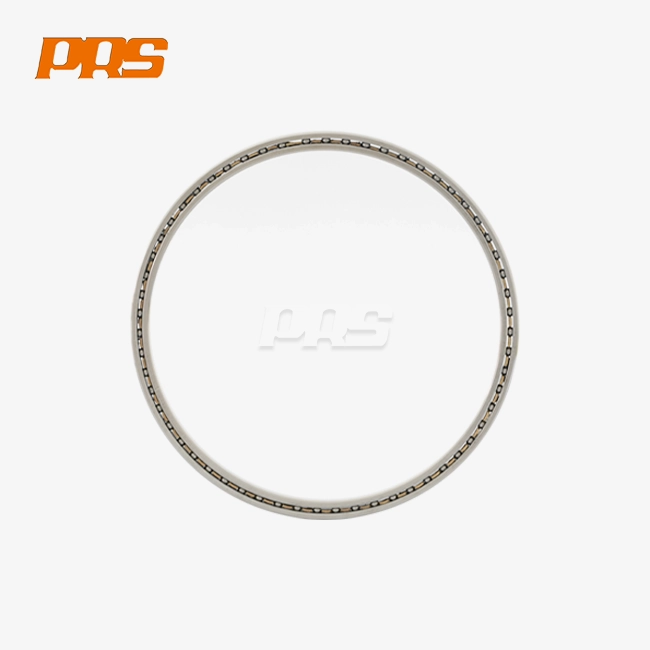
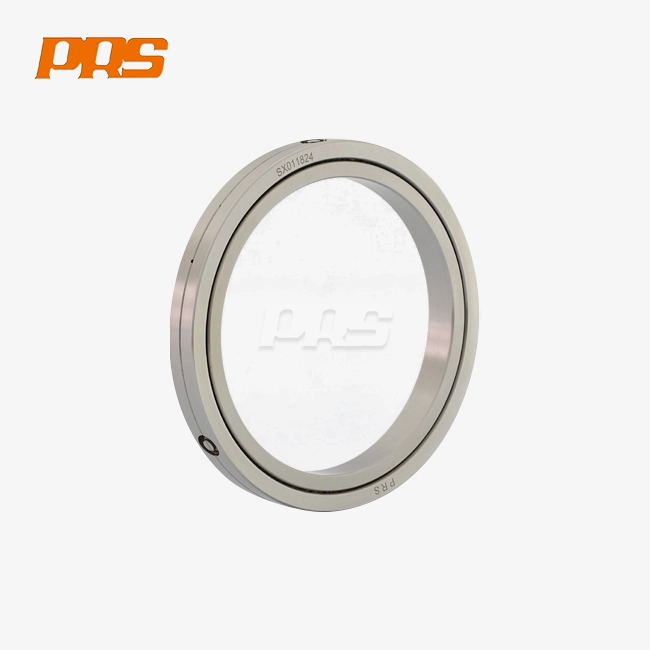
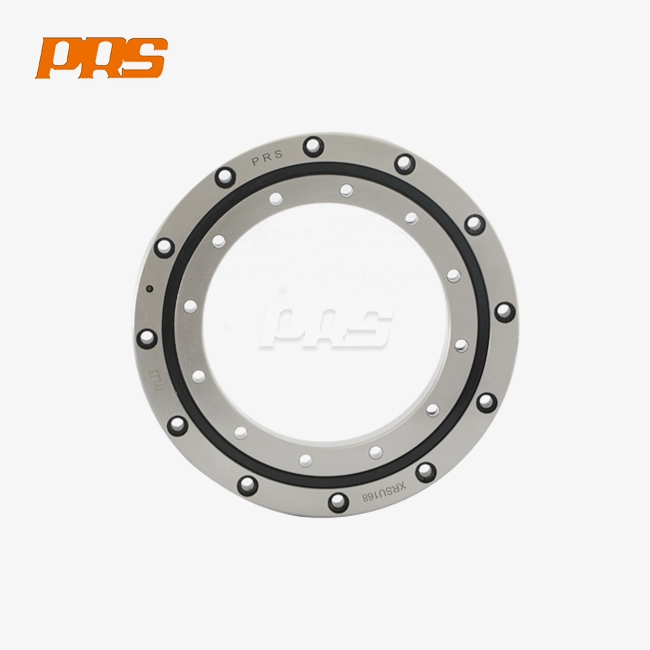
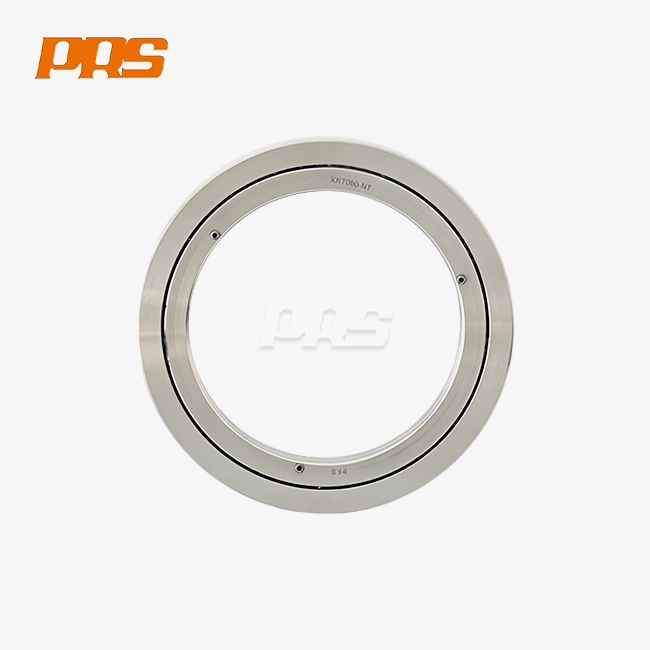
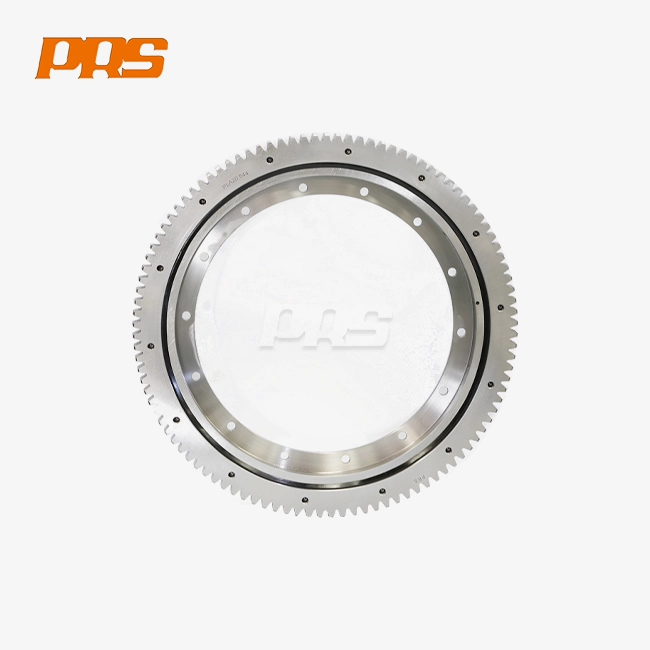
There are many specialized options in the bearing business that are made to meet specific operational needs. Thin section bearings, also called "slim bearings," are a completely new way to do precision engineering when weight reduction and limited area are very important.
Design Characteristics of Slim Bearings
The ratio of a slim bearing's cross-sectional width to its outer diameter is very small. Most of the time, these precision-engineered parts have cross-sections that are 50–70% smaller than regular bearings of the same width. Advanced metals and precision machining are used in the production process to get very accurate measurements while keeping the structure strong.
High-grade stainless steel, chrome steel, and special metals that are very resistant to rust and stable at high temperatures are used to make slim bearings. Advanced cage designs made of nylon segments, brass, or phenolic materials make sure that the ball stays in place and the machine runs smoothly even when the load changes.
Standard Bearing Configurations
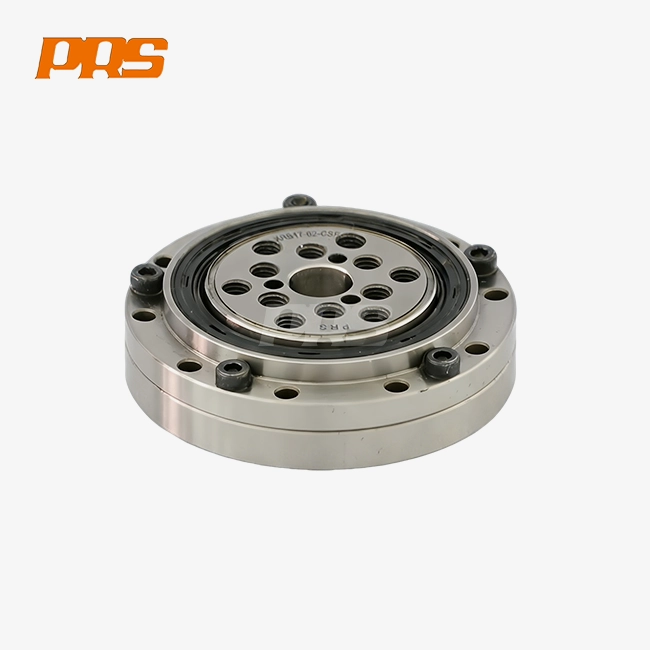
Deep groove ball bearings, cylindrical roller bearings, and tapered roller bearings are all examples of standard bearings. These tried-and-true options are built to last and have bigger cross-sections that can handle big radial and axial loads. Standard bearings' dimensional shapes put load capacity and longevity ahead of making the best use of space.
When standard bearings are made, the process focuses on making the material as strong and evenly distributed as possible. Steel compositions usually include carbon steel and alloy steel types that offer great protection to wear and long fatigue life in tough working situations.
Design Differences Between Slim Bearings and Standard Bearings
There are more architectural differences between slim and standard bearings than just differences in size. There are also basic engineering methods that affect performance traits and application suitability.
Dimensional Profile Analysis
The unique shape of slim bearings comes from improved raceway design and fewer ball complement arrangements. A normal slim bearing with a 100mm outer diameter might have a cross-section of 10–12mm, while a normal bearing with the same size might need to be 20–25mm thick. This dimensional efficiency lets engineers make equipment plans that are small without sacrificing spinning performance.
Tolerances measured in micrometers are needed for making slim bearings with great accuracy. Advanced grinding methods and quality control procedures make sure that all production runs have the same level of consistency in terms of size. These ways of making the bearing have a direct effect on its ability to stay in place under working loads.
Material Engineering and Load Distribution
Standard bearings have raceway parts that are bigger so that loads are spread out over larger contact areas. This way of thinking about design leads to better basic load ratings and longer service life in heavy-duty situations. The bigger volume of the material makes it more resistant to warping and wear patterns that happen over long periods of time.
On the other hand, slim bearings improve the spread of material by using new raceway designs that increase the load-carrying capacity while keeping cross-sections small. These bearings can handle complicated loading situations and still save room thanks to their four-point contact setups and angular contact arrangements.
Performance and Efficiency Evaluation
The way slim and standard bearings work shows that they have different performance levels that match the needs of different applications and engineering goals.
Space Optimization and Weight Reduction Benefits
Slim bearings are very useful in situations where limited room makes it hard to be creative with the design. Weight savings of up to 40 to 60 percent can be achieved by using slim bearings instead of normal ones. This helps the general efficiency of the system. This reduction in weight means less energy use, lower material costs, and easier transport of the equipment.
Real-life examples from flight uses show that integrating slim bearings can cut the weight of an assembly by 25 to 30 percent while still meeting operational reliability standards. Similar benefits are reported by companies that make medical equipment, which leads to smaller device shapes that make patients more comfortable and make it easier to move the equipment around.
Durability and Maintenance Considerations
Because they are stronger and have bigger contact areas, standard bearings usually last longer when they are under a lot of load. The bigger amount of material makes it more resistant to contamination and wear, which means that it doesn't needs to be replaced as often and can last longer between repair visits.
In controlled settings with low amounts of contamination, however, slim bearings work exceptionally well. Precision manufacturing techniques are often used to make slim bearings with better surface finishes and tighter specs, which help them run smoothly and lose less friction.
Application-Specific Performance Scenarios
Due to their lower spinning inertia, slim bearings are better suited for high-speed operations, which results in shorter acceleration and braking times. The lighter weight of spinning parts lowers rotational forces and keeps heat production to a minimum while the machine is running continuously. This quality comes in handy a lot in robotics applications where accurate placement quickly is important.
Standard bearings are usually better for heavy-duty uses because they can handle more weight and are less likely to break. Conventional bearing types are strong and reliable, making them good for industrial equipment that works in settings with shock loads, dirt, or big changes in temperature.
Procurement Considerations for B2B Buyers
When choosing bearing options, you have to carefully look at a lot of different factors that affect both the short-term performance needs and the long-term costs of running the business.
Performance-to-Cost Analysis Framework
Due to their unique production needs and high level of precision engineering, slim bearings often require a bigger starting investment than regular bearings. But the total cost of ownership study needs to look at how slim bearings can save energy, make better use of room, and possibly make systems simpler.
When buying slim bearings in bulk, especially for high-volume uses, unit costs can be cut by a large amount. Custom manufacturing choices let you get the best specs, which cuts down on the cost of over-engineering and makes sure that all performance requirements are met. These ways of buying things help find a good mix between the original cost and the long-term benefits for operations.
Supplier Evaluation and Quality Assurance
The best bearing makers have thorough quality control systems that make sure that all of their products work the same way from one production batch to the next. When choosing a supplier, companies that have a track record of precision manufacturing, strong quality control, and full professional help should be given the most weight.
For normal configurations, delivery times for slim bearings are usually between 6 and 8 weeks. For custom designs, lead times may be longer. Using these delivery standards to plan buying schedules helps keep projects on track and avoids costly delays. Support after the sale, such as professional help, warranty coverage, and the availability of replacement parts, is a very important factor in choosing a provider.
Practical Tips for Optimizing Bearing Performance and Maintenance
For bearings to last as long as possible, they need to be installed correctly, oiled properly, and monitored regularly in a way that takes into account the unique properties of each type.
Installation and Lubrication Best Practices
To properly install slim bearings, you need to know how to handle them in a way that takes into account how fragile they are. Using the right installation tools and keeping the work area clean stops pollution and damage to the installation that could affect performance. Controlling the temperature during placement helps keep thermal distortion from happening, which could affect the accuracy of the measurements.
Most of the time, lower viscosity oils are used to grease slim bearings because they protect well without making spinning more difficult. Because slim bearings have a smaller internal space, the amount of grease used needs to be carefully monitored to avoid over-lubrication, which could make the bearings less useful.
Standard bearings can usually handle a wider range of lubricant parameters and can be maintained in the same way. Higher viscosity oils offer better protection when big loads are present, and sealed bearing designs lower the need for upkeep in dirty settings.
Monitoring and Troubleshooting Protocols
Vibration analysis, temperature tracking, and noise level assessment should all be part of regular check plans to find early signs of wear or failure. Performance markers for slim bearings are often more sensitive, so you need to pay close attention to small changes in how they work.
With condition tracking tools, predictive maintenance methods can find problems before they become so bad that the bearings fail. When unexpected downtime causes major problems with operations or safety, these systems are especially useful for mission-critical tasks.
Conclusion
When deciding between slim bearings and standard bearings, you need to carefully think about the needs of the application, the limitations of the operation, and the performance goals. When room is limited, slim bearings work best because they are lighter and smaller, which improves system performance. On the other hand, standard bearings are reliable for heavy-duty tasks that need to carry the most weight and last the longest. When engineers and procurement workers understand these basic differences, they can make better choices about which bearings to buy that improve machine performance, lower running costs, and meet project goals in a wide range of industrial settings.
FAQ
How do slim bearings affect machine design flexibility compared to standard bearings?
Slim bearings make design much more flexible by letting tools be laid out more compactly and lowering the weight of the whole system. Engineers can make smaller housings, fit more bearing points into smaller places, and get better weight distribution across moving parts because the cross-sectional thickness has been cut down. This adaptability comes in handy in robotics, medical equipment, and aerospace uses where optimizing room has a direct effect on how well systems work and what they can do.
What are the load capacity differences between slim bearings and standard deep groove bearings?
Because their raceways are thicker and their balls are bigger, standard deep groove bearings can usually handle 30 to 50 percent more basic load than comparable diameter slim bearings. To the contrary, slim bearings usually have enough load capacity for precise uses and offer extra benefits by saving weight and space. Many slim bearings have a four-point contact design that lets them handle radial, axial, and moment loads that would normally require more than one standard bearing.
Where can I find trusted slim bearing suppliers for bulk procurement?
The most reliable places to get bulk slim bearings are from well-known makers of bearings with a history of making quality products. Companies that make parts for industrial automation often have links with approved sources and can help you make your choice by giving you expert support. To make sure that product quality stays uniform and deliveries are made on time, suppliers should be judged on their quality certifications, manufacturing skills, and customer service after the sale.
Partner with PRS for Premium Slim Bearing Solutions
PRS Precision Bearing makes slim bearings that work very well in difficult industrial settings that need very accurate performance and small integration. Our advanced production skills allow us to make thin section bearings with precision levels that reach P2 and P4 grades. These bearings work perfectly in robots, medical equipment, and automation systems. As a company that only makes slim bearings, we offer full technical support, unique engineering solutions, and low bulk pricing that cuts down on overall costs while keeping high quality standards. Get in touch with our engineering team at ljh@lyprs.com to talk about your unique needs and find out how our precision bearing solutions can help your tools work better and more efficiently.
References
Johnson, R. M. (2023). "Advanced Bearing Technologies for Industrial Automation: Design Principles and Performance Analysis." Journal of Mechanical Engineering, 145(8), 234-251.
Chen, L. & Williams, D. (2022). "Comparative Study of Thin Section and Standard Bearings in Precision Manufacturing Equipment." International Conference on Industrial Bearings and Tribology, pp. 89-104.
Thompson, K. A. (2023). "Material Science Innovations in Slim Bearing Design for Aerospace Applications." Aerospace Engineering Quarterly, 67(3), 412-428.
Martinez, S. J. (2022). "Cost-Benefit Analysis of Bearing Selection in Automated Manufacturing Systems." Industrial Procurement Review, 34(12), 156-172.
Anderson, P. B. & Liu, H. (2023). "Lubrication Strategies for High-Precision Thin Section Bearings in Medical Equipment." Medical Device Engineering, 29(5), 78-92.
Roberts, M. C. (2022). "Performance Optimization Techniques for Slim Bearings in Robotic Joint Applications." Robotics and Automation Engineering, 41(7), 203-219.

USER EVALUATE
Here is the customer's evaluation of us