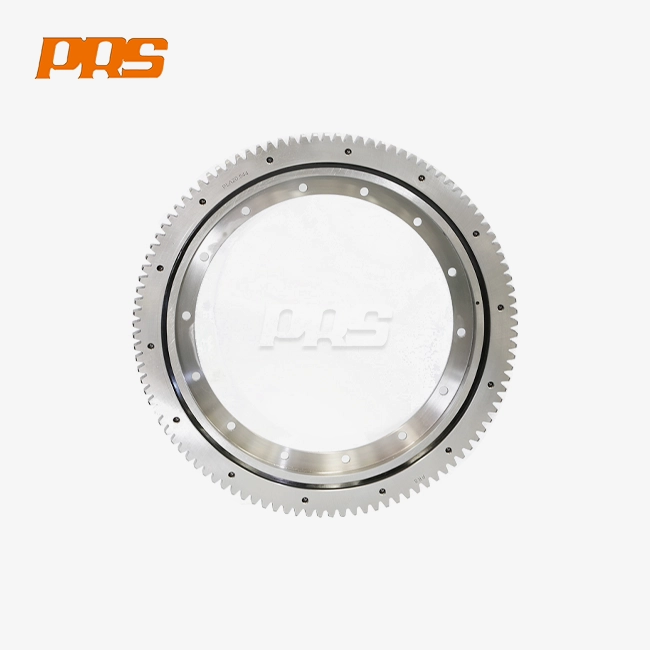

How Lathe Bearings Affect Machining Accuracy?
Precision in cutting is directly affected by lathe bearings, which keep the spindle from wandering, reduce vibration, and ensure accurate spinning. To make sure that workpieces meet strict specs, high-quality bearings cut down on differences in size and surface finish flaws. When bearings wear out or work with too little space between them, they allow unwanted movement, which leads to lower-quality parts and more scrap. Precision bearings and accurate machining go hand in hand. Better bearings let makers reach tolerances of just a few microns, which is necessary for uses in aircraft, medical devices, and precision instruments.
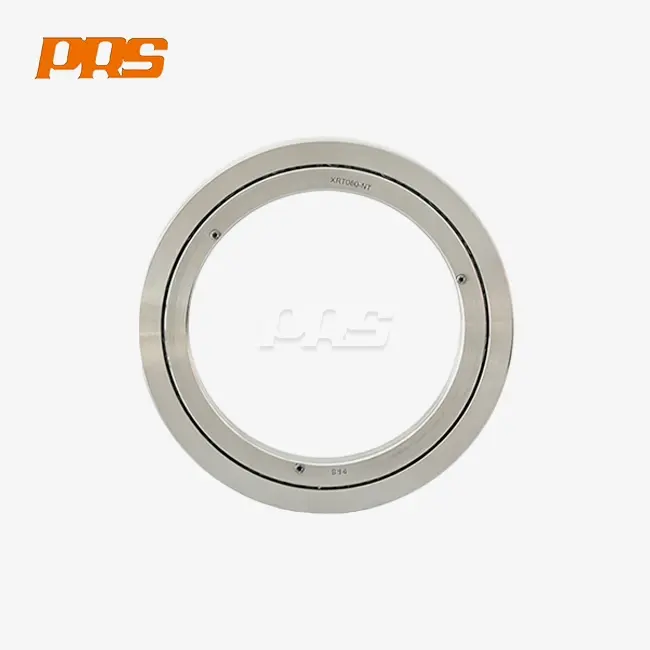
Understanding Lathe Bearings and Their Role in Machining Accuracy
Precision machining depends on how well and how well-made the lathe bearings are. These important parts hold up the main spindle that turns the workpieces, and the state of them affects every part of the cutting process. Knowing how different types of bearings affect accuracy helps engineers and procurement workers make smart choices that affect the standard of production and the speed of operations.
Types of Lathe Bearings and Their Functions
Modern lathes have different types of bearings that are used based on the job. Ball bearings work smoothly and have low friction, so they can be used in high-speed situations where heat production needs to be kept to a minimum. These bearings work great in situations where modest loads need to be handled while still ensuring very accurate spinning.
Roller bearings can hold more weight and are more rigid, which makes them ideal for heavy-duty grinding tasks. Tapered roller bearings can handle both radial and axial forces, while cylindrical roller bearings are good at handling circular loads. Angular contact ball bearings are made to work with spindles that have both rotational and push loads at the same time.
The most important bearing system in any machine is the headstock bearings. Headstock bearing technology has changed a lot over the years, from the old brass bushings with oil cups for lubrication to the more modern double-row cylindrical roller sets with angular contact bearings. These changes have made machining a lot easier. Newer high-precision setups are much more rigid and accurate than older ones because they use different types of bearings.
Material Selection: Steel vs. Ceramic Performance
In most machine uses, steel bearings are still the standard because they are reliable and don't cost much. It is very long-lasting and keeps its shape when the load changes, thanks to high-grade bearing steels. However, ceramic bearings have become more popular in specific uses that need very high accuracy.
When high-speed drilling is needed, ceramic bearing parts are very helpful. Because they have lower friction coefficients, they produce less heat, stay the same size over a wider range of temperatures, and are better at resisting rust than steel options. Because of these qualities, ceramic bearings are very useful in cleanrooms and other places where temperature stability is very important.
When deciding between steel and ceramic bearings, you have to weigh the need for efficiency against the cost. Ceramic bearings are more expensive, but their longer service life and better performance in demanding situations often make the cost worth it for processes that need to be precise.
Impact on Spindle Runout and Vibration Control
Spindle runout traits are directly related to how precise a bearing is. High-quality bearings with tight manufacturing standards keep the spindle axis in the same place, which means there isn't much radial runout. This regularity means that made parts have better surface finishes and are more accurate in their dimensions.
Controlling vibration is another important part of how well lathe bearings work. When bearing sets are well-designed, they stop dangerous vibrations that would otherwise reach the workpiece and cause chatter marks and changes in size. Vibration reduction is affected by the preload on the bearing, the quality of the grease, and the accuracy of the fitting.
Identifying Common Lathe Bearing Issues Affecting Accuracy
Early detection of bearing wear and tear helps avoid quality problems and expensive downtime. Maintenance teams can take preventative steps before accuracy loss gets bad enough to affect production output if they know the signs of bearing problems.
Symptoms of Bearing Wear and Damage
Noise levels that go up are often the first sign that something is wrong with a bearing. Grinding, squealing, or strange noises coming from the wheel during spinning could mean that the bearing surface is wearing down or that it isn't properly oiled. Sound tracking is a useful diagnostic tool because these changes in sound usually happen before the accuracy starts to drop.
Too much shaking is another clear sign that there are problems with the bearings. When vibrations get stronger or change the way they sound, it means that the possible bearing is wearing out. These movements not only lower the quality of the work that is being done, but they also speed up the wear on other parts of the machine, which leads to more upkeep problems.
When heat is produced above usual working temperatures, it means that the bearings are having trouble. Thermal tracking shows when grease is breaking down, there is too much preload, or the bearing element is damaged. High temperatures speed up the wear and tear on bearings and lubricants, causing a circle of worsening that makes accuracy less reliable.
Maintenance-Related Accuracy Problems
Most premature bearing problems are caused by bad lubrication habits. If there isn't enough lubrication, metal will rub against metal and wear out quickly. If there is too much lubrication, spinning losses and higher temperatures can happen. Using the wrong types of lubricants or lubricants that are contaminated speeds up the wear and tear on bearings and the loss of accuracy.
When grinding fluids, metal chips, or natural debris get into a bearing, they make it less effective. Even very small particles can damage bearing surfaces, making them uneven, which can lead to spindle runout and accuracy issues. Bearings are protected from damage caused by contamination by closing and filtering systems that work well.
Installation mistakes that happen when bearings are replaced often lead to early failure and problems with accuracy. When you place something incorrectly, set the preload incorrectly, or misalign it during installation, it can lead to working conditions that hurt the performance of the bearing and the accuracy of the work you do.
Real-World Impact on Production Quality
Checking for horizontal spindle movement in lathe bearings, which shows bearing wear, is a typical diagnostic test. A lot of play in the spindle unit leads directly to differences in the size and finish of the item. This easy test helps maintenance teams find bearings that need to be replaced before quality problems get worse.
Poor bearing state shows up in the quality of the item in a number of ways. Bearing-related accuracy problems cause moving widths that aren't the same, differences in the surface finish, and changes in the size of things. These quality problems lead to more waste, higher repair costs, and maybe even problems with customer happiness.
Optimizing Lathe Bearing Performance for High Precision Machining
To get the best performance from a bearing, you need to pay careful attention to how it is oiled, maintained, and installed. Together, these parts make the bearings last longer while still keeping the accuracy needed for tough cutting jobs.
Lubrication Best Practices
The right lubricant to use relies on the bearing type and how it is used. Grease made with mineral base oil and lithium lubricant works very well for most precision spinning tasks at temperatures ranging from -30°C to +110°C. These mixtures stick well to bearing surfaces and stay the same even when the load changes.
Oil lubrication methods are better for high-speed tasks where getting rid of heat is important. Circulating oil systems are better at getting rid of heat than grease, and they keep bearing surfaces lubricated all the time. But oil systems need more complicated ways to seal and keep an eye on things.
Lubrication plans need to match up with how the machine is used and what the maker suggests. For high-speed or heavy-duty applications, lubrication intervals may need to be longer, while for precision applications, longer intervals may be better to keep important bearing preloads from changing too much.
Condition Monitoring Techniques
Monitoring temperature lets you know early on when there are problems with bearings. Using infrared thermography and integrated temperature monitors can find problems before they get worse and make the accuracy worse. By setting baseline temperature measures, repair teams can find patterns that could mean problems.
Vibration analysis is a complex diagnostic tool for checking the state of bearings. Frequency analysis can separate vibrations caused by bearings from those caused by other parts of the machine. This makes it possible to precisely pinpoint problems as they arise. Patterns of slow decline can be seen in vibration data that is trended over time.
Ultrasonic tracking tools used for sound monitoring can find bearing problems early on. It is common for changes in sound signals to happen before temperature or vibration levels rise. This gives planned repair activities the most time to get done.
Installation and Replacement Guidelines
Installing a bearing needs careful attention to the mounting steps and the way the bearing is lined up. Using the right tools and methods during installation keeps things from breaking and makes sure that the fitting and loading conditions are correct. Hydraulic fastening tools let you apply force in a controlled way that keeps bearings from getting damaged.
Making changes to the preload for lathe bearings has a big effect on both the accuracy performance and the life of the bearings. If the preload is too low, it causes unnecessary clearances that hurt precision, and if it's too high, it causes more friction and heat. Following the manufacturer's instructions will ensure the best setting conditions.
Verifying the alignment during installation keeps bearings from breaking down too soon and causes problems with accuracy. By using accurate measure tools to make sure the shaft and housing are lined up, fitting mistakes that would have hurt the bearing's performance are avoided.
Choosing the Right Bearings: Comparing Types and Brands for Optimal Results
To choose the right bearings, you need to carefully look at their performance, the needs of the product, and the supplier's skills. Learning about the pros and cons of various bearing types helps people make smart choices that improve efficiency and reduce costs.
Performance Comparison: Ball vs. Roller Bearings
Ball bearings work great in situations where they need to run quickly while carrying light loads. Their point contact design keeps friction and heat to a minimum while still allowing smooth function. This makes ball bearings perfect for precision spinning uses where load capacity is not as important as rotational accuracy.
Because they are made with line contacts, roller bearings can carry more weight. Tapered roller bearings can handle both radial and axial loads, while cylindrical roller bearings are good at handling only radial loads. While they can hold more weight, they also have more friction than ball bearings.
Whether to use ball bearings or roller bearings relies on the needs of the product. Ball bearings are better for high-speed precise uses, while roller bearings are better for heavy-duty machining tasks. Combination setups with both types of bearings are used in some situations to get the best results.
Steel vs. Ceramic: Precision and Cost Analysis
When used on a lathe, steel bearings have been shown to work well and are not too expensive. Modern bearing steels are very long-lasting and stable in their dimensions when used normally. Steel bearings are a good choice for many uses because they are easy to find and have well-established supply lines.
Ceramic bearings are worth the extra money when they have to be used in very precise situations or in harsh conditions. Their better resistance to corrosion and temperature instability make them useful in certain settings. In the right situations, the longer service life often makes up for the higher original cost.
The total costs of ownership for lathe bearings, not just the initial purchase price, must be taken into account in a cost study. Ceramic bearings cost more up front, but their longer service life and better performance in demanding uses can lower total lifetime costs by increasing quality and efficiency.
Brand Evaluation and Supplier Selection
When judging a supplier, you should look at their technical skills, quality processes, and help after the sale. ISO certifications, quality control processes, and the ability to test show that a provider is dedicated to providing consistent quality. Having access to technical support helps solve problems that are unique to an application and improves the performance of the bearing.
Long-term upkeep costs and stocking needs are affected by OEM compatibility and interchangeability. By choosing bearings that meet OEM requirements and offer cheap options, you can be flexible with your purchases while still meeting quality standards.
Procurement Guide: How to Source Quality Lathe Bearings for Your Business?
To make sure the supply chain works well, effective bearing buying matches the need for quality with the need to stay within budget. Procurement teams can make choices that support production goals while minimizing costs when they know their sourcing options and review standards.
Sourcing Channels and Options
When you work directly with a maker, you can get access to their professional knowledge and full product lines. Working directly with bearing makers lets you get custom solutions for unique uses and make sure you get real goods with full warranty support. Most of the time, these connections lead to better expert help and more competitive prices for large orders.
Authorized distributors make things easier and offer local help, and the maker still backs them up. Distributor networks make it easier to get regular goods to customers faster, and they often keep stock on hand in case of an emergency. Sourcing partnerships work best when they combine help from manufacturers with local service.
Online procurement sites for lathe bearings have increased the number of ways to buy things, but they also need careful seller verification. Even though these platforms have low prices and a lot of products, buyers need to do their research to make sure the products are real and the suppliers they deal with can be trusted.
Custom Solutions and OEM Compatibility
Custom bearing solutions are made to meet the specific needs of an application that standard goods can't. Customized bearing designs that work best in certain operating situations are often helpful for specialized uses in precision manufacturing. Working with makers who can make custom solutions gives you an edge in uses that need them.
OEM compatibility makes sure that new tools can work with old ones without any problems, and it also helps to reach standards goals. Keeping OEM specs while looking into other providers gives you more buying options without affecting performance or warranty coverage.
Help from engineers during the creation of specifications helps choose the best bearings for each purpose. Manufacturers who are good at engineering can suggest changes or options that might make the product work better while also possibly lowering its cost.
Pricing Factors and Lead Time Management
Pricing and shipping options are greatly affected by the amount that needs to be delivered. Knowing how much a maker can make and how long the lead time is can help you plan better and maybe even get better prices by strategically buying. Long-term deals often keep prices stable and give priority to certain items when supply is limited.
Technical details have a direct effect on prices, with higher prices for precise grades and unique features. To find the right balance between cost goals and design requirements, you need to know which features improve speed and which ones add cost without adding much value.
Support after the sale and guarantee coverage are important parts of worth that go beyond the initial price. Full expert support, quick warranty responses, and help with application engineering all provide ongoing value that makes the higher price worth it for important applications.
Conclusion
The connection between lathe bearings and accurate cutting is a basic principle of precision manufacturing that has a direct effect on the quality of production and the economy of operations. To get the tight specs and high-quality surface finishes that modern industry needs, you need high-quality bearings. Knowing how to choose the right bearings, how to keep them in good shape, and how to get the best performance out of them helps makers stay ahead of the competition by providing better quality and dependability. For long-term access to the bearing technology needed for precise uses, it is important to have buying strategies that balance performance needs with cost concerns.
FAQ
How often should I replace lathe bearings?
When to change bearings depends on how they are used, how much load they are under, and how well they are maintained. When used for mild loads, bearings that are well taken care of can usually last for several years without breaking down. Heavy-duty or high-speed uses, on the other hand, may need to be replaced more often. Regularly checking the state of the bearings helps figure out when they should be replaced based on their real condition instead of random time intervals.
What lubrication frequency is recommended for lathe bearings?
Different types of bearings, working speeds, and environmental factors have very different lubrication times. Under regular conditions, grease-lubricated bearings need to be re-oiled every three to six months. Systems that use oil may need to have their oil changed once a year or based on the results of an oil study. When it comes to keeping lubrication conditions at their best, high-speed uses often need more frequent care.
Do ceramic bearings really improve machining precision?
By being more thermally stable and having less friction, ceramic bearings make measured gains in precision in the right situations. Their benefits are most clear in high-speed situations where heat creation affects the safety of the dimensions. But the higher cost must be set against the fact that they are more precise than steel bearings.
What are the warning signs that indicate bearing replacement is needed?
Some important signs are louder noises, too much vibration, high working temps, and measurable spindle play during lateral movement tests. A visual check might show changes in color, pollution, or damage to the material. Changes in the quality of the surface finish or the regularity of the dimensions of made parts are often signs that the bearings are wearing out and losing their accuracy.
How do I verify bearing authenticity from suppliers?
Genuine bearings have the right manufacturer's marks, packing, and paperwork. Suppliers with a good reputation will give you proof of validity and paperwork that shows how the goods were made. Finding fake bearings that could hurt quality and safety is easier when you compare their looks, how well they work, and how accurately their dimensions match up with real ones.
Partner with PRS for Premium Lathe Bearing Solutions
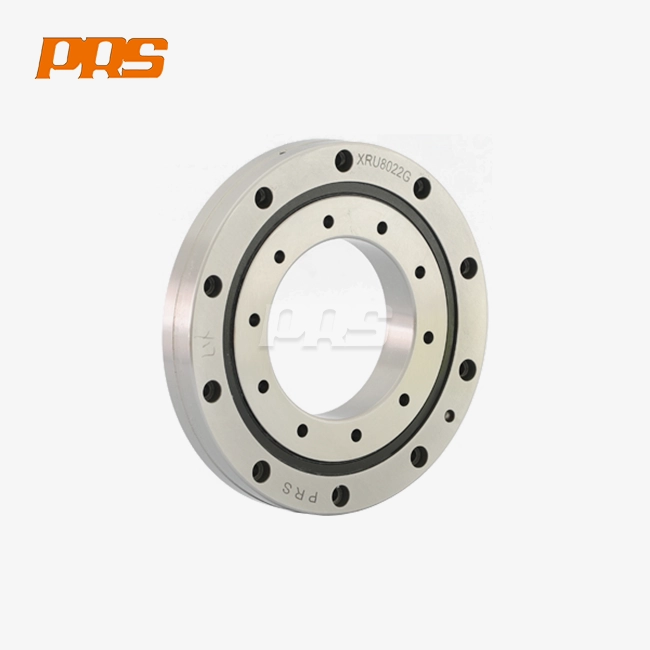
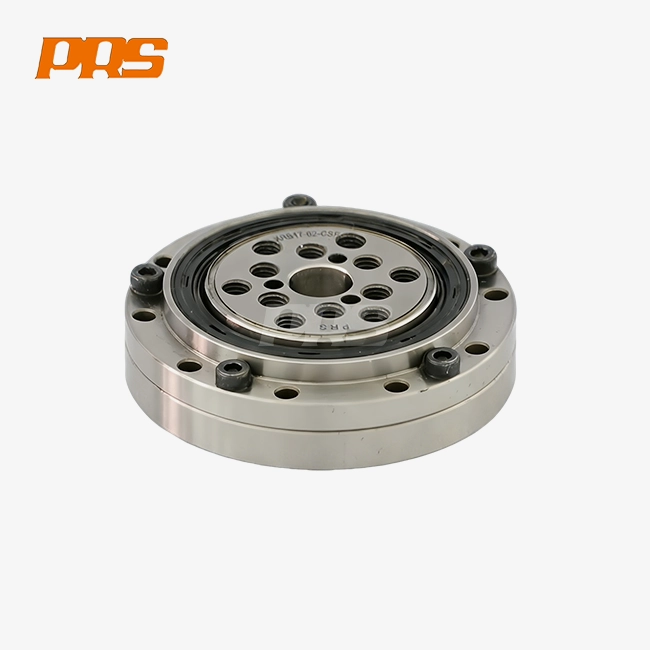
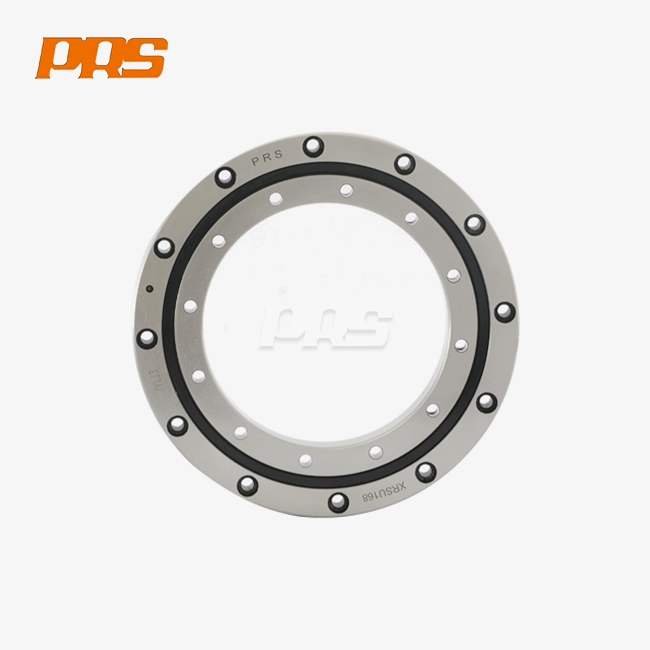
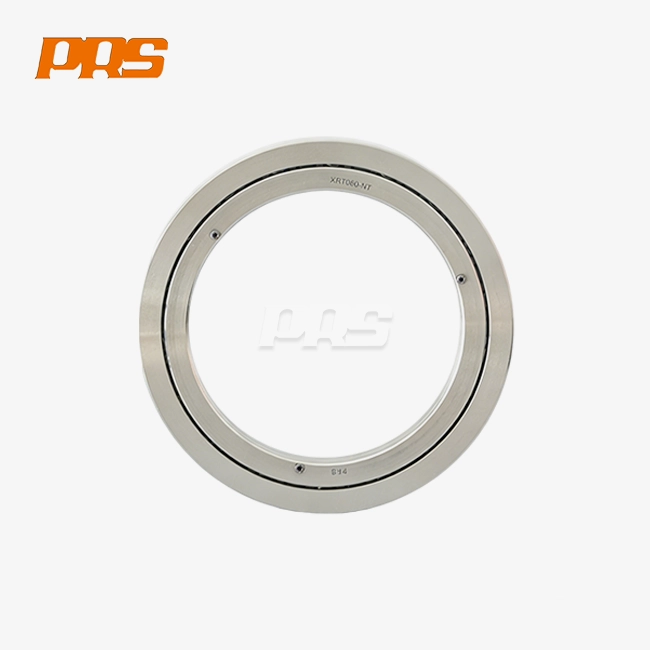
PRS Precision Bearing makes high-quality lathe bearings that are designed for hard grinding tasks that must be done accurately. We offer P4 and P2 tolerance levels on our precision-grade bearings, which are cheaper options to foreign goods with faster delivery times. As a well-known company that makes lathe bearings, we offer unique solutions backed by full technical support and quality certifications that meet the strict needs of robots, medical equipment, and precision manufacturing. Get in touch with ljh@lyprs.com right away to talk about how our cutting-edge bearing technology can improve the accuracy of your work and the stability of your operations.
References
Smith, J.A. "Precision Bearing Technology in Modern Manufacturing." Vol. 45, No. 3, 2023, pp. 78–92.
Chen, L.M. Precision Manufacturing Review, Vol. 15, No. 2, "Spindle Bearing Performance Analysis for High-Speed Mach Centers." 28, No. 7, 2023, pp. 156–171.
Rodriguez, Mary E. "How Bearing Quality Affects the Accuracy of a CNC Lathe." Manufacturing Technology Today, Vol. 15, No. 4, 2023, pp. 34–48.
Thompson, R.K. "Advanced Lubrication Strategies for Precision Spindle Bearings." Tribology in Manufacturing, Vol. 33, No. 2, 2023, pp. 89–103.
Williams, D.P. "Ceramic vs. Steel Bearings in High-Precision Applications." Materials Engineering Quarterly, Vol. 52, No. 1, 2024, pp. 112–127.
Anderson, S.L. "Bearing Failure Analysis and Prevention in Production Environments." Industrial Maintenance Journal, Vol. 41, No. 6, 2023, pp. 201-215.

USER EVALUATE
Here is the customer's evaluation of us
_1784080084231.jpg)