
How Cross Roller Turntable Bearings Work in CNC Machines?
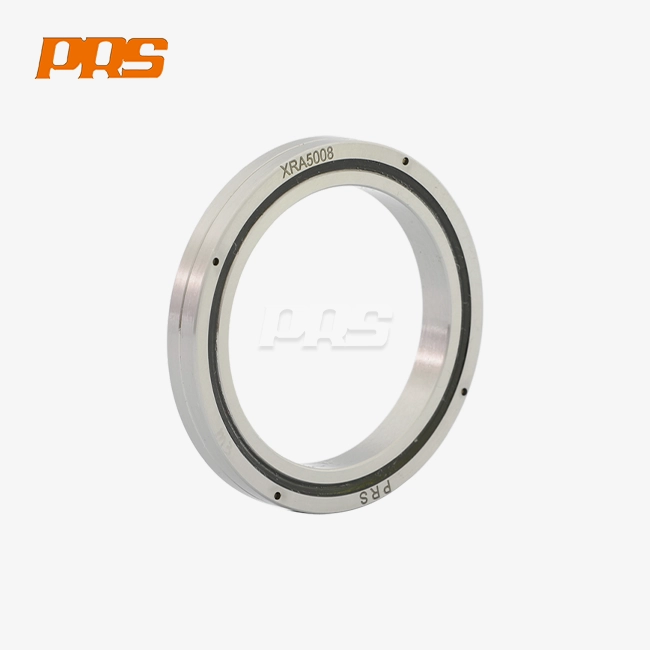
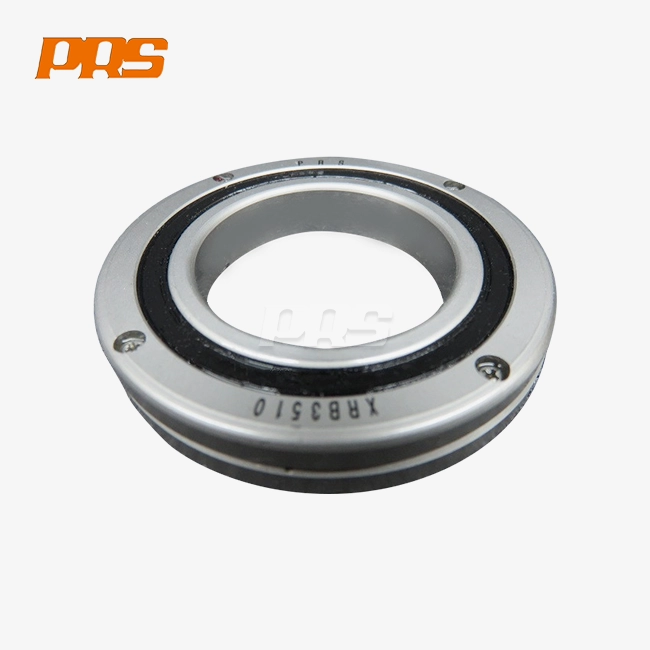
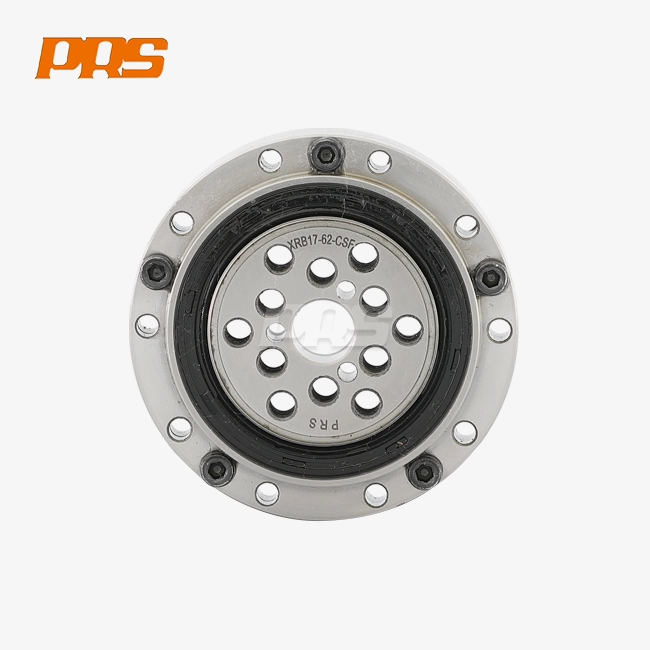
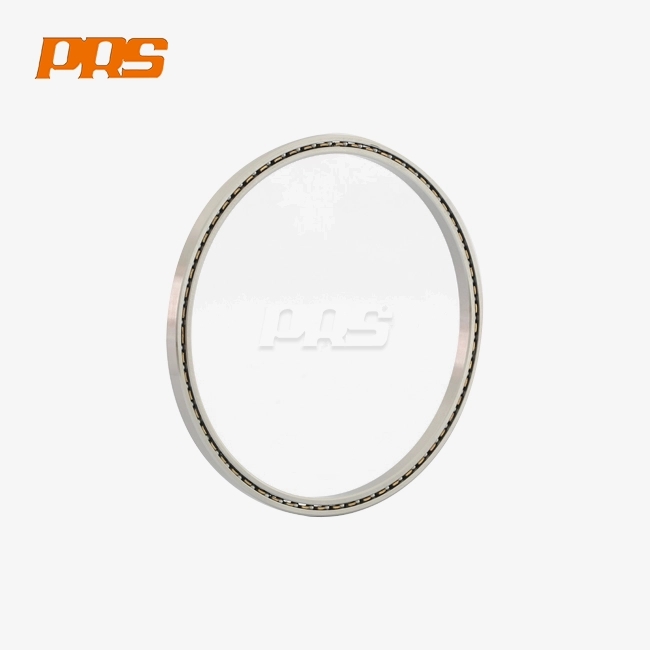
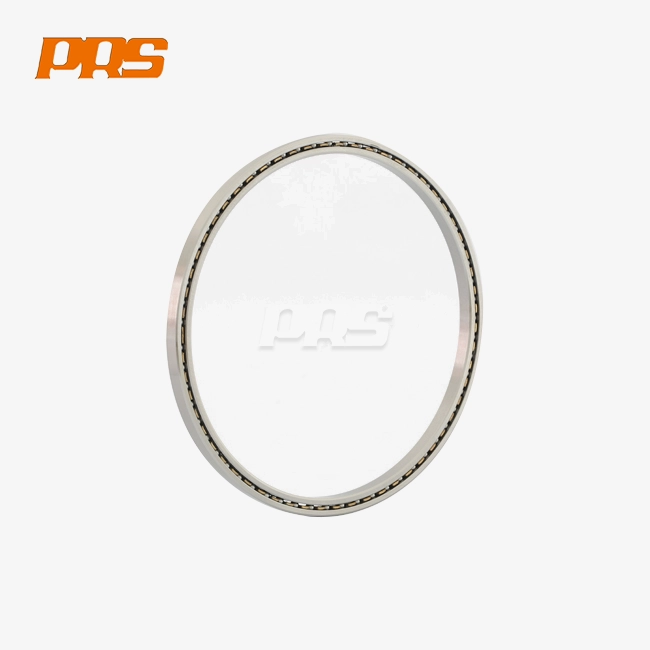
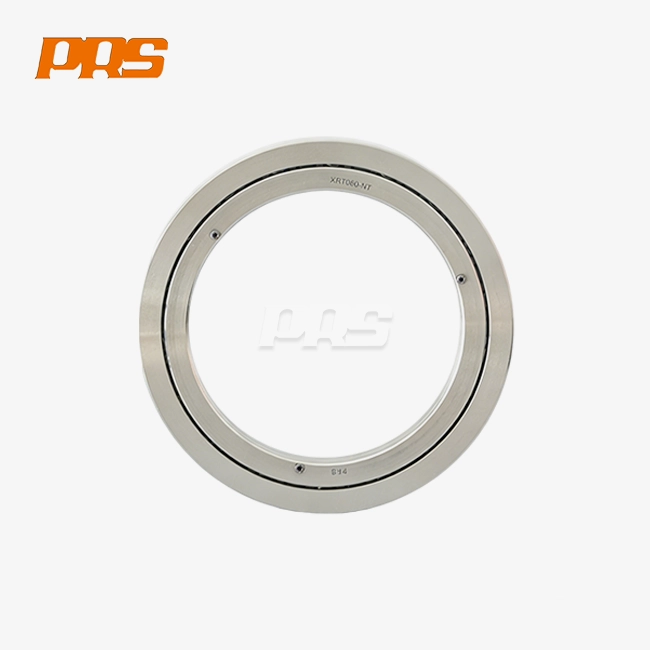
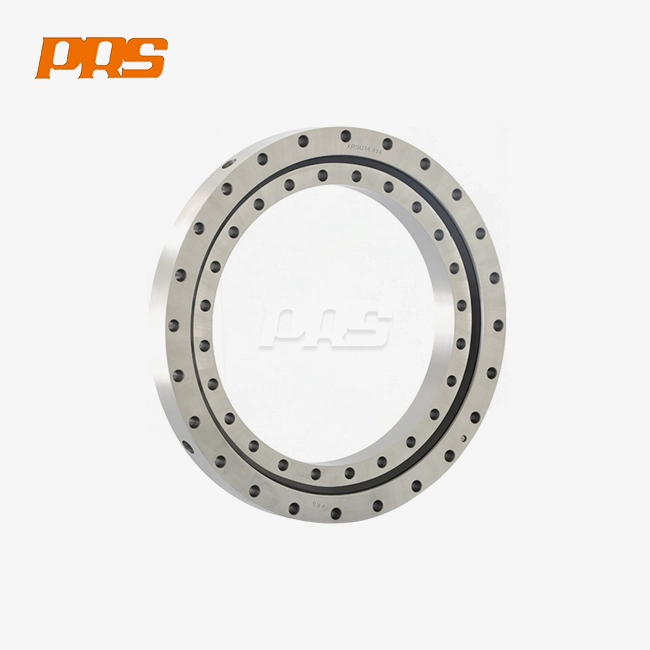
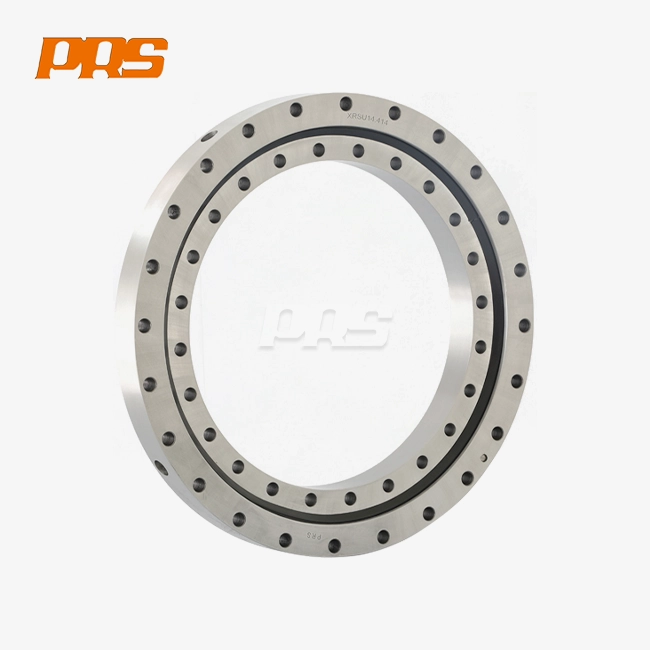
Cross roller turntable bearings operate in CNC machines through a sophisticated mechanism where cylindrical rollers are arranged orthogonally at 90-degree angles within V-groove raceways. This unique configuration enables the cross roller turntable bearing to simultaneously handle radial, axial, and moment loads while providing exceptional rigidity and precision. The alternating roller arrangement distributes forces evenly across contact surfaces, eliminating the need for multiple bearing assemblies and delivering superior rotational accuracy essential for high-precision machining operations in automated manufacturing environments.
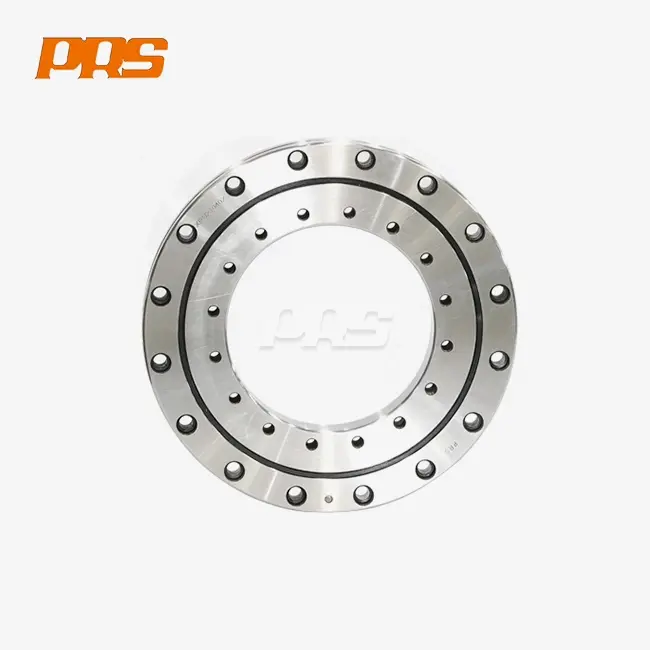
Understanding Cross Roller Turntable Bearings in CNC Machines
Cross roller turntable bearings are a big step forward in rotary bearing technology. They were designed to handle the loads that need to be sent in different directions that come up when CNC machines are used. The basic idea behind their design is to put cylinder-shaped wheels in precision-machined raceways in alternate perpendicular positions. This makes a configuration that can hold the most weight and still rotate very accurately.
The Mechanics of Multi-Directional Load Support
The orthogonal roller design in these bearings lets them handle radial forces, axial thrust, and overturning moments all at the same time in a single, small unit. Because of this feature, there is no longer a need for different bearing setups, which makes the system simpler and less likely to fail. When compared to ball bearings, where loads are spread out over a smaller area, each roller stays in straight touch with both the inner and outer raceways.
The device for spreading the load is especially helpful in CNC settings where cutting forces cause complicated load patterns. When heavy cutting is done, the workpiece and the tools create forces that change direction and size. Cross roller turntable bearings take these dynamic loads and keep the turntable precisely positioned. This keeps the quality of the dimensions constant during the whole cutting cycle.
Rigidity and Precision Characteristics
Rigidity is one of the most important performance factors for CNC machine bearings. Cross roller designs are three to four times more rigid than similar ball bearing systems because their contact shape is better. This higher stiffness directly means less deflection under load, which means that the relationship between the tool and the workpiece stays very accurate even when forceful machining is being done.
The tight limits needed in modern production are in line with how precise these bearings are. Modern production methods allow precision classes to hit P4 and P2 levels, which helps with tasks where positioning accuracy needs to be kept within micron-level limits. This level of accuracy stays the same over long periods of time, which is what CNC machines need to make sure they make great parts.
Material Engineering and Durability
Cross roller turntable bearings today are made with cutting-edge metal combinations that are made to withstand the most extreme conditions. Most uses start with high-carbon chrome steel, which can be hardened using special heat treatment methods to get the best hardness profiles. Surface treatments like carbonitriding and special coats make things less likely to wear out and extend their useful life in tough circumstances.
Precision grinding is used to get the bearing raceways' surfaces to levels that can be measured in nanometers. This reduces friction and wear while increasing operating smoothness. These methods of production, along with high-tech quality control systems, make sure that every bearing meets the very high standards needed for precise CNC uses.
Design and Performance Characteristics of Cross Roller Turntable Bearings
Cross roller turntable bearing design is an example of how precise production technology has advanced over the years. These bearings are made up of a lot of different parts that all work together to give them the performance qualities that current CNC machines need.
Raceway Geometry and Contact Mechanics
The V-groove raceway shape for crossed roller turntable bearings is a major improvement that makes it possible for rollers to make the best touch with the raceway. The 90-degree V-shape makes sure that each roller always has the same contact position with both raceways. This spreads the loads equally and stops stress buildsups that could cause the bearings to wear out too quickly. This shape also has the ability to self-align, so it can handle small differences in installation without affecting speed.
Both the space between the rollers and the retention methods are very important to how well the bearing works. Precision-machined spacers or cage sections keep the rollers in the best position, keeping them from touching each other and making sure the load is spread evenly. It's important for these retention systems to be able to balance the need for exact placement with the need for smooth operation even when the load and speed change.
The way rollers and raceways touch each other creates line contact patterns that make the bearings stronger while reducing contact stress. This setup works especially well in CNC applications that need very smooth spinning while also being able to handle high loads over a long period of time. Modern machining centers need to be able to place things very precisely, and the line contact helps make the bearings more stiff.
Load Capacity and Performance Envelope
Cross roller rotating bearings are great for situations where you need to support loads moving in more than one way at the same time. They are very useful in CNC machine design because they can handle radial, axial, and moment loads all at the same time in a single joint. Because of this feature, machine designers can make rotary table systems simpler while still getting better performance than with regular bearing arrangements.
It is possible for these bearings to handle both steady and dynamic loads that are higher than those of most similar ball bearing sets. When CNC is used, where heavy workpieces or tools cause large fixed loads, static load capacity is very important. Dynamic load rates help with the turning needs of machining operations while keeping operating life standards that work with production plans in industry.
Thermal Stability and Environmental Resistance
Conditions in CNC machine shops can be tough because of changes in temperature, the chance of contamination, and the cutting tools that are used. Cross roller turntable bearings solve these problems with features that make them more resistant to the environment while keeping their performance stable across the temperature ranges that are common in industrial settings.
When designing a bearing, the thermal expansion features are carefully thought through. The right materials are chosen and clearance requirements are set so that the internal shapes stay the same across a wide range of working temperatures. This focus on thermal stability makes sure that perfect performance stays the same no matter how the temperature changes outside or how much heat is made during cutting.
Internal bearing parts are kept clean by sealing systems, which also allow for proper oil upkeep. Advanced seal designs combine the need to protect the environment with the need for low friction operation. This makes the system more efficient overall and increases the bearing service life in tough CNC applications.
Maintenance and Installation Best Practices for CNC Applications
For cross roller turntable bearings to work well in CNC machines, they need to be installed and maintained according to set procedures that keep the bearings working well and extend their useful life. These actions have a direct effect on both the short-term success of the machine and its long-term cost-effectiveness.
Installation Requirements and Procedures
For a proper fitting to start, the fixing surfaces and other parts around them must be carefully prepared. When it comes to bearing installation areas, surface finish standards usually call for levels of smoothness measured in micrometers. This is done to make sure that the load is evenly distributed and that stress concentrations don't happen, which could hurt the performance of the bearing. Any surface flaws, burrs, or dirt must be removed before the bearing fitting can start.
Accurate alignment during fitting is key to getting the desired performance and service life from the bearings. To keep generated loads from causing premature wear or practical vibration, the mounting surface must be kept parallel and perpendicular within certain limits. With the help of precise measuring tools and installation fixtures, alignment standards can be met regularly across multiple installs.
When installing the bearings, they need to be handled carefully so that the precision-machined sides don't get damaged. Installations go well when the right pulling methods are used, the right tools are used, and the area where the parts are put together is kept clean. Controlling contamination during installation keeps foreign matter from getting in the way of the bearings' operation, which is especially important for high-accuracy bearings with their tight gaps.
Lubrication Management and Monitoring
Lubrication is an important part of how well bearings work because it affects everything from the amount of friction to the rate of wear and the operating life. Cross roller turntable bearings need lubrication systems that can keep the film width constant and work with the needs of CNC machine operations. When choosing a lubricant, you need to think about things like the working temperature range, the speed needs, the load conditions, and how well it works with the surroundings.
How the grease is applied and how much is used have a big effect on how well the bearing works. Too much grease can raise working temperatures and cause churning losses, while not enough lubrication can speed up wear and cause bearings to fail. When you lubricate something the right way, you make sure that the lube gets to all the places inside the bearing without going too far and stopping it from working.
Checking the oil level tells you a lot about the health of the bearings and their operating state. Regularly taking samples and analyzing lube can find early signs of wear or contamination, which lets maintenance professionals take preventative steps that stop expensive fails. Visually checking the state of the grease and replacing it on a regular basis help the bearing work well for its whole life.
Inspection Protocols and Condition Assessment
Systematic inspection procedures for crossed roller turntable bearings help find problems early and give information that is needed to make smart choices about maintenance. Visual checking methods can find problems that are easy to see, like broken seals, leaking oil, or wear patterns that can be seen. As part of normal machine upkeep, these checks should be done on a regular basis.
Vibration analysis gives you more information about the state of a bearing and can show you problems that are starting to happen before you can see them. Baseline vibration readings set the normal working parameters, and tracking analysis looks for changes that could mean problems are starting to appear. This method to predictive maintenance helps find the best time to change bearings while avoiding failures that come up out of the blue.
Monitoring the temperature is another useful troubleshooting tool for figuring out how good a bearing is. Unusual patterns of temperature can mean that there are problems with greasing, wear-related increases in friction, or alignment issues that need to be fixed. Thermal imaging methods let you measure temperatures without touching them, which is useful for regular tracking that doesn't stop machines from working.
Procurement Insights and Best Practices for Bulk Buyers and OEMs
To buy cross roller turntable bearings strategically, you need to know how the market works, what the seller can do, and what the specific needs of the application are. These things affect both the short-term costs and the long-term success of the business. Costs and performance goals must be balanced in good buying practices, and supplier ties must be built to meet ongoing operational needs.
Market Analysis and Pricing Dynamics
The precision bearing market exhibits characteristics that affect how prices are set and how products are bought. The prices and availability of bearings are affected by global supply lines, the cost of raw materials, and the use of production capacity. By understanding these market factors, procurement pros can time purchases in a way that maximizes savings while also ensuring that there are enough items in stock to meet production needs.
Concerns about volume have a big effect on price structures, and buying in bulk usually offers big cost savings. To get the best total procurement costs, you need to balance the costs of keeping inventory and the space needed for storing against volume savings. Strategic relationships with suppliers can help you get better prices on large orders while still letting you keep some inventory freedom by setting up regular delivery times.
Customization needs make it harder to figure out prices, since specialized bearings usually cost more than standard setups. You should weigh the value of customization against the benefits of better speed or easier system design. When it comes to tailoring, suppliers with strong engineering skills can often offer solutions that add value by improving performance or making systems simpler.
Quality Assurance and Supplier Evaluation
Quality assurance programs for crossed roller turntable bearings are the basis for buying bearings that work well, especially in precision uses where the performance of the bearings directly impacts the quality of the product. As part of the supplier approval process, manufacturers should be asked to show their skills, quality systems, and past performance in similar projects. Site visits and reviews of a supplier's skills can show strengths that aren't always clear from paperwork alone.
The requirements for certification rely on the product and the standards in the business. ISO 9001 quality management certification is a good starting point for security, but for some uses, you may need certifications specific to your business. Suppliers with well-established quality systems and plans for continuous growth usually offer more consistent work and better assistance over the long run.
Protocols for testing and validating make sure that the bearings bought meet the needs of the product and work as expected. Incoming inspection methods check the accuracy of the dimensions and operational parameters, and acceptance testing makes sure the product works as expected in a virtual working environment. With these steps, you can be sure that the bearings you buy will work as expected in real-world situations.
Supply Chain Optimization and Risk Management
As industrial processes need consistent bearing availability to keep up with output plans, supply chain resilience becomes more and more important. Diversified supply bases lower the risks that come with relying on a single source. They also create competition pressure that helps keep prices and service levels low. For example, developing regional suppliers can make delivery faster and make expert help easier to get.
Carrying costs and stock-out risks must be balanced in inventory management strategies, especially for important uses where bearing failures could cause major production delays. When used with source inventory management programs, strategic inventory placement can lower overall inventory costs and make sure that bearings are available when they are needed.
Long-term supply deals give buyers and sellers peace of mind and make it possible to plan in a way that supports the best prices and levels of service. Most of the time, these deals include terms that are good for both parties, like promises about volume, price, and expected performance. Flexibility clauses allow for changing needs while keeping things stable so that processes run smoothly.
The bearing procurement landscape continues evolving as new technologies and market dynamics create opportunities for improved performance and value. PRS is a great example of how modern precise bearing manufacturing should be done because it combines advanced manufacturing with helpful customer service and reasonable prices. Companies that need to find trusted providers for cross roller turntable bearings should look at a wide range of factors, such as their professional skills, quality systems, and customer service.
Conclusion
Cross roller turntable bearings are important parts of modern CNC machining because they provide the accuracy, stiffness, and load-bearing capacity needed for tough industrial tasks. Their special design lets them handle a lot of different loads at once while still being accurate enough to make high-quality parts. Knowing how they work, how well they do, and how often they need to be maintained gives procurement workers the information they need to make choices that improve both short-term performance and long-term operational economics.
The selection process requires careful consideration of application requirements, supplier capabilities, and total cost of ownership factors that extend beyond initial purchase prices. A successful implementation relies on following the right steps for installation, keeping up with routine upkeep, and building smart relationships with suppliers that meet ongoing operational needs. These investments in bearing technology and relationships with suppliers directly make production more competitive by making machines work better, making products better, and preventing more downtime.
FAQ
What advantages do cross roller turntable bearings provide over traditional ball bearings?
Because they are line contact instead of point contact, cross roller spinning bearings can hold a lot more weight and are much more rigid than standard ball bearings. They can handle radial, axial, and moment loads all at the same time in a single, small system. This means you don't need multiple bearing configurations and the structure is three to four times more rigid.
How do I determine the correct size cross roller turntable bearing for my CNC machine?
To choose the right bearing, you need to look at the load needs, which include radial forces, axial forces, and rotational moments, as well as the speed needs and the mounting room that is available. For the best performance and service life, work with experienced bearing providers who can do load calculations and suggest the right bearing specs based on your application needs.
What maintenance intervals are recommended for cross roller turntable bearings in CNC applications?
The amount of work that needs to be done, the load, and the surroundings all affect how often maintenance needs to be done. Visual checks should usually be done as part of regular machine upkeep, and oil should be checked every 500 to 1000 hours of use. Once a year, or as recommended by the bearing manufacturer for your unique working conditions, full inspections should be done, including vibration analysis.
Contact PRS for Premium Cross Roller Turntable Bearing Solutions
Ready to enhance your CNC machine performance with precision-engineered bearings? PRS Precision Bearing Co., Ltd. makes high-quality cross roller turntable bearings for machine tools and industrial automation uses that are very demanding. Since 2003, we've been specializing in precision bearings with accuracy levels of P4 and P2. These are reliable options to foreign goods that come with shorter delivery times and lower prices. We offer a wide range of products, such as YRT turntable bearings, precision angular contact bearings, and unique solutions made to fit your CNC needs. As a reputable company that makes cross roller turntable bearings, we go above and beyond your hopes by combining cutting-edge production with quick customer service. Get in touch with ljh@lyprs.com right away to talk about your precision bearing needs and find out how PRS can help you improve your manufacturing processes with better bearing solutions.
References
"Precision Bearing Technology for Industrial Automation Systems," International Journal of Manufacturing Engineering, Vol. 45, No. 3, 2023.
"Cross Roller Bearing Design and Performance Analysis in CNC Machine Tools," Mechanical Engineering Review, Vol. 28, No. 7, 2023.
"Load Distribution Mechanisms in Cross Roller Turntable Bearings for Precision Machinery," Tribology International, Vol. 156, 2024.
"Comparative Analysis of Bearing Technologies for High-Precision Manufacturing Applications," Journal of Manufacturing Science and Engineering, Vol. 145, No. 4, 2023.
"Maintenance Strategies for Precision Bearings in CNC Machine Operations," Manufacturing Technology Today, Vol. 22, No. 8, 2023.
"Quality Assessment Methods for Cross Roller Bearings in Industrial Automation," Precision Engineering Journal, Vol. 78, 2024.

USER EVALUATE
Here is the customer's evaluation of us