


What Are Robotic Bearings and Why Precision Matters in Robot Joints?
Robot bearings are special mechanical parts that were made to work with robots, where accuracy, dependability, and durability are very important. These important parts make it possible for robot joints to move smoothly, handle complicated loads that come from multiple directions, and keep their precise placement. In modern industrial automation, the difference between regular bearings and high-precision robotic types can mean the difference between your production line being able to repeat itself within a micron or having to deal with costly downtime.
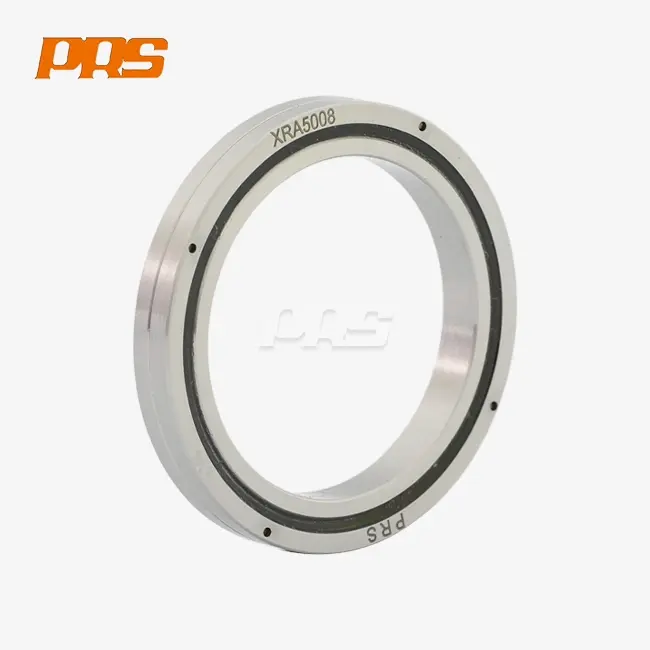
Understanding Robotic Bearings: Definition and Core Functions
There is a special type of precision mechanical parts called robotic bearings that are made to meet the needs of automatic systems. These parts are very different from regular industrial bearings because they can handle complex load patterns and keep working the same way after millions of operating cycles.
Engineering Excellence in Motion Control
The main job of artificial bearings is more than just supporting movement. These parts have to be able to handle radial, axial, and moment loads all at the same time while still being able to be precisely placed. Modern robotic systems depend on bearings that can handle fast cycles of speeding up and slowing down without losing accuracy or causing noises that aren't needed.
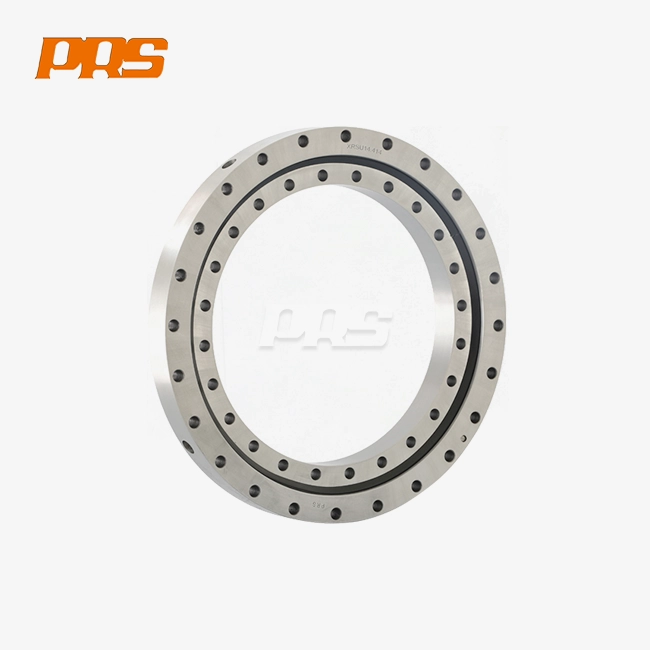
For robotics uses, crossed roller bearings have become very useful because they are small and can hold a lot of weight. Because the circular wheels are crossed, these bearings can support loads coming from different directions inside a single, space-saving unit. Being mindful of room and weight is particularly important when designing robotic joints, where this way of thinking is very helpful.
Material Science Advancements
Most modern artificial bearings are made with new materials that improve their performance. To get the best strength and dimensional stability, high-grade bearing steels go through special heat treatment methods. Ceramic rolling elements are more expensive, but they work better in high-speed situations and places where electrical contact needs to be kept to a minimum.
Adding more modern lubrication methods to bearings has changed how well they work in robotics. Modern synthetic lubricants keep their density the same at a wide range of temperatures and last longer between services, which works well with tight production plans.
Why Precision Matters in Robotic Bearings for Robot Joints?
When automatic bearings are precise, system performance goes up, upkeep costs go down, and production quality goes up. When robotic systems reach the level of precision that was meant, makers see fewer mistakes, less rework, and better total equipment performance.
Accuracy and Repeatability Requirements
Modern industrial robots have to be able to position themselves with accuracy measured in fractions of millimeters and keep that level of accuracy over millions of rounds of operation. The robot joint bearings in robot joints are very important for keeping these tight limits. Any change in how well the bearings work can add up along the kinematic chain and cause placement mistakes that lower the quality of the product.
Robot joints with high-precision bearings have less runout and play, so they can work consistently for long periods of time. This level of uniformity is especially important in processes like making semiconductors, where even tiny differences can cause big quality problems.
Impact on System Dynamics
Precision bearings improve the physics of a system by lowering friction and sound transfer. This means that robot joints will use less energy and produce less heat when the friction coefficient is low. This temperature stability helps keep performance stable and increases the life of parts.
It's impossible to say enough about the link between bearing precision and system response. Faster acceleration and braking cycles are possible with high-precision bearings, which keeps the system stable. This lets robotic systems reach higher throughput rates without losing accuracy.
Selecting the Right Robotic Bearings: Factors and Criteria
To pick the right artificial bearings, you need to carefully look at a number of performance factors and operational needs. When choosing bearings, it's important to find a mix between speed and cost, as well as long-term dependability.
Load Capacity and Speed Ratings
Understanding the load needs is the first step in choosing the right bearings. When robots are used, they are often put under complicated loads that include radial, axial, and moment loads. Bearing makers give engineers specific load rates that help them choose parts that can safely handle these forces coming from different directions.
The speed must be able to meet the needs of the robotic system while still leaving enough room for safety. For high-speed uses to work at their best, lubrication systems and heat reduction must be carefully thought out. Dynamic load rates help figure out how long a bearing will last under certain working conditions, which lets you plan ahead for maintenance.
Environmental Considerations
Operating conditions have a big effect on the selection factors for bearings. For use in cleanrooms, bearings need to be made of special materials and oils that keep particles from forming. Extreme temperatures call for bearings that can keep their shape and lubrication efficiency throughout the entire operating range.
Contamination protection is very important in situations where dust, water, or chemicals could hurt the performance of the bearing. Designs for sealed bearings keep out external contaminants while keeping the lubrication consistency needed for longer service life.
Precision Class Selection
Precision classes for robot bearings set limits on sizes and shapes that have a direct effect on how well the system works. Higher precise classes offer better accuracy and less shaking, but they usually require a bigger original investment. During the decision process, the total cost of ownership over the bearing's service life must be taken into account, along with the need for accuracy and the budget.
Maintenance, Installation, and Troubleshooting Tips for Robotic Bearings
Installing and maintaining bearings correctly has a big effect on how well they work and how long they last. Following set processes helps meet the design life goals while reducing the number of unexpected failures that could throw off production plans.
Installation Best Practices
The right way to put something starts with the right way to handle it so that fine surfaces don't get damaged. Clean assembly areas keep things from getting dirty, which could hurt the performance of bearings. The right way to fix something makes sure that the load is spread out evenly and that there aren't any areas of high stress that could cause it to break early.
Taking temperature into account during fitting helps get the right fit without hurting the bearing parts. Differents in thermal expansion between the bearing and housing materials need to be taken into account when figuring out the right clearances. To keep bearing rings or rolling elements from warping, installation tools should spread forces out evenly.
Lubrication and Monitoring Protocols
Effective maintenance plans keep bearings working at their best for the whole life of the machine. Choosing the right lubricant depends on the speeds, temperatures, and levels of pollution that will be used, as well as how well it protects against wear and rust. Relubrication schedules should match up with working schedules, and the oil film thickness should be just right.
Condition tracking methods for robot joint bearings make it possible to use preventative maintenance plans that stop sudden breakdowns. Vibration analysis, temperature tracking, and lubricant research can all help find problems early on. These ways of tracking help make maintenance plans more effective while also extending the life of bearings.
Procurement Strategies for Buying Robotic Bearings: Maximizing Value and Efficiency
Strategic methods to buying help businesses get high-quality bearings while lowering costs and making sure their supply lines are reliable. Procurement strategies that work take into account both short-term and long-term business needs.
Supplier Evaluation Criteria
To find dependable bearing providers, you need to look at their technical skills, quality control methods, and customer service. Supplier approval programs make sure that quality is always the same and give customers trust in how well their products work. Technical support can help you solve problems with your application and choose the best bearings for your needs.
Dependability in the supply chain is becoming more and more important as production plans get tighter. Suppliers who offer strong inventory management and a range of shipping choices help keep production going while lowering the costs of keeping inventory. Being close geographically can help with logistics and make it easier for people to work together on technology.
Total Cost of Ownership Analysis
A full cost study looks at more than just the price of the bearing itself; it also looks at how much it will cost to install, maintain, and repair over its lifetime. Even though they cost more at first, high-quality bearings that work better often end up saving you money in the long run. Longer working life and less maintenance are two big factors that affect how cost-effective something is generally.
Lifecycle cost modeling is a way to figure out how much money premium bearing options save you. Longer service intervals, less downtime, and better production quality often make up for higher starting costs by giving better long-term value. These studies help people who work in buying make smart choices that meet both performance and cost goals.
Conclusion
Precision and dependability are important for modern industrial robotics, and robot bearings are key parts that make that possible. When choosing the right bearing options, performance needs, weather conditions, and cost goals must all be carefully thought through. High-quality bearings are the basis for reliable robotic performance. They also reduce the need for upkeep and boost production efficiency. Because robotic uses are getting more precise and complicated, it will become even more important to have specialized bearing solutions.
FAQ
What makes robotic bearings different from standard industrial bearings?
Robotic bearings are made with tighter tolerances, special materials, and design features that make it possible for them to handle complex loads that are applied in multiple directions while still being very accurate in their placement. They use high-tech cleaning systems and precise manufacturing methods that go beyond what most industrial bearings can do.
How do I determine the appropriate precision class for my robotic application?
The precision class you choose will rely on how accurate you need to be with placement, how fast you need to work, and your quality goals. P4 or P2 precision classes are usually best for applications that need to be able to place things within a micron, while P5 precision classes may be good enough for less demanding applications.
What factors affect the service life of robotic bearings?
How long something lasts relies on how it was installed, how fast it is used, how well it is oiled, and how much weight it is carrying. With the right choice of bearings, installation, and upkeep, they can last a lot longer and keep working well throughout their operating life.
Can ceramic bearings provide advantages in robotic applications?
Ceramic bearings have many benefits, such as lighter weight, better performance at high speeds, and the ability to prevent rust. But they need to be carefully studied in terms of their application to make sure they work with load requirements and cost goals.
How important is supplier support for robotic bearing applications?
Technical help is important for choosing the right bearings, fixing problems with applications, and making sure they keep working well. Strong engineering skills and quick service from suppliers are important for a good adoption and long-term customer happiness.
Contact PRS for Premium Robot Bearings Solutions
PRS Precision Bearing Co., Ltd. makes high-precision robot bearings that are made to meet the strict needs of industrial automation uses. Crossed roller bearings, precision angular contact bearings, and robotic joint bearings with precise levels up to P4 and P2 are just a few of the many products we offer. With more than 20 years of experience making precision bearings, we offer high-quality goods made in the United States that can be used instead of foreign ones. Custom engineering solutions, fast prototyping, and flexible delivery plans that fit your production needs are some of the things that our robot bearings provider can do. Get in touch with our expert team at ljh@lyprs.com to set up a one-on-one meeting and find out how our precision bearing solutions can improve the performance of your robotic system.
References
"Precision Bearing Technology in Industrial Robotics: Design Principles and Performance Optimization" - International Journal of Advanced Manufacturing Technology, 2023
"Cross-Roller Bearing Applications in High-Precision Robotic Systems" - Robotics and Automation Engineering Quarterly, 2022
"Material Science Advances in Robotic Bearing Technology: Steel vs. Ceramic Performance Analysis" - Precision Engineering International, 2023
"Lubrication Strategies for Extended Service Life in Robotic Joint Bearings" - Tribology and Maintenance Engineering Review, 2022
"Economic Analysis of Bearing Selection in Industrial Automation: Total Cost of Ownership Models" - Manufacturing Economics and Strategy Journal, 2023
"Installation and Maintenance Best Practices for Precision Bearings in Robotic Applications" - Industrial Maintenance Technology Handbook, 2022

USER EVALUATE
Here is the customer's evaluation of us
YOU MAY LIKE
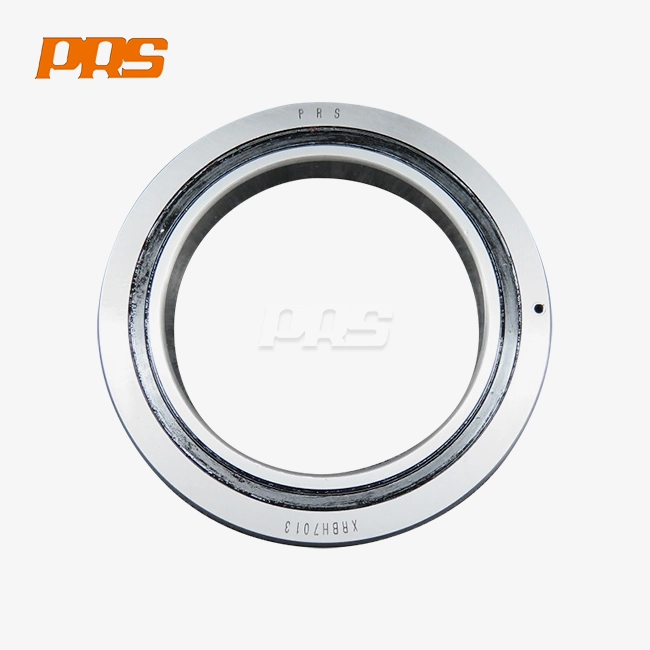 VIEW MOREthin roller bearing
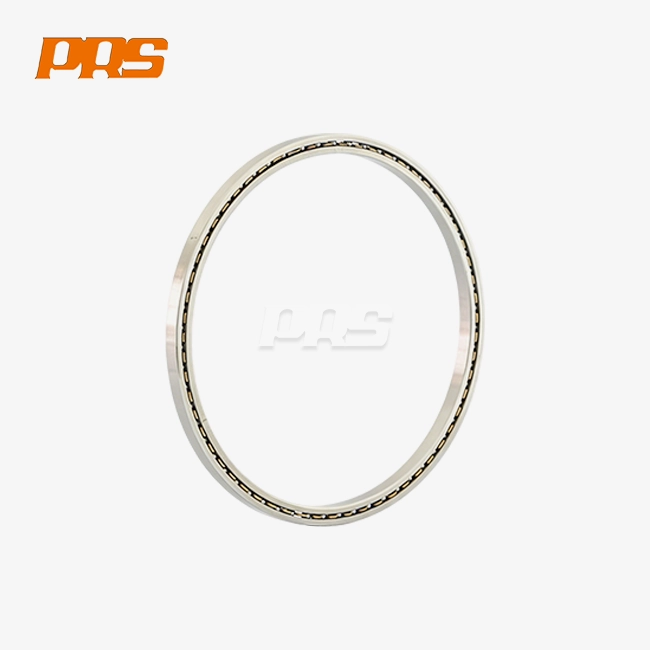 VIEW MOREEqual section thin-walled ball bearings
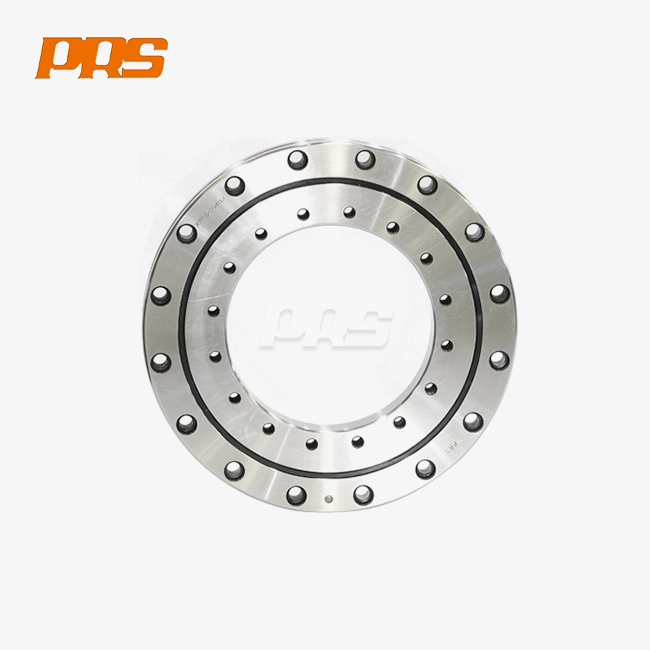 VIEW MORECross Roller Turntable Bearing
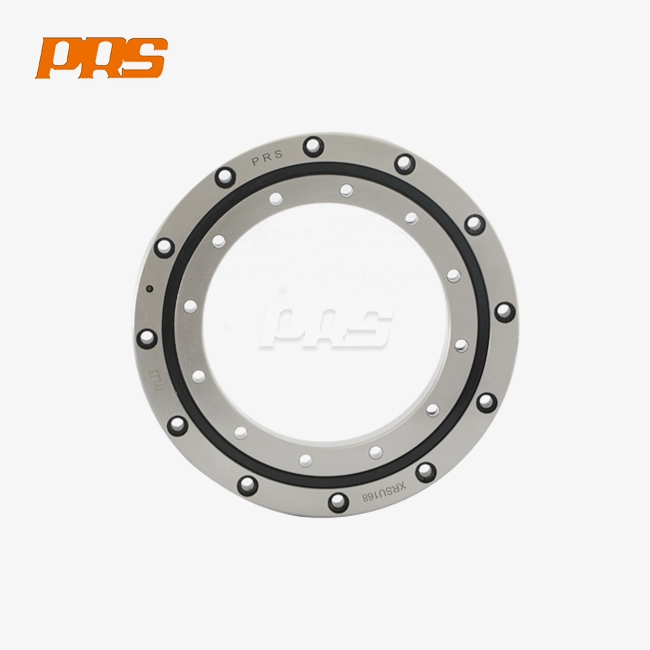 VIEW MOREXSU Crossed roller bearing
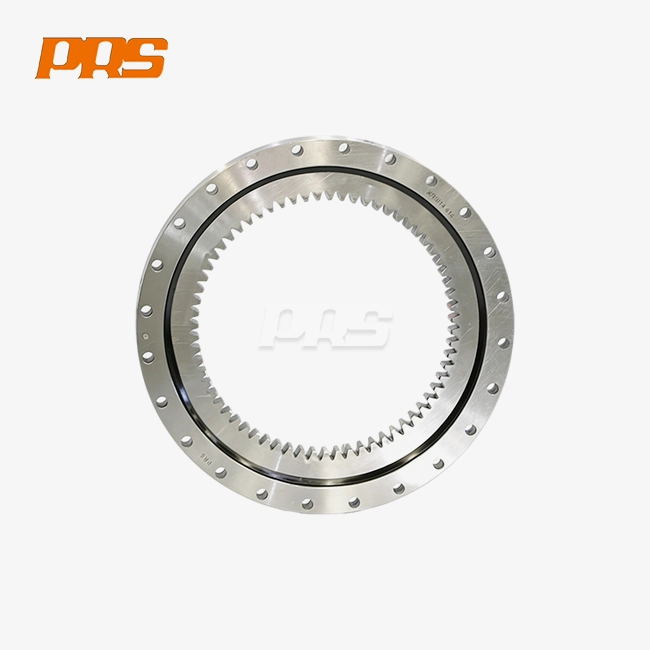 VIEW MORECross roller Slewing bearings
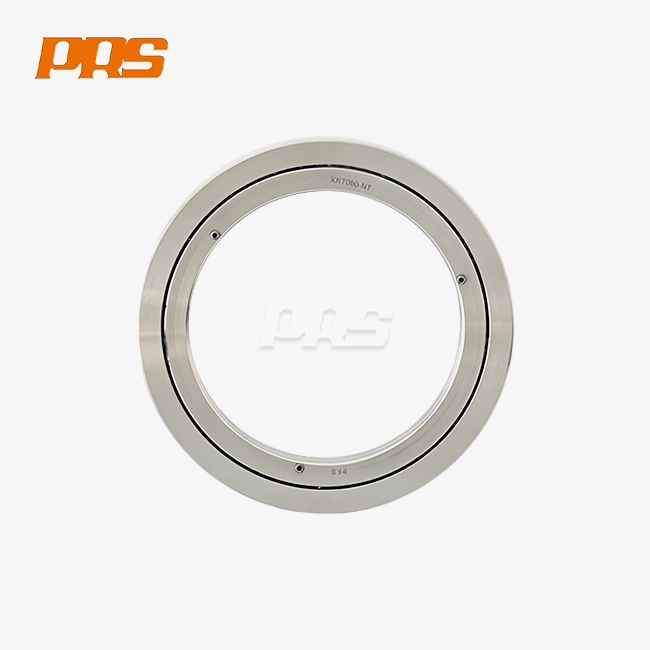 VIEW MOREmini lathe tapered bearings
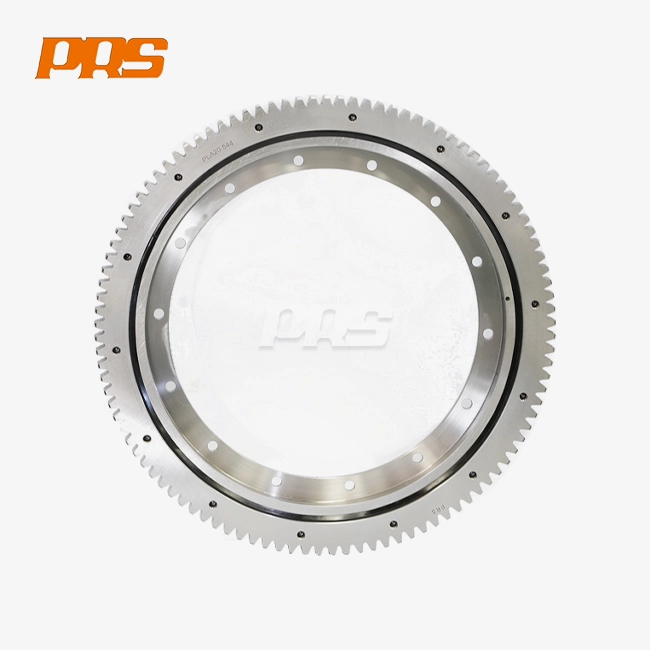 VIEW MOREsingle row ball slewing bearing
 VIEW MOREDouble-Row Angular Contact Ball Slewing Bearings