
What Should Engineers Know Before Buying SX Cross Roller Bearings?
When engineers specify SX cross roller bearings for precision machinery, they're making decisions that directly impact equipment performance, operational uptime, and long-term cost management. These specialized components demand careful evaluation across multiple technical and procurement dimensions. Understanding load requirements, accuracy grades, application-specific constraints, and supplier capabilities separates successful implementations from costly failures. The complexity of modern automation and precision equipment means that bearing selection involves more than matching dimensional specifications—it requires comprehensive knowledge of material properties, manufacturing tolerances, installation requirements, and maintenance protocols that collectively determine system reliability.
Understanding SX Cross Roller Bearings: Key Features and Advantages
SX cross roller bearings are a big step forward in precision motion control technology. They solve problems that other types of bearings have trouble with in harsh industrial settings.
The Orthogonal Roller Configuration Explained
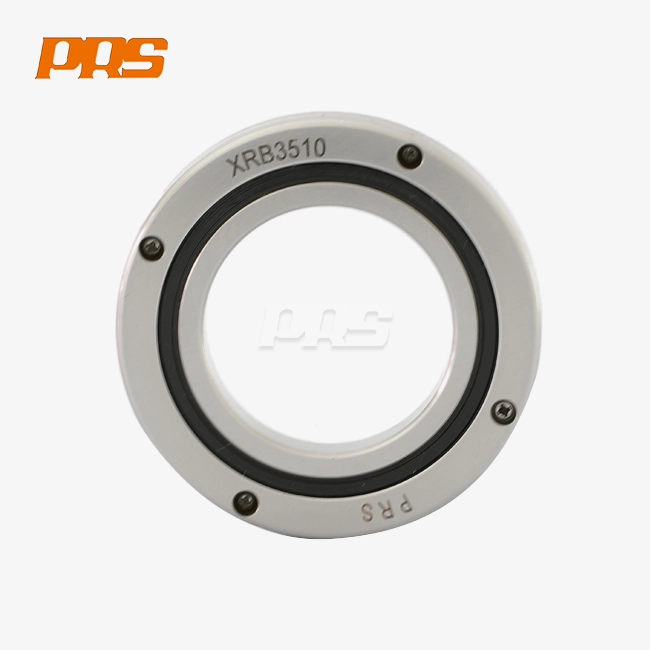
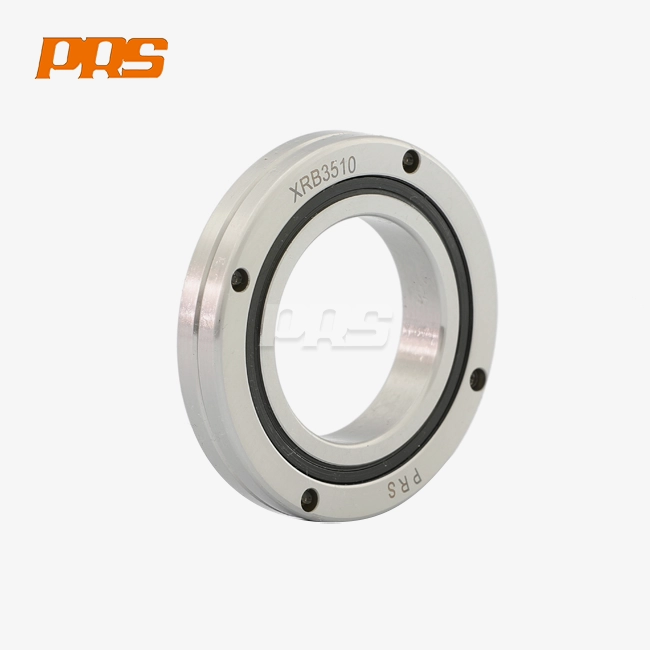
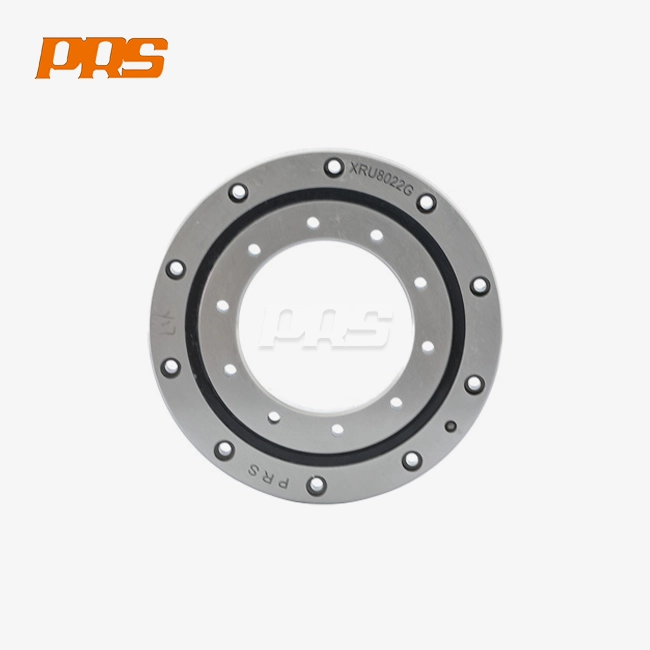
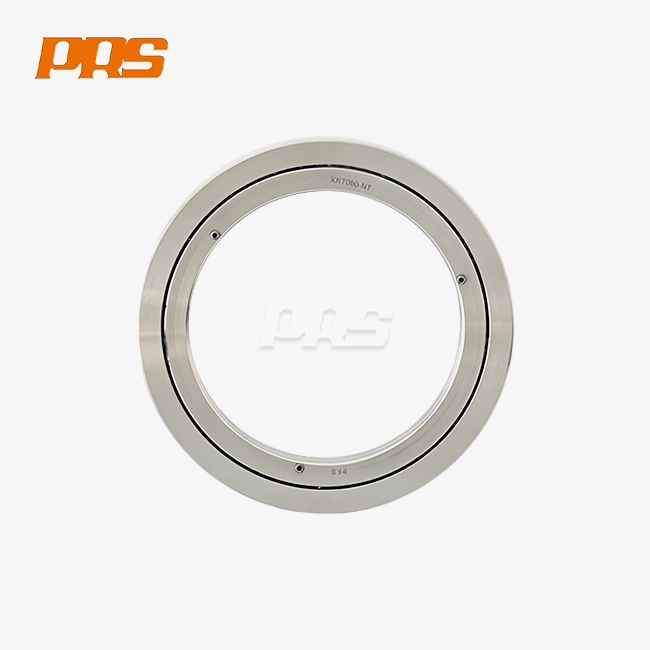
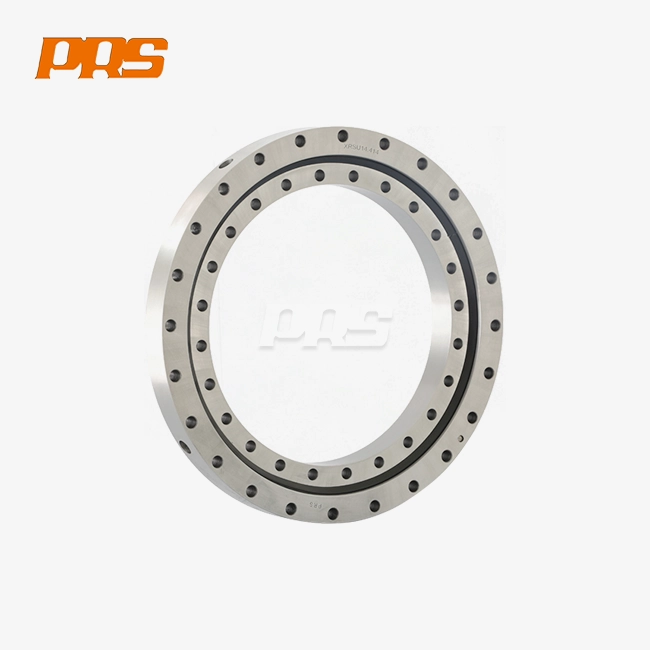
The unique layout of rollers in these bearings is what makes them stand out. Along the raceway, cylindrical rollers are set up perpendicular to each other and rotate every 90 degrees. This stepped arrangement makes line contact between the wheels and the raceways, spreading the load over several contact points at the same time. Unlike ball bearings, which depend on point contact, this design greatly raises the weight that it can hold while keeping the size small. This setup lets a single bearing unit handle radial forces, axial thrust, and overturning moments, so there is no need for multiple bearing kits. This makes machine design easier and installation space smaller.
Superior Stiffness and Rotational Accuracy
The high stiffness of these bearings is especially appreciated by engineers who work with six-axis robot joints and CNC rotating tables. SX cross roller bearings are three to four times stiffer per unit volume than angular contact ball bearings. This means that the part will bend very little when it's loaded, which is important for keeping positioning accuracy at the micron level in machines like coordinate boring machines and five-axis machine tool swivel heads. ISO standards say that precision grades from P5 to P2 can be used to control rotational runout to sub-micron levels. GCr15/SUJ2 high-carbon chromium bearing steel that has been vacuum-degassed and heat-treated to 58–64 HRC is usually used in manufacturing. This gives the steel the best wear protection and dimensional stability across temperature changes.
Compact Design Enabling Space-Efficient Solutions
These bearings are great for uses with limited room because they can handle complicated load combinations while still having a thin profile. This small size is good for medical imaging equipment like CT scanners and MRI systems. It's also good for collaborative robots with rotating bases, since the weight and envelope size directly affect the reach and payload capacity. The combined design gets rid of the need for separate thrust and rotational bearing setups. This makes assembly easier in a wide range of situations, from UAV gimbals to the Z-axis spinning of SCARA robots. The lower bearing stack height makes the center of gravity lower and the dynamic response better, which improves the performance of grinding machine spindles and turning center tool turrets.
Friction Reduction and Thermal Stability
Roller guards keep neighboring rollers from skewing and contacting each other with metal, which greatly reduces friction torque during operation. This quality is very important for semiconductor wafer cutting machines and photolithography equipment that works in cleanrooms where particles must be kept to a minimum. Lower friction also means less heat production, which means that lubrication intervals can be longer and thermal stability can be better in continuous-duty applications like clever warehouse stacker rotary joints and platforms for robotic vehicles that rotate. Laser marking tools and pick-and-place automatic equipment are easier to handle precisely because the torque stays the same throughout the whole spinning cycle.
Since these are the main benefits, SX cross roller bearings are the best choice in many industries. High load capacity, accuracy, small size, and smooth operation all work together to meet needs that would otherwise require a lot of different parts or design sacrifices.

How to Choose the Right SX Cross Roller Bearing for Your Project?
To choose the right bearing, you need to carefully look at the needs of the application and match them with the product's capabilities.
Defining Load Requirements and Lifecycle Expectations
First, figure out the real forces that your program creates. Radial loads, axial loads, and moment loads must all be measured separately because the bearing size and loading needs are based on how they are combined. When welding robots are working, the spinning hands feel a lot of moment loads, while the bases of palletizing robots mostly feel axial forces. Dynamic load ratings show how much weight the bearing can hold when it is rotating. Static load ratings, on the other hand, are important for positioning tasks like indexing tables on automated assembly lines. Duty cycle analysis helps guess how long a bearing will last. For example, laser interferometer rotary stages need different specs for ongoing use than wind turbine yaw systems do. Material choice and seal setups are also affected by things in the environment, such as temperature changes, contamination exposure, and vibration patterns.
Comparing Bearing Types for Optimal Performance
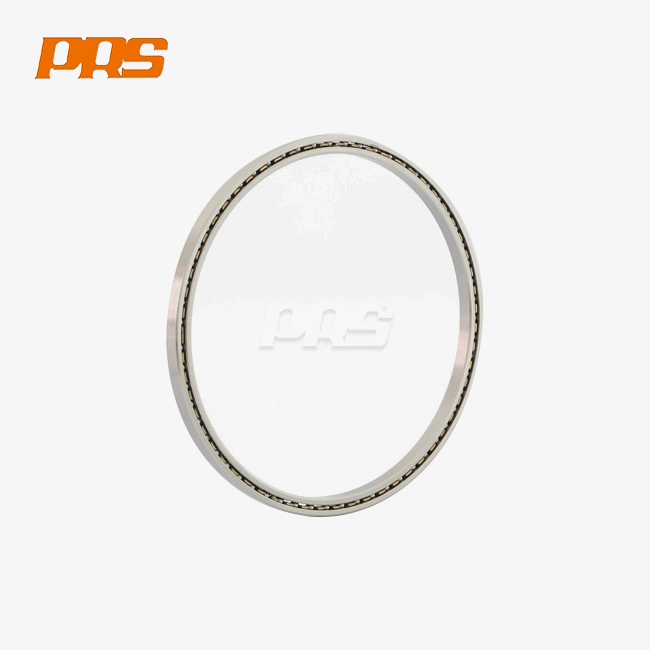
While SX cross roller bearings work great in many situations, it's better to know when other designs might be better so you don't over-specify. Slewing ring bearings can handle larger sizes for uses like radar antenna bases that are placed on vehicles, but they can't turn as precisely. When there is only axial load, like on some types of vertical lathes, thrust angular contact ball bearings are better. SX cross roller bearings designs are better for robotic joints in medical equipment because they can handle more moment loads than tapered roller designs. Tapered roller bearings are great for grinding machine spindles because they can handle radial loads very well. The choice grid should take into account cost, room limitations, load capacity, and accuracy needs. Custom engineering help from expert bearing makers can help you figure out these trade-offs, especially for niche uses like aircraft modeling rotary tables or precise fire control equipment.
Material Selection and Customization Options
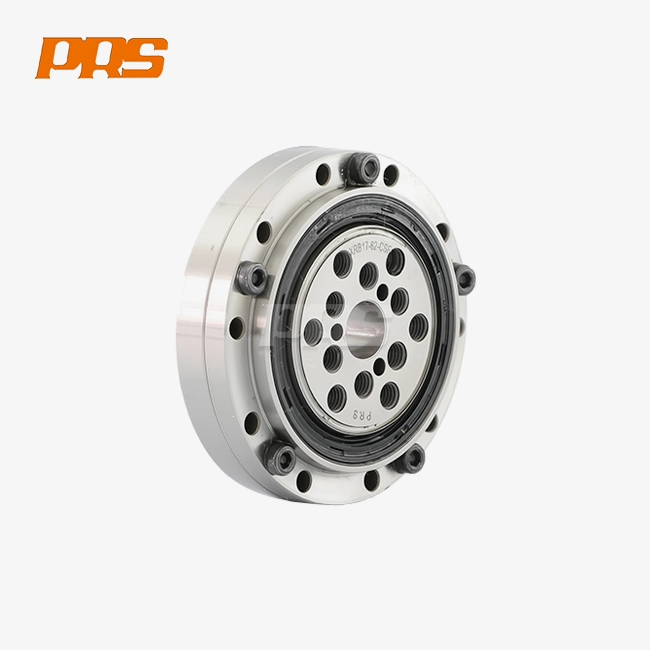
Most industrial automation tasks can be done with standard bearing steel. This includes insertion machines and rotary platforms for digital printing equipment. For medical devices like biochemical instrument indexing parts or food processing robot arms, where rust resistance and easy cleaning are very important, stainless steel types are needed. Photovoltaic dual-axis tracking system parts that are open to the outdoors also benefit from materials that don't rust. You can customize not only the materials you choose, but also the mounting arrangements, seal types, greasing options, and the way the gears are integrated. For cables, vertical machining center rotary tables may need through-holes, and drone aerial photography gimbals need housings made of light aluminum. When you work with makers that offer application engineering support, you can be sure that the bearings you choose will work perfectly with the equipment's mechanical interfaces, load profiles, and operating environments.
Procurement Considerations for SX Cross Roller Bearings
Buying strategies that work well make sure that technical needs are met while also taking into account business realities. This way, parts are delivered on time and work as planned.
Supplier Selection and Authenticity Verification
Working with well-known manufacturers and authorized distributors lowers the risks that come with using fake or low-quality parts. Reliable suppliers offer certification paperwork, the ability to track materials, and confirmation of compliance for use in regulated industries such as aerospace and medical equipment. Better suppliers offer better technical support. Being able to talk to application engineers who know about precision bases for torque testers or supports for missile guidance equipment is very helpful during the specification and troubleshooting stages. Warranty coverage and return policies protect against problems with the way the product was made, and established after-sales service networks make sure that new parts are always available for as long as the equipment is in use. Checking processes should make sure that JIS B 1514 standards are followed, or something similar. This makes sure that dimensions can be swapped out and that performance characteristics can be predicted.
Lead Times and Order Quantity Management
Standard SX cross roller bearings sizes usually ship within a few weeks, but custom configurations for specialized uses like DR machine arm rotation or orthopedic navigation equipment may need more time to be made. Knowing these dates when planning a project keeps output from being held up, which costs a lot of money. The minimum order quantity (MOQ) varies by supplier and product complexity. For example, MOQs for common catalog items are lower than MOQs for highly customized designs for armored vehicle observation systems. Volume pricing structures encourage people to place larger orders, but the costs of keeping inventory must be weighed against the savings per unit. Building ties with suppliers who keep common sizes in stock makes it easier to meet upkeep and repair needs. Clear communication about project deadlines, delivery goals, and quality inspection standards sets expectations for everyone involved, which helps the project succeed.
Total Cost of Ownership Analysis
The purchase price is only one part of the true cost of bearing. Costs for finishing are affected by how hard the installation is. For example, bearings that need special tools or skills raise project costs beyond the cost of the component itself. Ongoing operating costs are affected by maintenance needs such as how often to lubricate, inspect, and repair consumables. When a bearing fails, it costs a lot to replace it, and the company has to stop making things, which costs even more than the value of the part. Higher-grade bearings that last longer may be worth the extra cost because they need less maintenance and work better when used in serious situations, like on the rotary supports of a coordinate measuring machine or the precision rotation of a satellite receiving device. In heavy-duty situations, energy economy is important. For example, lower friction bearings decrease the size of the drive motor and the amount of electricity used over the life of the equipment. A full cost analysis helps people make smart purchasing choices that maximize value instead of just lowering the original cost.
Ensuring Optimal Performance and Longevity of SX Cross Roller Bearings
If you install and maintain bearings correctly, they will last as long as they're supposed to and work as well as they should.
Installation Best Practices
When installing and handling precision bearings, you need to be very careful. Mounting surfaces must be as flat and straight as the specifications say they must be. Deviations cause uneven load distribution and failure before their time. The torque requirements for fixing bolts make sure that they clamp properly without causing stress to build up. Both load capacity and rotational torque are affected by preload adjustment. Manufacturers give specific instructions based on the needs of the application. Early failures are often caused by contamination during installation, which is why clean assembly environments are so important, especially for use in semiconductor equipment in cleanrooms. Before starting up the equipment, alignment processes that use dial indicators or laser systems make sure that the geometric relationships are right. By writing down installation factors like torque values, preload settings, and alignment measurements, you can use this knowledge as a guide for future maintenance tasks.
Lubrication and Inspection Protocols
The right oil should be chosen based on the speed, temperature, and external exposure of the machine. Most situations can be lubricated with grease, and synthetic choices offer longer relubrication times and temperature stability. Oil lubrication systems are useful for high-speed tasks or places where heat needs to be removed. Different seal configurations are needed for machine shops and cleanrooms where semiconductors are made to keep contaminants out and keep the lubricant in. Noise, vibration, temperature rise, and resistance to movement that aren't normal should be checked for on inspection plans. Vibration analysis techniques find faults that are starting to form before they cause a catastrophic failure. Disassembly and inspections done on a regular basis show wear patterns, the state of the grease, and any possible imbalance problems. Maintaining records of inspection results, lubrication activities, and part replacements creates past data that helps with predicted maintenance strategies.
Common Failure Modes and Prevention
When the load exceeds the bearing's capacity for SX cross roller bearings, it deforms permanently and loses its accuracy. This type of failure can be avoided by correctly calculating the load and applying the safety factor during the specification process. Misalignment causes edge loads and faster wear; keeping geometric limits throughout the life of the equipment protects the integrity of the bearings. When there is contamination, abrasive particles enter and score the raceways and rollers. This is why it is very important to have clean working areas and good seals. Metal-on-metal contact and fast surface damage are caused by inadequate lubrication. This problem can be avoided by following recommended lubrication times and using specified lubricants. Corrosion from water or chemicals breaks down the properties of materials. Choosing the right materials and coatings that protect them is a way to protect them. Unbalanced moving parts send vibrations through bearings, which speeds up wear and tear. Balancing methods and vibration isolation lower this stress. By understanding these processes, you can take proactive steps to extend the life of bearings in a wide range of uses.
Why PRS Precision Bearings Stand Out for Engineers?
Manufacturers like PRS have built their reputations by consistently delivering high-quality goods and providing full customer support that goes beyond just supplying parts.
Proven Track Record in Precision Applications
Since 2003, Luoyang PRS Precision Bearing Co., Ltd. has been a leader in creating high-precision SX cross roller bearings and other unique bearing solutions that can be used in place of foreign goods. The company focuses on non-standard and special bearing designs to meet the specific needs of robots, machine tools, medical equipment, testing instruments, and industrial automation. Precision grades up to the P4 and P2 levels meet strict needs for uses that require accuracy down to the micron level. Precision crossed cylindrical and tapered roller bearings, equal-section thin-walled ball bearings, YRT turntable bearings, and ZKLDF thrust angular contact ball bearings are all in the same line of products. This variety helps engineers find the right solutions for each job, whether it's a six-axis robot joint, a five-axis machine tool rotary table, or a medical CT scanner rotating platform.
Engineering Support and Customization Capabilities
PRS stands out because it offers application engineering support that helps customers choose the best bearings and integrate them in the best way. Technical teams that know a lot about a lot of different industries can help with things like load analysis, choosing the right materials, and fastening arrangements. Custom bearing development meets the specific needs of a wide range of high-tech equipment, from solar panel tracking systems to aerospace gimbals. Short development cycles and flexible minimum order quantities can be used for both making prototypes and making a lot of them. This way of working together makes sure that the bearings chosen really meet the needs of the application, instead of making design choices to fit what's available in the catalog.
Commitment to Quality and Reliability
PRS's ways of making things are in line with foreign standards, and the company's low prices help customers. Quality control systems make sure that products always work the same way and can be tracked. Before they are shipped, they are put thru strict testing procedures to make sure they are the right size, can hold enough weight, and can rotate freely. Offering "exquisite, reliable, and stable" products is at the heart of the company's philosophy. Quality goals are set by what the customers want. This focus on the customer shows up as detailed technical documentation, quick customer service, and service after the sale that lasts the whole lifecycle of the equipment. When engineers work with PRS, they can get not only precision parts, but also advice and help that makes the whole project more successful, from the initial design to long-term use.
Conclusion
When choosing SX cross roller bearings, you have to balance the need for high technical performance with the cost of buying them and the need to think about how long they will last. These bearings are essential for modern automation, robotics, medical equipment, and precision machinery because of their unique crossed roller design, which gives them high load capacity, rigidity, and accuracy in small packages. To make the right choice, you need to carefully look at the load, the environment, and other bearing types. Instead of just lowering the initial purchase cost, procurement strategies should focus on how trustworthy the supplier is, how well they can provide technical support, and the total cost of ownership. When you install, maintain, and keep an eye on your bearings the right way, they will work as intended and last as long as the manufacturer says they will. This protects your equipment investment and working efficiency.
FAQ
What distinguishes SX cross roller bearings from standard ball bearings?
The main change is in how the rollers are arranged and how the contact works. SX cross roller bearings have cylindrical rollers that are placed perpendicular to each other and make contact with the raceways along a straight line. This arrangement is three to four times stiffer than ball bearings and can support radial, axial, and moment loads all at the same time in a single, small unit. Ball bearings work by contacting points, and to handle complicated load combinations, you usually need more than one unit. It is better for precise tasks that need very little movement because the SX cross roller bearings design is stiffer and can hold more weight.
How do lead times vary for standard versus custom bearing configurations?
Standard catalog sizes from stock that have been kept for a while usually ship within two to four weeks. Manufacturing wait times for custom setups that need unique sizes, materials, or built-in features like mounting flanges or gear teeth are between six and twelve weeks, depending on how complicated they are. Material certification and quality documentation may take longer for specialized uses in aerospace or medical equipment. When you tell providers about project timelines early on in the procurement process, they can make sure that their production plans work with your delivery needs.
Can these bearings be customized for specific application needs?
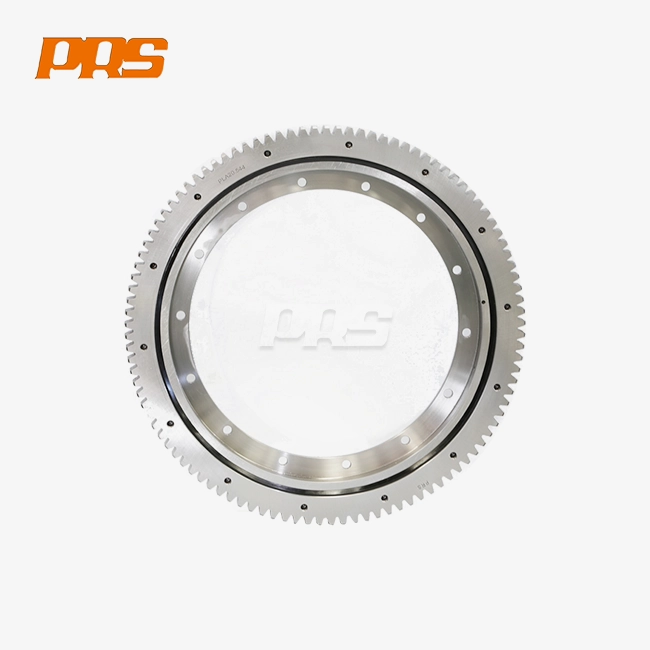
There are a lot of customization choices besides what is in the store. Other materials, like stainless steel or special alloys, can be used to meet requirements for weight or resistance to corrosion. Different seal designs can work in a wide range of environments, from cleanrooms to tough industrial settings. You can add mounting holes, ways to keep the parts moving smoothly, and built-in parts like gears or encoders. Different performance needs can be met with precise grades, preload sets, and physical changes. Working with makers that offer technical help makes sure that custom solutions meet the exact needs of your application while still being cost-effective and easy to make.
Ready to Specify the Right Bearing Solution?
Engineers and buying experts looking for dependable providers of SX cross roller bearings will find all the help they need at PRS. Our technical team can help you choose the right bearings for your application, do custom engineering for special needs, and make sure that the quality of the parts you buy meets international standards. We offer bearings with accuracy grades up to P2 level, reasonable pricing, and quick support, no matter what kind of project you're working on: robotic systems, precision machine tools, medical devices, or flight equipment. Explore our full range of products at prs-bearing.com, or get in touch with our engineering team at ljh@lyprs.com to talk about your unique needs. We want to help you get the best performance possible by giving you quality parts and expert advice you can trust.
References
1. Harris, T.A., & Kotzalas, M.N. (2006). Rolling Bearing Analysis: Essential Concepts of Bearing Technology (5th ed.). CRC Press.
2. Wensing, J.A. (1998). On the Dynamics of Ball Bearings. Ph.D. Thesis, University of Twente, Netherlands.
3. ISO 199:2014. Rolling Bearings – Thrust Bearings – Tolerances. International Organization for Standardization.
4. Palmgren, A. (1959). Ball and Roller Bearing Engineering (3rd ed.). SKF Industries Inc.
5. Eschmann, P., Hasbargen, L., & Weigand, K. (1985). Ball and Roller Bearings: Theory, Design and Application (2nd ed.). John Wiley & Sons.
6. JIS B 1514:2009. Rolling Bearings – Crossed Roller Bearings. Japanese Industrial Standards Committee.

USER EVALUATE
Here is the customer's evaluation of us