
What Are the Key Factors When Purchasing RB Ultra Thin Bearings?
When purchasing RB Ultra thin bearings, prioritizing precision, load capacity, material compatibility, and supplier reliability proves essential for industrial applications. These crossed roller bearing variants deliver exceptional rigidity, compact design, and multi-directional load handling. Evaluating technical specifications aligned with operational demands—including dimensional tolerances, environmental conditions, and certification standards—ensures optimal performance across robotics, machine tools, medical devices, and aerospace systems. Partnering with experienced manufacturers guarantees quality assurance, customization capabilities, and comprehensive technical support critical for long-term equipment reliability and production efficiency.
Understanding RB Ultra Thin Bearings: Features and Applications
What Defines RB Ultra Thin Bearings?
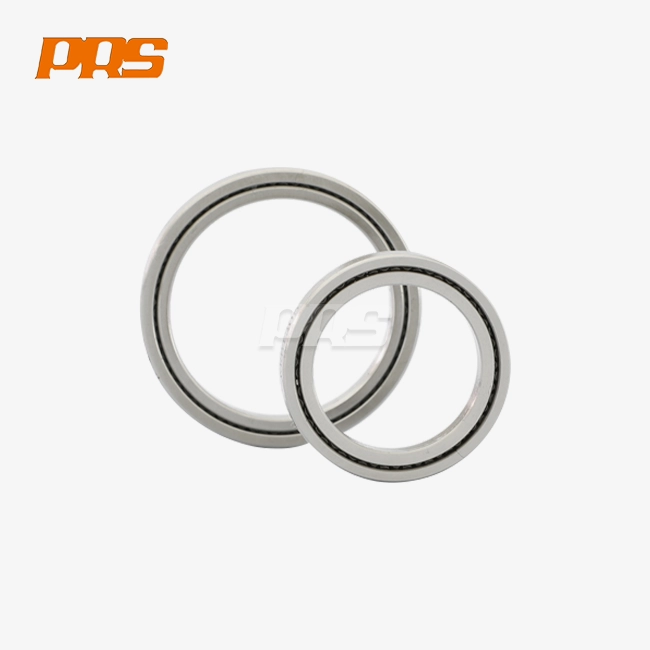
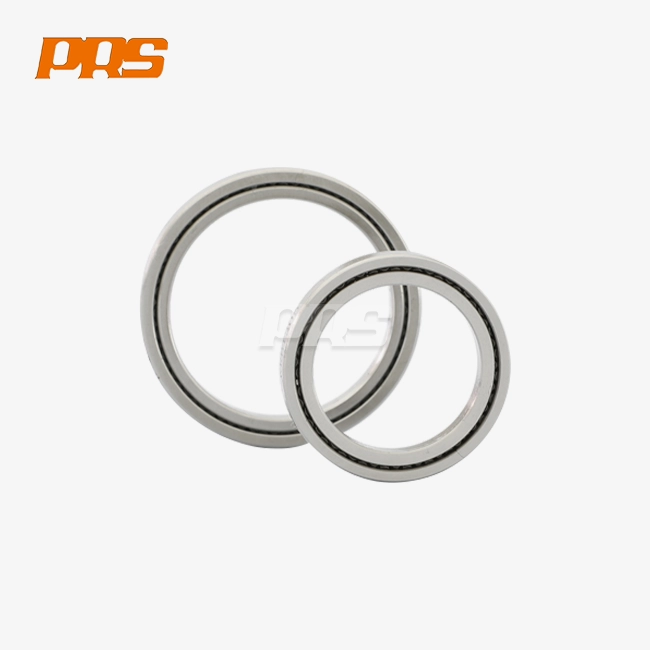
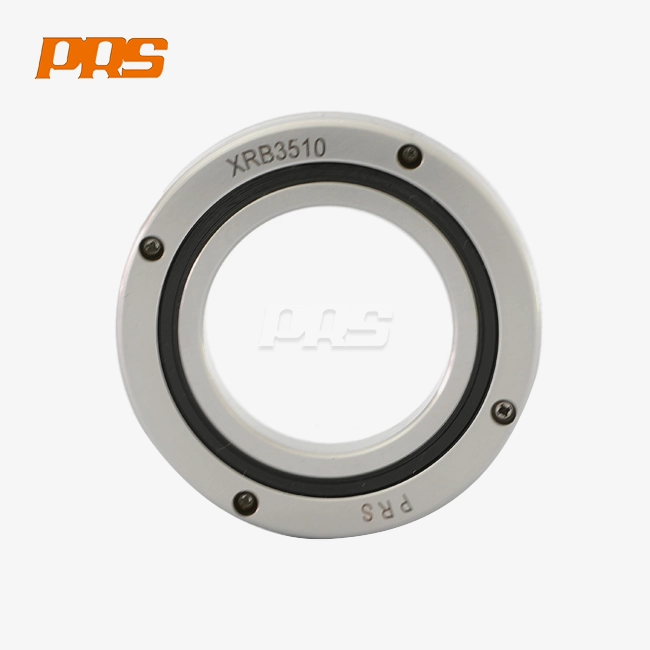
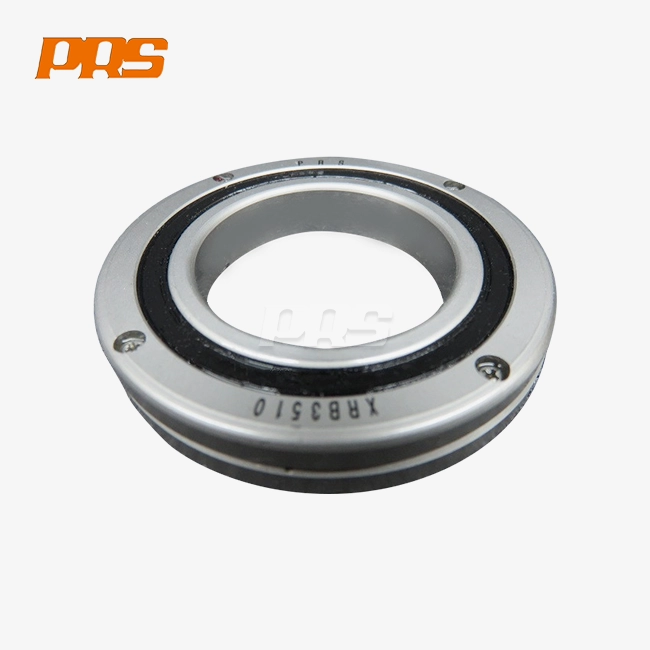
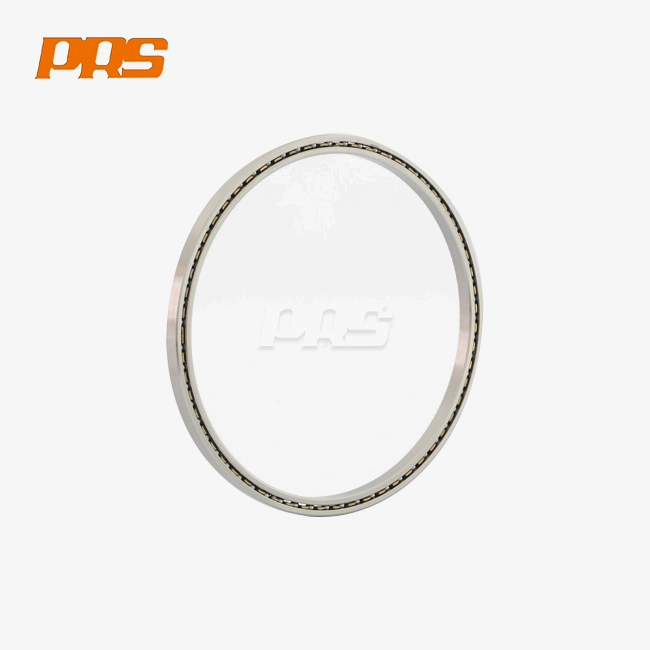
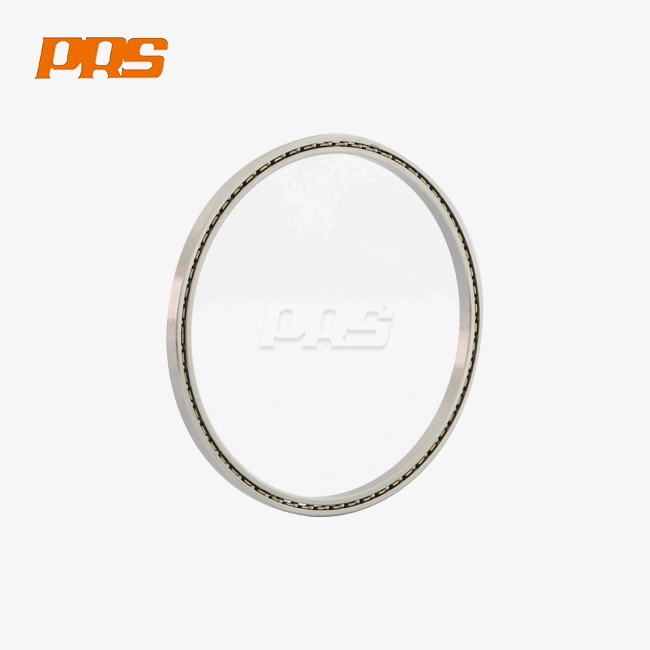
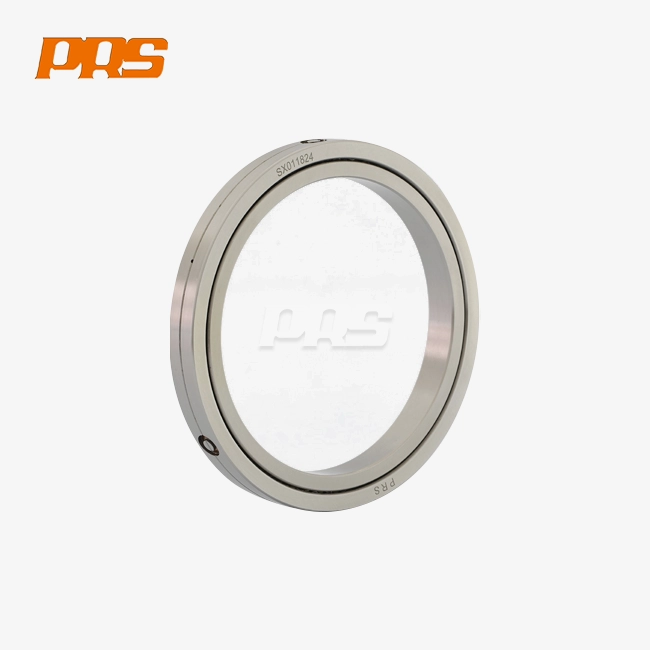
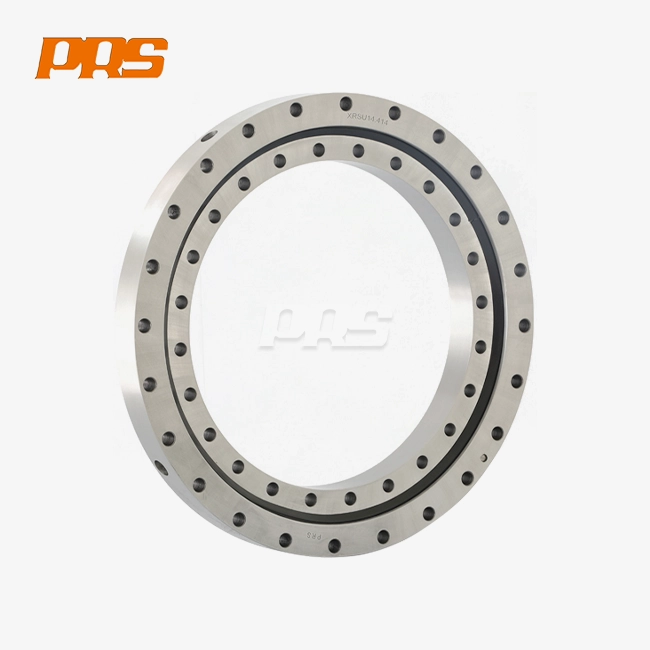
RB crossed roller bearings are a special type of bearing in which cylinder-shaped rollers are arranged orthogonally at 90-degree intervals within V-shaped raceways. With this setup, a single bearing can handle radial, axial, and moment loads all at the same time. The design has an integrated inner ring and a separate outer ring, which makes attaching easier while still ensuring very accurate spinning. The thin cross-sectional profile makes the equipment lighter without compromising its structural integrity. This is important for modern industrial machinery because space is limited.
Core Design Principles
With the crossed roller design, you don't have to add more than one bearing. Spacers between the rollers keep them from touching directly, which lowers friction and wear during use. This way of engineering gives better moment rigidity than regular ball bearings, which makes these parts perfect for uses that need zero backlash and positioning accuracy at the micron level. The small size lets engineers make equipment designs smaller while also making them stiffer and more accurate.
Material Selection and Durability
High-grade bearing steel is still the standard because it has the right amount of hardness and resistance to fatigue. For medical or cleanroom environments, specialized uses may need stainless steel variants that are more resistant to corrosion. Heat treatment processes make sure that the hardness of the raceways and rollers is the same, which extends their useful life when they are constantly loaded. Surface finishing methods make contact areas very smooth, which reduces friction and heat production during spinning.
Common Industrial Applications
These bearings are used in a wide range of manufacturing processes. RB bearings allow six-axis robot joints in multi-joint industrial robots to move precisely even when they are under dynamic load. The small size and high moment capacity of collaborative robot rotating bases make them useful. These parts are used to make sure that CNC rotating tables and indexing tables can always be in the right place during cutting processes. They are built into swivel heads and five-axis rotating tables of both vertical and horizontal machine centers. This lets them make complex shapes with tight tolerances.
Medical imaging equipment is another important area of application. CT scanner rotating gantries need to be able to work quietly and with little vibration while supporting heavy rotating parts. For patient safety and clear images, MRI systems and DR machine arm turns need to be reliable and move smoothly. For minimally invasive procedures, surgical robots and orthopedic navigation equipment require accuracy and small size.
In aerospace and defense systems, these bearings are used in UAV gimbals, radar antenna rotating bases, and missile guidance equipment that can't fail. For accurate readings, optical tools like laser interferometers and coordinate measuring machines need surfaces that are very smooth and accurate over and over again. Micro precision versions are built into wafer cutting machines and photolithography systems that work in controlled environments and are used to make semiconductors.
Performance Parameters That Matter
When making a choice, it's important to understand load ratings. The bearing's radial load capacity tells you how much perpendicular force it can handle, and its axial load capacity tells you how much thrust it can handle. Moment load capacity is especially important for extended uses where forces that cause it to turn are strong. Speed rates set the maximum speed that a bearing can run at based on its size, how it is oiled, and the shape of its cage. Full-complement setups can hold the most weight but slow down the speed, while cage-separated designs let the wheels spin faster but with less weight.

Comparing RB Ultra Thin Bearings with Alternatives on the Market
Performance Against Traditional Ball Bearings
Ceramic Bearing Comparisons
When used at high speeds, ceramic hybrid bearings are better because they are lighter and less likely to rust. Ceramic materials, on the other hand, break easily when they are loaded suddenly or when stress builds up along the edges. Because they can handle more weight and impact better, RB steel bearings are better for heavy-duty industrial settings. Cost is another reason why steel bearings are better, especially when projects need to put many bearings across production lines or fleets of equipment.
Competitive Positioning
Different companies around the world make different types of crossed roller bearings with different quality standards and support systems. Established brands get to be seen as high-end by putting in place strict testing protocols and quality records. Chinese companies, like PRS, have closed technical gaps and gained competitive advantages by making customization easier and faster delivery possible. More and more, procurement teams look at the total cost of ownership instead of just unit price. This is because they know that having reliable supply lines and technical help keeps output from stopping.
Long-Term ROI Analysis
Lifecycle costs include more than just the initial cost of bearings. Total ownership costs are affected by how often something needs to be replaced, how often it needs to be maintained, and how much it needs to be oiled. When you install and maintain high-quality RB bearings the right way, they last longer, which cuts down on unplanned downtime and the lost productivity that comes with it. Precision manufacturing standards make sure that all bearing populations work the same way, which makes managing extra parts and standardizing equipment easier.
Reliability improvements are especially helpful for applications in collaborative robotics and automated assembly lines. When equipment breaks down in environments where production is ongoing, it costs a lot of money and causes customers to wait longer for their orders. Investing in bearing solutions that have been tried and tested and have a history of success helps reduce risk and keep production schedules on track.
Key Criteria to Consider When Selecting RB Ultra Thin Bearings
Load Capacity Assessment
To figure out real loads, you need to know about both static and dynamic situations during operating cycles. Dynamic loads involve movement, while static loads happen when equipment stays still while it is loaded. Engineers have to think about safety factors like vibration, shock loads, and sudden overloads. Moment loads need extra care in cantilevered designs because the distance from the centerline of the bearing makes the forces stronger. Basic load values can be found in manufacturer catalogs, but for more complicated uses, a full engineering study may be needed to confirm the choice of bearing.
Environmental Compatibility
The operating setting has a big effect on how well and how long bearings last for RB Ultra thin bearings. Extreme temperatures change the stickiness of a fluid and the size of a material by expanding and contracting. Chemical exposure in pharmaceutical or food processing means that the parts must be made of stainless steel and the lubricants must be FDA-approved. Cleanrooms for manufacturing need designs that don't make a lot of particles and special greases that keep contamination to a minimum. When working with semiconductors in vacuum, keeping the lubrication in and stopping outgassing can be tricky. By matching bearing specs to environmental demands, you can keep things from breaking down too soon and make sure you're following the rules.
Installation and Maintenance Considerations
When compared to integrated bearing systems, the form of the outer ring that can be separated makes installation easier. But using the right mounting methods is still very important for getting the performance you want. Misalignment and uneven load distribution can't happen if the binding pressure is the same across the split outer ring pieces. Shoulder support and tight housing specs make sure that the dimensions stay stable when the machine is working. Long-term serviceability is affected by how easy it is to do maintenance. Inspection and relubrication points should be in line with planned maintenance times and equipment designs that make them hard to get to.
Certification and Quality Assurance
ISO 9001 certification is a basic guarantee of quality management systems and controls for the manufacturing process. Precision grade standards set the level of accuracy for both dimensions and spin. Grades P4 and P2 have tolerances that are progressively tighter. Material approvals show what the steel is made of and how it was heated. Traceability tools help solve quality problems and support efforts to keep getting better. Suppliers who offer full testing documents and performance proof lower the risk of buying and help meet legal requirements.
After-Sales Support Infrastructure
In competitive markets, providers who can offer technical help stand out. With the help of application engineering, choosing the right bearings for a given working situation is made easier. When efficiency problems happen, troubleshooting advice speeds up the resolution of the problem. Warranty coverage shows that the company that made the product is confident in its quality. It has clear terms that explain what the coverage covers and how to file a claim. When specifications don't match actual needs or when shipping damage happens, return policies give you a way to get your money back. Building relationships with responsive suppliers gives you a competitive edge by letting you solve problems faster and giving you special treatment when capacity is limited.
Procurement Process: Where and How to Buy RB Ultra Thin Bearings?
Identifying Authorized Sources
Working directly with a manufacturer can help you make changes, get more technical help, and track your order. Authorized distributors keep stock in local warehouses, which cuts down on lead times for standard configurations and keeps quality high thru partnerships with manufacturers. Checking the permission state stops fake goods that hurt the safety and dependability of equipment. Websites for suppliers, proof of licensing, and direct confirmation from manufacturers all show that they have the right to distribute goods.
Pricing Structures and Negotiation
Tiered price benefits can be unlocked thru volume agreements, which makes buying across product lines at once a good deal from a financial point of view. With annual deals that guarantee traffic, you can plan your budget and get better pricing and capacity allocation. Payment terms affect how cash flow is managed, and in some cases, longer terms can make up for higher unit costs. When comparing domestic and international sources, the total cost analysis should include the costs of shipping, import duties, and keeping inventory.
Supply Chain Reliability
Changes in lead times affect production schedules and the amount of money that needs to be spent on supplies. Standard bearing configurations usually ship within a few weeks, but special specs may take months to engineer, make tools for, and make. Strategies for buffer stock balance the costs of keeping goods with the risk of running out of essential items. Transparency about a supplier's capacity lets you make smart plans when demand changes or the supply chain is interrupted. Dual-sourcing strategies lower the risk of dependence, but they make the processes of qualification and quality management more difficult.
OEM Customization Services
For non-standard uses of RB Ultra thin bearings, it's common to need to change the sizes, use special materials, or add special fastening features. Manufacturers who have their own engineering departments work together to make special designs that meet specific performance needs. Tests can be done on prototype numbers before full production plans are made. The cost-effectiveness and feasibility are affected by the minimum order quantities for custom specifications. The review and clearance steps for drawings make sure that everyone understands the requirements before production starts.
Initiating Procurement Workflows
More specific requirements make it easier to get accurate quotes and cut down on the number of times they need to be changed. Dimensional limits, load conditions, speed requirements, environmental factors, and quantity projections should all be part of the information. Technical datasheets give basic specifications, while application discussions show the little details that affect which bearing to choose. Requesting samples lets you check the fit and physical quality before committing to a large order. Setting up rules for conversation and assigning friends makes it easier for everyone to work together throughout the lifecycle of a product.
Maintenance Tips and Best Practices for Maximizing RB Ultra Thin Bearings' Lifespan
Routine Inspection Protocols
Regular checks find early warning signs of problems before they become major problems. Visual inspections find lubricant leaks, broken seals, or contamination getting in. Rotational smoothness testing shows that there is more friction or roughness, which means that wear is progressing. Temperature monitoring finds unusual heat production caused by not enough lubrication or too much load. Vibration analysis finds problems like unevenness, misalignment, or new flaws in moving elements and raceways. Keeping records of what was found during inspections lets you look for patterns and plan ahead for maintenance.
Cleaning and Contamination Prevention
Particle pollution speeds up wear and shortens the life of bearings. Designs that are sealed or protected keep contaminants out during operation, but they make relubrication harder. Cleanroom applications need to be cleaned on a regular basis with allowed chemicals and handled in a way that doesn't spread contamination. Magnetic plugs catch ferrous wear particles and stop them from going back thru the bearing raceways. In circulating lubrication systems, filters get rid of dirt and other particles before they reach the bearing surfaces.
Lubrication Strategies
Most industry uses are good for lithium soap-based greases with high-pressure additives. The amount of grease changes both how well it lubricates and how hard it is to turn. When there isn't enough greasing, border contact and faster wear happen. When there is too much filling, churning losses and working temperatures go up. When it comes to operating conditions, higher speeds and temperatures mean that relubrication needs to be done more often. When old and new lubricants work with each other, bad chemical reactions don't happen. For use in cleanrooms and with food, special oils that meet government guidelines are needed.
Troubleshooting Common Issues
High starting force could mean that there is too much preload, not enough lube, or contamination. Making noise means that the raceways are broken, the bearings are not mounted correctly, or there are issues with the roller spacing. Early wear patterns show that the parts are not aligned correctly, are being overloaded, or were not installed correctly. When temperatures get too high or too low, the frame and bearing materials don't expand or contract the same amount, which can cause fit problems. Writing down failure modes and root causes makes the selection and installation process better in the future.
Replacement Decision Framework
Monitoring the loss of performance lets replacements be planned ahead of time, before failures happen out of the blue and stop production. Cost differences between replacing bearings and having machines shut down help with decision timing. Long-term performance is improved by replacing worn-out parts with new ones that are of better quality or have better designs. Keeping extra parts on hand for important uses cuts down on the time that systems are down when replacements need to be made.
Conclusion
To choose the right RB Ultra thin bearings, you have to balance the technical specs with the needs of the application, the environment, and the supplier's abilities. The most important design decisions are based on precision needs, load capacities, and space limitations. Certification standards and the choice of materials make sure that regulations are followed and that operations are reliable. The quality of the supplier relationship affects not only how well the product works, but also how quickly and easily it can be customized. Preventative repair practices extend the life of bearings and cut down on unexpected downtime. Purchasing teams that have a wide range of selection factors at their disposal can make smart choices that improve the performance of tools and help manufacturing operations stay competitive.
FAQ
What makes crossed roller bearings in the RB series different from those in the RE series?
Differences in structure are found in how rings fit together and how they can be separated. RB bearings have integrated inner rings and outer rings that can be separated. This makes them ideal for designs that need to make sure the inner rings rotate accurately. This arrangement can be switched around in the RE series, which has merged outer rings and separate inner rings for uses that need the outer ring to rotate. This difference affects how to mount the parts, the tolerances that can be used, and the suitability of the parts for the job.
Can RB bearings operate at high speeds?
Due to the sliding touch that comes with crossed roller setups, they can't go as fast as ball bearings. Versions with cages can handle faster speeds than full-complement types because they have less pressure between the rollers. Keeping an eye on DmN values (bearing pitch diameter times rotational speed) can help you figure out what speed is best. Applications that care more about high-speed spinning than load capacity should look at other types of bearings.
How should I approach installation of separable outer rings?
Even clamping pressure across split outer ring sections keeps things in alignment and spreads the load out evenly. The housing designs have to keep both ring halves in place without causing deformation or stress concentrations. Do not use impact installation methods because they might damage precision ground surfaces or make split parts not line up correctly. Following the fitting instructions from the maker and using the right tools will guaranty the performance that was promised.
Partner with PRS for Your RB Ultra Thin Bearing Requirements
The Luoyang PRS Precision Bearing Co., Ltd. offers well-thought-out bearing solutions and has been making specialized products for twenty years. Precision grades P4 and P2 are reached by our RB Ultra thin bearings, which are used in robots, medical equipment, machine tools, and aircraft systems. It's possible to customize goods to meet unique needs that normal catalog items can't meet. Tight project schedules and high quality standards can both be met by short delivery processes. As a well-known provider of RB Ultra thin bearings, we offer full expert help for choosing the right specifications, installation, and troubleshooting issues during operation.
You can get in touch with our procurement experts at ljh@lyprs.com to talk about your unique application needs and get full quotes. You can look at all of our products and get technical information by going to prs-bearing.com. Our team is ready to help you find the best bearing options that will improve the performance of your tools while keeping the total cost of ownership low.
References
1. Harris, T.A. & Kotzalas, M.N. (2006). Advanced Concepts of Bearing Technology: Rolling Bearing Analysis. CRC Press.
2. ISO 199:2014. Rolling bearings — Thrust bearings — Tolerances. International Organization for Standardization.
3. Wensing, J.A. (1998). On the Dynamics of Ball Bearings. Ph.D. Dissertation, University of Twente.
4. Eschmann, P., Hasbargen, L. & Weigand, K. (1985). Ball and Roller Bearings: Theory, Design and Application. John Wiley & Sons.
5. Hamrock, B.J. & Dowson, D. (1981). Ball Bearing Lubrication: The Elastohydrodynamics of Elliptical Contacts. Wiley-Interscience.
6. Nishida, S. (1992). Failure Analysis in Engineering Applications. Butterworth-Heinemann, Chapter 7: Rolling Contact Fatigue.

USER EVALUATE
Here is the customer's evaluation of us