
How Are RA Robot Bearings Designed for High Load Robot Applications?
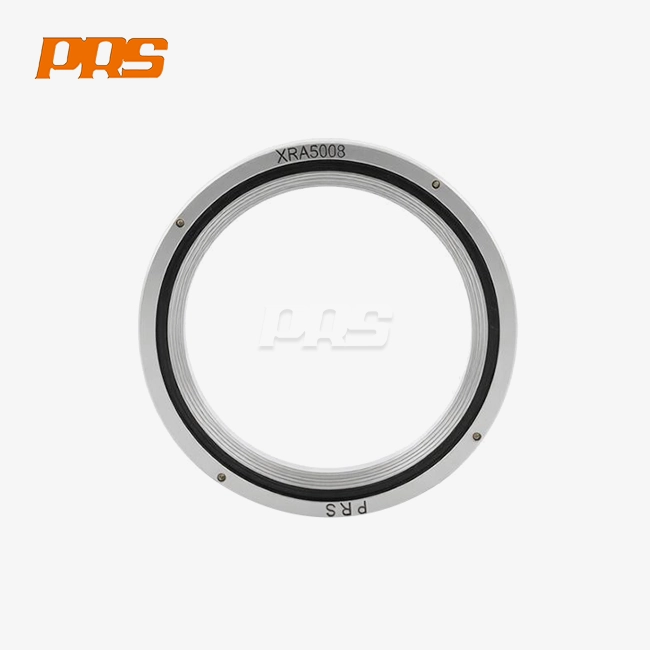
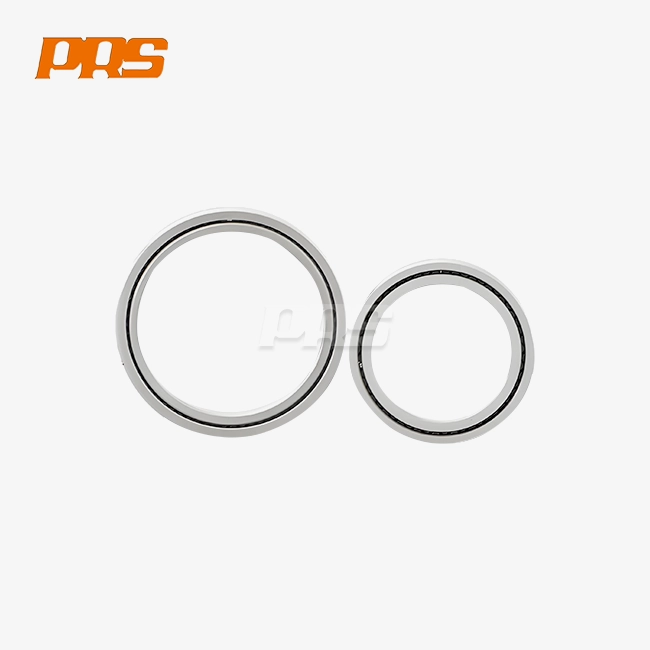
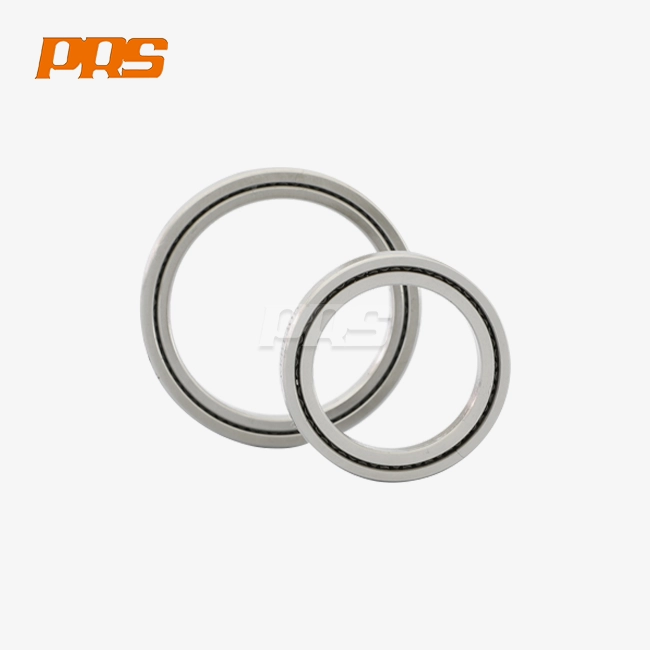
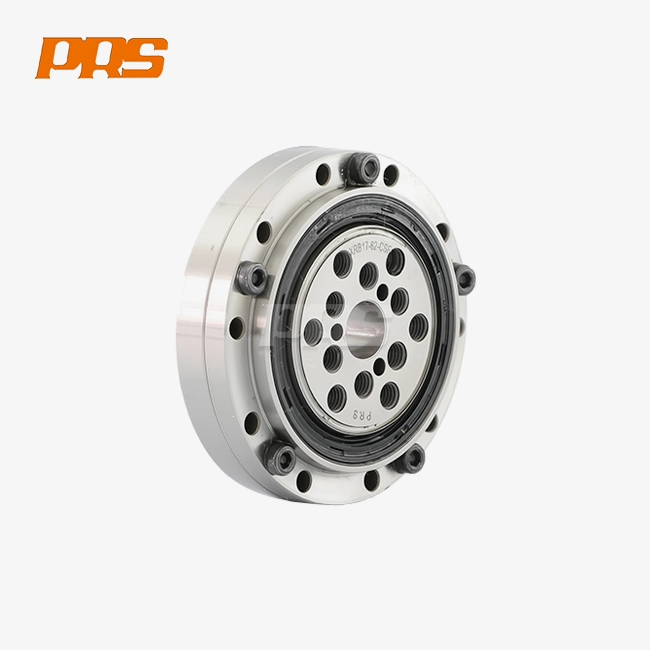
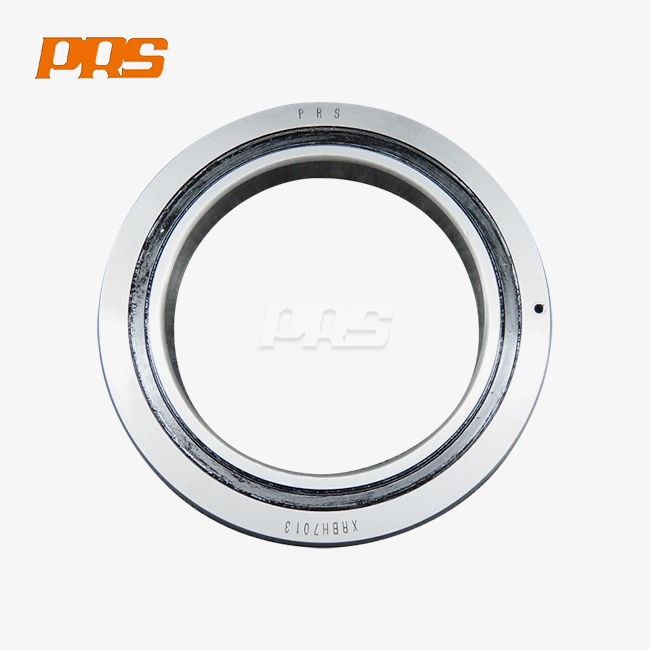
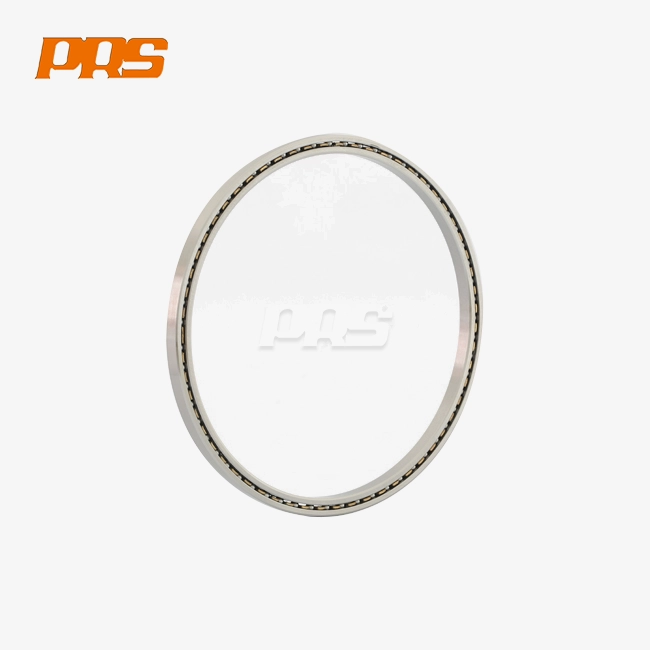
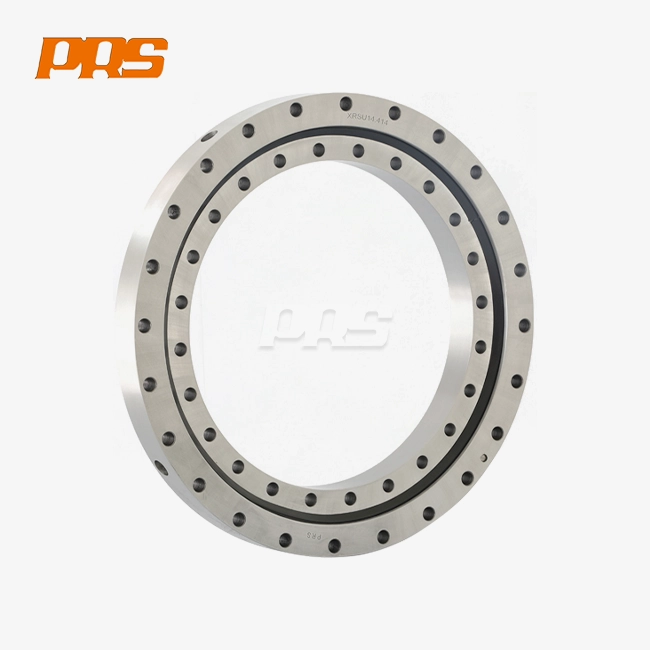
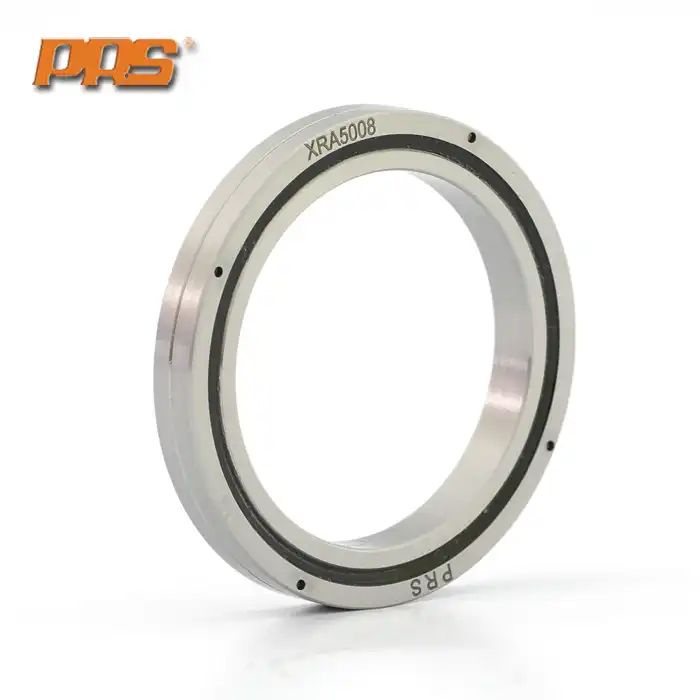
When industrial automation demands peak reliability, RA robot bearings stand as the critical interface between motion and stability. These crossed roller bearings are engineered specifically to handle the complex load dynamics of modern robotic systems—from six-axis robot joints to collaborative robot rotating bases. Their thin-section design incorporates cylindrical rollers arranged at 90-degree angles within precision V-grooves, effectively compressing the load-handling capacity of dual angular contact bearings into a single compact unit. This structural innovation addresses simultaneous radial, axial, and moment loads while maintaining micron-level positioning accuracy, making it indispensable for applications where space constraints meet uncompromising performance requirements.
Understanding the Challenges in Designing RA Robot Bearings for High Load Applications
When robots work under heavy loads, they have to deal with technical problems that standard bearing methods can't solve. The main problem is that forces working on robotic parts during operation can go in many directions. Designing RA robot bearings for high load applications requires addressing these multidirectional stresses effectively.
Managing Complex Load Profiles in Robotic Motion
When robot arms move payloads around in three dimensions, they experience constantly changing combinations of radial forces, axial thrusts, and tilting moments. A palletizing robot that moves big boxes up and down creates strong axial loads when it moves vertically and radial forces when it moves horizontally. Welding robots add to the complexity by going through fast loops of speeding up and slowing down, which increase dynamic loads beyond what can be calculated statically. In situations with mixed loads, traditional ball bearings have trouble because the stress is spread out unevenly, which causes the raceways to wear out quickly and the bearings to lose their positioning accuracy.
Balancing Compactness with Structural Rigidity
There is a basic tension between size and effectiveness in robotic joint assemblies because of the limited space available. To keep the overall weight of the collaborative robot low, its spinning bases need to have very thin profiles. At the same time, these joints must not bend when they're loaded to maintain path accuracy. As robot designs get better at carrying more weight, the cross-sectional area that can be used for installing bearings gets smaller. This limitation is shown by the Z-axis rotation mechanisms of SCARA robots. Designers have to make bearings that are thin enough to fit into small housings but rigid enough to stop angular deviations that would make pick-and-place less accurate.
Thermal Stability Under Continuous Operation
When robots work at high speeds, they create frictional heat that changes the stickiness and stability of the parts they're working on. Temperature changes of just a few degrees can cause thermal expansion in tools used to handle semiconductor wafers, which can mess up the nanometer-level setting needed for photolithography alignment. Medical surgical robots also have problems with heat, and too much heat can make it hard for them to move smoothly and consistently, which is important for microsurgical procedures. Bearing designs need to include parts that get rid of heat quickly and keep working the same way across a wide range of temperatures.
Core Design Principles Behind RA Robot Bearings for High Load Robots
The technical process that went into making RA robot bearings is the result of many years of improving accurate motion control. These design principles directly address the problems listed above by using new ideas in materials science and mechanics.
Advanced Material Selection for Durability
The choice of material is what determines how well a bearing works in tough robotic situations. High-carbon chromium bearing steel (SUJ2) is still the standard for RA robot bearings. It is strengthened to HRC 58–64 using precise heat treatment methods that make the surface resistant to wear while keeping the core tough. This amount of hardness gives bearings in CNC rotating tables and five-axis machine tool swivel heads the wear protection they need. These parts turn millions of times a year. The material's nanoscale goes through strict quality checks. Magnetic particle inspection finds flaws below the surface, and Nital etching shows grinding burns that could cause the material to flake too soon when it's loaded.
Crossed Roller Configuration for Load Distribution
The layout of rollers in RA robot bearings is what makes them unique. When two cylindrical rollers are placed perpendicular to each other, they make line contact with both the inner and outer ring raceways. This spreads the load over a larger surface area than point-contact ball bearings. This arrangement works especially well in AGV unmanned vehicle rotating lift platforms, where the bearing has to support the weight of the platform and its payload while still letting it spin smoothly. Spacer spacers placed between neighboring rollers stop friction between the rollers. This keeps the torque characteristics constant, even when preload conditions make the system stiffer.
Here are some of the structural benefits this design offers for heavy-duty use:
Integrated Load Capacity: The perpendicular roller arrangement can handle radial, axial, and moment loads at the same time, so it doesn't need any extra bearings. This makes joint assemblies easier in robot wrists that load and unload things that don't have room for multiple types of bearings. The design gets rid of the need for complicated bearing combinations that make the machine heavier and harder to put together.
Compact Cross-Section: RA robot bearings have a very thin profile compared to the amount of weight they can hold. This helps solve the problem of limited mounting space in precision rotating parts for medical robots and food preparation robots that need to be clean and easy to reach. Because the height is lower, engineers can make joints that are thinner without affecting the strength of the structure.
High Rotational Stiffness: The preloaded crossed roller contact offers great resistance to tilting moments. This is very important for CNC indexing tables and turning center tool turrets where cutting forces create bending loads that would cause less rigid bearing types to bend. This stiffness makes sure that the tool stays in the right place during cutting processes.
Smooth Low-Speed Torque: The best spacer design and precise roller sorting make sure that the starting and running torque changes very little. This lets machines like coordinate boring machines and laser interferometers make the tiny moves that they need to. In these measurement-critical situations, positioning errors would happen because the torque would not be consistent.
Precision Manufacturing Tolerances
The performance of a bearing depends on how precisely it was made. RA robot bearings made to ISO P5, P4, or P2 accuracy classes have radial runout values less than 5 micrometers for P5 grade. This was confirmed by using dial indicators to measure on air-bearing rotary tables. This geometric accuracy is very important in optical instrument rotation tables for image measuring instruments, where measurement error is caused by bearing runout. The quality of the surface finish on raceways is checked under a microscope to make sure that the Ra values are correct. Rougher surfaces cause more wear and friction, while finishes that are too smooth might not keep enough lubrication films.
Comparative Analysis: RA Robot Bearings vs Traditional Bearings in High Load Scenarios
Understanding how RA robot bearings perform differently from other types of bearings helps procurement professionals make decisions based on data.
Load Capacity and Service Life Advantages
When tested next to each other, RA robot bearings show three to four times the stiffness of angular contact ball bearings with the same envelope size. This advantage of rigidity directly leads to longer service life in vertical machining center rotary tables, where deflection under cutting loads would otherwise speed up wear. When rollers are crossed, they make line contact, which spreads stress more widely than point contact designs. This lowers the high contact forces that cause subsurface fatigue. This stress distribution makes bearings last longer than standard bearings would in the same situations when used in palletizing robots that move heavy loads over and over again.
Maintenance Interval Comparison
With traditional bearing setups, they often need to be inspected and replaced on a frequent basis, which causes downtime. The long time between maintenance visits is increased by RA robot bearings' strong construction and good lubrication retention. Manufacturers of industrial equipment say that robotic welding cells with crossed roller bearings in their spinning bases can go 18 to 24 months without needing to be serviced, while similar systems with ball bearing combinations only last 12 to 15 months. Costs are affected in more ways than just replacing bearings. Less downtime means fewer production stops and lower labor costs for repair tasks.
Total Cost of Ownership Considerations
Even though RA robot bearings cost more to buy at first than standard bearings, crossed roller types are better for demanding uses when it comes to total ownership costs. A company that makes surgical robots found that switching to RA robot bearings in robotic surgical joints raised the costs of the parts by about 30%. However, it cut the cost of yearly maintenance and got rid of two unexpected downtime events that happened over three years. The higher level of dependability was especially helpful in medical settings where the availability of equipment has a direct effect on scheduling patients and the speed of surgery. Returns on investment are about the same for aerospace simulation rotary tables and missile guidance equipment support, according to similar economic analyses.
Maintenance and Lifecycle Optimization of RA Robot Bearings
For RA robot bearings to last as long as possible, they need to be maintained according to specific rules that take into account how they are used and how well they need to work.
Lubrication Strategy for High-Load Conditions
The hydrodynamic layer that separates the rolling elements from the raceways is made by using the right oil. This keeps the metals from touching each other. When used in high-load robot applications, lithium-based greases that are made for high pressure and a wide range of temperatures are usually used on RA robot bearings. The frequency of lubrication depends on the duty cycle intensity. For example, CT machine rotating scanning tables that are used all the time need to be relubricated every three to six months. On the other hand, applications that are only used sometimes, like torque tester precision rotating bases, may need to be serviced once a year. Too much oil leads to grinding losses and higher temperatures, while not enough lubrication speeds up wear, so getting the right amount is very important.
Predictive Monitoring Technologies
These days, maintenance methods for RA robot bearings change from focusing on time to focusing on conditions. Vibration monitors placed near bearings pick up on the unique frequency patterns that show early signs of pollution or wear. A rise in high-frequency vibrations shows that the roller surface in UAV gimbals is wearing down before the location accuracy starts to change dramatically. Monitoring the temperature gives you extra information. Gradual rises in temperature could mean that the grease is wearing out or that the preload has changed in the solar dual-axis tracking bracket precision turning joints. With these monitoring systems, maintenance teams can plan to replace bearings during planned downtime instead of having to do it when something breaks down out of the blue.
Environmental Protection Measures
Pollution is the main thing that can shorten the life of bearings. Sealing systems keep dust, water, and other process toxins out of the bearing space. In semiconductor chip cutting machines with small, precise spinning parts that work in cleanrooms, special seals that can handle vacuum conditions and clean processes keep bearings safe without letting particles get into the machine. Controlling temperature with good ventilation or active cooling stops thermal expansion that changes preload and internal clearances. Wind turbine yaw system auxiliary supports have to deal with especially difficult weather conditions. They need protective coats and strong sealing systems to keep moisture out and corrosive atmospheres out.
How to Choose RA Robot Bearings for Your High Load Robot Applications?
To choose the best RA robot bearings for a given job, you need to carefully look at the working factors and performance standards.
Analyzing Load Requirements and Motion Profiles
First, figure out how much force and moment are working on the bearing at all times. Find the highest radial load, axial load, and tilting moment that all happen at the same time. The required bearing size is based on these loads. In clever storage stacker rotary joints, dynamic loads from acceleration cycles may be much higher than static loads, so fatigue life estimates are needed. Different types of motion are important. For example, radar antenna rotating bases need different types of bearings than orthopedic navigation equipment that moves back and forth. The duty cycle percentage affects the choice of bearing because continuous use makes more heat than intermittent use.
Evaluating Space Constraints and Mounting Configuration
Size is often a bigger factor in choosing a bearing than load ability. Carefully measure the available envelope, making note of any limits on the outer diameter, hole size, and cross-sectional height. The thin profile of RA robot bearings is useful in tight areas, such as in DR machine arm rotation systems. Depending on how the bearing is mounted, either the inner ring or the outer ring should rotate. RA robot bearings have an integrated inner ring that works best for inner-ring rotation applications. The type of fitting also affects the choice; for example, bearings mounted with interference fits need different size limits than bearings mounted with clearance fits.
Comparing Technical Specifications Across Suppliers
When looking at suppliers of RA robot bearings, look at more than just the basic dimensions. For direct comparison, load rating calculations should be done in line with ISO standards. The accuracy class number tells you how precise the geometry is. For example, P4 or P2 class is usually used for medical imaging equipment spinning parts because they have tighter runout limits. Specifications for starting torque show friction properties that are important for positioning accuracy in rotary platforms on an automated assembly line. Lead time, expert support access, and application engineering help are some of the things that set suppliers apart and go beyond product specs.
Conclusion
In conclusion, for high-load robotic uses where small size and precise motion can't be compromised, RA robot bearings are a mature but always-evolving answer. Their crossed roller design, precise manufacturing, and choice of strong materials directly address the complicated loading conditions that come up in current robotic systems. When chosen and cared for properly, these bearings provide the dependability that work settings need, turning an initial investment into long-term cost savings. The benefits over traditional bearing types are most clear in situations where payload capacity, positioning accuracy, and environmental durability are being pushed to their limits. When looking for these important motion control parts, industrial leaders can make better decisions by systematically examining load patterns, dimensional limits, and total ownership costs.
FAQ
What load capacity advantages do RA robot bearings provide over ball bearings?
What are the benefits of RA robot bearings over ball bearings when it comes to load capacity? Because they have line contact instead of point contact, they are 3–4 times more rigid than angular contact ball bearings of the same size. The design of perpendicular rollers spreads radial, axial, and moment loads over a bigger surface area at the same time. This lowers the peak contact stresses that lead to early wear and tear. Because of this structural advantage, they can carry bigger loads in smaller spaces. This is especially useful in artificial joints that don't have a lot of room for ball bearings.
How often should RA bearings in robotic applications be relubricated?
The amount of duty cycle and the environment affect how often a machine needs to be oiled. Medical imaging devices and other systems that are used all the time usually need to be relubricated every three to six months. Systems that are only used sometimes may need to be relubricated every twelve months. Places with high temperatures or polluted air need to be serviced more often. Moving from fixed schedules to predictive maintenance methods is possible with condition monitoring through vibration analysis and temperature tracking.
Can RA bearings operate in cleanroom and vacuum environments?
Are RA robot bearings able to work in cleanrooms and vacuums? In a cleanroom or a vacuum, specialized designs with the right seals and lubrication systems work well. Equipment used to make semiconductors has bearings that use low-outgassing greases and non-particulating seals to keep them compatible with cleanrooms. The type of bearing and seal design you choose must be compatible with the setting your application needs to work in. Check with bearing makers to find out about cleanroom class grades and vacuum pressure standards.
Get Precision-Engineered RA Robot Bearings from a Trusted Manufacturer
Luoyang PRS Precision Bearing Co., Ltd. makes high-performance crossed roller bearings that are designed to work in robotics and automation. Our RA robot bearings reach precision levels of P4 and P2, giving your high-load systems the rigidity, low friction, and long service life they need. Since 2003, we've been focusing on creating non-standard and very accurate bearing solutions that can be used in place of foreign goods. Our engineering team offers full technical support to help you choose the best bearings for your project, whether you're making medical imaging equipment, collaborative robots, or CNC rotary tables. Get in touch with our bearing experts at ljh@lyprs.com to talk about your needs and get detailed specifications that are specific to your project.
References
1. Harris, T.A. & Kotzalas, M.N. (2006). Rolling Bearing Analysis: Essential Concepts of Bearing Technology (5th ed.). CRC Press.
2. ISO 199:2014. Rolling Bearings – Thrust Bearings – Geometrical Product Specifications (GPS) and Tolerance Values. International Organization for Standardization.
3. Weck, M. & Brecher, C. (2006). Machine Tools Production Systems 1: Mastering High Performance in Precision Manufacturing. Springer-Verlag Berlin Heidelberg.
4. Palmgren, A. (1959). Ball and Roller Bearing Engineering (3rd ed.). SKF Industries Inc.
5. American National Standards Institute. (2013). ANSI/ABMA Standard 12.3: Instrument Precision Ball Bearings – Metric Design. American Bearing Manufacturers Association.
6. Eschmann, P., Hasbargen, L., & Weigand, K. (1985). Ball and Roller Bearings: Theory, Design, and Application (2nd ed.). John Wiley & Sons.

USER EVALUATE
Here is the customer's evaluation of us