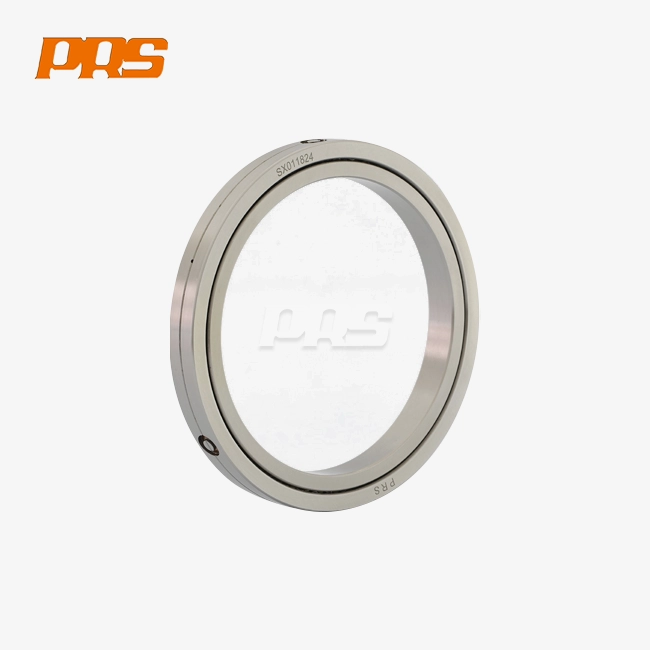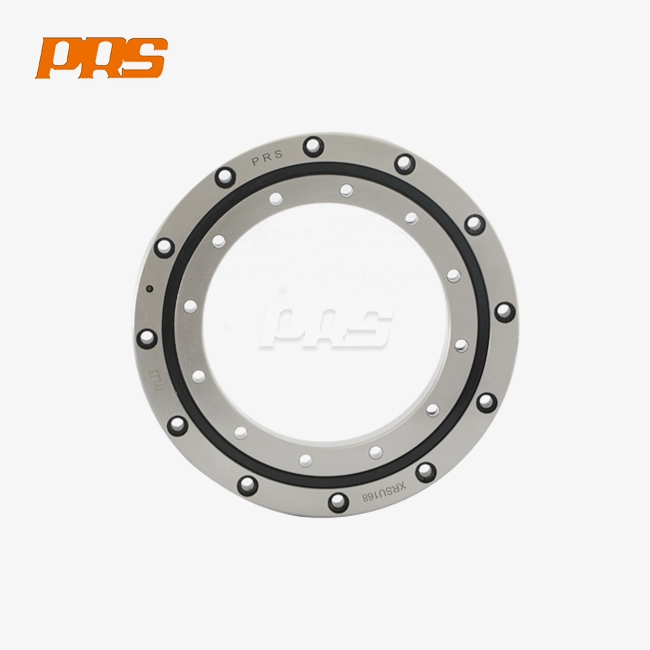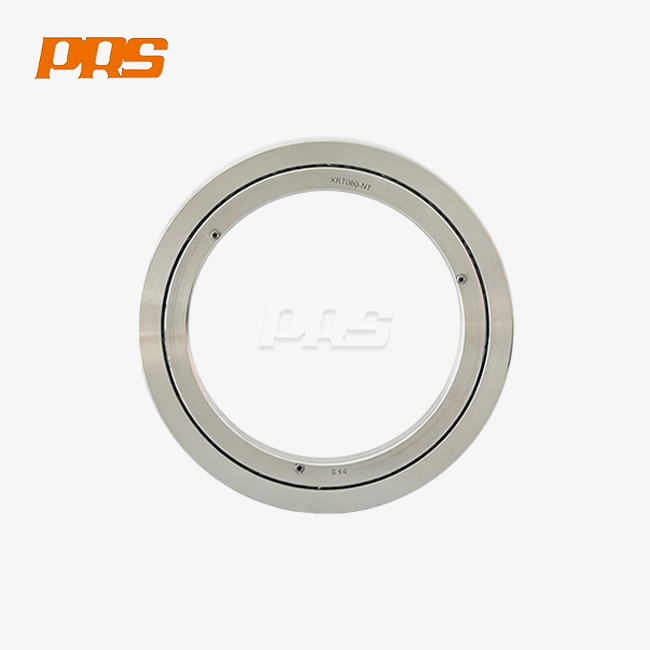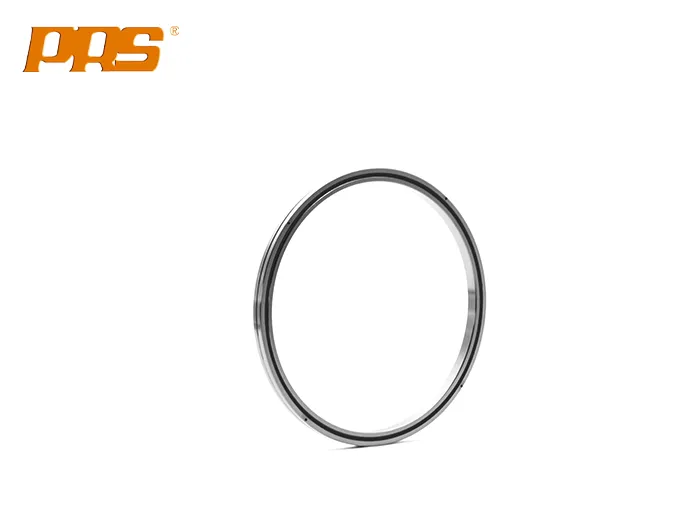

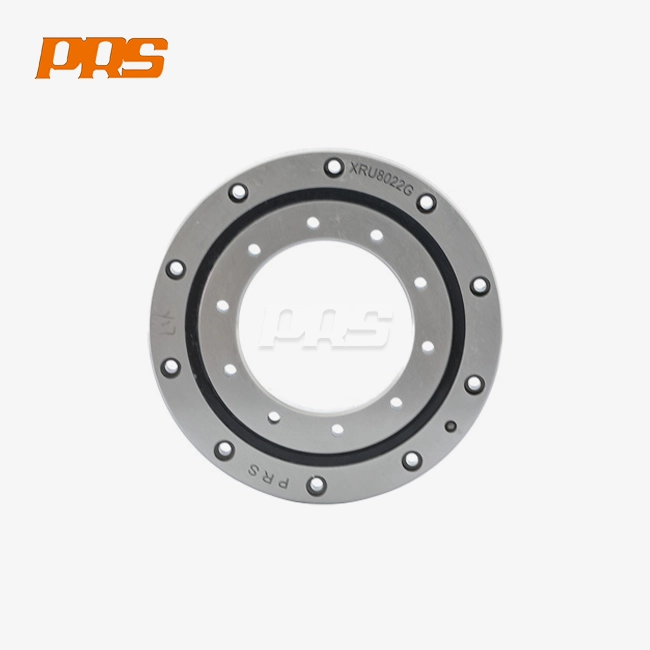
RU robot bearings
Brand: PRS
Category: Bearing
Mounting Hole: Yes
Inner Diameter: 10mm-350mm
Outer Diameter: 52mm-540mm
- Product Description
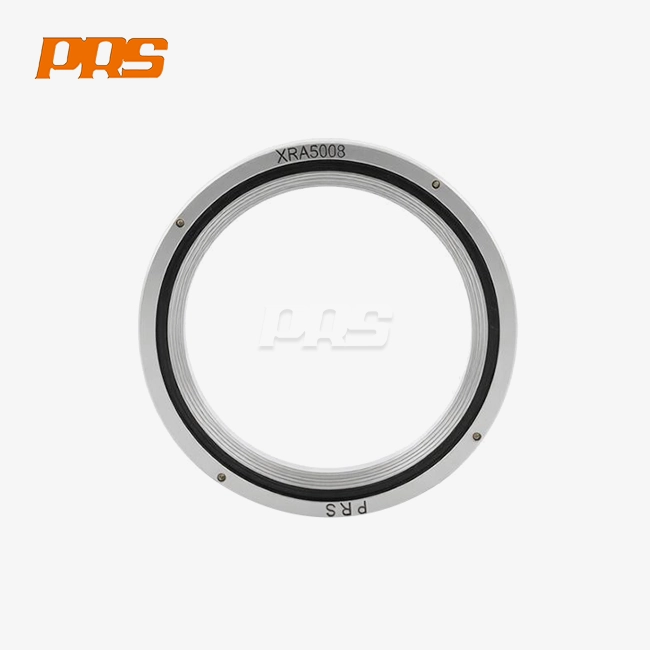
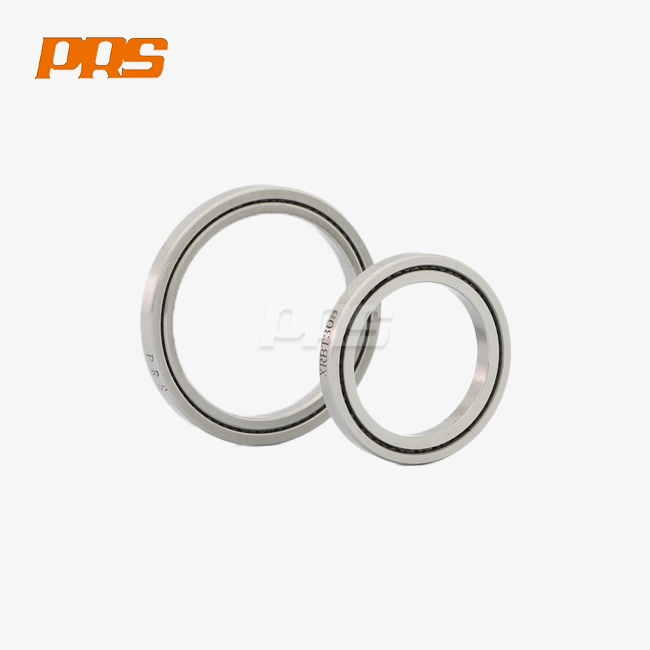
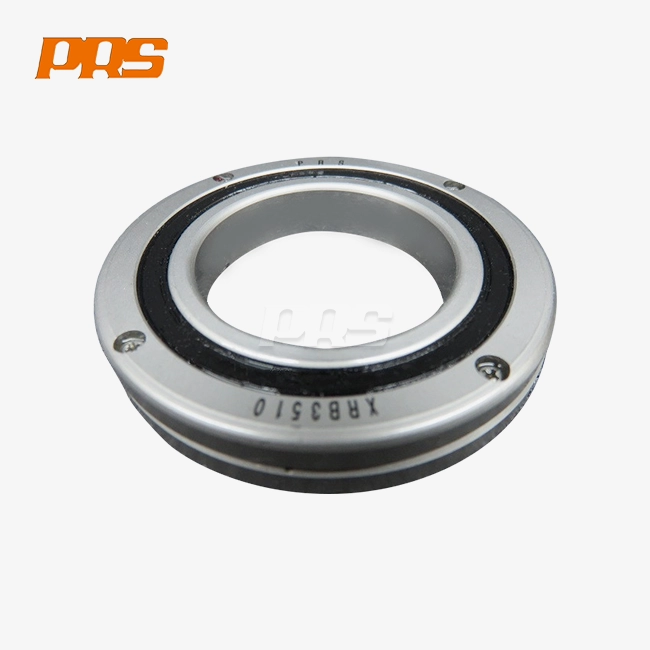
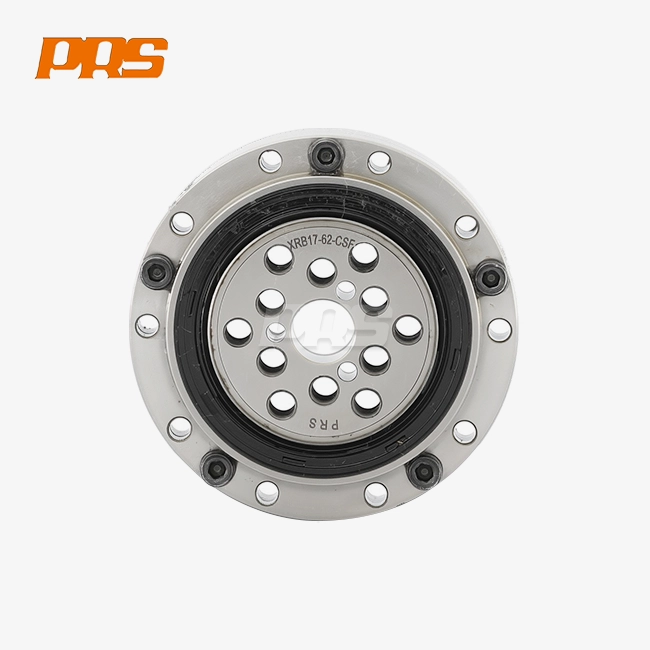
RU Robot Bearings: High-Precision Cross Roller Solutions for Automated Systems
When you're designing robotic systems that demand exceptional precision and reliability, RU robot bearings represent a specialized solution engineered for complex motion requirements. These cross roller heading include indispensably internal and external rings with mounting gaps, dispensing with the require for extra back installations amid establishment. The one of a kind structure empowers them to handle outspread, hub, and minute loads at the same time whereas keeping up steady turn exactness. items provide reliable torque execution in both internal and external ring turn scenarios, making them fundamental components for present day robotization equipment.
Technical Specifications
| Parameter | Range/Value |
|---|---|
| Inner Diameter | 10mm - 350mm |
| Outer Diameter | 52mm - 540mm |
| Mounting Configuration | Integral rings with holes |
| Load Capacity | Radial, axial, moment loads |
| Precision Grade | Up to P4/P2 |
| Installation Type | Direct mounting |
| Origin | China |
| Brand | PRS® |
Design Structure and Working Principle
The RU series employs a crossed roller configuration where cylindrical rollers are positioned at 90-degree angles to each other. This arrangement creates a compact bearing unit capable of supporting multi-directional loads within a single assembly.
Key structural elements include:
- Integral ring construction prevents deformation during installation
- Precision-machined mounting holes enable direct attachment to equipment
- Cross-positioned rollers distribute loads evenly across the bearing raceway
- Optimized contact geometry minimizes friction and wear
The working principle relies on load distribution through alternating roller contact points. When subjected to combined loads, each roller set handles specific force components, resulting in superior rigidity compared to conventional bearing arrangements.
Performance Advantages in Robotic Applications
Enhanced Framework Rigidity
The crossed roller plan gives remarkable solidness beneath changing stack conditions. This characteristic is significant for automated joints where situating precision specifically impacts generally framework performance.
Simplified Establishment Process
Integral mounting gaps dispense with the require for isolated bearing lodgings or ribs. You can mount these heading straightforwardly to robot outlines, lessening get together complexity and potential arrangement errors.
Multi-Load Capability
Unlike single-row heading that exceed expectations in particular stack bearings, these units handle complex stack combinations viably. This flexibility demonstrates basic in automated applications where strengths alter heading frequently.
Stable Rotational Performance
The adjusted roller course of action keeps up reliable torque characteristics all through the turn cycle. This solidness interprets to smoother robot developments and moved forward control precision.
Applications in Robotic Systems
Industrial Robot Joints
RU robot bearings serve as primary rotation elements in robot arm joints, providing the precision required for accurate positioning and repeatability in manufacturing processes.
Collaborative Robot (Cobot) Assemblies
The compact design suits space-constrained cobot applications where traditional bearing arrangements would be impractical.
Automated Guided Vehicles (AGV)
These bearings support steering mechanisms and rotating platforms in mobile robotic systems, ensuring reliable operation in industrial environments.
Precision Positioning Systems
Applications requiring fine angular adjustments benefit from the high rigidity and low-friction characteristics of these specialized bearings.
Engineering Selection Guidelines
Load Analysis Requirements
Calculate the maximum radial, axial, and moment loads your application will encounter. Ensure the selected bearing size provides adequate load capacity with appropriate safety factors.
Speed Considerations
While these bearings handle moderate speeds effectively, verify that your operational speed falls within recommended limits for the specific bearing size.
Environmental Factors
Consider operating temperature ranges, contamination levels, and lubrication requirements when specifying bearing configurations.
Mounting Interface Design
Ensure your equipment design accommodates the mounting hole pattern and provides proper support for the bearing outer ring.
Quality Standards and Manufacturing
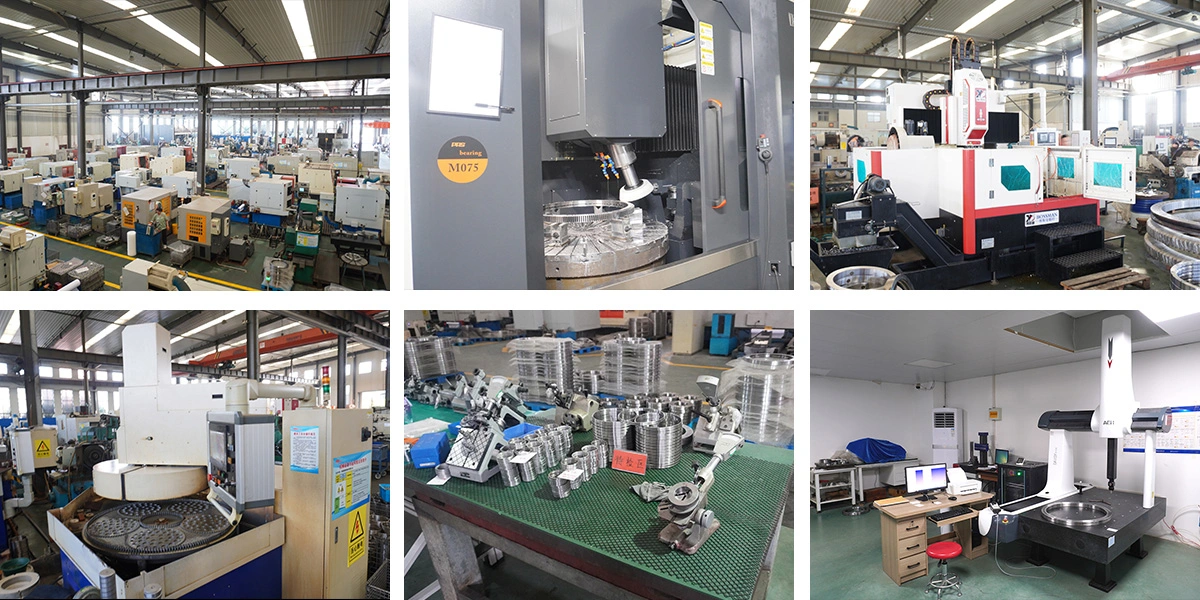
At Luoyang Precision Bearing Co., Ltd., our manufacturing process follows strict quality control protocols. Each bearing undergoes comprehensive testing to verify dimensional accuracy, load capacity, and rotational performance.
Manufacturing capabilities include:
- 15,000 m² production facility with advanced machining equipment
- 35 technical engineers supporting design and quality assurance
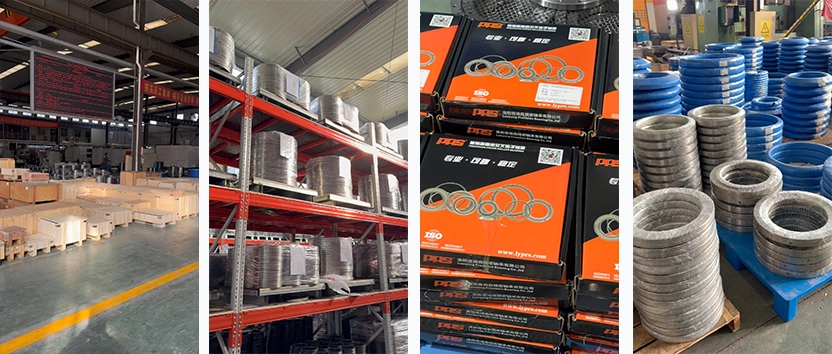
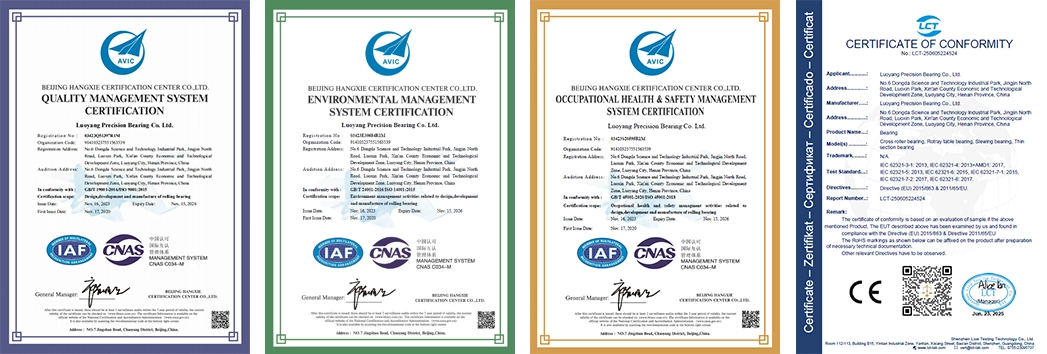
- ISO 9001, ISO 14001, and ISO 45001 certified processes
- Factory pass rate exceeding 99.9%
Our engineering team provides technical support throughout the selection and implementation process, ensuring optimal bearing performance in your specific application.
Packaging & shipping
Your goods are unique, and their journey should be flawless. Therefore, we offer professional and customized packaging services. Our experienced team will evaluate your goods' characteristics, transportation route, and environmental requirements to recommend the most secure solution.
Certificaiton
Partners
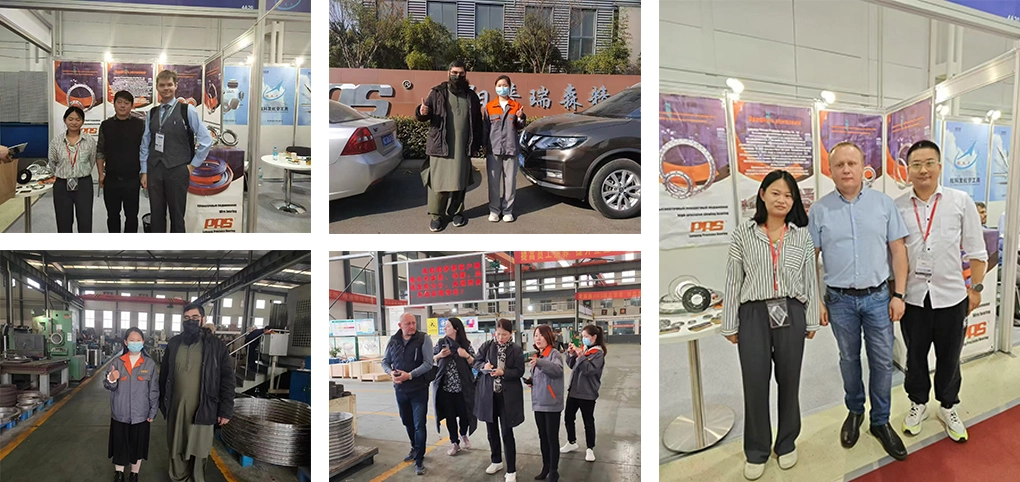
Your trust, we cherish in heart all times and will reciprocate that trust with unwavering quality.
Custom Solutions and Technical Support
Standard RU robot bearings cover most common applications, but we also develop custom solutions for unique requirements. Our engineering team can modify dimensions, load ratings, or mounting configurations to match your specific needs.
For technical consultation or custom bearing development, contact our engineering team at ljh@lyprs.com. We provide comprehensive support from initial design review through production implementation, ensuring your robotic systems achieve maximum performance and reliability.

USER EVALUATE
Here is the customer's evaluation of us