
What's A RA Cross Roller Bearing And How Does It Work?
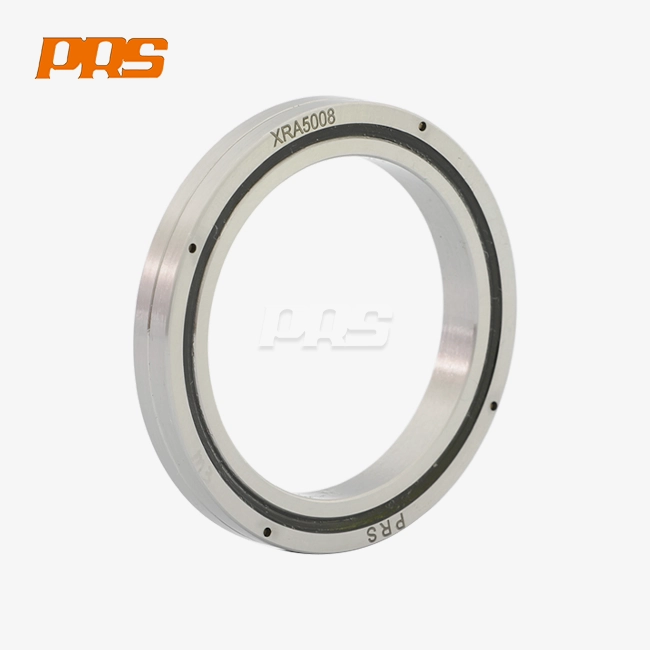
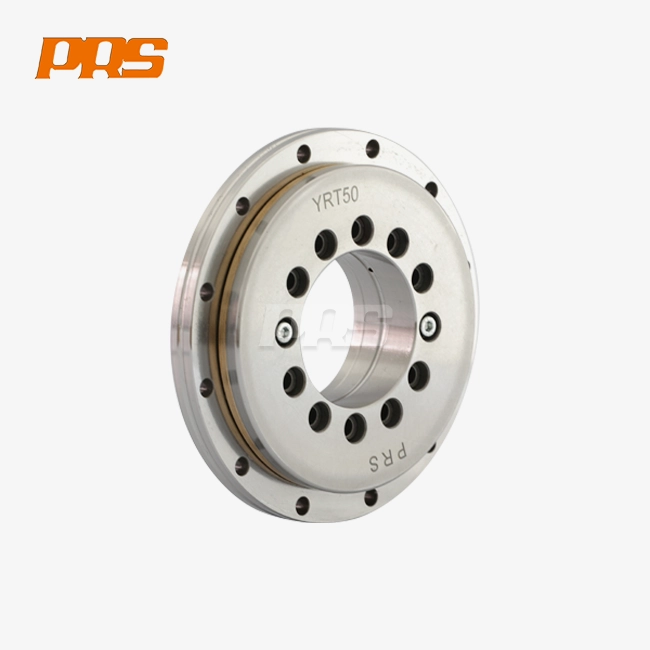
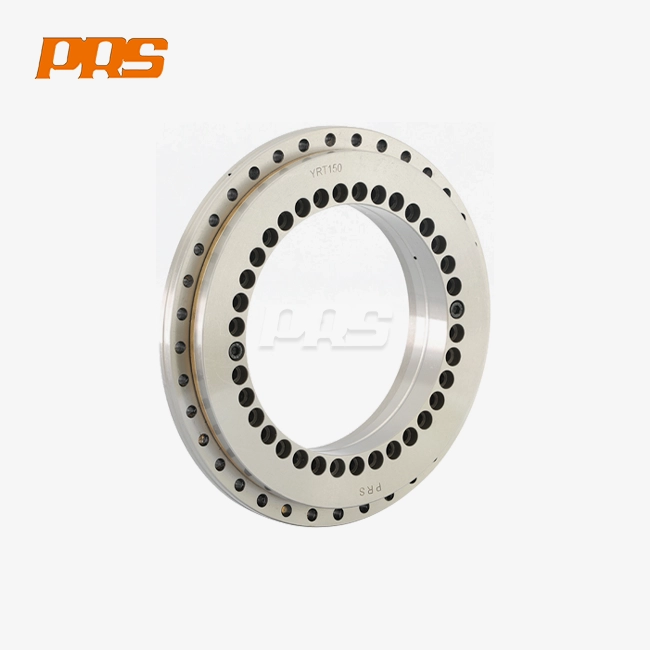
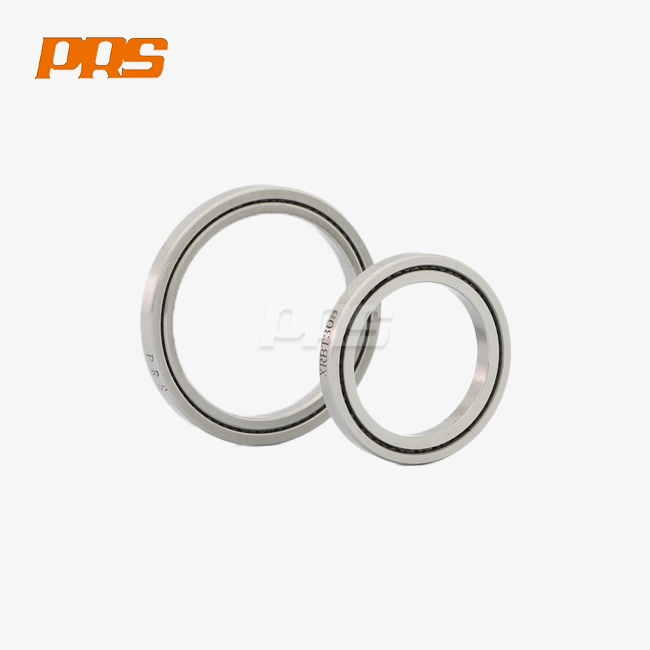
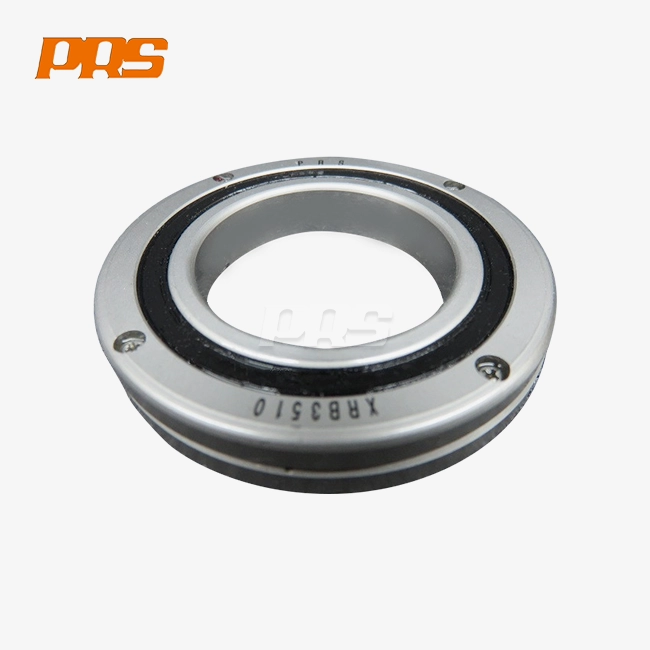
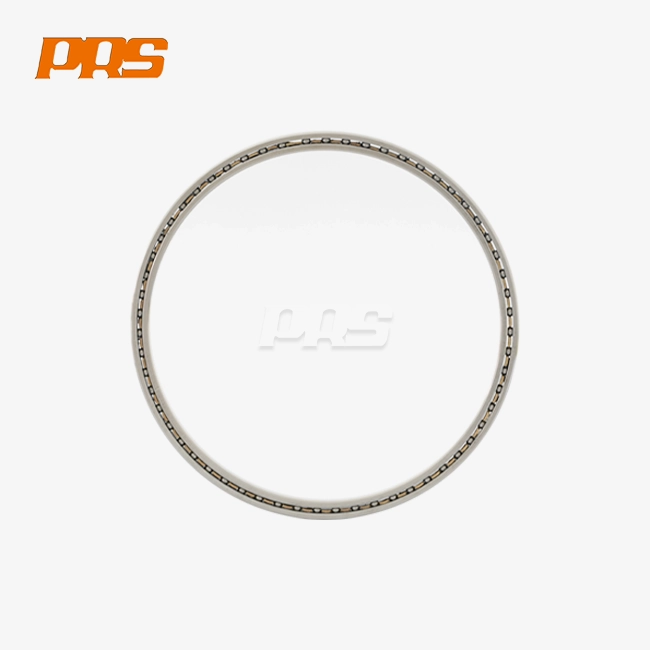
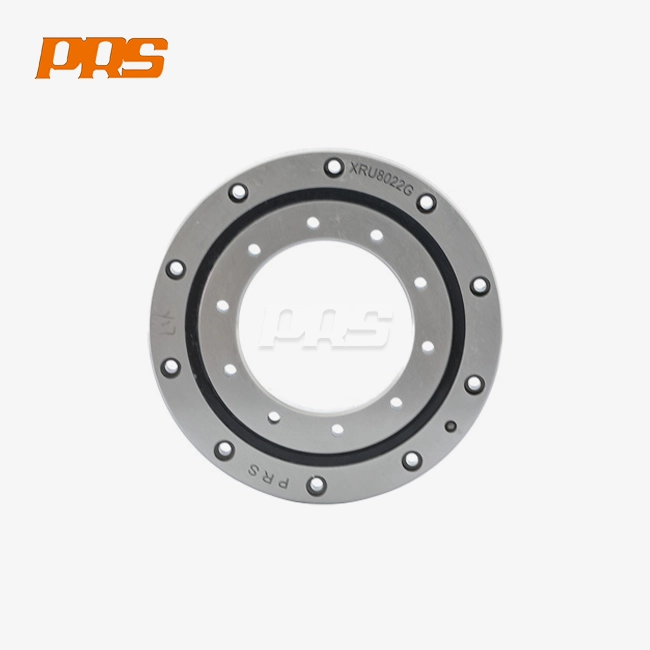
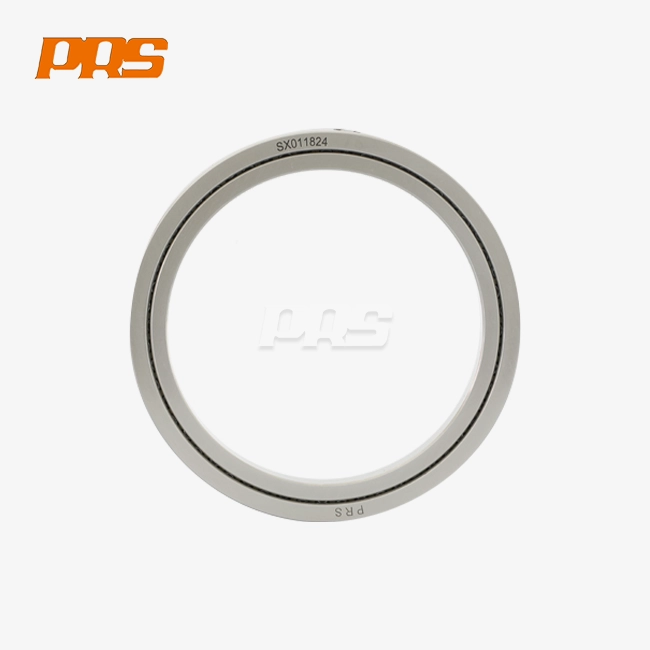
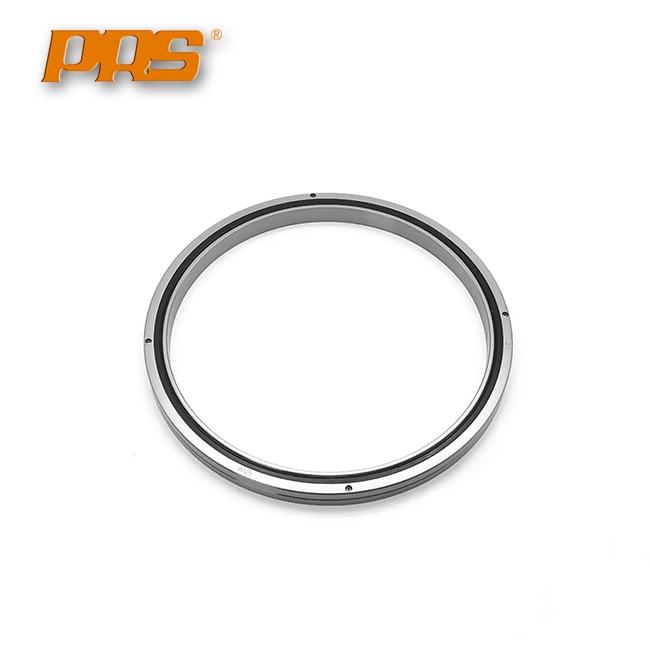
When choosing motion control parts for robots, machines, or medical imaging systems, the bearings you choose have a direct effect on the accuracy, size, and long-term performance of your equipment. The RA cross roller bearing is a unique product designed to work in situations where regular ball bearings don't work well. These very thin rotary bearings have precision V-groove raceways with cylindrical rollers grouped in an alternate 90-degree arrangement. This lets them handle radial, axial, and moment loads all at the same time in a single small assembly. This design gets rid of the need for multiple bearing setups, which makes the system lighter and takes up less room when it's installed. It also provides the micron-level positioning accuracy needed for advanced automation and precise instrumentation.
Understanding RA Cross Roller Bearings
Fundamental Design Architecture
The crossing roller design is what makes these bearings stand out. Cylindrical rollers are placed so that they are orthogonal, which means that each roller spins in a way that is different from the one next to it. This rotating design makes many load-bearing contact points spread out over V-groove raceways that have been carefully machined. The design theory solves a long-standing engineering problem: how to get the most load capacity in the smallest amount of circular space.
The structure is made up of a solid core ring that is merged and an outer ring that can be separated. This arrangement makes it easier to put things together. When putting it together, the inner ring section goes on first, then the outer ring parts. The design that can be separated makes upkeep easier to reach and makes it easier to put together complicated assemblies.
Operating Mechanism and Load Distribution
When compared to regular ball bearings, the crossed design completely changes how load is distributed. The rollers don't make point contact with the inner and outer raceways like ball bearings do. Instead, each roller makes line contact with both. This bigger contact area spreads applied forces over a larger area of surface, which greatly increases the load-bearing capacity without making the bearing envelope bigger.
When your machine uses radial forces from weight, axial forces from thrust, and moment loads from cantilevered parts, all at the same time, the orthogonal roller setup handles all of these forces in one bearing unit. Some rollers handle radial loads while neighboring rollers handle axial loads when the rollers are arranged in an alternating pattern. This ability to handle loads on multiple axes at the same time gets rid of the need for paired angular contact bearings or different thrust bearing systems.
Material and Precision Considerations
To make these bearings, you need to be very precise. PRS uses GCr15 and GCr15SiMn bearing steels, which are known for having consistent stiffness and staying the same size even when loaded and unloaded many times. There are different levels of accuracy, from P6 for general uses to P4 and P3 for very precise needs. These levels show the industrial limits that can be reached in raceway geometry and roller dimensional consistency.
The cage parts that separate the rollers keep the exact distance between them while the machine is turning. These gaps keep the rollers from touching each other and make sure that the load is spread out evenly. The shape of the cage affects how much friction there is, how the parts wear, and how smoothly they work. This is especially true in situations where the parts need to keep rotating for long periods of time between service breaks.
Advantages and Applications of RA Cross Roller Bearings
Knowing what makes these RA cross roller bearings better than others in terms of performance helps you see why they are a good choice for challenging uses. The engineering benefits directly lead to equipment-level benefits in many different industries.
Multi-Directional Load Capability
The main technical benefit comes from being able to handle loads on all directions at the same time. Your idea for the tools would be much better if it were much simpler. What used to need two or three different bearing units can now be done with just one. This cuts down on the number of parts you need, makes building easier, and lowers the number of places where your motion system could fail.
When used in cantilevered designs, like on robotic arms and rotating tables, the moment load capacity is very useful. The wide effective load span of the bearing's diameter and its high rigidity from the line contact shape make it possible for stable operation even when the loads aren't evenly distributed, which would normally cause ball bearing setups to deflect or become unstable.
Ultra-Compact Dimensional Profile
One thing that makes the RA series unique is its very thin cross-sectional height. When compared to normal bearing setups, these assemblies get thickness cuts of about 30 to 40 percent while keeping the same load values. This saving of room is very important in situations where limited rotational space limits design choices.
One example of this benefit is medical imaging tools. CT scanner gantries and surgery robot joints need small rotary parts that can fit into ergonomic housings and stay rigid enough to allow for accurate positioning. Because the bearings aren't as thick, the motor and encoder can be put together in small areas without affecting the structure's strength or performance.
Exceptional Rotational Rigidity
Precision equipment's positioning accuracy is directly affected by rigidity, which is the resistance to movement under force. These bearings are much more rigid than ball bearings of the same size because of their line contact shape and preloaded roller setup. Less elastic bending happens when the load changes on your equipment. This means that the position can be repeated more accurately and the machine can be used more precisely.
This feature is used by machine tool makers in rotary table uses. The high stiffness of the bearing keeps the rotational position within micron-level accuracy even when the mass of the item moves during machining operations. In accurate industrial processes, this steadiness is necessary to get the surface finishes and measurements that are needed.
Application Across Critical Industries
The bearing's features meet the needs of many different industries that depend on accuracy and dependability when choosing parts.
Industrial robots is probably the most difficult area of application. Robot joints are loaded in a lot of different ways, including changing directions quickly, carrying different amounts of weight, and working nonstop. The small shape lets the joint design be optimized, which lowers the moving mass and raises the dynamic reaction. The multi-axis load handling makes mechanical design easier, and the precise classes make sure that the parts are placed accurately, which is important for automatic welding and assembly.
Equipment used to make semiconductors works in cleanrooms that have strict rules about pollution. RA cross roller bearing help chip handling robots and alignment stages that need to be able to place things with sub-micron accuracy. The low friction properties keep heat from building up, which could affect thermal stability. Optional oils that are safe for cleanrooms keep particles from forming, which would lower yield rates.
Applications in aerospace and defense need to be completely reliable even when things go wrong. These bearings keep the angle accuracy of guidance system gimbals, radar tracking platforms, and monitoring devices even when they are subjected to shock loads, vibration, and changes in temperature. The strong structure and high load capacity make sure that the system works properly for long periods of time without requiring repair access.
How to Select the Right RA Cross Roller Bearing for Your Needs?
To choose the right RA cross roller bearing, you need to carefully compare the needs of the application with the choices that are offered. To get the best total cost of ownership, the decision process combines technical performance needs with realistic procurement issues.
Technical Specification Analysis
Assessing the load rate is the first step in choosing a bearing. Figure out the radial, axial, and moment loads that your application is likely to put on it. Don't forget to include safety factors for dynamic situations and shock loads. When you compare these numbers to published load ratings, keep in mind that combined loading needs to be looked at against the manufacturer's load interaction models, not just by comparing the individual parts.
Another important factor is the speed power. Even though these bearings are very accurate and can hold a lot of weight, they can't rotate as fast as ball bearings because the roller line contact causes friction. Make sure that your operating speed stays below the stated maximum speed so that the temperature doesn't rise too much and the lubricant doesn't break down. Most of the time, positioning or slow, constant spinning are needed instead of high-speed operation.
When exact uses are being used, dimensional tolerances need to be carefully thought through. To get the stated performance, the mounting sides of the bearing must fit perfectly with the housing and shaft features, within certain tolerances. When there are too many gaps, stiffness and positioning accuracy are lost. Interference conditions can cause changes in preload that affect how friction and wear behave.
Brand Comparison and Supplier Evaluation
There are well-known companies with unique technical methods and quality positioning in the global precision bearing market for RA cross roller bearing. NSK and THK have good names in robotics applications and provide a lot of technical information and help with application engineering. In addition to a wide range of products, SKF focuses on lifetime study and predictive maintenance. When it comes to standard usage, KOYO works on reliable, cost-effective options.
PRS markets itself as a specialty maker that focuses on customization and quick technical support. Our engineering team works directly with equipment makers to make sure that the bearing standards are the best they can be for each application. Competitive pricing, short wait times, and the ability to work with non-standard dimensions make this a good deal, especially for OEM uses that need custom solutions.
Procurement Considerations for B2B Buyers
Long-term project success depends on knowing what the provider can do besides just making the goods. Compare the minimum order numbers to the amount of volume you need. Items from a standard collection usually only come in smaller amounts, while items made to order may need production batches with minimum commitment levels.
Lead times for regular and custom goods are very different from one another. For pressing needs, PRS keeps a large stock of popular options that can be shipped within 24 hours. Custom sizes or changed precision classes usually take two to four weeks, but this depends on how complicated the specifications are and how busy production is at the moment.
Having access to technical support is helpful during the planning process and when fixing problems. Having access to application engineers who know the specific needs of your business speeds up the selection of bearings and improves integration. PRS offers detailed technical advice at ljh@lyprs.com, helping to create specifications and answering questions about installation or performance throughout the lifecycle of your equipment.
Different industries have different quality assurance paperwork needs. Material certifications, dimensional inspection records, and traceability paperwork are often needed in medical and aircraft uses. Make sure that your supplier's quality systems match the standards for your approval so that the project doesn't get held up while the systems are being qualified.
Conclusion
The RA cross roller bearing solves certain engineering problems in precise motion control where limited room and loads on multiple axes call for new ideas. Crossed roller structure provides high stiffness and load capacity in very small spaces, allowing equipment designs that would not be possible with traditional bearing technologies. Industrial robots, medical devices, semiconductor manufacturing, and aircraft systems are just some of the areas where these specialized parts are used to show how versatile and well they work. When you choose the right bearings based on a thorough load analysis, pay close attention to the fitting steps, and do regular upkeep, they will keep working at their best for longer periods of time. When you need micron-level accuracy, small packaging, and the ability to carry loads in more than one way, crossed roller technology is a tried-and-true engineering answer that has been used for decades in the world's most precise machinery.
FAQ
What distinguishes RA series from RB series crossed roller bearings?
Compared to the usual RB series, the RA series has a very thin shape and a lower cross-sectional height. In the RA design, there is an integrated inner ring and a separate outer ring. This is best for uses that need to save weight and room. The RB series has a stronger frame that makes it better for heavy-duty uses that need to handle higher loads and bigger spaces.
Can these bearings operate at high rotational speeds?
These bearings are designed for accuracy and load capacity, not for running at high speeds. When compared to ball bearings, the cylindrical roller line contact causes high amounts of friction, which limits the speed of spinning. Positioning, indexing, or slow, steady movement are common uses. Going over the posted speed limits can cause too much heat to build up and the oil to break down. When checking for speed compatibility, look at the full specs and think about the duty cycles of the program.
What precision class should I specify for my application?
The precision class you choose will depend on how accurate you need to be with your positioning and the conditions of your work. P6 or P0 grades are good for general business uses that don't need a lot of accuracy. P5 offers better accuracy for machine tool and robotic tasks that need better consistency. The P4 and P3 classes offer ultra-precision performance that is needed for making semiconductors, measurement equipment, and medical imaging devices that need to be accurate to the micron level. Higher precise grades come with higher prices, so make sure that the standard matches the useful needs instead of being too specific.
Partner With PRS for Your Precision Bearing Requirements
Luoyang PRS Precision Bearing Co., Ltd. makes high-precision crossed roller bearings that are specifically designed for tough industrial uses. Our 15,000 m² building has more than 200 high-tech production tools that are run by a 35-person technical engineering team dedicated to designing and making the best bearings possible. We keep our plant pass rates above 99.9% by following strict quality control procedures that include checking the materials and doing a final review of the dimensions.
As a producer with a lot of experience in making RA cross roller bearings, we offer full customization services that meet the exact size, accuracy, and material needs of your application. Our engineering team works directly with equipment makers to choose the best bearings and make sure they work well together. This way, we can meet performance needs while keeping costs low.
Standard setups ship within 24 hours from our large collection, meeting tight project deadlines and reducing the amount of time that equipment is down. Custom solutions usually take two to four weeks, but this depends on how complicated the requirements are. We keep our ISO 9001, ISO 14001, and ISO 45001 certifications up to date, and our goods meet CE and RoHS standards for the global market.
Email our expert team at ljh@lyprs.com to talk about your needs for accurate bearings. We offer in-depth scientific advice, application analysis, and personalized suggestions to make sure you choose the right bearings for your equipment. You can find our full product catalog, technical specs, and engineering tools at prs-bearing.com, which will help you make smart purchasing choices.
References
Harris, T.A. and Kotzalas, M.N. (2006). Advanced Concepts of Bearing Technology: Rolling Bearing Analysis, 5th Edition. CRC Press, Boca Raton.
Eschmann, P., Hasbargen, L., and Weigand, K. (1985). Ball and Roller Bearings: Theory, Design and Application, 2nd Edition. John Wiley & Sons, Chichester.
Niku, S.B. (2010). Introduction to Robotics: Analysis, Control, Applications, 2nd Edition. John Wiley & Sons, Hoboken.
Tsutsumi, M. and Saito, A. (2003). "Identification and compensation of systematic deviations particular to 5-axis machining centers." International Journal of Machine Tools and Manufacture, 43(8), 771-780.
Brecher, C., Shneor, Y., and Neus, S. (2012). "Modular design and simulation of rotary tables with integrated direct drives." Production Engineering, 6(4-5), 447-456.
ISO 199:2014. Rolling bearings — Thrust bearings — Geometrical product specifications (GPS) and tolerance values. International Organization for Standardization, Geneva.

USER EVALUATE
Here is the customer's evaluation of us