


How Do You Choose the Right Crane Slewing Bearing for Your Crane?
To make sure your crane works safely and efficiently, you need to carefully consider the load requirements, working surroundings, and precision needs when choosing the right crane slewing bearing. Choosing the right turntable bearing has a direct effect on how reliable the equipment is, how smoothly it rotates, and how much it costs in the long run. From more than 20 years ago, Luoyang PRS Precision Bearing Co., Ltd. has helped engineers and purchasing managers match bearing specs to real-world crane uses in building, port operations, and industrial manufacturing.
Understanding Crane Slewing Bearings: Types and Functions
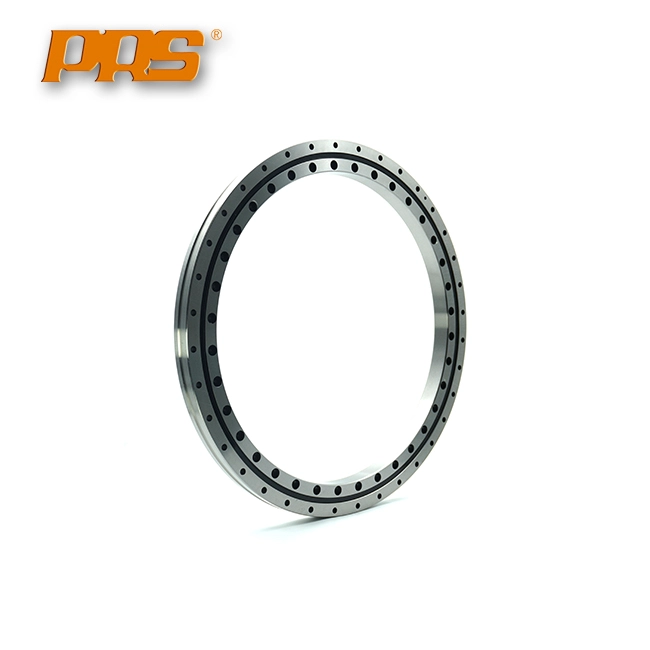
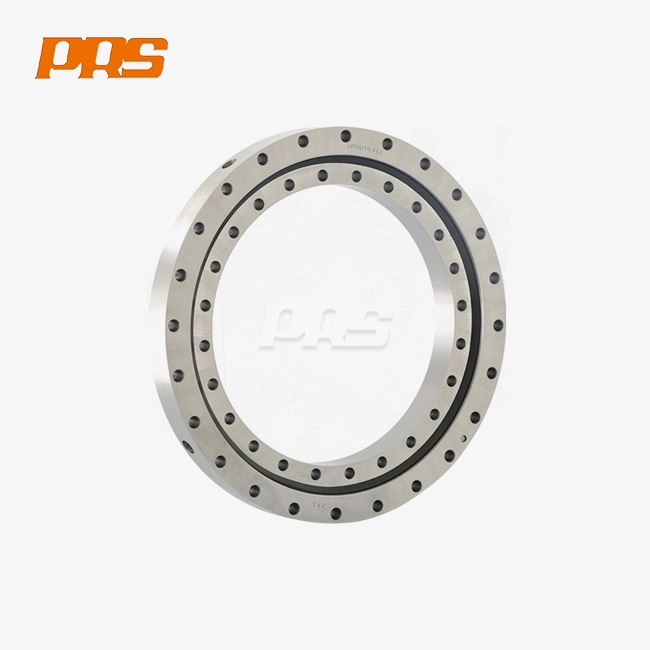
The rotary joint that connects the base of your crane to its spinning upper structure depends on special large-diameter bearings that are made to handle radial, axial, and moment loads all at the same time. These important parts combine locking systems, gear mechanisms, and mounting connections into a single, well-machined piece. Unlike regular rolling-element bearings, turntable designs have many raceways that spread forces over larger contact areas. This lets the turntable spin smoothly in all 360 degrees, even when it's under a lot of stress.
Single-Row Four-Point Contact Ball Bearings
This small design puts the rolling elements on the raceways so that they touch them at four different places. This makes load paths that handle forces coming from different directions. Because of their shape, these bearings work especially well in mobile cranes that need to carry heavy loads without sacrificing weight. Steel balls move loads quickly and smoothly while keeping spinning friction low. This helps keep the boom in the exact right place during lifting operations.
Cross-Roller and Multi-Row Configurations
Cross-roller designs switch between cylinder-shaped parts at right angles to the raceways, making the contact surface area and stiffness as large as possible. This setup handles strong toppling moments that happen a lot in tower crane jobs where tall masts cause strong leverage effects. Triple-row roller designs spread loads across three different raceway loops, providing high axial and radial capacities in surprisingly small spaces. These kinds of designs are necessary for crawler cranes that work in tight spaces on building sites.
Material Selection and Manufacturing Methods
The makeup of the material decides how long a bearing will last and how well it will work. When compared to standard 50Mn carbon steel, high-grade alloy steels like 42CrMo are better at not cracking and not wearing down. Heat treatment methods make the raceway surfaces hard, up to 55–62 HRC, while keeping the cores flexible so they can handle impact loads without breaking. Forged construction has better mechanical qualities and a more refined grain structure than cast options. This is especially useful in harsh sea settings or places with very high or low temperatures. Protective coats and improved sealing systems make things last longer by stopping water and dirt damage that speeds up wear.
Key Factors to Consider When Choosing a Crane Slewing Bearing
To choose the best turntable bearings, you need to carefully look at them from the point of view of scientific, practical, and financial factors. Your choice framework should put compatibility with crane specs first, while also taking environmental issues and maintenance conditions into account.
Equipment Type and Load Profile Analysis
When tower cranes are used to build tall buildings, they need bearings that can handle continuous spinning under uneven loads, since the boom's position changes during work cycles. During movement and setting, mobile cranes are subject to dynamic shock loads that may be higher than what static figures show. When crawler-mounted equipment moves over rough ground, vibration and misalignment forces are sent to the bearings through the tracked undercarriages. Different types of cranes put different kinds of stress on their bearings, so they need to be matched in terms of shape and capacity ratings.
Specifications for load ability of a crane slewing bearing must take into account forces acting on the whole, not just on individual parts. If rotational forces and tilting moments are higher than the bearing's combined load limit at the same time, it may fail before it should. Instead of just using theoretical crane rates, PRS engineers use ISO 76 calculation methods to make sure that the bearings they recommend are right for your real job cycles, safety factors, and peak load scenarios.
Dimensional Compatibility and Mounting Considerations
To start the physical integration process, the diameters of the areas where the bearings and crane frames meet must be measured accurately. The width of slewing rings can be anywhere from 400 mm to more than 5000 mm, and their thickness can change depending on the load. Your current mounting bolt patterns, gear engagement shape, and clearance areas limit the choices you can make. When changing old bearings or increasing the crane's capacity, custom changes to standard designs are often more cost-effective than completely redesigning the structure.
Preparing the mounting contact has just as much of an effect on the performance of a bearing as the component itself. To keep stress clusters from speeding up raceway damage, mating surfaces must have flatness limits that stay within 0.5 mm across the whole circle. Tightening routines for the bolts that follow star patterns and measured torque specs make sure that the preload is spread out evenly. These fitting details are what make the difference between good bearing applications and ones that fail too soon and waste parts and money on downtime.
Gear Configuration and Drive System Matching
External gear setups put the teeth on the outside of the ring, which makes it easier to connect the pinion and place the motor. This system works well in situations where high torque needs to be transmitted and upkeep is easy to get to. When you choose an internal gear choice, the teeth are on the bore surface. This keeps the drive elements clean and makes installs smaller. When you need to be able to add different drive systems or direct hydraulic motor hookups, toothless bearings are the only way to go. If you're not rebuilding the whole drive train at the same time, the gear module you choose must match the specs of the pinion you already have.
Environmental Conditions and Protection Requirements
Operating temperature ranges have a big impact on the choice of materials and cleaning methods. Standard turntable bearings work effectively between -30°C and +120°C, but materials and grease formulas that work well in high temperatures are needed. Coastal sites have to deal with salt spray, which is corrosive and needs better closing systems and protected coats. Fine, abrasive dust from building sites in the desert gets through seals that aren't good enough and makes grinding compounds inside raceways. PRS has advanced labyrinth seal designs and contact seal options that are made to keep out contaminants in the right operating setting for you.
Quality Certifications and Standards Compliance
ISO 9001 certification shows that quality management is done in a planned way, and ISO 14001 certification talks about being environmentally responsible during the whole manufacturing process. Slewing bearings have specific standards, like ISO 12240, that say how to test their performance and what limits should be used for their dimensions. When equipment specs call for certified parts or when liability concerns demand traceable quality guarantee, compliance paperwork is a must. Working with makers who keep full sets of certifications makes it easier to check for compliance and lowers the risk of buying something.
Maintenance and Longevity: Ensuring Optimal Performance of Your Slewing Bearing
Strategies for preventive maintenance have a direct effect on whether bearings last as long as they're supposed to or break down early, stopping activities and requiring expensive repairs.
Lubrication Protocols and Regreasing Schedules
When lubrication for a crane slewing bearing is done right, protected films are formed between the moving elements and the raceways. This keeps metals from touching each other, which speeds up wear. Most crane jobs can be done with lithium-based greases that have extreme pressure additives. However, places with a lot of heat may need manmade formulas. Under normal working conditions, the next time you need to regrease is usually after 100 hours of use. However, in difficult conditions, you need to do it every 50 hours. Too much grease is just as bad as not enough oil because it creates hydraulic resistance, which makes heat and breaks seals.
Inspection Practices and Failure Mode Recognition
Regular checks find problems as they start to form before they become major problems. If you listen for strange noises during spinning, you can often find early signs of raceway damage or poor lubricant. You can see how much wear is happening by measuring the axial and radial play. If the gaps are more than 2 mm, which is usually a sign that the bearing needs to be replaced, the wear is getting worse. By looking closely at the grease that is being thrown out, metallic bits can be seen that show active wear processes. Thermal imaging can find areas of high temperature caused by broken rolling elements or poor oil distribution.
Installation Quality and Alignment Verification
Even high-quality bearings fail quickly if the way they are installed affects how they work. To prepare a mounting surface, you have to get rid of paint, rust, and other flaws that stop the load from being distributed evenly. Bolt tensioning must be done according to specific patterns and torque values, and calibrated tools must be used instead of impact wrenches, which cause uneven preloads. Alignment checks make sure that when two surfaces meet, there are no gaps or angle misalignments greater than 0.3 degrees. These basic fitting steps often decide how long bearings last (20,000 hours) or how soon they need to be replaced (within months).
Procurement Strategies: Where and How to Buy the Right Crane Slewing Bearing?
Instead of just looking at the original buy amount, strategic sourcing choices take into account quality guarantee, shipping reliability, and the total cost of ownership.
Supplier Qualification and Partnership Development
Certified makers with a history of doing a good job give uniform quality and offer technical help for the entire lifecycle of a product. Instead of blindly believing what marketing says, verification methods should look at production capabilities, quality control systems, and technical knowledge. Long-term ties with suppliers have benefits, such as priority scheduling for output, customized inventory plans, and quick expert help when application problems come up. PRS has full manufacturing skills, from checking the raw materials to putting everything together at the end. We make sure quality control at every stage of production, and our 35 technical engineers help with application engineering.
OEM Versus Aftermarket Considerations
Original equipment maker bearings promise compatibility and performance that match the design specifications of the crane, but wait times and minimum order numbers can be hard to meet. There are aftermarket alternatives to precision bearings made by qualified makers that offer similar performance at cheap prices and with more room for custom modifications. Instead of thinking that all options are of the same quality, it is important to make sure that aftermarket parts meet or exceed original specs by inspecting their dimensions, certifying their materials, and trying their load capacity.
Authenticity Verification and Counterfeit Prevention
When crane slewing bearing fail early under load, fake bearings that aren't up to par pose major safety risks and cost a lot of money. Some ways to make sure something is real are to look at the markings on the maker, ask for material certifications and test results, and check the qualifications of the provider through industry databases. Term that sounds too good to be true usually means that the quality has been lowered or the product is fake. Working directly with well-known brands or their approved distributors gets rid of the risk of fakes and makes sure you can get insurance coverage and technical support.
Case Studies and Practical Applications
Real-life examples show how careful selection of bearings improves crane performance in a variety of operating settings.
Heavy-Duty Tower Crane Installation
A company that builds high-rise buildings near the coast chose 42CrMo cast bearings that are better at protecting against rust for their fleet of tower cranes. The material's high resistance to wear made it possible to handle uneven loads as the boom's position changed over long job cycles. Advanced sealing systems kept out salty rainwater that had worn out old bearings in just 18 months. The upgraded parts worked well for four years, which cut down on upkeep costs and stopped unplanned downtime during important building stages.
Mobile Crane Sealed Bearing Upgrade
A company that rents out tools and uses mobile cranes on multiple job sites found that traditional open bearing designs required too much upkeep. By switching to sealed configurations, the need for regular regreasing was removed, and building dust and debris were kept out of the internal parts. Increasing the repair interval from 50 to 150 working hours cut down on the cost of service labor by a large amount and made tools more available. Even though the initial cost of each component went up a little, the overall cost of ownership went down by about 30% over the usual lifecycle of rental equipment.
Custom Solution for Specialized Port Equipment
A port authority needed rotating bearings for ship-to-shore cranes that move containers in a busy dock. Standard catalog items couldn't work with the odd size restrictions put in place by current structure connections. The engineering team at PRS made custom-diameter bearings that fit the mounting shape perfectly and can still handle 50-ton containers. Changed gear ratios were built into existing pinion drives, which saved a lot of money on expensive boom modifications. The custom solution was provided within the 8-week lead time, which allowed the terminal to grow on time.
Conclusion
When choosing the right crane slewing bearing turntable bearings for a crane, it's important to look at a lot of factors, such as technical specs, operating conditions, and servicing needs. Your crane type and job cycle must be taken into account when choosing a load size, dimensional compatibility, material, and gear arrangement. The design life span of parts is based on how well they protect the environment through proper closing systems and lubrication methods. Strategic relationships with qualified makers make sure that the products are real, that engineers can help with them, and that they will be delivered on time. You can get the most out of your equipment's reliability and total cost of ownership over its service life by using systematic decision models instead of just focusing on beginning costs.
FAQ
What inspection intervals do turntable bearings require?
Standard job cycles usually call for eye checks every 100 hours of operation. These inspections should look at the state of the grease, listen for any strange noises, and measure the clearances. Shorter 50-hour gaps are okay in harsh settings with a lot of dust, water, or extreme temperatures. Every year, full checkups should check the torque of the bolts, check the stability of the seals, and look at the wear on the gear teeth, no matter how many hours the machine has been used.
How do forged and cast bearings differ?
Forged construction improves the structure of the material's grains by deforming them mechanically. This makes them stronger and more resistant to wear than cast options. The production process gets rid of any internal holes that could cause cracks to spread when the load is changed over and over. Forged bearings are a little more expensive, but they last longer in tough situations where shock loads, high temperatures, or corrosive conditions make it hard for parts to last.
How can I be sure that the bearings will work with my unique model of crane?
Check the dimensions, such as diameter, thickness, mounting bolt patterns, and gear parameters, against the paperwork provided by the crane maker. Make sure that the load values meet or go beyond the capacity of your equipment by looking at axial, radial, and moment loads all at the same time. Instead of depending only on nominal specs, talk to bearing makers that offer engineering help to make sure that the choices you make will work in real-world situations.
Partner with PRS for Reliable Crane Slewing Bearing Solutions
Luoyang PRS Precision Bearing Co., Ltd. has been making bearings for over 20 years and has a lot of technical help to make sure that the turntable bearings they sell fit your crane's exact needs. We can make precision parts with sizes ranging from 400mm to 5000mm and in internal, external, toothed, and blank gear configurations with P4 and P5 precision grades. As a well-known company that makes crane slewing bearings, we keep standard sizes in stock so that we can send them quickly. Our expert team also makes custom changes to meet the needs of each application. Quality standards like ISO 9001 and CE compliance make sure that the products are always reliable, and you can track down the materials used and see all the testing records. Get in touch with our engineering team at ljh@lyprs.com to talk about your crane bearing needs and get professional advice that is best for your work setting. Visit prs-bearing.com to see our full catalog of products and learn more about how PRS provides solutions that meet tight delivery deadlines and work better than expected.
References
Chen, W., & Liu, H. (2021). "Structural Analysis and Load Capacity Evaluation of Large Diameter Slewing Bearings for Construction Machinery." Journal of Mechanical Engineering Science, 235(18), 3421-3438.
Deutsche Norm. (2019). DIN 628: Rolling Bearings - Slewing Rings - Boundary Dimensions, Tolerances and Load Ratings. Berlin: Beuth Verlag.
Harris, T. A., & Kotzalas, M. N. (2020). Advanced Concepts of Bearing Technology: Rolling Bearing Analysis (6th ed.). Boca Raton, FL: CRC Press.
International Organization for Standardization. (2018). ISO 12240-1: Spherical Plain Bearings and Slewing Rings - Part 1: Radial Spherical Plain Bearings. Geneva: ISO.
Kumar, R., & Singh, A. (2022). "Failure Analysis and Preventive Maintenance Strategies for Crane Slewing Bearings in Heavy Industrial Applications." International Journal of Heavy Machinery Technology, 14(3), 187-205.
Zhao, M., Lin, J., & Xu, X. (2020). "Material Selection and Heat Treatment Optimization for High-Performance Turntable Bearings in Mobile Cranes." Materials Science and Engineering: A, 789, 139-152.

USER EVALUATE
Here is the customer's evaluation of us
YOU MAY LIKE
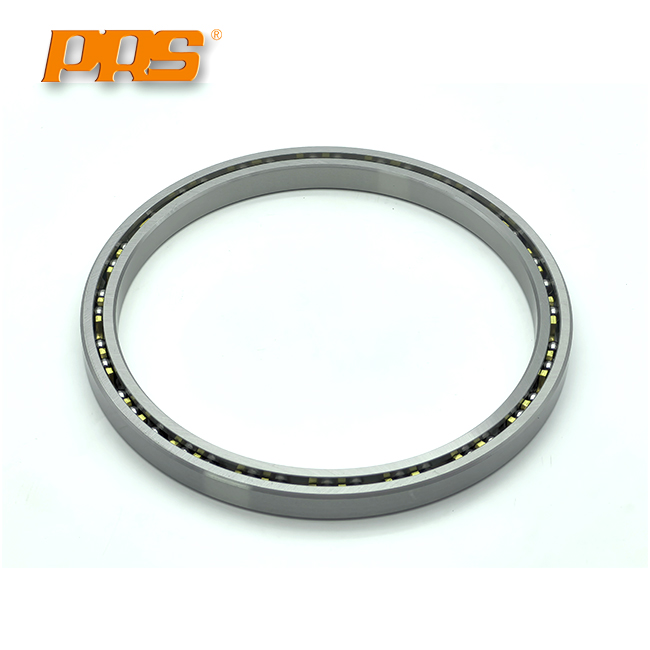 VIEW MOREslim section bearings
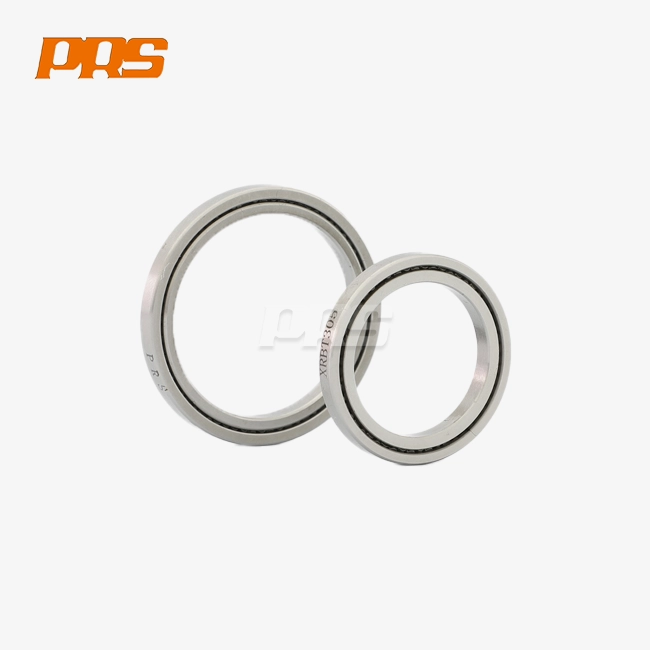 VIEW MORERAU Series Cross Roller Bearing
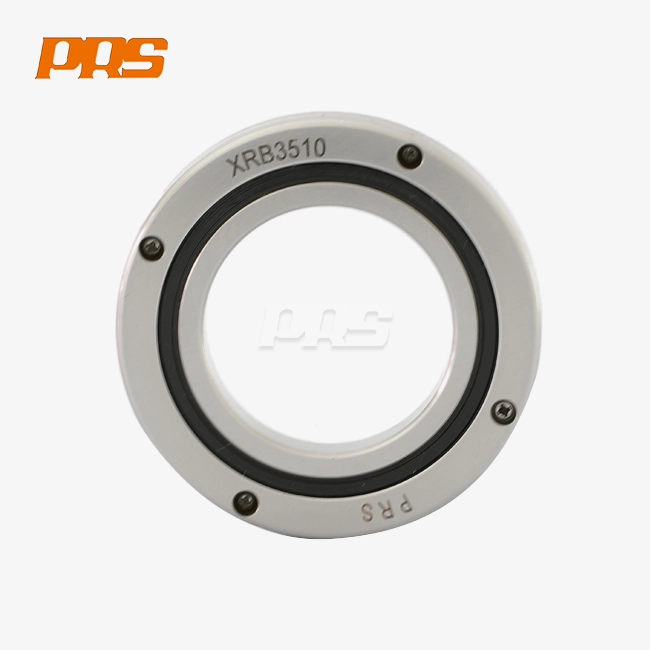 VIEW MORERB Cross Roller Bearings
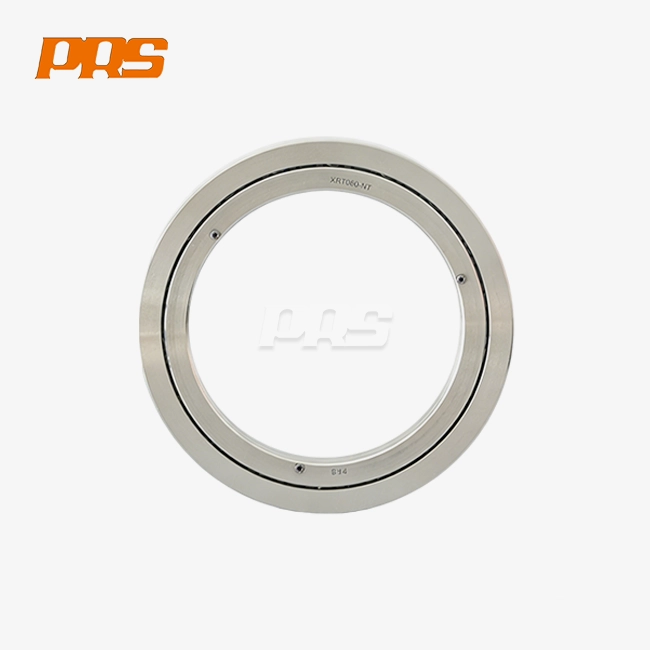 VIEW MORELathe Spindle Bearings
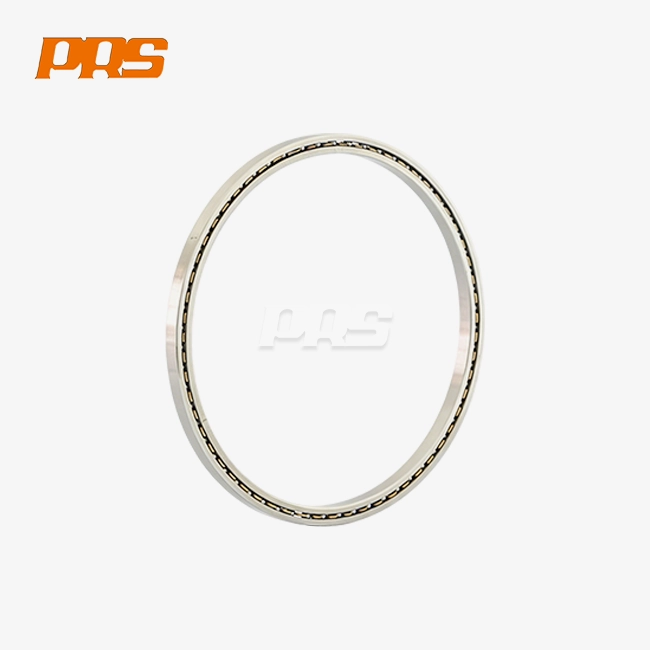 VIEW MOREEqual section thin-walled ball bearings
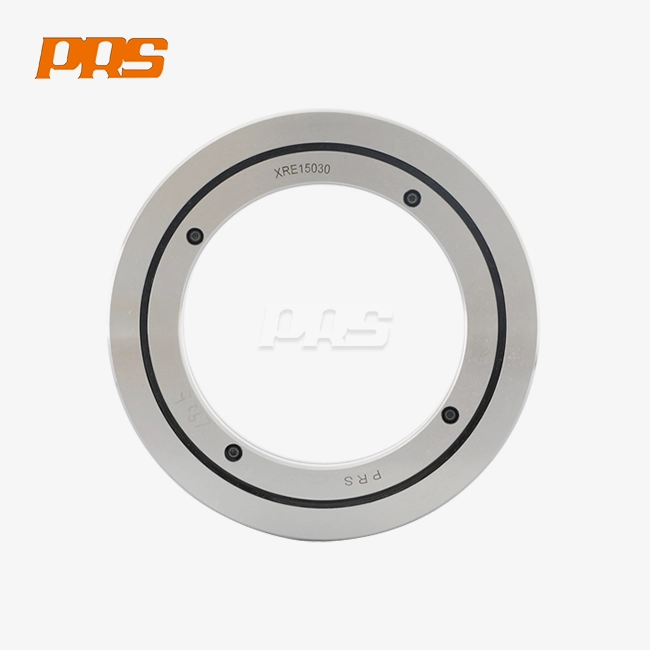 VIEW MORERE Crossed Roller Bearings
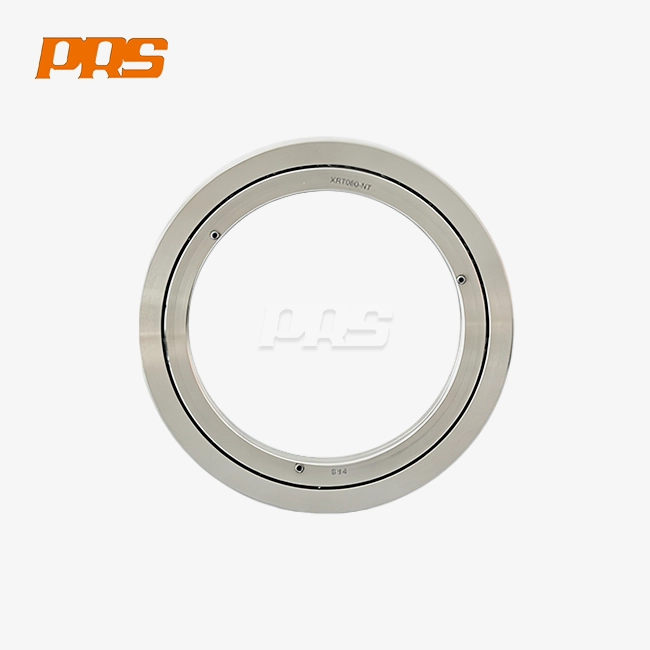 VIEW MOREmini lathe spindle bearings
 VIEW MOREFour-Point Contact Ball Slewing Bearings