
What Makes RA Cross Roller Bearings Unique?
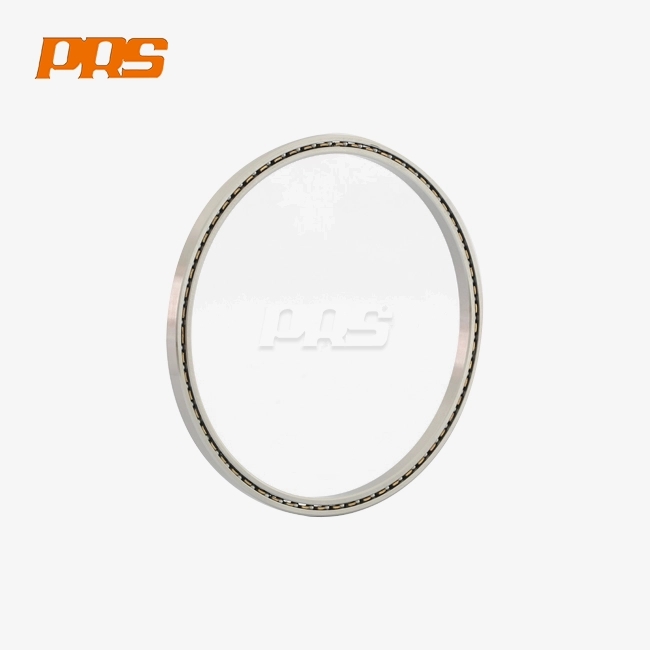
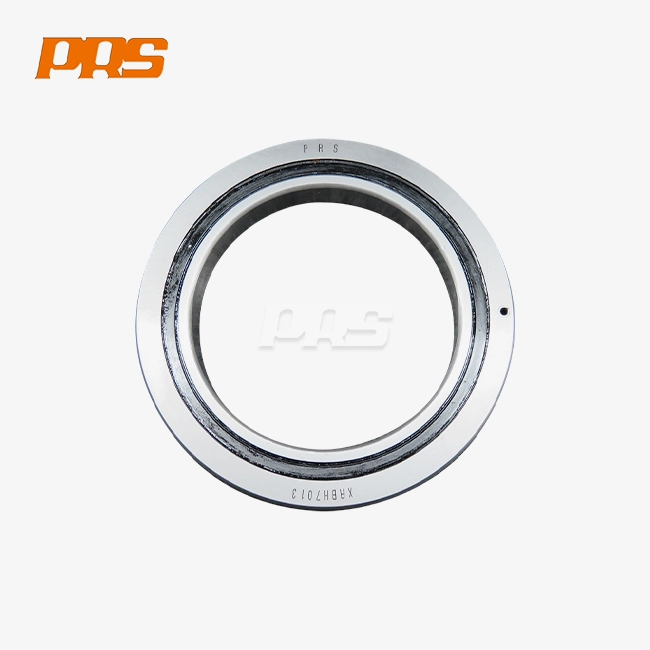
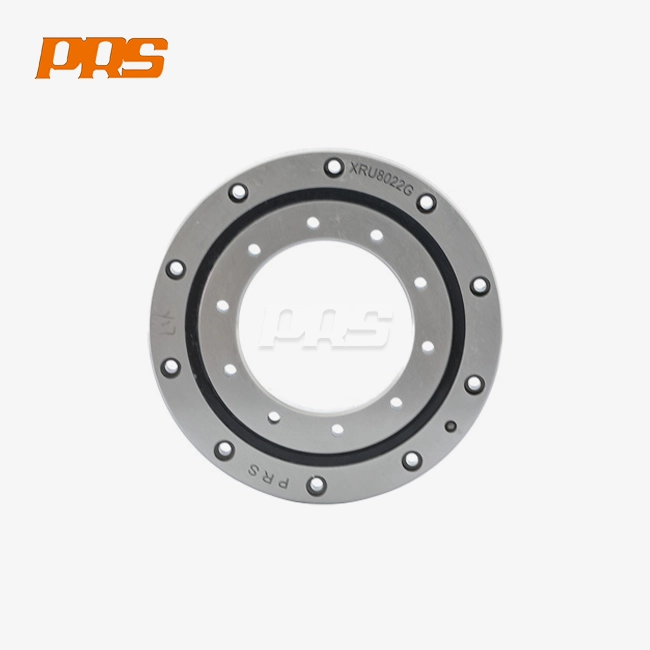
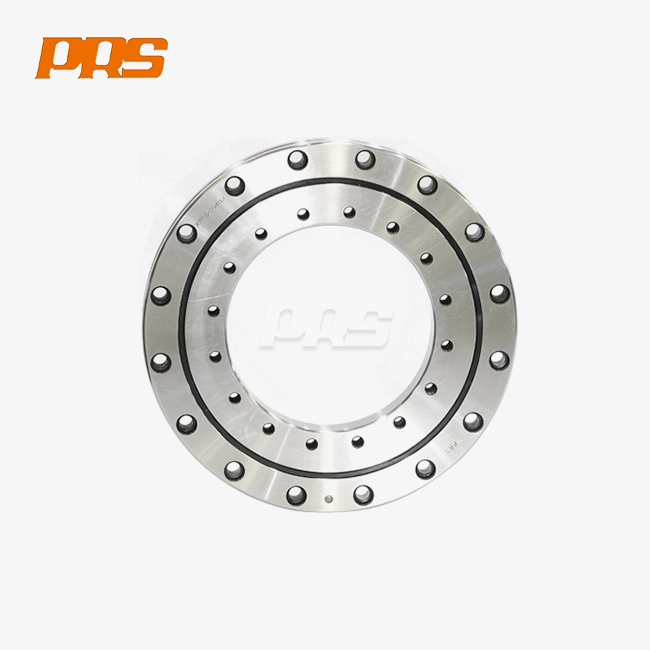
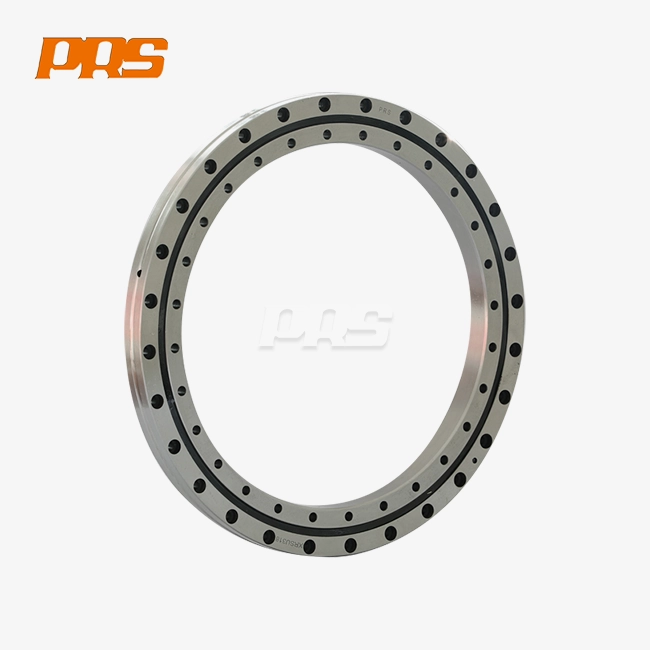
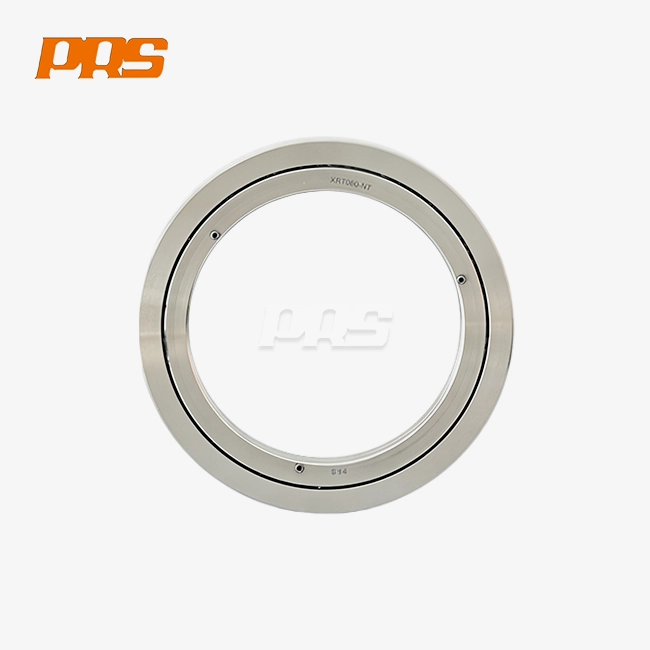
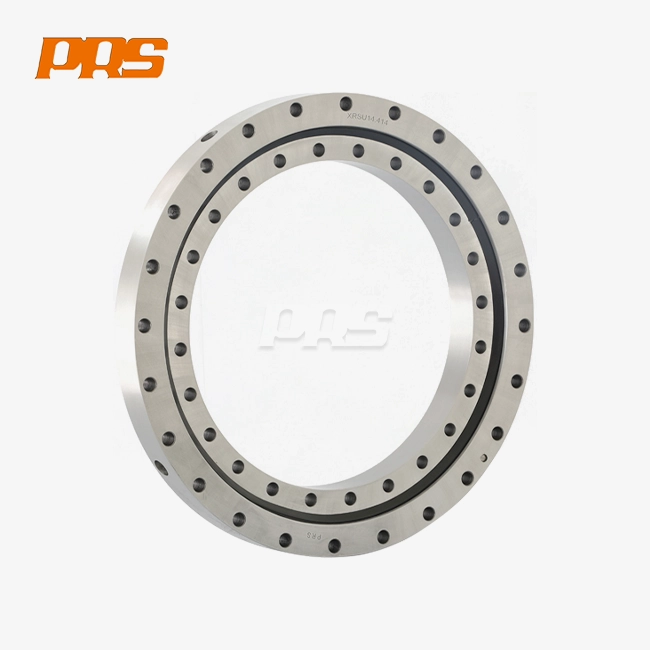
The RA cross roller bearing is the answer when room is limited and precision engineering is needed. It turns limitations in industrial design into competitive benefits. This specific type of bearing has cylinder-shaped rollers set up perpendicularly at 90-degree intervals inside precision V-groove raceways. This allows radial, axial, and moment loads to be handled at the same time by a single, small unit. The combined design of an integrated inner ring and a separable outer ring gives these bearings great rigidity and positioning accuracy while taking up very little installation space. These features make them essential for robotics, medical imaging, semiconductor manufacturing, and precision machining tasks where every millimeter counts.
Understanding RA Cross Roller Bearings: Design and Working Principle
These bearings are brilliantly engineered because they have an orthogonal roller design, which is very different from how most bearings are built. Instead of using multiple bearing systems to deal with complicated load vectors, this design combines all the functions into a single, more compact part.
The Crossed Roller Configuration Explained
The alternate roller design is what makes this bearing work so well. When two cylindrical rollers are placed at right angles to each other, they make line contact with the V-shaped raceways that are cut into both rings. With this shape, forces are spread across multiple contact places at the same time, which is something that regular ball bearings can't do. The arrangement gets rid of the need for separate thrust and rotational bearing pairs. This makes the setup simpler and lowers the risk of failure in your motion control systems.
Separable Outer Ring Engineering
During assembly, precise fasteners hold the outer ring together as it splits into two parts. Using this design makes installation a lot easier—just put the inner ring piece on the shaft and then put the outer ring halves into the housing. It is easier to do maintenance when techs can get to internal parts without taking apart the whole machine around them. This design factor is especially helpful in places where downtime directly means lost income, like automated production lines or equipment used to make semiconductors.
Load Path Mechanics
The crossed rollers make a balanced load transfer system when operating forces act on the bearing. Axial loads act on rollers that are positioned vertically, while radial forces act on rollers that are positioned horizontally. Because the effective pitch diameter is so big, moment loads—tilting forces that can be hard on single-point contact bearings—distribute across many wheels at the same time. Because of this mechanical benefit, one RA cross roller bearing can be used instead of two angular contact ball bearings in a lot of rotating table situations.
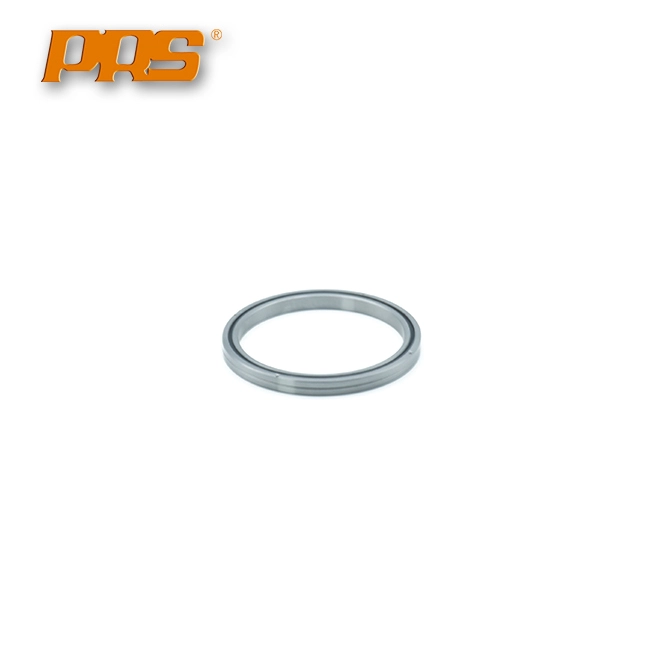
These bearings are made by PRS using GCr15 and GCr15SiMn bearing steel, which was chosen because it keeps its shape well when heated and cooled and doesn't wear down easily when it comes into touch with other things. Surface finishes that meet P4 and P3 accuracy classes are achieved through the precise grinding process. This keeps rotational runout within the micron-level limits needed by coordinate measuring machines and optical inspection systems.
Advantages and Unique Performance Attributes of RA Cross Roller Bearings
The technical details lead to real practical benefits that have a direct effect on how well the equipment works and how efficiently it makes things. When buying teams know about these benefits, they can support the investment, and engineers can make designs that work best with RA cross roller bearings.
Multi-Directional Load Capacity
A normal ball bearing can only handle circular loads; it needs extra thrust bearings to handle rotational forces. This problem is solved by the RA cross roller bearing crossed roller design, which handles all types of loads through a single unit. In robotic joints where there isn't enough room to stack bearings, this feature is very important. Moment loads that would quickly hurt the performance of a ball bearing can be handled by this bearing. This means that it can go longer between service visits and has fewer unexpected failures that mess up production plans.
Exceptional Rigidity and Minimal Deflection
When rollers and raceways touch each other in a line, they make a much larger contact area than when they touch at a point. This means that the bearing is more stiff, which means that it doesn't bend as much when it's under load. Builders of CNC machines like this feature because deviation has a direct effect on the quality of the work they do. Part standards get tighter and scrap rates go down when a rotating indexing table stays in place while cutting forces are applied. PRS bearings have levels of rigidity that meet the needs of difficult uses in grinding machines, where repeatability of position within 0.001mm affects the quality of the result.
Low Friction and Thermal Stability
The rolling resistance is lower with circular roller shape than with angular contact designs. Less friction means less heat production during constant operation. This is very important in cleanrooms where changes in temperature can affect the security of the process. Robots that handle semiconductor wafers work in controlled environments where temperature drift must be kept to a minimum. The bearing's natural efficiency meets these environmental needs. For longer service times, less upkeep is needed because PRS bearings have double-sided seals that keep the grease in and keep the lubricant from getting dirty.
Compact Footprint Advantage
The ultra-thin profile has an inner diameter range of 50mm to 200mm and a width range of 8mm to 13mm in PRS's normal range. Because of this, equipment makers can make actuators that are smaller, machines that weigh less overall, and materials that cost less. This benefit is especially useful for companies that make medical devices, since CT scanner gantries need to be built as light as possible so that they don't use too many motors and still have the accuracy needed for diagnosis images. These design goals can be directly met by the bearing's cross-sectional economy.
These performance qualities come from the accuracy with which PRS makes its products, which is kept up by strict quality standards. Over 200 specially designed tools at the company's 15,000 m² building are used to make bearings. The process is controlled so that factory pass rates are higher than 99.9%. When specifying parts for medical uses or security systems that must be reliable at all times, this consistency is important.
RA Cross Roller Bearings Versus Other Bearing Types: Making the Right Choice
Before you can choose the best bearing type, you need to know how different styles work in different situations. When you closely compare key performance factors, it's easier to make decisions about purchases regarding the RA cross roller bearing.
Comparison with Standard Ball Bearings
Ball bearings can move at high speeds and are less expensive, so they can be used in situations where load capacity isn't a big deal. But the point touch between them makes more stress, which limits the load rates and rigidity. When you need to precisely place something while dealing with changing loads, like with probe arms on a coordinate measuring machine, the crossed wheel design works better. The advantage of stiffness lowers measurement error, which boosts inspection trust and lowers the number of false rejections in quality control.
Angular Contact Bearing Alternatives
When angular contact ball bearings are paired back-to-back, they can handle combined loads, but they need to be precisely preloaded and take up more axial room. With a setting that is set at the factory, the RA cross roller bearing can handle similar loads in a single unit. This means that installation factors that affect performance are eliminated. This reduction is good for machine tool retrofits because swapping two bearing pairs with one unit cuts down on assembly time and the chance of making mistakes that could affect accuracy.
Cylindrical Roller Bearing Considerations
Standard cylindrical roller bearings are great for rotational loads, but they need separate thrust bearings to handle axial forces. When spinning turrets or swivel systems are used, they often have to deal with joint loading, which makes the crossed roller design more useful. The combination cuts down on the number of parts needed, makes it easier to keep track of supplies, and raises the bar for assembly mistakes in production or field service.
Selection Criteria Summary
Picking the right bearing type requires deciding which factors are most important. When the need for rigidity, room, and combined load handling are more important than speed and starting cost, RA bearings clearly show their benefits. In this group are things like aerospace guiding systems, precise optical mounts, and automatic inspection tools. PRS offers technical advice to help engineers weigh the pros and cons of different options based on real-world situations, load estimates, and lifecycle cost analysis, not just the price of the item itself.
PRS's engineering team can make changes to products to fit needs that aren't covered by normal catalog specs. Lead times are usually between two and four weeks, but can be longer based on how complicated the job is. They can handle custom bore sizes, special materials for corrosive environments, and precision class upgrades to P2 for very accurate uses.
Procuring RA Cross Roller Bearings: Buyer's Guide and Market Insights
It's not enough to just find the right technical standard; you also need to know how the supply chain works, how prices are set, and what your suppliers can do to avoid delays and quality problems with the RA cross roller bearing.
Sourcing Strategies and Lead Time Management
Standard bearing sizes keep stocking levels high, which lets well-known companies like PRS ship within 24 hours. Custom standards need production schedules, so getting in touch with providers early on is important for planning the project. Including bearing makers in the prototype phase of creating new equipment instead of after the design freeze phase saves money and time by avoiding having to redesign things and delay the schedule. During development, PRS's technical team works with OEMs to find the best bearings and mounting arrangements. This is done before tooling agreements lock in specs.
Pricing Factors and Figuring Out Value
Bearing prices depend on more than just basic measurements. The precision class has a big effect on the price. For example, P4 accuracy costs more than P0 standard grade because it needs more grinding processes and stricter testing standards. When special metals are needed for harsh conditions or high temperatures, the choice of material affects the cost. The amount of goods bought gives you buying power, especially when making long-term supply deals that ensure capacity allocation during shortages in the market.
The real picture of the economy can be seen when you look at the total cost of owning instead of the unit price. Higher-precision bearings that require less upkeep and have shorter downtime often have cheaper lifecycle costs, even though they cost more at first. When you look at how often you need to replace parts, how much it costs to hire people to change bearings, and how much production is lost during upkeep, you can see why it makes financial sense to use high-quality parts in important uses.
Supplier Evaluation Criteria
Reliable providers of RA cross roller bearing show consistent quality by following approval rules and being open about the process. PRS keeps its ISO 9001, ISO 14001, and ISO 45001 standards, which show that it has well-established quality management systems that make sure that there is less variation between lots of products. Documentation that shows compliance with CE and RoHS rules makes it easier for goods to be sold on foreign markets, which avoids problems with customs and getting into those markets.
The ability to provide technical help is what sets good providers apart from great partners. In addition to the actual product, having access to application experts who know how to choose bearings, mount them, and fix problems adds value. PRS offers this knowledge through direct advice, which helps customers improve performance and fix problems that come up in the field while the equipment is being set up and used.
Technical Specifications and Application Suitability of RA Cross Roller Bearings
To turn bearing datasheets into predictions of how well they will work in a certain application, you need to know what the technical factors actually mean for how the RA cross roller bearing equipment works.
Load Rating Interpretation
Dynamic load ratings show the amount of weight that will cause a bearing to last a million turns, while static load ratings show the most weight that can be put on a bearing when it is not rotating at all. For applications with indexing motion—where the bearing stays under load between movements—careful static load analysis is needed to keep the bearing from brinelling. Using standard L10 formulas, applications that require continuous rotation rely on dynamic ratings and estimated duty cycles to guess how long something will last.
Precision Class Impact on Performance
The precision grade standard directly affects how accurate the placement is and how much runout there is. General commercial uses of the P6 class are fine as long as the margins stay in the tens of microns. P5 meets the standards for building high-quality machine tools. P4 is used for high-tech robots and precise measuring tools. P3 meets the very high standards for accuracy needed in metrology tools and semiconductor lithography steps, where setting down to the nanometer level is important. PRS has the whole precise range, so engineers can fit the bearing's capabilities to the needs of the application without going overboard.
Lubrication Requirements and Operating Parameters
Choosing the right lubricant can stretch the life of a bearing and keep its performance stable. Lithium-based greases work well in most industry settings. Formulations that don't release a lot of gases and won't mess up sensitive processes are needed in cleanrooms. In places with a lot of vacuum, you need special oils that keep the film strong when the air pressure is almost zero. PRS gives lube advice based on the working conditions, taking into account things like temperature range, speed, and exposure to the environment.
Because roller bearings have line contact friction, they can only work at certain speeds. Instead of high spinning speeds, these parts are designed to be rigid and hold a lot of weight. Going faster than the recommended speed creates too much heat that breaks down grease and speeds up wear. Checking the stopping speed standard during design stops problems in the field and makes sure the system works reliably for the whole service life.
Conclusion
Specific performance needs that regular bearings can't meet are met by the RA cross roller bearing, which is a unique engineering answer. The ultra-thin profile construction and orthogonal roller layout give this product great strength and the ability to carry loads in multiple directions, even in tight spaces. These features make the design very useful in precise industries like robots, medical imaging, semiconductor manufacturing, and metrology equipment, where small size and accurate placing directly affect the system's ability to do its job. To do good buying, you need to know about technical specs, look at the total cost of ownership, and work with makers who offer both high-quality products and the application knowledge to help with the growth and use of equipment.
FAQ
What distinguishes RA series from RB series cross roller bearings?
The main change is in the ring arrangement and profile thickness. RA cross roller bearings are made of very thin materials and have outer rings that can be separated. This makes the best use of space for uses that need to be light, like shared robot arms. The RB series keeps the outer rings that are built in and have bigger cross-sections. This gives them a higher load capacity for heavy-duty setups like big machine tool turrets.
How does the crossed roller arrangement improve positioning accuracy?
The design of alternate rollers every 90 degrees gets rid of the space between the rollers that causes backlash in regular bearing setups. This zero-play setup makes sure that changes in direction are responded to right away, without any missed motion that would make setting less accurate. The roller spacing makes a big effective pitch width that stops tilting moments that would cause angular mistakes. This keeps the parallelism that is needed for precise motion control.
Are these bearings good enough to work in a cleanroom?
When ordered with the right seals and low-outgassing oils, units that are properly designed can be used in cleanrooms. Double-sided plugs keep particles from coming out of internal parts and keep grease inside. Fluorinated lubricants get rid of volatile chemical molecules that can damage semiconductor processes. PRS experts help choose the right specifications to meet the needs of a certain cleanroom grade.
Partner with PRS for Precision Bearing Solutions
Luoyang PRS Precision Bearing Co., Ltd. can help you with your precision motion control problems because they have been making specialized products for 20 years. As a dedicated RA cross roller bearing provider, we keep a large stock of standard designs that can be shipped right away. We can also fully customize bearings to meet the specific needs of each application. Our 35-person expert team offers full application support, from the initial design meeting to field service troubleshooting, to make sure that your equipment works at its best for as long as it's in use.
Get in touch with us at ljh@lyprs.com to talk about your unique bearing needs. Our engineers will look at your load conditions, available room, and accuracy goals to come up with the best, most cost-effective answer. PRS gives you the quality products and expert help you need to succeed in the global market, whether you need standard catalog items or custom-engineered bearings made from special materials and precision grades.
References
Shimizu, T., and Watanabe, K. (2019). "Precision Bearing Technology for Industrial Robotics: Design Principles and Performance Optimization." Journal of Mechanical Engineering Science, Vol. 233, No. 8, pp. 2847-2861.
Harris, T. A., and Kotzalas, M. N. (2020). "Advanced Concepts of Bearing Technology: Rolling Bearing Analysis, Sixth Edition." CRC Press, Boca Raton, Florida.
Zhang, L., Chen, X., and Liu, H. (2021). "Load Distribution Analysis in Cross Roller Bearings for High-Precision Machine Tools." International Journal of Precision Engineering and Manufacturing, Vol. 22, No. 4, pp. 651-665.
Nakamura, Y. (2018). "Bearing Selection for Medical Imaging Equipment: Reliability and Precision Requirements." Medical Device Technology Magazine, Vol. 29, No. 3, pp. 18-24.
European Bearing Manufacturers Association. (2020). "Technical Guidelines for Cross Roller Bearing Applications in Automation Systems." EBMA Technical Report TR-2020-07, Brussels, Belgium.
Williams, R. D., and Patterson, S. M. (2022). "Comparative Analysis of Bearing Types for Space-Critical Motion Control Applications." Precision Engineering Journal, Vol. 76, pp. 142-157.

USER EVALUATE
Here is the customer's evaluation of us