
Troubleshooting Common Issues in Inner Tooth Slewing Bearings
If your robotic joint stops locating correctly all of a sudden or your CNC rotary table starts making strange noises, it could be because an inner tooth bearing is failing. When used, these precise parts with inner teeth can cause problems that stop production lines and make equipment less safe. If you know how to quickly find and fix common problems with inner tooth bearings, you can avoid costly downtime and make the parts last longer. This guide shows you how to fix problems in a way that works in real-world situations like industrial automation, machine tools, electronic equipment, and other precise areas where dependability is key.
Understanding Inner Tooth Slewing Bearings and Their Common Issues
What Makes Internal Gear Bearings Unique
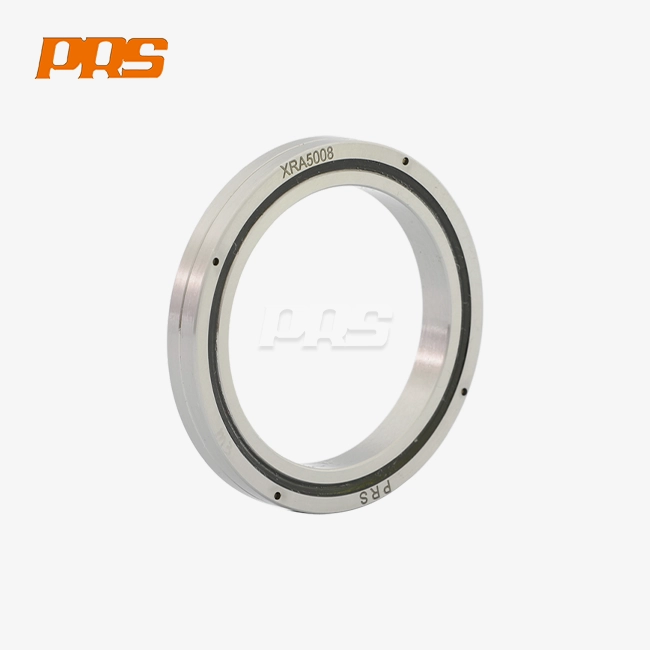
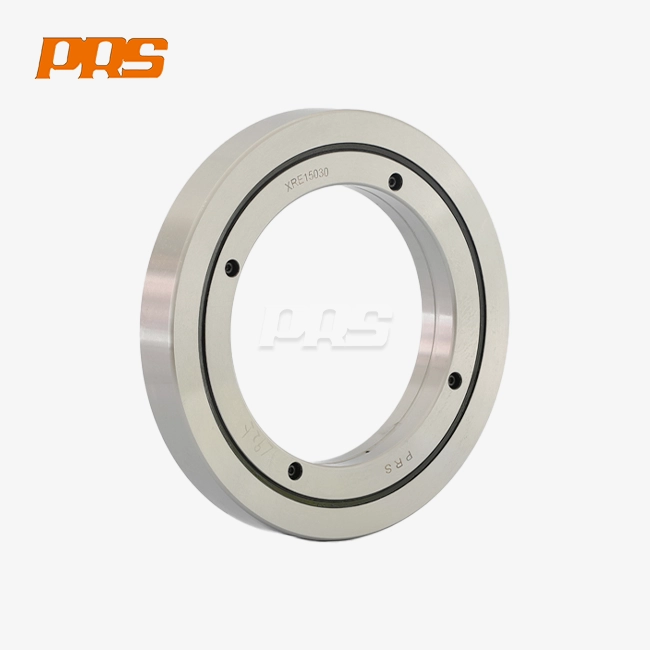
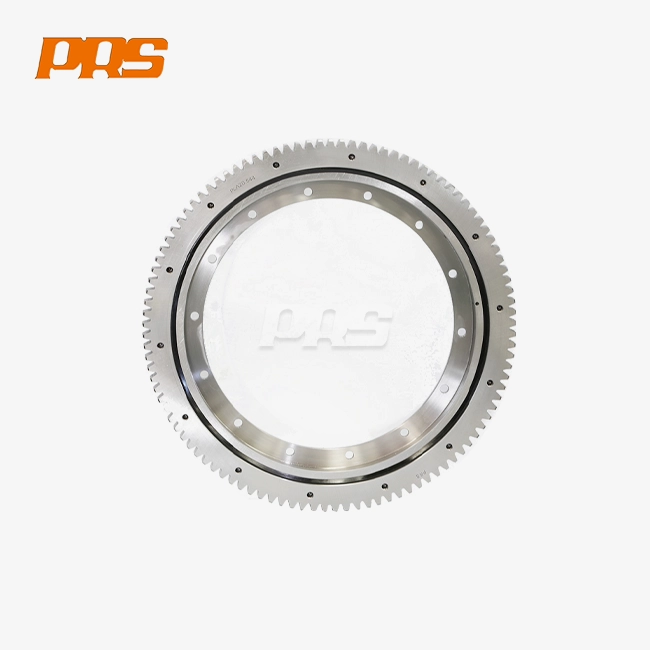
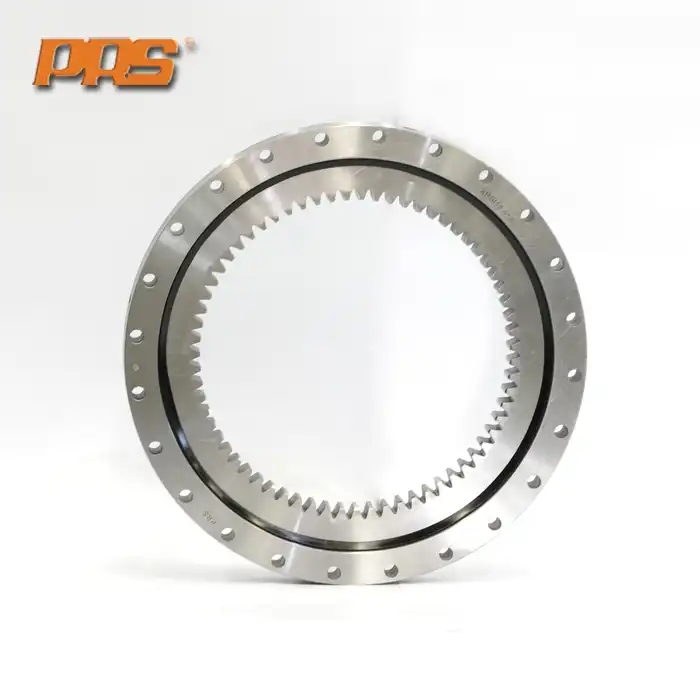
Within inner tooth bearings, torque is transferred through gear teeth on the inner diameter of the outer ring while the bearings maintain movement. This system is very different from external gear setups, which makes it both easier and harder to use. The small setup keeps the gear contact clean from outside dirt and handles axial thrust, rotational forces, and moment loads at the same time using precision-machined raceways and rolling elements.
At PRS, our inner tooth bearing designs have outer rings that are 350 mm to 3200 mm in diameter and gear modules that are 3 to 12 mm in number so that they can meet a wide range of power needs. The bearing rings work with steel balls or circular rollers to spread loads evenly across the contact surfaces. This keeps the positioning accuracy at the micron level even when the process is changing.
Typical Failure Patterns in High-Precision Applications
Wear on the gear teeth is the most obvious sign that an inner tooth bearing is breaking down. External gears can be easily checked by looking at it, but inner teeth need to be taken apart or looked at through an endoscope to see how they are doing. Wear usually shows up as pitting on the sides of teeth, breaking off at the roots, or chipping along the edges where stress levels are too high for the material to handle.
When lubrication fails, it affects inner tooth systems more than exterior ones, since the covered position makes it harder for air to flow naturally. When working temperatures go above the ranges that were intended, grease breaks down. This can happen in high-speed equipment used to make semiconductors or in medical imaging systems that are used all the time. Lubricant that has been broken down loses its ability to support loads, which lets metals touch and speeds up wear by a huge amount.
Misalignment during installation creates uneven load distribution across the bearing groove and gear mesh. This problem shows up as warming in certain areas, vibrations with certain frequency patterns, and early wear and tear on both rolling elements and gear teeth. Optical metrology systems and other types of precision tools are very sensitive to alignment mistakes measured in angular seconds.
Material and Design Factors Influencing Reliability
The types of materials used to make bearing parts have a direct effect on the repair needs. PRS makes bearing rings out of alloy steels that have been through-hardened and treated on the outside to reach 58 to 62 HRC. This makes the rings resistant to wear while keeping the core tough. Rolling elements go through extra heat treatment steps to make sure that their roughness profiles are always the same. This is important for controlling vibrations in sterile automation applications.
How loads move through the bearing system is affected by the shape of the raceways. Radial and axial forces are kept equal during operation by multi-row designs and precisely ground contact angles. If your inner tooth bearing fails because of load, knowing whether it has four-point contact balls or crossed roller arrangements can help you figure out if the problem is caused by incorrect load estimates or mistakes during installation.
Diagnosing Problems: Causes and Impact on Performance
Mechanical Root Causes of Bearing Failures
About 40% of premature inner tooth bearing failures in industrial control systems are caused by situations where the bearings are overloaded. When loads are put on them that are higher than the estimated static or dynamic capacity, the places where the rolling elements and raceways touch deform plastically. Damage like this shows up as depressions or "brinelling" lines that make vibrations that can be picked up by systems that keep an eye on things. When robots speed up and slow down quickly, they have to deal with shock loads. CNC machine builders also have to deal with similar issues when heavy cutting forces are sent through spinning bearings.
When startup steps are wrong, speed problems last for a long time. To meet mounting surface flatness standards, there should be less than 0.05 mm of variation across the mating circle. When the base areas go over this limit, the inner tooth bearing gets distorted, which stops the load from being spread out evenly. This is a problem we've seen a lot, especially in field operations where conditions are different from those in a plant. Because of this, there are increased internal stress patterns that cause rolling element wear and gear tooth edge loading to happen faster.
Environmental and Contamination Challenges
Corrosion happens when water gets into bearing seals and reacts with steel surfaces to make rust layers that stop the rolling action from being smooth. When temperatures change, condensation forms inside sealed inner tooth bearing systems, which makes aerospace and defense uses more likely to fail. Manufacturers of optical equipment also have problems with rust in seaside settings, where salty air weakens seals over time.
Particulate matter contamination causes rough wear patterns that are different from damage caused by loads. Debris bits bigger than the width of the grease film—usually 1 to 5 microns for precision applications—get stuck in the raceways and grind when the machine turns. Class 100 cleanrooms need special seal designs for tools used in semiconductor manufacturing to keep contamination from getting into and out of the inner tooth bearing assembly.
Lubrication System Deficiencies
Oxidation, mechanical cutting, and base oil separation are all ways that grease breaks down. Applications above 80°C speed up the rate of oxidation, and high-speed spinning breaks down the structures of thickeners mechanically. This is a problem for companies that make medical devices that use CT scanner bearings during long imaging sessions that make a lot of heat through friction and motor losses.
When there isn't enough lubrication volume, metal surfaces touch each other only sometimes. This is called border lubrication. Over time, this happens because grease moves out of load zones or channels through seals that aren't completely sealed. At first, the inner tooth bearing works normally, but its performance quickly drops as it hits key places in the load path where it needs lubrication. Monitoring vibrations shows rising amplitudes in certain frequency ranges that match the pass frequencies of rolling elements.
Performance Impact Assessment
When any of these failure processes cause more friction, it shows up as higher working temperatures and more current flowing through the drive motor. This is shown by robotic joint bearings that lose accuracy and consistency in position because changes in friction torque affect the performance of the servo system. In machine tool uses, the same thing happens: heat growth changes the accuracy of measurements during precision grinding or turning operations.
Noise patterns help doctors figure out how a failure started and how it's progressing. Healthy inner tooth bearings don't make many noises, but broken parts make noises at frequencies that are specific to where and how big the defects are. Defense radar systems need to be very quiet so they don't mess up sensitive equipment. In these situations, noise means that repair needs to be done right away.
Effective Troubleshooting and Maintenance Techniques for Inner Tooth Bearings
Systematic Visual and Dimensional Inspection Protocols
External review comes first in a visual check, followed by disassembly. Check for oil leaks at the points where seals meet, discoloration that means the part is too hot, and corrosion on any areas that are visible. Using infrared thermography to measure temperature shows spikes that are caused by misalignment or lack of grease. To find problems that are getting worse, compare the temperature distributions to standard data from when the system was first set up or from previous checks.
For dimensional proof, you need accurate measuring tools that are set up according to the manufacturer's instructions. Use measured torque tools to check the torque values of the mounting bolts. If the fastener preload is wrong, the inner tooth bearing will become warped and out of line. Use dial indicators or other specialized gear measurement tools to find out how much backlash there is in a gear, and then compare the results to the manufacturer's instructions. Too much backlash means the teeth are wearing down, and not enough space means there are problems with thermal expansion or fitting mistakes.
Runout measurement checks to see if the inner tooth bearing raceways stay straight and in the middle of the mounting surfaces. Place a scale indicator on the spinning surface of the bearing and keep track of the total runout shown by the indicator over one full turn. Values above 0.05mm usually mean that there are problems with the fitting or that the bearing is damaged and needs to be replaced. Even tighter tolerances are needed in aerospace uses, which usually set the highest runout at less than 0.02mm.
Lubrication Analysis and Monitoring
Oil research tools let you know early on when an inner tooth bearing is wearing down, so you can fix it before it fails completely. At regular times, take grease samples from bearing units and send them to a lab for testing. Ferrous metal content means that steel parts are wearing down, while non-ferrous bits mean that cages or seals are breaking down. Optical microscope shows the shape of particles. For example, cutting wear makes particles with different forms than fatigue spalling or abrasion wear.
Using a cone penetrometer to measure the consistency of the grease lets you know if mechanical cutting has changed the qualities of the lubricant. On the NLGI consistency scale for grade 2 goods, fresh grease usually falls between 265-295. Any value above 320 means that the material is softening too much, and any value below 240 means that it is stiffening too much, which stops the flow to important lubrication places. For useful trend analysis, manufacturers of material handling equipment should set standard consistency values during testing.
Preventive Maintenance Best Practices
Scheduled cleaning times depend on things like speed, weather, and the amount of pollution that is present. PRS suggests that new systems be relubricated for the first time after 100 hours of use. This lets break-in wear particles leave the system. Based on how bad the program is, the next times are usually between 500 and 2000 hours. Renewable energy systems in wind mills have to deal with harsh weather and need to be serviced more often than industrial equipment that is kept safe inside.
The choice of grease must fit the needs of the product. Lithium complex greases can handle high temperatures and water well, making them good for use in many industry settings. Polyurea greases are better at resisting oxidation at high temperatures above 100°C, which is usual for some types of machine tool spindles. For aircraft systems and other low-temperature uses, synthetic hydrocarbon or ester-based lubricants that stay wet below -40°C may be needed.
Taking steps to protect the environment makes inner tooth bearings last a lot longer. Switching seals from nitrile rubber to fluoroelastomer materials makes them more resistant to chemicals in harsh settings. When used together, labyrinth seal designs and positive pressure purge devices keep contaminants out of tools used to handle semiconductor wafers. Regularly checking for and replacing broken seals stops moisture and particles from getting in, which speeds up wear.
Procurement Considerations: Selecting Reliable Suppliers and Products
Specification Evaluation for Application Requirements
Ratings for load capacity must take into account how the machine is actually used, such as shock loads, shaking, and changes in job cycle. Static load rates (C0) tell you the most weight that something can hold without turning before it permanently deforms. This is very important when moving or installing equipment. Using standard L10 life estimates, dynamic load rates (C) can tell you how long an inner tooth bearing will last when it is rotating. When making motion control tools, the right safety factors should be used. For mild conditions, these are usually 1.5 to 2.0, and for severe situations with shock loading, they should be 3.0 or higher.
Material quality checks make sure that the performance of the inner tooth bearing meets the requirements. Material certificates from reputable producers show the chemical makeup and heat treatment results of the material. PRS keeps a lot of quality records, such as reports on physical inspections, data from hardness tests, and measures of the surface finish on raceways. We have strict in-process inspections using more than 200 precise measuring tools in our 15,000 m² manufacturing plant, which is why our quality pass rates are higher than 99.9%.
Supplier Assessment Criteria
The ability to provide technical help is what sets competent bearing providers apart from commodity vendors. Check to see if possible providers offer application engineering help, such as load estimates, fit suggestions, and the creation of installation procedures. Our 35 specialized engineers offer advice from the first planning phase through production, making sure that the best inner tooth bearings are chosen and installed.
A manufacturing capacity review tells you if suppliers can meet your needs for quality and delivery. Facility tours or virtual checks show how complex the technology is and how it is controlled during the process. Getting ISO 9001, ISO 14001, or ISO 45001 certifications shows that you care about quality management, being good to the environment, and keeping your workers safe. In the years since 2003, PRS has kept these certifications and become a master in high-precision bearings.
Procurement Strategy Development
Standard bearings can't meet the needs of all applications, but custom design choices can. Customization options include different seal setups for high temperatures, changed gear ratios for specific speed reduction needs, and different materials for places that corrode. Talk to tech teams about the details of your application to find out if custom solutions offer benefits that are worth the cost of development.
Buying in bulk lowers the total cost of buying while making sure that production programs always have what they need. When you commit to a certain amount of work, you can usually get better terms, like help with managing your goods, specialized technical resources, and easier buying. Contractors in the aerospace and defense industries benefit the most from working with suppliers that can meet the strict quality paperwork and tracking needs of these fields.
Conclusion
To properly fix inner tooth bearings, you need to know how they were made, how they tend to fail, and how often they need to be maintained. Systematic inspection procedures, tracking of lubrication, and proper preventive maintenance all work together to make equipment last longer and reduce unplanned downtime. By comparing different types of bearings to different inner tooth designs, you can be sure that you are making the right choice for your purpose. When you work with experienced manufacturers like PRS, you can get precision-engineered goods and full expert support. This will help your automation systems, machine tools, and other precision equipment work at their best and be reliable for as long as they are in use.
FAQ
How frequently should internal gear bearings be inspected for wear?
How often you inspect relies on how dangerous and important the operation is. For standard commercial uses, visual inspections should be done every three months, and thorough inspections should be done once a year, including checking for dimensions and lubrication of the inner tooth bearing. High-speed or continuous-duty equipment, like semiconductor production systems, needs to be checked every month with vibration analysis and temperature trends, and every six months, it needs to be checked out in more detail. Permanent state tracking systems that give real-time status information may be needed for important medical and military uses.
What early warning signs indicate bearing failure is developing?
Temperature rises of 10 to 15°C above the normal range show that problems are starting to happen before a major failure happens. Strange noises like grinding, clicking, or humming are signs of damage to the surface or a lack of lubricants. Accelerometers can measure increased sound amplitudes that show inner tooth bearing wear weeks or months before performance becomes poor. If you can see grease leaking or changing color, it means that the seal has failed or there is heat stress that needs to be looked into right away.
Can damaged internal gear bearings be repaired or must they be replaced?
Minor wear on the gear teeth sometimes lets the machine keep running with the backlash settings changed, but for precise tasks, it's still best to replace the gear. If the raceway gets dirty or the grease fails, you usually have to replace the inner tooth bearing because fixing rarely brings back the original precision. Large-diameter units bigger than 1500mm may be worth refurbishing, which could include grinding the raceways and restoring the gear teeth, when the cost of replacement gets too high. Talk to the bearing makers to find out if the damage is fixable based on your performance needs.
Partner with PRS for Reliable Internal Gear Slewing Solutions
Choosing a reliable bearing supplier will protect your production plans and the tools you've already bought. PRS makes precision inner tooth bearings that are designed to work in robotics, machine tools, and other high-quality equipment. Our goods are accurate to a P4 or P5 level and are built to last. They can handle loads from 50kN to 2000kN and temperatures from -20°C to +120°C. With more than 20 years of experience developing high-precision bearings, we offer local alternatives to goods that are imported without lowering the quality standards. You can email our engineering team at ljh@lyprs.com to talk about your needs and get full information about our inner tooth bearing options. We offer customized quotes, discounts for buying in bulk, and ongoing expert help to make sure your equipment keeps working at its best for as long as it's in use.
References
Slewing Bearing Engineering Handbook: Design, Selection, and Application Guidelines. Industrial Press Technical Series, 2021.
Gear Wear Mechanisms in Heavy-Duty Rotating Equipment. Journal of Tribology and Bearing Technology, Volume 45, Issue 3, 2022.
Predictive Maintenance Strategies for Precision Bearing Systems. Society of Manufacturing Engineers Technical Paper, 2023.
Lubrication Best Practices for Large-Diameter Slewing Bearings. National Lubricating Grease Institute Technical Bulletin, 2022.
Comparative Analysis of Internal vs External Gear Bearing Configurations. International Journal of Mechanical Engineering Research, Volume 12, 2023.
Quality Standards and Testing Protocols for High-Precision Industrial Bearings. American Bearing Manufacturers Association Guidelines, 2021.

USER EVALUATE
Here is the customer's evaluation of us