


Revolutionizing the Communications Market with Slewing Ring Bearings
An important change is happening in the communications system because of the need for more reliable, accurate, and long-lasting rotating parts. The slewing ring bearing is at the center of this revolution. It is a unique technical solution that lets antennas, radar systems, and satellite dishes rotate smoothly and precisely even when they are under a lot of stress. These high-tech bearings can handle axial, radial, and moment loads all at the same time while keeping their positional accuracy, which is necessary for signal transfer to continue without interruption. As communication networks spread around the world and the need for reliable connection grows, high-performance rotational bearing systems play a bigger and bigger part in determining how well the system works generally and how long it lasts.
Understanding Slewing Ring Bearings in Communications Equipment
Standard bearing systems just can't handle the unique operating problems that communication equipment has. Satellite tracking systems have to keep their accuracy down to the micron level even when they are subject to wind loads and changes in temperature. For radar systems to work, the antenna grids must be able to rotate smoothly under heavy moment loads. The reason why standard bearing systems don't work in these tough situations is clear.
Structural Design and Operating Principles
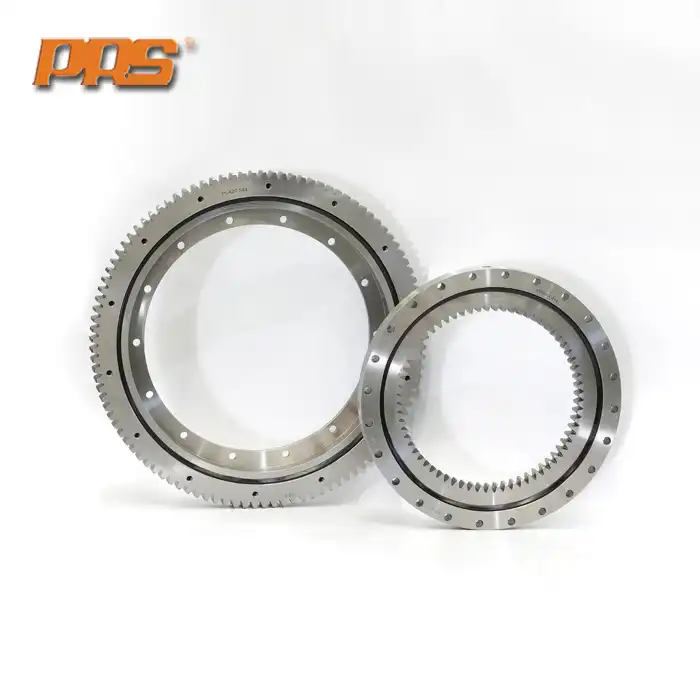
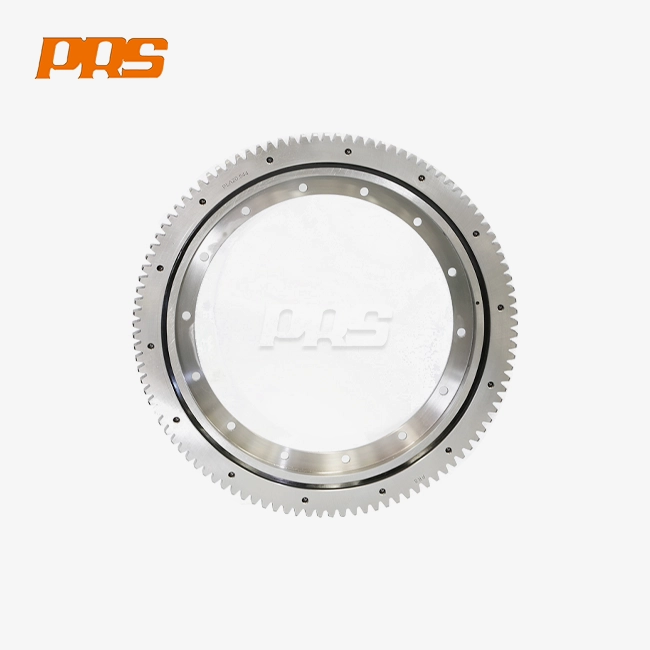
Slewing ring bearings have a unique thin-section design compared to their big width, which can be anywhere from 500mm to over 6000mm. This design combines the tasks of carrying weight and rotating into a single, space-saving unit. The assembly is made up of inner and outer rings that are precisely machined and divided by rolling elements, which can be balls or cross rollers. These elements allow the assembly to rotate smoothly while spreading forces over a big contact area.
The main idea behind how the bearing works is to spread the total loads over this large diameter contact area. The rolling elements move forces between rings while allowing spinning, and the large diameter offers high moment-carrying capacity, making it perfect for uses where regular bearing setups would need complicated support structures. This combined method gets rid of the need for various bearing systems, which lowers the overall height of the equipment and makes it easier to do maintenance.
Configuration Options for Communications Applications
Manufacturers of communication devices can choose from a number of different bearing configurations that are designed to meet specific working needs. Single-row ball designs work well in situations with light to moderate loads and limited room because they allow for smooth rotation and enough moment capacity. Double- and triple-row designs are designed for heavy-duty uses that need to carry the most weight. This is because multiple rows spread forces more evenly over bigger contact areas.
Another important thing to think about is sealing methods. Communication equipment that is outside is always being exposed to rain, dust, and changes in temperature. Modern sealing systems keep grease in and keep internal parts clean. We make bearings with built-in sealing systems that extend the time between services and lower the cost of maintenance. This is especially helpful for tower sites that are far away and hard to get to, where regular maintenance isn't possible.
Geared versus Non-Geared Bearing Systems
Choosing between geared and non-geared slewing ring bearings has a big effect on how the drive system is designed and how well the equipment works generally. Geared versions build drive capability right into the bearing structure through internal or external gear teeth. This makes designing the drive system easier and cuts down on the number of parts needed. This combination works really well in automatic tracking systems that need to be very accurate with their positioning at angles.
Non-geared types only support loads and rotate, giving designers more options when the drive mechanisms are fixed individually. These bearings work great in situations where turning speeds are low and placing accuracy isn't very important. The choice is based on how much torque needs to be transmitted, how much mounting room is available, and how easy it is to integrate with current control systems.
Core Advantages of Using Slewing Ring Bearings in Communications
When deciding where to invest in communication infrastructure, long-term dependability and performance stability are very important. The operational benefits of correctly stated slewing ring bearings directly lead to less downtime, lower repair costs, and better signal quality. These all have an effect on the total cost of ownership for communication systems.
Combined Load Capability and Structural Integration
When used with transmission equipment, which has simultaneous axial, radial, and moment loads, traditional bearing setups don't work well. Wind forces cause antenna systems to have large overturning moments, and the weight of the equipment creates steady axial loads. Changes in temperature cause thermal expansion, which changes the horizontal gaps.
Slewing ring bearings are very good at dealing with these forces at the same time, which would be hard for other types of bearings. The big diameter naturally gives it a lot of resistance to toppling moments and keeps the spinning smooth even when the load changes. Our different types of roller bearing slewing ring variants use line contact dynamics instead of point contact, which makes them much stiffer and able to carry more weight in a smaller space. This extra stiffness is very important for things like precision radar tracking or satellite communication systems that need to keep their place while they're under a lot of stress.
The bearing is an important part of the equipment's structure; it allows the base and top parts to rotate and connects them structurally. This dual usefulness gets rid of unnecessary structural parts, lowers the total weight of the system, and makes it easier to put together.
Material Engineering and Corrosion Resistance
A lot of the time, communication equipment works in difficult conditions with high or low temperatures, rust, and mechanical stress. Installations near the coast are exposed to salt spray, while those in the desert have to deal with rough dust and big changes in temperature. Because of these conditions, the materials need to meet higher standards than those used in normal bearing uses.
Our slewing ring bearings are made from forged 42CrMo or 50Mn steel, and the raceways are induction hardened to 55–62 HRC so they can handle high Hertzian contact stress. The 42CrMo material is very tough and doesn't break easily when hit. This makes it perfect for projects that are likely to be hit hard or that will be used in cold places. Specialized sealing chemicals and surface treatments add extra protection against natural damage, making things last longer in tough situations.
Maintenance Efficiency and Lifecycle Management
Operators of communication assets are always under pressure to keep systems available while lowering the costs of upkeep. Towers that are far away make regular maintenance hard to do and cost a lot of money. Maintenance times and lifecycle costs are directly affected by how well you choose bearings and keep an eye on them.
We suggest keeping an eye on the axial turning clearance as the best way to tell how the bearings are doing. When the observed clearance is 1.5 mm to 3 mm higher than the factory standard, depending on the width, the raceway has worn past the point where it is safe to use, and it needs to be replaced. This proactive method stops sudden failures before they happen and lets maintenance be planned during planned breaks instead of having to be done quickly in an emergency.
How you lubricate things has a big effect on how long bearings last. Extreme Pressure (EP) lithium-based grease with NLGI Grade 2 consistency is needed for raceway parts, and high-viscosity open gear lube is needed for gear teeth to handle high contact pressures. Proper lubrication lowers friction, gets rid of heat, and stops chemical attack. These all work together to make repair periods longer and lower the total cost of ownership. Our expert team makes detailed lubrication plans that are based on the working conditions and external exposures of each machine.
Making the Right Procurement Decisions for Communications Applications
When buying things for communication infrastructure projects, you have to think about technical specs, supplier skills, quality testing, and help throughout the project's lifecycle. Because decisions made during the design phase affect how well equipment works and how much it costs to run for decades, it is important to do a full evaluation.
Critical Selection Criteria and Load Analysis
To properly specify slewing ring bearings, you must first do a full load analysis that includes all possible operating situations. Find the highest axial, radial, and moment loads for the system, taking into account dynamic factors and safety gaps that are right for the job. When wind blows on antenna systems, it creates strong moment forces that change depending on how the equipment is positioned and the direction of the wind. The weight of the equipment creates steady axial loads, while temperature changes cause changes in dimensions that affect radial gaps.
Environmental conditions have a big effect on the choice of bearings and how long they last. Check the temperature differences over the course of a year, the amount of contamination that might be present, and the ease of entry for upkeep. Coastal systems need special sealing and surface treatments to protect them from rust even more. In deserts, strong dust barriers are needed, and the effects of thermal expansion must be taken into account across a wide range of temperatures. These things affect the need for seals, the choice of lubricant, and the frequency of inspections.
Mounting and integration considerations affect load distribution and bearing life. During the planning process, you should think about how much room you have, the mounting bolt patterns, and the needs of the structural interface. The right fitting design makes sure that the load is spread out evenly across the bearing track and stops stress from building up in one area, which speeds up wear. We offer tech support to help customers find the best mounting options for their needs. This way, they can avoid making common installation mistakes that hurt performance.
Supplier Selection and Quality Assurance
Bearing quality has a direct effect on the reliability of a communication system, which makes choosing a seller an important buying choice. Leading brands in an industry have strict quality standards, but sourcing methods should take into account the image of the brand, the ability to provide technical support, the ability to customize products, and the total cost.
Our production at Luoyang PRS Bearing Co., Ltd. follows strict quality rules that have been checked by ISO 9001, ISO 14001, and ISO 45001 certifications. Our 15,000 m² factory has more than 200 high-precision machines that can make and test bearings with diameters ranging from 10 mm to 5000 mm. Factory pass rates are always higher than 99.9%, which shows that we are committed to quality control throughout the whole production process.
Our technical team is made up of 35 engineers who help with everything from choosing the right bearings to special designs and application engineering. We help you get the best bearing specifications for your specific working conditions and performance needs. This makes sure that your technical needs are met and your manufacturing skills are fully utilized. This way of working together cuts down on design risks and speeds up project timelines.
Procurement Logistics and After-Sales Support
Effective buying includes more than just the initial purchase. It also includes reliable transport, help with installation, and ongoing expert support. Communication infrastructure projects have tight schedules, and when parts are late, the project plan has to be extended at a cost that the company can't afford. Our custom packing services keep bearings safe while they're being shipped. To come up with the best safety solutions, our experienced teams look at the product's features, the shipping route, and the environment.
Suppliers who can form a long-term relationship are different from transactional sellers in how they handle customer service after the sale. We offer expert support during the fitting process to help customers avoid making common mounting mistakes that hurt the performance of the bearing. Ongoing help includes advice on how to fix problems, teaching on how to do maintenance, and suggestions for optimizing the lifecycle. This all-around method makes sure that customers get the most out of their bearing purchases for as long as the equipment lasts.
Future Trends and Innovations in Slewing Ring Bearings for Communications
Slewing ring bearings for communications: future trends and new ideas. The communications business is changing quickly because networks are getting bigger, more data is being sent, and new technologies like 5G and satellite internet systems are coming out. At the same time, bearing technology improves to meet new performance needs and operating difficulties.
Advanced Materials and Design Innovations
New developments in material science are making bearing steels with better qualities that can work in harsh conditions. Advanced heat treatment methods make the raceway surfaces stronger and less likely to wear down, while keeping the core tough, which is needed for shock load protection. Surface engineering uses special coats that cut down on friction, stop rust, and make it possible to go longer between lubrication cycles.
By using lightweight materials and optimizing the design, bearing mass can be reduced without affecting the load capacity. When antenna systems have less moving mass, they need less drive power and the support towers don't have to carry as much weight. When transmission equipment gets bigger to fit more frequency bands and better coverage, these weight reductions become more and more important.
Sealing technology advances improve contamination exclusion while reducing friction losses. Next-generation seals stay effective over a wider range of temperatures and protect better against pressure washing during equipment maintenance—a common practice at communication sites.
Smart Bearing Technologies and Predictive Maintenance
Through integrated sensor technologies and predictive analytics, the merging of Industry 4.0 and the Internet of Things is changing how bearing lifecycle management is done. Condition tracking sensors built into smart bearings keep an eye on important factors like temperature, vibration, and rotational force all the time. The real-time data makes it possible for predictive maintenance plans to find problems before they become too big to fix.
With remote diagnostics, technical experts can check the state of bearings from central facilities, so they don't have to go to the site as often and maintenance schedules are more efficient. Predictive algorithms look at patterns in sensor data to guess how much longer something will work and suggest the best time to replace it. These features make it less likely that equipment will break down without warning, keep it working longer, and lower its costs over its lifetime. These are all huge benefits for people who run communication systems and manage installations of widespread equipment.
Strategic Supplier Partnerships
Communication equipment makers are looking for companies that can work with them as partners instead of just doing business with them. Technical collaboration during the planning process helps make sure that the bearing specs are best for each application, while also keeping cost concerns in mind. Competitive benefits come from suppliers who offer application engineering support, fast prototyping, and a range of customization choices. This is because they can shorten development cycles and make designs that work better.
Long-term ties with suppliers guarantee consistent quality, on-time shipping, and ongoing expert help for the entire lifecycle of an item. We are always putting money into improving our manufacturing skills, technical knowledge, and quality processes so that we can be a strategic partner for companies that make communication tools as they deal with changing market needs and new technologies.
Conclusion
Slewing ring bearings are an important technology that makes it possible for communication infrastructure equipment to rotate reliably and precisely in harsh operating conditions. These specialized parts combine many complicated mechanical functions into small, space-saving units that work better and need less upkeep. When choosing the right bearings, you need to think about a lot of things, like the load conditions, the weather exposures, and the practical needs. You also need to think about quality assurance, the supplier's abilities, and the lifecycle costs. As communication networks grow and technology improves, smart relationships with capable bearing makers give businesses a competitive edge through better designs, dependable supply chains, and ongoing technical support that makes equipment work better and last longer.
FAQ
How Do I Verify a Slewing Ring Bearing is Suitable for Communication Tower Applications?
When used in communication towers, different types of loads come together, such as the weight of the equipment, moments caused by wind, and heat cycles. For verification, you need to do a thorough load analysis that compares the highest operational loads to the slewing ring bearing's static and dynamic capacity values. We offer technical help that compares your unique load conditions to the bearing's capacity, making sure there are enough safety margins. Check out the manufacturer's static limit load chart, which shows the relationship between axial load and tilting moment in the situations you will be using it in. For outdoor applications, protect the environment by using the right sealing specs and materials that won't rust.
What Maintenance Practices Maximize Bearing Lifespan in Communication Equipment?
Proper lubrication is the first step to good maintenance. For raceways, use lithium-based EP grease (NLGI Grade 2), and for gear teeth, use a high-viscosity oil. Set up regular review times to check the axial tilting clearance, which can show signs of wear. If the clearance goes above the original specs by 1.5 to 3 mm, it means the part needs to be replaced. Make sure the force on the mounting bolts stays within the limits. Loose screws can bend the ring and speed up the wear process. To keep pollution from getting in, keep closing surfaces clean and whole. We give you thorough maintenance instructions that are made to fit your individual bearing model and working conditions.
Can Slewing Bearings Be Customized for Unique Communication Equipment Requirements?
Customization lets you meet specific needs that aren't met by regular store items. We make special slewing ring bearing sizes, gear tooth configurations, sealing arrangements, and precision grades that are made to fit the needs of each application. During the planning part, our engineering team works together to make sure that the bearing geometry, material requirements, and mounting connections for your tools are all as good as they can be. Custom solutions are made to fit limited room, oddly distributed loads, and specific environmental problems. Get in touch with our technology experts to talk about your project's customization choices and time constraints.
Partner with PRS as Your Trusted Slewing Ring Bearing Manufacturer
At Luoyang PRS Bearing Co., Ltd., our manufacturing team is ready to work with you on your slewing ring bearing needs. We have been specializing in precision bearings and unique solutions that meet the exact needs of communication infrastructure uses since 2003. We provide full expert help from the original specification stage through installation and lifecycle management, making sure that your important applications get the best bearing performance possible. Get in touch with our experts at ljh@lyprs.com to talk about your project needs and to look at our wide range of products, which includes internal toothed, external toothed, and non-geared configurations. Find out how PRS precision engineering can give your communication systems the reliability they need to keep running smoothly.
References
Stackhouse, T. & Morrison, R. (2021). Precision Bearing Engineering for Communication Systems. Industrial Bearing Technology Press.
Chen, W. et al. (2020). "Load Distribution Analysis in Large-Diameter Slewing Ring Bearings for Rotating Antenna Structures." Journal of Mechanical Engineering Science, Vol. 234, No. 18, pp. 3621-3638.
Telecommunications Industry Association (2022). TIA-222-H: Structural Standard for Antenna Supporting Structures and Antennas. Arlington, VA: TIA Publications.
Harris, T.A. & Kotzalas, M.N. (2019). Advanced Concepts of Bearing Technology: Rolling Bearing Analysis, 5th Edition. CRC Press.
European Committee for Standardization (2020). EN 13001-3: Crane Safety - General Design - Part 3: Limit States and Proof of Competence of Wire Ropes and Slewing Bearings. Brussels: CEN Publications.
Zhang, L. & Patterson, K. (2023). "Predictive Maintenance Strategies for Slewing Ring Bearings in Communication Infrastructure." International Journal of Prognostics and Health Management, Vol. 14, No. 2, pp. 112-129.

USER EVALUATE
Here is the customer's evaluation of us
YOU MAY LIKE
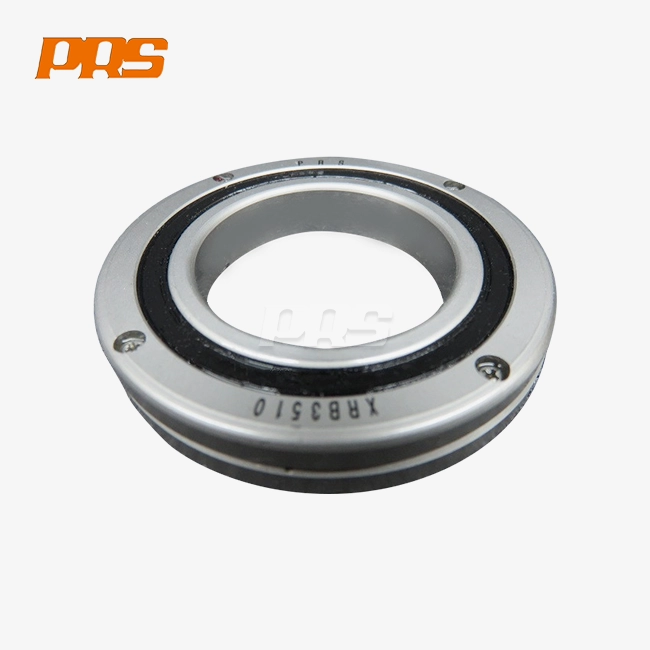 VIEW MORERB Ultra thin bearings
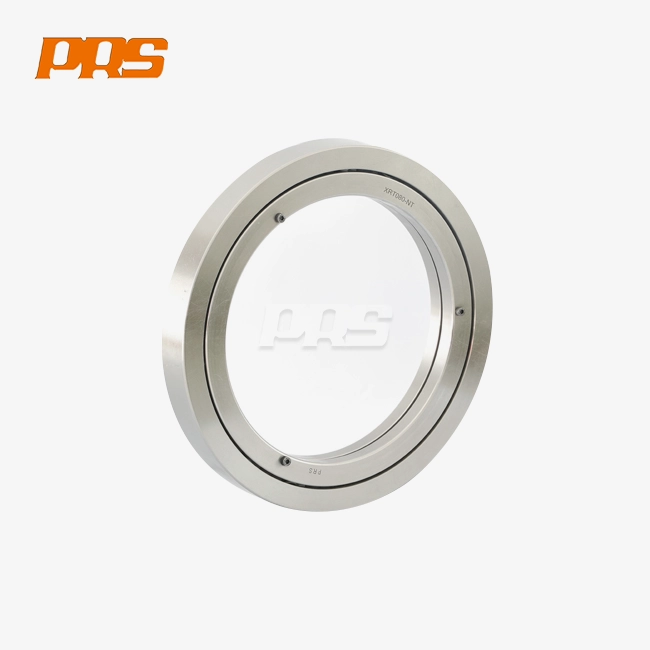 VIEW MOREGear hobbing machine bearings
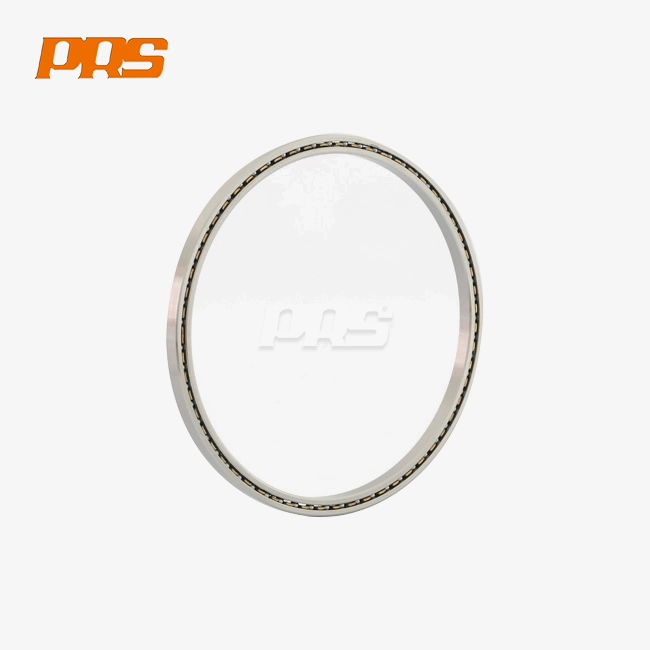 VIEW MOREAngular Contact Ball Bearings Single Row
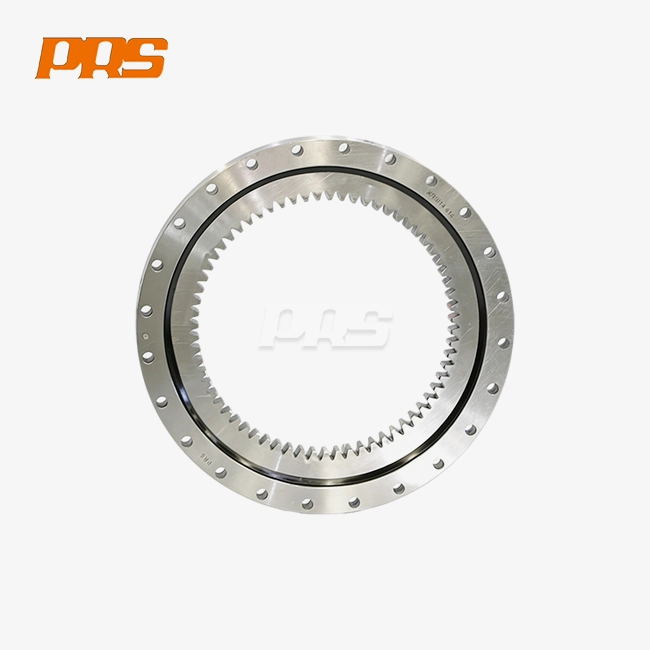 VIEW MORECross roller Slewing bearings
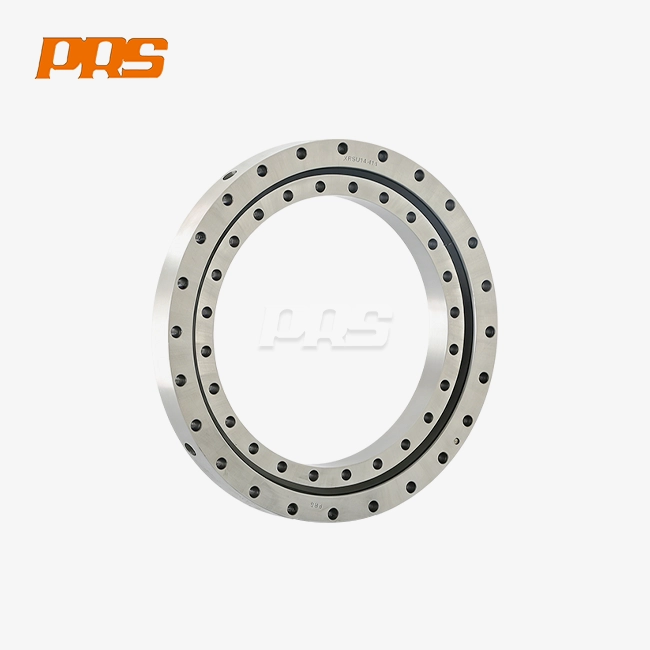 VIEW MOREcross roller slewing bearing
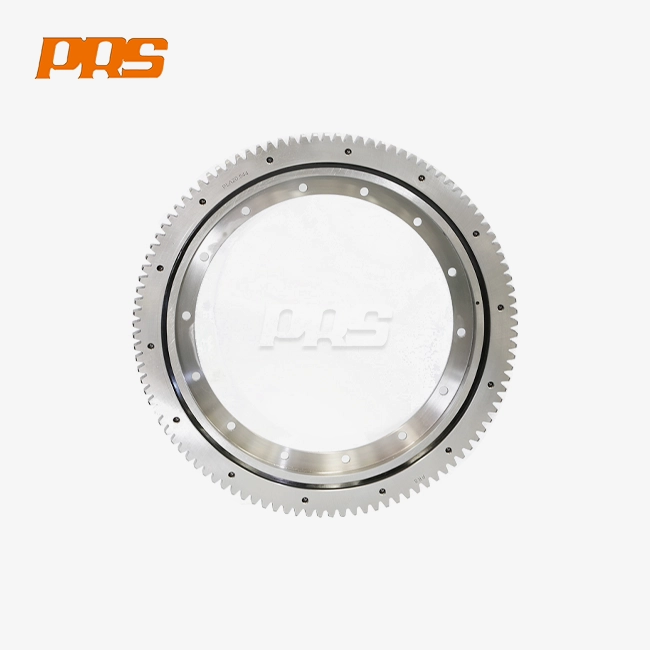 VIEW MOREExternal Gear Slewing Bearing
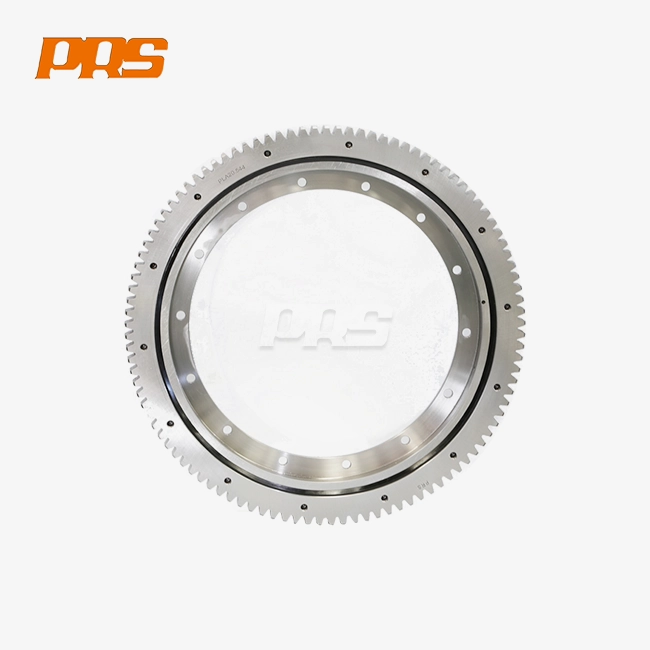 VIEW MOREDouble Row Slewing Bearing
 VIEW MORELarge Diameter Slewing Bearing