


Improving Robot Payload with High-Performance RE Bearing Upgrades
In today's competitive business world, it's not a choice to maximize robot hauling ability; it's a must. Upgrades to high-performance RE robot bearings give your robotic systems the accuracy, load capacity, and longevity they need. Manufacturers use crossed roller bearing technology with a split inner ring design and V-groove raceways to handle radial, axial, and moment loads at the same time while keeping the size small. This update path directly fixes payload issues, lowers mechanical deflection, and increases service life. This leads to a measured return on investment (ROI) through higher throughput and lower downtime in industrial automation applications.
Understanding the Role of RE Bearings in Enhancing Robot Payload
What Makes RE Bearings Different from Standard Components
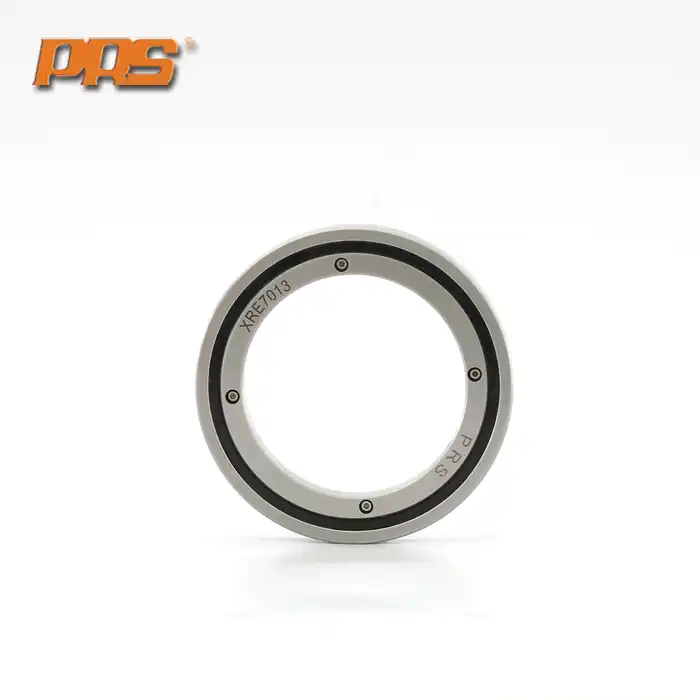
Cross roller bearings in the RE series are special rotating parts that were made for robotic joints that have to handle more weight than regular bearings can handle. Unlike most ball bearings, which handle axial loads, these parts have cylinder-shaped rollers set at right angles within V-shaped raceways that were carefully made. The split inner ring and complete outer ring make it possible to install around shafts without taking the whole thing apart. The orthogonal roller design spreads forces evenly across all contact points. With this structural method, a single bearing unit can be used instead of several normal bearings. This can cut the weight of the assembly by up to 40% compared to traditional designs.
How Design Features Translate to Payload Improvements
The technical benefits come from basic rules of design. When the rollers in the raceway switch positions, they make various load routes that work at the same time. Rollers that are oriented radially take up side forces, while elements that are oriented vertically take up axial pressure. Moment loads, which are twisting forces that make it hard for robot joints to stay stable, are spread out over both sets of rollers, which makes them very stiff. Metals don't touch each other because there are spacers between each wheel. This lowers the friction rate and heat production. Choosing the right materials is also very important. Chrome steel (GCr15) is very hard, which is needed for load bearing, and double-sided seals keep internal parts clean in harsh industrial settings.
Precision Grades and Their Impact on Robotic Accuracy
Positional repeatability is a key factor for assembly jobs, welding, and moving things around. Bearing precision has a direct effect on this measure. PRS makes the RE robot bearing line of bearings in two levels of precision: P4 and P2. P2 has the tightest limits possible. Runout, or the difference in size when the part is rotated, is measured in single-digit micrometers at the P4 grade. With this level of accuracy, when a robot arm goes back to a place that was set, it always gets there within a few thousandths of a millimeter. The stiff structure keeps the structure from bending too much when it's under load, so it stays accurate even when it's carrying the most weight. These kinds of performance traits are especially useful when making semiconductor equipment and medical devices, where mistakes in placement can lead to problems with the products or safety issues.
Identifying Payload Limitations in Current Robot Bearing Systems
Common Performance Bottlenecks in Industrial Robotics
Due to limitations caused by bearings, many robotic systems don't carry as much as they could theoretically. The most obvious problem is not having enough load values. If the bearings can't handle the weight of the end-effector, the workpiece, and the dynamic forces during acceleration, they will fail early. Problems with noise and shaking point to another major issue. Too much shaking during operation could mean that the load isn't being distributed correctly or that the raceways are worn out, both of which affect the accuracy of placement. Even small particles made by bearing wear can contaminate goods in cleanroom settings used to make semiconductors or medicines, leading to costly rejects.
Root Causes of Bearing-Related Payload Failures
Problems are often caused by materials that aren't good enough or designs that don't work well together. Standard bearings are made from materials that are best for general industrial use, not for robots. If the protection isn't good enough, contaminants can get into the bearing space and speed up the wear rate. Failures in lubrication happen when grease breaks down under long-term high loads or high working temperatures, letting metals touch each other. These problems are made worse by poor heat escape because thermal expansion changes important limits. In multi-axis robots, the effect of the minor bearings at each joint adds up to position mistakes that spread through the kinematic chain and greatly lower the accuracy of the end-effector.
Economic Impact on Operations and Maintenance
When bearings break, they cost more than just new parts. Unplanned downtime throws off production plans, and some makers say they lose more than $2,000 an hour during crucial production runs. Maintenance teams have to keep a variety of bearing types on hand in case they need to change them quickly, which uses up working capital. Interventions that happen often raise the cost of labor and cut down on the time that can be used for output. Poor bearing performance also impacts the quality of the product. When robot positioning moves around because of worn bearings, made parts don't meet standards for size, which results in more scrap and rework needs.
High-Performance RE Bearing Upgrades: Features and Benefits
Before looking at specific benefits, it's important to understand how changes in material science and engineering work together to make measured performance gains. Newer crossing roller bearings have improvements that make up for the problems with older ones. Here are the main benefits that come from upgrading to high-performance RE robot bearings:
- Increased Load Capacity: More weight can be carried because the crossed roller design spreads the force over more contact points than single-row designs. The inner width of PRS RE series bearings ranges from 20 mm to 600 mm, and they can handle large radial, axial, and moment loads all at the same time. Robots can move in more than one way, which lets them lift heavier loads without needing bigger joint systems or stronger structural parts.
- Enhanced Rotational Accuracy: When V-groove raceways are precisely ground and tight tolerances are used during production, there is very little runout during operation. When the robot arm is loaded, the solid outer ring keeps its shape, which means it can return to its original place with accuracy measured in micrometers instead of millimeters. This stability is immediately helpful for assembly tasks that need to place parts accurately.
- Extended Service Life: Optimized load distribution lowers stress densities on individual wheels, which extends the service life. Dust, wetness, and process contaminants that speed up wear can't get in because of double-sided seals. Chrome steel has the right amount of toughness to keep the surface from wearing down even after years of use. These things work together to make bearings last longer, which means they don't need to be replaced as often and the total cost of ownership goes down.
- Reduced Noise and Vibration: The spacer-separated roller layout stops rolling elements from hitting each other, which is a main cause of noise during operation. Smooth rotation with little vibration saves sensitive electrical parts in robot controls and makes the whole system more reliable. These quiet operating qualities are especially useful in medical imaging tools.
These benefits directly fix the performance problems we talked about earlier, making it easy for automation systems that are having trouble with stability or limited output to get better. Implementations in the real world across all areas of industrial automation show clear gains in output and operational efficiency.
How to Choose the Right RE Bearing for Your Robot Payload Needs
Essential Selection Criteria for Automation Applications
Load study is the first step in matching bearing specs to application needs. Find the highest rotational force that your robot joint feels while it is working, then add the axial load that comes from the weight of the payload and gravity. To figure out the moment load, you have to measure the distance between the point where the load is applied and the axis of the bearing. It doesn't matter what the speed number is; the bearings must be able to handle the spinning speeds your application needs without getting too hot. The PRS RE line works well from -40°C to +150°C, which covers most workplace settings. However, applications that need to work in very cold temperatures may need extra attention.
Material Properties and Environmental Compatibility
Chrome steel bearings are a good choice for most industrial robotics tasks because they are both reliable and affordable. Stainless steel types don't rust and can be used in food processing, pharmaceuticals, or outdoor settings where they will be exposed to water. Ceramic hybrid bearings, which have steel races and ceramic rolling parts, are lighter, better at resisting heat, and have less friction. You can use these in high-speed situations or cleanrooms where making as few particles as possible is important. The best material for you depends on the environment. In normal industry settings, chrome steel works best, while stainless steel is better in corrosive environments, and ceramic blends are better for high-precision positioning jobs, even though they cost more at first.
Comparing RE Bearings with Global Competitors
When choosing a bearing provider, the most important things to look at are efficiency, reliability, and cost. Global names like NSK, SKF, FAG, and KOYO have strong identities that have been built up over many years. These companies have huge collections of their products and networks of distributors all over the world. PRS offers similar precise grades and load limits, but it also has benefits that are especially important to buyers in North America. The company's ISO 9001, ISO 14001, and ISO 45001 certifications show that it cares about quality and the environment. When factory pass rates are higher than 99.9%, it means that quality control is very strict. Custom change options offer freedom that sellers who only sell from catalogs can't match. When looking for RE robot bearing suppliers, don't just look at the product specs; also look at the full help package that will make sure the application goes smoothly.
Strategic Sourcing Considerations for Procurement Teams
When upgrading several robot systems or making all production lines the same, bulk buying deals can save you money. It's important to carefully read the warranty terms. Full coverage protects your investment against problems with the way it was made, and longer warranty periods show that the maker trusts you. Having access to technical help is very important during the startup and troubleshooting stages. PRS helps engineers with everything from choosing the right bearings for the job to making sure they work well and keeping an eye on their performance. This consultative method helps buying teams choose the right parts at the start, so they don't have to make expensive changes later on.
Implementing RE Bearing Upgrades: Best Practices and Maintenance Tips
Pre-Installation Assessment and Compatibility Verification
Planning carefully is the first step to making changes work. Write down the specs for the current bearing, such as the width, inner diameter, and outer diameter. Make sure that the new bearings will fit into current systems without any changes by checking the shaft and housing specs. Check that the mounting contact works with the bearings. The split inner ring form of RE bearings makes installation easier, but it may be different from how things were set up in the past. Read the robot's manufacturer's instructions to find out how to change the bearings and how much power is needed. Making sure of these details before placing an order avoids delays and makes sure that parts come ready to be installed.
Installation Procedures and Quality Control
Remove old grease, dirt, and rust from all fixing surfaces by cleaning them well. Check the shafts and housings for damage or wear that could affect how well the bearings work. Follow the instructions for using the right lube. PRS experts can suggest types of grease that will work well in your temperature and speed conditions. Carefully put together the split inner ring parts, making sure they are lined up right before tightening. Compared to bearings that need to be press-fit, this process is easier with an outer ring that is built in. Make sure that the double-sided seals fit properly to keep the defense against contamination. Once the joint is in place, turn it by hand to make sure it works smoothly and doesn't have any locking or strange resistance. To set a maintenance standard, write down the dates of installation and the first measures.
Maintenance Protocols for Extended Service Life
Regular checkup plans keep things from breaking down without warning. Visual checks done once a month can find problems like grease leaks, strange noises, or changes in vibrations that mean problems are starting to happen. Monitoring the temperature during operation finds too much heat production due to poor greasing or overloading. Follow the manufacturer's advice on how often to lubricate. Depending on the load and climate, this is usually every 3,000 to 10,000 hours of use. Keep accurate repair records that include the times of lubrication, the amount that was used, and any performance notes. Over time, these records help find trends and find the best repair times.
Troubleshooting Common Post-Upgrade Challenges
Noises that don't make sense after installation are usually a sign of contamination during assembly or bad lubricant. Take it apart, clean it well, and then put it back together with new grease. Overheating could mean that there is too much preload or not enough oil. Check the fitting torque requirements and add the right amount of lubricant. Positioning errors might be caused by mounting misalignment instead of bearing damage. Use accurate measuring tools to make sure that the shaft and case are straight. When problems keep happening even after following standard steps, you should get help from expert support. When manufacturing flaws are found, PRS experts help with diagnosis and handle warranty claims. Keeping the lines of contact open with your bearing provider speeds up the process of fixing problems and cuts down on downtime.
Conclusion
Upgrading to high-performance RE robot bearings gets rid of payload limits in a planned way, giving you measured gains in accuracy, dependability, and load capacity. The crossed roller design with split inner ring structure makes fitting easier while still keeping the rigidity needed for robotic accuracy. Choosing the right material, exact grade, and weather compatibility are some of the things that go into making the best standard for a wide range of uses. Following structured execution processes and maintenance guidelines helps procurement teams and engineers get the most out of their investments while keeping important automation systems running as smoothly as possible.
FAQ
What payload increase can I expect from RE bearing upgrades?
Payload gains depend on the original equipment specs and the needs of the application. Crossed roller bearings can hold more weight in more than one way, so they can usually handle 20 to 40 percent more weight than normal ball bearings. The actual gains depend on whether your system is currently limited by radial, axial, or moment stress. A thorough load analysis finds specific problems and gives numbers for the changes that are predicted.
How do RE bearings compare to angular contact bearings for robotics?
Angular contact bearings can handle combined loads, but they usually need to be installed in pairs and the preload needs to be carefully adjusted. Crossed roller bearings in the RE series offer the same multidirectional capacity in a single, small unit that is easier to install. Because the split inner ring design doesn't require the shaft to be taken apart, installation time and complexity are cut down during both the original setup and repair in the field.
What maintenance intervals do RE bearings require in industrial robots?
Maintenance plans are based on things like speed, load, temperature, and contamination in the surroundings. Typical workplace settings with good sealing mean that lubrication needs to be done every 3,000 to 10,000 hours of use. Harsh settings with high temperatures or lots of dirt and dust need to be inspected and oiled more often. Setting a baseline through initial tracking lets you find the best times for your application.
Partner with PRS for Superior RE Robot Bearing Solutions
When you want to upgrade your robotic systems, you need a bearing maker that knows both the technical needs and the business needs that are driving your decisions. Luoyang PRS Precision Bearing Co., Ltd. has been making precision bearings for over 20 years and has the production skills to provide stable quality and quick service. With ISO 9001, ISO 14001, and ISO 45001 certifications, our 15,000 m² building has plant pass rates of more than 99.9%. Our RE robot bearing line has inner sizes ranging from 20mm to 600mm and precision grades up to P2. It can be used in a wide range of robotic tasks. Custom changes are made to meet specific needs that can't be met by regular store items. Our tech team helps with everything, from the initial design to installation advice and ongoing performance improvement. Contact ljh@lyprs.com to talk to skilled bearing experts about how to increase your payload. PRS has the precise parts and expert support that your automation systems need, whether you need a single prototype or a long-term provider for RE robot bearings for large-scale production.
References
Marsh, E.R., "Precision Spindle Metrology: Evaluation of Bearing Systems for Machine Tools," DEStech Publications, 2010.
Harris, T.A. and Kotzalas, M.N., "Advanced Concepts of Bearing Technology: Rolling Bearing Analysis," CRC Press, 2006.
Siciliano, B. and Khatib, O., "Springer Handbook of Robotics: Mechanical Design and Actuation Systems," Springer International Publishing, 2016.
Weck, M. and Brecher, C., "Machine Tools Production Systems 2: Design and Calculation of Rotary Axes," RWTH Aachen University Publications, 2005.
International Organization for Standardization, "ISO 492:2014 Rolling Bearings: Radial Bearings, Tolerances and Specification Standards," ISO Technical Committee, 2014.
Tong, V.C. and Hong, S.W., "Characteristics of Tapered Roller Bearing Subjected to Combined Radial and Moment Loads," International Journal of Precision Engineering and Manufacturing, 2014.

USER EVALUATE
Here is the customer's evaluation of us
YOU MAY LIKE
 VIEW MOREslim section bearings
 VIEW MOREHarmonic Drive Gearbox Bearings
 VIEW MOREAngular Contact Ball Bearing
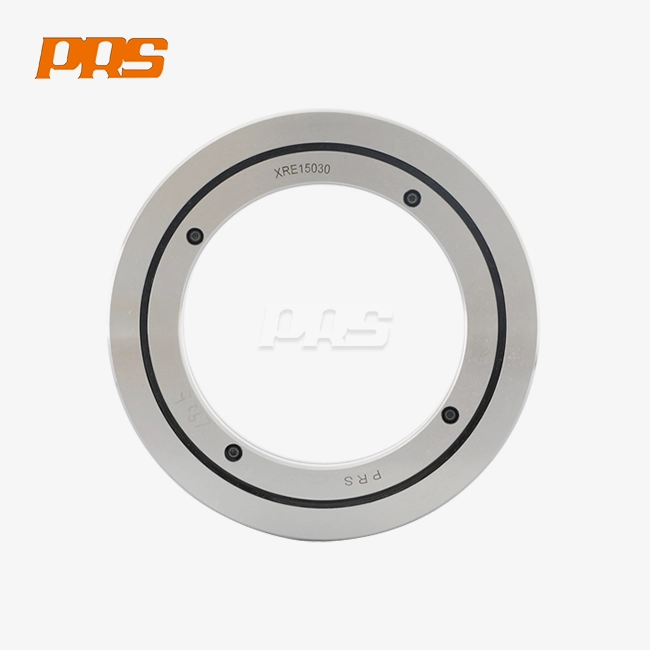 VIEW MORERE Crossed Roller Bearings
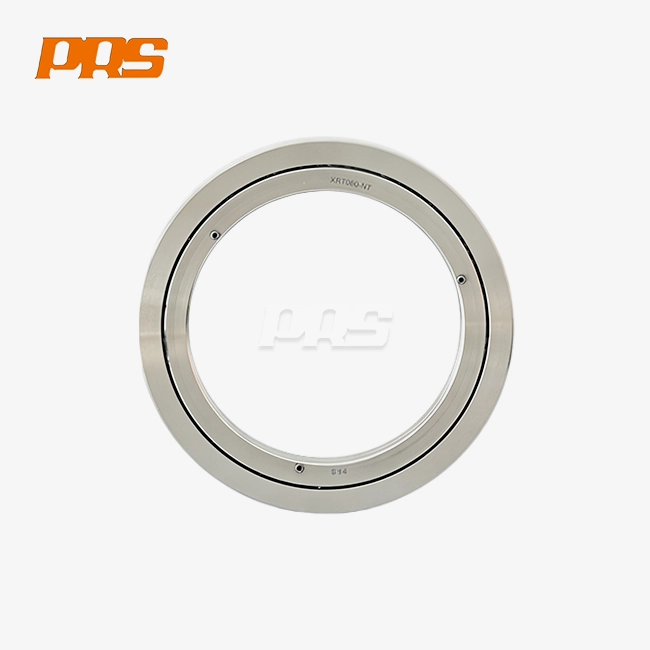 VIEW MOREmini lathe tapered roller bearings
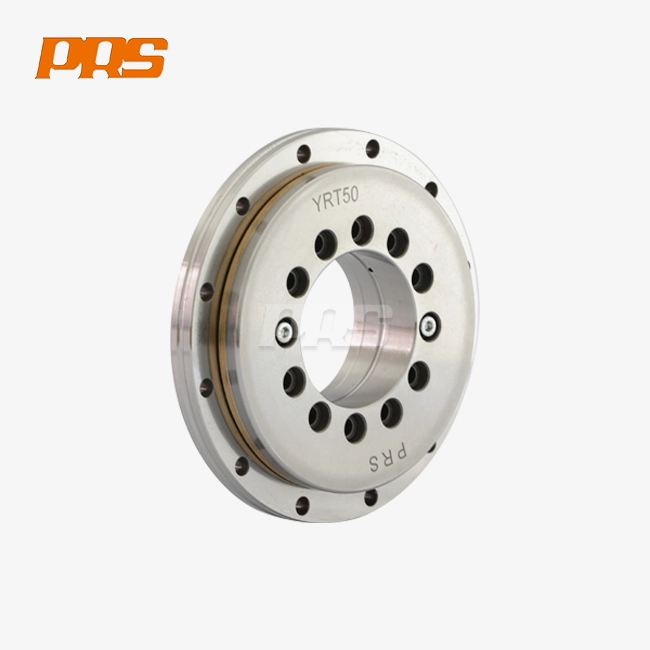 VIEW MORETurntable Bearings YRT
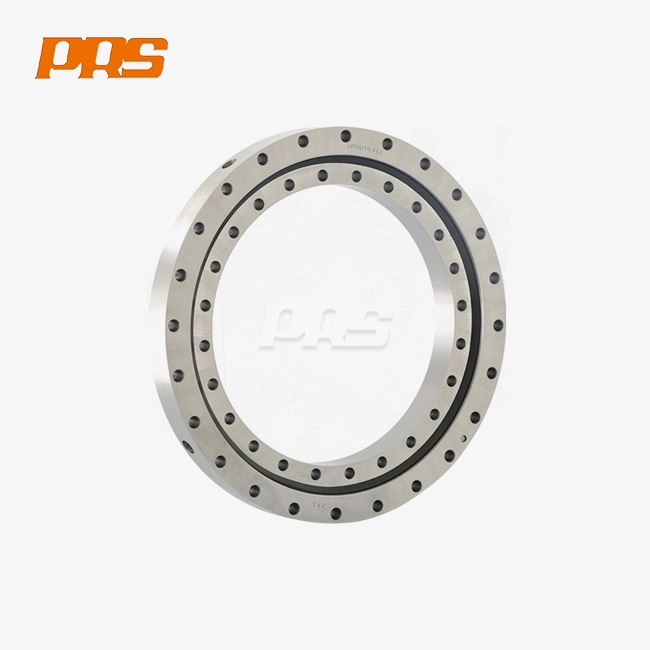 VIEW MOREFour-Point Contact Ball Slewing Bearings
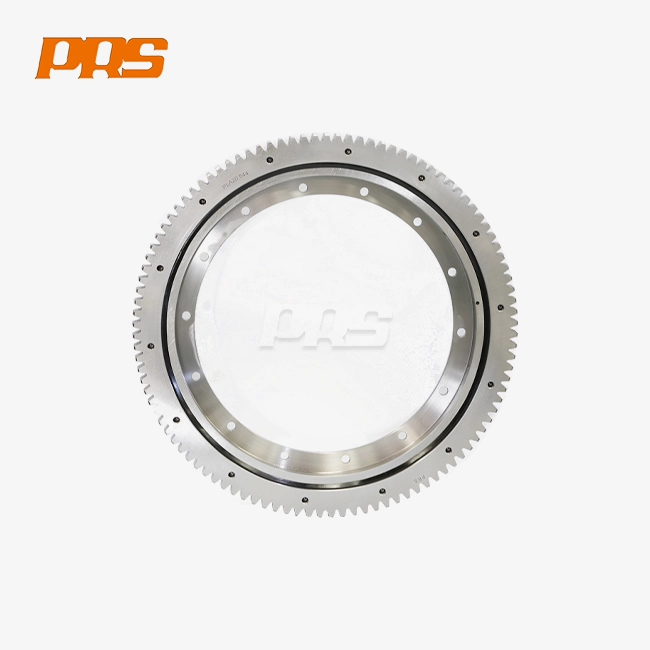 VIEW MOREHeavy-duty slewing bearing