


The Ultimate Guide To Understanding RU robot bearings
RU robot bearings represent a specialized class of precision mechanical components engineered specifically for demanding robotic applications. These bearings incorporate advanced cross-roller designs and ultra-tight tolerances to handle simultaneous radial, axial, and moment loads while maintaining exceptional positional accuracy. By reducing friction, controlling backlash, and distributing loads uniformly across robotic joints, these bearings enable repeatable precision that directly impacts manufacturing quality, automation efficiency, and operational longevity across industrial systems.
What Are RU Robot Bearings and How Do They Work?
There is a special group of precision mechanical parts called RU robot bearings that are made for very demanding robotic applications. These bearings use advanced cross-roller designs and very tight tolerances to handle radial, axial, and moment loads at the same time while keeping the position very accurate. These bearings make it possible for repeatable accuracy, which has a direct effect on the quality of manufacturing, the speed of automation, and the longevity of operations across all industrial systems. They do this by reducing friction, controlling backlash, and spreading loads evenly across robotic joints.
Core Design Principles
Crossed cylindrical rollers are arranged in a precise crisscross pattern inside the raceways of RU robot bearings. In contrast to normal ball bearings, which work by making point contact, this design makes line contact between the rollers and races. Because of this basic change in design, the bearing can hold much heavier loads while still being small. Crossing the setup makes sure that neighbouring wheels are at right angles to each other. This lets the bearing handle forces from different directions at the same time, without needing separate thrust and radial bearing assemblies.
Friction Control Mechanisms
Managing friction is one of the most important parts of robotic precision. With precisely ground rollers and races that keep the film lubricated even when the speeds change, these bearings lower surface friction. Positional accuracy is kept high because the motion is smooth and reliable, which stops energy loss and heat creation. Controlled friction stops mistakes that happen over thousands of motion cycles in high-speed robotic operations. This makes sure that quality standards are met throughout production runs for jobs like assembly, machining, and checking.
Load Distribution Technology
Joint deformation that hurts robotic accuracy can be avoided by distributing loads well. RU bearings spread forces across many contact points, getting rid of stress concentrations that lead to early wear or structural deflection. When a robotic arm reaches its full length while carrying an object, the constant load support of the bearing keeps the arm from bending or misaligning, which would move the end-effector. This feature is especially useful in situations that need accuracy down to the micron level, since even a small amount of distortion leads to bad output.
Backlash Reduction and Vibration Control
Manufacturing with tight tolerances limits the amount of free play in the bearing system, which directly lowers backlash that leads to positional variation. When a robot changes direction or follows a complicated path of motion, less backlash ensures that its real position fits the coordinates that were given to it. The bearing structure also smooths out small vibrations caused by motors, gearboxes, and outside disturbances. This vibration-damping keeps the end-effector stable in line even when it's under dynamic loads. This is very important for jobs like laser cutting, precision welding, or handling semiconductors, where differences of just a few micrometres can lead to quality problems.

Types and Specifications of RU Robot Bearings
Learning about the different types of bearing designs helps you choose the right parts for the job. Each version of the design solves a different problem that current robotic systems face.
Cross Roller Bearing Variants
Cross roller bearings are what RU robot bearings are made of. These bearings have cylindrical rollers that are placed perpendicular to the rollers next to them. This makes a small structure that can hold combined loads. The design gets high stiffness, which is necessary to keep the positional accuracy even when the load changes. Because these bearings come in both split and solid ring styles, they can be used with a variety of robotic joint types that have different installation and care needs.
Thin Section Deep Groove Ball Bearings
Thin-section ball bearings are useful when room constraints limit the size of the bearing sleeve. These parts keep the load capacity while lowering the weight and taking up as little radial room as possible. Robot axes, harmonic drives, RV gearboxes, and car drive gears are all examples of places where compact integration has a direct effect on the overall performance of the system. The lower inertia is caused by the lower mass, which lets the acceleration and deceleration cycles happen faster. This increases the production throughput.
Material Options and Performance Characteristics
Steel bearings are strong and don't cost a lot, so they are good for general machine uses. Under normal operating temperatures, the material is very stable in terms of its shape and doesn't wear down easily. Ceramic bearings are better in certain situations where weight reduction, rust protection, or operation in high or low temperatures are needed. Hybrid designs that combine ceramic rolling elements with steel races find the best balance between performance benefits and cost considerations. This lets procurement teams make the best specifications based on what the application actually needs, rather than over-engineering solutions.
Precision Classes and International Standards
Specifications for bearings follow tolerance guidelines that are known all over the world, such as ISO and DIN classes. Different precision classes, from normal to P4 and P2 grades, say what kinds of differences are allowed in terms of size, accuracy, and surface finish. Higher precision grades cut down on runout and improve the accuracy of spinning, which directly leads to better robotic placement. Following established standards makes sure that products from different manufacturers can work together. It also makes it easier to choose between suppliers when looking at different options or designing systems that use more than one vendor.
Comparing RU Robot Bearings with Other Bearing Types
To make smart choices about what to buy, you need to know how different bearing technologies work in different operating situations. Comparisons that are based on facts show which options are the best value for certain uses.
Performance Against Standard Ball Bearings
Deep groove ball bearings have limited axial capacity and mostly handle radial loads. A lot of the time, complicated loadings that include radial forces, axial thrust, and tipping moments happen at robot joints. To handle these multidirectional loads, standard bearings need a lot of different parts to be put together, which makes the assembly more complicated and increases the total size. RU robot bearings combine the parts that handle loads into a single, small unit. This makes mechanical design easier while also making the bearings more rigid and accurate. This structural benefit cuts down on the number of bearings needed, the weight of the system, and the places where it could go wrong in robotic assemblies.
Sealed Versus Open Configurations
The choice of bearing seal affects how well it resists contamination and how often it needs to be serviced. Sealed bearings have covers or seals that keep oil inside and keep outside contaminants out. This concept works well in cleanrooms used to make semiconductors or medical devices, where particles must be kept to a minimum. Open bearings make it easier to check for damage and re-grease them, but they need a protective housing to keep dust and other debris out. In machine tool spindles or aircraft gears, open bearings are often paired with external sealing systems that balance the need to keep contaminants out with the need to get rid of heat.
Load Capacity and Service Life Evaluation
The choice of bearing has a direct effect on how long equipment lasts and how often it needs to be serviced. RU robot bearings last longer because they distribute loads more evenly, which lowers contact stress. When compared to point contact in ball bearings, the crossed roller design spreads forces over longer contact lines. This lowers the subsurface fatigue that leads to spalling over time. When you look at the total cost of ownership, the initial investment in premium bearings often pays for itself because they last longer, require less maintenance, and don't need to be replaced as often.
Maintenance, Common Problems, and How to Optimize the Performance of RU Robot Bearings?
Systematic maintenance practices keep RU robot bearings working at their best and stop them from breaking down at the worst possible time, which can throw off production plans. Knowing about common problems lets you fix them quickly, before they get worse and cost a lot to fix.
Lubrication Protocols
When you lubricate properly, you keep the thin film between the rollers and the races in place. This keeps metal from touching metal, which speeds up wear. How often you need to lubricate depends on things like speed, load, temperature, and the amount of dirt and debris in the surroundings. For high-speed uses, lubricants with a lower viscosity are needed to prevent spinning losses. On the other hand, thicker greases with higher film strength are better for heavy-duty slow-speed joints. Lubrication research done on a regular basis can find contamination or wear and tear before they affect performance. This lets you do preventative maintenance instead of fixes after the fact.
Identifying Early Warning Signs
Monitoring the state of a bearing shows problems as they start to appear before they become too big to fix. If the working temperature goes up, it means that there isn't enough lubrication, too much preload, or internal dirt that is causing friction. Noise levels that aren't normal could mean that the rolling elements, race tracks, or cage structures are broken. When accelerometers or condition tracking systems pick up on high vibration levels, they can find imbalances, misalignments, or wear patterns that need to be looked into. Keeping an eye on these factors sets basic performance standards that show deviations that mean repair is needed.
Environmental Control and Contamination Prevention
The operating setting has a big effect on how long bearings last. Exposure to dust, water, and chemicals breaks down lubricants and speeds up corrosion. When making semiconductors and electronics, bearing materials, lubricants, and seal designs must be completely compatible with cleanroom conditions. This is to keep particles and outgassing from entering and contaminating sensitive processes. For example, aircraft uses that are used outside need to be protected from extreme temperatures, humidity, and airborne pollutants. By matching bearing specs and safety measures to the real-world environment, you can avoid early breakdowns and over-specification that adds costs without delivering any benefits.
How to Choose and Procure RU Robot Bearings for Your Robotics Needs?
For the RU robot bearings selection to go well, technical needs must be balanced against real buying issues. A structured evaluation process makes sure that the parts chosen meet performance requirements while also staying within the project's budget and time frame.
Application-Specific Load Analysis
First, figure out how many forces, speeds, and motion profiles the bearing needs to handle. Figure out axial loads from push forces, moment loads from offset masses, and radial loads from the weight of the object and the shape of the arm. Find the fastest and slowest rotational speeds, as well as the acceleration rates that cause inertial forces. This information can be compared to bearing load rates and speed limits to make sure there is enough capacity with enough safety gaps. Applications that use shock loads or shaking need more than just steady-state estimates.
Supplier Evaluation Criteria
Bearing procurement includes more than just part specs; it also includes what the seller can do. Technical help is helpful when choosing products and putting them together, especially when customising standard products to meet specific needs or fixing problems during installation. Warranty coverage gives you options if something breaks down too soon, and helpful customer service makes sure that questions are answered quickly. Certified and written process controls from well-known producers show that their quality is always the same. Delivery dependability affects project plans, so along with technical specs and price, wait time accuracy and inventory availability are important decision factors.
Customization and Bulk Ordering Considerations
Customised bearing designs that are best for certain uses are often helpful for big industrial projects. Changes that can be made to standard products include different sizes, different materials, custom seal arrangements, or different mounting features. Companies that let engineers work together with them make solutions that fit specific needs instead of forcing designs to fit off-the-shelf parts. When you buy in bulk, you usually save money because of big discounts, and make sure that the specs are the same from one production run to the next. Making it clear about minimum order amounts, wait times for special versions, and long-term availability helps with planning projects and budgets.
RU Robot Bearings in the Market: Brands, Availability, and Customer Support
Market reputation and support infrastructure affect customer satisfaction for RU robot bearings in the long term, beyond how well a product works at first. Well-known companies that make bearings blend tried-and-true designs with extensive service networks.
Manufacturing Credentials and Quality Systems
Manufacturers of reliable bearings keep strict quality controls in place throughout the whole production process. The processes of precision cutting, heat treatment, and assembly all follow written instructions that are checked and confirmed by regular testing and inspection. Certifications show that you meet foreign quality standards, which gives you peace of mind about regular performance. This commitment is shown by Luoyang PRS Precision Bearing Co., Ltd., which has been focused on developing high-precision specialised bearings since 2003. Their P4 and P2 precision levels meet the needs of demanding robotic applications in the electronics, medical equipment, machine tools, and industrial automation sectors.
Global Distribution and Technical Resources
Product supply and local help are ensured by distribution networks that work well. Authorised dealers in customer areas give customers access to inventory, technical advice, and service after the sale. Engineering integration is made easier by detailed technical documents like CAD models, performance charts, and installation instructions. Help from application engineers helps choose the best bearings and fix operating problems. This infrastructure is especially helpful for foreign projects that need help from people in different places or at different times.
Customer Testimonials and Warranty Policies
Real-world performance validation through customer feedback gives people confidence in the dependability of bearings. Case studies with written evidence show how the product has been used successfully in similar settings, which lowers the perceived risk when selecting new goods. Clear warranty policies make it clear what is covered and how to file a claim, so you know what to expect if there are problems with the performance. Respondent's after-sales support makes sure that technical questions or operational concerns are quickly resolved, which keeps customer relationships strong after the original transaction.
Conclusion
To choose the right RU robot bearings, you have to weigh the technical specs against the needs of the application and the logistics of buying them. Cross roller designs offer high accuracy, rigidity, and load capacity in small packages that are perfect for current robotic systems. There are different types of materials, seal designs, and precision grades that can be used to make the product fit the climate and performance needs. Data-driven purchasing decisions are made easier by comparing bearing types based on objective factors like load capacity, resistance to contamination, and total cost of ownership. Systematic care practices extend the life of bearings, and condition tracking lets you fix problems before they stop working. Partnering with well-known manufacturers that offer technical support, the ability to make changes, and reliable delivery guarantees that the project will be a success.
FAQ
What advantages do RU robot bearings provide over standard bearings?
Through crossing roller designs, RU robot bearings combine the handling of radial, axial, and moment loads into a single, small unit. This arrangement is more rigid and accurate than standard ball bearings, which need more than one part to work at the same level. Having fewer bearings makes mechanical design easier and improves location precision, which is very important for robotics.
How often should RU robot bearings undergo maintenance?
Maintenance times depend on things like speed, load, temperature, and how much contamination is present. Inspections and lubrications are usually done every three months in normal conditions and once a month in harsh conditions. Tracking temperature, vibration, and noise to check on the machine's condition lets you plan maintenance based on how it wears instead of a set schedule.
Can RU robot bearings be customized for specific applications?
Manufacturers that allow engineers to work together create personalised bearing solutions that meet each customer's needs. Changes can be made to the sizes, the materials, the way the seals are set up, or the fastening features. Custom designs improve performance for specific uses instead of changing designs to fit standard parts. This is especially helpful for big projects that need a lot of engineering work.
Partner with PRS for Precision RU Robot Bearing Solutions
Luoyang PRS Precision Bearing Co., Ltd. makes high-tech bearings that are specifically designed for tough robotic uses in medical devices, machine tools, industrial automation, and semiconductor manufacturing. Our high-precision crossed roller bearings, thin-section ball bearings, and custom designs achieve P4 and P2 levels of accuracy, which means they can consistently position things at the micron level. Since 2003, we've been offering domestic alternatives to foreign goods. We offer reasonable lead times, quick technical support, and the ability to make changes to meet the needs of specific applications. Talk to our engineering team at ljh@lyprs.com about your robotics bearing needs and find out how working with a dedicated RU robot bearings manufacturer can improve system performance and make procurement more efficient.
References
1. Smith, J. and Chen, L. (2022). "Precision Bearing Technology for Industrial Robotics." Journal of Mechanical Engineering Applications, Vol. 47, pp. 112-128.
2. Anderson, M. (2021). "Cross Roller Bearing Design and Performance Analysis." International Bearing Technology Conference Proceedings, Chicago.
3. Weber, K. and Tanaka, H. (2023). "Load Distribution Mechanisms in Robotic Joint Bearings." Tribology and Machine Elements Quarterly, Vol. 15, No. 3, pp. 45-62.
4. Roberts, D. (2020). "Maintenance Strategies for Precision Bearings in Automated Systems." Industrial Maintenance and Plant Operation Journal, Vol. 81, pp. 234-249.
5. Liu, Y. and Bergmann, S. (2022). "Material Selection for High-Precision Bearing Applications." Materials Science in Manufacturing Engineering, Vol. 29, pp. 178-195.
6. Thompson, R. (2021). "Bearing Performance in Cleanroom Environments: Semiconductor Manufacturing Applications." Precision Engineering Technologies Review, Vol. 12, No. 4, pp. 89-104.

USER EVALUATE
Here is the customer's evaluation of us
YOU MAY LIKE
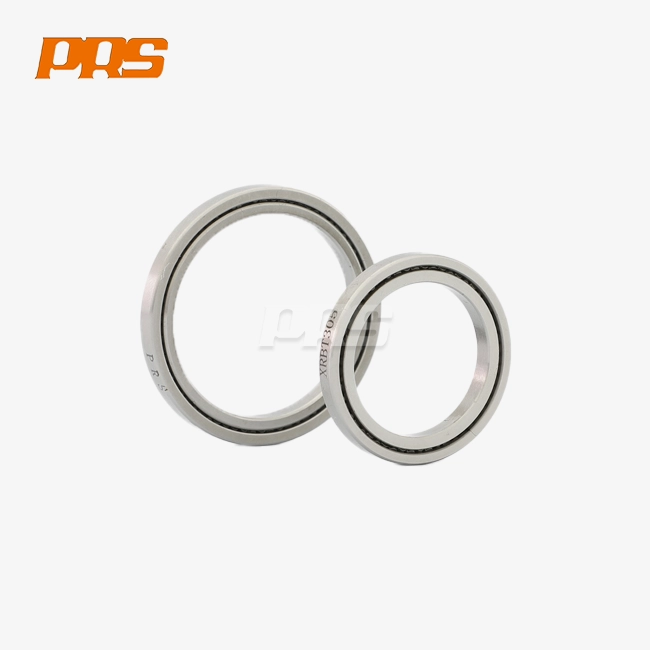 VIEW MORERAU Series Cross Roller Bearing
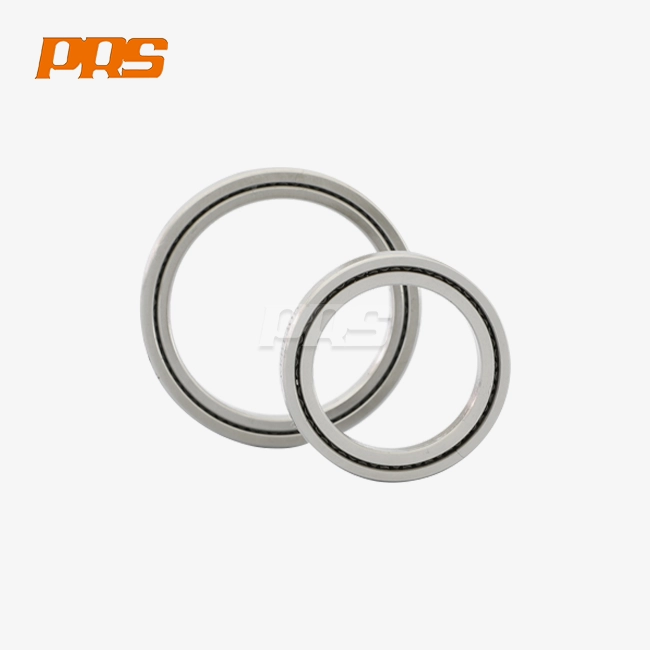 VIEW MORERAU Ultra-thin Crossed Roller Bearings
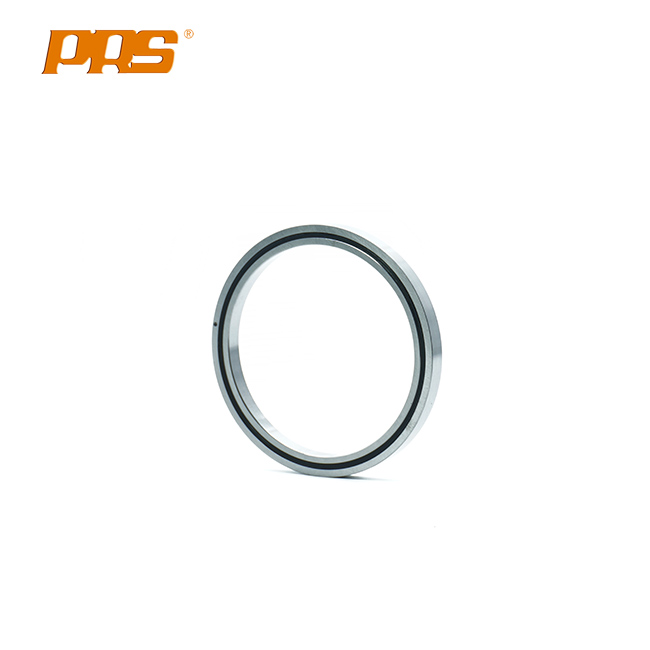 VIEW MOREThin Section Bearings
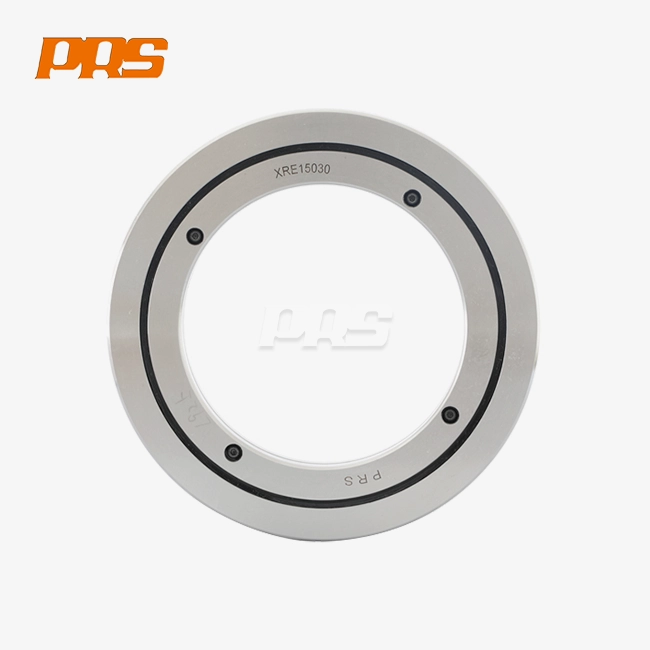 VIEW MORERE Cross Roller Bearings
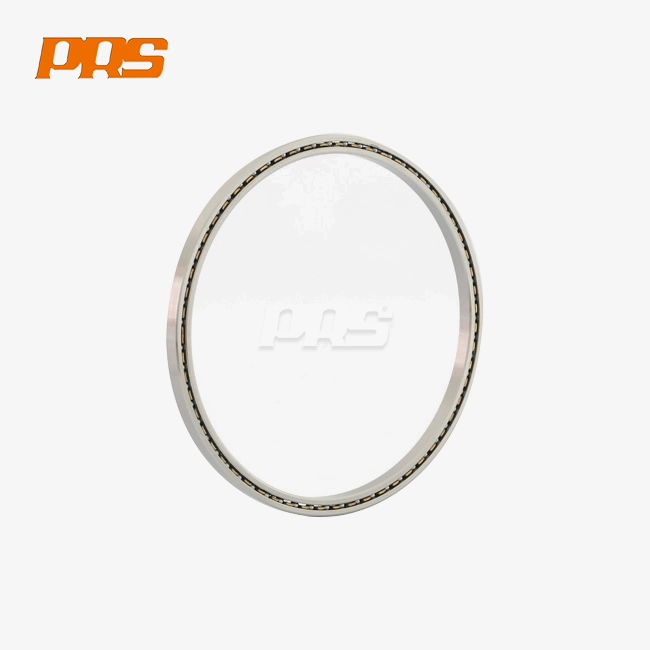 VIEW MOREAngular Contact Ball Bearings Single Row
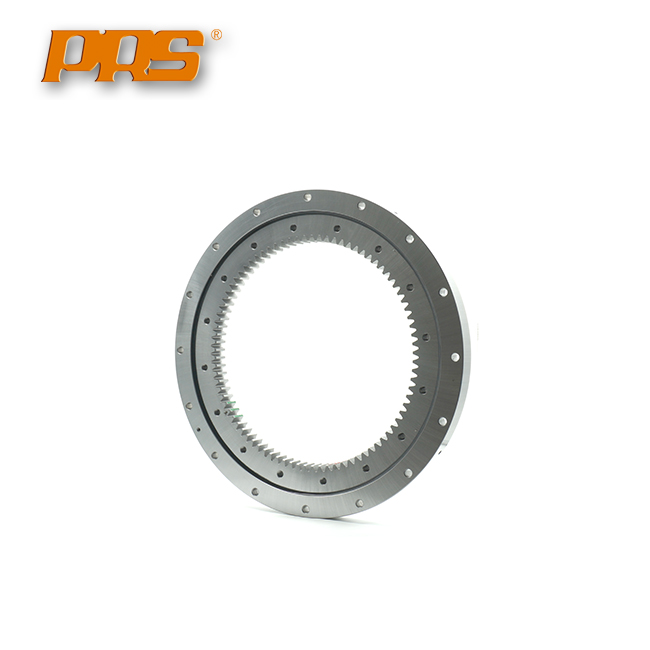 VIEW MOREInner tooth bearings
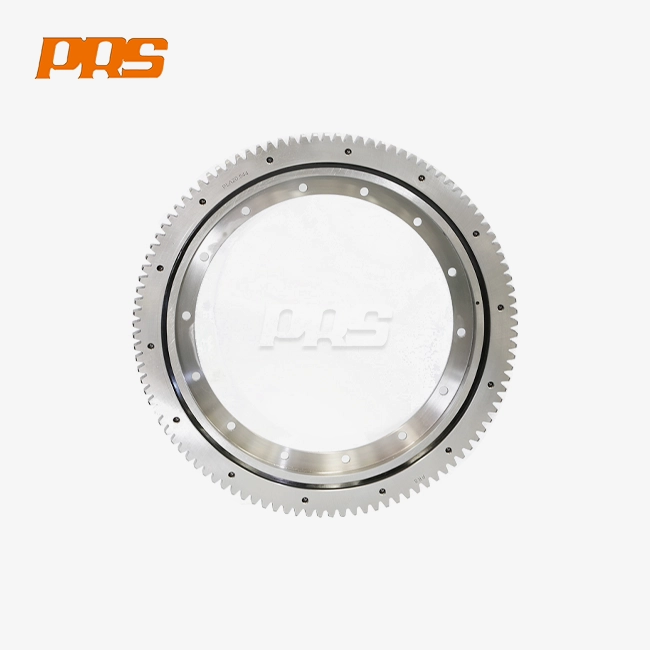 VIEW MOREExternal Gear Slewing Bearing
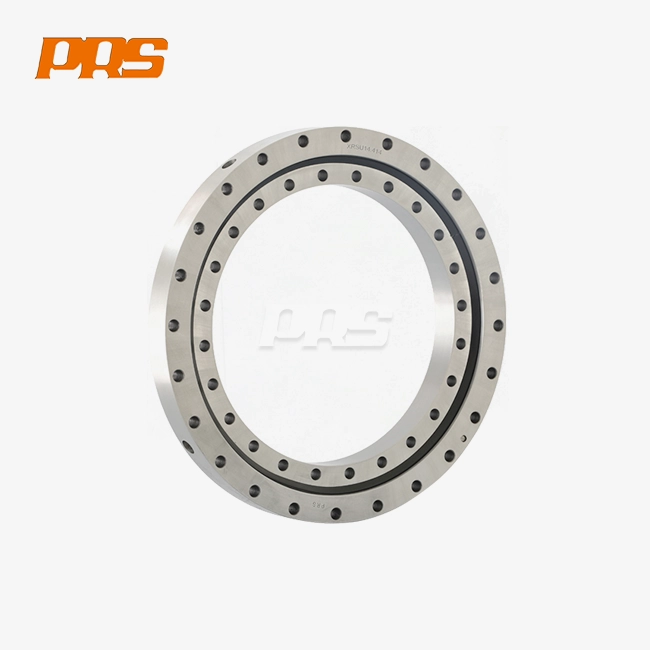 VIEW MOREDouble-Row Angular Contact Ball Slewing Bearings