
How to Select the Right Lathe Machine Bearing Supplier?
Choosing a suitable supplier for lathe machine bearings impacts production stability, equipment longevity, and overall operational costs in metalworking and precision manufacturing. The right partnership delivers consistent quality, technical support, and predictable lead times. Poor supplier choices lead to frequent breakdowns, dimensional inaccuracies, and unexpected downtime that disrupt production schedules. Procurement engineers and maintenance managers must evaluate multiple factors—from precision grades to after-sales service—to secure components that maintain spindle accuracy and load-bearing capacity. This guide provides a structured framework for identifying suppliers who understand your application requirements while delivering reliable products backed by responsive technical support and transparent quality assurance.
Understanding the Core Role of Lathe Machine Bearings in Metalworking
Lathe machine bearings are what make turning possible. They directly affect the quality of the finish, the accuracy of the measurements, and the life of the tools. These parts control the radial and axial loads that are created when cutting, keeping friction and heat buildup to a minimum. Without precision-grade bearings, spindle runout gets worse, which causes vibrations that make it harder to accurately position workpieces and wear out tools faster.
How Bearing Type Selection Affects Precision and Durability
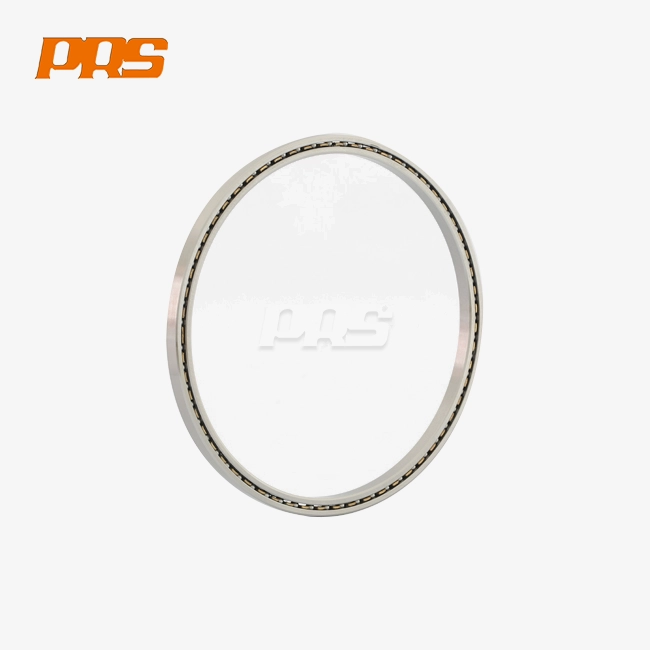
Depending on the load and speed needs, different types of bearings are best for different machine uses. Angular contact ball bearings give precision wheels in CNC turning centers a high level of stiffness, so they can handle combined loads with little deflection. Heavy-duty lathes that work with large-diameter workpieces can handle more radial load with cylindrical roller bearings, but they need a separate thrust bearing support. Tapered roller bearings can handle both radial and thrust loads in a single unit. They are often used in standard engine lathes where reliable performance and ease of assembly are more important than very precise measurements. Choosing the right material is also important. For example, ceramic hybrid bearings keep temperatures from rising too much in high-speed situations, while through-hardened steel bearings work well and don't cost much in normal machining settings.
Recognizing Early Warning Signs of Bearing Failure
Checking the condition of the bearings stops catastrophic failures that stop production and damage the spindle housings. Noises that don't make sense, like grinding, squealing, or clicking that stops and starts, can be caused by dirt, poor greasing, or damaged races. When mobile analysers or built-in sensors pick up on too much shaking, it means that the load isn't being distributed evenly or that the surface is wearing down. If the temperature goes above the usual working range, it means that the lubricant isn't flowing well enough or that the seal is breaking down, letting water in. Errors in spindle positioning during cutting processes are often caused by worn bearings that need more space. Taking care of these problems early on by replacing them on a regular basis stops damage to nearby parts and keeps the quality of the part the same across production runs.

Critical Criteria for Evaluating Lathe Machine Bearing Suppliers
Beyond the specifications of the parts, choosing a supplier also involves looking at their manufacturing skills, quality systems, and the possibility of a long-term relationship. Tough evaluation in many areas lowers the risk of buying things and makes sure the supply chain is strong.
Supplier Credentials and Industry Standing
Companies that have been making bearings for decades tend to have better process controls and more uniform material quality than younger companies that are just getting into the market. Industry certifications like ISO 9001 show that a company is committed to documented quality management systems. On the other hand, ISO 14001 certification shows that a company cares about the environment when it makes things. Customer reviews from similar industries, especially from companies that make machine tools or precision equipment, can tell you a lot about how well a supplier works in the real world and how quickly they respond to your needs. Being a member of an industry group like the American Bearing Manufacturers Association shows that you are interested in developing technical standards and sharing best practices.
Product Portfolio Breadth and Customization Capacity
A broad product range shows that the company can make a lot of different things and has a lot of technical knowledge. Suppliers that offer a range of precision classes, from standard ABEC-1 to ultra-precision ABEC-7 or ISO P4, can meet the needs of a wide range of applications through a single sourcing relationship. When normal catalogue measurements don't work with old equipment or custom machine designs, the ability to customise is important. This includes hole sizes that aren't standard, different seal designs for different types of coolant, or special cage materials for places with very high temperatures. Planning to buy things is affected by minimum order amounts. Suppliers that accept small batch orders make stocking strategies possible that balance the costs of inventory with the risks of wait times.
Quality Assurance and Standards Compliance
Premium suppliers of lathe machine bearing products are distinguished from basic suppliers by strict testing methods, advanced inspection equipment, and comprehensive quality control systems. Coordinate measuring machines are used to verify that the geometry of each lathe machine bearing meets precise tolerances for bore diameter, outer diameter, width, and overall dimensional accuracy. Profilometry measurements confirm smooth raceway surface finishes, which are essential for reducing friction, controlling vibration, and improving rotational stability. Load rating validation through fatigue testing helps confirm the performance capabilities and service life of lathe machine bearing components under demanding machining conditions. Suppliers that comply with ANSI/ABMA standards or DIN specifications can ensure compatibility with precision equipment systems. Material certifications showing steel composition, heat treatment records, and production batch traceability support failure analysis and continuous improvement programs. Regular third-party quality system audits provide independent verification of manufacturing consistency, helping customers achieve reliable performance, longer service life, and stable operation in CNC lathes and industrial machining equipment.
Comparing Supplier Solutions: Features, Pricing, and Value
A good procurement process balances the costs of the initial purchase with the total costs of ownership over the service life. Understanding the factors that affect costs and the trade-offs between performance and cost helps people make smart decisions that are in line with operational priorities.
Cost Structures and Return on Investment Analysis
The price of a bearing depends a lot on its exact grade, the type of material it is made of, and how much it is made. Standard-grade parts that can be used on general-purpose lathes are much cheaper than precision-ground bearings that are needed for high-accuracy turning centers. However, the higher cost of the latter is justified by the longer tool life and lower scrap rate. Tiered pricing is usually unlocked by volume commitments, which makes annual supply agreements appealing for operations that use a lot of goods. However, inventory holding costs, obsolescence risk, and working capital needs must all be included in a total cost study. Premium bearings that last twice as long may cost 40% more at first, but they save money in the long run by cutting down on substitute labour, machine downtime, and the need to buy parts quickly. The real economic value offered can be seen when suppliers are judged on their cost per working hour instead of their unit price.
Sealing Technology and Maintenance Requirements
In contaminated environments like those found in metalworking, the design of the seal has a direct effect on the life of the bearing. Contact seals with nitrile or fluoroelastomer lips do a better job of keeping coolant and metal fines out, but they create friction that limits the fastest speed and need to be properly lubricated. For high-speed applications, non-contact labyrinth seals cut down on friction losses, but they let small particles get in over time. Shielded bearings are a good middle ground because they protect against big contaminants but don't need to be installed with as much accuracy as contact seals. Knowing these trade-offs helps match bearing specs to real-world shop conditions, which impacts how often to re-grease, how often failures happen because of contamination, and how much upkeep work needs to be done.
Load Capacity Alignment with Application Demands
When matching bearing load ratings to the actual operating conditions of a machine, selecting the right lathe machine bearing ensures proper safety factors without creating unnecessary design complexity. Static load capacity is especially important when the load stops rotating during machine startup and shutdown, while dynamic load capacity determines the service life when the load continues rotating under normal working conditions. Cutting forces, tool holders, and workpiece clamping systems often create combined radial and axial loads on lathe machine bearing assemblies, requiring accurate load calculations and proper bearing selection. Based on the duty cycle, experienced suppliers with application engineering support can calculate equivalent loads, evaluate operating conditions, and estimate L10 bearing life. This professional analysis helps prevent premature failures caused by incorrect specifications while avoiding high costs from oversized bearing capacity margins. Choosing a high-quality lathe machine bearing with excellent precision, durability, low vibration, and stable performance improves CNC lathe reliability and supports efficient machining operations.
Maintenance Support and After-Sales Service: What to Expect from a Reliable Supplier
Quality components aren't enough to ensure operating success; quick technical support and thorough service programs are what set excellent providers apart from average ones.
Technical Documentation and Installation Guidance
Mounting mistakes that lead to early bearing failure can be avoided with detailed installation manuals. The right way to heat the bearing, check the press-fit force limits, and check the shaft tolerances guarantees the best preload and alignment. Lubrication requirements that include the type of grease, the amount needed, and how often it needs to be reapplied ensure that the film thickness is right throughout the life of the bearing. Troubleshooting guides connect failure modes to their underlying causes, which helps support teams figure out what's wrong and fix it. Suppliers who provide this documentation—preferably in digital forms with searchable content—shorten the time it takes to set up and improve the efficiency of upkeep.
Warranty Terms and Replacement Part Availability
Clear warranty policies show that the supplier believes in the quality of the product and spell out what to do if a part is broken. Comprehensive warranties that cover material flaws and production mistakes for 12 to 24 months are a good way to protect your investment, given how often bearings are usually inspected. Exclusions for bad installation, not enough lubrication, or damage from contamination are standard in the industry. In addition to warranty periods, dependable suppliers keep common sizes in stock and offer reasonable lead times for custom orders. This access keeps downtime to a minimum when replacement is needed, which helps with planning maintenance and lowers the cost of emergency purchases.
Responsive Communication Channels
When practical problems happen, having direct access to technology experts can significantly speed up the troubleshooting process for lathe machine bearing applications. Professional suppliers that provide comprehensive support for lathe machine bearing products offer multiple communication channels, including phone assistance during business hours, technical consultations through email, and online knowledge resources, allowing customers with different communication needs and urgency levels to receive effective solutions. Clear response commitments for technical questions, product recommendations, and order status updates demonstrate a supplier’s dedication to customer service. Regional support teams with knowledge of local machining standards, equipment requirements, and industrial practices can provide more valuable guidance than remote service centers. By choosing a reliable lathe machine bearing supplier with strong engineering support, fast communication, and after-sales service capabilities, manufacturers can improve equipment reliability, reduce downtime, and maintain stable performance in precision machining operations.
Practical Steps to Finalize Your Supplier Selection
Systematic review processes lower the risk of procurement and build long-lasting relationships that help the company reach its goals.
Segmenting Requirements by Application and Volume
Depending on the bearing uses in your facility, you may need to use different sourcing strategies. When tight tolerance work needs to be done on high-precision CNC turning centers, they need high-quality bearings where performance stability is more important than cost. Standard-grade parts can be used in conventional lathes for roughing operations, which gives good performance at a lower cost. By dividing needs into groups like this, you can build relationships with specific suppliers, like precision bearing makers for important applications and general distributors for common parts. Volume analysis finds chances for yearly supply deals that protect capacity, lock in prices, and make a customer a chosen one for when supply is limited.
Sample Testing and Pilot Program Implementation
Asking for sample bearings to be tested in real production settings gives you valuable information about how they work before you commit to buying a lot of them. By putting test bearings in standard machines, it is possible to keep an eye on shaking patterns, temperature profiles, and sound signatures while the machines are actually running. When you compare samples from a new provider to goods from the current seller, you can see differences in performance that might not be listed in the catalogue. Running test programs for three to six months gives you enough information to figure out how reliable they are while also limiting your risk if quality problems show up. By writing formal evaluation reports about these trials, you can back up your procurement decisions with objective evidence and set baseline metrics for monitoring supplier performance over time.
Negotiating Terms and Building Partnership Framework
Effective seller deals include more than just prices. They also include guarantees for quality, on-time delivery, and ways to keep getting better. Payment terms that balance the needs of cash flow with the financial stability of the supplier are good for relationships. Consignment inventory programs lower the amount of working capital needed while still making sure that parts for high-demand items are always available. Setting up quality agreement papers with clear inspection criteria, acceptance sample plans, and corrective action steps stops disagreements and encourages better work. Regular business reviews that look at delivery performance, quality data, and how quickly technical support responds help keep everyone on the same page and find ways that everyone can benefit. These parts of a partnership make the supply chain strong so it can handle changes in the market and support long-term operating success.
Conclusion
To find the right bearing provider for a lathe machine bearing, you need to carefully evaluate their technical capabilities, quality control systems, manufacturing experience, and service commitment. A reliable lathe machine bearing supplier should balance precision requirements, product durability, and delivery reliability to ensure customers receive accurately manufactured components with responsive technical support. The procurement evaluation process should include product quality assessment, cost analysis, material performance verification, and long-term supplier partnership development. By selecting high-quality lathe machine bearing solutions with excellent machining accuracy, low vibration performance, high load capacity, and stable rotational efficiency, manufacturers can reduce operational risks and prevent unexpected equipment downtime. Careful supplier screening helps build strong partnerships that improve factory productivity, support precision machining operations, and provide continuous technical collaboration. As industrial demand for higher accuracy and more complex manufacturing processes increases, strategic cooperation with professional lathe machine bearing suppliers becomes a competitive advantage that extends beyond simple component purchasing and supports long-term innovation in CNC machining, metalworking, and automated production systems.
FAQ
What Is the Expected Lifespan of Lathe Spindle Bearings Under Normal Operating Conditions?
How long a bearing lasts relies on how much weight is on it, how fast it spins, how well it is oiled, and the situations where it is used. Precision angular contact bearings in CNC lathe spindles can usually last between 20,000 and 30,000 hours of use before they need to be replaced. This is provided they are properly maintained and oiled and contaminated. Heavy-duty uses with heavy loads or continuous use may cut this down to 15,000 hours, but lighter-duty precision work can make the bearing last longer than 40,000 hours. Tracking changes in temperature and vibration patterns can help you figure out how long something will last and when to replace it so that it doesn't break down in the middle of an emergency.
How Do Ball Bearings Compare with Roller Bearings for Lathe Applications?
Ball bearings are great for uses that need high rotation speed, low friction, and the ability to handle a combined load. Their point contact design works well with precision wheels that need to be very strong and accurate. Roller bearings can handle more rotational load through line contact, which makes them perfect for heavy-duty lathes that work with big pieces of metal. Cylindrical rollers work well with pure radial loads, but they need their own thrust bearings. Tapered rollers can handle combined loads in an easier way. They are often used in standard lathes where sturdy performance and ease of assembly are more important than ultra-precision. The best bearing type is chosen by analysing the application in terms of speed, load, and accuracy needs.
Can Suppliers Provide Custom-Sized or OEM-Branded Bearings for Specialized Equipment?
Trustworthy bearing makers keep their engineering skills up to date so they can make special solutions for customers with specific size or performance needs. This includes non-standard pairings of hole and outer diameter, changed width measurements, unique cage materials, or custom seal designs. OEM naming programs let equipment makers choose bearings with their own brand on them while still getting them from specialised bearing makers. For customisation, minimum order quantities are usually needed to justify the cost of tools, and lead times can be anywhere from 8 to 16 weeks, depending on how complicated the job is. Getting suppliers involved early in the design process of equipment makes sure that the bearing specifications match the manufacturing capabilities and cost goals.
Partner with PRS for Precision Lathe Machine Bearing Solutions
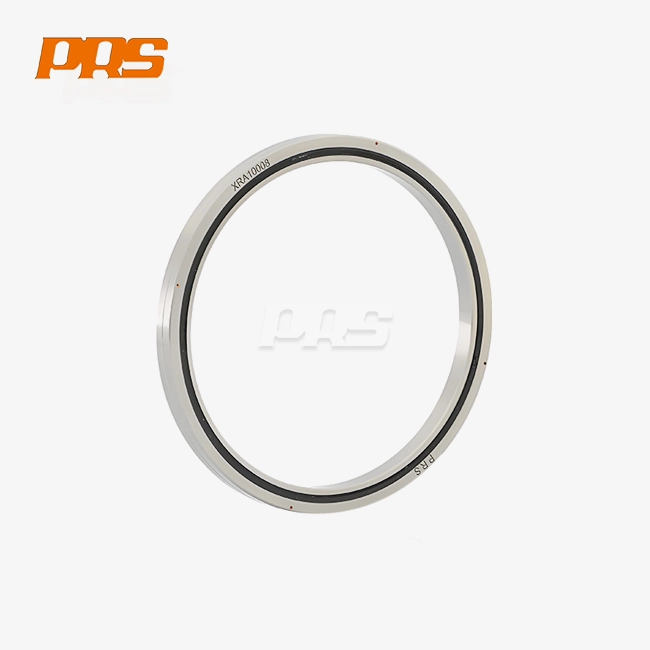
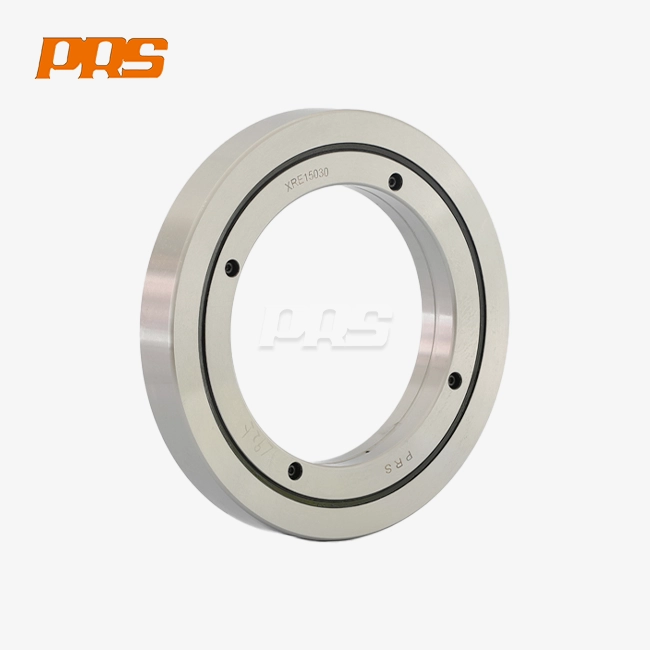
Manufacturers who combine technical know-how with customer-focused service are needed to build trusting relationships with suppliers. Our research team at Luoyang PRS Precision Bearing Co., Ltd. has been making high-precision bearings for tough industrial jobs for more than twenty years. We offer angular contact ball bearings with precision grades of P4 and P2, crossed roller bearings with high rigidity for precision spindles, and custom bearing assemblies made to fit the needs of each piece of equipment. Manufacturers can make things in non-standard sizes and shapes that are designed to solve the problems that machine tool builders face. Contact our technical team at ljh@lyprs.com to talk about your lathe bearing needs with experts who know how precise metalworking needs to be and can help you find the best solutions as your reliable lathe machine bearing supplier.
References
1. Harris, T.A. & Kotzalas, M.N. (2006). Rolling Bearing Analysis: Essential Concepts of Bearing Technology. CRC Press, Taylor & Francis Group.
2. American Bearing Manufacturers Association. (2018). ANSI/ABMA Standard 20-1996 (R2018): Radial Bearings of Ball, Cylindrical Roller and Spherical Roller Types - Metric Design. ABMA, Washington, D.C.
3. Khonsari, M.M. & Booser, E.R. (2017). Applied Tribology: Bearing Design and Lubrication, Third Edition. John Wiley & Sons, Ltd.
4. ISO 492:2014. Rolling Bearings — Radial Bearings — Geometrical Product Specifications (GPS) and Tolerance Values. International Organization for Standardization, Geneva.
5. Eschmann, P., Hasbargen, L., & Weigand, K. (1985). Ball and Roller Bearings: Theory, Design and Application, Second Edition. John Wiley & Sons.
6. NSK Ltd. (2019). Precision Machine Tool Bearings: Technical Report CAT. No. E728g. NSK Motion & Control Technical Center.

USER EVALUATE
Here is the customer's evaluation of us