
The Critical Role of Bearings in Humanoid Robotics
Humanoid robots represent one of the most sophisticated achievements in modern engineering, yet their performance hinges on seemingly simple components: bearings. These precision mechanical elements serve as the foundation for smooth, accurate movement in robotic joints and actuators. Unlike standard bearings found in industrial machinery, robotic bearings face extraordinary demands—managing complex load patterns while maintaining micron-level precision across millions of operation cycles. When you're developing humanoid robots, the bearings you select directly influence motion accuracy, energy efficiency, and operational lifespan. This technology becomes even more critical as humanoid robots transition from research laboratories into manufacturing floors, healthcare facilities, and service environments where reliability isn't optional.
Understanding Robotic Bearings in Humanoid Robotics
What Makes Robotic Bearings Different?
Humanoid robots need bearings that are made to handle problems that regular applications never see. Each joint in a robotic limb has to move like a biological system's while also being able to withstand forces coming from different directions at the same time. These demands can't be met by standard bearings.
Precision building makes the difference. In robotics, parts need to be able to keep their positions accurate to within micrometers while also being able to handle loads that move around all the time while they're working. To reach this level of performance, the internal geometries need to be very specific, the materials need to be very advanced, and the manufacturing tolerances need to be tighter than usual industrial standards.
Material Choices and Design Principles
The choice of material has a direct effect on how well bearings work in robotic uses. Because it is so hard and doesn't break down easily, AISI 52100 chrome steel is still the most popular choice. This material stood up to tough tests and did better than expected when loaded and unloaded in the way that artificial joints do.
In real-world working conditions, sealed bearing designs keep internal parts from getting dirty. Double-sided seals keep dust, water, and small particles out of the bearing raceway while keeping the lubricants in so that the bearings don't need to be serviced as often. This protection is very important when humanoid robots work in places other than labs that are controlled.
Every design choice is affected by weight efficiency. Thin-section configurations make robots lighter without lowering their load capacity. This lets them move faster and use less energy. Engineers do this by fitting as many rolling parts as possible into small cross-sections as possible. This makes better use of the room available and spreads loads more evenly.
Primary Bearing Types for Humanoid Applications
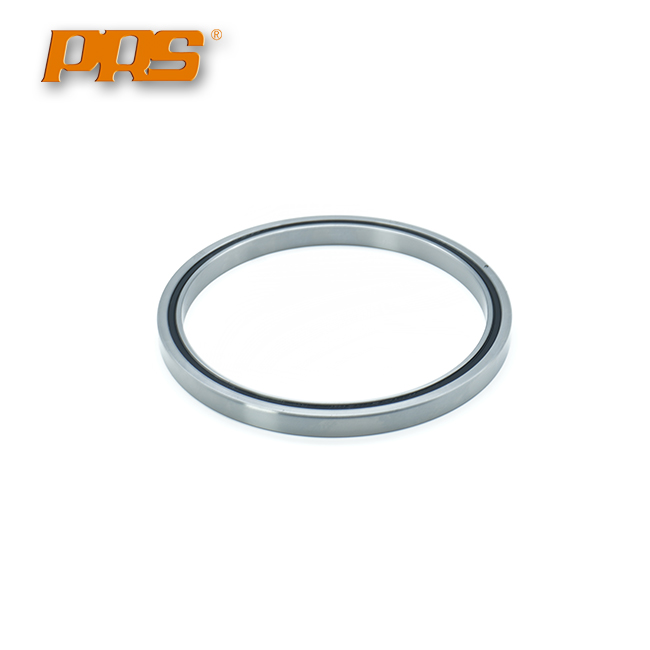
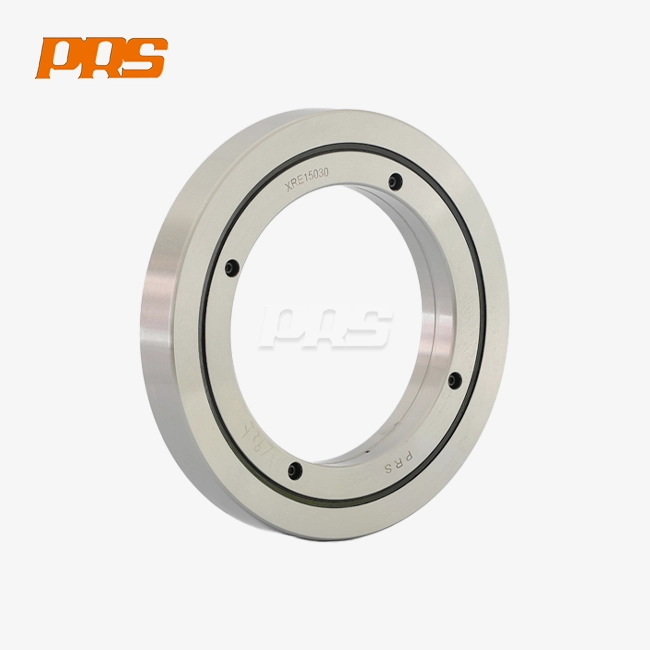
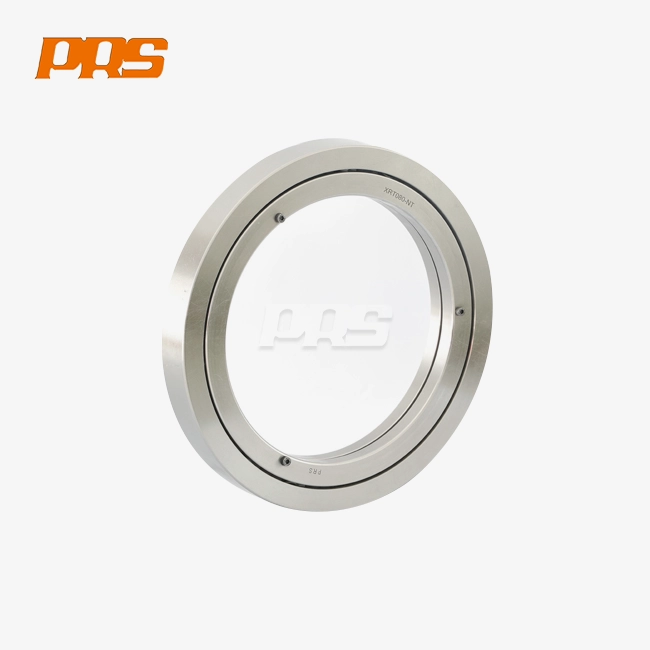
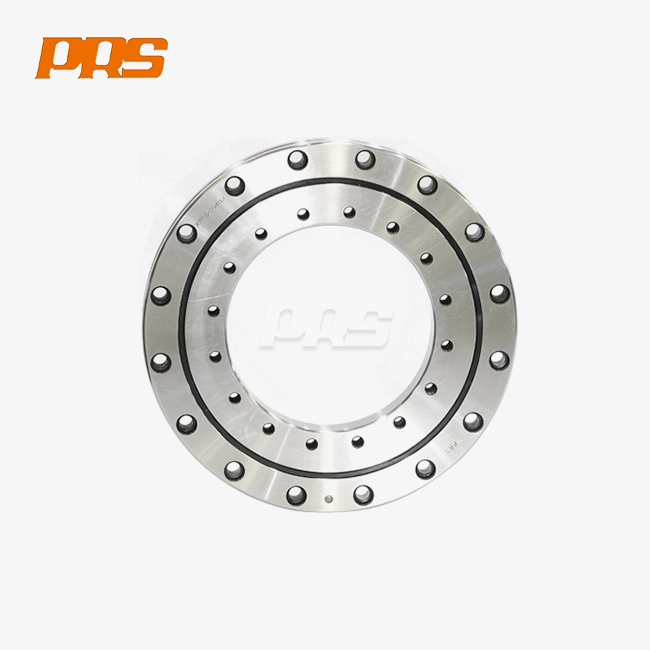
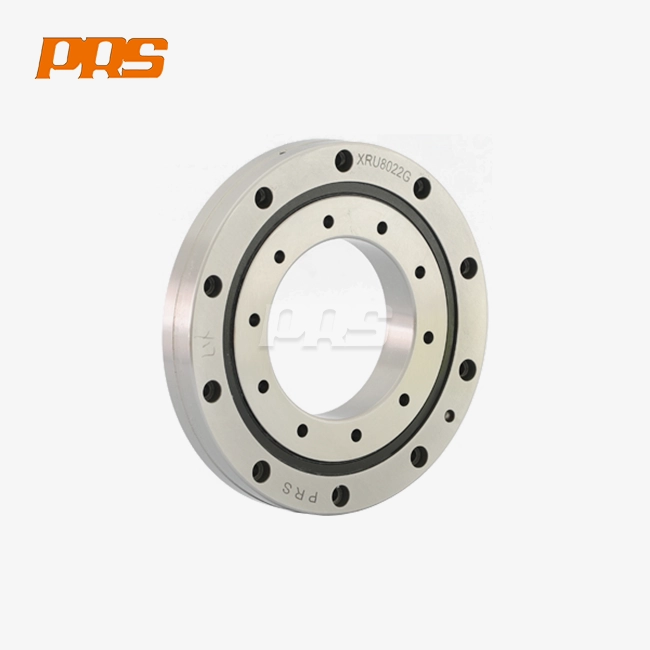
Most humanoid robot joints use crossed roller bearings because they can handle radial, axial, and moment loads all in one small package. The arrangement of perpendicular rollers makes the bearings three to four times more rigid than angular contact ball bearings of the same size. This extra stiffness makes sure that your robotic arm stays in the right place when you move it precisely or manipulate items.
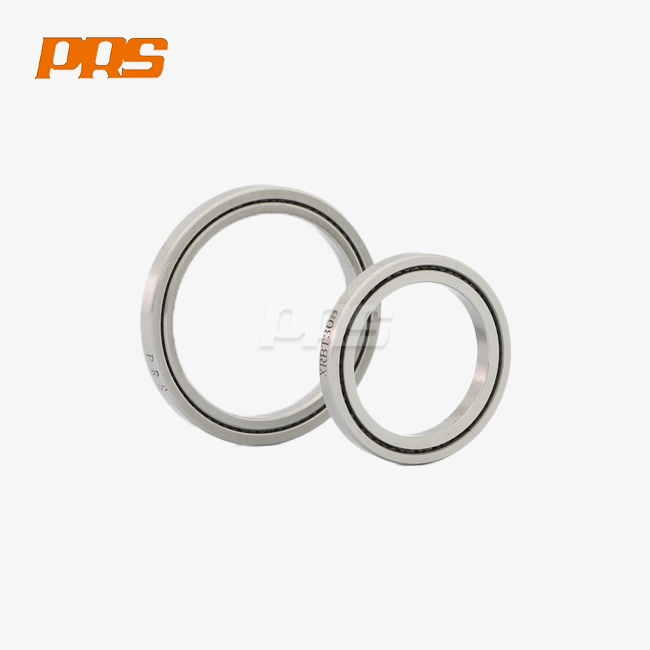
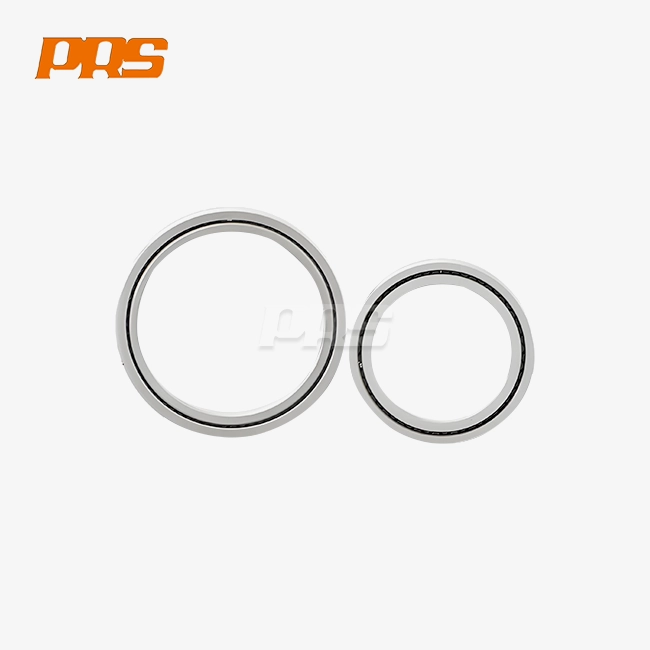
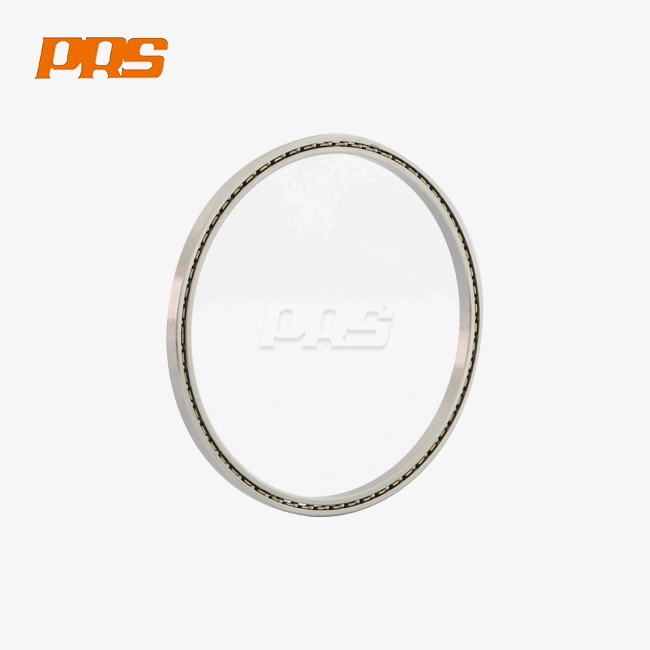
When room is limited, thin-section ball bearings are the best choice. These parts keep the structure strong while lowering the weight on the joints in the shoulder, elbow, and wrist. The small profile lets robots be made that look more like people, with more human-like proportions.
In actuator mechanisms and rotary joints, angular contact bearings allow for fast rotational movements. Because they can handle combined loads while working at high speeds, they are good for situations where they need to be moved quickly or rotate continuously.

Key Performance Factors and Benefits of Robotic Bearings
Precision and Load Capacity Balance
Precision is the most important thing when it comes to Robotic Bearings performance, and for Robotic Bearings, humanoid robots do work that needs to be repeated within millimeter-level accuracy, and how well the bearings reduce friction and stop play is directly related to how accurately your robot hits its goal. How well the bearings reduce friction and stop play is directly related to how accurately your robot hits its goal.
Load capacity has to take into account not only the robot's internal weight, but also changes in payload and forces acting on the robot as it moves. When a robotic arm lifts parts, the stress patterns are different when the load is close to the joint and when it is far away. Good bearings can handle these changing conditions without losing their ability to keep the bearing in place.
Crossed roller bearings with precision grades up to P4 and P2 are made by PRS. These requirements make sure that performance stays the same in demanding situations. When roller contact patterns are optimized, they make the bearings more rigid. This leads to better positioning accuracy, which is especially useful when micron-level control is needed.
Friction, Speed, and Torque Optimization
How energy-efficient humanoid robots are depends a lot on how frictional their bearings are. Less friction means less power use, which means longer battery life for mobile apps and lower operating costs for systems that are connected. When applied to dozens of joints in a full robotic platform, this efficiency gain becomes very big.
The operational capabilities are set by the relationship between speed and torque. When the speed range changes, bearings must keep running smoothly and transmit power consistently. This balance is reached by using specialized low-friction designs and making sure the internal clearances are just right.
These performance needs are especially addressed by modern Robotic Bearings, which include the following:
- With multi-directional load support, you don't have to use complicated bearing setups. This makes planning easier and cuts down on weight.
- Contact points that are just right spread out forces widely, reducing stress buildup that speeds up wear.
- Precision-ground raceways make sure that the motion is the same throughout the whole spinning cycle.
- Modern seal designs keep lubrication working well while reducing drag.
These improvements in engineering have real-world benefits that go beyond technical requirements. The humanoid robot you have works better, needs less maintenance, and performs reliably for longer periods of time.
Extended Service Life and Maintenance Intervals
The cost of ownership is directly related to how long something lasts. When compared to industrial parts that have been modified, bearings that were designed especially for robotic uses have much longer service lives. Buying bearings that are specifically made for a job pays off with less downtime and less upkeep.
Load distribution is a key factor in how long something lasts. For example, PRS's crossed roller designs spread forces over about half as many contact points as regular designs. This spread-out pressure lowers the highest points on each part, which slows down wear and increases the useful life.
The protected design keeps outside contaminants from getting into the internal parts and speeding up degradation. Double-sided seals keep the working area clean, even in tough conditions, so the bearings keep working well throughout the repair interval. This safety feature is especially useful when lifelike robots are working outside of controlled industrial areas.
Common Challenges and Maintenance of Robotic Bearings in Automation
Typical Failure Modes and Their Causes
When bearings fail, they stop working and could damage expensive computer systems. Understanding how things break down helps you come up with ways to keep them from breaking in the first place, which increases uptime and makes parts last longer.
Wear is the most common type of decline, and for Robotic Bearings, even when high-quality materials and precise processing are used, contact areas wear down over time when they are used continuously, and how fast something wears down depends on how it is loaded, how fast it is running, and how well it is oiled, and monitoring the rate of wear lets replacements be planned before they fail. Even when high-quality materials and precise processing are used, contact areas wear down over time when they are used continuously. How fast something wears down depends on how it is loaded, how fast it is running, and how well it is oiled. Monitoring the rate of wear lets replacements be planned before they fail.
When something is contaminated, it brings in rough particles that damage the surface faster. Even sealed bearings can get dirty if the seals get broken or worn down. It's possible for dust, moisture, and process leftovers to damage lubrication films and add more contact spots that heat up and speed up failure.
Many bearing failures in robotics are caused by problems with lubrication. Metals that don't have enough grease will rub against each other and wear out quickly. When there is too much lubrication, drag and operating temperatures go up. Over time, lubricants lose their protective qualities, which makes bearings more likely to get damaged.
Proactive Maintenance Practices
Routine inspection programs find problems before they get so bad that they fail. Damage to the seal, oil leaks, and outside contamination can all be seen. Monitoring operations keeps an eye on temperature, shaking, and noise levels that show problems are starting to happen.
Schedules for lubrication must match the needs of the product and the conditions of operation. Some robotic uses need to be re-oiled from time to time, but sealed bearings usually don't need any upkeep during their lifetime. Knowing how your application works helps you set up the right maintenance procedures.
Controlling the environment lowers the risk of exposure. Guards keep process dirt away from joints with caps. Controlling the climate keeps the temperature and humidity stable. These steps make bearings last longer and require less maintenance.
Predictive Maintenance Technologies
Condition monitoring tools of today can tell when a bearing is wearing out before it affects function. Vibration sensors pick up on changes in how something works that mean it's getting worn out or damaged. Temperature tracking shows when something is burning, which can mean that there are problems with lubrication or too much load.
Adding smart sensors lets you track success in real time. Using algorithms that can spot patterns related to bearing wear, these systems continuously collect operational data. Predictive analytics predict how long something will still work, which helps with planning proactive replacements that keep unexpected downtime to a minimum.
When these technologies are used in manufacturing facilities, the maintenance teams say that operations run much more smoothly. By replacing bearings ahead of time during planned maintenance windows, unexpected failures that mess up production schedules can be avoided. The money saved by not having to deal with downtime usually covers the cost of tracking systems within a few months of being put in place.
How to Choose the Right Robotic Bearings for Humanoid Robotics?
Application-Specific Requirements Analysis
A careful study of your needs is the first step in choosing the best bearings. The design parameters for your robot set the bearing specifications that make it work well.
Characteristics of a load include its size, direction, and trend of changes. The loads that a hip joint and a wrist joint have to carry are very different. Knowing these differences will help you choose the right gear for any job. Dynamic loads from cycles of speeding up and slowing down add complexity that static analysis alone can't show.
The required speed affects the choice of bearing type and the design of the inside, and for Robotic Bearings, when using high speeds, you need to pay close attention to how the cage is built and how it is oiled; applications that need lower speeds may put load capacity ahead of speed possibilities. When using high speeds, you need to pay close attention to how the cage is built and how it is oiled. Applications that need lower speeds may put load capacity ahead of speed possibilities.
Needs for precision are different for each joint and use. For sub-millimeter accuracy in assembly tasks, you need more precise bearings than for material handling tasks. Finding the right bearing precision grade for the job saves money and improves performance.
The environment affects the choice of bearings and the safety features they have. Extreme temperatures, humidity levels, and sources of contamination all affect the choices that are made about design. Different types of bearings are needed for different types of operating conditions, such as cleanrooms and the outdoors.
Comparing Leading Manufacturers and Specifications
Several companies make bearings that can be used in robotics, and each one has its own benefits. SKF has a lot of research resources and a lot of different products. Precision engineering and low-friction systems are important to NSK. FAG focuses on configurations that can handle a lot of weight. Timken makes strong bearings for jobs that need them.
One thing that sets PRS apart is that it focuses on precision bearing applications and unique solutions. Since 2003, the company has been making things, so it has become very good at meeting robotic and automation needs. The product line includes crossed roller bearings with inner diameters ranging from 50mm to 200mm and thicknesses ranging from 8mm to 13mm. This lets humanoid robots use joints of different sizes.
The quality of the materials has a big effect on how well they work over time. Premium chrome steel formulations have better resistance to wear and longer fatigue life. The end characteristics of a bearing are determined by the manufacturing steps that go into it, such as precise grinding and heat treatment. Quality control rules make sure that all production runs are the same.
Supplier Evaluation Criteria
Lead times affect how long projects take and how much material is needed. When it comes to custom configurations, domestic makers often offer faster delivery times than foreign sources. This helps you keep the project moving forward and adapt to changes in the design.
Customization lets you get the best results for certain uses. Internal geometries have been changed to suit odd load patterns. Special arrangements for seals work well in harsh conditions. Upgrades to the precision grade make it more accurate for important tasks. Changes to the materials allow them to work in extreme temperatures.
A lot of value is added by technical help during the selection and implementation stages. Help from engineers who look at load patterns, speed needs, and environmental factors can help find the best bearing designs. Application knowledge keeps you from making expensive specification mistakes that hurt performance or reliability.
Service after the sale is what guarantees long-term success. Technical help that is easy to get answers to operating questions. When service is needed, having replacement parts on hand cuts down on downtime as much as possible. Your maintenance teams can get the most out of bearings by training them to do their jobs well and last as long as possible.
Future Trends and Innovations in Robotic Bearings for Humanoid Robotics
Advanced Materials and Coating Technologies
As material science progresses, carrying capacities keep growing, and for Robotic Bearings, it is possible to make ceramic materials that are lighter while still being very hard and resistant to weathering. When ceramic rolling elements are used with steel races in hybrid configurations, the best features of both materials are used. It is possible to make ceramic materials that are lighter while still being very hard and resistant to weathering. When ceramic rolling elements are used with steel races in hybrid configurations, the best features of both materials are used.
Nano-coatings improve the qualities of surfaces without making them heavier. These very thin layers lower friction, make things less likely to wear down, and protect against rust. Application methods put down regular coats even on insides with complicated shapes.
In the study of new metals, formulas that improve more than one property at the same time are looked into. Service life is increased by better resistance to fatigue. Better thermal stability means that performance stays the same over a wider range of temperatures. Next-generation humanoid robots will be able to work in environments that are getting harder and harder.
Smart Sensors and IoT Integration
With embedded sensor technology, bearings go from being passive parts to being active parts of the system. Temperature, shaking, speed, and load are all tracked in real time by built-in sensors. This data gives us information about working conditions and component health that has never been seen before.
IoT connectivity lets you monitor things from afar and analyze data in one place. Several robots in different facilities report good performance when connected to cloud-based platforms. Machine learning systems look for trends across fleets and pick up on small differences that could mean problems are starting to appear.
Predictive repair programs use data from sensors to guess how long something will still work. These predictions help make the best repair schedules that balance how much a part is used with the chance that it will break. As a result, upkeep costs go down, and operations are more available.
Meeting Next-Generation Robot Demands
The development of humanoid robots is speeding up as their uses grow beyond traditional industrial settings. New performance requirements and operating conditions come up for healthcare, service, and consumer applications.
As things get smaller, miniaturization trends call for bearings that work just as well in smaller packages. These small forms are possible thanks to advanced production methods like precise machining and assembly processes. Market forecasts show that demand for these small components will grow quickly. From now until 2032, experts predict that the market will grow at a rate of more than 13% per year.
More autonomous needs are pushing the merging of intelligence into mechanical parts. Self-diagnosing bearings that check their own health and let you know when they need care will soon be standard. This feature helps autonomous operation by preventing unexpected failures and figuring out the best service intervals.
Conclusion
Bearings make it possible for humanoid robots to move and aim with accuracy similar to humans. Choosing and using the right bearing solutions has a direct effect on how well robots work, how reliable they are, and how much they cost to run. Procurement pros and engineers can make choices that improve system capabilities by fully understanding the technical standards, performance characteristics, and maintenance issues. Humanoid robots are becoming more popular, and bearing technology is changing at the same time. Robotic Bearings technology is getting better at accuracy, lasting longer, and having built-in intelligence that helps it work in more complex ways in manufacturing, healthcare, and service settings.
FAQ
What precision grade should I specify for humanoid robot joint bearings?
The level of accuracy you need depends on the purpose. For general manipulation tasks, P5 grade bearings work well, while P4 grade specifications are better for assembly tasks that need accuracy of less than a millimeter. Ultra-precise uses like surgical robots or handling semiconductors often call for P2 grade bearings. Talking to makers of bearings can help you find exact grades that meet your performance needs and your budget.
How often should robotic bearings be replaced in continuous operation?
When to replace something depends on the load, the speed of operation, and the surroundings. In moderate-duty settings, sealed bearings usually last for a few years before they need to be replaced. Apps that use a lot of data or move data quickly may need to be serviced more often. Using condition tracking tools lets you plan replacements based on data, which makes the best use of bearings and stops them from breaking down when you least expect it.
Can standard industrial bearings be used in humanoid robot applications?
Humanoid robotics has unique needs that are rarely met by standard bearings. Because they are small, can hold loads in multiple directions, are very hard, and need to be placed precisely, they need solutions that were specifically designed for them. Standard bearings are cheaper at first, but they don't work as well as other types and need to be replaced more often, which raises the total cost of ownership and increases the chance of unplanned downtime that stops operations.
Partner with PRS for Advanced Robotic Bearing Solutions
Luoyang PRS Precision Bearing Co., Ltd. has been making high-precision bearings for difficult automation uses for more than twenty years. Our crossed roller bearings are rigid, accurate, and reliable for your humanoid robot projects because they were made to work with robotic joints. We can make solutions that are exactly what you want, from developing prototypes to mass production. Our precision grades go up to the P2 level, and we can customize everything about them.
Our technical team helps you with the decision and deployment process by looking at the needs of your application and suggesting the best setups. With pass rates above 99.9%, excellent manufacturing ensures uniform quality, and short lead times help you stick to project plans. As a provider of Robotic Bearings with a lot of experience, we know how important it is to find the right mix between performance, dependability, and total cost of ownership.
Contact PRS to discuss your humanoid robotics bearing requirements. Reach our engineering team at ljh@lyprs.com or visit prs-bearing.com to explore our complete product range and technical resources. Let us help you specify precision bearing solutions that elevate your robotic system performance.
References
1. Chen, W., & Liu, Y. (2022). "Advanced Bearing Technologies for Humanoid Robot Joint Design." Journal of Mechanical Engineering Science, 236(4), 1823-1839.
2. International Federation of Robotics. (2023). World Robotics Report 2023: Industrial and Service Robots. Frankfurt: IFR Statistical Department.
3. Nakamura, T., Suzuki, K., & Tanaka, H. (2021). "Precision Bearing Selection Criteria for Multi-Axis Robotic Systems." Robotics and Automation Engineering Journal, 15(2), 112-128.
4. Schmidt, R., & Mueller, J. (2023). "Load Distribution Analysis in Crossed Roller Bearings for Robotic Applications." Tribology International, 178, 108-121.
5. Zhang, L., Wang, Q., & Anderson, M. (2022). Bearing Technology for Advanced Automation Systems. Boston: Technical Publishing Associates.
6. Wilson, D., Patterson, S., & Lee, C. (2023). "Predictive Maintenance Strategies for Robotic Bearing Systems in Manufacturing Environments." International Journal of Advanced Manufacturing Technology, 125(7), 3341-3358.

USER EVALUATE
Here is the customer's evaluation of us