
Can Slim Bearings Reduce Size While Maintaining Mechanical Performance?
Yes, modern slim bearings can significantly reduce equipment size while maintaining mechanical performance through advanced materials and precision engineering. These ultra-thin components achieve thickness reductions up to 70% compared to standard bearings, yet maintain comparable load capacities through optimized internal geometry and high-grade materials. The 5mm cross-section design demonstrates that miniaturization doesn't necessitate performance compromise when engineering principles align with application requirements. This makes thin-section bearings particularly valuable for space-constrained industries like robotics, medical devices, and aerospace systems.
Understanding Slim Bearings and Their Mechanical Functionality
What Defines a Thin-Section Bearing?
Precision bearing technology has a special group of bearings called thin-section bearings. The most important feature is that the cross-sectional dimensions are much smaller than in conventional designs, but the bore diameter capabilities are the same. Imagine holding a standard bearing that has an outer diameter of 50 mm and a width of 10 mm. Now imagine getting the same rotational performance with a thickness of only 5 mm. That fundamental change describes the engineering feat that went into making these parts.
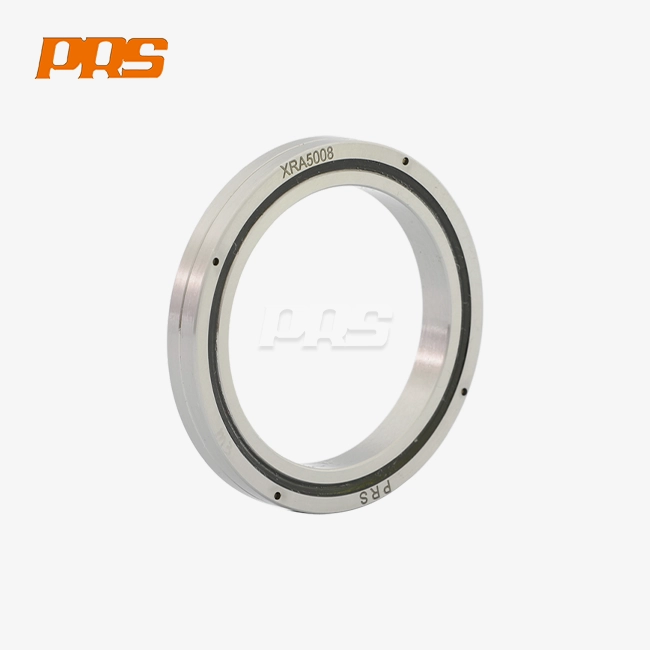
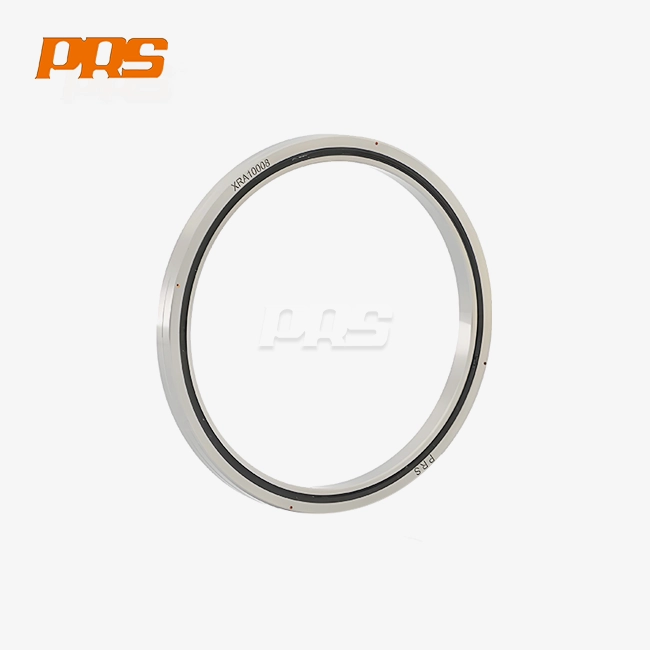
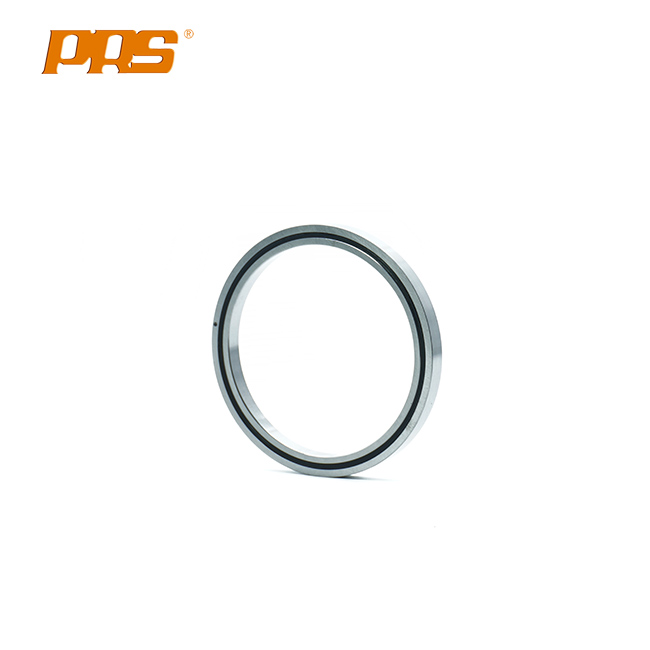
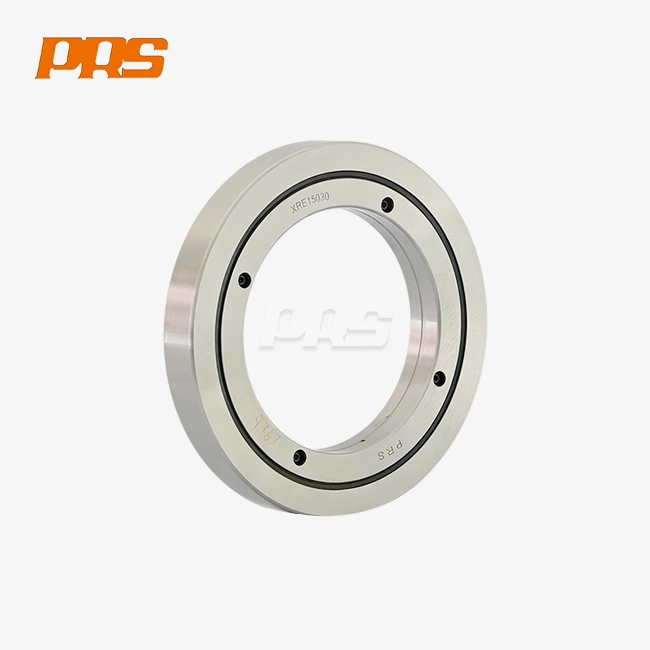
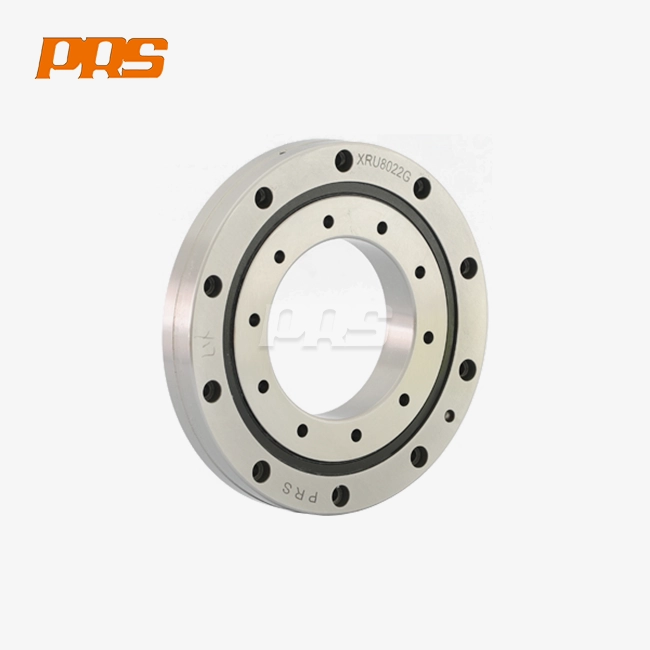
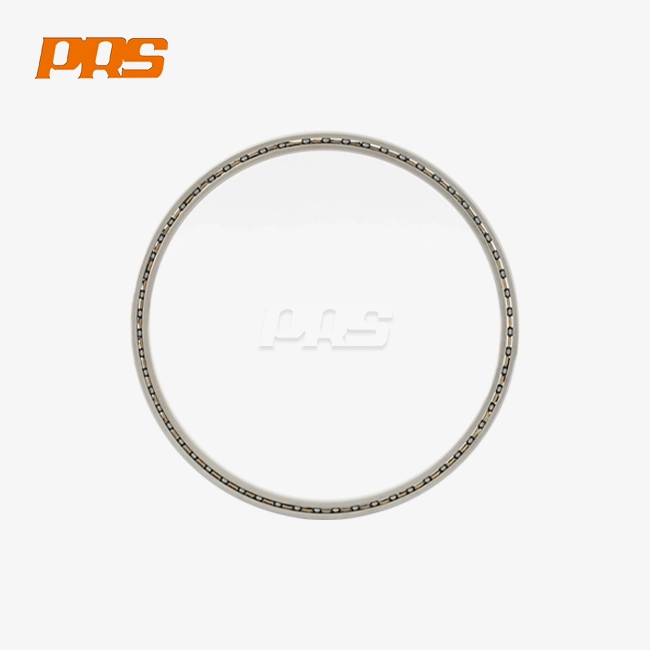
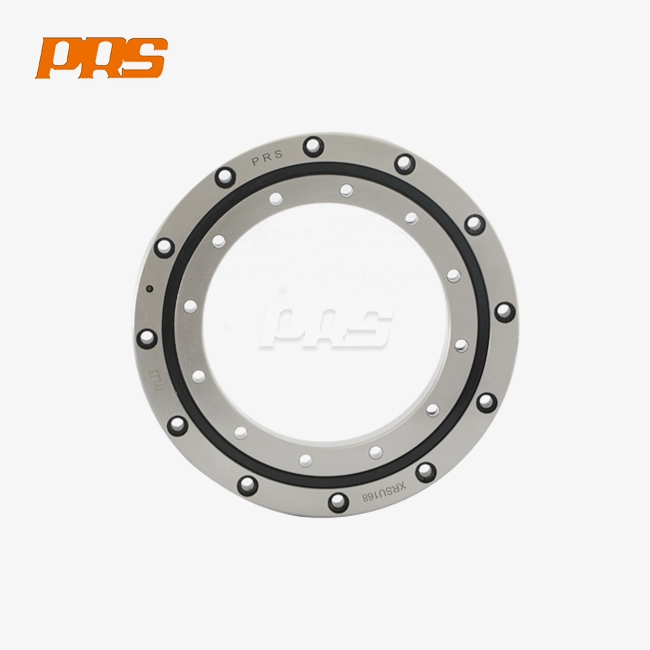
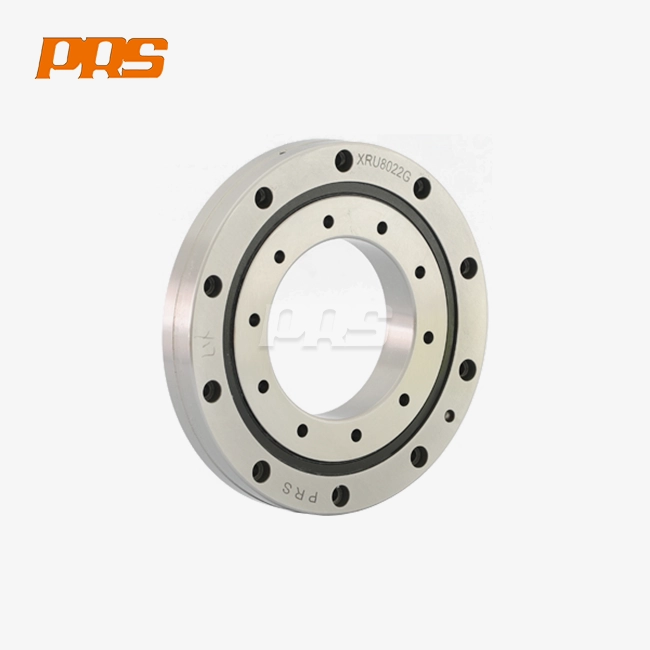
The internal architecture features precisely machined raceways accommodating optimized ball or roller arrangements within constrained spaces. This configuration ensures smooth rotation while handling radial, axial, and moment loads effectively. PRS slim bearings have double-sided seals that keep the oil in and keep the internal parts from getting dirty. This makes them last longer, even in harsh settings.
How Load Distribution Works in Compact Designs?
Even though these bearings have smaller sizes, they can still handle heavy loads very well thanks to smart design changes. The engineering challenge involves preserving structural integrity within compact parameters. Precision ball complement and calculated spacing maximize load distribution while minimizing friction and wear across contact surfaces.
Material selection plays a critical role in performance maintenance. High-grade steel construction in PRS bearings provides the necessary hardness and rigidity characteristics. Advanced metallurgy ensures these components maintain positional accuracy under varying load conditions. Ceramic and composite materials offer alternatives where specific environmental factors demand enhanced corrosion resistance or thermal stability.
The thin profile delivers considerable weight savings—a critical advantage in aerospace applications, portable medical equipment, and mobile robotics where every gram impacts overall system efficiency. Engineers achieve identical rotational performance in assemblies requiring 50-70% less axial space compared to traditional bearing configurations.
Can Slim Bearings Effectively Reduce Machinery Size Without Performance Loss?
Traditional Bearing Limitations in Compact Machinery
Standard bearing designs often create bottlenecks in miniaturization efforts. The conventional relationship between bearing size and load capacity historically forced engineers into difficult compromises. Reducing equipment dimensions meant accepting lower load ratings, shortened service life, or increased maintenance frequency. These trade-offs challenged industries pursuing both compactness and reliability.
Machine tool builders faced particular difficulties. Accuracy and vibration control at the micron level are needed for CNC tools, but design choices were restricted by the lack of room in multi-axis setups. Semiconductor manufacturing equipment encountered similar challenges—cleanroom automation requires compact footprints alongside ultra-high precision and thermal stability. Traditional solutions couldn't simultaneously address all requirements.
Core Design Principles Enabling Size Reduction
Breakthrough advances in thin-section bearing technology emerged from several converging innovations, and for slim bearings, precision manufacturing techniques now achieve tighter tolerances across all dimensions; computer-aided design optimization identifies ideal internal geometries maximizing strength-to-weight ratios; and advanced heat treatment processes enhance material properties without increasing component mass. Precision manufacturing techniques now achieve tighter tolerances across all dimensions. Computer-aided design optimization identifies ideal internal geometries maximizing strength-to-weight ratios. Advanced heat treatment processes enhance material properties without increasing component mass.
The 5mm thickness specification in PRS bearings exemplifies these principles. This ultra-thin profile enables integration into space-constrained assemblies where conventional bearings physically cannot fit. The double-sided seal configuration protects against contamination while maintaining the compact footprint essential for size-critical applications.
Real-World Success: Case Studies Across Industries
Robotic joint assemblies show real advantages clearly. A collaborative robot manufacturer reduced arm section diameter by 35% after switching to thin-section bearings. The weight reduction improved payload capacity while maintaining positioning accuracy within 0.02mm—precision essential for assembly line applications. Operational testing confirmed service life matching previous standard bearing installations.
One more strong example is medical imaging equipment. Ultra-slim bearings were added to gantry rotation systems by CT scanner manufacturers, which reduced the weight of rotating parts by 40%. This lowered centrifugal forces, allowing faster scan speeds without reducing picture quality. The compact design also improved patient accessibility and installation flexibility in existing facilities.
CNC machine builders find similar results. When thin-section bearings were used in the rotary axes of precision grinding equipment, vibrations were reduced, and dimensions were cut. One manufacturer documented a 15% improvement in surface finish quality after redesigning spindle assemblies around compact bearing solutions. Maintenance times stayed the same, which shows durability even though the size was smaller.
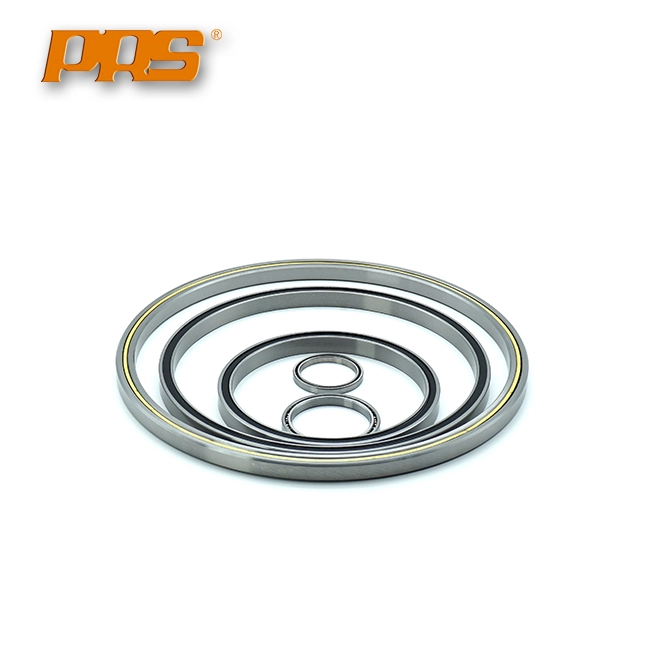
Slim Bearings vs Standard Bearings: A Detailed Comparison for Procurement Decisions
A detailed look at the differences between slim bearings and standard bearings to help you decide what to buy.
Dimensional and Mechanical Differences
Understanding the practical differences between bearing types helps procurement workers make informed choices. Standard bearings usually feature cross-sections related to their bore diameter—a 50mm bore might require 15- 20 mm wide. Thin-section options have the same bore width but are only 5 mm thick, which is a 70–75% decrease in size.
Comparing load capacities needs more in-depth research. Because they have bigger contact areas and more material, standard bearings can handle more absolute load. Thin-section designs make up for it with better internal geometry and higher-quality materials. The result was a smaller piece that could handle enough weight for many precise uses. PRS bearings in the P4 and P2 precision grades stay rigid, making them good for positioning systems and rotary tables that have to work hard.
The differences in weight are big. A standard bearing might weigh between 150 and 200 grams, while a thin-section version of the same thing might weigh between 50 and 80 grams. This 60–75% weight loss affects the design of all the equipment, making structures lighter, lowering the need for motors, and making the whole system more energy efficient.
Economic Considerations and Total Cost Analysis
Procurement choices extend beyond initial purchase factors. Total cost of ownership includes maintenance needs, operating longevity, energy waste, and system-level effects. There are special manufacturing requirements and tight tolerances for thin-section bearings, so they usually cost more than standard bearings.
There are several ways that the investment pays off, and for slim bearings, equipment miniaturization reduces material costs in surrounding structures, and less weight means less money spent on shipping and less work needed for assembly. Less mass means better energy economy, which saves money over time, and when proper fitting and cleaning methods are used, maintenance needs stay about the same. Equipment miniaturization reduces material costs in surrounding structures. Less weight means less money spent on shipping and less work needed for assembly. Less mass means better energy economy, which saves money over time. When proper fitting and cleaning methods are used, maintenance needs stay about the same.
Value proposition strength is based on how well it fits the application. Precision instrumentation, high-speed motor applications, and aerospace systems all get a lot out of the investment, making it worth it. Standard bearings might be a better deal for heavy industrial equipment that has to carry a lot of weight. To make the best decisions, procurement specialists should compare application-specific needs with bearing capabilities.
Selecting and Procuring the Best Slim Bearings for Your Applications
Critical Selection Criteria for Procurement Success
A careful study of the application is the first step in choosing the right bearing. For a load capacity estimate, you need to look at the highest radial, axial, and moment loads that the structure can handle in normal use. Shock loads, vibrations, and acceleration forces are all taken into account by safety factors. PRS bearings with inner diameters between 20 and 50 mm and outer diameters between 31 and 61 mm can be used in a wide range of situations while still keeping a 5 mm width profile.
The choice of material affects performance in many ways. For general industrial uses, high-grade steel is very durable and can hold a lot of weight. Alternatives made of stainless steel don't rust, which is important for medical tools and cleanrooms. Ceramic ball choices cut weight even more while improving performance in high-speed situations and places with very high or low temperatures.
The choice of a precise grade matches the accuracy needs of the application. Most precision machinery can use P4 grade bearings, which offer tight range control for systems that need to place things precisely. The P2 grade has very precise requirements that are right for semiconductor equipment, optical tools, and measurement devices that need to be accurate to the micron level to ensure quality.
Leading Manufacturers and Brand Considerations
There are a number of well-known companies with track records in the world bearing market. SKF, NSK, and FAG all have large catalogs of thin-section bearings that are easy to find. Timken specializes in making tapered roller configurations that work with certain types of loads. KOYO, NTN, and Nachi all have wide ranges that are used in a lot of different industries.
As a company that makes precision bearings for specific uses, PRS offers clear benefits. The company keeps tight tolerances on all dimensions because it has been specializing in bearings for more than 20 years and has a 15,000 m² production facility with more than 200 precision machines. Certifications like ISO 9001, ISO 14001, and ISO 45001 prove that quality management systems work, and factory pass rates of more than 99.9% show that commitments to dependability are real.
Custom bearing solutions are made to meet specific needs that aren't met by normal store items. Engineering teams can change the size, material, or order of seals to fit the needs of a particular application. This versatility comes in handy when OEM requirements call for non-standard setups or when retrofitting existing equipment requires changes to the dimensions.
Procurement Strategy and Supply Chain Reliability
Standard bearing procurement benefits from established channels for inventory and lead times that can be planned for. Large distributors keep common sizes in stock so that urgent needs can be met quickly. PRS can dispatch standard configurations 24 hours a day, 7 days a week, so projects can stay on schedule even when deadlines are tight.
Custom orders need longer wait times to allow for engineering review, preparation of tools, and organizing of production. For slim bearings, some custom bearing jobs take 4 to 8 weeks, based on how complicated they are and how many are needed, and planning the right procurement timelines keeps projects from running behind schedule and lets quality be checked thoroughly before they are shipped. Some custom bearing jobs take 4 to 8 weeks, based on how complicated they are and how many are needed. Planning the right procurement timelines keeps projects from running behind schedule and lets quality be checked thoroughly before they are shipped.
The economics of procurement can be improved by using bulk purchasing strategies. Orders in bulk usually get better prices and make sure there is a steady supply for ongoing production needs. By building relationships with manufacturers like PRS, you can get technical help at any point in the lifecycle of a product, from choosing it to installing it and providing ongoing operational advice.
Best Practices for Slim Bearings Installation and Maintenance
Essential Installation Procedures
How well and how long a bearing lasts depend on how it was installed. To prepare the surface, the mounting areas must be completely cleaned, getting rid of any burrs, contaminants, or leftover materials that could cause the seating to be uneven. Dimensional verification makes sure that the tolerances of the bore and housing are in line with the bearing specifications. Even small differences can cause stress concentrations that shorten the service life.
Because they are less rigid than normal designs, thin-section bearings need extra care when they are being handled. Do not put direct force on raceways or moving parts. As you place it, make sure you use the right tools and apply equal pressure around the outside. Temperature-controlled installation methods can make it easier to fit things where interference requirements say it's needed, but too much heat can change the metal in ways that affect its performance.
Verifying the alignment after placement makes sure that the load is spread evenly across the bearing. Runout measurement finds any anomaly that needs to be fixed. When things are properly aligned, they keep rotating smoothly, reduce vibration, and stop early wear patterns that hurt accuracy and dependability.
Maintenance Requirements for Extended Service Life
How bearings are oiled has a big effect on how long they last and how consistently they work. The two-sided seal design in PRS bearings keeps the factory-applied grease and keeps out dirt and dust. Under normal operating conditions, the initial lubrication is usually enough for a long time. The amount of time between re-lubrications depends on things like speed, load, temperature, and the environment.
Choose lubricants that meet the needs of the application. Low-viscosity oils work better in high-speed situations because they reduce friction and heat production. Greases with a higher viscosity that provide enough film strength are needed for heavy loads. Synthetic oils that meet dust and outgassing standards are needed in cleanrooms. Extreme temperatures require special mixtures to keep working well across the whole operating range.
Inspections that are done regularly find problems before they become too big to fix. Keeping an eye on working factors like vibration levels, temperature, and noise levels shows changes that indicate wear or lubrication loss is happening. When you schedule checks, you can take proactive steps to keep your equipment available and reduce unexpected downtime and the production losses that come with it.
Conclusion
Thin-section bearing technology shows that performance can be maintained while size is reduced when technical knowledge meets the needs of the application, and for slim bearings, modern designs allow equipment to be 70% smaller, which makes it possible to miniaturize robotics, medical devices, aerospace systems, and precision machinery without lowering their load capacity or reliability, and new materials, precise production, and improved internal geometries work together to make compact solutions that meet or beat standard performance measures for bearings. Modern designs allow equipment to be 70% smaller, which makes it possible to miniaturize robotics, medical devices, aerospace systems, and precision machinery without lowering their load capacity or reliability. New materials, precise production, and improved internal geometries work together to make compact solutions that meet or beat standard performance measures for bearings. Thoroughly analyzing the application, carefully choosing the maker, and taking into account total cost factors that go beyond the initial buy considerations can all help with procurement choices. Using the right techniques for installation and care will make sure that these precision parts work as expected for as long as they are used, meeting the tough needs of modern industrial uses.
FAQ
Can thin-section bearings handle high-load applications in heavy machinery?
Thin-section bearings work best in precise situations with moderate loads, not in very heavy-duty ones. Even though the optimized internal geometry and high-quality materials give them a high load capacity for their small size, the exact load rates are still lower than those of normal bearings with bigger cross-sections. Heavy industrial equipment that has to handle a lot of weight usually works better with standard bearing designs that have bigger contact areas and more material volume to spread the force.
How do these bearings influence energy efficiency in electric motors?
Because thin-section bearings reduce weight, rotational inertia goes down. This means that less energy is needed during cycles of speeding up and slowing down. When something is made precisely and oiled properly, it has lower friction coefficients, which lowers parasitic losses during continuous operation. When these things work together, they make the system more efficient overall. This is especially clear in situations where the system starts and stops a lot or runs quickly, where bearing losses account for a big chunk of the total energy used.
What are typical lead times for custom bearing orders?
Standard catalog bearings are shipped within 24 to 48 hours from companies like PRS that keep stock on hand. Custom orders that need to be changed in size, made with special materials, or have unique seal configurations usually take 4 to 8 weeks. Depending on the complexity, amount, and current production plans, the timeline can change. When you tell makers what you need early on in the planning process, they can meet your dates and make sure the quality is checked carefully before shipping.
Partner With PRS for Your Precision Slim Bearing Solutions
For equipment to work at its best, you need to find a bearing provider that knows how to solve the problems you're facing with your unique application. PRS is a specialist in making slim bearings and has been making precision bearings for over 20 years. They offer reliable solutions for high-performance uses that need to take up little room in robotics, medical equipment, aerospace systems, and precision machinery. Our production plant is ISO-certified and has 99.9% pass rates. We also offer P4 and P2 precision grades that meet the strictest needs. Whether you need standard setups that can be sent out within 24 hours or custom bearing solutions that are made to fit your exact needs, our engineering team can help you with everything, from choosing the right bearings to installing them. Email us at ljh@lyprs.com to talk about how our thin-section bearing technology can help your next project run more smoothly. You can look at all of our products and detailed information at prs-bearing.com.
References
1. Harris, T.A., and Kotzalas, M.N. (2006). "Advanced Concepts of Bearing Technology: Rolling Bearing Analysis, Fifth Edition." CRC Press, Taylor & Francis Group.
2. Shigley, J.E., and Mischke, C.R. (2001). "Mechanical Engineering Design: Bearing Selection and Application." McGraw-Hill Education, New York.
3. ISO 12043:2007. "Rolling bearings — Single-row cylindrical roller bearings — Chamfer dimensions for loose rib and non-rib side faces." International Organization for Standardization.
4. Neale, M.J. (1993). "The Tribology Handbook: Bearing Selection for Precision Applications." Butterworth-Heinemann, Oxford.
5. Budynas, R.G., and Nisbett, J.K. (2015). "Shigley's Mechanical Engineering Design: Load Distribution in Thin-Section Bearings." McGraw-Hill Education, Tenth Edition.
6. ANSI/ABMA Standard 12.1-2017. "Instrument Ball Bearings — Metric Design and Thin Section Configurations." American Bearing Manufacturers Association.

USER EVALUATE
Here is the customer's evaluation of us