
RA Robot Bearings Deliver High Rigidity for Precision Robotic Motion
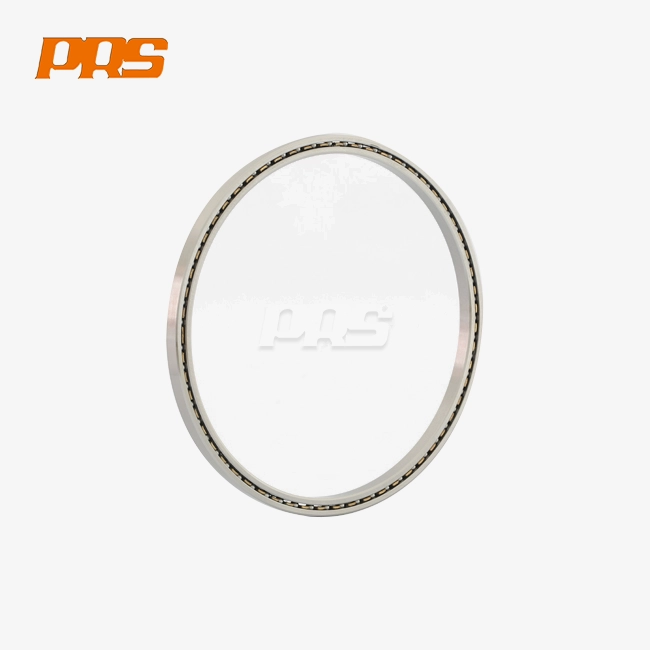
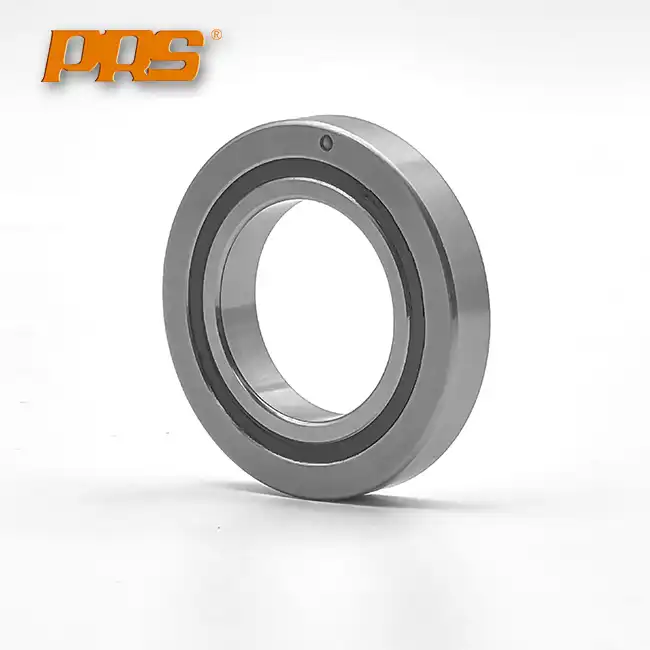
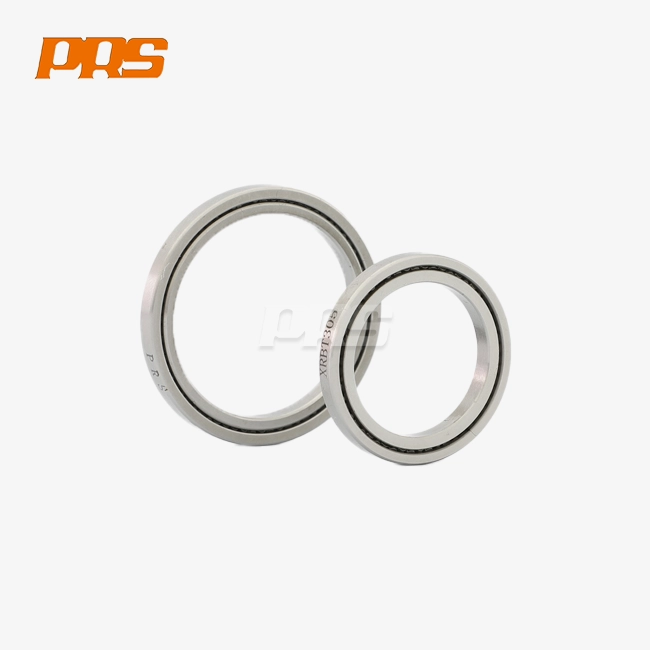
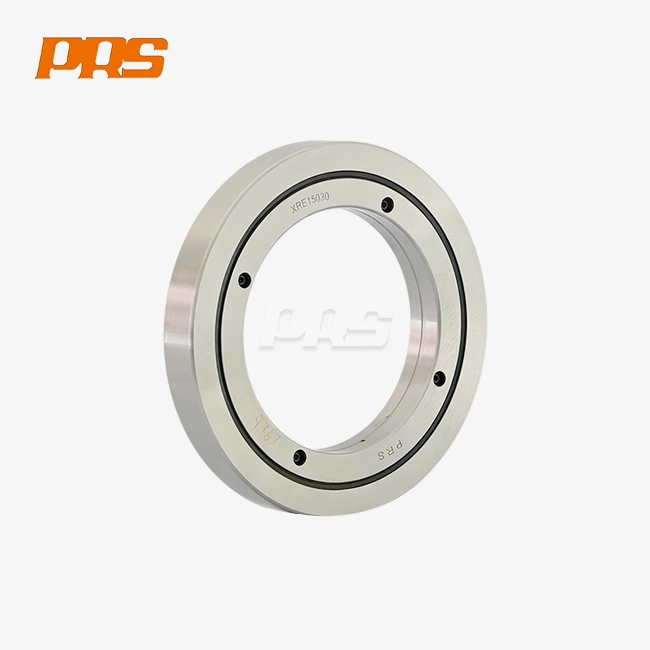
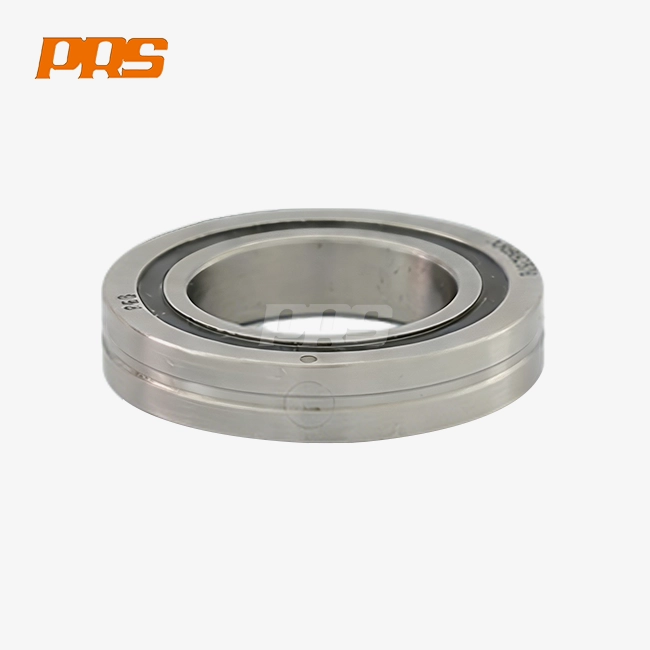
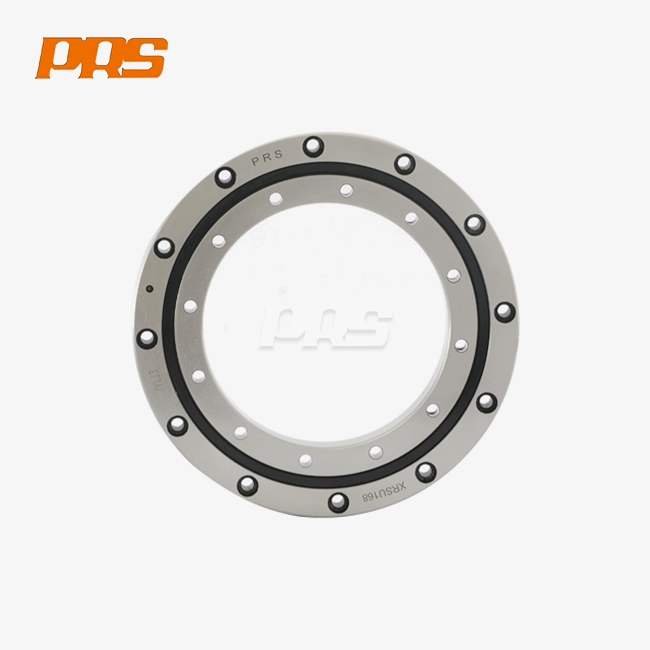
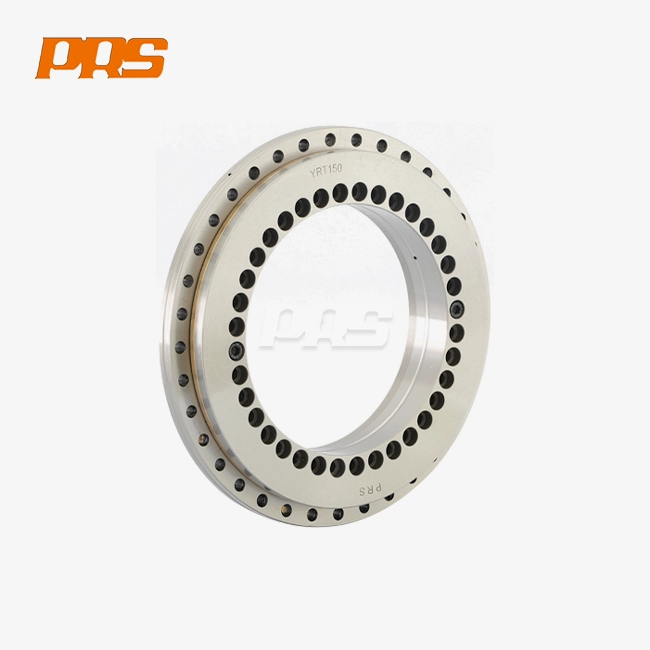
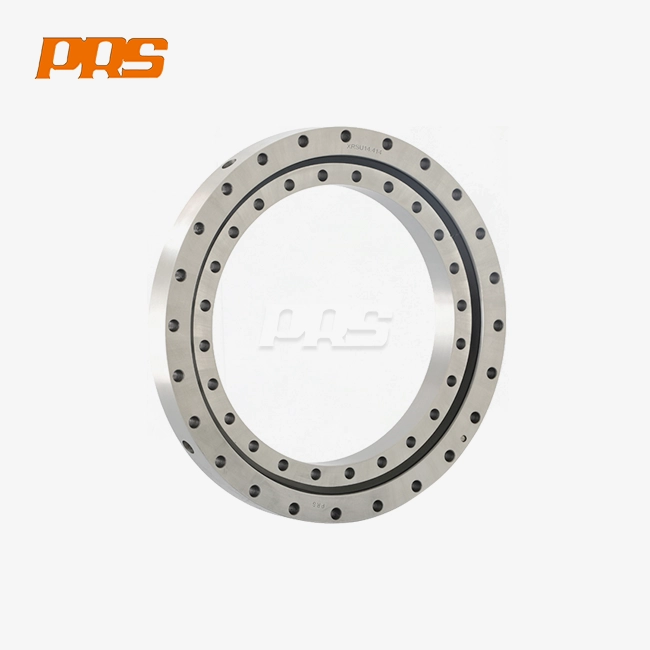
RA robot bearings represent a specialized category of crossed roller bearings engineered to deliver exceptional rigidity and precision for demanding robotic motion control. These ultra-thin profile bearings integrate orthogonally arranged cylindrical rollers within compact housings, enabling them to handle complex multi-directional loads while maintaining micrometer-level positioning accuracy. Their unique design consolidates the functionality of multiple bearing assemblies into a single unit, making them indispensable for space-constrained applications in industrial robotics, medical equipment, and precision automation where weight reduction and operational stability are paramount concerns.
Understanding RA Robot Bearings and Their Role in Precision Robotics
The RA robot bearings' mechanical design solves some of the most important problems in modern robotic systems. When engineers work with six-axis industrial robots or collaborative robots with rotating bases, they always have to choose between how small the robot is, how much weight it can carry, and how accurately it moves. Traditional bearing designs often need to be stacked, which adds weight and makes the building process more difficult.
What Makes RA Bearings Different from Standard Options?
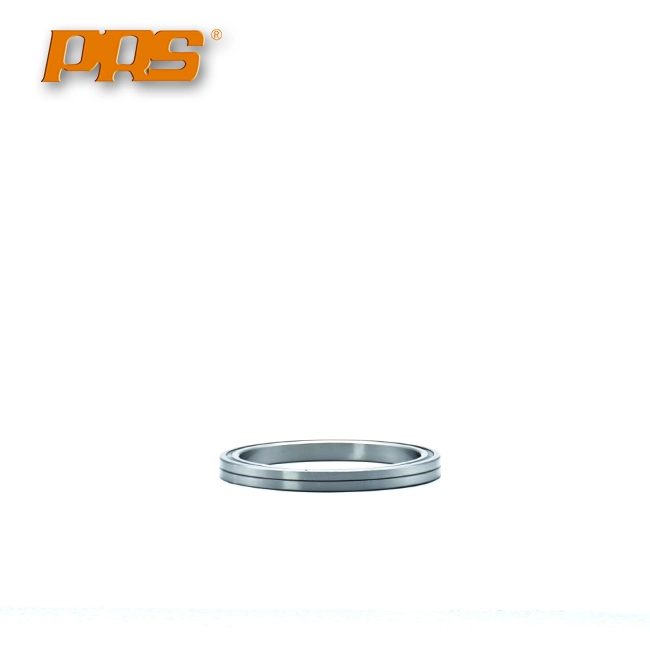
RA bearings have an outer ring that can be separated and an inner ring that is built in. This design is best for situations where the inner ring needs to rotate accurately. The rollers are set up at right angles to each other in V-grooves that were ground to a precise depth. There are gap guards between the rollers to keep them from touching. This arrangement has a number of measurable benefits: the rotational torque stays the same when the preload condition is applied; radial runout can be kept below 5 micrometers for P5 grade units; and the bearing can handle radial, axial, and moment loads at the same time without the need for extra support structures.
When we look at the SCARA robot's Z-axis rotation or the welding robot's wrist assemblies, the bearing has to be able to handle the moment loads that are created when the robot quickly changes directions. The crossed roller design in RA bearings makes them three to four times stiffer than similar angular contact ball bearings. This directly leads to better path accuracy when working at high speeds. Manufacturing data shows that robotic systems that use these bearings can keep their positions within ±2 micrometers over millions of rotations.
Critical Design Features for Robotic Applications
In small robotic joints, where every millimeter counts, the thin-section profile of RA bearings is very important. For collaborative robot designs to value human safety, arm mass must be kept as low as possible. This means that lightweight bearing solutions are necessary. Because it has a lower cross-sectional height than other types of precision bearings, designers can reduce the joint width while still keeping the structure strong.
The choice of material is also very important. High-carbon chromium bearing steel that has been strengthened to HRC 58–64 will last long enough under repeated pressure. Precision grinding is used to make the surfaces of the raceways smooth so that they don't rub against each other or wear out quickly. Magnetic particle inspection and Nital etching are used by quality makers to find flaws below the surface that could affect the dependability of important parts like surgical robot joints or CT machine rotating scanning tables.
Advantages of RA Robot Bearings Over Traditional Bearings for Industrial Use
When you look at the total cost of ownership in an industrial setting, you can see the difference in performance between RA robot bearings and other solutions. When buying CNC rotary tables or five-axis machine tool swivel heads, purchasing managers need to think about more than just the initial cost.
Superior Rigidity Translates to Better Production Outcomes
In precision equipment, rigidity has a direct effect on how accurately it can be machined. Workpiece standards are harmed when the rotating table of a vertical machining center bends under the cutting forces. The contact mechanics of RA bearings keep their sizes stable. The line contact between the cylindrical rollers and raceways spreads loads over a larger surface area than point-contact ball bearings. When RA bearings were used on grinding machine spindles, they showed a 40% decrease in spindle displacement compared to standard angular contact setups. This led to a significantly better surface finish on finished parts.
The perks for RA robot bearings go beyond machine tools and include systems that put things together automatically. When pick-and-place tools and placement equipment move quickly, they create large inertial forces when they speed up and slow down. When these short-lived events happen, the bearings shift, which leads to setting mistakes that get worse over time. Crossed roller designs are stiffer, which keeps motion axes on their planned paths. This lowers the amount of scrap and improves the regularity of output.
Extended Service Life Reduces Maintenance Burdens
Maintenance schedules have a big effect on how efficiently factories work. Traditional bearing arrangements in palletizing robots or AGV unmanned vehicle rotating platforms often need to be checked and adjusted on a regular basis to account for increased clearances caused by wear. Because they are better at distributing load and have less internal sliding friction, RA bearings wear out more slowly.
The gap retainer design stops the rollers from skewing and keeps metal-on-metal contact between rollers that are next to each other to a minimum, which reduces the production of wear particles. If you choose the right lubricant, these benefits will be even greater. For example, grease formulations with EP additives can extend the time between relubrication cycles in food processing robot applications where contamination risks make it hard to do maintenance. Field data from equipment used to handle semiconductor wafers shows that RA bearings can run continuously for 18 to 24 months before they need to be serviced. This is longer than the 9 to 12 month gaps between services for other types of bearings with similar job cycles.
Load Versatility Simplifies System Design
Loads are sent in more than one way at the same time by complex robotic movements. When a robot is loading or removing, its wrist has to deal with radial forces from the weight of the container, axial thrust from the gripper moving, and overturning moments from places where the reach is expanded. Traditional methods need more than one set of bearings that are oriented to handle different load vectors. This makes the system heavier and more difficult to put together.
All types of loads can be handled by RA crossed roller bearings, which come in a small package. Design experts can get rid of secondary support bearings, which cuts down on the number of parts and places where something could go wrong. This consolidation is especially helpful in cleanrooms, like on photolithography machine rotary stages, where every extra part is a source of contamination and a point of access for maintenance. The ability to carry loads in any direction also lets programmers make robots move faster and reach farther without affecting the reliability of the joints.
How to Choose the Best RA Robot Bearings for Your Industrial Robotic Applications?
To choose the right RA robot bearings specifications, you need to match the technical factors to the needs of the product. As part of the process, operational conditions, performance standards, and environmental limits that are unique to each location are looked at.
Assessing Load Requirements and Duty Cycles
Figuring out the load is the first step in choosing the right bearings. Engineers need to find the maximum radial and axial forces, the maximum moment loads, and how often these things happen. The loads on a coordinate measuring machine's rotary table stay pretty much the same during measurement cycles, but the loads on a UAV's gimbal change a lot as it moves through the air. Standard ISO 281 methods can be used to figure out fatigue life based on dynamic load rates found in company catalogs.
Speed skills deserve the same amount of care. The spinning speed of precision laser-marked parts is very different from the yaw system support needs for wind turbines. The best performance of RA bearings is achieved within certain speed ranges that are set by their lubrication method, cage design, and internal shape. Going over the recommended speed limits speeds up wear and raises operating temperatures, which cuts down on service intervals.
Environmental and Operational Considerations
The operating environment has a big effect on how long a bearing lasts. Industrial welding robots are exposed to spatter, fumes, and thermal cycling, while semiconductor wafer cutting machines work in temperature-controlled cleanrooms with little contamination. Seal types need to fit the harshness of the environment. Contact seals are better at keeping out contaminants, but they have a little more friction. Non-contact shields work best in clean environments that need little torque.
Extreme temperatures have more than one effect on how well RA robot bearings work. High temperatures make lubricants less thick and speed up the oxidation process. They also change the internal clearances because they expand. For precision moving parts in radiotherapy equipment, for example, you need bearings that stay the same size across a wide range of working temperatures. Choosing the right material and following the right heat treatment steps determines the thermal performance features. Some special grades keep their accuracy from -40°C to +120°C.
Precision Grade Selection and Cost Balance
The grades of a bearing's accuracy show how close the manufacturer was to the critical dimensions. ISO precision classes P5, P4, and P2 show progressively tighter controls on the shape of the raceway, the variation in roller diameter, and the assembled runout. A precision rotating base for a torque tester that needs to be able to place itself within ±1 micrometre needs P4 or P2 grade bearings, while P5 specs may be enough for intermittent indexing table uses.
Higher accuracy grades cost more, so choosing a grade means finding a mix between performance needs and budget limits. When you specify too tight of limits, you raise costs without gaining any value. On the other hand, not specifying precision enough can lead to poor performance, extra costs for rework, and damage to your reputation. Application engineers with a lot of experience help buyers make these kinds of choices by comparing real accuracy needs with bearing capabilities. They often find ways to meet specifications with cheaper solutions by integrating them in a smart way.
Procurement Guide: Buying RA Robot Bearings for B2B Clients
Strategic procurement practices make sure that purchases of RA robot bearings deliver the expected value while causing as few problems as possible in the supply chain. Industrial buyers who are in charge of medical imaging equipment or aerospace simulation systems would benefit from learning about the best ways to source goods.
Identifying Qualified Suppliers and Manufacturers
Buyers are protected from quality problems and late deliveries when suppliers are qualified. Manufacturers of reliable bearings keep up with certifications that show how mature their process control and quality management systems are. ISO 9001 certification gives you basic peace of mind, while industry-specific standards like AS9100 for aircraft use show you even more. Manufacturers that work with original equipment manufacturers (OEMs) of medical devices usually help with FDA registration and can provide the material traceability documentation that is needed for regulatory submissions.
The ability to provide technical support is what sets exceptional suppliers apart from average ones. For complicated uses, like precise spinning in a satellite receiving device or moving parts in an armored car observation system, changes are often needed that are unique to that use. If a manufacturer has their own engineering staff, they can look at the load conditions, suggest the best bearing configurations, and make unique solutions when normal catalog items don't work. Having access to this knowledge during the specification phase stops expensive design changes and speeds up the time it takes to get the product on the market.
Understanding Pricing Models and Order Quantities
Bearing prices are affected by many factors that affect costs, such as the cost of raw materials, the difficulty of production, the precision grade, and the number of orders. Standard stock items save money on production costs, but unique specs cost more for tools and setup. When buying bearings for solar dual-axis tracking brackets or wind power testing platform rotations, buyers should ask for full quotes that list base prices, number break limits, and any other fees.
Minimum order quantities are different for each brand and type of product. When you need a lot of equipment, like rotating platforms for an automated production line, you might want to work directly with the maker. But when you only need a small amount of specialized equipment, such as precision supports for missile guidance equipment, you might need to work with a dealer. Distributors are useful because they can take smaller orders, keep stock locally, and buy a lot of different types of bearings at once, but the cost per unit is usually higher than what you'd pay directly from the maker.
Quality Assurance and Technical Documentation
Quality verification protocols for RA robot bearings give people confidence in the performance of bearings. In their purchase orders, professional buyers spell out the inspections they need and ask for proof like dimensional inspection reports, material certifications, and runout measurements. For important uses like robotic surgical joints or DR machine arm movement, there are witness inspection provisions that let buyer agents see the final testing happen before the shipment.
Having the right technical documentation makes installation and maintenance easier. Complete data packages come with instructions on how to put the parts together, mounting requirements, suggested lubricants, torque values, and safety warnings for handling. When installing bearings for precision fire control equipment or roundness tester rotor supports, you have to be very careful. Even small amounts of dirt or incorrect preload adjustment can lower performance below what is required.
Future Trends and Innovations in RA Robot Bearings for Robotic Motion
As technology keeps improving, RA robot bearings' skills and uses are changing all the time. Keeping up with new developments helps buyers make decisions about what to buy that are based on the future.
Advanced Materials Enhance Performance Boundaries
Innovations in material science make it possible for bearings to work in wider areas. Silicon nitride-based ceramic rolling elements have 40% less mass than steel, which lets them accelerate more quickly in high-speed uses like precision indexing rollers for digital printing machines. Ceramic's electrical insulation features stop damaging electrical discharge machining in settings with varying frequency drives, which are common in clever warehouse stacker rotary joints.
Hybrid bearings that use both ceramic rollers and steel raceways find a good balance between cost and performance. Because ceramic elements are lighter than steel ones, they have lower centrifugal forces at high speeds. This lets them work at 25–30% faster spinning speeds than steel-only designs. Surface treatments, such as diamond-like carbon coatings, lower friction and wear in boundary lubrication conditions that happen when cam divider rotary supports start and stop many times.
Smart Bearing Technologies Enable Predictive Maintenance
By adding sensors, bearings go from being passive parts to data sources that condition monitoring systems can use. Embedded sensors track temperature, pressure, and load in real time, which helps find patterns of wear and tear before they lead to catastrophic failures. These smart bearings are in line with Industry 4.0 goals that stress proactive maintenance over reactive ones.
When used in critical situations, early warning systems are especially useful. If the rotating indexing part of a biochemical analyzer breaks down while it's working, it can mess up testing processes and could even risk the purity of the samples. When predictive algorithms look at data from bearing sensors, they find small changes in vibration patterns or temperature trends that point to problems that are about to happen. This means that maintenance is done during planned downtime instead of when something breaks down without warning. Implementation costs money for tracking hardware and data analysis tools, but it cuts down on unplanned downtime and increases system performance overall.
Conclusion
When high rigidity, accuracy, and small packaging are needed, RA robot bearings provide measured performance benefits. Their crossed roller design gives them great stiffness and the ability to hold loads in any direction within limited space. This makes them perfect for current robotic systems, precision machine tools, and specialized equipment in many fields. When people buy these bearings, they get operational benefits like more accurate positioning, longer service life, and easier system designs. To be good at procurement, you need to know what the unique needs of an application are, work with skilled manufacturers who can provide expert help, and keep up with new technologies. When companies buy the right RA bearings, they set themselves up for higher efficiency and a competitive edge in production environments that are getting tougher all the time.
FAQ
What precision grades are available for RA robot bearings?
It is common for RA robot bearings to be made to ISO P5, P4, or P2 accuracy classes. P5 grade is good for general industrial automation with runout limits of about 5 micrometers. P4 grade is good for precision machine tools that need accuracy of 2-3 micrometers, and P2 grade is good for ultra-precision applications like measurement equipment that needs performance of less than 1 micrometer. The right grade depends on how accurate positioning is needed for your application and how much money you have to spend.
How do I determine the correct bearing size for my robotic joint?
A lot of things need to be thought about when choosing a bearing, such as the mounting space that is available, the predicted radial and axial loads, the moment loads that will be created during operation, the spinning speed, and the level of accuracy that is needed. First, use your robot's kinematic model to figure out the highest forces that can be applied. Next, look at the manufacturer's load rate tables to find bearings that have the right capacity and fatigue life. The right size makes sure that everything works well without being too specific, which raises costs for no reason.
Can RA bearings operate in cleanroom environments?
It is possible to make RA bearings work in a cleanroom by choosing the right seals and lubricants. Compared to contact seals, non-contact shields reduce the production of particles. Low-outgassing synthetic lubricants keep things clean in vacuum or controlled atmosphere situations. Companies that make products for the semiconductor and medical device businesses offer choices that are approved for use in cleanrooms.
Get High-Performance RA Robot Bearings from a Trusted Manufacturer
Precision crossed roller bearings that meet the strict requirements of industrial robots and motion control uses are what PRS does best. Our engineering team has been making non-standard and high-precision bearing solutions for more than twenty years. They offer domestic alternatives to imported products that don't sacrifice performance. We make RA robot bearings in P4 and P2 precision grades, which can be used in a wide range of uses, from collaborative robot joints to tools for processing semiconductors. When you choose PRS as your bearing supplier, you get more than just parts. You also get application engineering support, strict quality control, short lead times, and quick service after the sale. Email us at ljh@lyprs.com to talk about your specific needs and find out how our precision bearing solutions can improve the performance and dependability of your robotic systems.
References
1. Harris, T.A., & Kotzalas, M.N. (2006). Advanced Concepts of Bearing Technology: Rolling Bearing Analysis, Fifth Edition. CRC Press.
2. ISO 492:2014. Rolling bearings — Radial bearings — Geometrical product specifications (GPS) and tolerance values. International Organization for Standardization.
3. Weck, M., & Brecher, C. (2006). Werkzeugmaschinen 2: Konstruktion und Berechnung [Machine Tools 2: Design and Calculation]. Springer-Verlag.
4. Bhushan, B. (2013). Principles and Applications of Tribology, Second Edition. John Wiley & Sons.
5. Siciliano, B., & Khatib, O. (2016). Springer Handbook of Robotics, Second Edition. Springer International Publishing.
6. Tsuha, N.A.H., & Cavalca, K.L. (2020). Stiffness and damping of elastohydrodynamically lubricated line contact applied to cylindrical roller bearing dynamic model. Journal of Sound and Vibration, 481, 115444.

USER EVALUATE
Here is the customer's evaluation of us