
How Do Robotics Bearings Improve Robot Accuracy and Service Life?
Robotics bearings play a foundational role in modern automation by providing the precision and durability that robotic systems demand. These specialized components enable smooth rotation, minimize positional errors, and reduce friction in critical joints and rotating assemblies. By maintaining tight tolerances and supporting both radial and axial loads simultaneously, robotics bearings directly enhance motion accuracy while extending operational lifespans across six-axis robot joints, collaborative robot rotating bases, and precision turntables used throughout industrial automation.
Understanding Robotics Bearings: Types, Materials, and Design Principles
Because of their specialized engineering for precise motion control, Robotics Bearings are very different from regular industrial bearings. Choosing the right type and material of bearing has a direct effect on how well a system works in tough situations.
Core Bearing Types for Robotic Applications
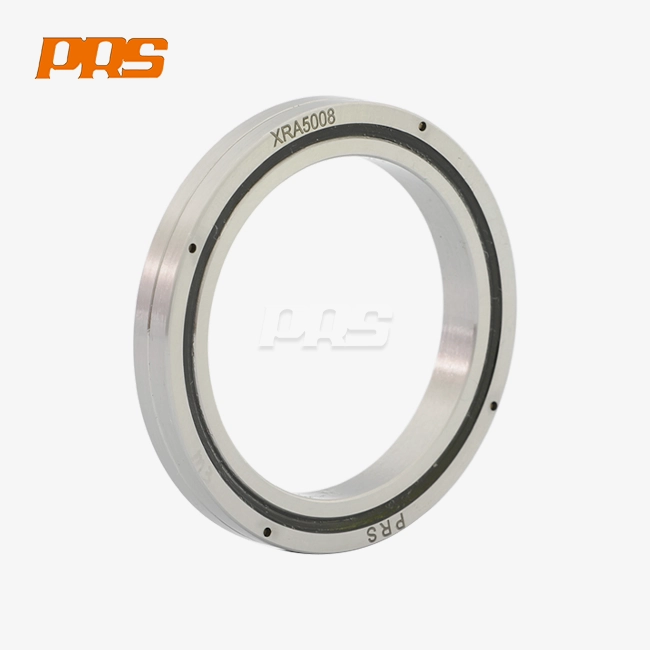
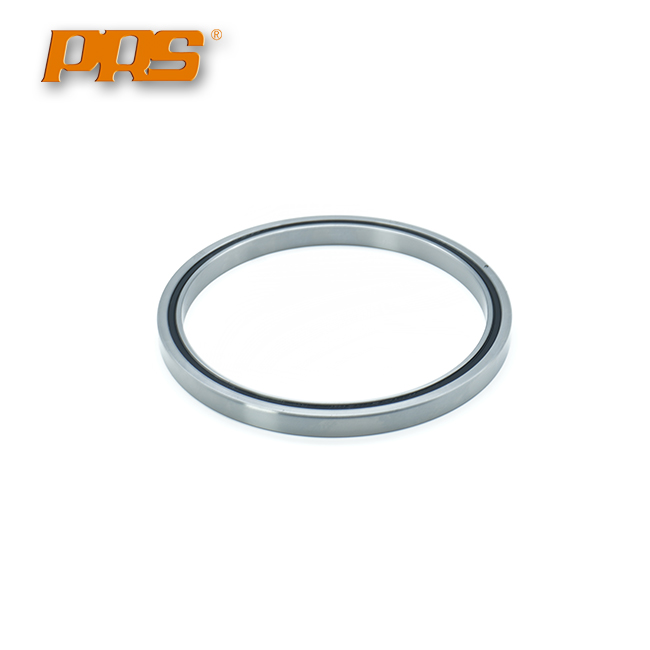
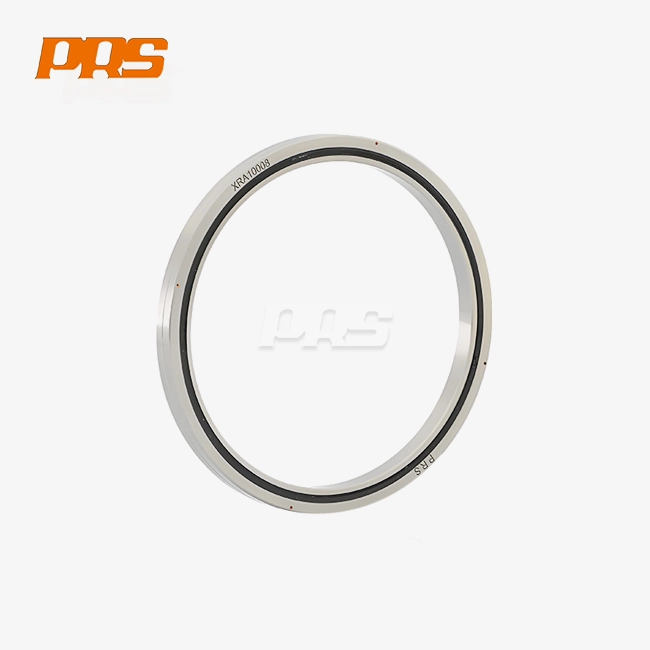
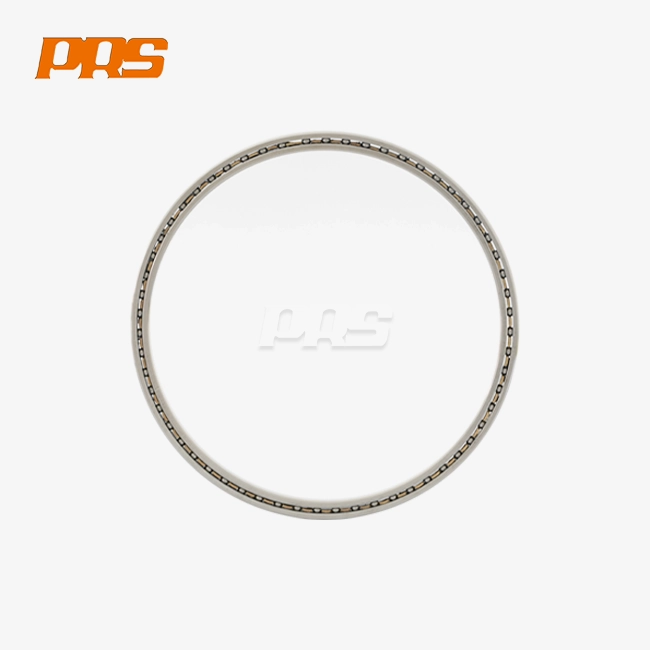
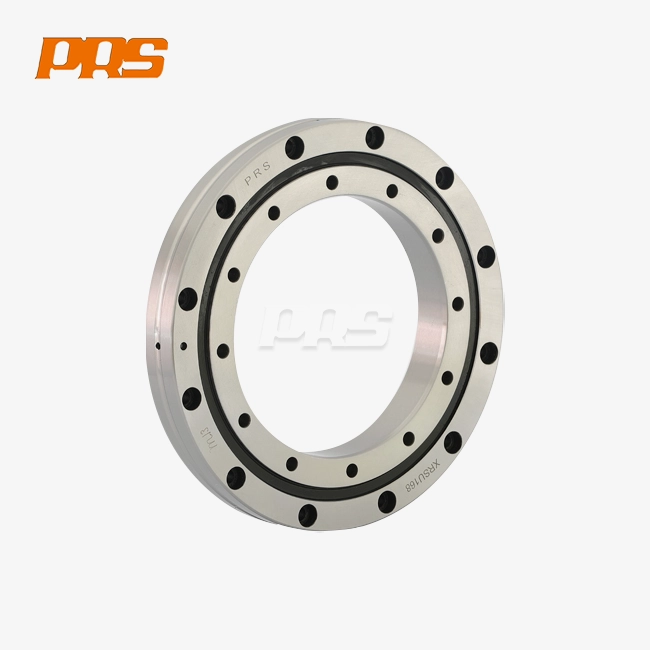
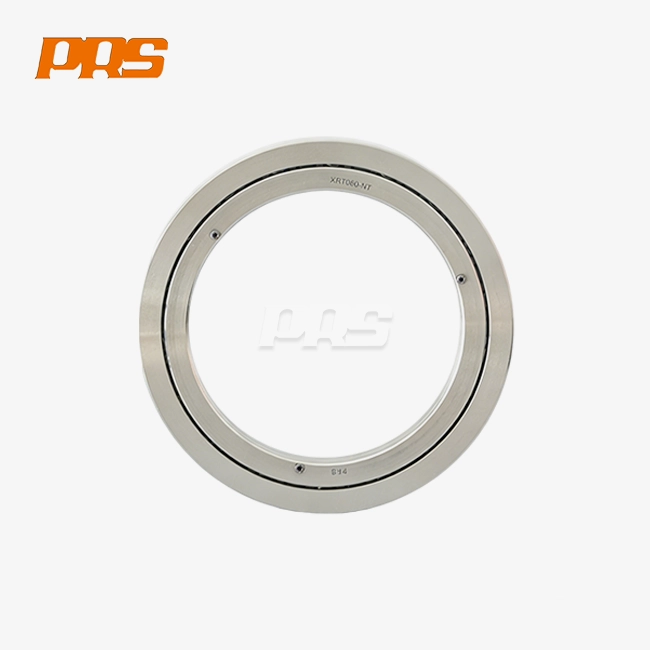
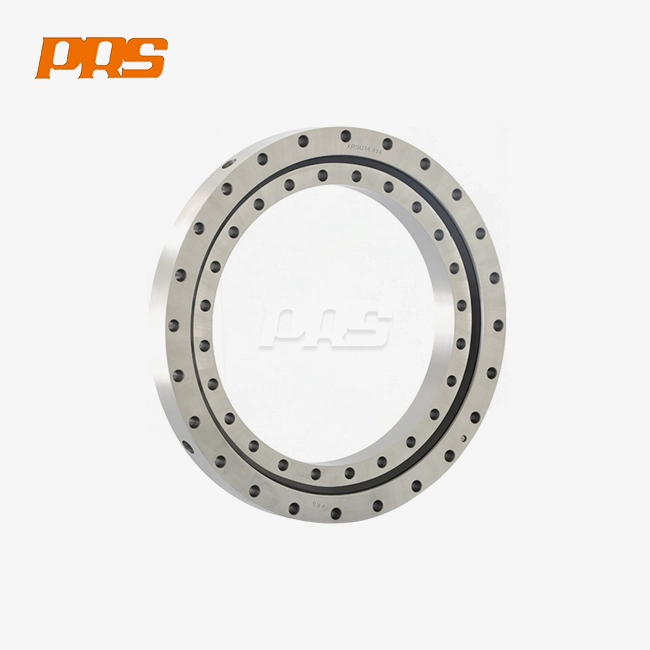
The most common type of bearing for robotic joints is the cross roller bearing, which has cylindrical rollers arranged perpendicular to each other to handle radial, axial, and moment loads in a small space. This design is very important for six-axis robot joints that need to be able to hold loads in more than one direction. Thin-section radial contact ball bearings are another option when weight reduction is still important, like in medical surgery robots and joint robot bases that rotate. These thin-profile bearings keep the structure strong while keeping the system's mass as low as possible. Angular contact ball bearings are used in high-speed machines like CNC rotating tables and grinding machine spindles, where accurate axial load control and low deflection under dynamic conditions are very important.
Material Selection and Performance Trade-offs
High-carbon chromium steel bearings can hold a lot of weight and don't wear down easily. This makes them perfect for heavy-duty applications like palletizing robots and welding robot wrists that rotate. Because they are nonmagnetic, have less thermal expansion, and don't corrode when exposed to chemicals, silicon nitride ceramic bearings work better in cleanrooms where semiconductor wafer cutting machines and photolithography equipment are used. Hybrid bearings have both steel races and ceramic rolling elements. They are used in medical imaging equipment like spinning scanning tables and precision testing coordinate measuring tools to improve performance while keeping costs low.
Critical Engineering Design Principles
Positioning accuracy in robotic systems is based on bearing tolerance classes that range from P5 to P2. It is very important for five-axis machine tool swivel heads and laser interferometer rotary tables that tolerances are tighter so that positional mistakes are lessened over time across multi-joint systems. In situations like SCARA robot Z-axis movement and spinning center tool turrets, the preload application sets the internal clearance. This makes the system more rigid and gets rid of backlash. The right choice of preload strikes a balance between the need for stiffness and the effects of increased friction on service life. Lubrication compatibility affects both performance and maintenance intervals. For example, grease lubrication works well for most industrial robots, while oil-air systems work better for high-speed CNC indexing tables that need to create little friction and heat.

How Robotics Bearings Directly Improve Robot Accuracy?
Precision motion control in robotic systems depends on the performance characteristics of the bearings, which have a direct effect on how well they repeat and place objects during operational cycles.
Tolerance Control and Positional Precision
In multi-joint industrial robots, bearing runout builds up along kinematic chains. Bearing runout is the total departure from perfect circular motion. This variation is kept to micron-level levels by high-precision cross roller bearings with P4 or P2 tolerances. This lets six-axis robots achieve accuracy of ±0.02mm in pick-and-place tasks. When putting together electronics, this level of accuracy is very important because the quality and yield rates of the finished product depend on how well the parts are placed.
Friction Reduction Through Material and Lubrication Optimization
When friction factors are low, motion curves are smoother, and positioning mistakes are lower for Robotics Bearings. Silicon nitride ceramics are advanced materials that reduce rolling friction by 30–40% compared to steel equivalents. This is helpful for uses like precision spinning parts in orthopedic navigation equipment and radiotherapy equipment where safe, smooth movements are important for patients. Using low-viscosity synthetic greases for optimal lubrication reduces drag while keeping protective film thickness. This is especially important for heavy-duty applications like intelligent warehouse stacker rotary joints and AGV unmanned vehicle rotating lifting platforms.
Load Capacity and Structural Rigidity
Bearing stiffness affects deflection under loads, which in turn affects the accuracy of positioning during dynamic operations. Cross roller designs are 3–5 times stiffer than similar ball bearings because the rollers and raceways touch in a straight line. Because of this, they are essential for loading and unloading robot rotating bases and automated assembly line rotary platforms. They keep accuracy even when the payload changes, which is important for keeping up production standards and throughput.
Real-World Accuracy Improvements
Case studies from the business world show that choosing the right precision bearings can have real benefits. A large electronics company changed the bearings in their collaborative robot joints from standard ones to P4-grade thin section cross roller bearings. This made the robots 40% more accurate in repeating their positions and cut the number of product defects by 18% in semiconductor assembly tasks. Also, companies that make medical equipment say that adding hybrid ceramic bearings to CT machine spinning scanning tables increased positioning accuracy from ±0.05mm to ±0.01mm. This directly improved picture quality and diagnostic abilities.
Extending Robot Service Life Through Effective Bearing Solutions
Longevity of bearings has a direct effect on the downtime of robotic systems, the cost of upkeep, and the total cost of ownership in industrial automation settings.
Common Failure Modes and Prevention Strategies
When Robotics Bearings are loaded and unloaded many times, fatigue is still the main cause of failure. After millions of stress cycles, material fatigue shows up as spalling, which is the separation of surface material. In demanding situations like wind turbine yaw system auxiliary supports and missile guidance equipment precision supports, high-grade steel bearings with improved metallurgical properties last longer before they wear out. Corrosion speeds up the wear and tear on bearings in harsh settings. This is especially true for precision moving parts on food preparation robots that are exposed to cleaning processes. With multiple lip seals and corrosion-resistant coatings, sealed bearing designs keep dirt and water out of the internal parts. Particulate matter contamination leads to abrasive wear, which is a big problem for robots used in building and mining. In these tough conditions, effective sealing solutions and regular repair times keep the integrity of the bearings. When bearing raceways are out of alignment, the load is spread out unevenly, which causes stress concentrations that speed up wear. Drone aerial photography gimbals and professional photography tripod heads don't break down before they're supposed to if they are installed correctly and their orientation is checked on a regular basis.
Lubrication Methods and Maintenance Best Practices
Most robotic tasks can be done with grease lubrication. Depending on load, speed, and environmental conditions, relubrication should be done every 3,000 to 10,000 hours of operation. In high-volume settings like industrial control automation pick-and-place tools, automated lubrication systems increase the time between repair tasks and lower the amount of work that needs to be done. Oil lubrication is helpful for high-speed uses like digital printing machine precision tracking roller supports, where reducing friction and heat buildup is more important than making the system more complicated. Vibration monitoring should be a part of maintenance schedules to find early signs of bearing wear and tear, preventing catastrophic failures that cause long periods of downtime. Unplanned maintenance has been cut by 35% in car factories that use welding robots and loading robots with condition-monitored bearing kits thanks to predictive maintenance methods that use sensor data.
Material and Design Features for Extended Service Life
In clean, moderate-load situations like biochemical analyzer spinning indexing parts and blood analyzer inspection tools, ceramic and hybrid bearings last 3–5 times longer than all-steel versions. The better material qualities and less friction make the higher original investment worth it because they save money over time. When used in harsh environments, sealed bearing designs keep out dirt and debris, but they make friction a little higher than open designs. For example, photovoltaic dual-axis tracking bracket precise turning joints work better with sealed designs that can handle being outside without losing their performance. Open bearings work well in cleanrooms, like photolithography machines, where external seals pose an unacceptable risk of particles getting into the machine's tiny precision rotating parts.
Bearing selection optimization has shown to have big operational benefits in many fields for Robotics Bearings. By switching to hybrid ceramic cross roller bearings, an aerospace manufacturer raised the maintenance intervals for UAV gimbals from 5,000 hours to 15,000 hours. This cut lifecycle costs by 28% while making the mission more ready. Similar improvements have been reported by companies that make medical devices. For example, after using special medical-grade precision bearings, CT machine bearing changes went from once a year to three times a year.
Comparing Robotics Bearings to Standard Bearings: Why Choose Specialized Bearings?
Because standard industrial bearings don't have the accuracy and performance that robotic apps need, it's important to choose the right bearings for the system to work at its best.
Precision and Tolerance Differences
Standard bearings usually have tolerance classes of ABEC-1 or ABEC-3, which means they can be used in general manufacturing tools where placing accuracy is not very important. Robotics Bearings can get precision grades P4 or P2, which means they have 5–10 times tighter limits on dimensions, which lets them place things accurately down to the micron level. This difference is very important in situations where the final accuracy of machining depends on the tolerances that build up along kinematic chains, such as when using a coordinate boring machine to make precise spinning parts or a gear processing machine with rotary systems.
Material Quality and Dynamic Performance
Specialized Robotics Bearings are made from high-quality steel alloys that have smooth grain structures and better hardness uniformity. This makes them last longer under repeated loading conditions. Better material properties help uses that are used all the time, like cam dividers with rotary supports and automatic assembly line rotary platforms, where dependability directly affects how much is made. Dynamic load ratings—the amount of weight that can be supported at certain speeds—are 20 to 40 percent higher than standard bearings. This means that they can work better in situations where cutting is difficult, like on vertical machining center rotary tables and horizontal machining center swivel heads.
Selection Criteria Across Robot Classes
Medical robots and food processing robots are examples of lightweight service robots that focus on reducing weight and space. For these robots, thin section ball bearings and small cross-section crossed roller bearings are the best options. These designs keep the load capacity high enough for smaller packages while minimizing rotational inertia. Heavy-duty industrial robots like palletizing robots and loading/unloading robots need to be as rigid and able to carry as much weight as possible. They do this by using bigger cross roller bearings and tapered roller bearing sets that can handle masses of several tons with little deflection. Collaborative robots balance issues of accuracy, size, and cost. They usually use medium-precision cross roller bearings, which work well enough at a reasonable price for flexible manufacturing settings.
Material Performance and Cost Analysis
While ceramic bearings are about three to five times more expensive than steel bearings of the same size, they last longer, require less maintenance, and work better in certain settings, such as cleanroom semiconductor equipment and high-speed optical instrument rotary tables. When figuring out the total cost of ownership, you shouldn't just look at the initial purchase prices. You should also look at how much you save on upkeep and how much more uptime you get. Steel bearings are still the most cost-effective choice for normal industrial robots that work in moderate settings and don't need to be very precise or resistant to the environment. There is a middle ground in hybrid configurations, which offer 60–70% of the benefits of ceramic bearings at about twice the cost of all-steel designs.
How to Procure High-Quality Robotics Bearings: A Buyer's Guide
A good procurement strategy for Robotics Bearings makes sure that the quality of the bearings, the reliability of shipping, and the expert support that robotic systems need to work at their best throughout their entire operating lives.
Identifying Qualified Manufacturers and Distributors
Reputable bearing makers have quality systems that are written down, the ability to make accurate parts, and the technical know-how to help with the development of special bearings. Global leaders like SKF, NSK, and Timken control the high-end markets. Specialty manufacturers like PRS, on the other hand, make precision cross roller bearings, thin section bearings, and custom solutions for robotic applications. When judging a manufacturer, you should look at their quality certifications, output skills, and resources for application tech support.
Critical Procurement Factors
Lead times are very different depending on the type of bearing. Standard configurations can be made in two to four weeks, but unique designs need eight to twelve weeks for planning, development, and production. Delays that cost a lot of money can be avoided by planning buying timelines around project plans. Smaller OEMs and research institutions are affected by minimum order quantities. Some manufacturers need large quantities, while others can handle small quantities for prototypes to help with product development cycles. Support for failure analysis and warranty coverage lowers risk, which is especially helpful when bringing new robotic systems or using them in ways they haven't been used before. Comprehensive guarantees show that the maker trusts the quality of the product and give customers a way to get their money back if it breaks too soon.
Custom Bearing Solutions and Application Engineering
Custom bearing designs are made to meet specific needs that can't be met by standard catalog items. Custom engineering is the only way to get specific shapes, materials, or performance characteristics for things like satellite receiving device precision rotation and armored vehicle observation system rotating parts. Working with makers that offer application engineering help makes sure that the specs of the bearings meet operational needs, environmental conditions, and performance goals.
Technical Partnership and After-Sales Support
Long-term relationships with suppliers give you access to technical knowledge, help with product development, and quick support throughout the lifecycle of your equipment. Manufacturers who give help with installation, upkeep, and fixing problems are more valuable than just selling products. This partnership approach works especially well when making next-generation robotic systems that need better bearing performance or new configurations that support new mechanical designs.
Conclusion
In conclusion, Robotics Bearings are very important for the accuracy and service life of robots because they choose the right materials, keep precise tolerances, and come in specialty forms to meet the needs of hard automation. Knowing the different types of bearings, how they work, and what factors are important for a certain application helps you make smart purchasing decisions that improve system performance while keeping costs low over time. As robotic technology improves in fields like medical devices and aerospace systems, choosing the right bearing solutions is still important for getting a competitive edge thru better accuracy, longer uptime, and less need for maintenance in modern automation environments.
FAQ
What maintenance schedule should be followed for industrial robot bearings?
Maintenance times depend on how the machine is used, but as a general rule, grease-lubricated bearings should be inspected every 2,000 to 3,000 hours in normal conditions. Applications with a lot of speed or weight may need to be checked more often, but protected bearings in clean areas can go up to 5,000 to 8,000 hours between checks. Monitoring vibrations lets you know early on when a bearing is wearing out, which allows condition-based care that makes the best use of resources.
Are ceramic bearings suitable for all robot types?
Ceramic bearings work best in settings that are light, fast, and acidic, but they might not be the best choice for heavy-payload tasks where the most weight is at stake. Because they break easily when hit, they aren't the best choice for uses that are likely to be hit. Cost also stops them from being used in price-sensitive situations where steel bearings work well enough. Application analysis checks to see if the benefits of ceramic bearings make the extra money spent worthwhile.
How does bearing choice impact accuracy in high-speed robotic operations?
Positional repeatability is directly affected by the precision grade of the bearing. For example, P4-grade bearings can achieve an accuracy of ±0.02mm, while P5-grade parts may only be able to achieve ±0.05mm under the same conditions. Thru centrifugal forces and temperature effects, activities that happen quickly make these differences stand out even more. Choose the right material for the bearings to reduce friction and heat. Ceramic and mixed bearings can keep their tighter specs at higher speeds than steel bearings.
Partner With PRS for Precision Robotics Bearing Solutions
To make robotic systems work better, you need to choose precision bearing options from makers with a lot of experience and who know how to deal with automation problems. Luoyang PRS Precision Bearing Co., Ltd. makes crossed roller bearings, thin section bearings, and unique solutions for industrial robots, medical equipment, and precision tools that need to work in harsh conditions. Our products are very accurate, rigid, and last a long time. They reach the P2 grade of precision and are used in six-axis robot joints, CNC rotary tables, and other specialized automation equipment. As a company that only makes Robotics Bearings, we offer expert advice, unique engineering, and quick help to make sure your projects go well. Email our engineering team at ljh@lyprs.com to talk about your specific needs and find out how PRS bearing solutions can improve the accuracy and dependability of your automation systems. Our wide range of products can be seen at prs-bearing.com.
References
1. Harris, T.A. & Kotzalas, M.N. (2006). Rolling Bearing Analysis: Essential Concepts of Bearing Technology. CRC Press, Boca Raton, Florida.
2. Weck, M. & Brecher, C. (2006). Machine Tools 4: Automation of Machine Tools and Production Processes. Springer-Verlag, Berlin.
3. ISO 12043-1:2007. Rolling Bearings - Single-Row Cylindrical Roller Bearings - Chamfer Dimensions for Loose Rib and Locating Ring Sides. International Organization for Standardization.
4. Siciliano, B. & Khatib, O. (2016). Springer Handbook of Robotics. Springer International Publishing, Switzerland.
5. Eschmann, P., Hasbargen, L. & Weigand, K. (1985). Ball and Roller Bearings: Theory, Design and Application. John Wiley & Sons, New York.
6. Bhushan, B. (2013). Principles and Applications of Tribology. John Wiley & Sons, Hoboken, New Jersey.

USER EVALUATE
Here is the customer's evaluation of us