
Lathe Machine Bearings Ensure Smooth Rotation During Machining
Lathe machine bearings serve as the foundation for precision rotation in machining operations, directly influencing surface finish quality and dimensional accuracy. These engineered components manage radial and axial forces while supporting spindle assemblies during cutting processes. When bearings function optimally, they minimize runout, reduce vibration transmission, and maintain thermal stability across extended production cycles. The selection and maintenance of appropriate bearing types determines whether a machine tool delivers micron-level repeatability or suffers from progressive degradation that compromises part quality and shortens equipment lifespan.
Understanding Lathe Machine Bearings and Their Role in Machining
How well a lathe's gears handle spinning dynamics while it's under load is a key factor in how well it works. We've seen that tech teams change how they think about machine stability when they understand these lathe machine bearings.
What Defines a Lathe Machine Bearing?
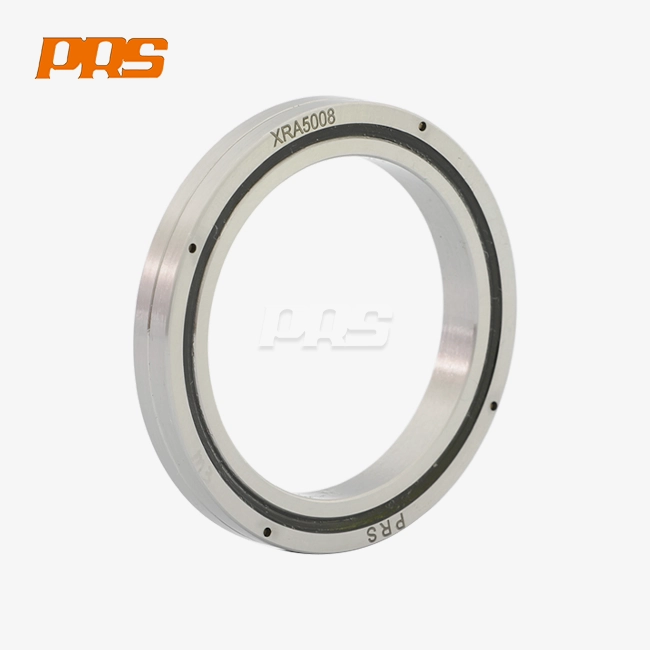
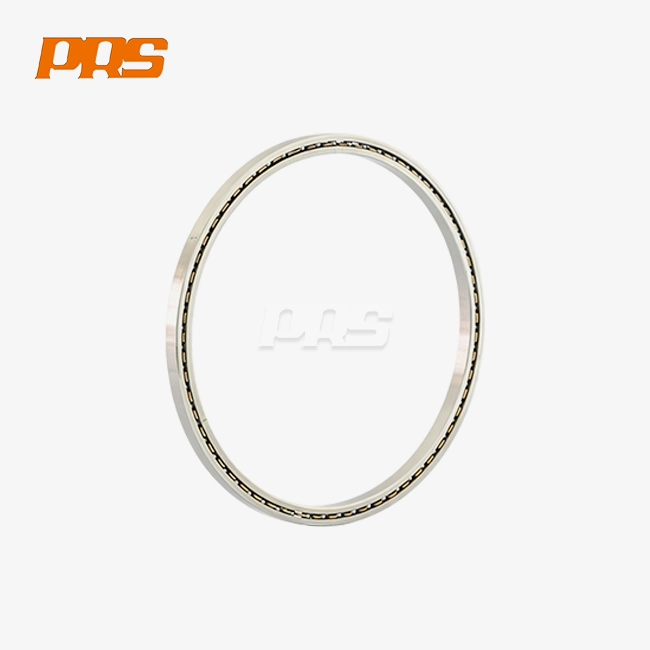
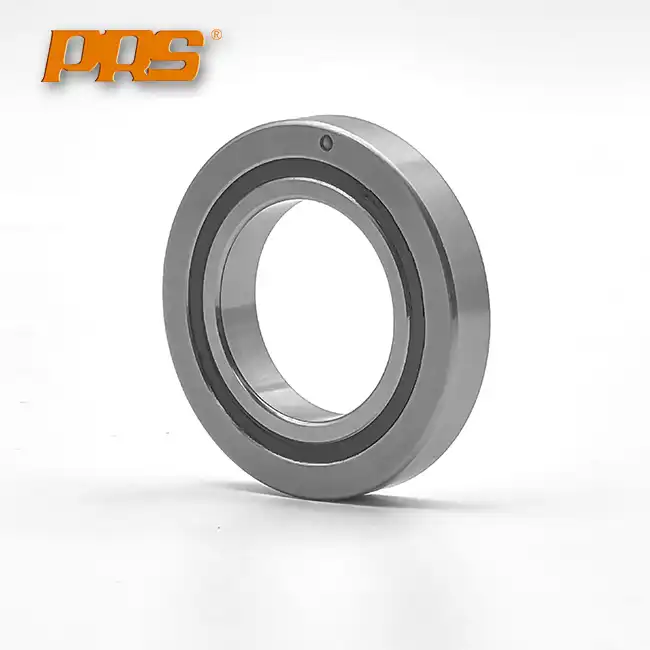
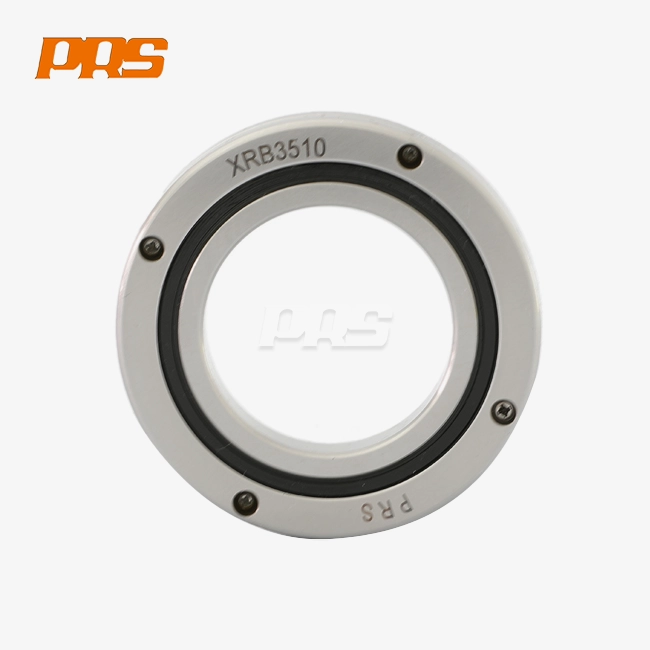
General-purpose rolling elements and spindle bearings in lathes are not at all the same. At the same time, they have to deal with cutting forces that change in size and direction while keeping the accuracy of their positioning within very small ranges. Ball bearings are good for high-RPM finishing operations because they can move faster and have lower friction coefficients. Roller bearings can hold more weight and are more rigid, which is important when roughing passes are used to remove large amounts of material. When radial and thrust loads are mixed, they form complicated stress patterns that are best handled by tapered roller configurations. Angular contact bearings let workers change the preload, which lets them balance stiffness against heat production based on the needs of the cutting.
Recognizing Early Warning Signs of Bearing Failure
Acoustic signals that aren't normal often show up weeks before the whole bearing fails. A healthy bearing makes a steady low-frequency hum. When a bearing is worn out, it makes clicking, grinding, or high-pitched squealing sounds. We have seen cases where the amplitude of vibrations rises by 300% in the last few stages of bearing wear, causing instability on the surfaces of the workpiece. Temperature tracking gives you important information—bearings that are running at temperatures above 160°F usually mean that the lubrication has broken down or that there is too much pressure. If you don't pay attention to these signs, catastrophic failures will happen that damage spindle housings, destroy workpieces in the middle of their cycle, and stop production lines for long periods of time while they are fixed. Condition tracking systems that keep an eye on these factors all the time are being used by machine tool builders more and more. This lets them plan maintenance ahead of time and avoid unplanned downtime.
How Bearing Quality Impacts Machining Outcomes
There is a straight link between the accuracy of the bearing and the accuracy of the part. Under ideal conditions, a P5-grade bearing with a 5-micron runout limits the range of tolerances that can be reached to 8–10 microns. By moving up to the P4 or P2 precision classes, this limitation is lowered proportionally, allowing work to be done at less than 5 microns when the machine is set up correctly. The state of the bearings is strongly related to the finish of the surface; worn raceways cause periodic vibrations that leave lines on turned surfaces that can be seen as chatter marks. We've seen surface roughness drop from 32 Ra to over 125 Ra as bearings get close to the end of their useful lives. This means that secondary grinding operations are needed, which wipes out any profit margins on precision parts.
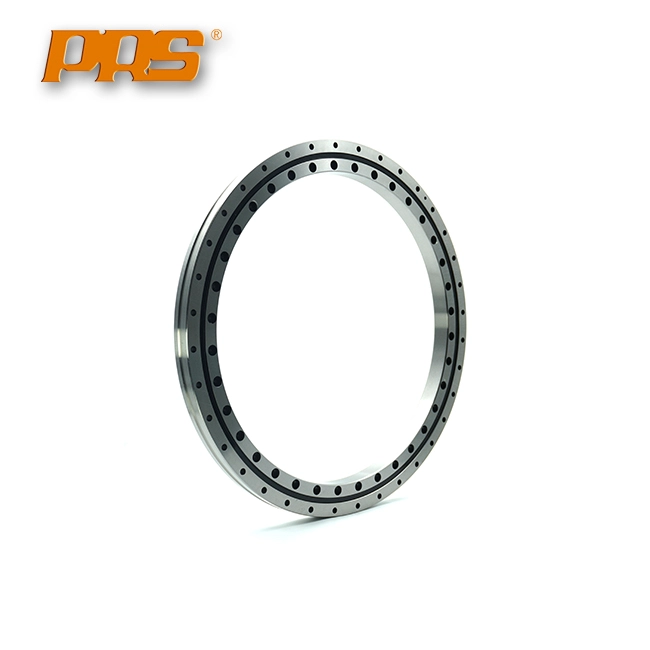
Types of Lathe Machine Bearings and How to Choose the Right One?
Successful installations are distinguished from compromises that cause problems by matching the lathe machine bearings qualities to the operating needs. During the selection process, many technical and financial factors must be balanced.
Comparing Major Bearing Configurations
Knowing the range of performance for each type of bearing lets you make smart design choices that match the conditions of real machining.
Ball Bearings: These parts work great when speeds need to be higher than 3,000 RPM and radial loads need to be moderate, and for lathe machine bearing, because they only touch at points, there is little friction and heat buildup, and this makes them perfect for precise finishing tasks where heat growth must stay below 2 microns, but because of the way they're made, they can only handle about 40% of the load that similar roller types can. Because they only touch at points, there is little friction and heat buildup. This makes them perfect for precise finishing tasks where heat growth must stay below 2 microns. But because of the way they're made, they can only handle about 40% of the load that similar roller types can.
Cylindrical Roller Bearings: Line contact spreads forces over a larger surface area, which lets heavy cutting processes that create big rotational loads happen. Because they are stiff, they don't bend much when forces change, but the fastest speed they can go is usually 2,000 RPM because rotational forces affect roller stability.
Tapered Roller Bearings: When cutting metal, cutting forces create both radial and thrust forces, which are common in lathe headstocks. The angular contact surface can handle these mixed loading situations. When you properly adjust the bearing pairs, you can set the preload levels that give you the best stiffness without making too much heat.
Angular Contact Bearings: When preloaded properly, precision-matched sets placed back-to-back or face-to-face give the best rigidity. They are the best choice for CNC lathe wheels that need to be accurate and last a long time in a variety of cutting conditions because they can be used in many situations.
Material Considerations: Steel versus Ceramic Elements
Traditional steel bearing elements have been used regularly in cutting for decades because they are long-lasting and don't cost too much. Chrome steel that has been through-hardened is between 58 and 62 HRC hard, which is hard enough for most production settings. But thermal limits show up when the speed is kept up for a long time, as the steel parts get hot and make the dimensions less stable.
Ceramic bearing elements, which are usually made of silicon nitride (Si3N4), are 40% lighter than steel ones. This means that they can handle 20–30% higher working speeds and less centrifugal pressure. Because they have better thermal conductivity, they get rid of heat more efficiently, keeping the dimensions stable over longer cutting cycles. We've seen temperature drops of 15 to 20°F when ceramic parts are used instead of metal ones in the same working settings. The chemical inertness of the material keeps it from corroding in places where coolants are high, which speeds up the wear and tear on regular steel bearings. Cost premiums of 3–5 times need to be explained by either very bad operating conditions or a lifecycle cost analysis that takes into account shorter maintenance intervals and longer replacement cycles.
Aligning Bearing Selection with Application Demands
It can be hard for procurement teams to turn machining needs into bearing standards. A systematic method takes into account many practical factors at the same time. Load estimates should take into account both the static capacity while the work is being held and the dynamic loads as the material is being removed. Ratings for speeds need to include safety margins. Running at 90% of catalog limits all the time speeds up the wear and tear on parts. Environmental factors are very important. For example, oil mist lubrication works well in clean rooms that are blocked off, while grease-packed designs can handle the coolant contact that is typical in high-production turning centers. Different types of seals are very different in how easily they let contamination in. Contact seals keep out particles well, but they also make friction and heat worse, and non-contact labyrinths lower drag but lose protection. For these trade-offs to make sense, you need to know about real-world operating conditions, not just theoretical ones.
Maintenance and Troubleshooting of Lathe Machine Bearings
To make lathe machine bearings last longer, you need to follow systematic repair plans that deal with problems at their source before they show any signs.
Diagnosing Common Bearing Problems
To figure out what's wrong with a bearing, you have to tell the difference between normal wear and sudden failure, and for lathe machine bearing, certain types of noise can help with diagnosis, for example, constant humming can be a sign of general tiredness, while occasional clicking can be a sign of specific surface damage like chipping or denting, and vibration analysis shows more subtle signs of wear and tear: rising amplitude at rotating frequency indicates imbalance or misalignment, while harmonic multiples point to geometric flaws in raceways or rolling elements, and temperature differences between bearing housings are often a sign of uneven load distribution caused by bad installation or materials on the shaft and housing not growing at the same rate. Certain types of noise can help with diagnosis. For example, constant humming can be a sign of general tiredness, while occasional clicking can be a sign of specific surface damage like chipping or denting. Vibration analysis shows more subtle signs of wear and tear: rising amplitude at rotating frequency indicates imbalance or misalignment, while harmonic multiples point to geometric flaws in raceways or rolling elements. Temperature differences between bearing housings are often a sign of uneven load distribution caused by bad installation or materials on the shaft and housing not growing at the same rate.
Root Cause Analysis of Bearing Failures
Industry studies show that installation mistakes cause about sixteen percent of premature bearing failures. Too much press-fit interference creates leftover stresses that speed up the start of fatigue cracks, while not enough interference lets fretting rust happen at the mating surfaces. If the line is off by more than 0.001 inches, edge loading happens, which concentrates stress and cuts the estimated life by up to 80%. Problems with lubrication account for an additional 40% of failures. Not enough oil causes metal-to-metal contact, and too much fill causes spinning resistance that raises temperatures. Three-body abrasion is caused by machining swarf, coolant breakdown products, or dust from the environment. It wears away protective surface treatments and starts a chain reaction of increasing wear.
Implementing Effective Maintenance Protocols
How the bearings are oiled has a direct effect on how long they last and how stable they are during operation. Through proper filtration, oil systems should keep cleanliness levels of ISO 4406 16/14/11 or higher. The viscosity should be chosen so that it forms a thick enough film at operating temperatures. For grease uses, you need to know about the different levels of consistency. NLGI 2 is good for general-purpose setups, while NLGI 3 works better for vertical spindle orientations. Re-lubrication intervals rely on the speed and load of the bearings. For example, bearings with DN values (bore diameter in mm × RPM) below 300,000 usually go 2,000 to 3,000 hours without service, while uses with higher DN values may need 500-hour intervals.
A company that makes medical equipment that we worked with put vibration monitoring on their precision lathe spindles and set baseline signatures while the machines were being set up. When amplitude went up by 40% over six weeks on one machine, replacing the bearings during planned breaks stopped a failure in the middle of production that would have meant throwing away $50,000 worth of partly finished CT scanner parts. The total cost of maintenance was $1,200, while the failure was expected to cost more than $75,000 in emergency repairs, lost production, and wasted materials. This case shows how proactive monitoring can turn maintenance from an emergency cost into a long-term investment.
Procurement Guide: Where and How to Buy Quality Lathe Machine Bearings
Finding lathe machine bearings parts means weighing the strengths and weaknesses of suppliers, the reliability of the product, and the overall costs that come up over time, in addition to the initial purchase price.
Evaluating Bearing Manufacturers and Suppliers
Bearing makers around the world have built their names on decades of improving engineering and making sure quality is always high. SKF was one of the first companies to develop many bearing technologies. They now have a wide range of products that can be used in almost any machine application, but their high-precision spindle bearings are their specialty. NSK is the market leader in machine tools in Asia, and their mid-range CNC equipment has great performance-to-cost rates. The FAG brand from Schaeffler Group is best for very precise tasks that need P4 and P2 tolerance classes. Timken's expertise in tapered rollers is used in heavy-duty lathe jobs in the energy and aerospace industries. For general grinding tasks, KOYO (now part of JTEKT) offers solid standard bearings at reasonable prices.
Besides these well-known brands, there are also smaller companies that focus on niches like ceramic hybrid bearings, custom geometries, or rapid prototyping. By using a variety of sources and following strict rules for receiving inspections, procurement teams have been able to cut costs by 30 to 40 percent.
Making Informed Purchasing Decisions
There are more than just costs to consider when deciding between OEM and aftermarket parts. Original equipment bearings guarantee that the dimensions will work with other parts, and they often come with changes that are made just for that application, like better seal designs or special lubricants. Their high prices are due to the fact that they offer engineering help and warranties that reduce risk in important uses. Aftermarket bearings from reputable manufacturers offer the same performance at a lower cost, but procurement teams need to check the material specifications and accuracy of the dimensions on their own. When you order in bulk, you save money because the costs of bearings often drop by 15 to 25 percent compared to when you buy them in small amounts often.
Custom bearing solutions are made to solve problems that can't be solved with standard stock goods, and for lathe machine bearing, changes to the internal shapes make the load distribution best for the cutting conditions, and special materials can handle certain contaminants or temperature changes, and custom designs usually have longer lead times (8–12 weeks) than standard goods, and this means that they need to be planned for ahead of time and timed with the equipment's commissioning plans. Changes to the internal shapes make the load distribution best for the cutting conditions, and special materials can handle certain contaminants or temperature changes. Custom designs usually have longer lead times (8–12 weeks) than standard goods. This means that they need to be planned for ahead of time and timed with the equipment's commissioning plans.
Verifying the supplier keeps you safe from fake parts that are common in bearing markets. Genuine wholesalers offer material certifications, dimensional inspection records, and the ability to track back to production lots. Before buying in bulk from a source you don't know, we suggest getting samples to check the dimensions and conduct a metallurgical analysis. For foreign sourcing, logistics planning is very important because bearing protection needs to be shipped and stored in a climate-controlled environment to stop corrosion before installation.
Innovations and Future Trends in Lathe Machine Bearings
Lathe machine bearings technology keeps changing to keep up with rising demands for accuracy, speed, and the ability to plan repair ahead of time.
Limitations of Conventional Bearing Technologies
As the need for machining gets more difficult, traditional steel bearings run into fundamental problems. Material wear sets limits on how long something can last, which can be predicted by statistics but can't be extended forever. Steel's thermal expansion coefficients make it less stable when temperatures change, which happens a lot in production areas. Limits on speed come from rotational forces and heat production that get exponentially worse as DN goes up. Even though seal designs have improved, contamination is still a problem because tiny particles can get through obstacles and cause wear and tear.
Emerging Material and Design Innovations
When ceramic rolling elements are combined with steel races in hybrid bearings, they solve more than one problem at the same time. Silicon nitride elements cut down on mass by 40%, which lets them work at 25% higher speeds while making 25% less heat because they have better tribological properties. Their electrical insulation keeps bearing current harm from happening in variable-frequency drive uses, which is a problem with steel elements. Costs of ceramic elements have dropped by about 60% in the last ten years thanks to improvements in manufacturing. This means they can be used for more than just high-end uses.
Solid lubricant layers like diamond-like carbon (DLC) or tungsten disulfide make it possible to work in places where normal lubrication doesn't work, like vacuum tanks, very hot or cold environments, or chemically hostile atmospheres. These very thin films protect against rust and wear and lower friction coefficients below 0.1.
Smart Bearing Integration and Predictive Maintenance
With embedded sensor technology, bearings go from being passive mechanical parts to active nodes for monitoring their condition. Piezoelectric accelerometers that are built into bearing housings record vibration patterns with a precision of one millisecond. This can find patterns of wear and tear weeks before people can notice them. Temperature monitors look for differences in temperature that could mean that there are problems with greasing or an uneven load. Wireless connections let a steady flow of data to plant maintenance systems. There, machine learning algorithms look for patterns in groups of equipment and guess how likely it is that they will break down.
We've seen factories cut unexpected downtime by 65% by using smart bearings. This is because predictive maintenance scheduling stops catastrophic breakdowns and gets the most out of each component. The technology lets replacements be based on conditions instead of random time intervals. This increases reliability and extends the life of bearings by 20 to 30 percent. More and more, procurement strategies focus on the total cost of ownership instead of the initial purchase amount. They prefer smart-enabled components that save more in operational costs than they cost in premium within 18 to 24 months of deployment.
Conclusion
The choice of lathe machine bearings and how well they are maintained directly affect the accuracy of the work, the dependability of the equipment, and the cost of production. High-performance operations are different from those that have a lot of unexpected downtime because they know how to recognize failure signs and use regular maintenance practices. New materials like ceramic parts and smart sensor integration make operations possible in more places and allow for planned upkeep. When making purchases, people should weigh the original prices against the performance over the product's lifetime, giving more weight to suppliers who offer technical help and quality that can be checked. As the need for machining grows in robotics, semiconductor manufacturing, and medical device production, bearing technology keeps changing to meet higher levels of precision that were not possible a few years ago.
FAQ
How often should lathe bearings be replaced?
Replacement times for lathe machine bearings are not set in stone; they depend on how the machine is being used. Bearings that are used in constant production at 70–80% of their rated capacity usually last between 15,000 and 25,000 hours. For jobs with intermittent service, this could go up to 40,000 hours or more. Condition tracking is a more reliable way to decide when to replace something than picking random dates. Track changes in vibration intensity, temperature, and sound patterns to find wear and tear before performance suffers.
What distinguishes ball bearings from roller types in lathe applications?
Because they can go faster and have less friction, ball bearings can be used for precise finishing tasks above 3,000 RPM. Roller bearings can hold more weight and are more stiff, so they are better for big cutting tasks, but they move more slowly. Which one to use depends on whether speed and accuracy are more important than load capacity and stiffness in your application.
How can I identify bearings affecting machining accuracy?
Check the spindle's runout by using dial indicators in a number of different axial positions. Readings greater than 5 microns mean the bearings are wearing out. Surface finish patterns on turned parts show vibration problems: chatter marks around the edges show a mismatch in rotation, while axial scoring shows issues with thrust bearings. If there are temperature differences between bearing housings that are greater than 15°F, it means that worn parts are distributing the load unevenly.
Partner with PRS for Superior Lathe Machine Bearing Solutions
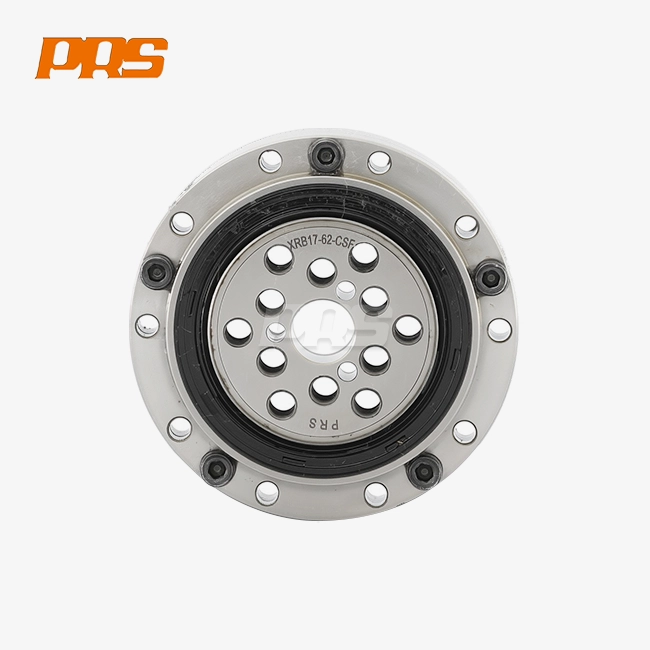
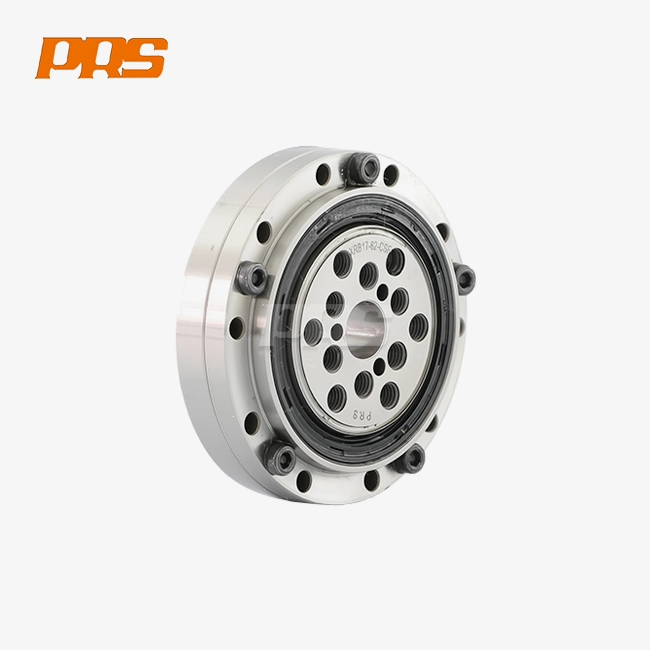
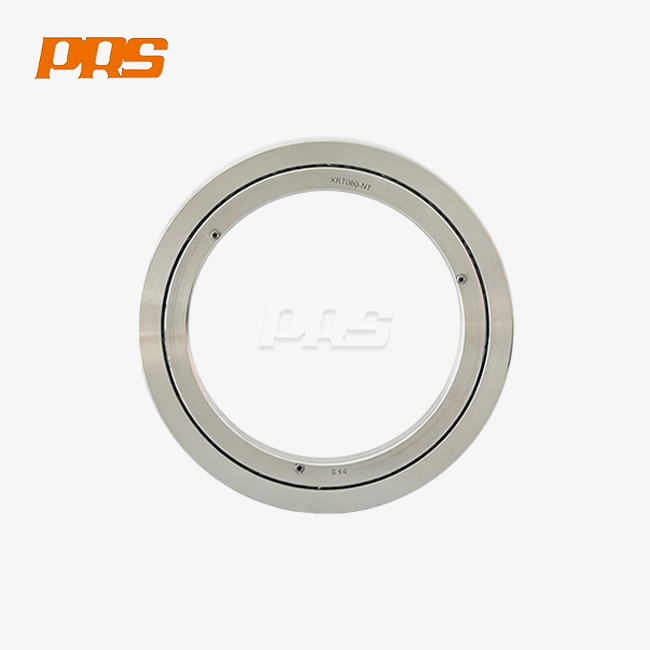
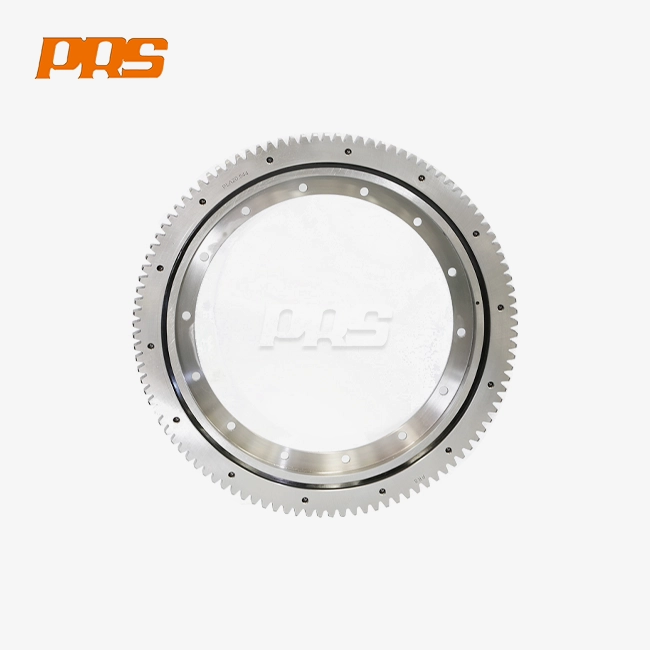
Luoyang PRS Precision Bearing Co., Ltd. makes spindle bearings that are precisely engineered to meet the exact needs of modern machining operations. Since 2003, we've been focusing on creating high-precision bearing solutions that can be used instead of imported goods and offer faster delivery times and helpful technical support. Precision angular contact bearings, crossed roller setups, and YRT turntable designs made to P4 and P2 spec classes are all in our product line. CNC machine makers, robotics programmers, and medical equipment producers who can't skimp on accuracy or service life can use these parts. Contact our engineering team at ljh@lyprs.com to talk about your specific application needs and find out how our solutions can meet your needs for rigidity, precision, and thermal stability. We are a reliable lathe machine bearing manufacturer that knows how important component quality is to the results of machining.
References
1. Harris, T.A., Kotzalas, M.N. (2006). Rolling Bearing Analysis: Essential Concepts of Bearing Technology. CRC Press, Boca Raton.
2. Weck, M., Brecher, C. (2006). Machine Tools 4: Metrological Analysis and Performance Tests. Springer-Verlag, Berlin.
3. Schnack, E., Spur, G. (1989). Handbook of Machine Tool Analysis. Technical University of Berlin Press.
4. NSK Ltd. (2018). Precision Bearings for Machine Tool Spindles: Technical Application Guide. NSK Technical Journal.
5. Tlusty, J., Smith, S., Winfough, W.R. (1996). Techniques for the Use of Long Slender End Mills in High-Speed Milling. CIRP Annals - Manufacturing Technology, 45(1), 393-396.
6. ISO 492:2014. Rolling Bearings – Radial Bearings – Geometrical Product Specifications (GPS) and Tolerance Values. International Organization for Standardization.

USER EVALUATE
Here is the customer's evaluation of us