
Slew Bearing Crane Applications in Port and Construction Projects
When you manage heavy lifting operations at busy ports or complex construction sites, you face constant pressure to maximize efficiency while maintaining safety. The slew bearing crane stands as the critical rotational interface enabling cranes to perform smooth 360-degree turns under extreme loads. This technology connects the upper rotating structure to the stationary base, managing simultaneous axial forces, radial loads, and tilting moments that define modern industrial lifting. In port logistics and large-scale construction, these precision-engineered components eliminate stability concerns while reducing equipment footprint. The triple-row roller configurations distribute stress across optimized contact zones, extending equipment lifespan and minimizing costly downtime in environments where operational continuity directly impacts profitability.
Understanding Slew Bearing Cranes and Their Role in Ports and Construction Projects
The basic structure of crane turning systems affects how well they can work in tough conditions. Procurement professionals can make smart investment decisions when they know how these parts work.
What Makes Slew Bearing Cranes Essential for Heavy-Duty Operations?
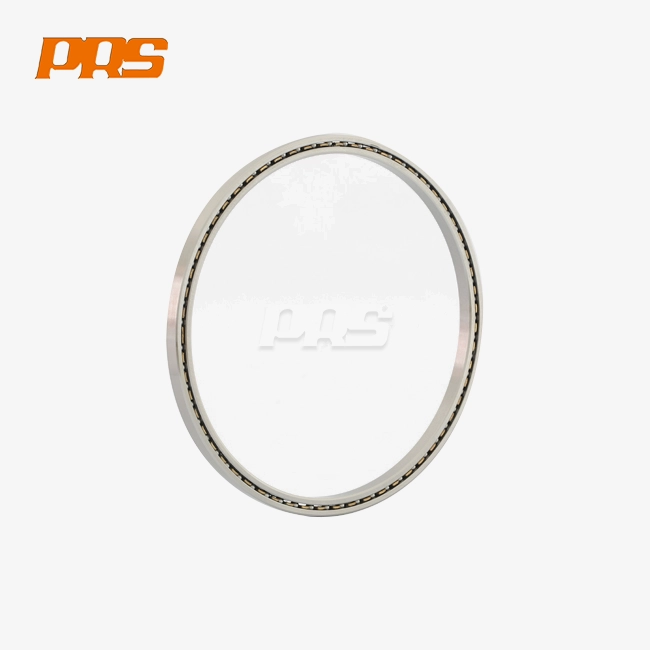
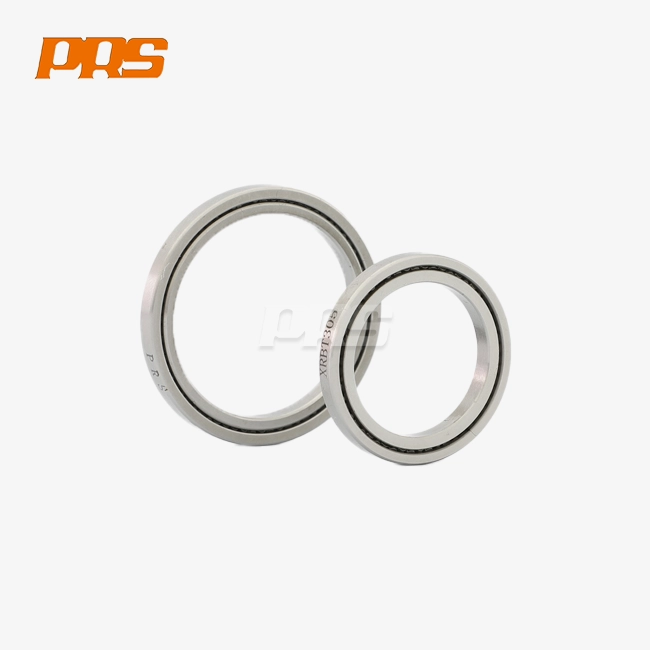
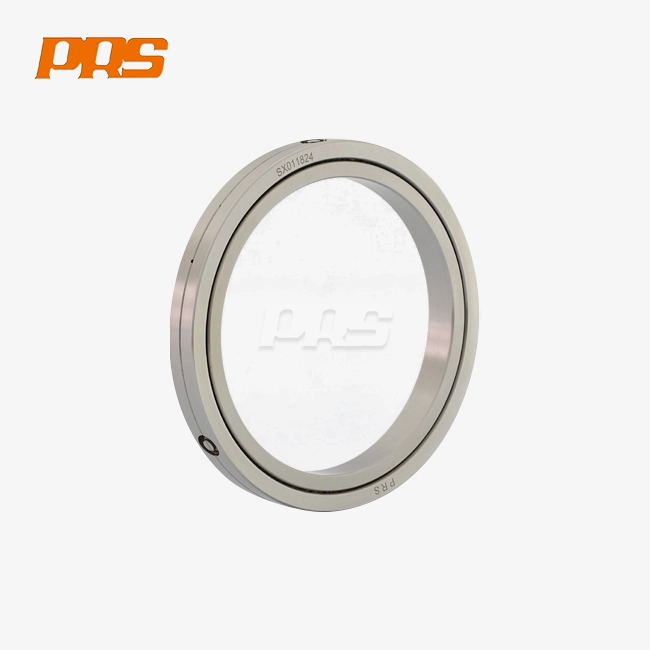
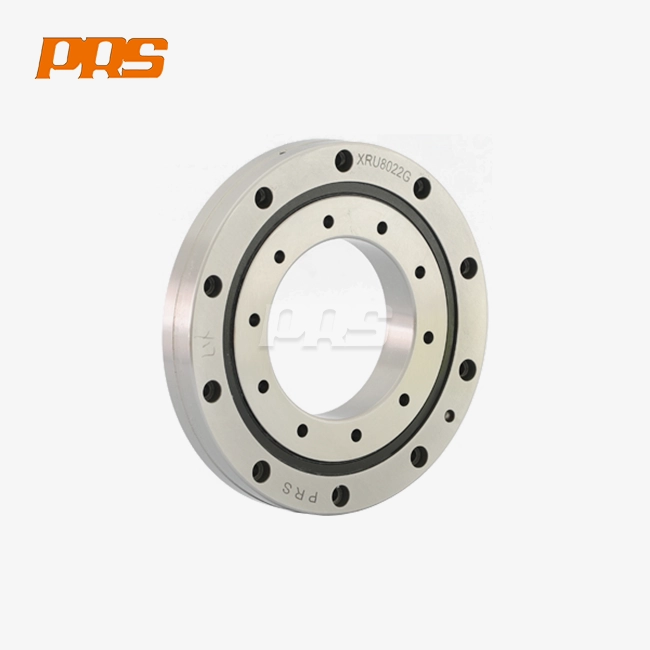
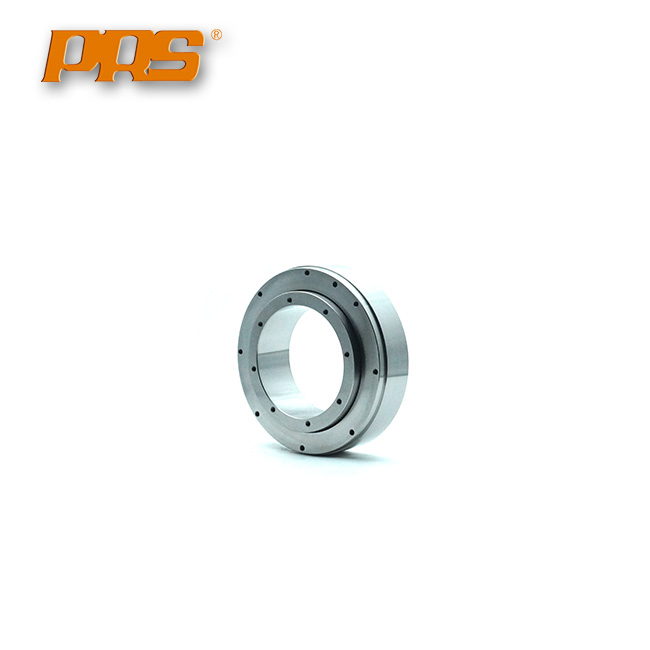
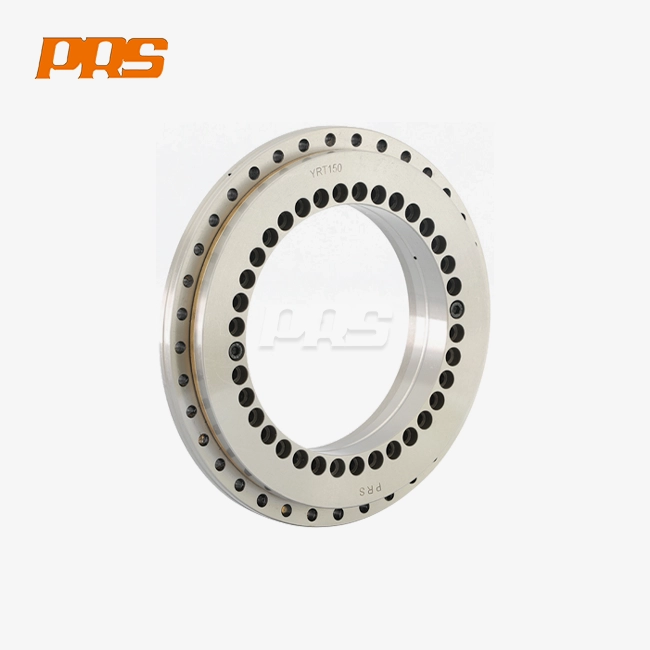
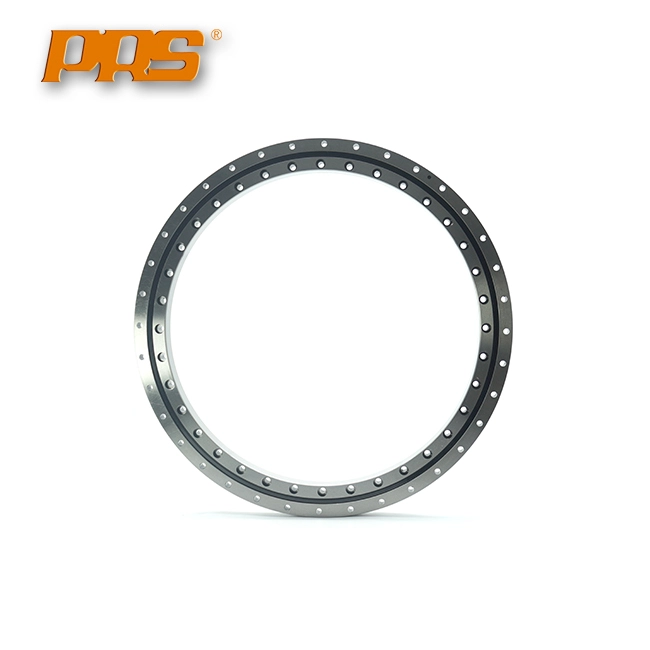
Slewing ring bearings, which have replaced old kingpost gears with more modern bearings, are the backbone of modern crane systems. The design has inner and outer rings with precisely made raceways that can fit more than one row of rolling elements. When these elements touch surfaces at specific angles, they can move weight in more than one direction at the same time while the crane swings through its operational arc. This one combined part of your equipment handles the weight of hanging goods, the shear forces that act on it while it's rotating, and the overturning moments that come from the longer boom reach.
Types of Slewing Bearings and Their Specific Applications
In port and construction settings, different bearing configurations meet different operational needs. External gear slewing bearings put the drive pinion on the outside diameter, which makes installation easier and increases the axial load capacity. These configurations work well for mobile cranes that need to be easy to maintain. With internal gear bearings, the gear teeth are on the inner diameter. This makes the size smaller, which is great for tower cranes that need to work on busy building sites. No-gear bearings get rid of the need for integrated gearing in situations where two separate drive mechanisms are used. This makes it possible for specialty equipment installations to handle loads evenly in all directions.
Operational Advantages That Drive Procurement Decisions
The engineering benefits lead directly to improvements in operations that can be measured. Low-friction roller elements make rotation more efficient because they need less driving power than slide contact systems. The load capacity is higher than with standard bearing setups because the stress doesn't build up in one area. The small size of the design lowers the overall height of the crane, which makes it more stable during lifts. Cost-effectiveness comes from longer periods between maintenance and fewer times when parts need to be replaced. This addresses the total cost of ownership issues that are at the center of talks about buying capital equipment.
Key Applications of Slew Bearing Cranes in Ports and Construction Sites
Real-life deployment examples show how choosing the right bearings can affect operating results in a wide range of industrial settings.
Critical Roles in Port Logistics and Material Handling
For port facilities to stay ahead of the competition in global trade networks, they need goods to keep moving, and for slew bearing crane, when loading and removing ships, container handling cranes with strong slewing bearings can accomplish the job quickly, and ship-to-shore cranes utilize triple-row roller bearings rated for severe duty cycles, managing repetitive rotational movements throughout 24-hour operational schedules, and for operations that stack heavy goods, precise placing control keeps containers from getting damaged and increases storage density. When loading and removing ships, container handling cranes with strong slewing bearings can accomplish the job quickly. Ship-to-shore cranes utilize triple-row roller bearings rated for severe duty cycles, managing repetitive rotational movements throughout 24-hour operational schedules. For operations that stack heavy goods, precise placing control keeps containers from getting damaged and increases storage density. A big Asian port saw an 18% increase in throughput after switching to precision-engineered slewing rings made to very tight tolerances. These rings cut down on positioning mistakes during automated stacking operations.
Essential Functions Across Construction Project Types
On construction sites, loads change all the time, which tests the limits of how long something can last. High-rise building projects require tower cranes with internal gear slewing bearings that fit within restricted site areas while handling material lifts to extreme heights. For building bridges and tunnels, mobile cranes with external gear designs that allow stable spinning during steel placement operations at long reach are essential. A bridge construction project in Europe cut installation time by 12 days by using cranes with improved bearing systems that kept their position accurately even when the ground was uneven and there was wind. This shows how the quality of a component affects project timelines and budget performance.
Maintenance and Operation Best Practices for Slew Bearing Cranes
Protocols for proactive repair protect investments in technology and stop catastrophic failures in processes that are very important to the business. Consistent performance is guaranteed by knowing the warning signs and putting in place structured service routines.
Recognizing Early Warning Signs of Bearing Wear
Unusual vibrations during spinning indicate possible raceway damage or rolling element degradation that requires quick study. Grinding or clicking noises suggest loose mounting bolts or contamination within sealed raceways. When mechanical backlash goes up, wear progresses faster, which makes placement less accurate. Regularly checking the tilting clearance gives a clear picture of the machine's health. Measurements that are more than 2.0 to 3.0 mm off from what the manufacturer recommends mean that a part is about to fail and needs to be replaced before it does any damage to the structure.
Implementing Effective Preventive Maintenance Protocols
Scheduled greasing is the basis of methods for keeping bearings in good shape. In normal conditions, lithium EP2 grease needs to be applied to raceway surfaces every 100 hours of operation. In high-humidity or offshore environments, the time between applications is cut to 50 hours. Every 40 to 50 hours, the gear teeth need to be oiled to stop them from wearing out faster. Mounting bolt torque, seal integrity, and magnetic plug deposits for metal particles that show internal wear should all be carefully checked during checks. Protective cleaning gets rid of rough dirt and grime before it gets into seal systems. Failures caused by fatigue can be avoided by replacing parts on time with new Grade 10.9 or 12.9 mounting nuts; never use the same screws twice when installing bearings.
Safe Operational Guidelines and Load Management
Load capacity limits that are specific to the type of crane and bearings must be emphasized in training programs for operators. When compared to smooth lifting, shock loading drastically shortens the life of bearings. The safe operating conditions are affected by things in the environment, such as the wind speed and the stability of the ground. Documentation systems that keep track of maintenance tasks and load cycles allow for predictive analysis that makes the best use of replacement scheduling. If you regularly grease and check the tightness of the bolts, slewing bearings should last between 10 and 15 years. However, if you don't protect the seals properly, shock loading or rough surroundings can shorten this to less than five years.
How to Select and Procure the Right Slew Bearing Crane for Your Project?
Strategic buying choices balance technical requirements against budget limits and long-term practical considerations. The best tools is chosen through a methodical review process.
Evaluating Load Capacity and Drive System Options
The maximum lift weight plus dynamic forces from the boom moving and the environment must be taken into account in the load capacity specifications, and for slew bearing crane, for example, port applications that deal with standard container weights need different capacity ratings than construction projects that deal with loads that change all the time, and electric and hydraulic drive systems each have pros and cons, with electric systems offering exact speed control and lower running costs, while hydraulic drives offer higher torque for heavy-duty cycles, and choosing the right material grade depends on how long it will last in different situations. For example, port applications that deal with standard container weights need different capacity ratings than construction projects that deal with loads that change all the time. Electric and hydraulic drive systems each have pros and cons. Electric systems offer exact speed control and lower running costs, while hydraulic drives offer higher torque for heavy-duty cycles. Choosing the right material grade depends on how long it will last in different situations. For example, 50Mn steel is good for general building work, 42CrMo is good for heavy industrial uses, and 42CrMo4 luxury grades are good for harsh offshore settings.
Assessing Vendor Capabilities and Support Infrastructure
Manufacturer engineering support capabilities directly impact project success beyond initial equipment purchase. Technical teams should provide load calculations, mounting process advice, and repair scheduling assistance. Quality certifications like ISO 9001 and ISO 14001 show that a company is dedicated to making sure that their products are always the same. The warranty terms and service reaction options protect against breakdowns that come up out of the blue. When planning a project, knowing when standard configurations and custom designs will be delivered affects the schedule. Top makers keep a lot of stock on hand, so they can ship common specifications within 24 hours and offer accelerated engineering for unique needs.
Procurement Strategy Considerations for Industrial Buyers
New equipment sales ensure full insurance coverage and latest design changes, supporting higher initial investment for important long-term installations. Used units offer cost advantages for short-duration projects or backup equipment roles, though thorough inspection is essential to assess remaining service life. Rental choices give you the freedom to adapt to changing demand or project-specific needs without having to spend a lot of money. Custom design partnerships with manufacturers help meet specific operational needs that standard products can't meet. This is especially helpful for port equipment that isn't commonly used or construction projects that don't follow the rules. Authorized service center networks ensure maintenance support availability throughout equipment lifecycle, reducing downtime risk.
Future Trends and Innovations in Slew Bearing Crane Technology for Ports and Construction
New technologies are changing what cranes can do and how they are maintained. Companies that adopt these technologies early can gain a competitive edge.
Smart Monitoring and Predictive Maintenance Systems
Adding IoT sensors lets you keep an eye on the temperature, shaking patterns, and lubricant levels of bearings all the time. Collecting data in real time feeds into predictive algorithms that find problems before they become operational failures. With remote diagnostics, tech teams can check on the health of equipment without having to go to the site. This cuts down on repair costs and increases reliability. Automated lubrication systems make sure that the right amount of grease is always applied based on the actual operating conditions instead of set schedules. This protects bearings more effectively.
Advanced Materials and Design Innovations
When lightweight composite materials are used in bearing cages and seals, they lower the rotational mass without lowering the strength. This saves energy during cycles of speeding up and slowing down. Surface treatment technologies, such as special coatings, make things less likely to rust in marine settings while also lowering their friction coefficients. Using modular design methods makes it easier to change worn-out parts quickly in the field, which cuts down on the time the crane is down for upkeep. These new ideas are especially helpful for port sites where the availability of tools has a direct effect on how much money they make.
Sustainability and Energy Efficiency Initiatives
Energy-efficient drive systems paired with low-friction bearing designs lower power consumption across crane fleets, meeting practical cost pressures and environmental rules. Manufacturers are focusing more and more on parts that can be recycled and products that have less of an effect on the earth over their entire lifecycles. Crane makers and bearing experts can work together as strategic suppliers to speed up the development of new technology and bring performance changes to market more quickly. Knowing about these trends helps people who work in procurement predict the risks of equipment becoming obsolete and find ways to stand out from the competition by using better equipment.
Conclusion
The slew bearing crane is an important piece of technology that combines mechanical engineering with the need for operating efficiency in building and ports. By choosing the right bearings based on load analysis, weather factors, and duty cycle needs, you can protect your equipment investments and get solid performance. Regular maintenance, like lubrication and checking the condition, keeps things in good shape and keeps them from breaking down at expensive times. Total value is maximized by making strategic purchasing choices that take into account capacity requirements, vendor skills, and lifecycle costs. Emerging technologies offer enhanced tracking, better materials, and greater efficiency. By understanding these technical and operational aspects, procurement professionals and maintenance teams can set up their companies to stay ahead of the competition in tough industrial settings where the reliability of equipment has a direct effect on profits.
FAQ
How Often Should Slewing Bearings Be Lubricated?
Using lithium EP2 grease, the raceways should be oiled every 100 hours of normal use, and the gear teeth should be oiled every 40 to 50 hours. In places with a lot of humidity or offshore uses, gaps need to be cut to stop corrosion and water from getting in. Optimal plans depend on operational activity and contamination exposure levels. In harsh situations, service needs to be done more often.
What Determines Slew Bearing Crane Load Capacity?
Load capacity depends on bearing type, material grade, and geometric design parameters. Roller bearings with three rows can handle more weight than bearings with only one row. Materials with hardness values between 55 and 65 HRC are strong when put under stress. By optimizing the contact angle and raceway width, forces are spread across the rolling elements, which keeps them from breaking too soon when axial, radial, and tilted moment loads are applied at the same time.
Can Manufacturers Customize Slew Bearings for Specific Applications?
Leading makers offer a wide range of customization options, such as non-standard sizes, special materials, and sealing systems that are designed to work with particular applications. Custom gear ratios can be made to fit the needs of any drive system. Engineering teams do load studies and design validation to make sure that the equipment will work well in real-world situations. This is especially helpful for specialized port equipment or unusual building situations.
Partner with PRS for Superior Slew Bearing Crane Solutions
Precision-engineered slewing ring bearings are made to exacting standards in Luoyang PRS Precision Bearing Co., Ltd.'s 15,000-square-meter factory, which has more than 200 high-precision machines. Our professional team of 35 engineers helps with all aspects of applications, from the initial planning phase to installation and ongoing support. We make internal gear, external gear, and no-gear configurations in a range of sizes, as well as designs that are made to fit the needs of your port or construction project. Our bearings are made of 50Mn, 42CrMo, S48C, and 42CrMo4 materials, and they can achieve precision levels up to P2 grade. They also have factory pass rates that are higher than 99.9%. Our ISO 9001 and ISO 14001 certifications show that we care about quality and the environment. Standard setups are shipped within 24 hours, and technical attention is sped up for custom designs. Our world shipping network makes sure that your package gets to you quickly. If you need a slew bearing crane supplier you can count on to provide consistent performance and technical expertise, please email our engineering team at ljh@lyprs.com to talk about how our solutions can help you improve your heavy lifting operations.
References
1. American Society of Mechanical Engineers. (2021). "Large Diameter Bearing Standards for Crane Applications." ASME B96.1-2021 Technical Standards Committee Report.
2. International Port Equipment Manufacturers Association. (2022). "Best Practices for Slewing Bearing Maintenance in Maritime Crane Operations." IPEMA Technical Bulletin 47-2022.
3. Construction Industry Institute. (2023). "Comparative Analysis of Tower Crane Bearing Systems in High-Rise Construction." CII Research Report 385-1.
4. Journal of Tribology and Bearing Technology. (2022). "Load Distribution Analysis in Triple-Row Roller Slewing Bearings Under Combined Loading." Volume 144, Issue 3, pp. 127-145.
5. European Committee for Standardization. (2021). "Safety Requirements for Slewing Bearings in Mobile Cranes." EN 13001-3-2:2021 Standards Publication.
6. Port Technology International. (2023). "Impact of Precision Bearing Technology on Container Terminal Throughput Efficiency." Annual Industry Review, pp. 89-104.

USER EVALUATE
Here is the customer's evaluation of us