
How to Maintain Slewing Bearings for Long Term Operation?
Maintaining slewing bearings effectively requires a systematic approach combining regular inspections, proper lubrication, and environmental control. These large-diameter rotational components demand attention to load management, contamination prevention, and timely interventions based on condition monitoring. Establishing structured maintenance schedules tailored to operational intensity ensures equipment reliability while minimizing unexpected downtime. Understanding the specific failure mechanisms—from raceway wear to seal degradation—allows engineering teams to implement targeted strategies that extend service life and protect capital investments in critical machinery across robotics, medical imaging, semiconductor manufacturing, and precision metrology applications.
Understanding Slewing Bearings and Common Maintenance Challenges
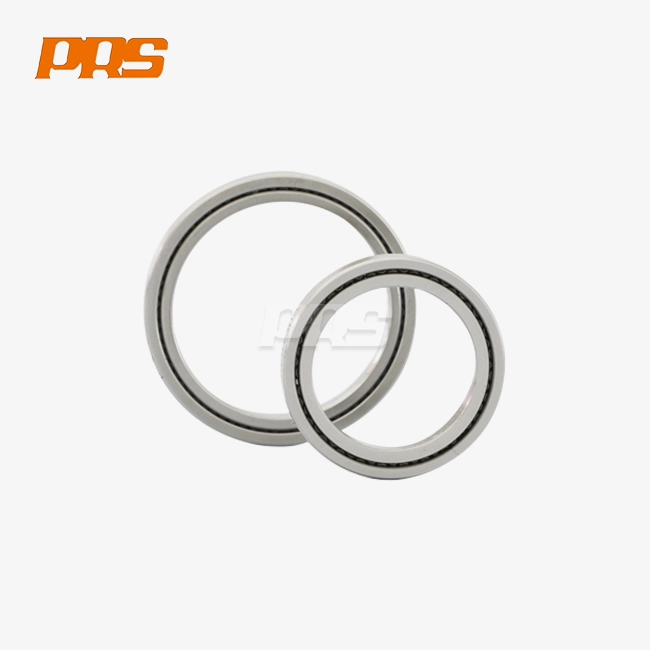
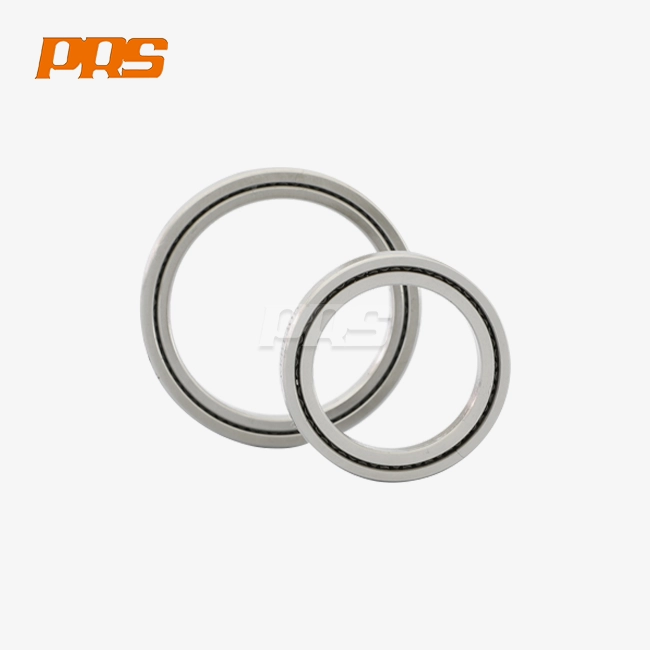
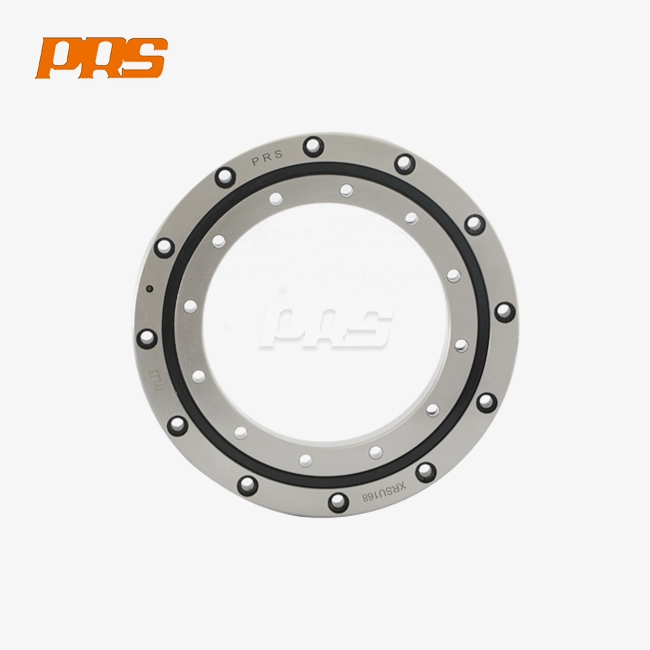
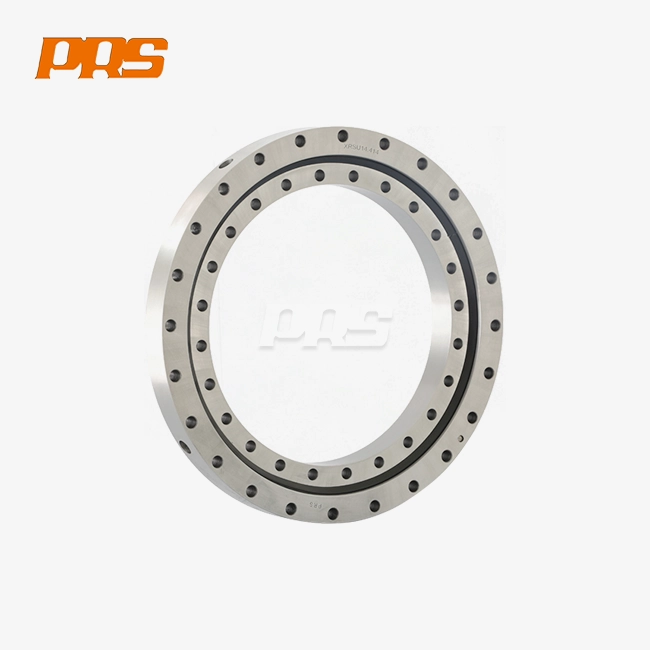
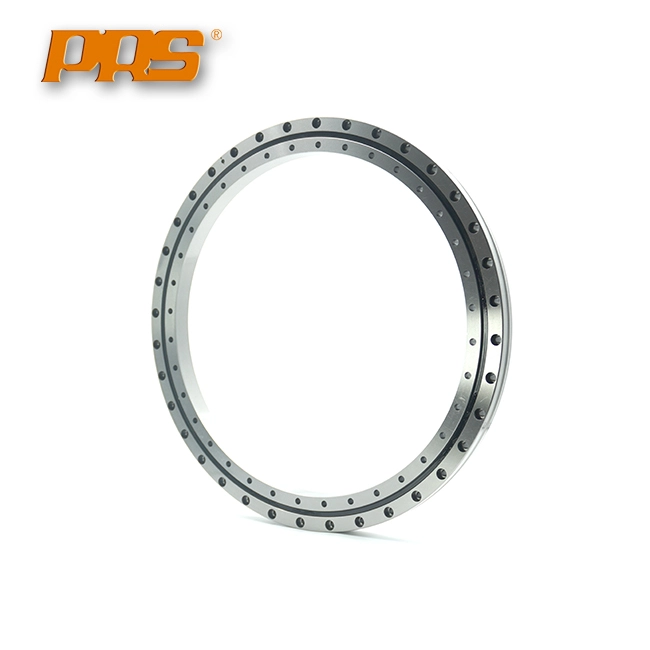
Learn about slewing bearings and common problems that come up during maintenance. These components are the rotating base for machines that need to handle axial, radial, and moment loads all at the same time in a small package. These special units don't have a lot of parts or complicated gear systems like regular bearings do. Instead, they have inner and outer rings with perfectly placed rolling elements along machined raceways. This design makes it possible for cranes, robotic joints, CT scanners, and CNC rotary tables to rotate smoothly even when they are loaded with heavy things, and it keeps the accuracy of their positioning down to the micron level.
Basic Construction and Operating Principles
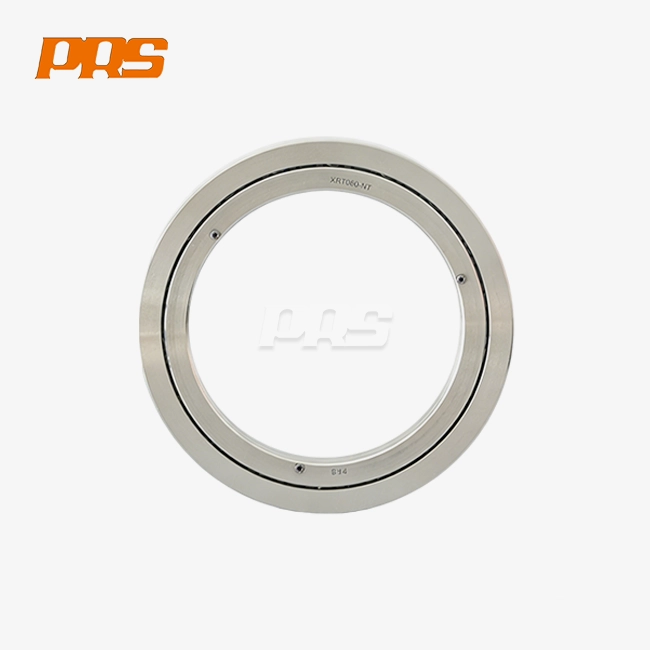
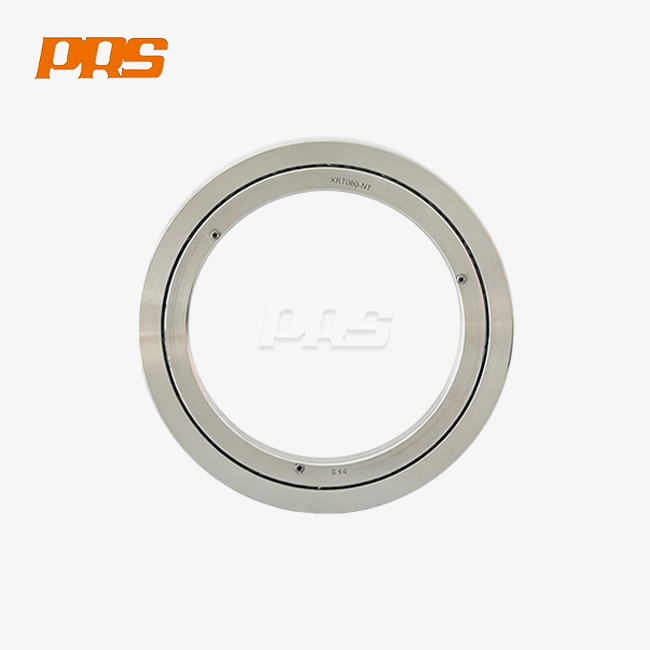
The basic structure is made up of two circular rings, called the inner and outer rings. There are moving elements between them that are set up on carefully designed raceways. Ball-type designs work best in situations where smooth motion under modest loads is needed. They can rotate at higher speeds, which makes them ideal for positioning tables and small robotic systems. Roller designs can hold more weight for heavy-duty tasks, and crossed roller setups are perfect for handling semiconductor wafers and medical imaging equipment because they are very hard and precise. The shape of the raceway affects how forces are spread across contact points. This keeps stress from building up in one place, which speeds up wear failure. Premium bearing steels like 50Mn and 42CrMo are heated until the surface is 55 to 60 HRC hard while the core stays tough. This is necessary for absorbing impact loads in automated manufacturing settings.
Key Types and Maintenance Considerations
For light to middling duty cycles, where rotation speed is more important than exact load capacity, single-row ball designs work well. These designs need to be oiled less often, but they need to be carefully aligned when they are installed to avoid edge loads. When two rows are arranged next to each other, the contact angles are optimized for combined loading scenarios. This makes the structure stiffer, which is important for tracking systems in mobile robotics and aerospace. Separate axial and radial load paths in triple-row roller systems spread the load as evenly as possible, but they need to be inspected more carefully because they are more complicated. In cleanroom semiconductor uses, sealed designs keep internal parts from getting dirty, while open configurations make it easier to re-grease building tools in the field.
Common Failure Modes and Root Causes
Going over the rated load limits is still the main reason why things break too soon, which shows up as plastic deformation on the raceways, which is called brinelling. This happens when static overloads or shock hits are stronger than the material's yield strength. This makes lasting depressions that cause vibrations and speed up the wear process. Major field failures are caused by inadequate lubrication, with metal-on-metal contact causing raceway spalling when the grease film thickness is not sufficient. On the other hand, too much oil causes too much heat through grinding losses and could weaken the seal. Installation mistakes like misalignment, incorrect bolt pressure, or surface contamination add operating loads that make normal wear processes worse. Material degradation from acidic conditions or thermal cycling shortens the life of bearings even more. This is especially true for equipment used outside or that is exposed to big changes in temperature.
Operational and Financial Consequences
When maintenance isn't done properly, there is more downtime, which throws off production schedules and pushes back project deadlines, and for slewing bearings, unexpected bearing failures in robotic assembly lines can stop all production, and the costs of replacing them go far beyond the cost of the parts; they also include the cost of labor, crane rentals, and the value of the production that was lost, and when worn-out bearings make equipment less stable, safety risks arise, and this is especially important for medical devices where accurate positioning is crucial for patient safety, and when failed bearings let in too much space, they send abnormal loads to mounting structures, gears, and drive systems, which damages more equipment. Unexpected bearing failures in robotic assembly lines can stop all production. The costs of replacing them go far beyond the cost of the parts; they also include the cost of labor, crane rentals, and the value of the production that was lost. When worn-out bearings make equipment less stable, safety risks arise. This is especially important for medical devices where accurate positioning is crucial for patient safety. When failed bearings let in too much space, they send abnormal loads to mounting structures, gears, and drive systems, which damages more equipment. When procurement experts choose suppliers and set up upkeep procedures, knowing about these effects helps them look at the total cost of ownership instead of just the initial purchase price.
Essential Maintenance Practices for Slewing Bearings
Setting up regular repair schedules saves the integrity of bearings and extends their useful life. These practices deal with the main causes of failure by keeping an eye on things and taking action before small problems get worse and cause major problems.
Regular Inspection and Condition Monitoring
Heavy-duty machines like excavators and material handling equipment should have visual inspections every 100 hours of use. For light-duty positioning systems, the time between inspections should be increased to 500 hours. Inspectors check the outside of things for cracks, rust, or other physical damage. They also look at the seals to see if they are torn or worn out too much. Measuring axial and radial play gives you numbers that show how the bearing clearance changes over time. If it goes above and beyond what the manufacturer recommends, it means that there is internal wear that needs to be fixed. When handheld monitors or permanently placed sensors pick up on abnormal vibration patterns, they show that problems are starting to form before they make noise or slow down the system. Ultrasound is used in more advanced methods to find lack of grease and early-stage bearing problems. Infrared thermography finds temperature changes that mean friction is rising because of contamination or misalignment. These technologies allow condition-based maintenance methods that choose the best service times based on how the equipment is actually working, not just on a calendar.
Tailored Lubrication Strategies
It is important to choose the right grease for the job. Lithium complex formulations work well in most industrial settings, while synthetic greases work better in very cold or clean environments. NLGI Grade 2 consistency is good for most rotational applications, but Grade 1 is better for slower-moving orientations because it has better flow characteristics. Application regularity depends on job cycles. For example, if the machine is used for constant rotation, it needs to be re-oiled every month, but if it is only used sometimes, it only needs to be done every three months. The right way to do it is to drain old grease through the right drainage ports to keep contamination from building up and make sure the whole raceway is covered. Some common mistakes are either not lubricating enough, which raises working temperatures and lets seals break, or not lubricating enough, which leaves raceways open to corrosive wetness. Automated lubrication systems deliver precisely measured amounts at predetermined times. This eliminates human error and ensures consistent film maintenance in many bearing locations of complicated machinery.
Environmental Control and Contamination Prevention
By keeping the seals in good shape, abrasive particles can't get into the raceway area, where they speed up wear through three-body abrasion. Regular cleaning with lint-free cloths and approved solvents gets rid of built-up dirt on mounting surfaces and seal contacts. Do not use high-pressure cleaners, which push dirt past sealing elements. Covers that protect outdoor structures from rain and airborne particles are especially useful for building equipment that works in dusty places. Desiccant breathers on enclosed gears stop moisture from condensing during thermal cycles. This stops one of the main causes of corrosion in equipment that is exposed to changes in temperature. Setting up cleanroom rules for semiconductor and medical device uses includes teaching workers how to keep surfaces from getting contaminated, providing special tools that stop particles from being made, and checking the air to make sure particle counts stay within acceptable limits.
Advanced Strategies to Extend Slewing Bearing Life
When designing equipment, it's important to do correct application engineering to make sure that the bearings chosen give enough safety margins for all possible working situations, and for slewing bearings, instead of just looking at top static scores, dynamic load analysis takes into account things like impact factors and changes in duty cycle, and when you install something according to ISO standards, alignment mistakes are less likely to happen, for example, the mounting surface needs to be flat within 0.05 mm per meter, and the bolt hole shapes need to match within 0.1 mm to keep the ring from warping, and adjusting the preload makes the internal clearances work best, balancing the need for stiffness with the limits of friction torque that are unique to the application's velocity profiles. Instead of just looking at top static scores, dynamic load analysis takes into account things like impact factors and changes in duty cycle. When you install something according to ISO standards, alignment mistakes are less likely to happen. For example, the mounting surface needs to be flat within 0.05 mm per meter, and the bolt hole shapes need to match within 0.1 mm to keep the ring from warping. Adjusting the preload makes the internal clearances work best, balancing the need for stiffness with the limits of friction torque that are unique to the application's velocity profiles.
Design Innovations Enhancing Serviceability
Modern sealed bearing designs have many sealing steps that combine contact and non-contact parts. This greatly increases the time between relubrication and protects against hard weather conditions. Precision equipment can't have positioning errors because of internal clearances that are caused by preloaded designs. These designs provide repeatability that is necessary for metrology systems and medical imaging devices. Modular design lets worn parts be replaced in the field without having to take out the whole bearing. This cuts down on the time needed for upkeep and the costs of downtime. Materials made to resist corrosion, like stainless steel alloys and special coatings, make equipment last longer in marine settings and chemical processing areas where regular bearing steels wear out quickly. New ways to make slewing bearings last longer contribute to these operational advantages.
Predictive Maintenance Through IoT Integration
Permanently installed vibration sensors regularly check the health of the bearings. Wireless communication allows real-time analysis that finds patterns of wear and tear weeks before people can notice them. Temperature monitoring can tell when lubrication fails and friction rises, sending maintenance alerts when standard working ranges are exceeded. Data analytics platforms compare current performance to historical baselines and fleet-wide statistics. They then use predictive algorithms to estimate how much useful life is left with a statistical confidence interval. With this proactive approach, maintenance stops being reactive and starts happening on a regular basis during planned breaks in production. This gets rid of the need for emergency repairs and makes the best use of labor resources. A crane manufacturer that used IoT tracking on all of their equipment cut unplanned downtime by 64% and increased the average bearing life by 31% by acting on condition data instead of calendar plans to decide when to fix things.
Choosing the Right Slewing Bearing Supplier for Reliable Maintenance Support
The ability of the supplier to provide technical help is an important part of choosing a supplier because it affects the long-term growth of the business. To check if a seller is qualified, you need to look at how much engineering knowledge they have during application development and how quickly their technical teams are when it comes to doing load calculations, installation help, and troubleshooting throughout the lifetime of the equipment. Choosing the right slewing bearing supplier ensures access to these critical services.
Technical Assistance and After-Sales Service Quality
An in-depth look at the operating conditions, such as load profiles, duty cycles, environmental factors, and integration needs, is the first step in providing full application support. Suppliers that offer precision grades up to P4 and P2 show that they can make things that meet the strict accuracy requirements for robots and precision instruments. Good after-sales service is shown by technical hotlines that are easy to reach, quick responses to problems in the field, and a willingness to do on-site assessments when issues arise. Financial safety against early failures is provided by warranty terms that show how confident the maker is in the product's durability, though terms vary a lot between sellers. Product certifications, such as ISO 9001 manufacturing standards and material traceability according to EN 10204 3.1, make sure that the quality is always the same and that the material properties are recorded, which is very important for industries that are regulated.
Procurement Planning and Partnership Benefits
Clear pricing models help you plan your budget because there are no hidden fees for standard customizations or technical support. Honest communication of realistic lead times lets production schedules match the availability of parts—suppliers who keep stock for common configurations deliver faster than those who only make things when they are ordered. Manufacturers of equipment that need to buy a lot of units can save money by buying in bulk. This is because volume pricing shows lower overhead costs per unit. Long-term relationships help both parties understand the needs of the application and the difficulties of running it. This lets providers predict what the customer will need and suggest ways to make things better based on their experience with similar applications in the field. When you have a history with manufacturers like PRS, who have been specializing in precision bearings for over 20 years, you can get application engineering help and customization options that you can't get from generic sellers who only sell through catalogs.
Conclusion
Maintaining turntable bearings through regular inspections, the right way to grease them, and steps to protect the environment guarantees their long-term dependability in tough industrial settings, and for slewing bearings, understanding how failures happen lets you focus your fixes so that small problems don't get worse and cause expensive breaks that mess up production plans and equipment availability, and predictive analytics and new design ideas are used in more advanced strategies that increase operating life and lower total purchase costs. Understanding how failures happen lets you focus your fixes so that small problems don't get worse and cause expensive breaks that mess up production plans and equipment availability. Predictive analytics and new design ideas are used in more advanced strategies that increase operating life and lower total purchase costs. To be successful, you need to choose providers that offer full technical support, quality certifications, and fast customer service that goes beyond delivering the product and continues to support field operations throughout the lifespan of the equipment.
FAQ
How Often Should I Inspect and Lubricate Slewing Bearings?
How often should I check my slewing bearings and grease them? How often inspections are done relies on how busy the operations are and what the setting is like. Heavy machinery that works continuously in rough conditions needs to be inspected visually once a month and oiled every 100 hours. Light-duty positioning systems that are used in controlled environments need to be inspected every three months and oiled every six months. Instead of sticking to set schedules, automated systems that have condition tracking change the time between checks based on real working hours and any problems that are found.
What Signs Indicate Immediate Bearing Replacement Needs?
Hearing grinding sounds, seeing damaged raceways, or temperature increases that are more than 20°C above normal can all be signs of critical deterioration that needs to be stopped and looked at right away. If the rotational torque goes up, the positioning is off by more than the specified amount, or there is visible seal damage letting lubricant leak out, the bearing needs to be replaced right away to avoid catastrophic failure and subsequent equipment damage.
Can Proper Maintenance Extend Load Capacity Ratings?
Maintenance keeps the design performance but can't raise quoted limits above what the maker says is possible. Bearings will last as long as they are supposed to under normal loads if they are properly cared for. If they are not, they will break down early even when they are properly loaded. Overloading raceways damages them no matter how well they are maintained, because the material's yield strength is set during manufacture and can't be changed.
Partner With PRS for Expert Slewing Bearing Solutions
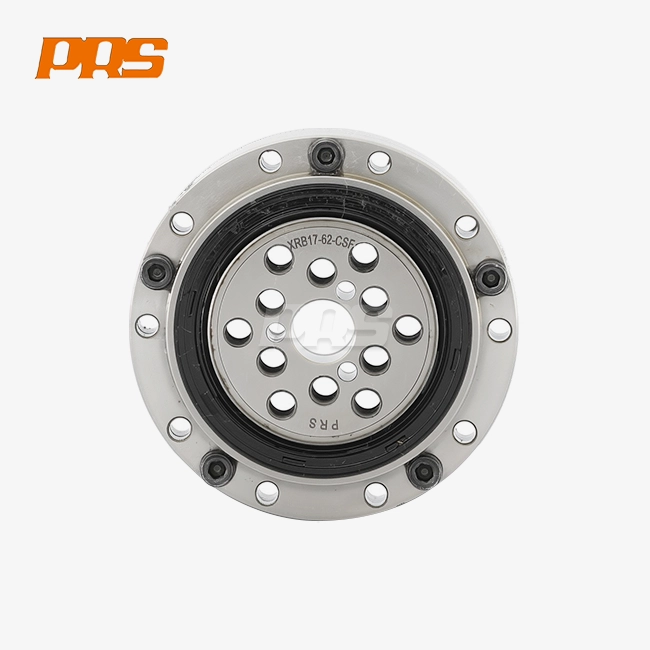
Partner with PRS for expert help with slewing bearings. Luoyang PRS Precision Bearing Co., Ltd. makes high-precision rotating parts for medical devices, aerospace, industrial automation, and the production of semiconductors. These parts need to be very accurate and reliable. Our slewing bearings are made in China and come in internal gear, external gear, and gearless designs. They have a diameter of 434 mm, an outer diameter of 640.3 mm, and a thickness of 56 mm, so they can be mounted in a variety of ways. Since 2003, we've been specializing in high-precision crossed roller bearings with accuracy grades of P4 and P2. These are better-value domestic options than foreign parts that can be delivered faster. PRS is a well-known company that makes slewing bearings. They follow ISO 9001 quality standards and have application engineering experts who help customers from the design consultation stage all the way through planning for installation and maintenance. Get in touch with our expert team at ljh@lyprs.com to talk about your unique needs and get custom solutions backed by quick after-sales support.
References
1. Harris, T.A., and Kotzalas, M.N. "Advanced Concepts of Bearing Technology: Rolling Bearing Analysis, Fifth Edition." CRC Press, 2006.
2. Neale, M.J. "The Tribology Handbook, Second Edition." Butterworth-Heinemann, 1995.
3. Eschmann, P., Hasbargen, L., and Weigand, K. "Ball and Roller Bearings: Theory, Design and Application, Third Edition." John Wiley & Sons, 1985.
4. Budynas, R.G., and Nisbett, J.K. "Shigley's Mechanical Engineering Design, Tenth Edition." McGraw-Hill Education, 2015.
5. International Organization for Standardization. "ISO 281:2007 Rolling Bearings - Dynamic Load Ratings and Rating Life." ISO Standards Catalogue, 2007.
6. Bhushan, B. "Principles and Applications of Tribology, Second Edition." John Wiley & Sons, 2013.

USER EVALUATE
Here is the customer's evaluation of us