
How to Select the Right RB Cross Roller Bearings for Automation?
Before you can choose the right RB cross roller bearing for your automation system, you need to know what kind of load, precision, and working conditions you have. These unique parts have a split outer ring design and an inner ring that is solid. This lets them handle radial, axial, and moment loads at the same time while taking up little space. To make the right choice, you need to compare the bearing capacity to the real loads, match the precision grade to the level of accuracy you need, and think about external factors like temperature and contamination. This all-around method guarantees the best performance in robotic joints, CNC rotary tables, and precision positioning systems that must be reliable and accurate at all times.
Understanding RB Cross Roller Bearings: Design and Working Principles
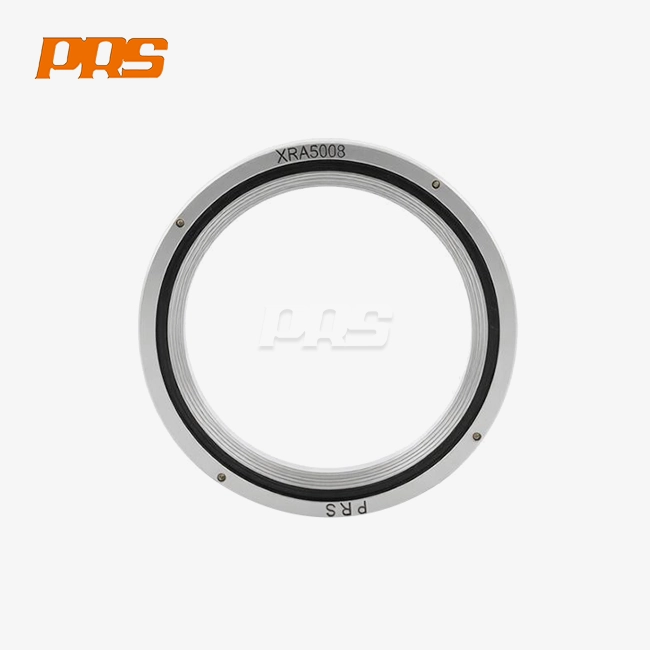
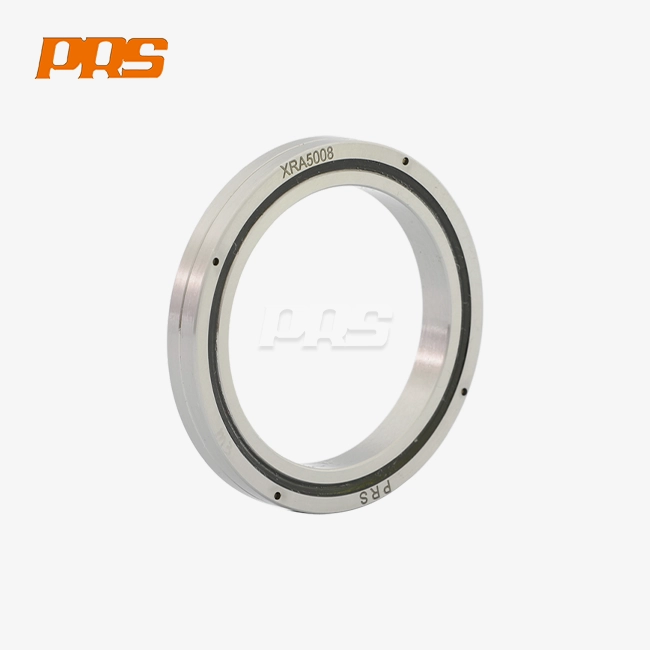
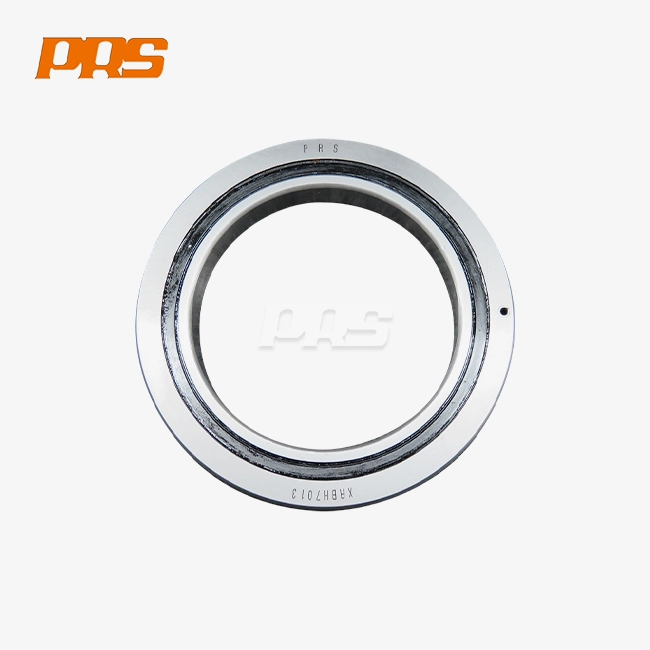
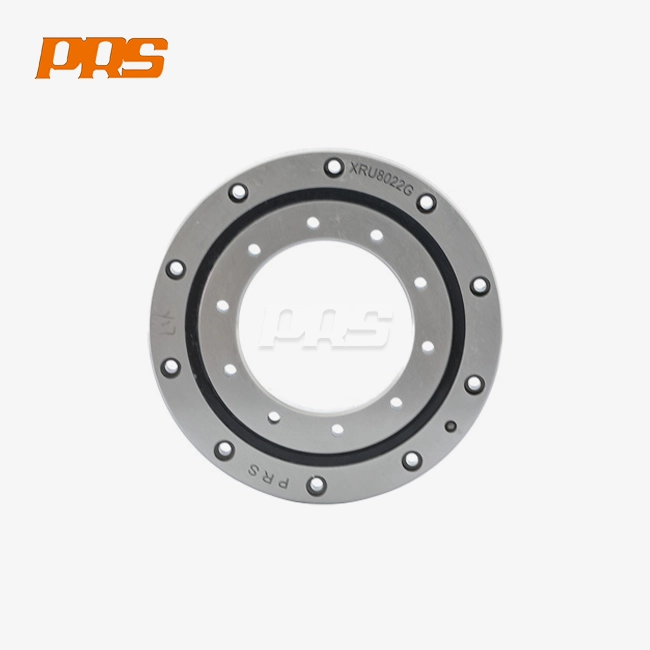
The roller design is what makes these bearings architecturally unique. Between V-shaped raceways, cylindrical rollers move back and forth at 90-degree angles, making a stepped pattern that evenly spreads forces across many contact points. With this design, you don't need separate radial and push bearings. This combines functions and makes assembly easier.
Structural Configuration
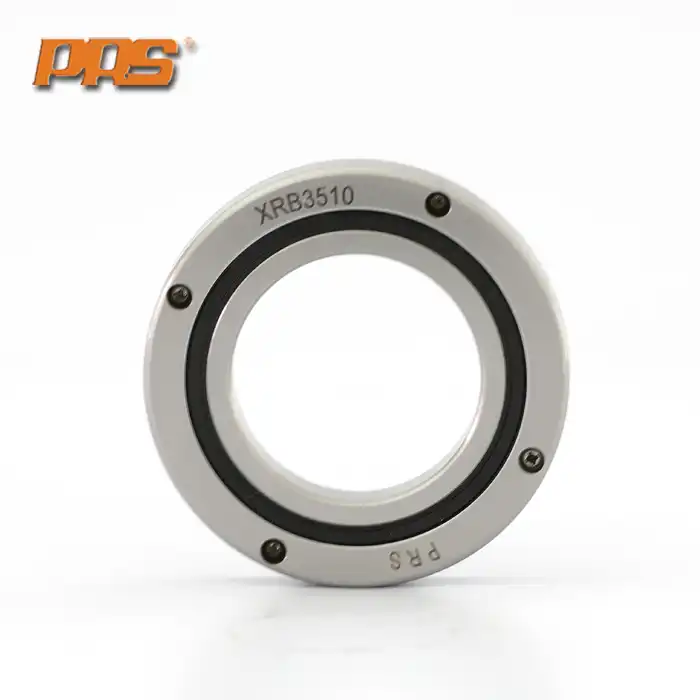
The RB series has an inner ring that is built in and keeps the bearings round and rotating accurately for a long time. Unlike split inner ring designs, which can have alignment problems, this solid construction will always work well. The outer ring is split into two parts, which makes installation easier and lets you place the rollers precisely while putting the machine together. This setup has a number of practical benefits that have a direct effect on how well automation works.
Axial loads are handled by rollers that are positioned vertically, while radial forces are handled by rollers that are positioned horizontally. Moment loads are spread out across both sets of rollers, making the frame stable and resistant to bending. The alternate design keeps the rollers from skewing, so the machine runs smoothly even when the load changes.
Material and Manufacturing Excellence
PRS makes these bearings from high-quality GCr15 and GCr15SiMn bearing steel, which was chosen because it has the best mix of strength, stiffness, and wear resistance. Through heat treatment, surfaces become harder than 58 HRC, which means they will last longer in tough situations. The V-grooved raceways are ground to a surface finish measured in micrometers, which is important for keeping the low friction coefficients needed for high-speed robotics.
How well a bearing works depends on how precisely it was manufactured. Over 200 precise tools in our 15,000-square-meter Luoyang plant keep an eye on quality automatically as production goes on. First, a coordinate measure machine checks each bearing's dimensions to make sure they are correct. Then, runout testing makes sure the rotational accuracy meets the range grades that were set. Our plant pass rate stays above 99.9% thanks to this strict method, which gives procurement managers confidence in our dependability.
Critical Factors to Consider When Selecting RB Cross Roller Bearings for Automation
To choose the right heading, you need to carefully look at a lot of different factors. Which standard is best for your application depends on the type of load, the level of accuracy needed, the working conditions, and how the system is integrated. If you don't pay attention to any of these factors, you could fail early or perform poorly.
Load Capacity Assessment
First, figure out how much load your machine really puts on. When industrial robots quickly speed up and slow down, they put a lot of moment loads on their parts. During cutting processes, CNC rotating tables are subject to constant radial loads and short-term thrust forces. Medical imaging gantries hold up large pieces of equipment and keep them rotating smoothly.
These complicated load combinations are no problem for RB cross roller bearings. The crossed roller design spreads forces more evenly than ball bearings of the same size by creating load lines through multiple contact places. When figuring out capacity, you should take into account both normal conditions and high loads during the worst-case situations. Dynamic load ratings show how well a bearing works when it is continuously rotating, while static ratings show how well it works when it is fixed or moving slowly, which is common in tracking systems.
Precision Grade Selection
Precision sorting has a huge effect on how well automated works. There are different levels of tolerance in the bearing business. P6 is the usual level of precision that can be used for most machinery. Applications that need tighter control choose P5 because it is more accurate. Robotics and measurement tools that need to be very precise often need P4 or even P2 grades, which have margins for dimensions in the single digit microns.
More precise grades cost more, but they give clear benefits. Less runout directly leads to more accurate positioning in robotic end effectors. Lower amounts of vibration make parts last longer and allow for faster speeds without affecting steadiness. Premium precise grades are especially useful for making semiconductors and optical systems, where placement down to the micron level affects the quality of the product.
Environmental and Operating Conditions
Extreme temperatures have a big effect on how well bearings work. Typical lube works from -30°C to +120°C, which includes most industry settings. When used outside of these areas, special oils or bearing materials are needed. When making semiconductors in a cleanroom, the configurations must be sealed so that particles don't form. On the other hand, medical equipment often needs materials that can be sterilized.
Another important thing to think about is contamination. When used in machine tools, coolant, metal chips, and cutting waste can get into the bearings. It's important to have good sealing, but double-sided seals add pressure that could affect how well they work at high speeds. If you know what your working environment is like, you can choose the right seal types, materials, and lubrication methods that combine safety with speed.
Integration and Lifecycle Costs
Bearing selection is more than just looking at technical specs; it also involves thinking about how to put it and how much it will cost in the long run. The split outer ring design makes fitting easier than with regular bearings, which cuts down on the time and special tools needed. Accessibility for maintenance is also important. Can workers check and re-grease bearings without taking a lot of equipment apart?
The initial buy price, labor for installation, upkeep schedules, and estimated service life are all part of the total cost of ownership. It is often more cost-effective to change higher-quality bearings that last longer than to replace lower-quality parts more often. In automatic production lines, the costs of downtime can be much higher than the prices of the parts, so dependability is the most important thing to think about.
Comparing RB Cross Roller Bearings with Alternative Bearing Types
Knowing how RB cross roller bearings stack up against other options helps you decide to use them in certain situations. Knowing the differences between the different types of bearings lets you choose the best one for your needs.
Space and Load Considerations
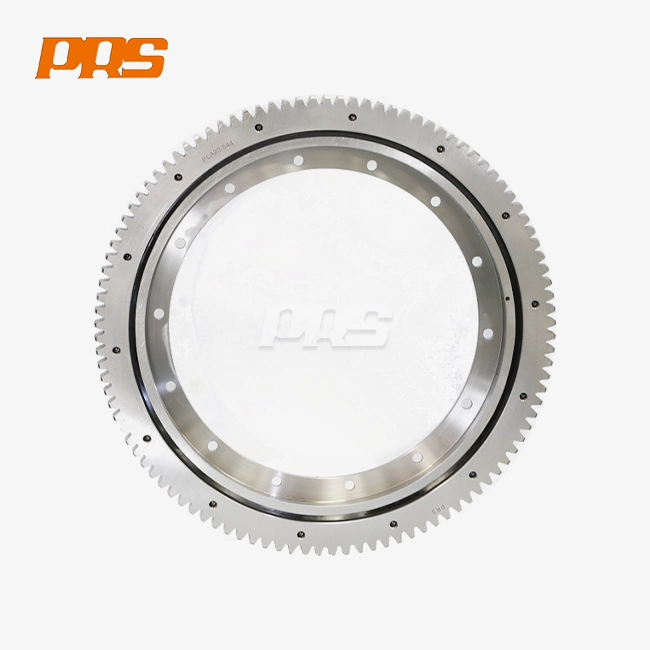
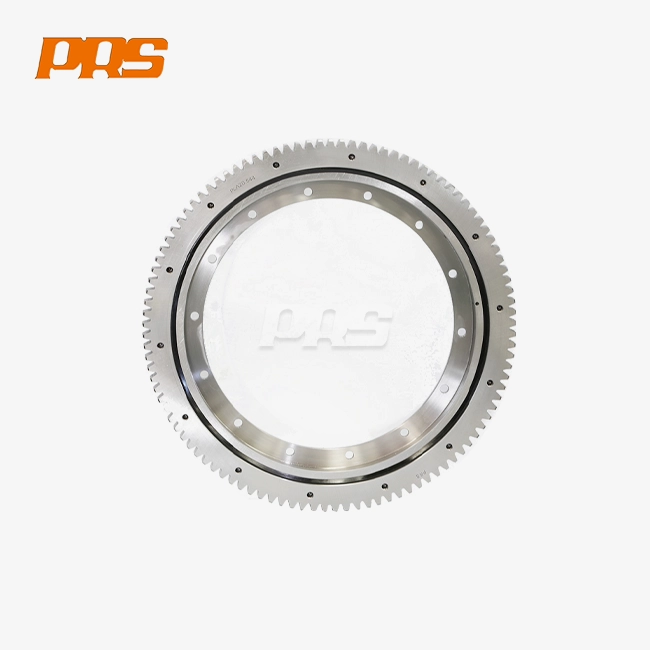
Slewing bearings can handle bigger diameters and different mounting options on the outside, making them ideal for wind farms and building equipment. But because they are so big and heavy, they can't be used in small robotic systems. When there isn't much room, RB cross roller bearings can hold the same amount of weight in much smaller spaces.
Ball bearings are great for high speeds and have low friction, but they have trouble with moment loads, which are common in robotic systems. Pairing angular contact ball bearings can get around this problem, but it needs precise preload adjustment and takes up twice as much space when installed. This is not needed with a single RB cross roller bearing, which keeps the stiffness.
Precision and Reliability
Heavy circular loads can be handled well by standard cylinder roller bearings, but axial forces need their own thrust bearings. This dual-bearing method makes alignment harder and adds possible failure places. Because RB cross roller bearings handle loads all at once, they make design easier and improve durability by using fewer parts.
For combined load uses, tapered roller bearings are another option, especially when very big loads are present. But they need to be carefully set to the right pressure and adjusted, which makes fitting more difficult. RB cross roller bearings come from the factory already set up correctly, which cuts down on installation variables and mistakes.
Supplier Selection Criteria
A brand's image has a big effect on how well and how long a bearing lasts. Well-known companies like NSK, SKF, THK, and KOYO built their names by making quality products for many years. PRS comes into this competitive market with more than 20 years of experience making precise and RB cross roller bearings. They offer local options to foreign goods without lowering quality standards.
When evaluating a supplier, you should look at their industrial skills, quality certifications, and technical help infrastructure. Getting ISO 9001, ISO 14001, or ISO 45001 certifications shows that you care about quality management, being good to the environment, and keeping your workers safe. These licenses show that production is done in a planned way that always leads to the same results. In addition to certificates, you should check how quickly the provider responds to technical questions and how willing they are to make solutions that fit the specific needs of your application.
Best Practices to Procure Quality RB Cross Roller Bearings
Finding fine bearings takes more work than normal buying processes. In the bearing business, fake parts are common, and being able to tell the difference between real goods and cheap copies saves equipment investments.
Supplier Verification
Partner with authorized distributors or direct producers instead of online sellers you can't trust. Authorized outlets keep tracking records that show the products are real. Ask for certifications of the materials, records of dimensional inspections, and quality test results that back up the specs. Reliable sellers make this information easy to find, but suppliers who don't want to share quality data raise red flags.
Building ties with technical agents has benefits that go beyond just one transaction. Application engineers with a lot of experience can help turn performance requirements into the right specs. This can help find cheaper solutions that still meet useful needs. This consultative method is especially helpful when designing new equipment or fixing problems with systems that are already in place.
Customization Capabilities
Standard stock bearings work well for many uses, but automation often has its own specific needs. For certain working situations, custom bore diameters, unique seal configurations, or materials that have been changed may improve performance. These changes can be made with OEM services, but there are usually minimum order amounts and longer wait times.
When looking for custom solutions, make sure your needs are understood by including clear models and working conditions. Products that don't meet important requirements are made when specs aren't clear. For high-volume uses, prototyping is useful because it lets you test things out before committing to production numbers. Sample review finds problems early, when fixes are still easy, instead of after thousands of units have been made.
Quality Assurance Practices
Receiving checking keeps production from getting parts that aren't working right. A visual inspection shows any clear shipping damage, and a measurement check confirms important details. Using dial signs for runout testing shows problems with rotational accuracy that could affect precision uses. A thorough check increases the cost of getting, but finding problems before they are installed saves a lot more money in the long run.
Set up clear quality deals with your suppliers that spell out what goods are acceptable and what will be done if they don't meet your standards. Write down the steps you take for inspections and keep records that show you did your homework. This paperwork is useful in case there are disagreements about the quality of the goods or the guarantee claims.
Conclusion
To choose the right RB cross roller bearings for automation systems, you need to look at a lot of factors, such as the load requirements, precise requirements, environmental conditions, and the supplier's skills. When properly specified, these specialized parts give great performance, providing small answers for dealing with complicated load combinations that regular bearings have trouble handling well. To be successful, you need to carefully consider what the application needs, work with reputable suppliers who can provide both high-quality goods and expert help, and follow the right steps for installation and upkeep. The money spent on careful selection and buying methods pays off in a big way: equipment works better, breaks down less often, and lasts longer. As robotic technology improves, precise bearings play an even more important role in making sure that modern systems are accurate and reliable.
FAQ
What advantages do RB cross roller bearings offer for automation applications?
These bearings combine radial, axial, and moment load capacities into a single, small unit. This means that you don't need as many bearings and the building process is simpler. Their high stiffness keeps them from deflecting too much when they're loaded, which is important for keeping the accuracy of placing in CNC systems and robotic joints. The merged inner ring design keeps the bearing's rotational accuracy over its entire life, and the RB cross roller bearing arrangement keeps it running smoothly and with little friction, even when it's under mixed pressure conditions. When it comes to small automation tools, where every millimeter counts, space economy is very important.
How do I determine if P4 or P5 precision grade suits my machine tool application?
The precision grade you choose will depend on how accurate you need to be with your placement and how fast you need to work. P5 bearings are more accurate and can be used for general precise machining and automatic assembly systems that work with tolerances of tens of microns. When positioning accuracy needs to be in the single digit micron range, like in semiconductor equipment, coordinate measuring tools, and high-precision grinding tasks, the P4 standard is needed. Tighter specs also help at higher speeds by reducing friction and making the balance better. Talk to application experts to make sure that the precision grade fits your performance needs and your budget.
Can I order customized RB cross roller bearings for specialized automation equipment?
Manufacturers like PRS give customization services to meet the specific needs of each application. These services include changing the measurements, using different materials, and creating custom seal configurations. Customization usually needs a minimum order quantity to cover the costs of tools and setup, and wait times are longer than for normal catalog items. When you ask for custom solutions, be sure to include precise specs, working factors, and projected quantities. Testing prototypes before mass production helps make sure plans are correct and stops mistakes that cost a lot of money in mass production.
Partner with PRS for Premium RB Cross Roller Bearing Solutions
Luoyang PRS Precision Bearing Co., Ltd. can give your automation projects the quality and technical know-how they need. We have been making RB cross roller bearings since 2003 and are experts at making precise solutions that hit P4 and P2 grades for the toughest jobs. Our wide range includes inner sizes from 20mm to 1250mm, all of which have double-sided seal protection and are made using ISO-certified quality methods that keep 99.9% of factory pass rates. Our engineering team can help you with specification, installation, and ongoing upkeep for robots, machine tools, or medical equipment, whether you need standard configurations or unique OEM solutions. Contact ljh@lyprs.com right away to talk about your specific needs and find out how working with a dedicated RB cross roller bearing supplier can improve the performance of your equipment while lowering the total cost of ownership. This is done by providing you with reliable, precision-engineered parts that are backed by a history of excellent manufacturing.
References
Harris, T.A., & Kotzalas, M.N. (2006). Rolling Bearing Analysis: Essential Concepts of Bearing Technology (5th ed.). CRC Press.
Eschmann, P., Hasbargen, L., & Weigand, K. (1985). Ball and Roller Bearings: Theory, Design and Application (2nd ed.). John Wiley & Sons.
Weck, M., & Brecher, C. (2006). Werkzeugmaschinen 2: Konstruktion und Berechnung [Machine Tools 2: Design and Calculation]. Springer-Verlag.
ISO 492:2014. Rolling bearings — Radial bearings — Geometrical product specifications (GPS) and tolerance values. International Organization for Standardization.
Budynas, R.G., & Nisbett, J.K. (2020). Shigley's Mechanical Engineering Design (11th ed.). McGraw-Hill Education.
Palmgren, A. (1959). Ball and Roller Bearing Engineering (3rd ed.). SKF Industries Inc.

USER EVALUATE
Here is the customer's evaluation of us