
Slew Ring Bearings: How Do They Work?
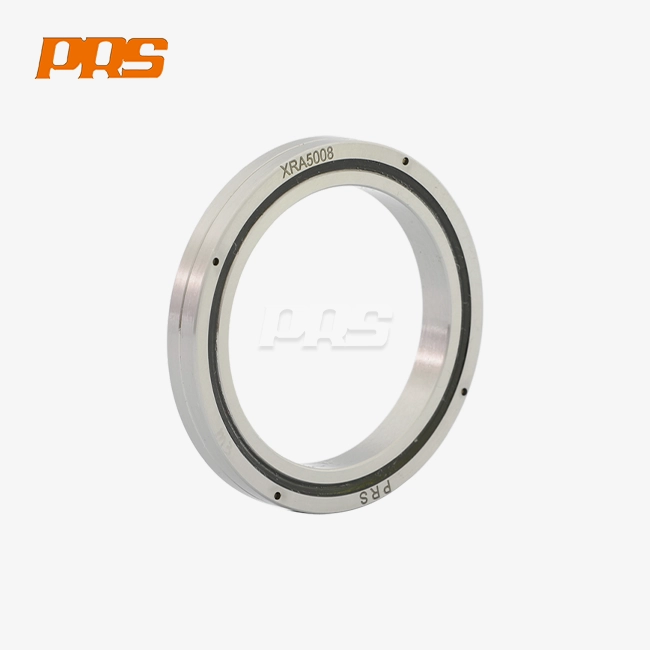
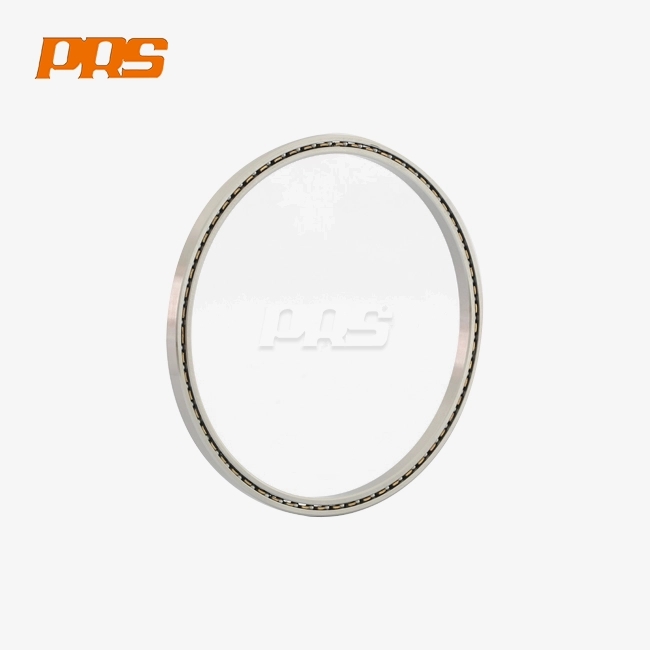
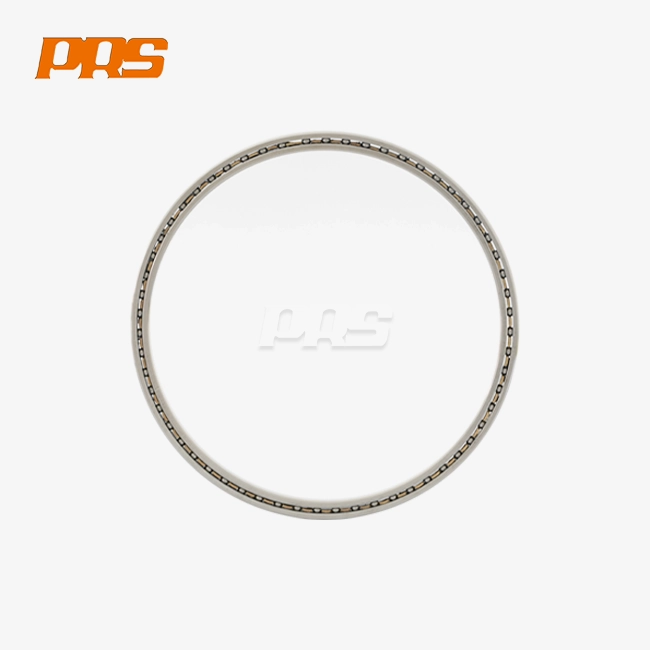
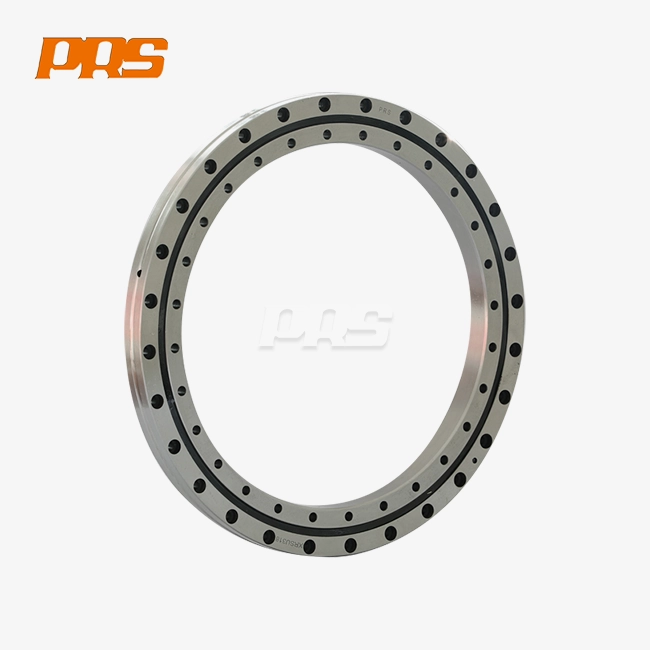
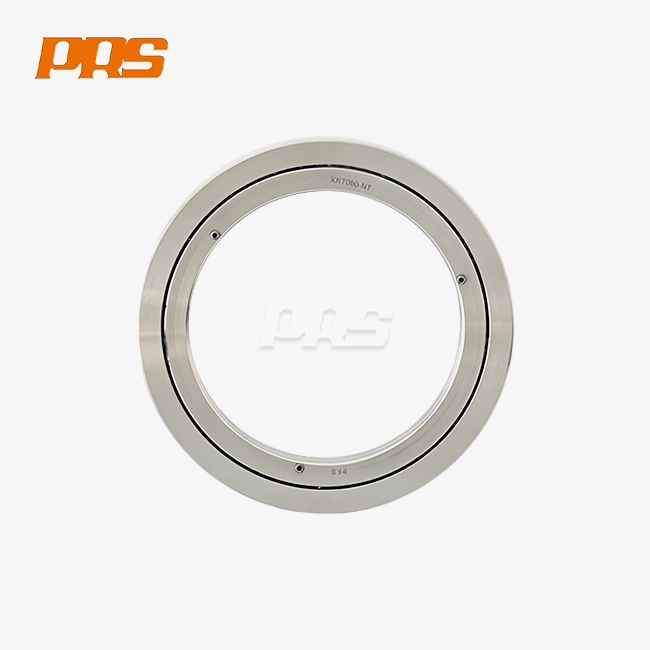
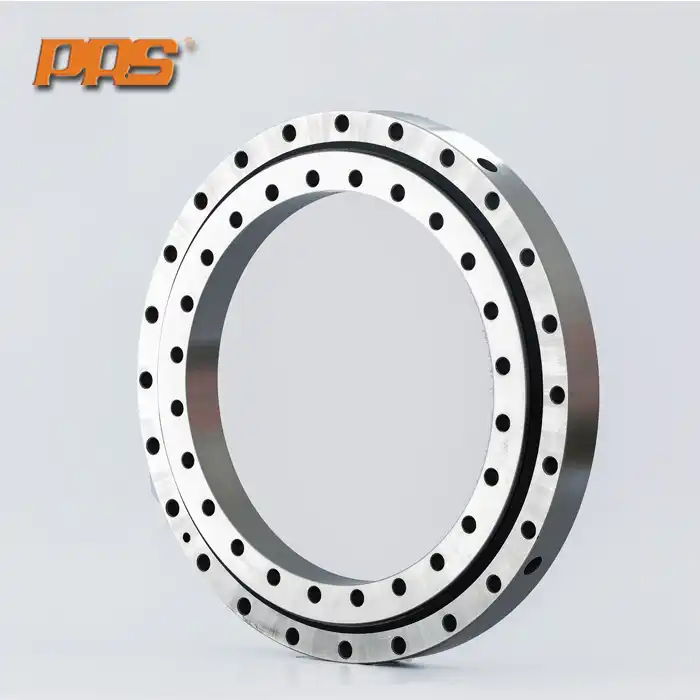
A slewing ring bearing is a special kind of rotational interface that handles axial, radial, and twisting moment loads because of its large diameter. This part has inner and outer rings that are divided by rolling elements, which could be balls or rollers. These elements spread forces over a large contact area and allow the part to rotate smoothly. The slewing ring bearing combines these functions into a single, space-saving assembly that acts as both a structural part and a rotational link in heavy-duty machinery. This is different from other bearing arrangements that need multiple units and complicated support structures.
What Is a Slewing Ring Bearing and How Does It Work?
Understanding how these spinning parts are put together shows why they're so important in precision businesses. A slewing ring bearing is made up of two rings that fit around each other, called an inner race and an outer race. The inner race and outer race have precise polished raceways that guide the rolling elements along their path of spin.
Structural Composition and Core Components
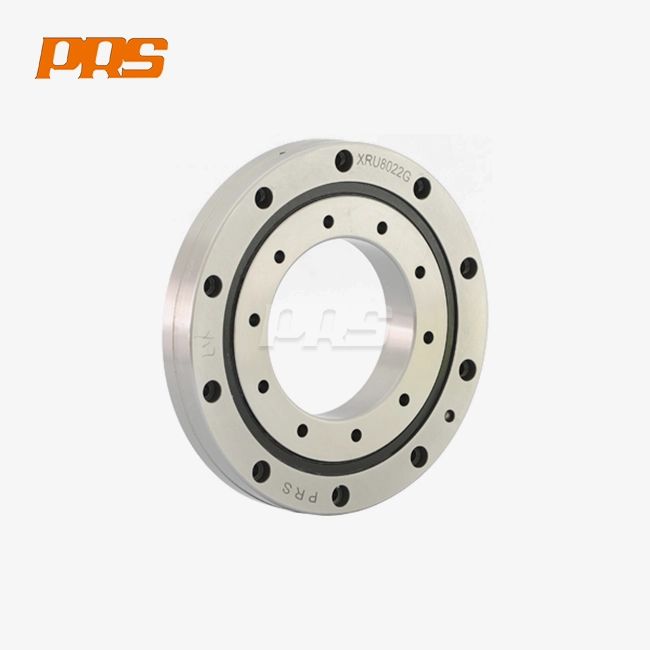
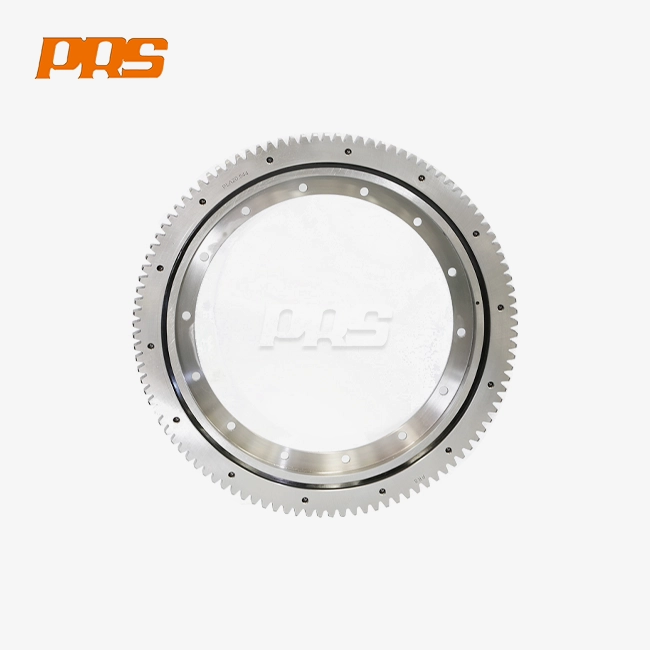
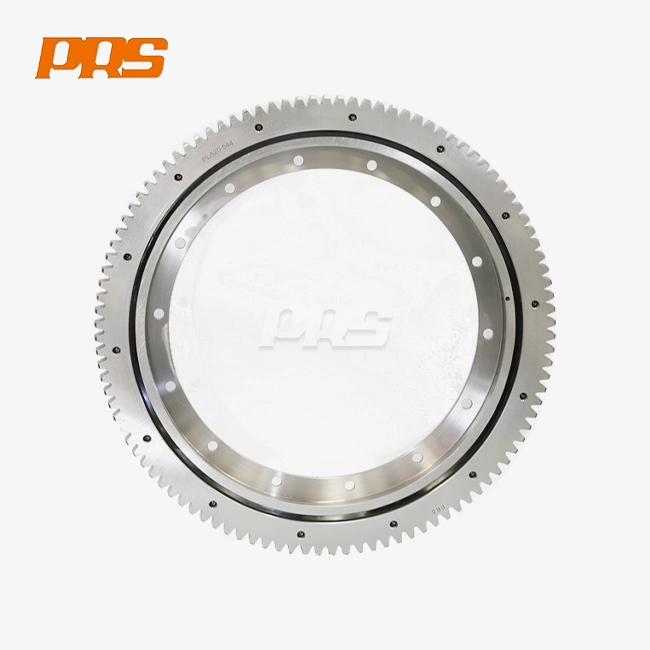
The bearing system is made up of several designed parts that work together. Precision cutting is used to make raceways in the inner and outer rings, with errors measured in microns. By making line contact (with rollers) or point contact (with balls), rolling elements move forces between these rings while reducing friction. Mounting holes built into both rings allow them to be bolted directly to equipment frames, removing the need for extra mounting gear. Different types of sealing systems are available to keep internal parts clean. These range from simple contact seals for safe settings to complex labyrinth seals for tough ones. In many designs, gear teeth are machined right into one ring, which means that force can be transferred without the need for separate gearing systems.
Operating Principles and Load Distribution Mechanics
The main idea behind it is to spread forces in different directions across a big contact area. When equipment applies combined loads, the rolling elements move these forces between rings while still allowing the rings to rotate. The large diameter makes it very resistant to tipping moments, which is very helpful when working with things that aren't on center. Because of this shape, a single slewing ring bearing can do the job of several radial bearings, thrust bearings, and structural supports.
The thin-section form compared to the diameter—which is usually between 500mm and over 6000mm—increases load capacity while lowering installation height. In situations where room is limited, this trait comes in very handy in designs for things like robotic joints and CT scanner holders.
Precision Grades and Performance Parameters
Precision in manufacturing has a direct effect on how well an application works. Standard industrial grades are used in building equipment, while P4 and P2 precision classes are used in tools for making semiconductors and medical imaging devices that need to be able to place things with micron-level accuracy. PRS makes bearings for all of these uses. Our more than 200 high-precision machines and 35 technical workers make sure that the dimensions are correct for your application.
Applications and Advantages of Slewing Ring Bearings
These rotating parts can be used in many different fields where dependability under mixed loads is essential.
Industrial Automation and Robotic Systems
Robot makers are always under pressure to make their machines carry more weight while making their joints smaller. Slewing ring bearings solve this problem by combining several tasks into a small area. If you use standard bearing setups, a robotic arm joint might need different radial bearings, thrust bearings, and external gearing. This would take up a lot of space and add a lot of places where something could go wrong. Cross roller slewing ring bearings get rid of this problem because they offer rotation, load support, and optional combined gearing all in one small block that takes up a fraction of the space of other designs.
Accurate positioning is still very important in automatic assembly processes. Manufacturing errors have a direct effect on repeatability. P4 precise bearings allow setting accuracy within 10 microns, which is necessary for handling semiconductor wafers and putting together electronics. Our research team works with automation developers to make sure that the bearing settings are right for each application's cycle rates, load profiles, and precision needs.
Machine Tool Rotary Tables and Indexing Systems
For multi-axis tasks, CNC machining centers rely on the accuracy of the rotary table. Bearing runout leads directly to geometric mistakes in the part, so raceway accuracy is very important. A rotary table with too much radial runout makes parts that aren't concentrically aligned, and axial runout makes parts that aren't vertical. High-precision slewing ring bearings made to P4 standards keep radial and axial runout below 5 microns across 500mm widths. This lets multiple surfaces be machined without mistakes in moving.
Continuous shaking exposure in grinding machine uses adds to the problems that need to be solved. Specifications for bearing preload must be carefully thought out. If there isn't enough preload, the raceway can hammer when the machine shakes, and if there is too much preload, friction and heat build up. PRS offers application engineering help to figure out the best setup for your machine based on its features and duty cycles.
Semiconductor Manufacturing Equipment
Because of worries about outgassing, cleanrooms don't allow normal cleaning methods. Robots that handle semiconductor wafers need bearings that use special greases that meet Class 1 cleanliness standards and have very low vapor pressure even when there is no air flow. As the process equipment goes through temperature changes during the plasma processing and thermal oxidation steps, thermal stability becomes just as important.
Wafer surfaces can get dirty from particles that are made when bearings wear down. Our bearings for semiconductor uses go through better surface cleaning steps that get the raceway roughness to below 0.2 Ra. This keeps the production of metallic particles to a minimum over the life of the bearing.
Medical Imaging and Diagnostic Equipment
CT scanner gantries move people through X-ray beams at speeds that can be carefully controlled. Image quality is directly affected by the performance of the bearings. Vibrations during movement cause motion artifacts, and placement mistakes cause reconstruction techniques to not work correctly. Manufacturers of medical tools say that their products work very smoothly, with starting torque variations of less than 10%. This makes sure that the spinning speeds stay the same over 360 degrees.
When designing medical devices, small sizes are very important because of how easy it is for patients to get to them and how much space the equipment takes up. A normal CT gantry might need 200 mm of axial space, but a thin-section slewing ring bearing of the same size takes up less than 80 mm. This means that the gantry shapes can be thinner, which is better for the patient's comfort and saves room for installation.
Aerospace Tracking and Guidance Systems
For radar antenna location, bearings must stay accurate even when exposed to high temperature changes, vibrations from nearby jet engines, and years of being outside. Bearing materials must be able to keep their values between -40°C and 120°C, and they must have coatings that are resistant to corrosion and can withstand MIL-STD-810 salt spray tests. Defense companies ask for bearings with tracking paperwork that meets EN 10204 3.1 standards. This makes sure that the material is certified from the time it is forged in the crucible to the time it is assembled.
The standards for reliability in aircraft uses are much higher than those in other fields. Failure of a bearing in a steering system can have mission-critical effects, which is why safety factors are often twice as high as they are in industrial machinery. When choosing a material, fracture toughness and wear strength are more important than saving money.
Slewing ring bearing technology is widely used because it has benefits that can be used in a wide range of situations. Because of its small size, the compact footprint combines tasks that are usually spread out over several components. Bolting flanges directly to equipment frames without using any other mounting tools makes installation easier. Single-point lubrication makes maintenance easier because you don't have to work on multiple standard bearings. Lifecycle costs go down when units don't have to be replaced as often. In industrial settings, well-maintained units can last 20 years or more.
How to Choose and Procure Slewing Ring Bearings
To make specification choices, technical factors must be carefully weighed against the needs of the application and the costs of procurement.
Load Capacity Analysis and Safety Factors
Start by doing a full load estimate that includes axial forces, radial forces, and toppling moments at the highest level of operation. Dynamic loads from patterns of speeding up and slowing down increase instantaneous forces above and beyond static weight. The standards for mobile tools include impact factors that take shock loading into account. Safety factors range from 1.5 for controlled workplace settings to 3.0 or higher for safety-critical aerospace applications, depending on how important the application is and what would happen if it failed.
The manufacturer's load curve charts show the relationship between axial load and tilted moment capacity. The safe working areas are shown below the curve. Check the loads you've calculated against these charts, making sure to leave enough room for error. PRS engineering help includes checking the results of load analyses to make sure that the bearing specs you choose have the right capacity and safety factors for your duty cycle.
Environmental Condition Assessment
Operating temperature ranges affect the choice of material and the requirements for greasing. Normal bearings can work in temperatures ranging from -20°C to 80°C, but extended-range types can work in temperatures ranging from -40°C to 120°C by using special materials and oils. Temperature cycling causes changes in dimensions that need to be taken into account in clearance specs because the materials of the bearing and the case expand and contract at different rates.
How complicated a seal is depends on how it will be used. For example, simple contact seals work well in clean assembly areas, but maze or combination seal systems are needed for mining equipment that will be exposed to rough dust. Chemical exposure requires checking that the materials are compatible and possibly specifying the finish. More rust protection and water-resistant oils are needed when there is moisture present.
Precision Requirements and Cost Implications
Accurate application placement is what drives precise grade choice. Standard manufacturing tolerances are fine for construction tools, but semiconductor wafer handles need P4 accuracy, which comes at a high cost. Medical imaging devices need P2 precision because the accuracy of the diagnosis rests on being able to repeat the position to within a few microns. You should weigh the need for precision against the limitations of your budget. Asking for too much precision adds to the cost without providing any useful advantage.
Custom slewing ring bearing designs take into account the specific needs of each application in a way that regular listings can't. Changes to the mounting measurements, special seal configurations, or non-standard gear tooth shapes can help with integration problems, but they also cause longer lead times and higher unit costs. PRS has a wide range of standard products, so custom designs aren't needed very often. However, our engineering team can make special solutions when the needs of the application warrant it.
Supplier Evaluation and Quality Verification
When choosing a manufacturer, you have to think about both quality and cost. Global bearing names are known to be reliable, but they come with higher prices and maybe longer delivery times. Chinese companies like PRS offer similar quality through methods that are ISO 9001, ISO 14001, and ISO 45001 approved. Their prices are reasonable, and they offer quick tech support. Our plant pass rate of more than 99.9% shows that our manufacturing is consistent and meets high quality standards.
As per EN 10204 3.1, you should ask for material papers that show the chain of events from the initial casting to the final machining and heat treatment. Dimensional inspection records check important factors like the shape of the raceway, the location of the mounting holes, and the outlines of the gear teeth. Ultrasonic testing records show that the material is solid and doesn't have any holes or other imperfections inside that could cause stress cracks.
Evaluating samples before placing orders for mass production makes sure that performance claims are true in real-world settings. Load testing checks for capacity, rotation smoothness testing shows quality of manufacture, and dimensional proof checks for agreement with drawings. When selecting bearings for important uses, the small amount of money spent on sample validation keeps production problems from getting too expensive.
Delivery Terms and After-Sales Support
Lead times have a big impact on project plans. Catalog items usually ship within weeks, but unique designs need months for engineering, tooling, and production. Set release dates early on in the project timeline, and plan for gaps that were not expected. Limited warranties may show that the maker isn't sure about the quality of the product, while complete warranties that cover material flaws and production mistakes for 12 to 24 months are a good way to protect yourself.
Having access to technical help throughout the lifecycle of a bearing adds a lot of value above and beyond the purchase price. Installation instructions keep mounting mistakes from causing the product to fail too soon. Troubleshooting help quickly figures out what's wrong in the field, reducing downtime. Maintenance suggestions help you get the most out of the service times and lubrication requirements for the way you use the machine. PRS offers ongoing engineering help through our technical team. We see our ties with customers as long-term partnerships, not one-time deals.
Conclusion
For rotating tasks that need a high total load capacity in small spaces, slewing ring bearings are the perfect answer. Knowing about structural design, how things work, and the different setup choices helps you make specification decisions that exactly meet the needs of the application. Wear, rust, and alignment problems can be fixed with proper upkeep, which greatly increases the service life. Value is best achieved by using systematic ways to buy things that balance technology needs with cost and delivery issues. Through ongoing material, production, and design improvements, these rotating parts keep improving industry capabilities in the areas of automation, medicine, aircraft, and precise manufacturing.
FAQ
What causes premature gear tooth wear on slewing ring bearings with external gears?
When backlash adjustment is done wrong, gear tooth wear speeds up because too much tightness leads to locking and edge loading, while too much looseness creates impact forces when the load is reversed. The problem gets worse when there isn't enough grease because metal-to-metal contact takes the place of the protection film. Regularly use open gear grease with extreme pressure additives and use dial indicators to check the backlash at the high point of the gear. Backlash that is just right is usually between 0.03% and 0.05% of the pitch diameter, but this can change based on the purpose and the manufacturer's instructions.
How do I determine when a slewing ring bearing requires replacement?
Keep an eye on the axial tilting clearance as the main sign of wear. To find the clearance, place dial markers around the outside at 90-degree angles and compare the numbers to the factory's standard values. When measured space goes above the manufacturer's limits, which are usually between 1.5 and 3 mm based on the bearing diameter, raceway wear has reached a level that is no longer safe. Some other warning signs are strange noises when the motor is turning, damage to the raceways that can be seen during inspection, and higher power needs that mean the lubrication is getting worse or there are problems with the fitting.
Can slewing ring bearings operate in vertical orientations?
With the right planning factors, vertical operation can work. Designs with an internal cage or spacers must keep the rolling elements from piling up at the bottom because of gravity. As grease moves lower, it becomes harder to keep the lubrication in place. To keep the lubricant flow steady, increase the frequency of lubrication or specify oil bath systems. The shape of the seal needs to be changed so that oil doesn't leak out of the lower seal and dirt can't get in. When specifying bearings, check with the makers to make sure the types you choose can be mounted vertically and have the right internal shape and lubrication features.
What precision grade should I specify for my application?
Match the level of precision to the speed and accuracy needed for placement. Standard grades are good for building tools and moving things around that need to be precise within 100 microns. P4 precision is used in robots, automation, and machine tools that need repeatability within 10 to 50 microns. P2 precision works with medical imaging, metrology tools, and semiconductor production that need accuracy down to the micron level. Higher precision grades come with big price increases, so make sure you mention the lowest grade that meets your needs instead of automatically going to the highest precision level.
Partner with a Trusted Slewing Ring Bearing Manufacturer
We at Luoyang PRS Precision Bearing Co., Ltd. have spent more than twenty years getting better at developing and making high-precision rotary solutions. Our 15,000 m² building has more than 200 high-tech machines for testing and making bearings with precision grades up to P2 that have diameters from 10 mm to 5000 mm. We keep our plant pass rates above 99.9% by using strict quality control that is approved to ISO 9001, ISO 14001, and ISO 45001 standards. Our 35 technical engineers can help you with any application, whether you need cross roller bearings for robotic joints, spinning bearings for machine tools, or custom-made solutions for unique equipment. Email our engineering team at ljh@lyprs.com to talk about your slewing ring bearing needs and find out how PRS can meet them with precision, dependability, and quick service that goes above and beyond.
References
Krämer, E., and Schmidt, H. (2018). Design and Analysis of Large Diameter Rolling Bearings for Industrial Applications. Berlin: Springer Verlag.
Budynas, R. G., and Nisbett, J. K. (2020). Shigley's Mechanical Engineering Design (11th ed.). New York: McGraw-Hill Education.
Harris, T. A., and Kotzalas, M. N. (2006). Advanced Concepts of Bearing Technology: Rolling Bearing Analysis (5th ed.). Boca Raton: CRC Press.
ISO 76:2006. Rolling bearings — Static load ratings. Geneva: International Organization for Standardization.
American Gear Manufacturers Association. (2013). AGMA 6123-B06: Design Manual for Enclosed Epicyclic Gear Drives. Alexandria: AGMA.
Wensing, J. A. (2014). On the Dynamics of Ball Bearings. PhD Dissertation, University of Twente, Enschede, Netherlands.

USER EVALUATE
Here is the customer's evaluation of us