
Slewing Ring Bearings to Optimize Power Transmission
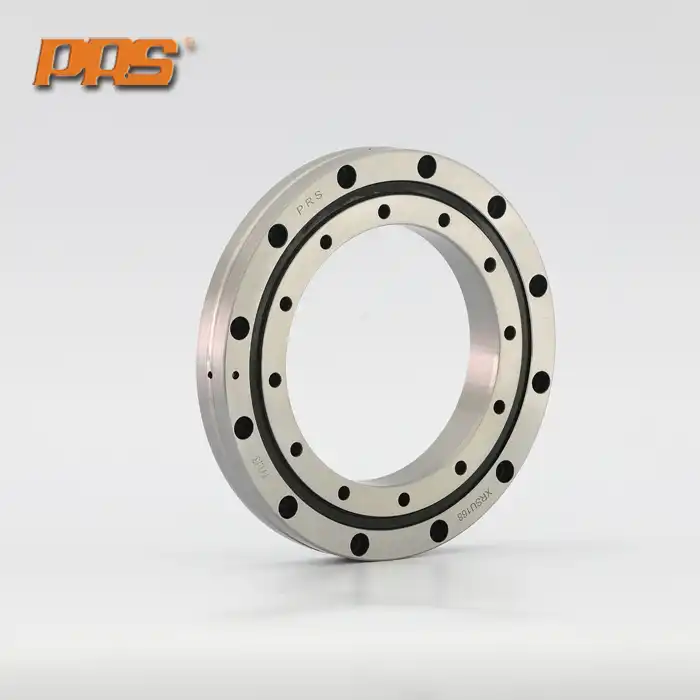
The slewing ring bearing is the most basic way for engineers to make sure that big machinery can rotate reliably even when it is under a lot of stress. This special rotating part can handle axial, radial, and moment loads at the same time. It can also handle slow or oscillating motions that are common in precision equipment and industrial automation. By combining several bearing assemblies into a single, space-saving unit, these bearings improve structural rigidity and operational reliability in robotic joints, CNC rotary tables, semiconductor manufacturing equipment, and medical imaging systems that need to be accurate to the micron level and work in harsh environments.
Understanding Slewing Ring Bearings: Fundamentals and Design Features
Today's ways of sending power need parts that can do more than just rotate. The slewing ring bearing is an example of how clever design and material science can be used to make engineering better by dealing with this level of complexity.
Core Construction Principles
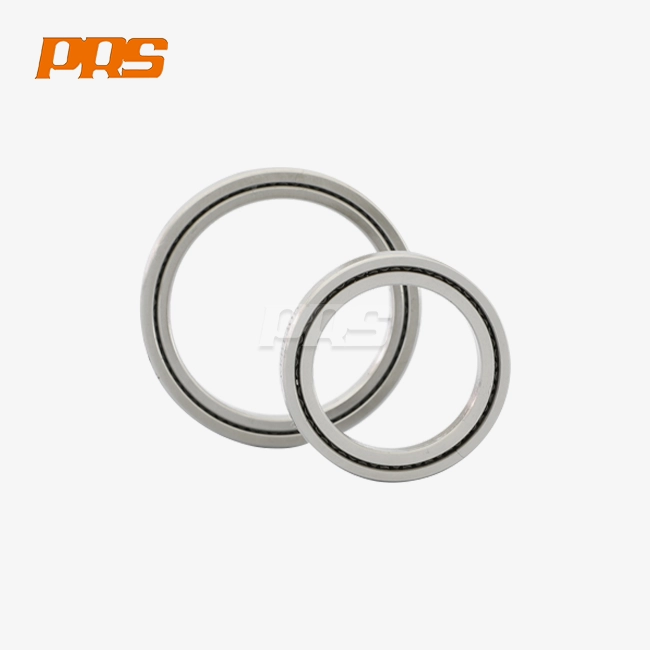
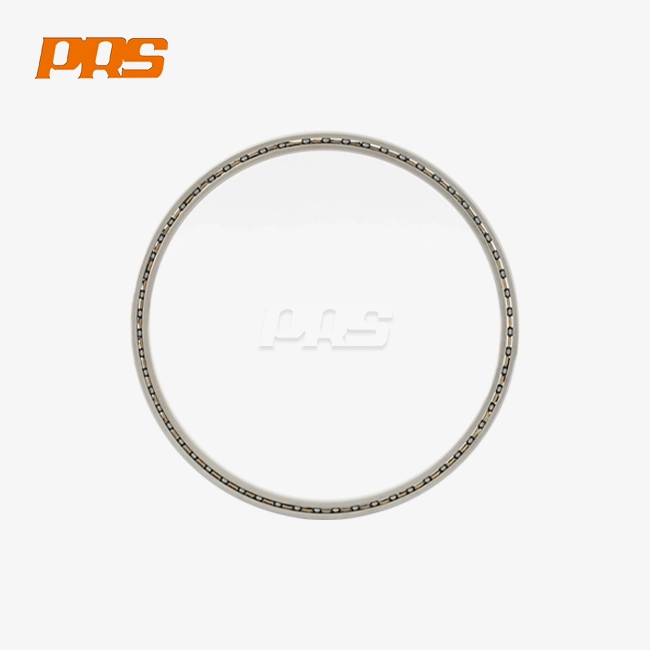
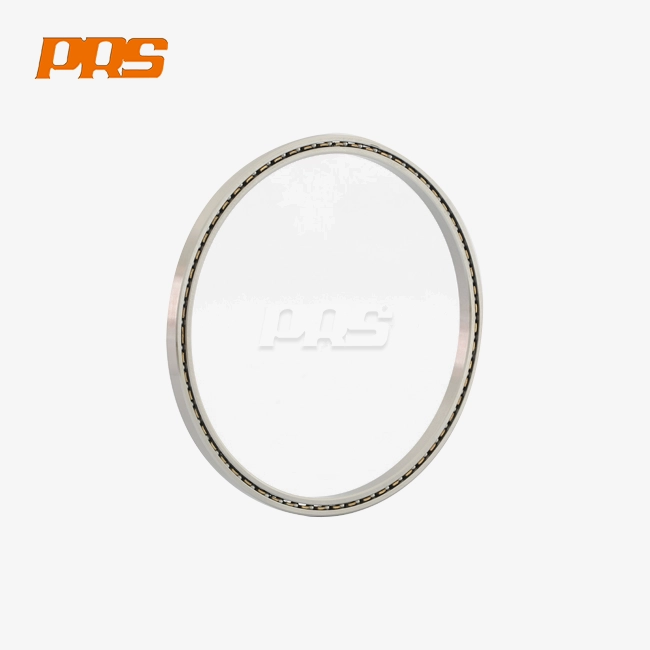
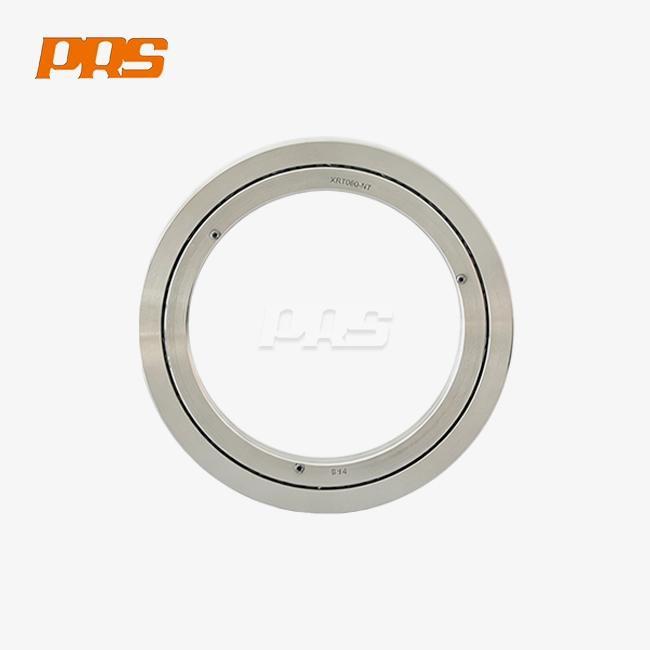
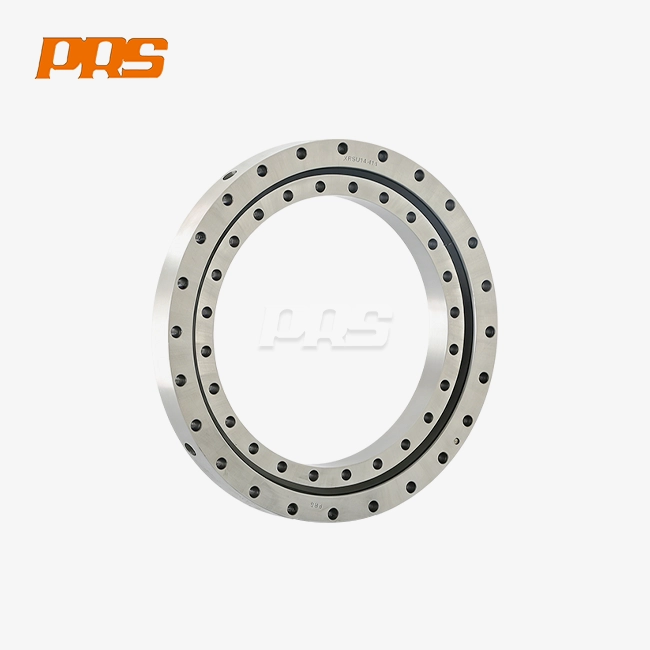
At the heart of these bearings is a structure that looks very simple but is actually very well designed. The inner and outer rings are carefully cut to make raceways that move the rolling elements through their working cycle. These parts are different from regular bearings because they have a thin-section form compared to their large diameter, which is usually between 500mm and over 6000mm. Because of this shape, they can get rid of big pivot units that would take up important room in the machine envelope.
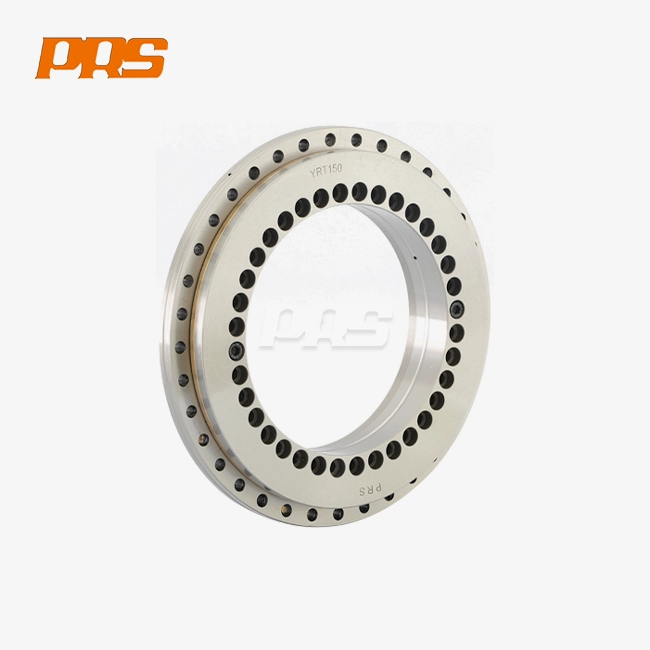
The moving parts themselves are different depending on the need. Ball-type setups work smoothly and can hold a reasonable amount of weight. They are perfect for uses like optical instrument positioning stages where consistent movement is important. Roller types, especially cross-roller designs, have line touch instead of point contact, which makes them much stiffer and able to carry more weight. This is very important in robotics where the accuracy of placing under load can't drop while the robot is working. Industry load curve research shows that triple-row roller setups can handle 40–60% more tilting moments than standard designs while taking up the same amount of space.
Material Engineering and Performance
Forged 42CrMo or 50Mn steel is used to make these bearings, which makes them very durable. The 42CrMo alloy has a very high core toughness and a very high impact resistance. This makes it very useful in aircraft guidance systems and military tracking platforms where shock loads can happen at any time. The raceways are induction hardened to between 55 and 62 HRC, which makes the surface resistant to wear while keeping the core tough and flexible so cracks don't spread.
PRS uses precise heat treatment methods that make sure the hardness profiles are the same all over the surface of the raceway. During our quality control process, we pay extra attention to the effective case depth, which is the solid layer below the surface. If the depth is too low, the concrete will crack when it's loaded, and if it's too deep, it will become weak, which shortens its wear life. Our tests on metals show that this important measure meets the needs of high-precision uses in medical CT scanners and systems for handling semiconductor wafers.
Sealing and Lubrication Systems
In real life, protecting the environment affects how long a bearing lasts. Integrated sealing systems keep lubricants in while preventing contamination in a variety of working situations. Cleanroom-compatible bearings for semiconductor equipment use special seal materials that don't shed particles, so they can be used in settings that need to be very clean.
The type of lubricant you use affects both efficiency and the amount of time between upkeep. Lithium-based EP grease with NLGI Grade 2 consistency works well in most track uses and is good at handling high pressures. The big diameter shape, on the other hand, makes it harder to spread the lubricant. PRS bearings have lubrication holes that are placed in a way that makes sure grease gets to all load zones properly. This cuts down on the number of maintenance visits needed and increases the operating life.
Load Distribution Mechanics
Spreading out the joint loads over a large touch area is the main idea behind how it works. The slewing ring bearing's integrated design naturally handles complex force combinations, unlike other bearing setups where different parts handle different load directions. The large diameter naturally resists tipping moments, which is a big plus in crane uses where moving the boom creates strong tilting forces.
The load ability changes a lot depending on the setup. Single-row designs work well in places where room is limited and loads aren't too heavy. Configurations with two rows greatly improve capacity, and configurations with three rows can handle the toughest situations in building equipment and large-scale material handling systems. When procurement workers understand these differences, they can get the best performance and cost for their unique needs.
Optimizing Performance: Maintenance Tips and Common Problems
To get the most out of a bearing's working life, you need to be careful about maintenance and know how to stop failures before they happen.
Systematic Inspection Protocols
The best way to tell if a bearing is in good shape is to check the axial turning clearance on a regular basis. When observed clearance is 1.5 mm to 3 mm higher than the factory baseline values (depending on the diameter), raceway wear has hit a level that lowers safety gaps. Our technical team suggests taking standard measures during installation and then keeping track of changes every three months in high-use areas like robotic welding positioners and automated manufacturing cells.
Pay close attention to the tightness of the mounting bolts because loose screws are one of the easiest ways to keep things from breaking. If the setup isn't right, the ring can bend when it's loaded, which causes uneven stress patterns that speed up wear. In heavy-duty situations, we've seen instances where regular retorquing increased bearing life by 200 to 300 percent. Using measured tools and following the manufacturer's recommended torque patterns will make sure that the clamping force is the same all the way around the mounting.
Lubrication Management
The dependability of operations is directly affected by how well the greasing is done. Initial factory lubrication protects during installation, but regular upkeep requires knowing when to do it based on the purpose. Continuous, high-load operations need to be relubricated more often than irregular operations. Monitoring temps helps make plans work better; high bearing temperatures often mean there isn't enough lubrication before wear becomes noticeable.
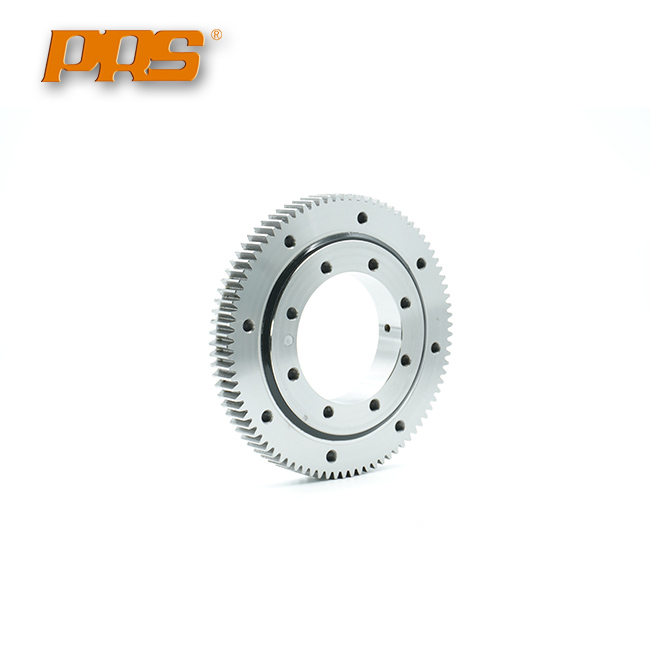
When it comes to geared versions with either external or internal teeth, the gear mesh needs to be oiled separately. High-viscosity open gear lubricants can handle the high contact forces that these teeth are put under when power is being transmitted. Measuring backlash at the gear's high point—which is usually marked during production—makes sure that the mesh shape is correct. Specifications usually call for 0.03% to 0.05% of the pitch width. This is done to balance wear resistance with smooth operation.
Common Failure Modes and Solutions
Knowing how failures usually happen lets you step in early. Raceway spalling, which is when the top material flakes off, is usually caused by not enough lubricant or contamination. Once it starts, spalling moves quickly because the dirt speeds up the wear. By checking for early signs on a regular basis, problems can be fixed before they get bad enough to need a new bearing.
Another big threat is corrosion, which is especially bad for outdoor uses like wind turbine yaw systems or naval crane setups. In tough settings, even stainless steel versions need to be protected. Proper seal care and regular checks of the seal's structure stop moisture from getting in, which starts rust. When we looked at military radar positioning systems that failed too soon, we found that weakened seals came before bearing damage 65% of the time.
When things aren't lined up right during fitting, stress builds up and lowers the load capacity, which speeds up wear. This problem can be avoided by making sure the fixing surface is flat and using precise alignment methods when installing. Our engineering support team gives thorough installation instructions and can help make sure that important applications are aligned correctly.
Comparative Analysis: Choosing the Right Slewing Ring Bearing for Your Application
To choose the best bearing design, you have to weigh a lot of different factors against the needs of the application and the limitations of the operation.
Configuration Comparison
The main style choice is between ball and roller parts, including applications such as slewing ring bearing systems used in heavy-duty rotational joints. Ball bearings are great for uses that need smooth, low-torque spinning with a middling load capacity. Because they have a point contact shape, there is less friction, so they can be used in precision optical equipment and measurement systems that need to make small changes to position all the time. The lower rolling resistance also means that a smaller drive system is needed, which lets battery-powered devices use smaller motors.
Through line contact design, roller bearings, especially cross-roller types, offer better stiffness and load capacity. Because of this, they are the best choice for artificial joints where deflection under load makes it hard to place accurately. In medical robot uses, the higher stiffness immediately leads to more accurate procedures. The trade-off is a slightly higher starting power, which must be taken into account when designing the drive system.
Row Configuration Selection
Single-row designs have the smallest horizontal height, which is helpful when the machine environment limits the design choices. Within their capacity range, they can handle combined loads well, making them good for light to medium-duty uses like small automatic assembly systems or placing stages for lab equipment.
Double-row designs greatly improve the load capacity without making the axial area much bigger. This setup spreads forces more evenly over bigger contact areas, which makes fatigue life longer in situations like cyclic loads that happen a lot in industrial automation. CNC machine tool positioning tables often have two rows because accuracy needs to be kept even when cutting forces change.
Triple-row versions are made for the toughest heavy-duty uses. Their high moment-carrying ability makes them useful for construction tools, large-scale material handlers, and wind turbine pitch control systems. The extra row of moving parts adds redundancy, which makes the system more reliable in safety-critical situations.
Gear Integration Considerations
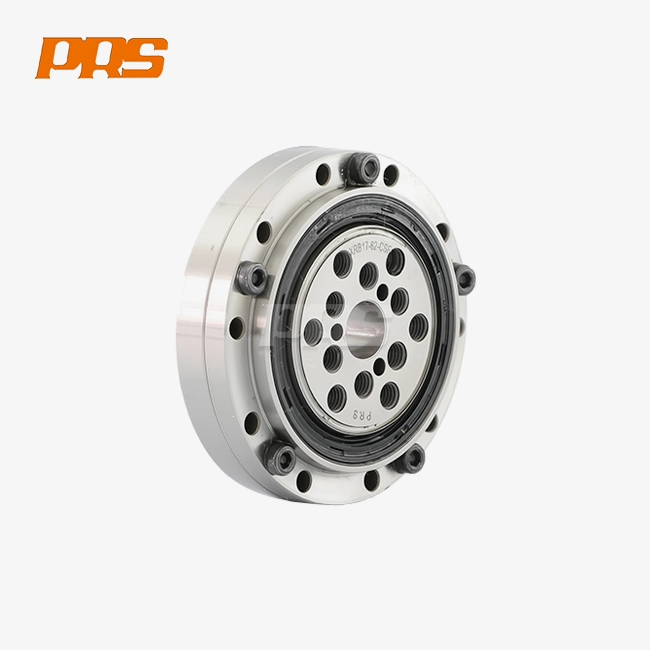
Choices between geared and non-geared choices have a big effect on how a drive system is designed. Integrated gear teeth, either internal or exterior, allow direct power transfer, which gets rid of the need for extra transmission parts. The creation of the machine is made easier, and there are fewer places where it could go wrong. External gear setups can usually handle higher torques and make it easier to check and fix things. Internal gears are better at keeping out outside contaminants, which is why they are chosen in safe semiconductor equipment.
Non-geared bearings only support loads and allow movement, which gives drive system designers the most freedom in how they build their systems. Different drive systems can be improved separately, but this makes the whole assembly more complicated.
Precision Grade Requirements
The amount of accuracy needed depends on the application. Standard industrial grades are used in building and material handling equipment that only needs to be accurate to the millimeter level. When micron-level accuracy is needed for semiconductor chip handling, medical imaging devices, and aircraft tracking systems, the P4 and P2 grades become very important.
PRS makes precision-grade bearings with runout limits in the single digit microns for both radial and axial directions. Our more than 200 high-precision production and testing tools make it possible to check these close tolerances. This makes sure that parts meet the exact requirements that aerospace companies and medical device OEMs set. The money spent on precision-grade parts pays off over the life of the equipment by improving system performance and lowering the number of calibrations that need to be done.
Procurement Insights: How to Buy Slewing Ring Bearings with Confidence
To get the best results from a project, strategic buying means balancing technical needs, quality testing, and supply chain issues.
Critical Specification Parameters
Verification of the load grade for slewing ring bearing is the basis of good selection. The procurement teams need to give full loading details, including axial force, rotational force, and twisting moment, at the highest possible levels of operation. When you include moving factors and the right safety limits, you can avoid undersizing, which can cause something to fail too soon. Our technical engineers help with load analysis, especially when it comes to complicated loading situations in robotic systems where forces change as the system moves.
Mounting consistency is ensured by dimensional guidelines. By checking the bolt circle sizes, mounting hole patterns, and interface measurements, you can avoid having to make expensive changes in the field. Standardized measurements can cut down on wait times and costs when they are used, but custom designs are better for mounting needs that aren't standard. PRS can still make bearings with diameters ranging from 10 mm to 5000 mm, which can be used in everything from small medical devices to big industrial machines.
Supplier Evaluation Criteria
Quality marks are objective proof of the ability to make something. Getting ISO 9001, ISO 14001, or ISO 45001 approval shows that you take an organized approach to managing quality, being responsible to the environment, and keeping workers safe. These standards show how mature a company is, which leads to regular product quality.
A manufacturing capability review shows if the company has the resources to complete the job. PRS has a modern production center that is 15,000 m² and has the latest tests and manufacturing tools. Our plant pass rate of more than 99.9% shows that we have very strict process control, from checking the raw materials to making sure everything is correct. This consistency is especially helpful for projects that need many units with the same specs, like automatic production lines with lots of robotic work cells. Our 35 technical engineers offer full help with choosing bearings, unique design services, and continued support for applications. This knowledge helps improve specs during the planning phase and fix any problems that come up during production and commissioning.
Customization and Lead Time Considerations
When requirements match up with available options, standard catalog goods have the shortest shipping times. Although custom designs offer better performance for specific uses, they take more time to engineer and make. Talking about project timelines early on in the procurement process helps providers make sure that their production plans work with your needs for installation.
PRS keeps its production options open so that it can meet both standard and unique needs. Since 2003, we've been making non-standard and high-precision special bearings, which lets us handle unique requirements quickly and easily. We can build solutions that meet your exact needs, whether your application needs unique mounting connections, unique seal setups, or precision grades that go above and beyond what is normally available.
Quality Verification and Testing
Knowing how suppliers control quality gives you confidence in the goods they offer. Checking the material with non-destructive testing, measuring the stiffness of the raceway surfaces, making precise measurements of the radial and axial runout, and checking the clearance to make sure the right preload are all part of thorough testing methods.
With the help of our 6S production management system, PRS controls the whole quality process, from the raw materials to the final review. Before cutting starts, ultrasonic testing of raw forgings finds any holes or other imperfections inside them. Before they are put together, surface microcracks are found by magnetic particle analysis of final raceways. This multi-step checking makes sure that only parts that meet strict quality standards get to customers.
Conclusion
To get the most out of power transfer by choosing the right slewing ring bearing, you need to know how design features, application needs, and operating needs all work together. From robotic joints that need to be very precise down to heavy building equipment that has to handle huge loads, these flexible parts offer combined solutions that make machine design easier and improve reliability. To be successful, you need to carefully write the specifications, carefully evaluate the suppliers, and come up with proactive repair plans that protect your investment throughout the bearing's useful life. As technologies improve and uses change, working with makers who mix years of experience with new ideas will help your equipment stay competitive in tough industrial settings.
FAQ
What causes premature wear in slewing ring bearing gear teeth?
Too much backlash or not enough grease can cause gear teeth to wear out too quickly. Too much backlash causes edge loading, which puts stress on the sides of the teeth, and not enough space leads to binding, which makes heat and speeds up wear. Regularly using a high-viscosity open gear oil with extreme pressure additives saves the tooth surfaces from the high contact pressures these meshes go through when torque is transferred.
How do I determine when a bearing requires replacement?
As your main replacement sign, keep an eye on the axial tilting space. When the determined clearance goes above the manufacturer-specified threshold—usually 1.5 mm to 3 mm based on the bearing diameter—raceway wear has reached a level that is no longer safe for operation. Some other danger signs are high working temperatures, strange noises when the machine is turning, and damaged seals that let dirt or oil leak out.
Can slewing ring bearings operate in vertical orientations?
With the right design factors, vertical movement is possible. The design of the internal cage or gap has to take into account the pull of gravity, which would otherwise cause the rolling elements to pile up at the bottom of the track. In vertical positions, it's harder to keep the lubrication in place, which could mean that different seal designs or lubrication methods are needed. Talking to bearing engineers while the specification is being made will make sure that the setup chosen works with the way you want to put the bearing.
What precision grades are available and when are they necessary?
Standard industrial grades are good enough for building tools and material handling tasks that only need millimeter-level positional accuracy. When micron-level accuracy is important for system performance, like in CNC machine tools and semiconductor equipment, the high-precision P4 type is needed. Ultra-precision P2 grade is used in the most demanding situations, like in medical imaging devices, aircraft control systems, and metrology equipment that needs to be able to repeat measurements within a micron.
Partner with PRS: Your Trusted Slewing Ring Bearing Manufacturer
The Luoyang PRS Precision Bearing Co., Ltd. has been making high-precision bearings for difficult uses in robots, medical equipment, aircraft, and industrial automation for more than twenty years. Our slewing ring bearings come in accuracy grades up to P4 and P2. They are made in a factory that is ISO 9001, 14001, and 45001 approved, and more than 99.9% of them pass their factory tests. We have internal toothed, external toothed, and toothless configurations in unique sizes made to fit your needs. Our 35 technical engineers are committed to making your application work better. Talk to our team at ljh@lyprs.com about how PRS can provide beautiful, stable, and reliable bearing solutions that go above and beyond your performance standards while giving your project the prompt technical support it needs.
References
Harris, T.A. & Kotzalas, M.N. (2006). Advanced Concepts of Bearing Technology: Rolling Bearing Analysis, Fifth Edition. CRC Press, Boca Raton.
ISO 281:2007. Rolling bearings — Dynamic load ratings and rating life. International Organization for Standardization, Geneva.
Glodež, S., Potočnik, R., Flašker, J. & Zafošnik, B. (2012). "Computational model for determination of dynamic load capacity of large three-row roller slewing bearings." Engineering Failure Analysis, 32, 44-53.
American Gear Manufacturers Association (AGMA). (2004). Design Manual for Enclosed Epicyclic Gear Drives (AGMA 6123-B06). Alexandria, Virginia.
Nguyen, T., Grzeczka, G. & Hahn, R. (2018). "Influence of mounting and assembly deviations on load distribution and lifetime of slewing bearings." Forschung im Ingenieurwesen, 82, 339-349.
- Kania, L. (2013). "Modelling of rollers in calculation of slewing bearing with the use of finite elements." Mechanism and Machine Theory, 61, 69-81.

USER EVALUATE
Here is the customer's evaluation of us