
How Does a Slewing Bearing Work?
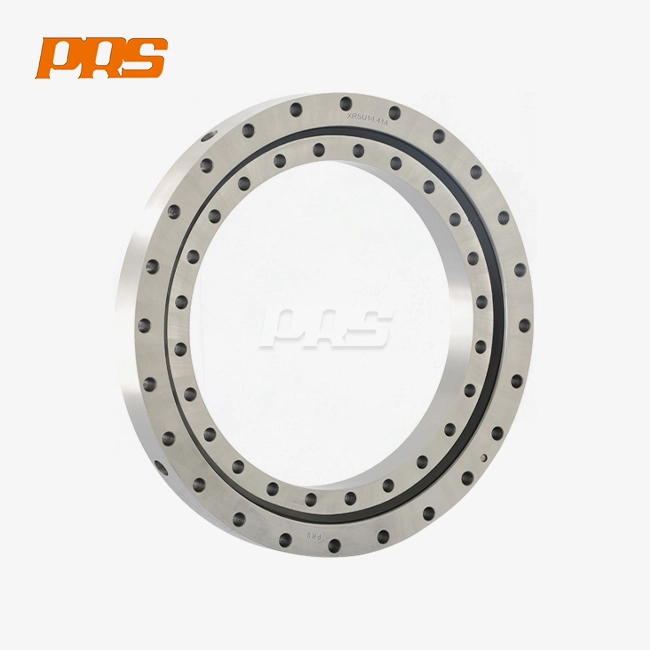
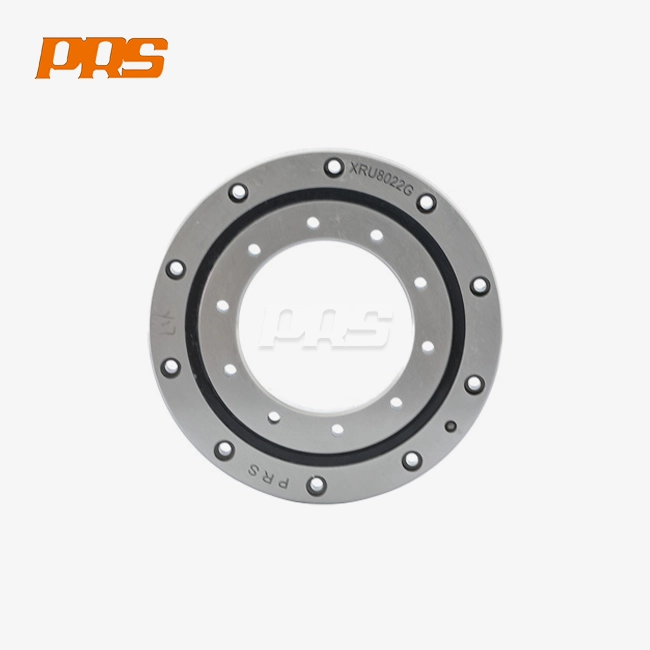
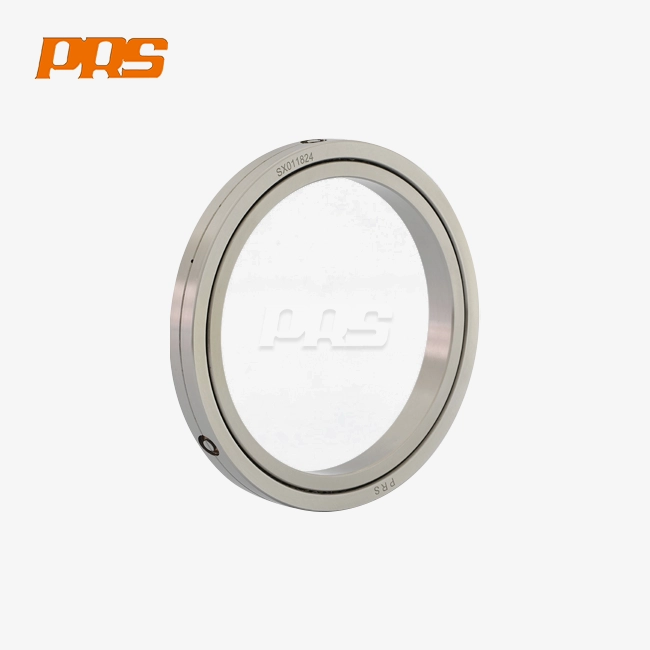
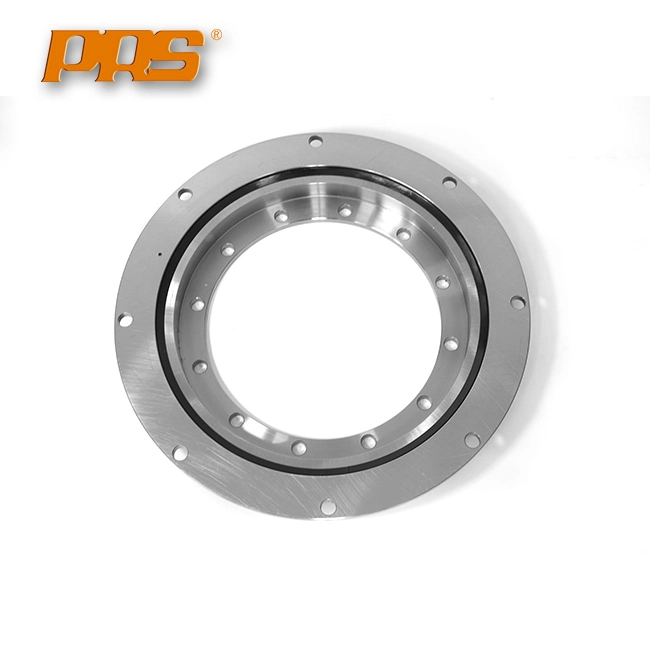
A slewing bearing has a special structure with inner and outer rings that hold moving elements like balls or rollers that are placed in precisely cut raceways. This design lets the bearing handle axial, radial, and moment loads at the same time, while also allowing for smooth circular movement. The moving parts spread the forces evenly across the contact points, which stops stress from building up in one place. When rotational force is applied, these parts move easily along the raceways with little resistance. This lets big equipment turn without any problems. Modern closing systems keep outside substances from getting into the internal parts, making sure they work reliably in harsh industrial settings where regular bearings can't meet the needs of the job.
Understanding Slewing Bearings: Structure and Function
Understanding how a slewing bearing works and how reliable it is in service depends on how it is built. These parts are designed so that every part works together to make the whole thing work better.
Core Structural Components
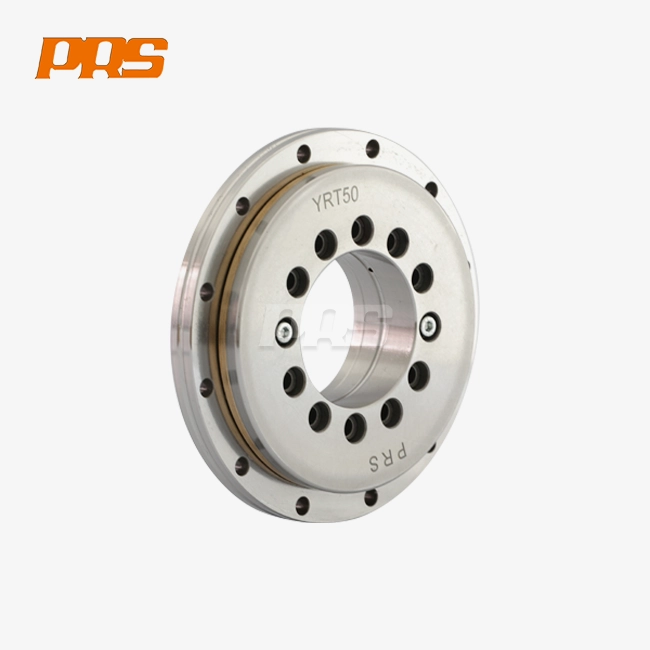
In the middle of every slewing ring is a complex collection of parts that were made very carefully. The inner ring and the outer ring make up the structure's framework. They were made to very tight standards so that the structure can rotate smoothly even when it's under a lot of stress. Rolling elements, such as sharpened steel balls or cylinder-shaped rollers, move along carefully shaped raceways between these rings.
The cage or divider keeps the right distance between the rolling parts, which keeps them from touching and creating heat that would speed up wear. This part, which looks pretty easy, is very important for keeping things stable and distributing loads fairly. Engineered polymers or metal alloys are used in modern designs to reduce friction and make the parts last longer in harsh settings like robots, CNC machines, and equipment used to make semiconductors.
Another important part of a structure is the sealing system. Modern seal designs keep oil from leaking while keeping out dust, water, and process chemicals. Dual-lip seals and labyrinth designs provide better protection in cleanrooms and outdoor settings, extending the time between upkeep and keeping precision surfaces from rusting.
Load Distribution Mechanics
Figuring out how these bearings handle complicated stress patterns shows how advanced their engineering is. Turntable bearings can handle forces from more than one direction at the same time, while normal bearings are best at handling loads in a single direction.
Axial load potential comes from raceway surfaces that are flat and spread vertical forces out over many contact points. This design keeps stress from building up and lets tools like CT scanners and optical measurement systems keep their positioning accuracy even when they are loaded in different ways. The wide contact design spreads forces over a bigger area, which lowers surface pressure and makes the part last longer.
Radial load management moves horizontal forces efficiently by using the shape of a vertical track. For robotic joint uses, this feature is especially useful because manipulator arms create large rotational loads when they move quickly and precisely. Even with these moving forces acting on it, the bearing stays straight and accurate.
It's possible that moment load resistance is the most unique property. The big diameter and spread-out contact design make it very resistant to tilting forces that would be too much for most bearings. Construction equipment, radar tracking systems, and aerospace guidance platforms rely on this characteristic to maintain alignment precision despite offset loads and operational vibrations.
Material Selection and Manufacturing Standards
How well a slewing bearing works depends a lot on the materials used and how they are made. Premium bearing steels, such as 50Mn and 42CrMo, are what make performance stable. Specialized heat treatments are used on these metals to make the best hardness gradients, with tough, impact-resistant cores and hard, wear-resistant surfaces.
Precision in manufacturing has a direct effect on how well and how long something works. During production at PRS, we stick to ISO 9001 quality standards and limit dimensional errors to the micron level. The requirements for the surface finish meet international bearing standards. This makes sure that there is little friction and consistent performance in all uses of precision equipment.
Slewing Bearing Types and Their Applications
To choose the right bearing configuration, you need to know how differences in structure affect performance and fit for the purpose.
Single-Row Ball Configurations
Single-row ball shapes are small and work well for light-duty tasks. One row of sharpened steel balls is placed between the inner and outer raceways at the best contact angles for these bearings. The simplified design makes it lighter while still being able to hold enough weight for medical imaging equipment, setting tables, and small automation systems.
The ability to move quickly is a big plus. Because ball-type rolling elements have less mass, they produce less centrifugal force. This lets them rotate faster than roller types. This feature makes it possible for optical measurement tools and equipment used to make semiconductors to place quickly without losing accuracy. Precision grades up to P4 are used in tough situations where consistency is very important.
Double-Row Ball Systems
When working needs are higher than what a single-row setup can handle, a double-row configuration performs better. Two sets of balls give the structure more strength and load capacity while keeping the same size. The two-row design better spreads forces, which lowers stress on individual touch places and increases the service life.
These bearings work great in mobile equipment and building machines, where vibration and shock loads can make parts last less long. The higher stiffness reduces deflection when lifting from different directions, keeping the line in crane and excavator systems. The best contact angles are chosen based on the combined force conditions that happen in real life, not just in the lab.
Three-Row Roller Designs
Three-row roller bearings are the best choice for harsh working situations because they can handle the most weight. In this setup, there are three separate rows of circular rollers, and each row is used for a different way of load. There are three rows: the first row handles axial loads going in one direction, the second row handles axial loads going in the opposite direction, and the third row handles rotational forces.
Separating the load lines makes it possible for large-diameter uses to have a lot of capacity. Heavy loads that would quickly damage lighter bearing designs aren't a problem for mining equipment, port cranes, and wind turbine tilt systems. The diameters range from 1000mm to 5000mm so that they can fit tools where the size of the structure matches the needs of the activity.
Mining activities show how useful the benefits of a slewing bearing are. These bearings are what allow bucket-wheel excavators to keep rotating superstructures that weigh hundreds of tons while handling material loads and dynamic forces from digging. The strong structure and ability to spread out the load make sure that the system works reliably in tough conditions where downtime costs rise quickly.
Cross-Roller Precision Bearings
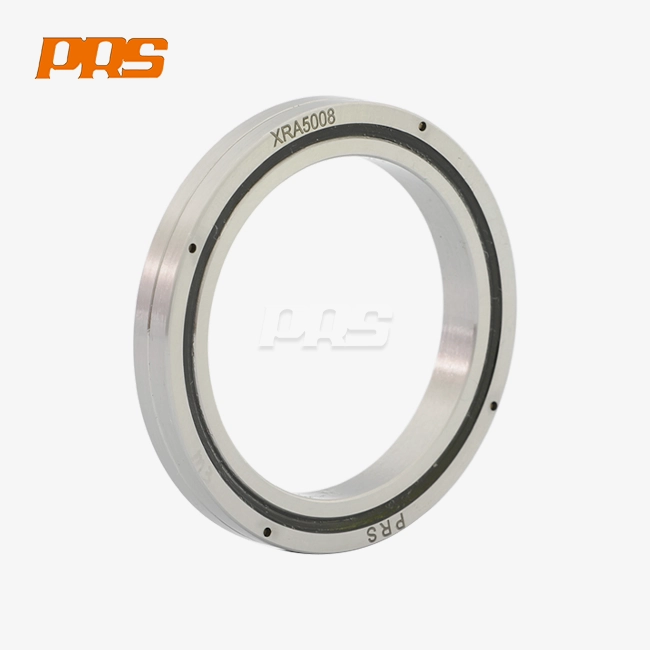
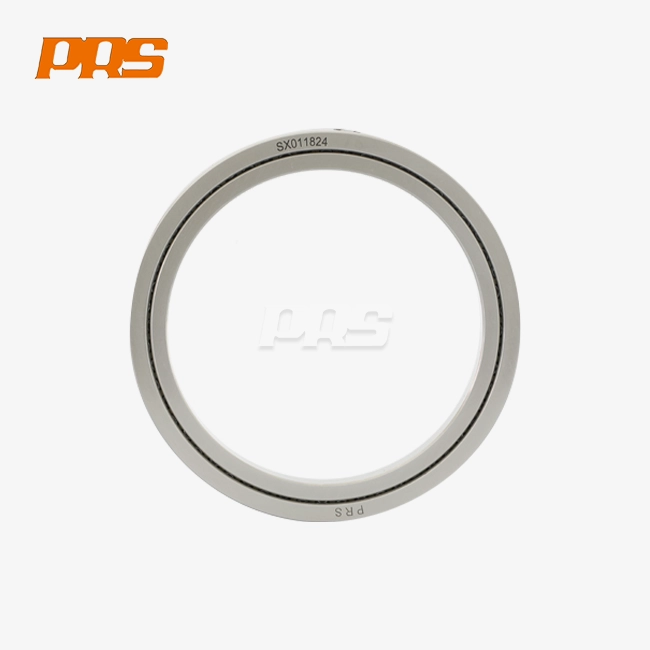
In situations where accuracy is more important than load capacity, cross-roller systems work very well. When two cylindrical wheels are placed perpendicular to each other, they make a small bearing that is very stiff and doesn't bend much. This setup gives very accurate turning and repeatable positioning, which is needed for tough jobs.
In terms of main uses, industrial robots stands out. Robotic joints need small bearings that can keep their position accurately even when they move quickly and the load changes. This is possible with the crossed-roller setup because it has high rigidity in a small package, which lets thin manipulator designs work without losing performance. Smooth, accurate motion is especially helpful for medical robots because it helps with delicate surgical processes.
These bearings are also used in metrology tools and systems for precise measurements. Coordinate measuring tools and optical inspection systems need axes that can rotate and make measurements with little mistake. Cross-roller designs are naturally accurate and stable at high temperatures, which helps meet measurement error standards that confirm the quality of manufacturing.
Gear Integration Options
When you need to drive something rotating, you often need combined gear sets. PRS makes slewing bearings with three different types of gears to meet the needs of different mechanical setups and performance levels.
External gear bearings have teeth cut into the outside of the ring. This design works well in situations where the bearing stays still while a pinion moves the load. This happens a lot in crane slewing systems and turntable setups. By choosing the right gear size, it's easy to get high reduction ratios.
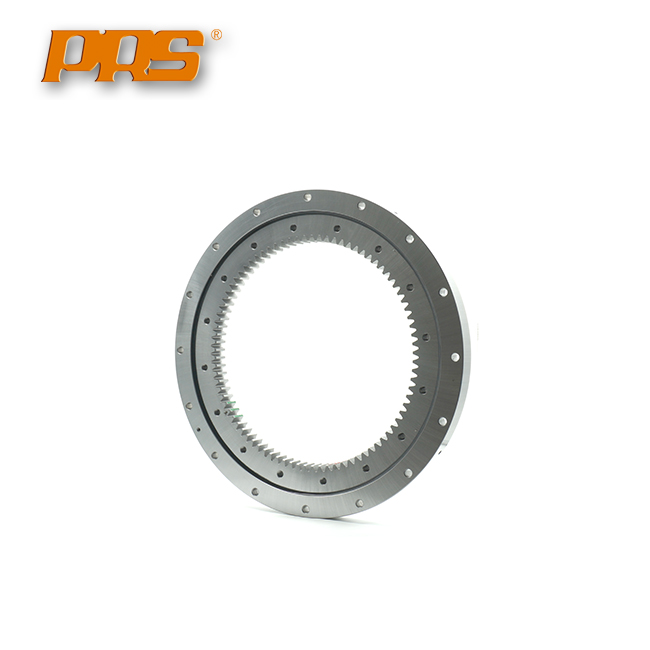
In internal gear designs, the teeth are on the inside width of the ring bore. The outer ring can be attached to a fixed structure, and the inner ring can spin. This design makes it possible for small installs. The protected gear teeth position and efficient use of room are good for mobile tools.
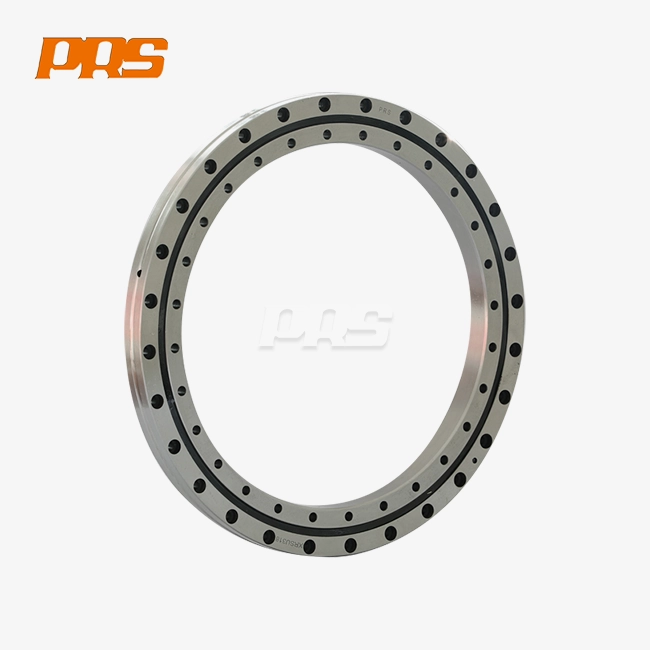
Gearless versions don't have any teeth built in, so they can be used with a variety of drive ways. It's now possible to use friction drive systems, gear setups that are connected to the outside, and direct motor coupling. This flexibility makes it possible to make custom machines and control systems that can't use standard gear setups.
Performance Factors and Maintenance Tips
To keep working efficiency and extend the life of bearings, it is important to understand performance factors and use good maintenance techniques.
Load Rating Considerations
A correct load study is the first step in choosing the right bearings. Static load ratings show how much weight a bearing can hold without permanently deforming when it is not moving. The dynamic load number tells you how much weight a bearing can handle for a certain amount of time, which is usually one million rotations.
Loading conditions in the real world for a slewing bearing rarely match those in imagined situations. Basic axial and rotational loads are made up of shock loads, shaking, and moment forces. These changes are taken into account by safety factors, which usually range from 1.5 to 3.0 based on how bad the application is and what would happen if it failed. For aerospace and medical equipment, careful factors are needed to keep the equipment from breaking down too soon.
Common Failure Modes and Prevention
Figuring out how things break down lets you plan proactive repair that keeps expensive downtime and damage from happening.
Wear is still the most common cause of failure. Surface degradation is sped up by poor lubrication, contamination, and too much load. By checking the raceways and moving elements on a regular basis, you can find early signs of wear before they become too bad for the bearing to work. Most wear-related problems can be avoided by following the right lubrication plans and keeping the integrity of the seals.
When grease breaks down because of rust, contamination, or loss, this is called lubrication breakdown. When used in cleanrooms, semiconductor equipment has special problems because regular oils can give off contaminants that aren't good for sensitive industrial processes. Protective films are kept between contact surfaces by using the right oils and setting relubrication times based on how the machine is used.
When moisture and acidic agents get through sealing devices, they attack bearing surfaces. Marine and outdoor equipment are used in harsh environments where even stainless steel alloys need to be protected. Better sealing, coatings that don't rust, and weather barriers can all help extend the life of bearings in tough setups.
When something is contaminated, it brings in rough bits that wear away quickly and damage the surface. In a cleanroom, sealed bearings made of materials that don't release particles are needed, and in a building site, strong covering against dust and debris is needed. Regularly checking the seal and replacing it if it gets broken stops contamination from getting in.
Practical Maintenance Strategies
Setting up systematic maintenance procedures saves investments in equipment and makes sure it works reliably. Re-lubrication plans are based on temperature, speed, and external factors that affect how often the machine is used. The amount of grease also counts. Too much lubrication creates heat by churning, while not enough grease starves the areas that are in touch.
Visually checking seals, mounting bolts, and gear teeth should be part of regular inspections. Measuring mounting bolt pressure and gear tooth wear should also be done from time to time. Vibration analysis finds problems before they become major, so maintenance can be planned instead of fixes being done in an emergency.
The quality of the installation has a big effect on how well the bearings work. For the ring not to warp, the mounting surfaces must be flat and clean, and the right amount of bolt pressure must be applied in the right order. Load distribution and working smoothness are both affected by how well two parts fit together. By following the manufacturer's fitting instructions, you can avoid problems that show up as early wear or failures you didn't expect.
Purchasing Slewing Bearings: What You Need to Know
To do buying right, you need to know about the market, processes, and the skills of suppliers that affect how the project turns out.
Sourcing Strategies and Supplier Selection
Global companies like SKF, Schaeffler, NSK, Kaydon, and Timken built their names over many years of technical innovation and high-quality output for slewing bearing. These names have a lot of products, a lot of technical information, and help networks all over the world. Even though they cost more, applications that need tried-and-true solutions with lots of paperwork often do better with products made by well-known companies.
Specialized providers, such as Chinese companies like PRS, WLY, and XZWD, offer appealing options that combine high-quality production with low costs. PRS has been focusing on high-precision special bearings and making local versions of foreign goods since 2003. Robotics, medical equipment, machine tools, and industrial automation all use our precision grades up to P2 for tough jobs.
The most important thing is to check the qualifications of the seller by looking at quality certifications, customer references, and sample evaluations. Direct contact builds ties that help projects succeed after the original purchases are made.
Procurement Logistics and Planning
Lead times are very different depending on the type of bearing, its size, and any customizations that need to be made. Standard layouts from stock may be shipped within days, but unique designs take weeks or months to make because they need to be planned out, engineered, and manufactured. Getting suppliers involved early on in the planning stages of a project keeps delays from happening because of longer buying cycles.
Buying in bulk can save you money because you get deals for buying more and the cost of shipping each unit is lower. To get the most out of big discounts, equipment makers and system designers should work together to make sure that all of the projects' bearing needs are met. A lot of sellers, including PRS, offer special prices and extra help to customers who buy a lot.
After-Sales Support and Service
Help with installation makes sure that bearings work as designed by making sure they are mounted and aligned correctly. Suppliers who give on-site setup help or thorough installation instructions keep problems from happening because of bad installation. This support is especially helpful for large-diameter bearings, which need to be put together correctly using special tools and methods.
Warranty programs give people a way to get their money back when a product is broken or fails too soon. Knowing what the guarantee covers, how long it lasts, and how to file a claim will keep you from being surprised if problems happen. Respondent service management shows that a supplier cares about customer happiness beyond the initial sale.
Technical advice is useful throughout the lifetime of an item because operating experience can show ways to make it work better or make upkeep easier. When suppliers treat customers like partners instead of transaction goals, they build relationships with them that lead to return business and word-of-mouth advertising that are good for everyone.
Conclusion
Slewing bearings are very important because they allow rotational movement under difficult loading situations in many different industrial settings. Procurement pros can define solutions that meet exact operating needs when they understand structural principles, configuration choices, and performance factors. Instead of just looking at the original buy price, the right choice takes into account things like load ability, precise needs, environmental conditions, and lifecycle costs. Maintenance techniques that protect bearing investments and extend service life are both taken into account when evaluating suppliers and making purchases. Partnering with capable providers who offer scientific know-how, high-quality manufacturing, and full support guarantees the success of projects and the reliable operation of tools throughout their entire useful lives.
FAQ
What maintenance intervals do slewing bearings require?
How often maintenance is done relies on things like load, speed, temperature, and surroundings. General rules say that greasing should be done every 100 to 500 hours of operation and checks should be done every 1000 to 2000 hours. Heavy loads or harsh environments need more frequent attention, while light-duty uses in controlled settings can wait longer between visits. Monitoring the state of bearings through vibration analysis and regular inspections gives a more accurate picture of what repair needs to be done than set plans.
How do I determine whether to repair or replace a worn slewing bearing?
When raceway surfaces show pitting, spalling, or too much wear that affects load distribution and rolling smoothness, they need to be replaced. When rings get cracked, gear teeth get broken beyond what is normal wear, or seals fail and let a lot of dirt in, it's usually time to replace them. Many problems can be fixed without replacing bearings by replacing seals, re-lubricating, or fixing minor gear wear. Finding problems early through regular checking is a good way to keep costs down.
What factors most significantly influence slewing bearing service life?
Long service life starts with choosing the right loads and making sure that the real loads stay within the stated capacity. touch areas that are properly oiled and protected from metal-on-metal touch don't wear out too quickly. Precision surfaces are kept safe from damage by abrasives when they are sealed well and keep out contamination. Correct fitting keeps the load evenly distributed by avoiding mounting distortion and misalignment. Because these things affect each other, it's important to pay close attention to specification, installation, and care to make sure the design life standards are met.
Partner with PRS for Precision Slewing Bearing Solutions
Luoyang PRS Precision Bearing Co., Ltd. has been making high-precision slewing bearings for over 20 years. These bearings are used in medical, robotics, and machine tools that need to be very accurate. Our product line includes gearless, internal gear, and external gear designs with accuracy levels up to P2. These can be used in robotic joints, CNC rotary tables, semiconductor equipment, and optical measurement systems. As a reliable and trusted company that makes slewing bearings, we offer engineering advice to look at your unique operational needs and suggest the best ways to meet them. Our expert team can help with all aspects of an application, from the initial design to installation and upkeep planning. Visit prs-bearing.com or email ljh@lyprs.com to talk about how PRS precision bearings can help your important projects run more accurately, last longer, and perform better. Find out why companies that make industrial automation, medical devices, and precision machinery depend on PRS as their slewing bearing provider for solutions that go above and beyond.
References
Eschmann, P., Hasbargen, L., and Weigand, K. (1985). Ball and Roller Bearings: Theory, Design and Application. New York: Wiley.
Harris, T.A. and Kotzalas, M.N. (2006). Advanced Concepts of Bearing Technology: Rolling Bearing Analysis. Boca Raton: CRC Press.
Budynas, R.G. and Nisbett, J.K. (2015). Shigley's Mechanical Engineering Design. New York: McGraw-Hill Education.
Hamrock, B.J., Schmid, S.R., and Jacobson, B.O. (2004). Fundamentals of Fluid Film Lubrication. New York: Marcel Dekker.
Zhou, R.S. and Hoeprich, M.R. (1995). "Torque of Tapered Roller Bearings." Journal of Tribology, 117(3), pp. 479-489.
Glodež, S., Potočnik, R., Flašker, J., and Zafošnik, B. (2012). "Computational Model for Determination of Dynamic Load Capacity of Large Three-Row Roller Slewing Bearings." International Journal of Fatigue, 41, pp. 161-168.

USER EVALUATE
Here is the customer's evaluation of us