
Gear Slewing Bearings: Key Features, Benefits and Uses
For big machinery that needs to support loads strongly and turn precisely, a gear slew bearing is the only way to go. This one-piece part has the strength of a slewing ring and gear teeth built right in. It gets rid of the need for multiple complicated drive systems and handles axial, radial, and moment loads at the same time. These bearings are used by engineers and procurement workers to solve important problems in areas like construction tools, wind energy systems, and industrial automation, where limited room and low operational efficiency have a direct effect on the bottom line.
Understanding Gear Slewing Bearings: Definition and Core Features
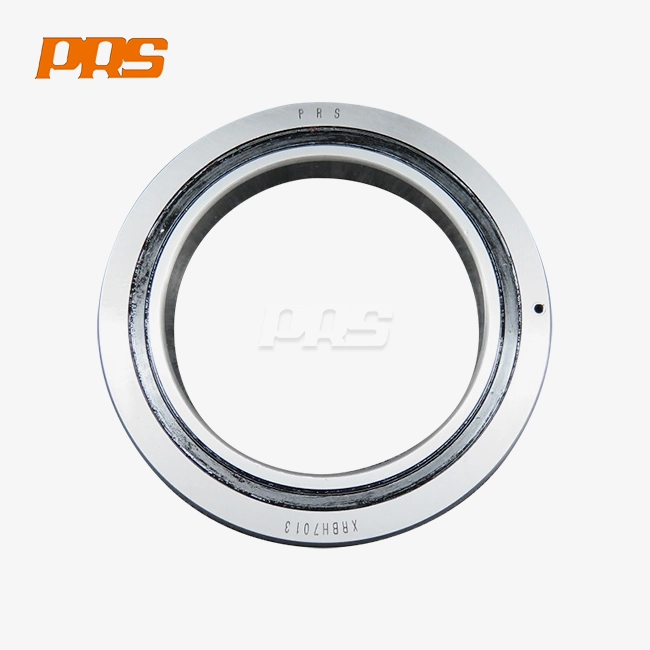
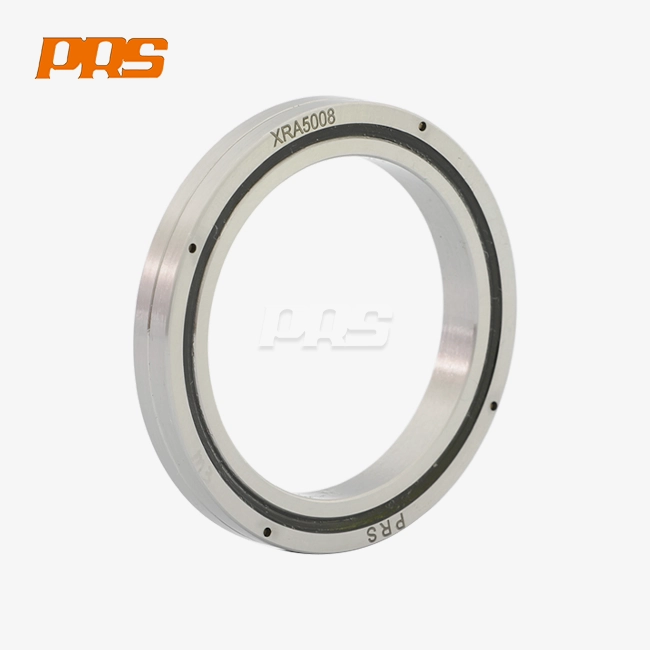
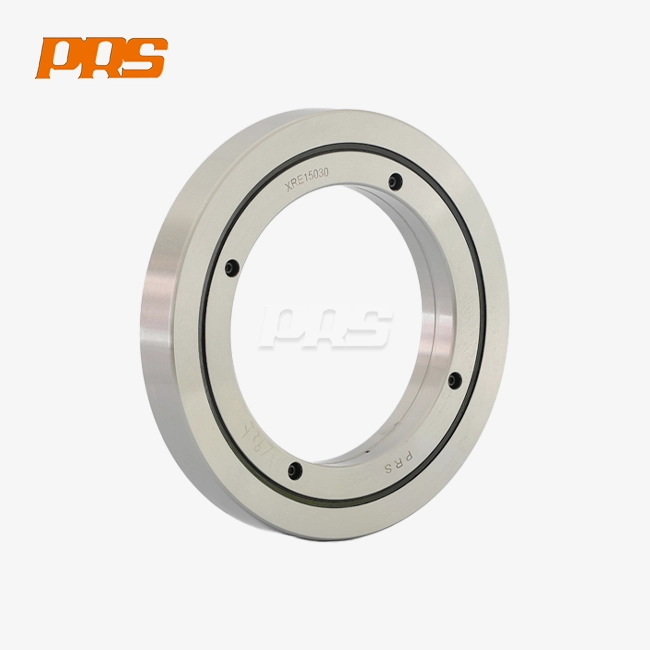
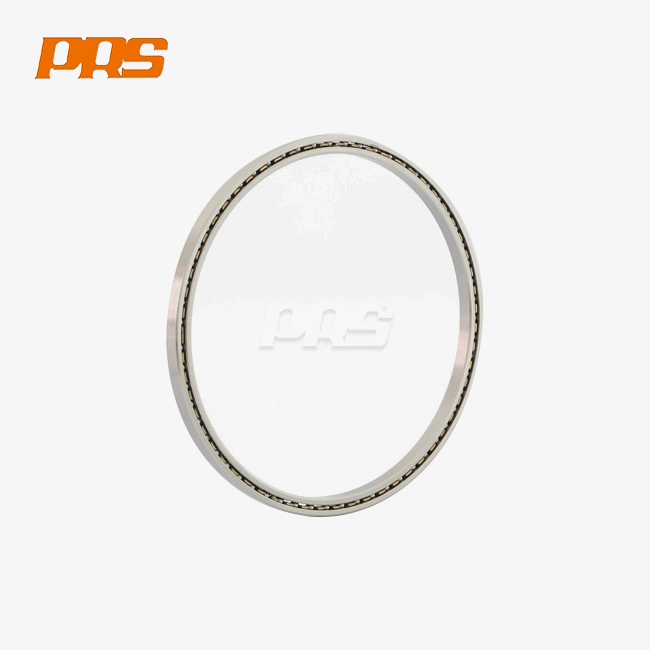
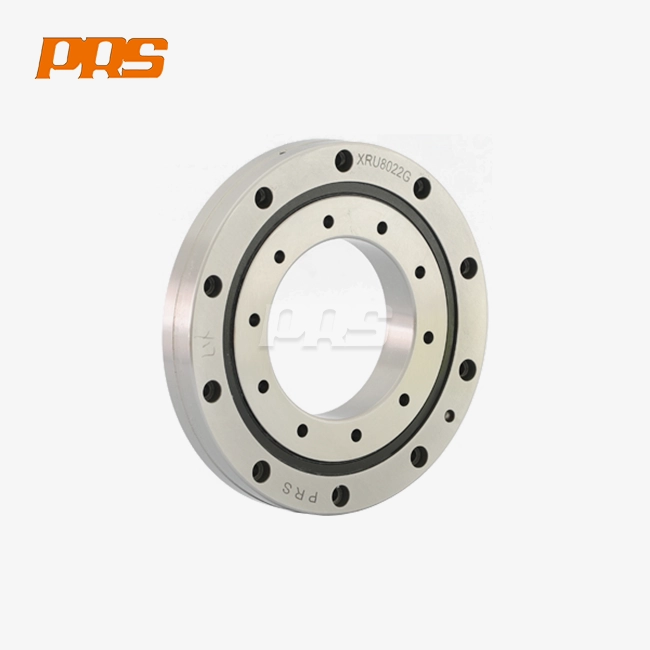
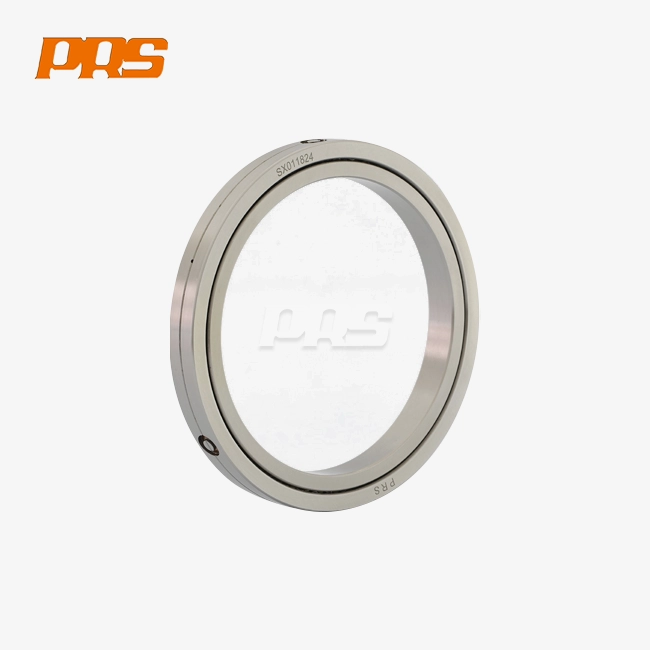
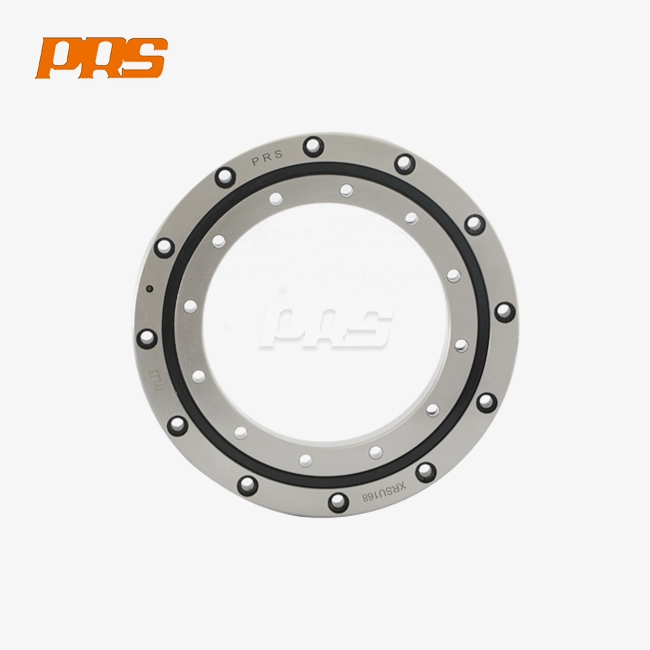
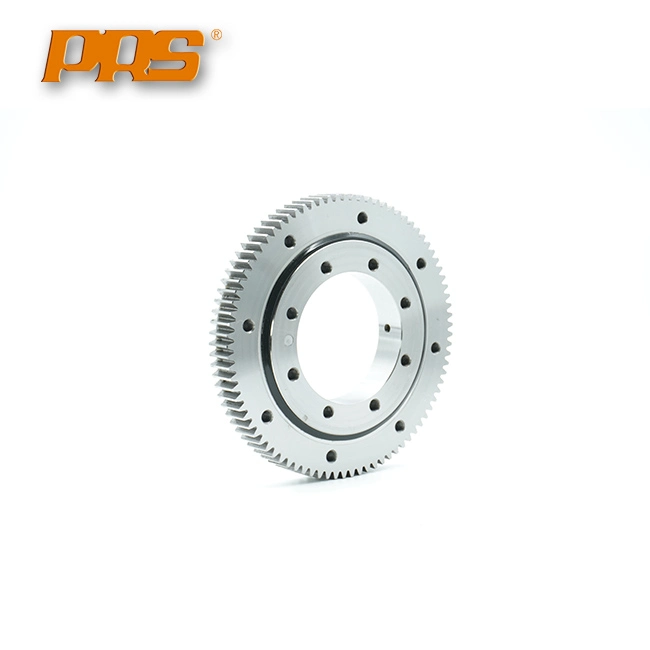
A gear slew bearing is a special kind of spinning support that can handle loads moving in more than one way in a single small unit. Instead of dealing with separate force vectors like normal bearings do, these parts handle axial thrust, rotational pressure, and twisting moments all at the same time. They also transmit torque through precision-machined gear teeth.
Structural Configuration
The bearing is made up of an inner ring, an outer ring, and moving elements that are placed between carefully designed raceways. Gear teeth can be made into either ring, based on the needs of the job. Internal gear configurations put the teeth on the inner ring, which protects the transmission elements and makes the fitting size smaller. External gear designs put the teeth on the outer ring, which makes upkeep easy and increases the torque. Gearless models are used in some situations where rotation is controlled by external drive mechanisms. However, these don't have the benefits of integration that most current setups have.
Operating Principles
The practical core of these bearings is load distribution. Three-row roller designs divide the raceways for radial and axial loads. This lets each group of rolling elements deal with its own force directions without interfering with the others. Rollers that are cylindrical or tapered move loads between hardened raceways, and gear teeth send rotating motion straight to parts that are being moved. This two-in-one feature gets rid of multiple coupling points in mechanical systems, which lowers the chance of alignment mistakes and upkeep needs and raises the system's general reliability.
The choice of materials has a big impact on how well something works. PRS makes bearings out of high-quality metals like 50Mn, 42CrMo, and S48C steels, which are picked for how hard they are and how well they don't bend when loaded for a long time. Heat treatment methods make surfaces more durable, which means they can be used for more than 100,000 hours under normal settings. Following ISO and DIN standards makes sure that measurements are correct and load ratings are the same all over the world.
Advantages and Typical Applications of Gear Slewing Bearings
There is more and more pressure on modern workplace tools to perform better within limited physical spaces. Gear slew bearings meet these needs because they are designed in a way that other types of bearings can't.
The fact that these parts work together in a gear slew bearing gives them real benefits in a number of performance areas. The load capacity is about 30% higher than with single-row options. This is because the raceway shape is tuned to spread forces across three separate roller routes. Putting bearing and gear functions into one unit gets rid of the need for different gearboxes and coupling hardware, which can cut the vertical height needed by up to 40% in some machinery setups. When single-unit mounting replaces multi-component assemblies, installation complexity goes down. This is because single-unit mounting cuts down on assembly time and the chance of alignment mistakes that affect operating accuracy.
They can be used directly in a variety of industry areas because of these benefits. Excavators and mobile cranes, among other construction machines, count on these bearings' high moment capacity, which lets long-boom designs work without structural instability. They are used in wind energy systems in the yaw and pitch mechanisms of turbines, where exact positioning and weather resistance decide how much energy is captured over decades of constant operation. For industrial robots, especially heavy-duty automatic arms used in making cars and moving things around, gear slew bearings are needed for their rigidity and accuracy in positioning.
Medical imaging equipment has to meet a lot of strict requirements. CT scanner gantries need bearings that don't vibrate much and have smooth motion patterns so they can spin at controlled speeds and keep micron-level pointing accuracy. These high standards are met by PRS precision-grade choices that hit the P2 classification level, which helps with diagnostic accuracy in clinical settings.
Maintenance costs have a big effect on the total cost of ownership. Standardized oil ports and easy-to-reach gear teeth make service simpler, so techs can do regular checks and re-lubrication without taking the machine apart too much. Proper lubrication plans using greases made for the job—usually synthetic formulas for high-temperature settings or extreme-pressure additives for shock-loading situations—extend the life of bearings and stop them from wearing out too quickly. Monitoring the condition of something by looking at vibrations and temperatures can find problems before they become big problems. This increases uptime in applications that are important for production.
Procurement Guide: Finding and Purchasing Gear Slewing Bearings
Sourcing decisions have a big effect on how well technology works and how much it costs over its whole life. To effectively navigate the procurement process, you need to know the key evaluation factors and the skills of the suppliers.
Supplier Assessment
Products from well-known companies with well-documented quality methods are always reliable. PRS has ISO 9001, ISO 14001, and ISO 45001 standards, which show that they have a method for controlling quality throughout the whole production process. The company's 15,000 m² factory has more than 200 precise tools that are run by 35 dedicated engineers. This gives the company the technical depth and production ability to meet both standard and custom bearing needs.
Controlling production is very important. Integrated operations keep quality high at every stage of production, from choosing the raw materials to heat treating, cutting, putting them together, and inspecting them one last time. The 6S management method at PRS applies disciplined process control, which is why the factory has pass rates of more than 99.9%. This stability directly leads to field reliability, which lowers the number of warranty claims and unplanned downtimes.
Procurement Considerations
Lead times for gear slew bearing vary a lot depending on how customized the product needs to be. Standard bearing configurations with common sizes can usually be shipped within 24 hours from stock, meeting urgent replacement needs and keeping production running smoothly. Custom designs with specific diameter, gear module, or accuracy needs usually take 4 to 8 weeks, but this depends on how complicated they are and how busy production plans are at the moment. Getting involved with technical teams early on in the equipment design process helps set realistic deadlines and stops project delays.
While minimum order numbers are meant to save manufacturers money, they are also being used more and more for prototypes and small batches. Standard goods may be sold one at a time, but custom specs usually require a minimum order quantity (MOQ) because of the costs of making the tools and setting up the production line. Talking to sellers about production numbers and forecast visibility helps you negotiate good terms that fit your business's needs.
The ability to provide technical help sets suppliers apart in a useful way. To come up with the best bearing specs, engineering teams that give application research look at things like working conditions, load profiles, and environmental factors. This inclusive method stops people from over-specificating, which drives up costs needlessly, and from under-specificating, which causes things to fail before they're supposed to. PRS's technical team offers continued support for as long as the equipment is in service, helping with installation, troubleshooting, and suggesting ways to improve performance.
Custom Bearing Development
Customized methods are often needed for non-standard uses. Detailed standard description, including working temperatures, load ratings, speed requirements, mounting limits, and precision tolerances, is the first step in custom development. CAD integration lets the geometry of bearings be adjusted within the general limits of machinery, making the most of the room available to achieve the best performance. Testing and making prototypes of designs helps make sure they work before committing to full production. This lowers the risk in important situations.
Installation and Technical Support for Gear Slewing Bearings
The full performance potential of these precision parts can only be reached with correct installation methods and ongoing expert help. When installed or kept incorrectly, even high-quality gear slew bearings don't work as well as they should.
Installation Best Practices
Before fitting a gear slew bearing, the state and size of the bearings are checked. Checking the flatness and perpendicularity of the fixing surface stops distortion-induced pressure that speeds up wear. Keeping mounting surfaces clean gets rid of the dirt and dust that causes stress to build up in certain areas. For good beginning operation, check the state of the gear teeth and the amount of lubrication covering them.
The mounting process is very important. Place the bearing on the fixing surface so that it makes touch with the whole thing. By gradually tightening nuts in a star design, you can keep the preload from being spread out unevenly. Manufacturers give exact torque specs that must be followed. Not enough torque allows movement and fretting rust, while too much torque bends raceways and lowers the load capacity. Before engaging the final gear mesh, make sure the turn is smooth in all 360 degrees.
When you change the gear mesh, you need to pay attention to the pushback and tooth contact patterns. When there is too much backlash, it makes noise and makes it harder to find the right spot. When there is too little backlash, it causes binding and faster wear. For proper adjustment, you usually need dial signs and experts who know how to optimize gear systems.
Maintenance and Troubleshooting
The single most important upkeep job is lubrication. When running at high speeds or high temperatures, relubrication needs to be done more often than when running at low speeds and then stopping for a while. The usual time between checks is between 100 and 500 working hours, but condition monitoring may mean that plans need to be changed. Use oils that are made for the job; using greases that aren't made for the job will cause chemical breakdown and faster wear.
Problems that happen often have clear reasons. A lot of the time, strange noises mean that there isn't enough grease or contamination. Immediate inspection stops damage from spreading. If the rotating resistance goes up, it means that the bearings are damaged, misaligned, or letting dirt in. This needs to be checked out by a professional. Gear tooth wear patterns show how well the mesh is aligned; a lot of touch on the tooth tips means that the mesh is out of alignment and needs to be fixed.
Monitoring temperatures lets you know early on when problems are starting to happen. Infrared thermography can find areas of high temperature caused by poor lubrication or damaged bearings before they fail completely. Vibration analysis finds raceway problems before they get worse, so upkeep can be planned instead of fixes being done in an emergency.
Conclusion
Gear slew bearings support loads and transfer power all at the same time, which is very important for current heavy machinery and accurate equipment. Because they can handle complicated load combinations in small spaces, they are essential in many fields, from building and green energy to medical imaging and semiconductor manufacturing. Engineers and procurement workers can find the best options that improve equipment performance and minimize lifecycle costs by understanding how they were made, what applications they are best for, and how to maintain them properly. By choosing well-known brands with tested quality systems and full expert support, you can be sure that your equipment will work reliably for a long time.
FAQ
What factors determine the load capacity of a gear slew bearing?
Load ability is based on many design factors. The moment arm for load spread is set by the raceway diameter. Larger diameters can handle bigger moment loads. The amount and size of rolling elements have a direct effect on the impact stress and wear life. How resistant a material is to deformation under long-term loading depends on how hard it is and how well it was heated. Three-row roller configurations split axial and radial load paths. This makes them more capable than single-row options by spreading forces across different raceways.
How frequently should gear slewing bearings be lubricated?
How often you need to lubricate depends on how hard you work and the weather. Relubrication is needed every 100 to 200 hours of continuous running at high speeds or high temperatures. Intermittent low-speed use in modest settings may make the intervals last up to 500 hours. Environments that are dirty or acidic need to be serviced more often. Tracking temperature and vibrations for condition monitoring allows data-driven interval optimization, which stops both failures caused by not enough oiling and high maintenance costs.
Can gear slewing bearings operate in extreme temperatures?
Standard designs function reliably within -30°C to +120°C ranges. For applications outside of these boundaries, special care needs to be taken. In places with low temperatures, greases are needed to keep the stickiness and keep things from breaking. For use in high-temperature situations, synthetic lubricants that are stable at high temperatures and have special plugs that stop oil from moving are needed. Custom gear slew bearing materials and heat processes make the range of operations bigger. Talking to makers during the specification process makes sure that the right product is chosen for harsh circumstances.
Partner with PRS for Your Gear Slew Bearing Requirements
Luoyang PRS Precision Bearing Co., Ltd. can help you with your most important spinning system problems because they have been experts in their field for more than twenty years. As a company that only makes gear slew bearings, we mix advanced production skills with a deep understanding of application engineering to provide solutions that are perfectly matched to your needs. Our wide range of products, which includes diameters from 200mm to 5000mm and gearless, geared, or internal setups, can be used in robots, machine tools, semiconductor equipment, medical devices, and flight systems, among other things.
Our value offering is set apart by our custom engineering skills. Our 35-person expert team works with your engineers to make sure that the bearing specs are best for your unique load profiles, room limitations, and environmental conditions. Precision grades up to the P2 level meet the strictest standards for accuracy in medical imaging and metrology tools. Rapid modeling and testing make sure that ideas work before they are committed to production, which lowers the risk of development.
Quality certifications like ISO 9001, ISO 14001, and ISO 45001 show that our 15,000 m² building has systematic production control. Factory pass rates of more than 99.9% guarantee reliable performance over time. Comprehensive expert support goes beyond just delivering the equipment; our team also helps with installation, teaches upkeep, and improves performance throughout the equipment's service life.
Email ljh@lyprs.com to talk to our tech team about your unique needs. We'll help your project succeed by giving you expert advice, cheap quotes, and delivery dates. You can look at all of our products and detailed information at prs-bearing.com.
References
Harris, T.A. & Kotzalas, M.N. (2006). Advanced Concepts of Bearing Technology: Rolling Bearing Analysis. CRC Press.
ISO 76:2006. Rolling bearings — Static load ratings. International Organization for Standardization.
Budynas, R.G. & Nisbett, J.K. (2015). Shigley's Mechanical Engineering Design. McGraw-Hill Education.
DIN 628. Rolling bearings — Large size rolling bearings. Deutsches Institut für Normung.
Wensing, J.A. (1998). On the Dynamics of Ball Bearings. PhD Thesis, University of Twente.
American Gear Manufacturers Association. (2004). AGMA 6034-B92: Practice for Enclosed Cylindrical Wormgear Speed Reducers and Gearmotors.

USER EVALUATE
Here is the customer's evaluation of us