
Harmonic Drive Bearing: A Comprehensive Review and Guide for Robotic Arm Applications
Choosing the right harmonic drive bearing can make the difference between getting great precision and settling for average performance when you're building or improving robotic arm systems. Harmonic reducers are held together by these special cross roller bearings, which offer rotational accuracy and load-carrying capabilities that regular bearing systems just can't match. It is important for engineers and procurement workers to understand how these bearings work and where to find them because robotic uses are getting more complex in fields like semiconductor manufacturing and surgical robots.
Understanding Harmonic Drive Bearings: Basics and Key Dimensions
What Makes Harmonic Drive Bearings Different?
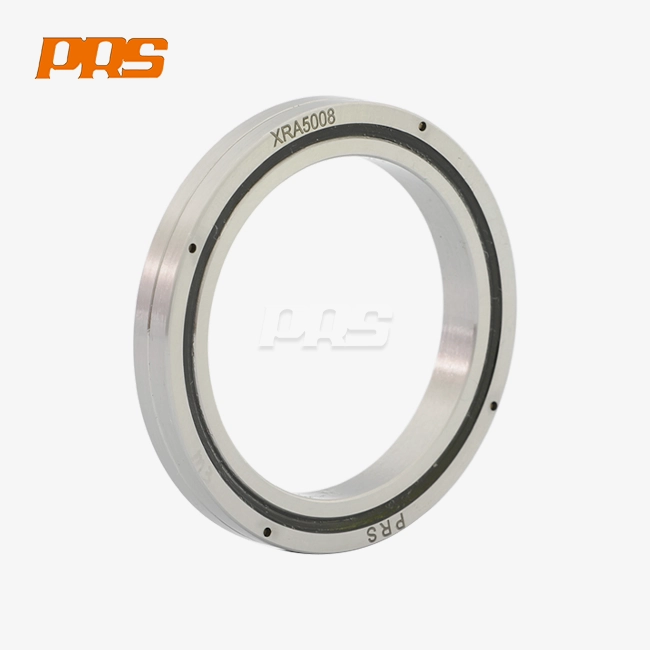
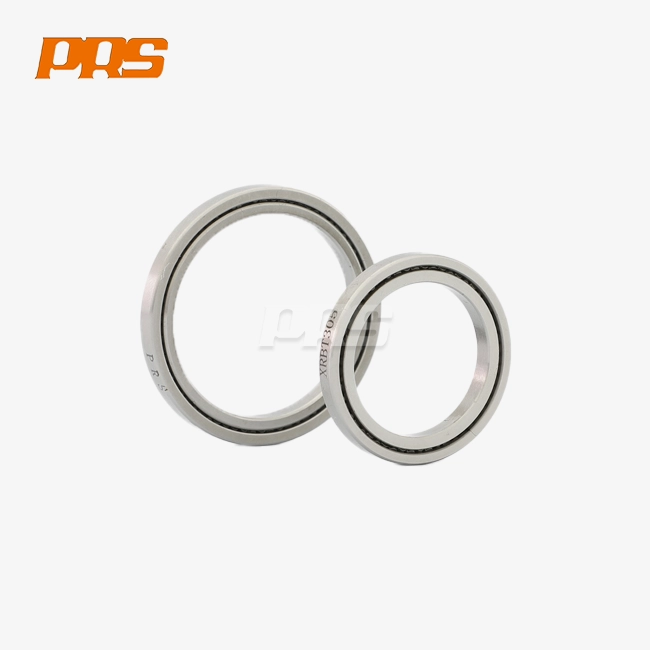
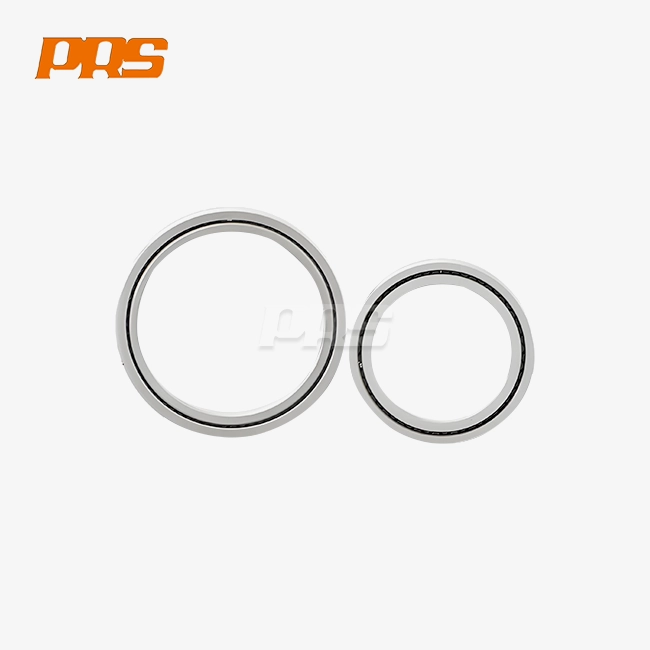
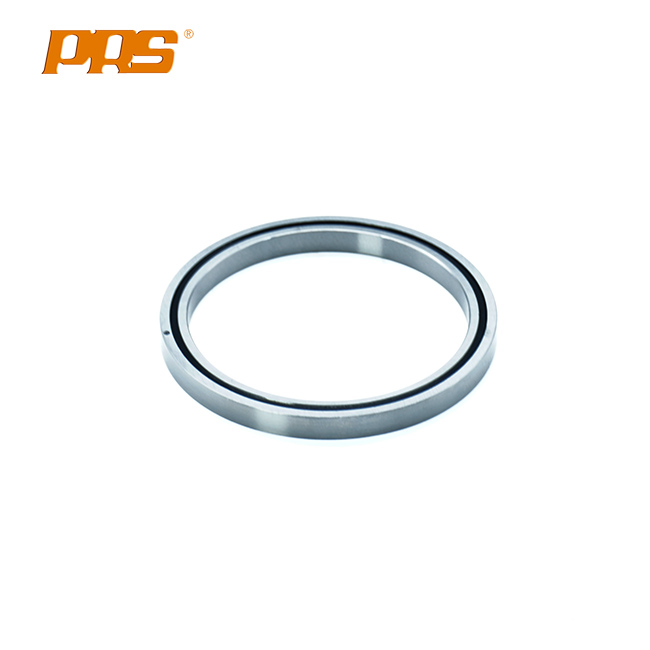
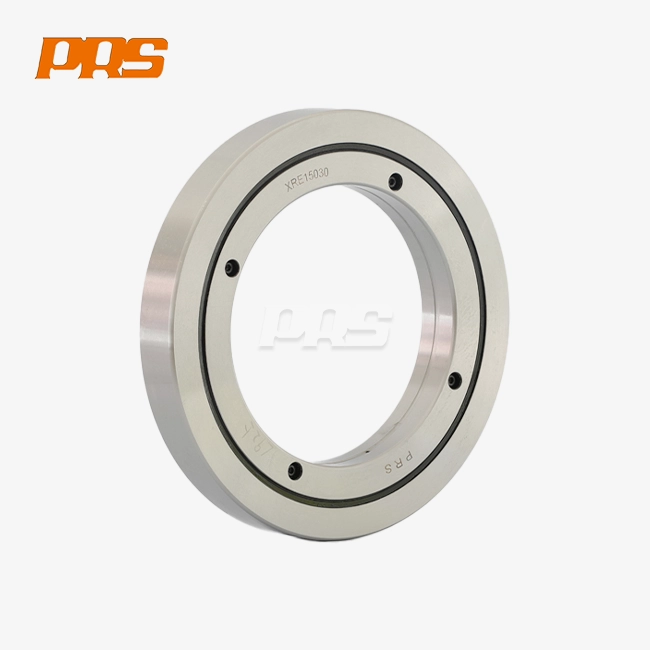
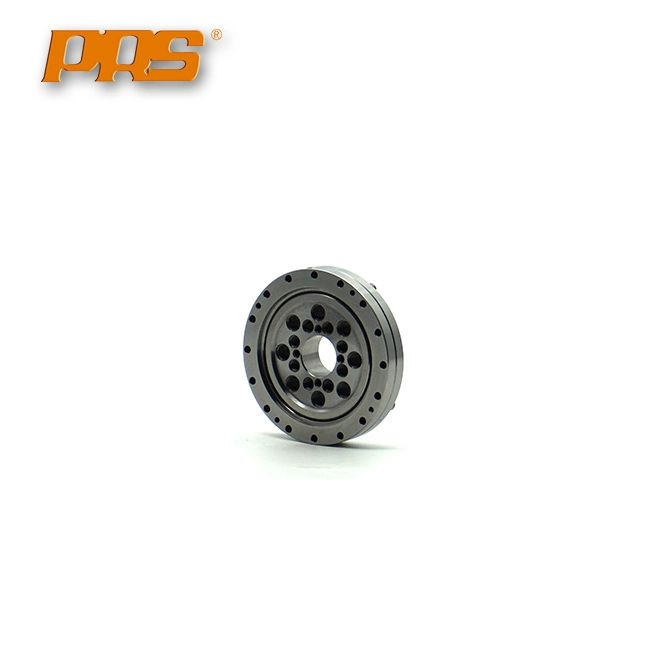
There is a special type of cross roller bearing called a harmonic drive bearing that is designed to support the wave generator part in harmonic reducer systems. Standard ball bearings handle loads along a single line. These bearings have a special design of perpendicular rollers set on precise V-shaped raceways. This set-up lets them control rotational forces, axial thrust, and tipping moments all at the same time in a single, small assembly. The design gets rid of the need for various bearing setups, which makes the system simpler and more rigid overall.
Core Components and Material Science
The inside is made up of cylinder-shaped wheels that are perfectly lined up at right angles to each other. This perpendicular direction spreads the loads evenly across the load-bearing sides of the bearing, which stops stress concentration points that usually cause standard designs to fail too soon. When PRS makes these bearings, they use high-quality GCr15 bearing steel, which is chosen for its ability to keep its strength and shape even under repeated loads. Each ring goes through specific heat treatment methods that make the material's qualities work best in the harsh conditions of harmonic drives.
Critical Specifications for Robotic Applications
Several factors directly affect how well robotic arm joints work when looking at technical datasheets. The bearing's torque capacity tells you how much spinning force it can handle without deforming. Load rates tell you how much horizontal and axial force a bearing can handle and still last the amount of time it says it will. The precision grade (P4 or P2 in PRS offers) sets the limits for manufacturing, which has a direct effect on the accuracy of spin. P2 grade bearings offer micron-level accuracy that is good for robots that handle semiconductors, while P4 grade units offer better value and better performance for standard industrial automation.
Compatible Harmonic Reducer Series
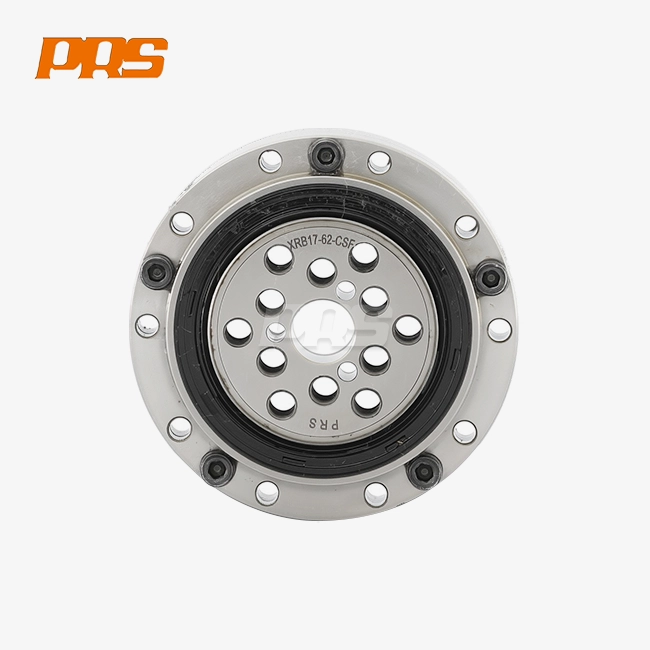
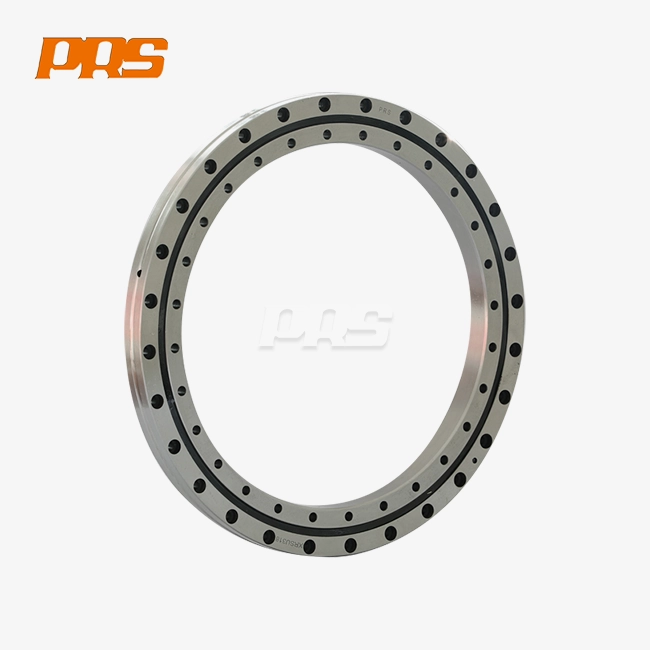
There are a few standard ways that harmonic drive devices can be set up. The CSG and CSF models have outer rings that can be taken apart and inner rings that are built in. This makes installation easier in tight areas. The SHF and SHG types have inner and outer rings that are fully integrated. This makes them more stable and makes sure that the torque qualities stay the same over time. The CSD series bearings are more rigid than similar CSG types while keeping the same outer measurements. This makes them perfect for high-load output stages. Each type of bearing has fixing holes built in, so it can be put in directly without any extra housing parts.
Benefits and Applications of Harmonic Drive Bearings in Robotics
Zero Backlash Performance
Harmonic drive bearing don't use traditional gear tooth contact to work; instead, they use controlled elastic compression. An elliptical wave generator spins inside the flexspline, a flexible ring with teeth that bends and fits together with a solid circle spline that has more teeth. This makes exact speed reduction ratios and gets rid of mechanical backlash, which is the main benefit that makes these systems essential for placing robots. During this distortion cycle, the harmonic drive bearing that supports the wave generator must keep its very high level of rotating accuracy. Even small amounts of runout cause positioning mistakes that spread through the kinematic chain and lower the accuracy of the end-effector.
Compact Design Enabling Advanced Robotics
Because joint robots and surgical systems are limited in space, they need bearing solutions that can transmit the most force in the smallest possible space. Cross roller bearings made for harmonic drives have built-in fastening features and can handle loads that come from multiple directions. This lets engineers make packages with reduction ratios of up to 320:1 that are surprisingly small. This high torque density lets robotic arms have thin bodies without lowering their working reach or ability to carry weight.
Real-World Performance Across Industries
Surgical robot designers depend on these bearings to keep the robot's position within 20 arcseconds every time. This level of accuracy is necessary for minimally invasive treatments where the accuracy of the instrument tip affects the patient's result. They are built into wafer-handling robots that work in Class 1 cleanrooms by companies that make semiconductor equipment. The double-sided seals keep out particles while keeping the robots' smooth motion. Aerospace companies use them in satellite dish tracking systems because they work reliably in temperatures ranging from -30°C to +120°C, which is necessary for mission-critical operations.
Industrial automation engineers like these bearings because they last longer in CNC machine tool spinning tables and robotic welding stations. The arrangement of perpendicular rollers spreads contact pressures more evenly than ball bearings, which greatly lowers the rate of wear in settings where work is done continuously, like factories. Machine builders say that unplanned downtime and repair times are shorter now than they were with older bearing technologies.
Maintenance Strategies That Extend Operational Life
Managing oil correctly is essential for making bearings last as long as possible. When you buy PRS bearings, they already have a special grease on them that is made for how harmonic drives work. Monitoring shaking patterns with condition monitoring tools lets you know about problems early on, before they become too big to fix. Precision bearings' main enemy is still dirt. Keeping the area where they are assembled clean and checking the seals on a regular basis stops early wear that lowers accuracy and raises friction.
Comparing Harmonic Drive Bearings with Other Bearing Types
Performance Characteristics Versus Ball Bearings
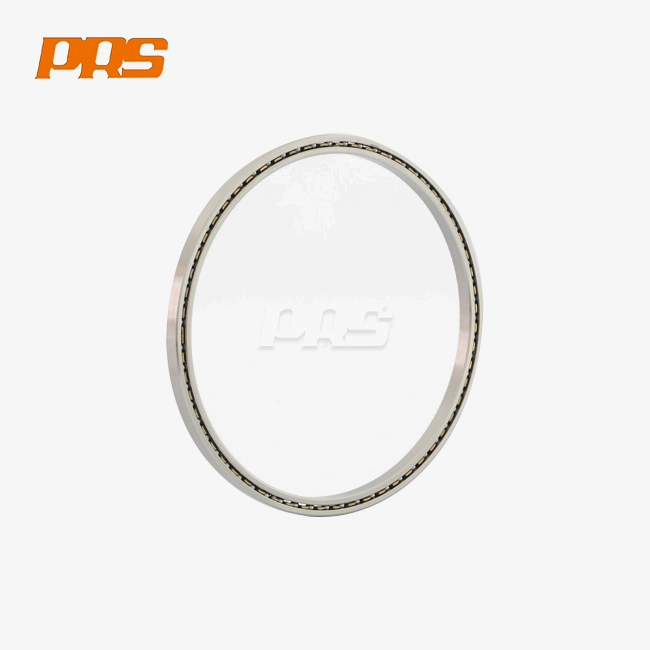
Standard angular contact ball bearings are easier to make and cost less, but they can't handle loads that come from different directions as well as cross roller designs. To handle mixed radial and axial loads, ball bearings usually need to be stacked or paired, which raises the height of the unit and adds to the alignment issues. Because the point contact between the balls and raceways reduces the load capacity compared to the line contact achieved by cylindrical rollers, cross roller bearings are the better choice when limited room calls for maximum load handling within small radial areas.
Technical Advantages Over Cycloidal Reducers
Like harmonic systems, cycloidal drives have high reduction ratios and small packages. However, they have higher feedback levels that make positioning less accurate in precision applications. Backlash levels below 1 arcminute can be reached with harmonic drive bearing systems that use the right bearings. This is ten times better than with standard cycloidal systems. Because of this, harmonic drives are the best choice for robotic arms that need to be able to repeat their positions within micrometers.
Evaluating Lifecycle Economics
The initial bearing prices are only one part of the total costs of ownership. Quality cross roller bearings often explain their higher prices through lower running costs because they last longer and need less maintenance. To figure out the lifetime value, you have to think about how much it costs to replace bearings, how much it costs to stop production for repair periods, and how much it costs to fix quality problems caused by less accurate positioning. Superior bearing performance usually gives a good return on investment within the first year of running in high-use situations.
Benchmark Performance from Leading Manufacturers
Bearing companies around the world, like NSK, THK, and SKF, make harmonic drive bearings that have clear performance specs. Since 2003, PRS has gained a lot of experience in this specific type of bearing, focusing on offering local alternatives to foreign goods without lowering quality standards. When it comes to manufacturing, the company can do both standard setups that meet foreign standards and custom designs that are best for specific application needs.
Procurement Guide: How to Source and Buy Harmonic Drive Bearings for Robotic Arms?
Evaluating Supplier Credentials
Quality control starts with choosing the right provider. ISO 9001 certification shows that a company is committed to using consistent production methods. ISO 14001 and ISO 45001 certifications show that a company is responsible for managing the environment and keeping workers safe. PRS keeps all three certifications and a quality control method that is written down and has a plant pass rate of more than 99.9%. The company's 15,000-square-meter production center has more than 200 precise testing and manufacturing machines that are run by about 300 workers, including 35 technical engineers who support applications.
Understanding Pricing Structures and Lead Times
Costs for bearings depend on the grade of precision, the size, and the number of items ordered. Standard catalog items can usually be shipped within 24 hours if they are in stock, but special designs need to be reviewed by engineers and have wait times for production. Structured price can lower the cost per unit and make sure there is a steady supply for production needs when you buy in bulk. Talking to providers early on in the planning process about the specifics of the application helps find ways to standardize things that make them more available and valuable.
Custom Manufacturing Capabilities
It's necessary to do custom manufacturing when normal bearing designs can't meet certain performance or size requirements. By sending clear technical instructions through thorough drawings and performance specs, you make sure that suppliers can correctly figure out if the project is possible and give you accurate quotes. PRS engineering teams work with customers to make sure that bearing designs can be made easily and meet the needs of the application. They often find changes to the designs that make them work better while keeping costs low.
Working with Trusted Distribution Networks
Building ties with reputable distributors of harmonic drive bearing makes it easier to get what you need by giving you access to professional knowledge and local help. Reliable sellers keep detailed technical documents, offer help with application engineering, and offer support after the sale that goes beyond just delivering the product. Working with makers that offer direct sales and distributor partnerships helps global procurement teams make sure that the standard of their products stays the same while also getting specialized support in all of their operating regions.
Troubleshooting Common Issues and Optimizing Harmonic Drive Bearing Performance
Diagnosing Wear and Contamination
Strange noises during operation are often a sign that bearing problems are getting worse. Grinding sounds mean that dirt or dust has gotten into the bearing, while clicking or regular shaking means that the rollers are broken or the raceways are flaking off. When temperatures rise above standard working ranges, it means that there isn't enough lubrication or too much preload. By using regular checking routines to keep an eye on these signs, predictive maintenance methods can be used to fix problems before they stop production.
Preventing Misalignment Problems
Harmonic reducers work best when all of their parts are lined up perfectly with each other. Even a small angle difference between the input and exit shafts causes the bearing rollers to be loaded unevenly, which speeds up wear and decreases accuracy. The best way to distribute loads is to use precise alignment supports during installation and check the alignment by measuring runout. PRS bearings have built-in fixing features that make them easier to install and reduce orientation mistakes that hurt performance.
Advanced Lubrication Techniques
Bearings come with the right amount of grease for most uses, but in some cases, extreme working conditions may call for special greases. Synthetic greases that are better at withstanding high temperatures work well in those conditions. On the other hand, sanitary uses need lubricants that reduce the release of gases and the formation of particles. Talking to the bearing manufacturer about what kind of lubrication to use makes sure that it will work with the seal materials and working temperature ranges that are right for your purpose.
Emerging Manufacturing Technologies
Additive manufacturing is starting to change the way bearing parts are made, making it possible to make complicated shapes that better distribute load and reduce mass. Advanced surface treatments, such as ceramic coats, make things less likely to wear out and increase their resistance to rubbing. This makes them last longer in tough environments. These innovations keep getting better at what they do, and companies like PRS are investing in new production tools and processes that make cutting-edge technologies useful in real life.
Conclusion
Picking the right harmonic drive bearing for harmonic drive systems has a direct effect on how well and how reliably robotic arms work, as well as on how much they cost to own overall. The cross roller design is one of a kind because it offers superior multidirectional load capacity and positioning precision in small packages that are necessary for modern robotic applications. Knowing the technical details, weighing your options, and working with reputable companies will help you choose the best bearings for your system while staying within your budget. As robotic systems keep getting more precise and capable, the special bearings that support harmonic drives will stay important parts that make these technological advances possible.
FAQ
What distinguishes harmonic drive bearings from conventional bearing types?
Harmonic drive bearings use cross-roller setups that are perpendicular to each other to handle radial, axial, and moment loads all at the same time in a single, small unit. Because they can hold loads in more than one direction, they don't need to be arranged in various ways like standard ball bearings do. These specialized bearings are different from general-purpose ones because they have mounting holes built in and can be adjusted at the factory for preload. This makes fitting easier and ensures uniform performance.
How do I determine the correct specifications for my robotic arm application?
When choosing specifications, you have to look at a number of practical factors. Find the joint's highest radial and axial forces, taking into account dynamic loads that change as the object speeds up. Find out what the needed limits are for positioning precision and consistency. Think about the working temperature ranges and external factors, such as the chance of contamination. Talking to bearing makers who know about harmonic drive uses can help you turn these needs into the right precision grades, seal configurations, and material choices that will give you the best performance and life.
What lead times should I expect when ordering bearings for production requirements?
Standard standard harmonic drive bearings that are already in stock usually ship within 24 to 48 hours. Depending on how complicated the design is, custom configurations that need technical review and special production may take a few weeks. Production delays can be avoided by planning buying plans with enough lead time. Keeping a strategic stockpile of critical bearings for high-volume uses on hand acts as a buffer stock that can handle sudden changes in demand while makers fill restocking orders.
Partner with PRS for Superior Harmonic Drive Bearing Solutions
Since 2003, Luoyang PRS Precision Bearing Co., Ltd. has been specializing in high-precision cross roller bearings for harmonic reducers. This has given them a lot of knowledge that helps engineers and procurement workers improve the performance of robotic systems. Our expert team offers full application support, from creating the initial specifications to helping with installation and ongoing upkeep. PRS is your reliable source for harmonic drive bearings because they offer precision grades up to P2, work with CSG/CSF, SHF/SHG, and CSD series harmonic drives, and can make both standard and unique solutions. They are dedicated to your practical success. Email our engineering team at ljh@lyprs.com to talk about your unique needs and find out how our high-quality products can improve your robotic arm applications.
References
Chen, W., & Liu, H. (2021). Advanced Bearing Technologies for Precision Robotics. Shanghai: Industrial Press.
Davidson, M. J. (2020). Cross Roller Bearing Design and Performance in Harmonic Drive Systems. Journal of Mechanical Engineering Research, 45(3), 178-192.
Harmonic Drive Systems Inc. (2022). Technical Handbook for Harmonic Reducer Components (8th ed.). Tokyo: Harmonic Drive Publications.
Kumar, S., & Patel, R. (2019). Comparative Analysis of Bearing Types in Robotic Joint Applications. International Journal of Robotics and Automation, 34(2), 234-249.
Tanaka, Y., & Suzuki, K. (2023). Precision Bearing Selection for Industrial Automation. Berlin: Springer Engineering.
Wilson, T. R. (2018). Lifecycle Cost Analysis of Bearing Solutions in Manufacturing Robotics. Manufacturing Technology Review, 52(7), 89-104.

USER EVALUATE
Here is the customer's evaluation of us