
What Should OEMs Consider When Buying RA Robot Bearings?
When selecting RA robot bearings, OEMs must prioritize precision grade, load capacity, and application-specific environmental factors. These crossed roller bearings serve as critical rotating components in robotic joints, rotary tables, and precision equipment where space constraints demand compact designs without sacrificing rigidity. Your decision should balance technical specifications—including dimensional tolerances, material composition, and rotational accuracy—with supplier reliability, after-sales support, and total cost of ownership to ensure optimal system performance and longevity.
Understanding RA Robot Bearings and Their Key Specifications
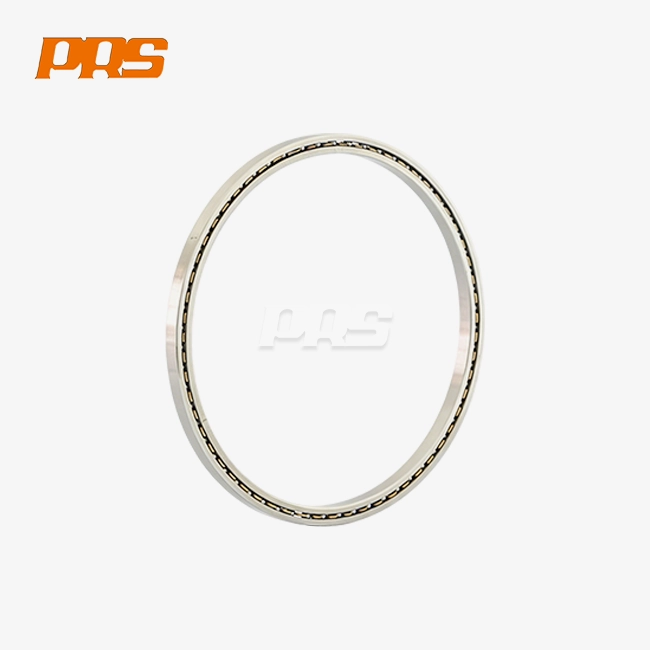
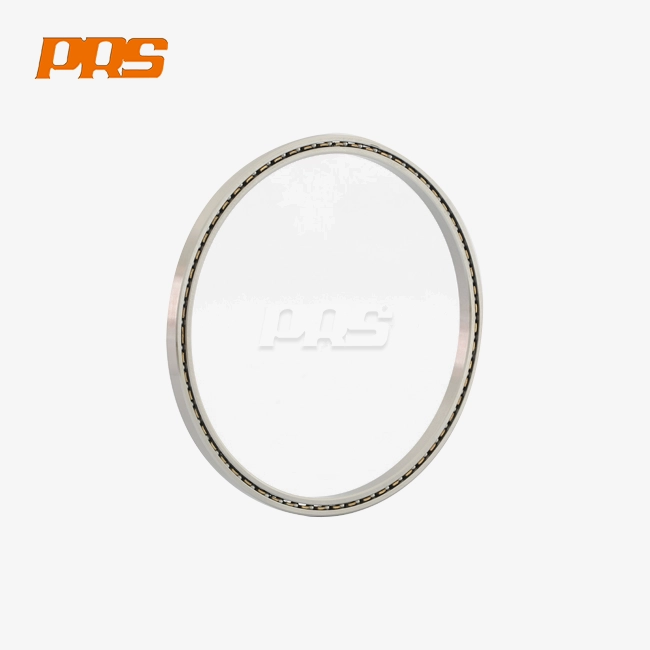
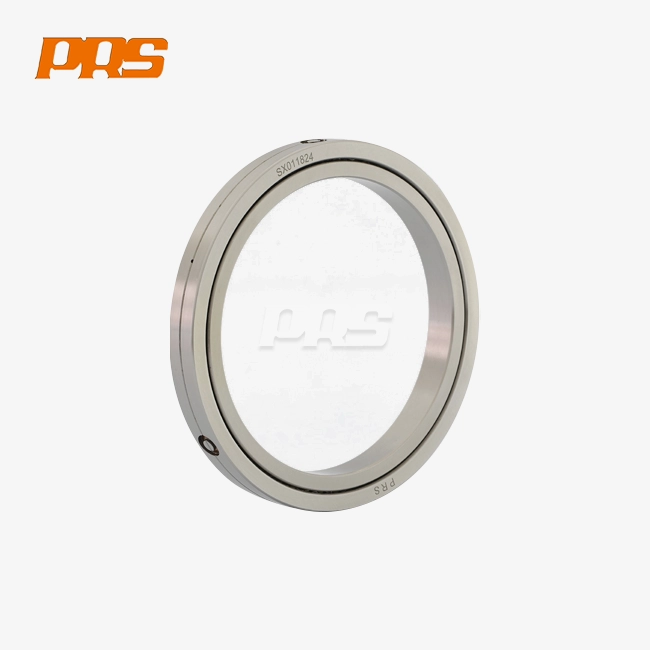
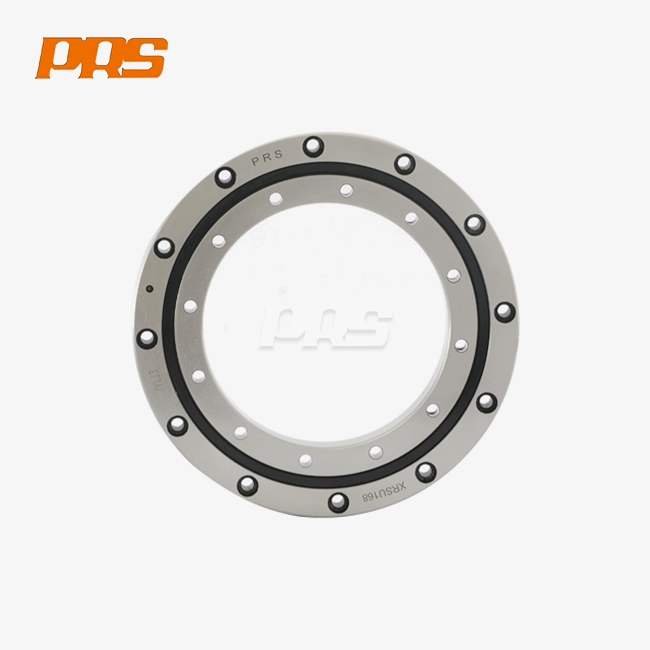
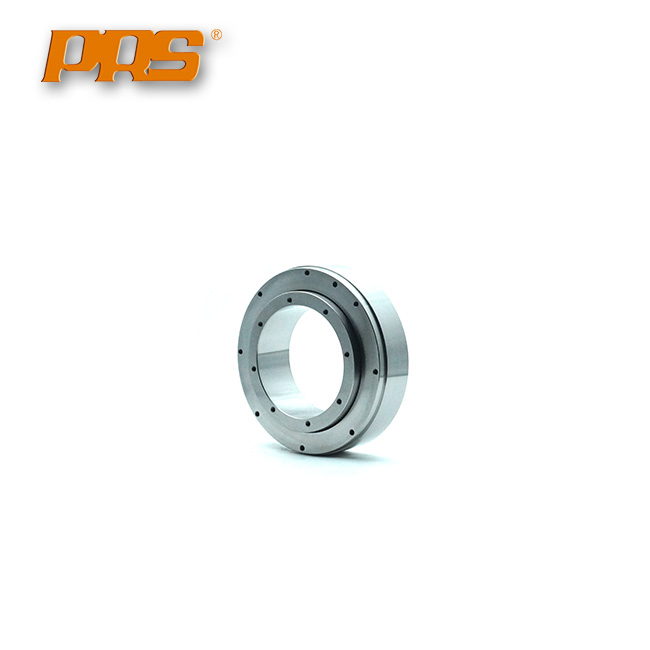
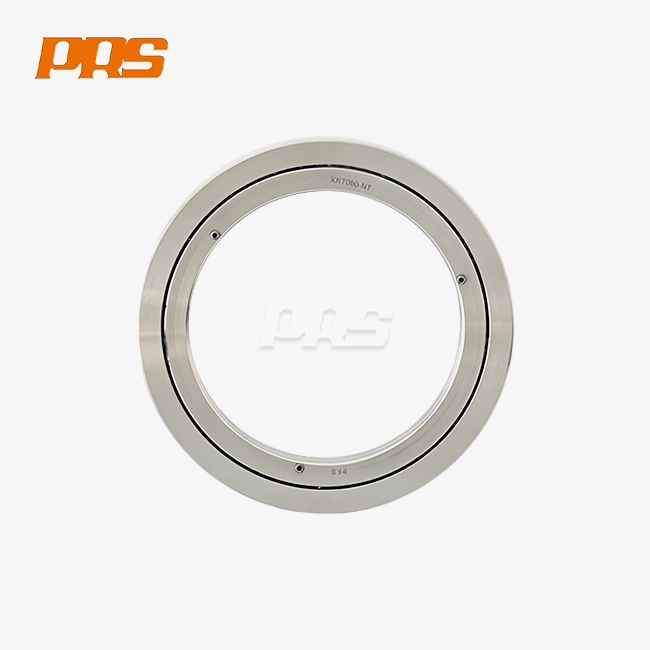
RA-type crossed roller bearings represent a specialized category of precision components engineered to solve challenges inherent in modern automation systems. These bearings are different from regular ball bearings because they use circular rollers placed at 90-degree angles inside V-shaped raceways to handle both radial and axial loads. This orthogonal configuration compresses the functionality of two angular contact bearings into a single, ultra-compact unit.
The main benefit of RA robot bearings is that they are structurally efficient. The integrated inner ring rotates easily, and the separable outer ring makes installation easier. This is especially helpful in six-axis robot joints and collaborative robot spinning bases where easy assembly is important. When spacer retainers are put between rollers, they keep metal from touching metal. This keeps the torque constant across all operational cycles and eliminates the heat that comes from friction.
Technical Parameters That Define Performance
Dimensional properties directly affect how well a product fits. The cross-sectional height of RA bearings is usually 30–40% lower than that of RB bearings of the same type. This makes them essential for the Z-axis rotation of SCARA robots and the precise rotating parts of medical robots where vertical space constraints dictate design. The bore sizes range from 6mm to 1000mm, so they can fit a wide range of machines, from small surgery robot joints to huge CNC rotary tables.
Precision classes follow ISO standards, with P5, P4, and P2 grades representing progressively tighter tolerances. P5 suits general industrial applications like palletizing robots and AGV unmanned vehicle turning platforms. P4 addresses demanding environments such as coordinate measuring machines and laser interferometers. P2-grade bearings become necessary in semiconductor wafer alignment stages and photolithography machines where positioning accuracy within single-digit micrometers prevents defect propagation in nanoscale circuitry.
Material Composition and Its Impact
High-carbon chromium bearing steel (SUJ2) forms the standard material, hardened to HRC 58–64 through heat treatment to resist surface fatigue. This metallurgical specification ensures durability in CNC indexing tables and turning center tool turrets where repetitive loading cycles number in the millions. Steel bearings handle moment loads generated in grinding machine spindles and five-axis machine tool swivel heads effectively, maintaining raceway geometry under continuous stress.
Ceramic alternatives—typically silicon nitride (Si3N4)—offer distinct advantages in specialized contexts. Ceramic rollers are 60% lighter than steel equivalents, reducing centrifugal forces in high-speed applications like dental handpiece turbines or photovoltaic dual-axis tracking bracket rotation. Their electrical insulation properties prevent bearing current damage in variable frequency drive systems powering wind turbine yaw mechanisms. Hybrid designs combining ceramic rollers with steel rings optimize cost-performance ratios in CT machine rotating scanning tables and MRI equipment where electromagnetic compatibility matters alongside mechanical precision.

Critical Decision Criteria for OEMs When Selecting RA Robot Bearings
Procurement success depends on methodically aligning bearing characteristics with operational demands. Application analysis should begin by quantifying load profiles—radial forces, axial thrust, and moment loads all occur simultaneously in robotic manipulator end-effectors. When a welding robot rotates its wrists, they have to deal with both the arm's cantilevered weight and reaction forces from torch contact, requiring RA robot bearings that maintain stiffness under complex multi-vector loading.
Operational Environment Assessment
Temperature extremes influence material selection and lubrication strategy for RA robot bearings. Precision parts for food processing robots operating in washdown environments need corrosion-resistant sealing and NSF-certified lubricants, while aerospace simulation rotary tables functioning across -55°C to 125°C temperature swings demand specialty greases maintaining viscosity stability. Cleanroom compatibility becomes paramount in biochemical analyzer rotating indexing components and blood analyzer applications where particulate generation would contaminate sensitive biological samples.
Speed parameters determine whether crossed roller geometries remain viable. While RA bearings excel in precision positioning applications—think coordinate boring machine rotary supports and gear processing machine indexing—applications exceeding 500 RPM may benefit from alternative designs. The contact stress between rollers and raceways generates heat proportional to rotational velocity; insertion machines and pick-and-place equipment typically operate within favorable speed ranges, but ultra-high-speed digital printing machine indexing rollers might necessitate hybrid bearing technologies.
Evaluating Precision Grades and Performance Metrics
Runout tolerances directly correlate with end-product quality. Radial runout of less than 3 micrometers is necessary for image measuring instruments, rotary tables, and roundness tests where measurement uncertainty must remain smaller than dimensional variations being quantified. Axial runout specifications matter equally in missile guidance equipment, precision supports, and UAV gimbals where angular positioning errors compound across kinematic chains.
Static and dynamic load ratings require careful interpretation. Catalog values assume specific mounting configurations and preload conditions—deviations from these assumptions can reduce actual capacity by 20 to 40 percent. Loading/unloading robot rotating bases experience shock loads during rapid acceleration; safety factors of 3 to 5 above calculated loads provide reliability margins. Conversely, laboratory torque tester precision rotating bases under steady, predictable loading might operate closer to rated capacities.
Supplier Reputation and After-Sales Support
Authorized distributors provide value beyond product availability. Technical support teams assist with bearing selection calculations, mounting procedure guidance, and troubleshooting—resources particularly valuable when integrating bearings into orthopedic navigation equipment or radiotherapy equipment precision rotating components where regulatory compliance documentation must accompany mechanical specifications. Warranty terms reflect manufacturer confidence; comprehensive coverage including replacement for manufacturing defects signals quality assurance throughout production processes.
Lead time reliability affects production scheduling. Stocking programs for common sizes—typically those used in vertical machining center rotary tables and horizontal machining center applications—enable rapid fulfillment, while custom bearing configurations for satellite receiving device precision rotation or armored vehicle observation system rotating components require 8–12 week fabrication cycles. Understanding these timelines prevents project delays.
Materials and Maintenance: Ensuring Long-Term Performance and Reliability
Material choices extend beyond initial performance specifications to influence total operational costs over equipment lifecycles. Steel bearings offer optimal cost-effectiveness in controlled environments like automated assembly line rotary platforms and cam divider rotary supports where contamination protection exists. Their thermal expansion coefficients match housing materials, simplifying tolerance stack-up calculations in complex assemblies such as laser marking machine precision rotating parts.
Identifying Wear Indicators and Failure Modes
Vibration signature changes provide early warning signs. Accelerometers mounted near robot joint housings detect frequency shifts indicating raceway spalling—surface fatigue creating pits that generate periodic impacts as rollers pass. Amplitude increases at roller passing frequency (typically 5–10 times rotational speed) in DSLR camera gimbals or professional photography tripod heads suggest incipient failure requiring RA robot bearings replacement before catastrophic breakdown occurs.
Acoustic emissions offer another diagnostic pathway for RA robot bearings. Ultrasonic detectors identify stress wave bursts from micro-crack propagation in vehicle-mounted radar antenna rotating bases or shipborne radar precision rotation assemblies. Temperature monitoring reveals lubrication breakdown; thermocouple readings exceeding 80°C in standard industrial environments or 60°C in aerospace applications warrant investigation. Noise changes—transitions from smooth operation to grinding sounds—indicate contamination ingress or lubricant depletion in airborne radar equipment or fire control precision components.
Lubrication Best Practices
Grease selection balances contradictory requirements. Low-viscosity lubricants reduce starting torque in angle calibrator precision rotating bases and drone aerial photography gimbals where motor torque budgets are tight, but they migrate more readily under centrifugal forces. High-viscosity greases remain in place within wind power testing equipment rotating platforms yet increase drag. Lithium complex greases suit general automation applications, while perfluoropolyether (PFPE) lubricants serve oxygen-rich aerospace environments and vacuum conditions in photolithography machine miniature precision components.
Relubrication intervals depend on duty cycles and contamination exposure. Sealed bearings in label printing machine precision indexing roller supports typically require regreasing every 10,000 operating hours, while open designs in dusty environments like photovoltaic inverter rotating components need quarterly service. Over-lubrication risks churning losses and seal damage, while under-lubrication accelerates wear; precise quantity calculation using bearing volume multiplied by recommended fill percentages (typically 25–35%) prevents both extremes.
Procurement Strategies: How to Buy RA Robot Bearings Efficiently and Cost-Effectively?
Identifying trustworthy suppliers requires verification beyond marketing claims. Certifications like ISO 9001 demonstrate quality management system maturity, while industry-specific standards—AS9100 for aerospace, ISO 13485 for medical devices—indicate familiarity with sector requirements. Suppliers serving DR machine arm rotation and surgical robotic joint markets must navigate regulatory documentation; their experience accelerates compliance processes.
Comparing Quotations and Value Propositions
Price comparisons demand normalization across specifications. Nominal dimension matches between suppliers may mask tolerance differences; a bearing quoted as "30mm bore" might hold ±10 micron tolerance from one manufacturer and ±5 micron from another, with the precision variant justifiably commanding premium pricing. Load ratings calculated per ISO 281 standards enable direct comparison, though some manufacturers apply conservative safety factors while others publish optimistic values for RA robot bearings.
Bulk purchasing strategies yield cost advantages in high-volume applications. Automated assembly systems incorporating dozens of intermittent indexing tables or intelligent warehousing stacker rotary joints benefit from volume discounts reaching 15–30% at quantities exceeding 100 units. Custom manufacturing becomes economically viable around 50-unit minimums for specialized configurations like dual-axis photovoltaic tracking bracket precision rotating joints—quantities where tooling costs amortize acceptably.
Navigating International Supply Chains
Import regulations impact delivered costs and timelines for RA robot bearings. Harmonized Tariff Schedule classifications determine duty rates on precision bearings entering the United States; most fall under HTS 8482, with rates varying by country of origin under trade agreements. Anti-dumping duties may apply to certain sources, adding unexpected costs. Working with suppliers experienced in customs documentation prevents shipment delays that could idle production lines awaiting replacement bearings for wafer cutting machines or optical instrument measurement systems.
Shipping methods balance speed against expense. Air freight delivers emergency replacements for critical equipment like CT scanner rotating components within days, while ocean transport suits scheduled maintenance programs stocking spares for wind turbine yaw auxiliary supports. Packaging quality matters—inadequate corrosion protection during maritime transit ruins bearing surfaces, necessitating reorders and extended downtime.
Future Trends and Innovations in RA Robot Bearings for OEMs
Industry 4.0 integration transforms bearings from passive mechanical elements into active data sources. Embedded sensor technologies monitor bearing health in real-time, measuring temperature, pressure, and acoustic emissions directly at the source. Wireless transmission relays data to predictive maintenance platforms that apply machine learning algorithms, forecasting remaining useful life for rotary joints in intelligent logistics equipment and automated indexing machinery. This shift from reactive to predictive strategies reduces unplanned downtime by 30-50% according to industrial studies.
Advanced Materials and Coatings
Research into ceramic matrix composites promises RA robot bearings combining ceramic hardness with enhanced fracture toughness. Current silicon nitride ceramics, while offering excellent wear resistance in cleanroom semiconductor equipment, remain brittle under shock loading. Emerging silicon carbide formulations tolerate impact forces better, expanding applicability into collaborative robot rotating bases and palletizing robot applications where occasional overload events occur. Diamond-like carbon (DLC) coatings applied to steel bearing surfaces reduce friction coefficients by 40-60%, extending lubrication intervals in sealed designs for medical imaging equipment and surgical robot precision components.
Sustainable manufacturing practices gain prominence as environmental regulations tighten and corporate responsibility commitments expand. Bearing manufacturers increasingly adopt closed-loop coolant recycling in grinding operations, reducing water consumption by 80% compared to traditional processes. Steel sourcing from electric arc furnaces using recycled scrap lowers carbon footprints—a consideration when OEMs pursue ISO 14001 environmental certifications or respond to customer sustainability audits. Extended service life through improved materials and maintenance strategies inherently reduces resource consumption, aligning precision engineering with environmental stewardship.
Conclusion
Selecting RA robot bearings demands balancing technical specifications against operational realities and supplier capabilities. Precision grades, material choices, and environmental compatibility must align with application demands ranging from collaborative robotics to aerospace systems. Rigorous supplier evaluation—examining certifications, technical support depth, and delivery reliability—mitigates procurement risks. Maintenance strategies grounded in condition monitoring and appropriate lubrication maximize bearing lifespan, reducing total ownership costs. Staying informed about emerging technologies positions OEMs to leverage innovations enhancing performance and sustainability. Methodical procurement processes integrating these considerations deliver reliable rotating components supporting manufacturing excellence.
FAQ
How do I determine the correct RA bearing size for my robotic application?
Calculate the bore diameter based on shaft size, then verify the bearing's dynamic load capacity exceeds your maximum radial, axial, and moment loads multiplied by appropriate safety factors—typically 3–5 for industrial robots and 5–10 for medical devices. Cross-sectional height must fit within available envelope space while providing adequate raceway width for load distribution.
What maintenance schedule extends bearing service life most effectively?
Inspect sealed bearings annually using vibration analysis and thermography; reseal or replace if temperature rises exceed 15°C above baseline or vibration amplitudes double. Regrease open RA robot bearings every 5,000–10,000 hours depending on contamination exposure and operating speed. Document all service events to establish reliability trends informing replacement strategies.
Should I choose steel or ceramic bearings for high-precision positioning systems?
Steel bearings suit most positioning applications under 200 RPM where cost-effectiveness matters, providing adequate precision at lower price points. Specify ceramic or hybrid designs when weight reduction improves system dynamics, electrical insulation prevents bearing current damage, or operating temperatures exceed 120°C—conditions common in semiconductor manufacturing and aerospace equipment.
Partner With PRS for Precision-Engineered RA Robot Bearing Solutions
Achieving operational excellence in automated systems requires reliable components from experienced suppliers who understand your industry's unique demands. PRS specializes in manufacturing high-precision crossed roller bearings meeting P4 and P2 accuracy standards, serving OEMs across robotics, medical equipment, machine tools, and aerospace sectors since 2003. Our technical team provides application-specific guidance, helping you select optimal RA robot bearings configurations that balance performance requirements with budget constraints.
We offer comprehensive support throughout the procurement cycle for RA robot bearings—from initial specification review through installation assistance and ongoing maintenance consultation. Our production facility delivers short lead times on standard sizes while accommodating custom designs for specialized applications. Competitive pricing, flexible order quantities, and quality assurance processes aligned with ISO standards ensure you receive components that enhance system reliability while controlling total ownership costs.
Contact our engineering team at ljh@lyprs.com to discuss your bearing requirements. We'll analyze your application parameters, recommend suitable bearing specifications, and provide detailed technical documentation supporting your design validation processes. Discover how partnering with PRS delivers precision components backed by expertise that drives manufacturing success.
References
1. Harris, T. A., & Kotzalas, M. N. (2006). Essential Concepts of Bearing Technology (5th ed.). CRC Press.
2. ISO 199:2014. Rolling Bearings — Thrust Bearings — Geometrical Product Specifications (GPS) and Tolerance Values. International Organization for Standardization.
3. Weck, M., & Brecher, C. (2006). Werkzeugmaschinen 2: Konstruktion und Berechnung [Machine Tools 2: Design and Calculation]. Springer-Verlag.
4. SKF Group. (2018). Rolling Bearings Catalogue: Principles of Bearing Selection and Application. SKF Technical Publication.
5. Budynas, R. G., & Nisbett, J. K. (2020). Shigley's Mechanical Engineering Design (11th ed.). McGraw-Hill Education.
6. Tsuha, N. A. H., & Cavalca, K. L. (2020). Stiffness and Damping of Elastohydrodynamic Line Contact Applied to Cylindrical Roller Bearing Dynamic Model. Journal of Sound and Vibration, 481, 115444.

USER EVALUATE
Here is the customer's evaluation of us