


Bearings for Robotics, Automation Systems, and Industrial Robots
In today's industries, which are changing quickly, effective technology depends on precise parts. RU robot bearings stand out as one of the most important parts for makers who want their products to be very accurate and last a long time. Robotic arms, CNC machines, and semiconductor equipment can position themselves to the micron level with these special bearings, which can also handle a lot of operational cycles. Working with automation system designers has shown us that the choice of bearing has a direct effect on how well equipment works generally, how much it costs to run, and how efficiently it produces goods in a variety of settings.
Understanding RU Robot Bearings: Specifications, Types, and Working Principles
What Defines RU Cross Roller Bearings?
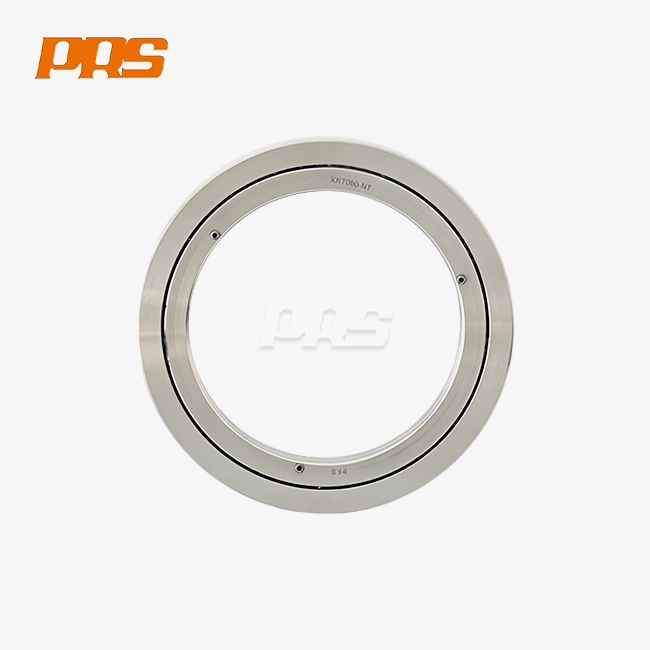
With their unique crossed roller design, RU robot bearings are high-tech, precision parts that can handle both horizontal and vertical loads at the same time. In contrast to most bearing designs, these units set up cylindrical rollers in alternate patterns that are perpendicular to the raceway structure. This crisscross pattern spreads the load evenly across all touch areas, making the structure very rigid, which is important for robotic joints and spinning tables. The design keeps the spinning features smooth, which is important for placement accuracy in automation systems, and reduces deflection when heavy loads are applied.
Core Technical Specifications
The performance of RU Cross Roller Bearings has a direct effect on the skills of an automated system. Different roller diameters and raceway shapes have different load capacities. Most designs can handle combined loads that are higher than 50% of the basic dynamic load ratings in both directions at the same time. For important uses, precision grades can get as low as P4 and P2, which means that runout tolerances are less than 2 microns. The material is usually made of high-carbon chromium steel (GCr15 or an equivalent), which has a hardness rating of between 58 and 62 HRC after being heated. This makes sure that the dimensions stay the same even when the temperature changes in places like semiconductor cleanrooms and machine tool shops.
Bearing Types for Robotic Applications
To get the best performance and value for money, different automation problems need different bearing configurations:
Thin Section Deep Groove Ball Bearings work great in small designs where the bearing area size is limited by a lack of room. Robot axes and harmonic drives are useful because they are small, light, and can hold a modest amount of weight. These bearings usually have cross-section heights of 10–20 mm and bore sizes of up to 200 mm. They have good weight-to-strength ratios for medical imaging tools and collaborative robots.
Crossed Cylindrical Roller Bearings are very rigid and work well in situations where there needs to be little deflection under changing loads. These units are great for CNC rotary tables and robotic wrist joints because the perpendicular roller arrangement makes many load paths. Their high moment load capacity stops angular movement during precise machining processes. This keeps the accuracy of their setting over long production runs.
Angular Contact Ball Bearings are the best choice for aerospace guidance systems and high-speed spindle applications. By letting engineers change the preload, they can find the best balance between friction and stiffness needs, which leads to the best performance in optical measurement equipment and defence tracking systems.
Mechanical Principles Behind Precision Performance
The high level of accuracy that crossed roller systems provide comes from basic mechanical benefits. In roller geometry, point contact changes to line contact when the load is applied. This spreads forces over a larger surface area than in ball bearing designs. This contact pattern lowers Hertzian stress concentrations, which increases wear life while keeping friction coefficients constant across the bearing's operating range. The arrangement also naturally resists shifting moments, which can make it hard for multi-axis robotic systems to repeat their positions. Temperature stability comes from thermal expansion characteristics that are balanced. The crossed configuration naturally makes up for changes in size that happen during thermal cycling, which is common in industrial settings.
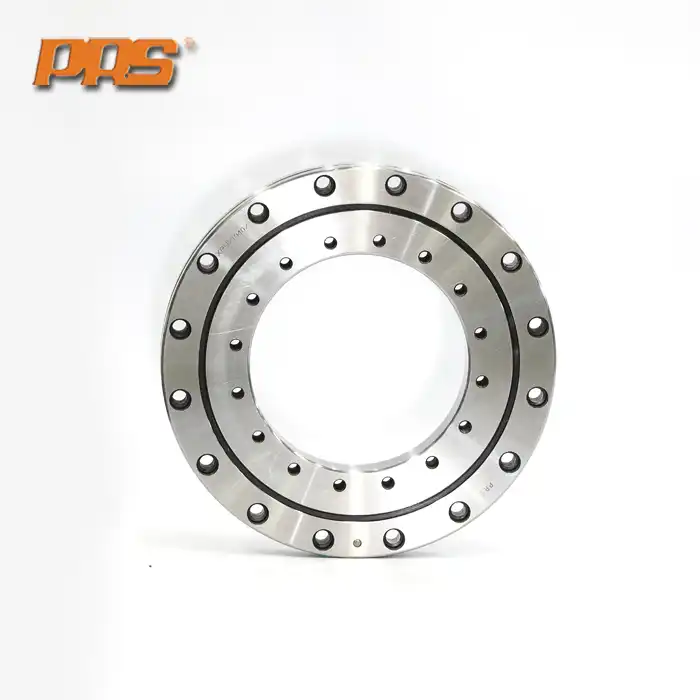
Comparing RU Robot Bearings with Standard and Alternative Bearings
Performance Advantages in Industrial Environments
Thanks to our work with machine tool makers, we've learned that specialized RU robot bearings and normal ones perform very differently. Crossed roller setups are 40–60% more stiff than regular deep groove ball bearings with the same envelope size. This directly leads to better positional accuracy during rapid acceleration cycles. Similar benefits can be seen in how well they handle loads. For example, a 100mm bore crossed roller bearing can usually handle moment loads of more than 800 Nm, while similar ball bearing arrangements need much bigger mounting interfaces to reach the same ratings.
Operational steadiness in changing situations represents another important differentiator. When normal radial bearings are switched to precision crossed roller units in wafer handling robots, shaking amplitudes drop by about 35%, according to testing data from semiconductor equipment users. This vibration control has a direct effect on yield rates in cleanrooms, where mistakes in placement on the submicron scale lead to flaws. The increased stiffness also cuts down on the time it takes for things to settle down after quick moves, which makes high-throughput robotics systems more efficient.
Design Distinctions and Application Suitability
Standard ball bearings have moving elements arranged in a single row. These are best for rotational loads and can't handle much axial load. This design works well for most industrial uses, but it has a lot of problems when it comes to robotic systems that have to deal with complex load paths. The crossed roller layout fixes these problems with its orthogonal roller arrangement, which gets rid of the need for the usual bearing pair setups. This makes things easier to put together, lowers the risk of mistakes, and makes the whole system lighter, all of which are important for collaborative robots and portable inspection equipment.
The choice of materials and the accuracy with which they are made are two more things that set premium robot bearings apart from cheaper alternatives. Raceway surfaces must usually have a surface finish of Ra 0.05μm or less. This lowers the differences in friction that can make it hard for medical robots and metrology equipment to move smoothly. Roller geometry limits keep the cylinder's shape within 0.5 microns, which makes sure that the load is spread evenly across all rolling elements. To meet these exact requirements, grinding and honing must be done in ways that aren't normally possible in standard bearing production.
Total Cost of Ownership Considerations
Precision robot bearings cost 30–50% more than normal options when they are first bought, but they are more cost-effective over their entire lifetime when used in demanding situations. RU Cross Roller Bearings in CNC indexing systems regularly have operational lives exceeding 30,000 hours when properly maintained, compared to 15,000 to 20,000 hours for most conventional designs in similar conditions. This is because they wear more slowly. Less downtime directly increases production value, especially in auto assembly lines where high hourly output rates justify spending more on high-quality parts.
Total purchasing costs are also affected by how much maintenance is needed. When compared to standard bearings with the same duty cycles, crossed roller types have longer regreasing times because they distribute load more evenly. This means that lubrication lasts longer. This trait is especially helpful for semiconductor equipment that works in controlled environments where getting to it for maintenance requires expensive cleanroom procedures and production stops. Case studies from medical device makers show that when CT scanner gantries switched to precision crossed roller configurations, maintenance work on bearings dropped by 40%.
Installation, Maintenance, and Care for RU Robot Bearings
Proper Installation Procedures
To get the stated performance from precision RU robot bearings, they need to be installed carefully and with the right amount of error. To start preparing the surface, the mounting surfaces must be thoroughly cleaned with lint-free materials and the right chemicals to get rid of protective coatings, machining leftovers, and other contaminants. The flatness of the mounting surface should meet standards that usually call for deviations below 5 microns across the bearing seat width. Deviations higher than this cause stress clusters that damage raceway geometry and speed up wear patterns.
Mismatched sizes between bearings and housing parts can be avoided by controlling the temperature during installation. Controlled heating of the outer rings is used in thermal installation methods to make interference fit gaps. Temperatures between 80°C and 100°C are usually used to get 0.02-0.04mm of expansion. When compared to open flame methods, which can cause overheating and damage to the metal, induction heating equipment evenly distributes heat. On the other hand, shaft-mounted bearings might need to be chilled with dry ice or liquid nitrogen to make the inner rings smaller. This makes assembly easier and prevents contact forces that damage precision ground surfaces.
Verifying the alignment is the last and most important step in the construction process, and for RU robot bearings, this step is especially critical because even micron-level misalignment can cause premature wear, increased friction, and reduced positioning accuracy in robotic arms. Dial indicator readings should show that the radial runout is less than 10 microns and the axial play is within the bearing specs, which are usually 5 to 15 microns based on the precision grade and preload settings. Star patterns for mounting bolt torque sequences make sure that clamping forces are spread out evenly, which keeps the geometry of the bearing from changing. After fitting, rotation tests should show torque characteristics that are smooth and consistent, with no binding or roughness, which could mean that the equipment isn't aligned correctly or is contaminated and needs to be fixed before it can be used.
Lubrication Strategies and Schedules
Lubrication is the key to a longer bearing life because it creates protective films between the rolling elements and the raceways and gets rid of frictional heat. When choosing grease, it's important to think about the operating temperature ranges, load conditions, and speed parameters that are unique to each job. Lithium complex greases with synthetic base oils work well for robotic uses that need to work between -20°C and 120°C. Polyurea formulas, on the other hand, can handle high temperatures up to 150°C for machine tool spindles. Viscosity grades usually fall between NLGI 2-3 levels, which balance how well the material pumps with how well it holds its shape.
Initial grease charges should fill bearing spaces to 25–35% of their full capacity. Too much lubrication creates spinning resistance, which raises working temperatures and power needs, while not enough lubrication lets metal-to-metal contact happen during peak load conditions. When to re-grease depends on the job cycle and the surroundings, but for normal industrial conditions, suggestions say to do it every 2000 to 3000 hours. In harsh settings with contaminants, high temperatures, or constant operation, intervals need to be cut by 50% to keep the integrity of the protective film during service times.
Inspection Protocols and Wear Detection
Monitoring bearings on a regular basis allows for proactive maintenance plans that stop catastrophic failures and unplanned downtime. Vibration analysis can tell you early on when problems are starting to happen, and frequency spectrum analysis can find the unique signs of certain failure modes. When there are problems in the outer raceway, the frequencies are found by multiplying the number of rollers by the speed of the shaft and dividing that number by two. When there are problems on the roller surface, the frequencies are higher and depend on the size and speed of the rollers' orbits. Baseline vibration measurements set standards that can be used for comparison during regular monitoring periods, which for critical automation systems are usually once a month.
Temperature tracking adds to sound data by showing problems with lubrication and too much preload before they cause damage. With infrared thermography, you can measure the temperature of the bearing case without touching it. Readings that are 15-20°C above room temperature mean that more research needs to be done. Endoscopic inspection during maintenance windows lets you see the state of the raceway directly, finding discolouration that means the bearings aren't well oiled, pitting from dirt getting in, or brineling from impact loads. These two types of monitoring work together to make condition-based maintenance strategies possible. These strategies help match the best time to replace a bearing with its operational needs.
Procurement and Supply Chain Insights for RU Robot Bearings
Sourcing Strategies for Industrial Buyers
When trying to balance the quality of parts, the dependability of delivery, and the lowest cost across all supply lines, procurement managers have to make tough choices. Direct connections with manufacturers are better for large customers who need customised specs and engineering help during the product development cycle. These partnerships make it possible for people to work together to improve designs. This cuts down on the size of the bearing area while still meeting the performance needs of RU robot bearing applications. Manufacturers offer technical resources like finite element analysis, help with choosing materials, and prototype testing services that are useful during the development of equipment.
Authorised dealer networks offer extra ways to get products that are good for placing smaller orders and needing them quickly. Distributors keep a wide range of popular bearing sizes in stock, so they can meet maintenance needs and production issues the same day or the next. Their transportation system usually includes regional storage, which cuts down on shipping costs and wait times compared to sending goods directly across international borders. A lot of the time, procurement strategies use both channels together. For example, they might build relationships with manufacturers for custom designs and new equipment programs, while using distributor networks for standard replacement parts and aftermarket support.
Quality Verification and Supplier Assessment
Verifying the authenticity of bearings protects against fake parts that are becoming more common in industrial supply chains, and for RU robot bearings, this verification is essential because counterfeit bearings often fail prematurely, leading to costly robot downtime and potential safety hazards. Manufacturers that are legitimate give tracking paperwork like material approvals, dimensional inspection records, and ISO 9001-compliant quality system registrations. Packaging integrity signs, like tamper-evident covers and unique serial numbers, make it possible to verify the product before installing it. Different levels of manufacturing quality can be seen through physical inspection. For example, precision bearings have smooth, uniform surfaces that don't have any tool marks, rollers that have the same shape even when viewed under a microscope, and properly made cage structures that don't have any deformation or rough edges, which are signs of poor production.
Before setting up a procurement partnership, the supplier review method should look at the supplier's technical skills, quality systems, and financial security. Facility audits check that the accuracy of the manufacturing equipment matches the stated specs, and quality management system reviews check that the process controls stop defects from happening. Financial health assessments protect against supply interruptions caused by unstable vendors. This is especially important for parts that can only be bought from one source and don't have easy-to-find alternatives. Checking references with current customers gives useful information about how well delivery works, how quickly technical support responds, and how well problems are solved, which helps with choosing a seller.
Logistics Considerations and Lead Time Management
Knowing the lead times for manufacturing helps with planning production and making the best use of inventory. Standard bearing configurations usually ship two to four weeks after the order is placed. Custom specs that need specific sizes or materials can take eight to twelve weeks, based on how complicated the manufacturing process is. These times show the precise grinding steps, heat treatment cycles, and quality control steps that need to be taken to meet certain tolerances and performance standards. For urgent needs, there are options for "rush processing," but there are extra fees, and availability depends on how much production capacity is available at the time of the request.
When you ship things internationally, there are more timelines and logistics that need to be managed ahead of time. Shipping goods by air from Asian factories to North American places usually takes 5 to 7 days, which includes clearing customs. Shipping goods by water, on the other hand, takes 4 to 6 weeks and costs less, which is better for large orders and planned inventory replenishments. Documentation needs, like commercial invoices, packing lists, and certificates of origin, need to be correct to avoid customs delays. Freight forwarding services often handle these logistics details as part of established supplier relationships. This makes the buying process easier for people who don't know much about international shipping.
Future Trends and Innovations in Robot Bearing Technology
Material Science Advancements
New material technologies promise to make next-generation robotic systems much better at what they do, and for RU robot bearings, this evolution includes the adoption of ceramic hybrid designs with silicon nitride rolling elements that offer lower density, higher hardness, and superior corrosion resistance compared to conventional all-steel versions. When compared to all-steel designs, ceramic hybrid bearings with silicon nitride rolling elements and steel raceways are 40% lighter and have better corrosion protection and electrical insulation qualities. These traits are useful in medical equipment that needs to be sterilised often and in semiconductor applications where protecting against static electricity keeps parts from getting damaged. Because it has less mass, it can also work at faster speeds. Tests have shown that the fastest speeds that can be reached before centrifugal forces break the material are 25% higher.
Advanced surface processes make bearings last longer by making them less likely to wear out and reducing friction. Thin ceramic coats are applied to raceway surfaces using physical vapour deposition methods. This creates ultra-hard protective layers that keep the dimensions accurate over long duty cycles. These treatments look especially good for use in flight, where weight restrictions make it hard to use a lot of lubricant, and high temperature changes make it hard to choose the right materials. Laboratory tests show that covered surfaces have friction coefficients that are about 30% lower than bare surfaces. This directly leads to better efficiency and less heat production in precision motion systems.
Smart Bearing Integration and Industry 4.0
Putting sensors inside bearing assemblies lets you check on their condition in real time, which is in line with the requirements for Industry 4.0 connectivity. Temperature sensors, accelerometers, and acoustic emission detectors that are built in provide continuous streams of operational data that are used by predictive maintenance algorithms. Machine learning models look at these trends in the data and find small drops in performance that happen weeks or months before big problems happen. This ability to predict the future changes maintenance plans from time-based schedules to condition-based actions. This changes when parts should be replaced and cuts down on unplanned downtime in automated manufacturing facilities.
Wireless communication protocols get rid of the complicated wiring that comes with instrumented bearings. This makes installation easier in rotating assemblies and robotic structures with moving parts. Energy-harvesting technologies use the rotational power of bearings to power integrated electronics. This means that batteries don't have to be replaced, which would make sealed bearing designs more difficult. These self-monitoring systems are especially helpful for installations that are far away or hard to get to, where maintenance access would stop work and pose safety risks. As communication and sensor miniaturisation technologies get better, implementation costs keep going down. This speeds up acceptance across all industrial automation sectors.
Sustainability Considerations in Bearing Design
Environmental laws and business green efforts are having a bigger impact on the goals for developing bearing technologies. Manufacturers are looking into bio-based lubricants as a way to cut down on their reliance on oil while keeping the performance levels needed for precision uses. These products are better for the environment because they break down more than 90% according to normal testing procedures. This means that they have less of an effect on the environment when they leak or are thrown away. Performance testing confirms that it works with existing bearing materials and that it lubricates just as well in normal industrial settings.
Based on the idea of the circular economy, bearing designs are changed to make them easier to fix and recover materials from when they're no longer useful. Modular designs make it possible to change parts instead of throwing away the whole bearing, which means that it can be used for longer by repairing it more than once. More and more, materials are being chosen that are made from reusable metals and are easy to separate, which makes recovery processes easier. These environmentally friendly design methods are in line with companies' environmental goals and could lower lifetime costs by extending service times and keeping material value during decommissioning phases.
Conclusion
The precision, dependability, and durability of RU robot bearings are essential to modern automation systems that are used in harsh industrial settings. Crossed roller designs on these units give them unique benefits. These designs improve load capacity, stiffness, and accuracy, all of which are important for robotic joints, CNC machines, and semiconductor equipment. Procurement managers can get the most out of bearings throughout their service lives by understanding the specifications, installation requirements, and maintenance protocols. Forward-thinking manufacturers can take advantage of advances in automation while keeping their operational efficiency high and staying competitive by building strategic relationships with suppliers and experimenting with new technologies.
FAQ
How do bearings influence robotic precision and repeatability?
RU robot bearings manage friction, torque, load distribution, and shaking, all of which can change the accuracy of a position. Tight tolerance designs keep parts from moving around too much, so they stay in the same place during all operating processes. Better load distribution keeps the line accurate by stopping the joint from deflecting when forces change. Even small changes in the quality of the bearings can cut down on positioning mistakes by a few millimetres. This is very important for jobs like assembly, precision machining, and inspection that need repeatability on the micron level.
What distinguishes crossed roller bearings from standard ball bearing designs?
Crossed roller configurations put cylindrical rollers perpendicularly within raceways. This makes multiple load paths that can support radial and axial forces at the same time. This design is 40–60% more stiff than similar-sized ball bearings, which means it doesn't bend as much when it moves. The setup gets rid of the need for bearing pairs that are common in older designs. This makes assembly easier and increases the moment load capacity that is needed for robotic wrist joints and rotary scanning tables.
Which industries benefit most from precision robot bearings?
Equipment used to make semiconductors needs to be very precise and work in clean rooms. For medical imaging equipment to work well, they need to be small and reliable. For spindle work, CNC machines need to be accurate to the nano level. When extreme conditions happen, aerospace control systems put efficiency first. Optical measuring tools need to be able to move smoothly and be accurate every time. Each sector values bearing traits that are best for dealing with certain operating problems and meeting performance standards.
What maintenance practices extend bearing service life?
Keeping things properly oiled is the most important part of maintenance. Under normal conditions, re-greasing should be done every 2000 to 3000 hours of use. Regular shaking tracking lets you find problems early, before they break. Temperature readings show that there isn't enough lubrication or that there is too much preload. During repair windows, visual checks find patterns of wear that show what needs to be adjusted. These preventative methods stop catastrophic failures and find the best time to repair things.
Partner with a Trusted RU Robot Bearings Manufacturer
Our team at Luoyang PRS Precision Bearing Co., Ltd. has been creating precision RU robot bearings for robotic problems for more than twenty years. We make crossed roller bearings, thin-section ball bearings, and unique designs that meet the P4 and P2 precision standards that your important uses need. During the planning part, our engineering support helps you make the best choices for bearings, and our streamlined production process cuts down on lead times without sacrificing quality. Email our technical team at ljh@lyprs.com to talk about your unique needs and find out how our beautiful, stable, and reliable goods can help your automation success.
References
1. Harris, T. A., & Kotzalas, M. N. (2006). Essential Concepts of Bearing Technology: Rolling Bearing Analysis. CRC Press.
2. Eschmann, P., Hasbargen, L., & Weigand, K. (1985). Ball and Roller Bearings: Theory, Design and Application. John Wiley & Sons.
3. Zhou, R. S., & Hoeprich, M. R. (1995). "Torque of Tapered Roller Bearings." Journal of Tribology, 117(3), 435-439.
4. Hamrock, B. J., Schmid, S. R., & Jacobson, B. O. (2004). Fundamentals of Fluid Film Lubrication. Marcel Dekker.
5. ISO 492:2014. Rolling Bearings — Radial Bearings — Geometrical Product Specifications and Tolerance Values. International Organization for Standardization.
6. Wensing, J. A. (1998). On the Dynamics of Ball Bearings. Doctoral Dissertation, University of Twente, Netherlands.

USER EVALUATE
Here is the customer's evaluation of us
YOU MAY LIKE
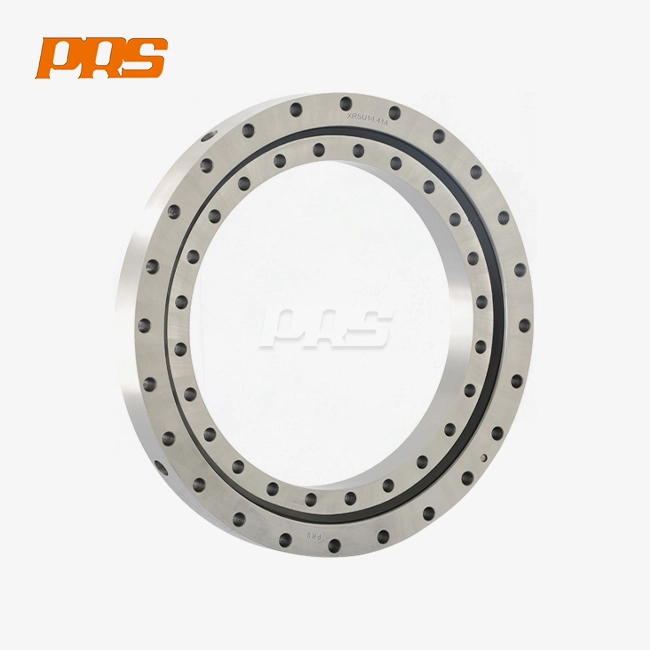 VIEW MORETower Crane Slewing Bearing
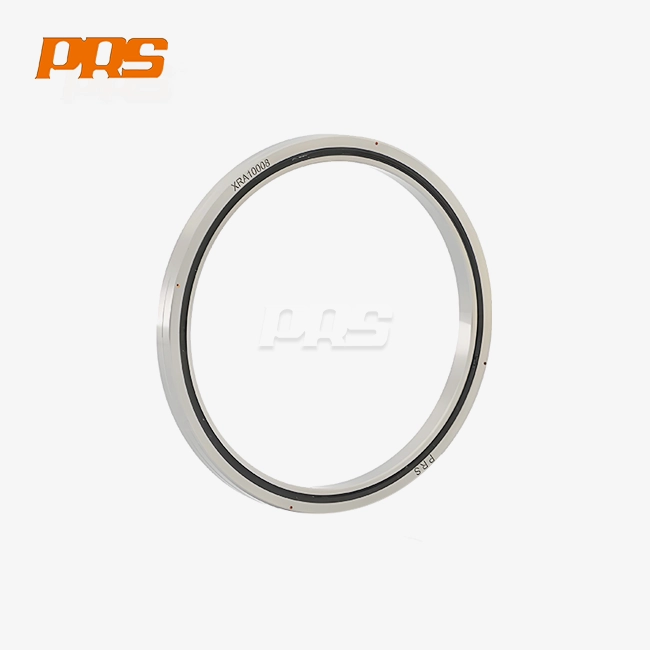 VIEW MORERA Ultra thin bearings
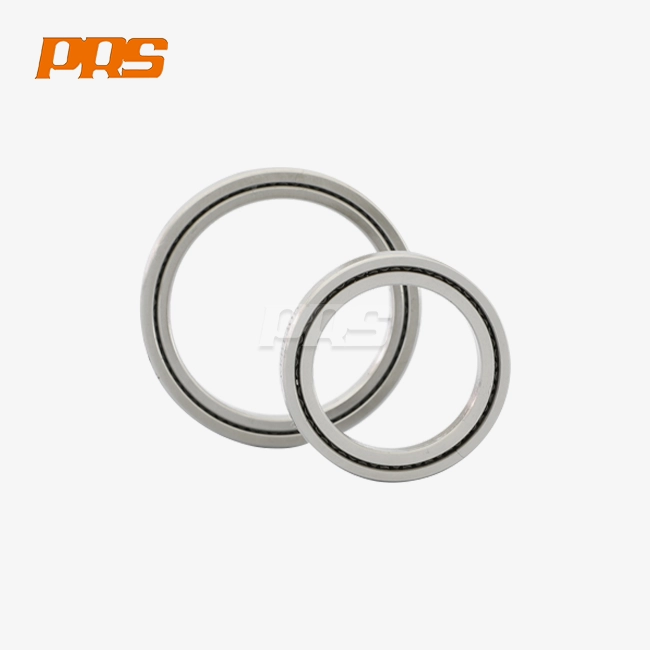 VIEW MORERAU Ultra-thin Crossed Roller Bearings
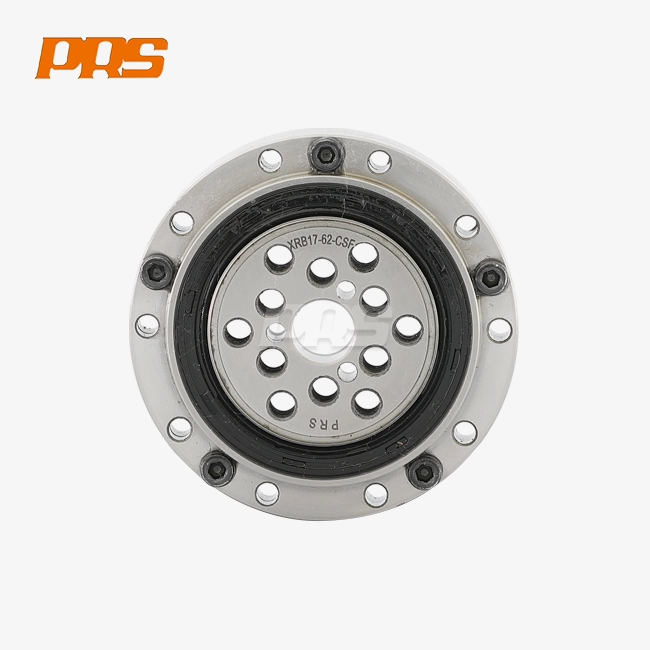 VIEW MORESpecial bearings for harmonic reducers
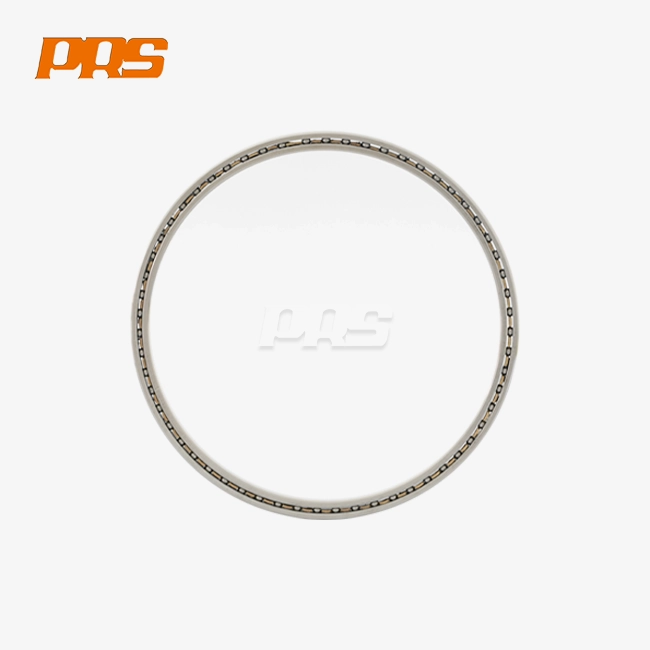 VIEW MOREUltra thin bearings
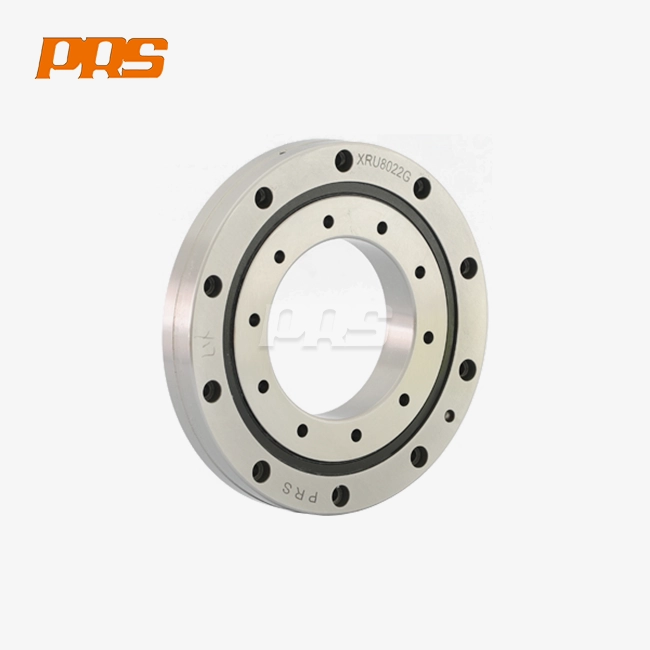 VIEW MORERU Face Mount Crossed Roller Bearing
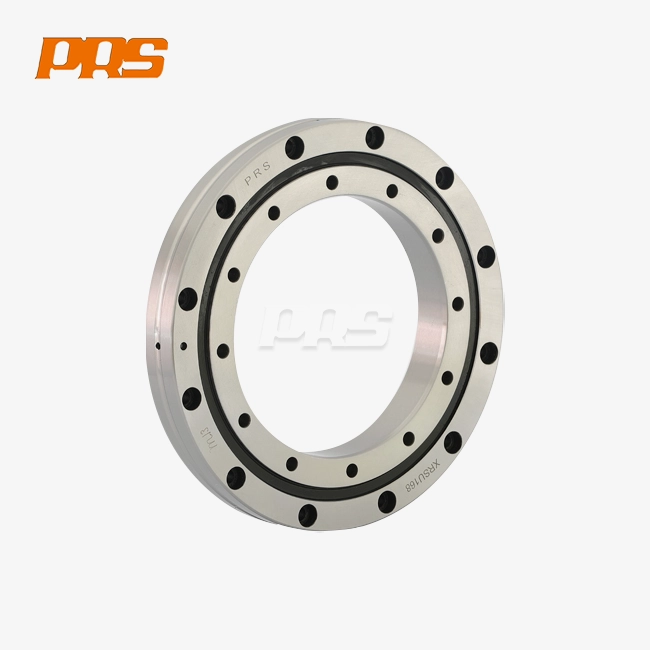 VIEW MOREXSU turntable bearings
 VIEW MOREmini lathe tapered bearings