
Applications of the robot arm bearing in the Manufacturing Industry
Modern manufacturing depends on precision and reliability at every joint, pivot, and rotation point within robotic systems. Robot arm bearings serve as the fundamental mechanical components that enable smooth rotational and linear motion across all robotic joints. These specialized elements reduce friction between moving parts while maintaining exact positional accuracy during operation, directly impacting production efficiency, maintenance costs, and product quality. Within industries ranging from electronics assembly to automotive production, the right bearing selection determines whether a robotic system achieves micron-level precision or experiences costly downtime. Understanding how these components function across diverse manufacturing applications helps procurement professionals make informed decisions that translate into measurable competitive advantages.
Understanding Robot Arm Bearings in Industrial Robotics
Fundamental Operation Principles
For robotic joints to work, they need special mechanical parts that make movement easier while supporting heavy loads. Each robot arm bearing has rolling elements between the inner and outer rings. These elements spread forces out evenly and allow the bearing to rotate smoothly with less friction than sliding contact systems. This design concept lets joints handle radial, axial, and mixed loads at the same time, keeping their alignment even when they speed up and slow down quickly.
Parts that work reliably in situations with changing speeds, temperatures, and levels of contamination are needed in manufacturing settings. How well precision bearings reduce backlash (the small unwanted movement that happens when you change direction) depends on how their internal shape is designed. Tight tolerances at the P4 and P2 precision grades lower the total amount of positioning errors in multi-joint systems. This makes sure that the end-effectors stay aligned throughout production cycles.
Common Bearing Types and Their Design Features
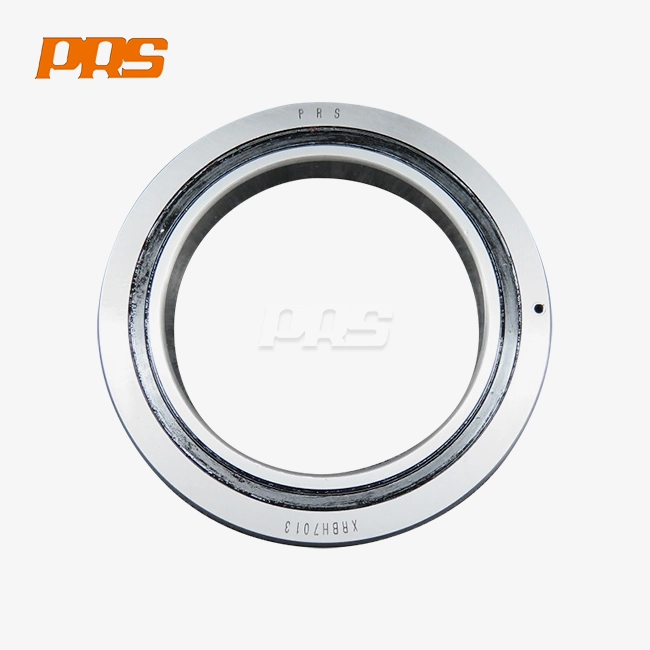
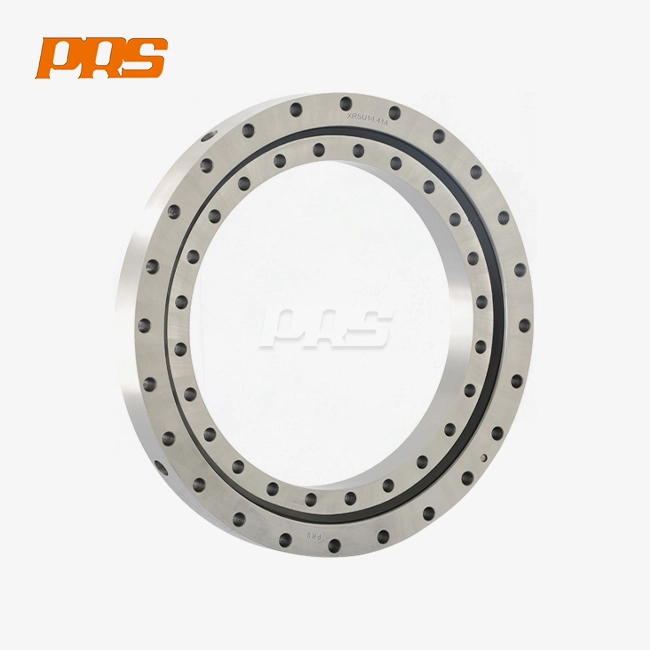
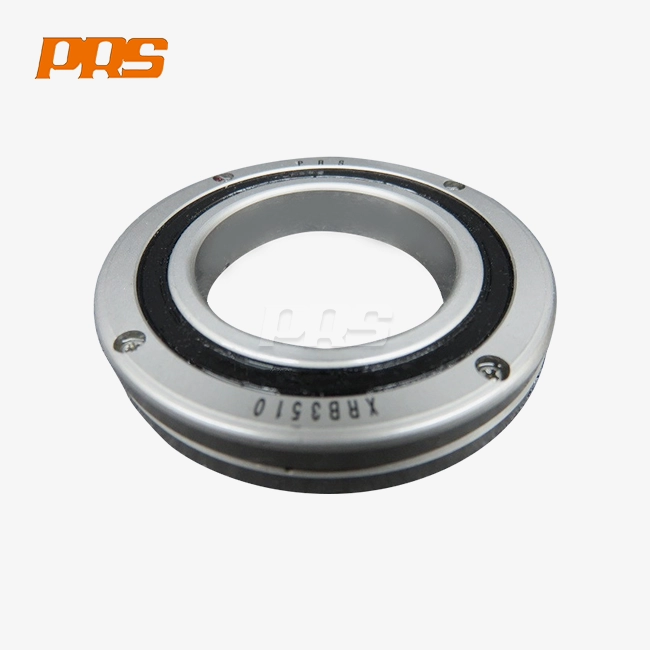
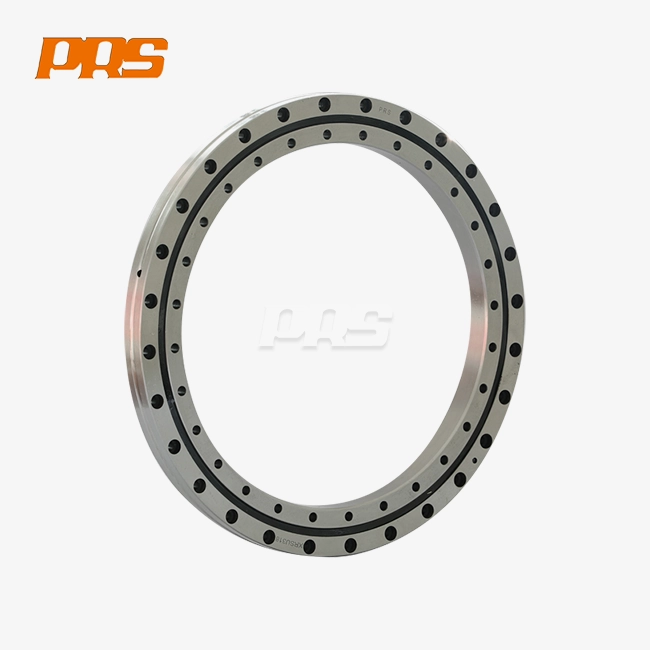
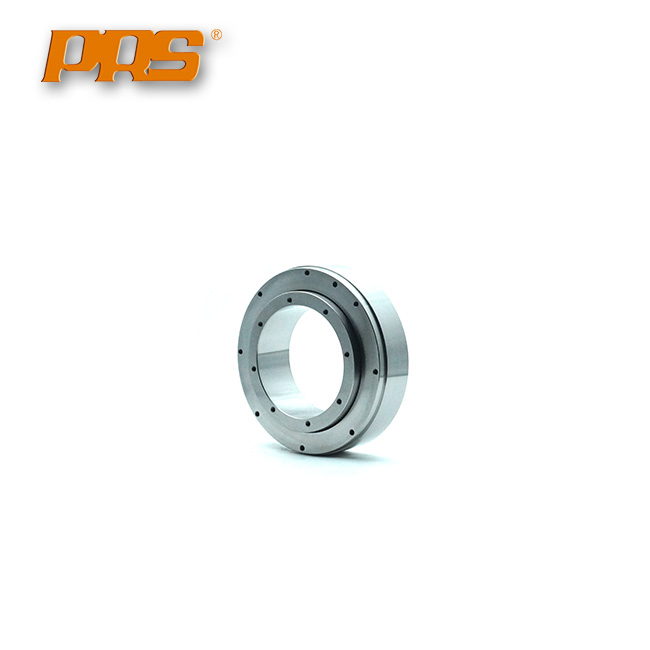
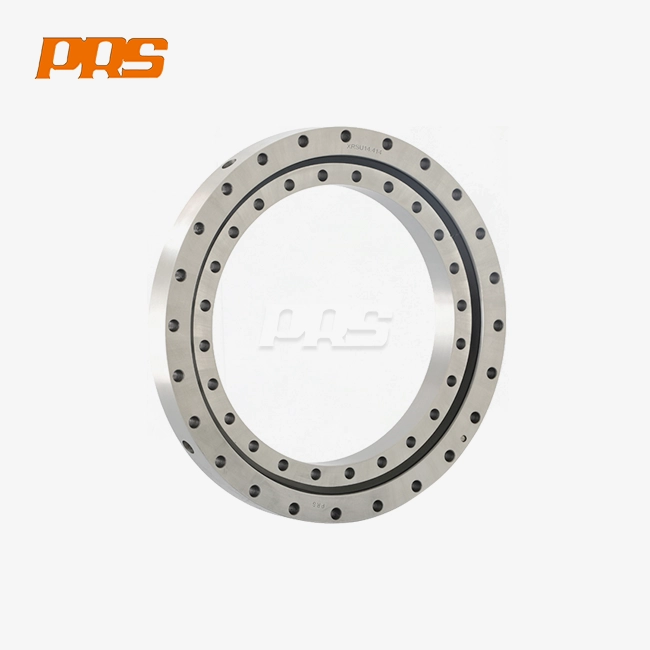
Depending on the load they need to carry and how they move, different robotic parts need different types of bearings. Crossed roller robot arm bearings put cylindrical rollers at right angles to each other. This lets them support both radial and axial loads at the same time with high rigidity and low deflection. This design works really well in wrist joints and precision positioning systems that need small but strong solutions because of limited room.
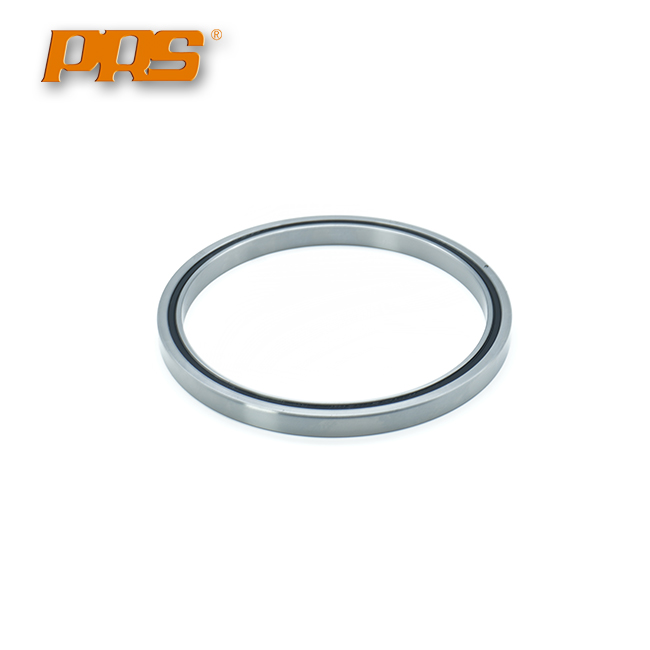
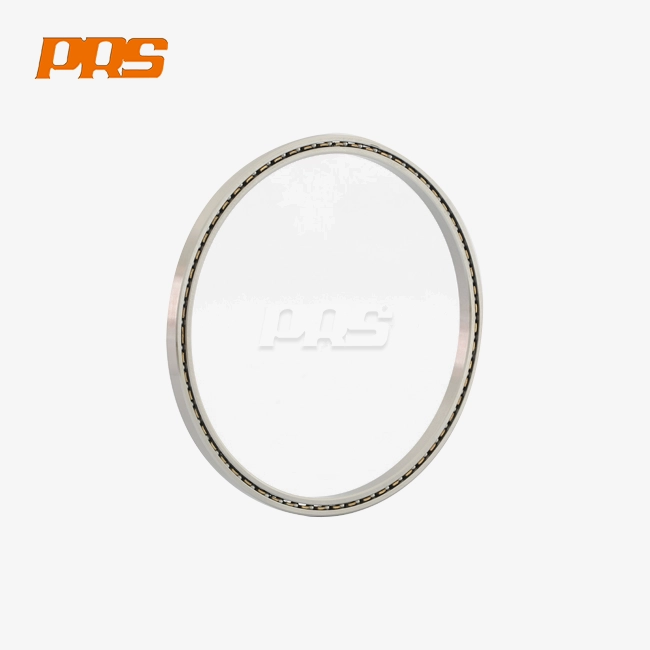
Angular contact ball bearings have contact angles that are optimised to spread combined loads evenly while lowering internal clearance. These arrangements are common in elbow joints and rotary motors that need to be able to precisely place angles with little to no play. Thin-section ball bearings reduce the cross-sectional size while keeping the load capacity at a safe level. This saves weight and space in small robotic systems without lowering the performance standards.
Material Selection and Performance Factors
The materials used for parts have a direct effect on how they friction, wear, and expand when heated or cooled. Chrome steel robot arm bearings are a good mix between price and performance for most industrial uses. They are very hard and last a long time in normal circumstances. Stainless steel versions don't rust in food-grade or cleanroom robotics, but they are a bit heavier and cost more than chrome versions.
Ceramic bearings work better for tasks that need to be done quickly or very precisely. Their low friction coefficients, tolerance to heat, and light weight make them easier to repeat while lowering the frequency of upkeep. Ceramic choices may cost more at first, but they often save you money in the long run because they last longer and use less energy while they're running.

Core Applications of Robot Arm Bearings in the Manufacturing Industry
Electronics Assembly and PCB Handling
Putting together a circuit board requires a high level of precision when putting parts that are less than one millimetre in size. Robotic pick-and-place systems use precision robot arm bearings to keep the parts aligned even after thousands of placement cycles per hour. This stops defects that happen from making too many mistakes in positioning. Double-sided seals keep solder flux and cleaning agents that are typical in electronics manufacturing settings from getting to internal parts.
Bearings that reduce vibrations to delicate parts are helpful for tasks that involve inserting parts. Wrist joints with high-precision ball bearings allow for smooth changes in motion, which keeps sensitive electrical parts from being damaged by shock loads. P4-grade bearings have tight specs that make sure placing accuracy is within 0.01mm. This meets the high quality standards used to make smartphones and medical devices.
Automotive Manufacturing and Welding Operations
Industrial robots are used on assembly lines for cars to do things like spot welding, moving materials, and putting together parts. When working with car doors, engine blocks, and chassis parts, base joints have to handle a lot of weight. In these situations, crossed roller robot arm bearings spread forces across many contact points, which stops movement that would make it harder to accurately place the weld.
Repeated rounds of welding cause a lot of thermal stress and shaking. Better load spread in bearings means that they don't need to be replaced as often, which means that production doesn't stop. The sealed designs, which come with inner sizes ranging from 20 mm to 600 mm, keep welding spatter and metal dust out, so they can keep working smoothly in the harsh conditions of the car industry.
High-Speed Packaging and Material Transfer
When packing consumer goods, cycle times need to be short, and products need to be orientated correctly. Robotic arms with low-friction robot arm bearings can move faster than 10 meters per second while still being stable under load. Thin-section designs lower spinning drag, which lets them change directions more quickly without going too far off target.
Bearings that can keep working at high speeds for a long time are useful for systems that move things around. The double-sided seals that come with PRS bearings keep airborne particles from getting into the lubricant in packing sites. These safety features make repair times longer, which means that production lines can be up and running more often than systems that use unsealed alternatives.
Machine Tool Loading and CNC Operations
Precision machining centers have automatic filling systems that place workpieces within a few microns of where they need to be. Angular contact robot arm bearings in robotic arms can handle combined loads and keep the rigid support needed for placing parts correctly. Precision manufacturing makes sure that workpieces fit properly against fixture surfaces before machining starts by reducing backlash to a minimum.
Chip and coolant leakage are problems that affect efficiency in CNC settings. Temperature changes that happen when working with hot castings and cold-formed parts can be handled by sealed configurations that can work from -20°C to +120°C. When robots work with cutting fluids and washing stations in between operations, the ability of stainless steel to resist corrosion is very useful.
These different uses show how choosing the right bearing has a direct effect on the results of making. When purchasing choices are made with load needs, environmental conditions, and precision demands in mind, efficiency and quality measures across production sites improve in a way that can be measured.
Selecting the Right Robot Arm Bearing for Your Manufacturing Needs
Load Analysis and Environmental Assessment
The right way to choose robot arm bearings starts with a full analysis of the operational forces. The procurement teams need to figure out the highest radial, axial, and moment loads for each joint position, taking into account the forces that change as the joint speeds up. When supporting extended arms, base joints usually feel heavier radial loads. Wrist assemblies, on the other hand, deal with more complex multidirectional forces that aren't as strong.
Environmental factors have a big effect on how long bearings last and how consistently they work. Different safety steps are needed for different operating temperature ranges, humidity levels, and contamination exposure. When flying particles are present in a manufacturing facility, double-sided seals keep waste out without making friction much worse. In cleanrooms, you may need special lubricants that don't affect particle counts. In high-temperature areas, you need materials with the right thermal expansion factors to keep their precision when they're under a lot of heat stress.
Comparing Bearing Types for Specific Applications
Based on performance priorities, different manufacturing situations favour different robot arm bearing configurations. Roller bearings help heavy-duty base joints by spreading heavy loads across cylinder-shaped contact surfaces. This keeps the joints from bowing during long-reach operations. When it comes to precision wrist assemblies, crossed roller setups work better because they provide stiffness in more than one way while keeping the form factors small.
The required speed affects the type of grease and bearing shape that is chosen. Synthetic lubricants with better film strength at high temperatures may be needed for high-speed uses. Procurement pros can find the best mix between performance, maintenance frequency, and component prices by understanding the link between rotational speed, load capacity, and service life.
Bulk Procurement Strategies and Supplier Partnerships
Building relationships with robot arm bearing suppliers that can support scaling up production is good for manufacturing businesses. During machine startup and repair cycles, production can't go on as usual because of minimum order amounts, shipping times, and inventory management. Suppliers who give expert help during the development of specifications add value that goes beyond the price of the parts themselves.
Custom bearing solutions are made to meet the specific needs of an application that can't be met by standard catalogue items. Specialised companies like PRS have engineering teams that can change sizes, seal setups, and precise grades to fit the needs of different robotic designs. When adding robotics to existing production lines that don't have a lot of room or have unusual load profiles, these customisation options are very helpful.
Buying plans that look at the total cost of ownership instead of just the unit price usually end up being more valuable in the long run. Bearings that cost more at first but need to be serviced less often save money on labour costs and keep production running smoothly. By making deals with suppliers that include expert advice, planned deliveries, and help with application building, businesses can work together to make operations more reliable.
Maintenance and Troubleshooting for Optimal Robot Arm Bearing Performance
Lubrication Schedules and Inspection Protocols
When robot arm bearings are properly maintained, their working life is extended while their precision qualities are kept. The amount of time between lubrications depends on the speed of operation, the load, and the surroundings. Grease-lubricated bearings in moderate-duty uses usually need to be re-oiled every 2,000 to 5,000 hours of use. High-speed installations may need more regular maintenance to keep the lubricant films from breaking down due to heat.
Inspections done on a regular basis find new problems before they stop production. During routine maintenance windows, a visual inspection shows the condition of the lubricant, the integrity of the seals, and the wear on the mounting surfaces. Vibration tracking finds problems like damaged raceways or broken rolling elements that cause specific frequency fingerprints. Temperature readings help find situations where there isn't enough grease or too much loading, which speed up the rate of wear.
Common Failure Modes and Root Causes
Knowing how common robot arm bearing failures happen helps maintenance teams take steps to stop them from happening. Wear patterns on raceways show that connecting parts are not lined up correctly or that the load is not spread evenly across the moving elements. Spalling is surface wear that makes small pits. It's usually caused by too much load or contamination that stops the lubricant film from forming properly.
Misalignment problems are often caused by bad fitting methods or changes in how the bearings and housings expand and contract when heated or cooled. Making sure the fixing surface is flat and straight stops it from breaking too soon because of edge loads. Fatigue failures usually happen after a part has been used for longer than it was supposed to last. This shows how important it is to keep track of working hours and plan replacements before reliability drops.
Implementing Predictive Maintenance Technologies
Condition-based maintenance, which uses advanced tracking systems to stop unexpected breakdowns and cut down on unnecessary work, is possible for every robot arm bearing. Vibration sensors placed near bearings can find defects weeks before they become operational problems. Analysis software checks present shaking patterns against initial readings and sends maintenance alerts when departure limits are crossed.
Temperature monitoring lets you know quickly when lubrication is failing or there is too much friction. When thermal cameras are used for regular inspections, they find hot spots that mean the bearings are in trouble. This lets the problem be specifically looked into before it fails completely. Teaching maintenance staff to spot warning signs like strange noises, rising temperatures, or changes in vibrations adds extra protections that make equipment more useful and increase the return on investments in robotic systems.
Future Trends and Innovations in Robot Arm Bearings for Manufacturing
Advanced Materials and Surface Treatments
New discoveries in materials science keep making robot arm bearings work better in tough situations. Ceramic alloys are both very light and very hard, which lets them work at higher speeds without lowering their load capacity. It is better for silicon nitride rolling elements to resist thermal expansion than steel alternatives. This means that they can keep their tighter tolerances over a wider range of temperatures, which is useful in manufacturing facilities with changing climate control.
Nanocoatings that are put on bearing surfaces lower the coefficients of friction and make them more resistant to corrosion. When metals touch each other during boundary lubrication conditions, these molecular-scale processes make the surfaces very smooth, which reduces the amount of lubricant breakdown. Because heat-resistant metals can handle a wider range of temperatures, robots can handle parts straight from heat treatment or welding stations without losing any performance.
Smart Bearing Technology Integration
Robot arm bearings with built-in sensors that give real-time condition data are useful in manufacturing environments that use Industry 4.0. Vibration, temperature, and load distribution are all tracked by integrated monitoring systems that send data to predictive maintenance platforms. This data-driven method lets maintenance schedules be based on the real state of parts instead of safe time intervals.
Wireless sensor networks get rid of the hassle of wires and give you constant insight into performance. Analytics platforms that are tied to the cloud collect data from many robotic cells and look for patterns that show new problems in production plants. Machine learning algorithms find small changes in the way bearings work that happen before they fail. They then make repair suggestions that reduce downtime and find the best time to replace parts.
Enabling Next-Generation Manufacturing Flexibility
When collaborative robots work with human operators, they need robot arm bearings that allow for smooth motion and great position holding. When robots respond to touch input during force-sensing tasks, zero-backlash designs keep them from drifting. In shared offices, quiet operation is very important, which is why bearing setups that make the least amount of noise during acceleration and deceleration cycles have been created.
Bearings that allow for quick setting changes are useful for modular production systems that can be reconfigured to make different types of products. When you mix quick-change mounting interfaces with standard bearing sizes across robot types, you can simplify your inventory and speed up production changes. These new ideas help manufacturers be flexible enough to meet the needs of customised production strategies and just-in-time shipping.
Conclusion
Precision bearings, especially robot arm bearing solutions, remain a critical component of industrial robotic systems and have a direct impact on product quality, operational efficiency, and manufacturing costs across many industries. Procurement specialists can select the right robot arm bearing components to improve robotic performance by understanding the relationship between bearing design, application requirements, and motion control accuracy. Factors such as operating environment, load conditions, speed requirements, vibration levels, and precision standards must be carefully considered when choosing materials, sealing structures, lubrication methods, and precision grades for robot arm bearing applications. Preventive maintenance programs combined with condition monitoring technologies help extend bearing service life and reduce unexpected production downtime. With the development of smart sensors, advanced ceramic materials, and high-precision manufacturing processes, modern robot arm bearing systems continue to achieve higher reliability, smoother movement, and improved performance, supporting the global expansion of automated manufacturing and intelligent robotic solutions.
FAQ
How do I figure out what kind of bearing is best for my robotics project?
Look at the specific load characteristics at each joint position. These should include axial loads, moment loads, and radial forces. When working with stretched arm positions, base joints usually need roller bearings for better load distribution. On the other hand, crossed roller configurations in wrist assemblies make them stiff in more than one way in a small package. Think about things in the environment that affect seal design and material choice, such as temperature extremes, contamination exposure, and cleanroom requirements. It is important to talk to bearing experts about your operating factors to make sure that the right specifications are matched.
How often should I expect to have to service precise bearings?
The amount of time between services depends on things like speed, load, and the surroundings. Lubrication is usually needed every 2000 to 5000 hours of operation for moderate-duty uses. High-speed or high-load setups need more frequent attention. By using vibration analysis and temperature tracking for condition monitoring, predictive maintenance can be used to find the best time to service a component based on its actual condition instead of a set schedule. This can often extend service intervals while making the system more reliable.
Can bearings be changed to fit the needs of a specific production process?
Custom configurations from specialised makers can meet application needs that normal catalogue items can't fully meet. Changes could include sizes that aren't standard, seal materials that are resistant to chemicals, or accuracy grades that are higher than what's normally available. Custom solutions are useful when space is limited, and robotics needs to be added to existing equipment, or when the loads in an application are too high for standard bearings.
Partner with PRS for Superior Bearing Solutions
PRS bearing solutions offers a wide range of services to help manufacturers find reliable, precise parts for robotic systems. We have 20 years of engineering experience making crossed roller, angular contact, and thin-section bearings. We can make parts that meet P4 and P2 precision grades, which are needed for high-precision automation applications. Our large collection of inner sizes ranging from 20 mm to 600 mm makes it easy to meet standard needs quickly, and our 35-person engineering team can help with custom configurations for unique uses. Get in touch with our technology experts at ljh@lyprs.com to talk about your unique robotic bearing needs. As a well-known supplier of robot arm bearings, we can offer you discounts when you buy in bulk, technical support, and application engineering that can help you turn the choices you make about which parts to use into competitive manufacturing advantages.
References
1. Smith, J.R. and Williams, T.K. (2022). "Precision Bearing Technology in Industrial Robotics." Journal of Manufacturing Engineering, Vol. 147, pp. 234-251.
2. Chen, L. and Rodriguez, M. (2021). "Load Distribution Analysis in Multi-Axis Robotic Systems." International Journal of Mechanical Components, Vol. 39, Issue 4, pp. 112-128.
3. Anderson, P.D. (2023). "Material Selection for High-Performance Bearing Applications." Advanced Materials in Automation, Vol. 18, pp. 67-84.
4. Thompson, K.M. and Lee, S.H. (2022). "Predictive Maintenance Strategies for Robotic Assembly Systems." Manufacturing Technology Quarterly, Vol. 55, No. 2, pp. 189-204.
5. Wagner, R.F. (2021). "Smart Bearing Technologies in Industry 4.0 Manufacturing." Automation Engineering Review, Vol. 31, pp. 412-429.
6. Martinez, C.A. and Patel, N.K. (2023). "Tribological Performance of Ceramic Composite Bearings in High-Speed Robotics." Precision Engineering Journal, Vol. 76, pp. 298-315.

USER EVALUATE
Here is the customer's evaluation of us