
The Ultimate Guide To Understanding Robot Bearings
Robotic bearings represent the critical foundation enabling smooth, precise, and reliable motion across robotic systems in manufacturing, medical technology, semiconductor production, and aerospace applications. These specialized components directly influence robot performance, operational efficiency, and maintenance cycles in ways that procurement professionals and OEMs cannot afford to overlook. This comprehensive guide explores the essential aspects of robotic bearings—covering their types, advantages, selection criteria, maintenance requirements, and procurement strategies. By understanding these key elements, B2B clients can make informed decisions that optimize their robotics operations while strengthening supply chain resilience and reducing total cost of ownership.
What Are Robot Bearings and How Do They Work?
Robotic Bearings are specially made mechanical components that let robots move in either a straight line or a circle. They make sure that the tracking is accurate and that the bearings last in difficult conditions where other bearings would break down quickly. These parts are not like regular bearings because they are made to handle loads that change a lot, a lot of start-stop cycles, and precise positional control. This is very important in automation settings where quality and output depend on accuracy.
Core Functionality in Robotic Systems
Robotic Bearings function by reducing friction as much as possible while remaining in the same place during cycles of continuous motion. When these are used in artificial joints, they handle forces that come from different places at the same time. As the arm moves, it puts radial loads on them, axial loads on them from the gripper, and moment loads on them from turning. They're not like other bearing uses because they can work on more than one axis.
Common Bearing Types Used in Robotics
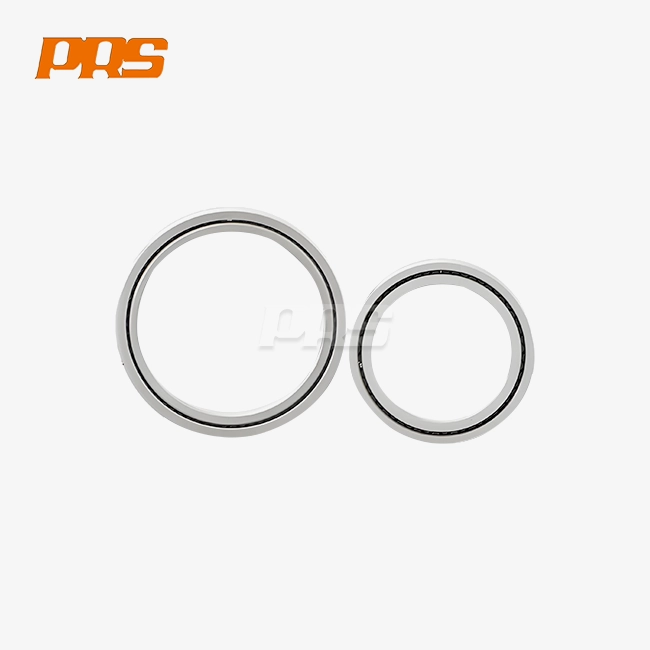
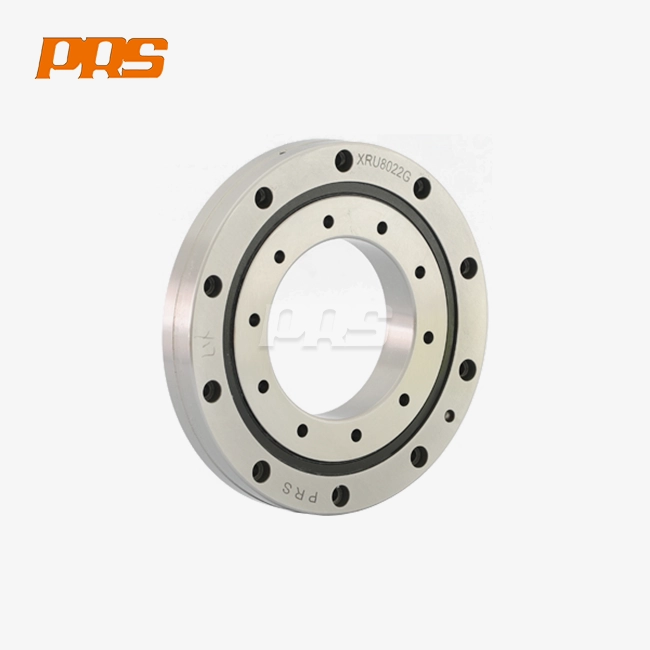
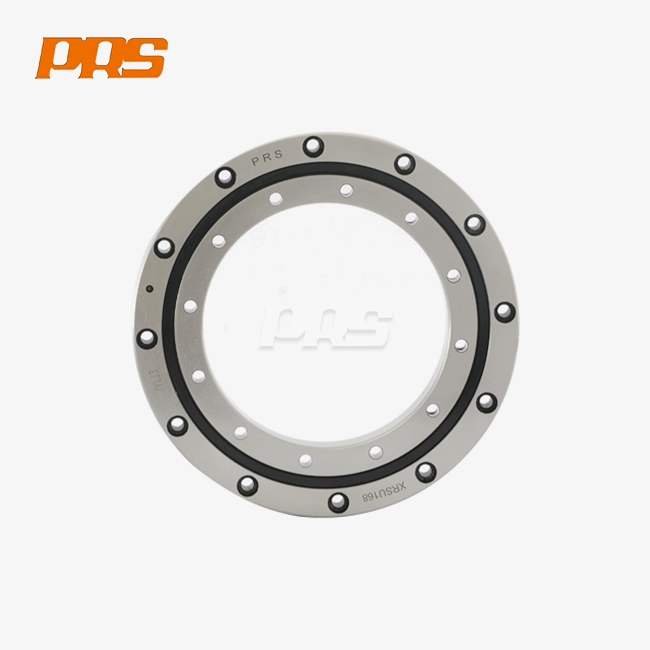
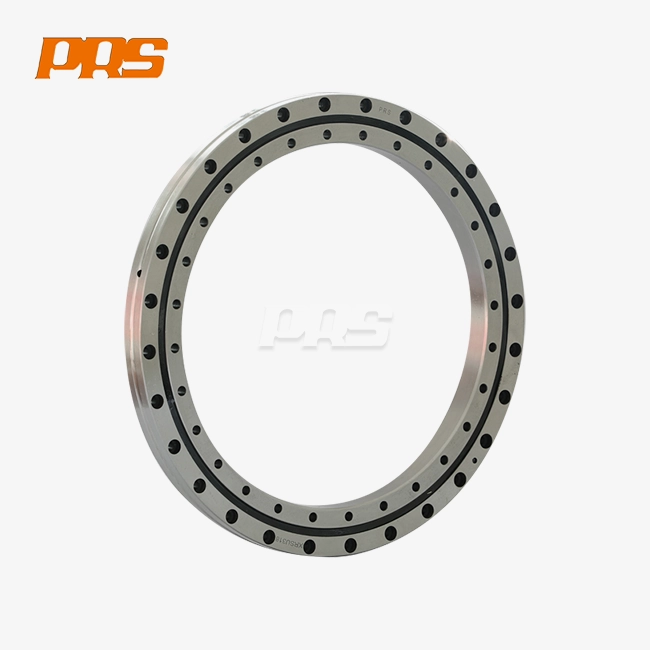
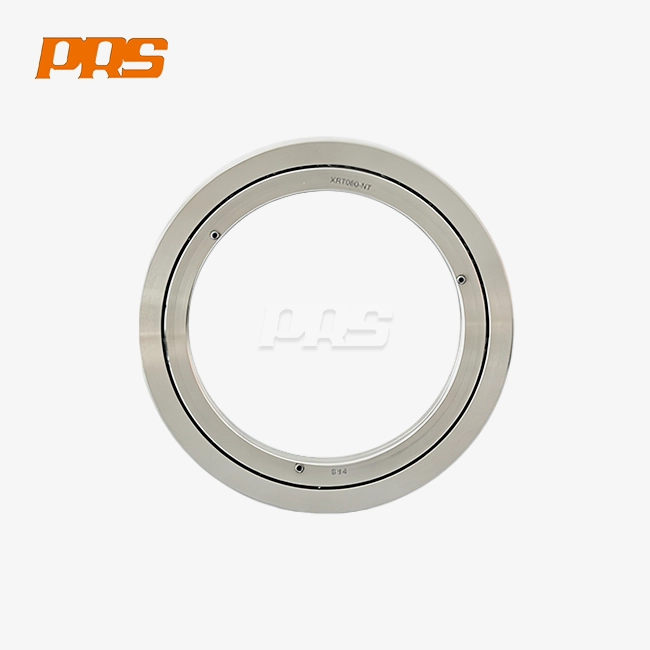
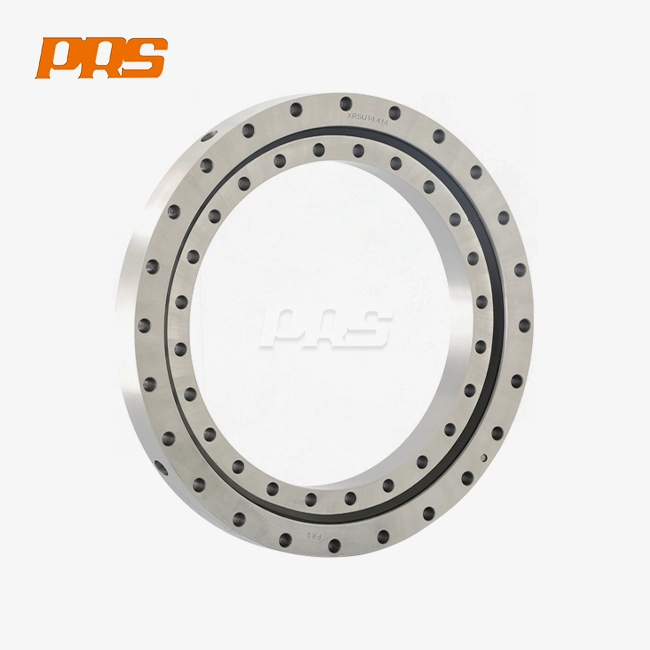
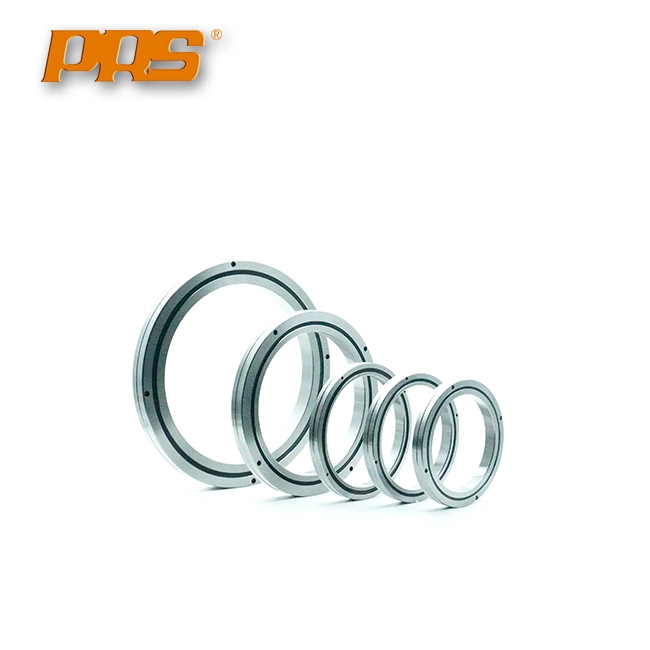
Even at high speeds, ball bearings don't cause much friction, so they can be used when things need to go fast or slow down quickly. Roller bearings are better for heavy-duty robotics because they can handle more weight and cover a larger area. Crossed roller bearings have two sets of round rollers that are perpendicular to each other. Because of this, they can handle loads in a single, small unit that is three to four times stiffer than an angular contact ball bearing. Engineers and procurement managers can pick bearings that work well for certain tasks when they understand these basic differences. In a lot of different automation scenarios, this makes the system more stable and useful.
Benefits and Applications of Robotic Bearings
The advantages that Robotic Bearings provide have a direct bearing on how well operations work and how much maintenance costs. The high level of precision in robots means that repeatability stays within micron tolerances even after millions of cycles. This means that robots can move heavy loads without losing their accuracy in placement. Robotic Bearings of good quality last longer, which means they need less maintenance and break down less often. For the whole life of the tools, this means that the total cost of ownership is less.
Industrial Automation Applications
On an assembly line, robots depend on bearings that stay accurate even though they do the same jobs over and over again and work with parts that are different sizes, weights, and angles. Pick-and-place machines need wheels with very little friction so they can move quickly, which is needed for high-throughput production. Because they are rigid, crossed roller bearings keep the workpiece in place while it is being made on rotating tables and positioning systems.
Medical and Specialized Robotics
Controlling how surgical robots move needs to be very precise. The accuracy of the bearings has a direct impact on the patient's safety and the success of the surgery. Imaging tools and CT scanners need bearings that are easy to use and don't shake, which could hurt the quality of the pictures. When semiconductors are made in cleanrooms, they need protected bearings to keep dirt out and keep placement accuracy at the nanometre level.
Aerospace and Emerging Technologies
The bearings need to be able to handle big changes in temperature and pressure so that satellite positioning tools and flight control systems can work. Robotic solutions that are controlled by AI are making systems more independent and faster. This changes how well bearings work. When companies know about these different uses and the benefits that come with them, they can increase output while investing in strong parts that will last and adapt to new automation strategies.
How to Choose the Best Robotic Bearings for Your Needs
When picking the right Robotic Bearings, you should carefully consider how they will be used, how much weight they can hold, how fast they need to move, how precise they need to be, and where they will be placed. Choosing the right bearings has a direct impact on how well the robot works, how often it needs to be fixed, and how reliable it is in the long run. This makes it a very important choice for buying that's more than just a matter of price comparison.
Load Capacity and Precision Requirements
Which type of bearing will last the longest will depend on how much weight it has to hold. Robots that are moving need bearings that can handle continuous cycle loading. On the other hand, things that are not moving need bearings that are stiff enough not to bend. Precision grades from P5 to P2 show the possible ranges for production. When placement needs to be accurate to within a few microns, P2 has the tightest margins.
Material Selection Considerations
Because it is hard, doesn't wear down easily, and is cheap, AISI 52100 chrome steel is a good choice for most robotic applications. Also, it lasts a long time and doesn't rust. Even though they cost more, ceramic bearing elements are lighter and less likely to make things rub against each other. They also work well in more temperature ranges. Because they don't rust, stainless steel models are better for places that get wet or are full of chemicals. The small price increase is worth it.
Evaluating Bearing Types for Specific Applications
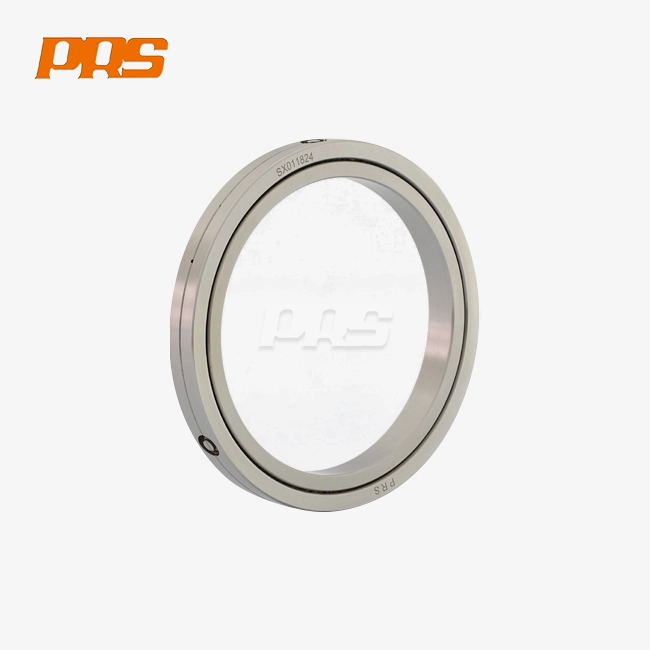
Crossed roller bearings are great when you need a lot of rigidity and a mix of load capacity in a small space. They are great for robot joints and turntables because of this. It is possible to make designs that take up less space and robot arms that are lighter so they can move faster and use less power with thin-section ball bearings. Angular contact bearings work well in high-speed spindles where the parts need to be placed precisely along the axis and move in a circle. When you match the right bearing features to the right type of robot, like a high-speed delta robot or a heavy-load joint robot, you get the best performance without having to spend too much on specifics that aren't needed. This way of analysing data gives people who work in procurement information they can use to make better buying decisions and make sure that technical needs are in line with business goals.
Essential Maintenance Tips and Common Issues with Robotic Bearings
Good repair habits keep production going so that bearings don't break down, which would cost a lot, slow down shipping, and make customers unhappy. When regular maintenance is done, bearing performance goes from being a point where something could go wrong to being an advantage that can be relied on.
Regular Lubrication and Inspection Protocols
The protective film between the raceways and the rolling elements stays in place when there is lubrication. This keeps the metal from touching metal, which would wear out faster. Bearings that have seals on both sides can lose their grease over time, especially if they are in a hot place or are being used a lot. It takes into account how things are used when review dates are based on working hours instead of calendar days. Visual checks should look for oil leaks, broken seals, and bolts that aren't tight. Performance tracking should be done on a regular basis to keep an eye on changes in the running temperature, the level of shaking, and any sounds that could mean problems are beginning to form.
Condition Monitoring and Early Problem Detection
Vibration analysis lets you do planned maintenance during planned breaks instead of having to make emergency fixes during production runs. This is because it finds bearing problems early on, before they get too big to fix. When temperature is tracked, it becomes clear when there isn't enough lubrication or when there is too much load, both of which speed up the wear process. Noise patterns that aren't normal are often a sign that something is dirty, doesn't fit right, or has reached the end of its useful life. Using condition tracking tools lets maintenance teams know about problems early on, so they can order new bearings and plan to put them in at times when they are already planning to do maintenance.
Common Failure Modes and Prevention
Most of the time, pollution, bad fitting, not enough oil, or using the bearings beyond what they were made for cause them to fail early. Abrasive wear happens when dirt, water, or process chemicals get on something and make it less accurate and more prone to contact. If the fitting isn't done right, mistakes in alignment or loading can happen. This lowers the load capacity and speeds up tiredness. When buyers know about these common issues, they can choose the right seals, figure out how to grease them, and decide how much help they need to install them. This guide helps maintenance teams and buyers understand important things like stable products and support after the sale that are needed for long-term operations.
Procurement Insights: Where and How to Buy Robotic Bearings
You need to look at more than just the price of the bearing to find reliable Robotic Bearings suppliers. You should look at things like quality licenses, expert assistance, how reliable the shipping is, and the total cost of ownership over the product's lifetime. Ties with suppliers that are strategically lower the risk in the supply chain and make it easier to offer customisation help and quick technical support.
Evaluating Supplier Capabilities
ISO 9001 certification stands for basic systems for managing quality. Quality certifications show that the goods are uniform and that the process of making them is managed. If the plant pass rate is more than 99.9%, production is going very well, and there are fewer broken parts that need to be checked when they come in. When the specs need to be changed or when application engineering help is needed to pick a bearing, technical support is very important.
Pricing Structures and Value Considerations
Prices vary from one seller to the next. Some have deals that make buying in bulk more appealing, while prices stay the same no matter how much you buy. You can't plan production and stocking needs without knowing how reliable wait times are, so on-time delivery performance is an important evaluation factor that goes beyond stated delivery dates. Return and warranty policies let customers get their money back if they receive a broken unit and show that the seller is sure of the quality of the item.
Partnering with Specialized Manufacturers
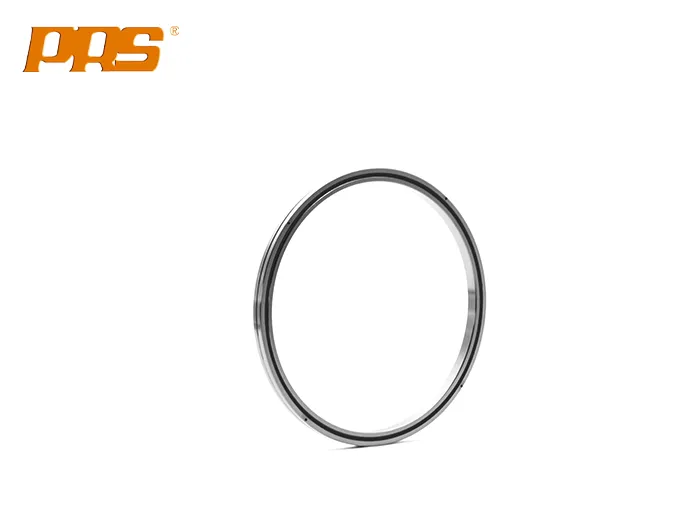
One company that makes specific goods is Luoyang PRS Precision Bearing Co., Ltd., which makes precision bearings for robots. You can trust PRS to help you with angular contact bearings, crossed roller bearings, and thin-section ball bearings that are made to work with robots since 2003. Precision bearings from this company have seals on both sides that keep dirt and dust out in tough industrial settings. Between 50mm and 200mm in diameter on the inside and between 8mm and 13mm thick. Some types of PRS bearings are P5, P4, and P2. They are made from AISI 52100 chrome steel. They are rigid and exact enough to be used in machine tools, medical equipment, industrial robotics, and the making of semiconductors. As a reliable partner, PRS is great for procurement professionals who want to improve bearing performance while keeping the supply chain simple. This is because PRS has the technical know-how, the ability to customise, and the delivery reliability.
Conclusion
Robotic Bearings are very important parts that determine how well robots work, how stable they are, and how much it costs to run them in many different robotic situations. You can make smart purchases that improve system performance while keeping the total cost of ownership low if you know about the different types of bearings, how they work, and how to choose the right ones. When maintenance is done right, services stay up and running longer and avoid costly downtime. When you have strategic relationships with suppliers, you can get technical help and reliable delivery, which makes the supply chain stronger. As robots get faster, smarter, and able to do more, bearing technology will continue to be an important part of staying ahead of the competition in medical technology, automatic manufacturing, and new robotics uses.
FAQ
What maintenance intervals are recommended for robotic bearings?
Things like speed, load, temperature, and smog level affect when repair needs to be done. Usually, lubrication needs to be checked every 2,000 to 5,000 hours for applications that run all the time with moderate loads. This might need to be done more often in harsh places. If you use a condition tracking device, you can do maintenance based on how the bearings are really doing instead of setting times to do it. You can get the most out of your repair tools and avoid problems before they happen this way.
How do ceramic bearings compare to steel bearings for robotic applications?
Ceramic bearings are less heavy, less likely to stick, and can work in a wider range of temperatures than steel bearings. Because of this, they are a good choice for harsh or high-speed applications. Steel bearings made from AISI 52100 chrome steel are the best choice for robotic uses where speed and temperature stay within normal ranges. They last longer and cost less. Ceramic bearings are three to five times more expensive than steel bearings, so they should only be used when their special features make a clear difference in how well something works.
Can robotic bearings be customized for specific applications?
Companies specialising in customisation, like PRS, can change the internal shape to fit certain load distributions, set up special seals for harsh environments, upgrade to a higher-precision grade for better accuracy, and change the material to work in extreme temperatures, among other things. To make a custom bearing, you need to know a lot about the use, such as the speed requirements, load patterns, available room, and weather. The change in how long it takes to make the bearing depends on how hard it is.
Partner with PRS for High-Precision Robotic Bearing Solutions
Getting Robotic Bearings from the right company has a big impact on how much it costs and how reliable the production is over time. It has been more than twenty years since Luoyang PRS Precision Bearing Co., Ltd. began making precision bearings for hard robotic tasks. Our P5, P4, and P2 precision-grade crossed roller bearings have double-sided seals and can handle loads going in more than one direction. These bearings give your robots the strength and accuracy they need. There are no set rules for what configurations you can use, and our engineering team is here to help you through every step of the decision-making and implementation process. Contact PRS right away at ljh@lyprs.com to talk to one of our technical experts about your robotic bearing needs, get full specs, or get quotes for your next automation project. Learn how working with a Robotic Bearings maker can help your company get the exact parts, fast support, and on-time shipping it needs.
References
1. Bhandari, V. B. (2010). Design of Machine Elements (3rd ed.). New Delhi: Tata McGraw-Hill Education.
2. Harris, T. A., & Kotzalas, M. N. (2006). Essential Concepts of Bearing Technology (5th ed.). Boca Raton: CRC Press.
3. Khurmi, R. S., & Gupta, J. K. (2005). A Textbook of Machine Design. New Delhi: S. Chand Publishing.
4. Neale, M. J. (Ed.). (1993). The Tribology Handbook (2nd ed.). Oxford: Butterworth-Heinemann.
5.Shigley, J. E., & Mischke, C. R. (2001). Mechanical Engineering Design (6th ed.). New York: McGraw-Hill.
6. Sciavicco, L., & Siciliano, B. (2000). Modelling and Control of Robot Manipulators (2nd ed.). London: Springer-Verlag.

USER EVALUATE
Here is the customer's evaluation of us