


How to Evaluate XSU Robot Bearings for OEM Applications?
Evaluating XSU robot bearings for OEM applications demands a systematic approach that balances technical specifications, operational requirements, and long-term reliability. These specialized crossed roller bearings are designed to deliver exceptional precision in six-axis robot joints, collaborative robot rotating bases, and SCARA robot Z-axis rotation components. When selecting bearings for OEM integration, engineers must assess load capacity, rotational accuracy, thermal stability, and maintenance requirements against the specific demands of their automation systems. A thorough evaluation process considers both immediate performance needs and total cost of ownership, ensuring that the chosen bearing solution enhances system reliability while maintaining competitive operational efficiency across diverse industrial applications.
Understanding XSU Robot Bearings: Core Features and Specifications
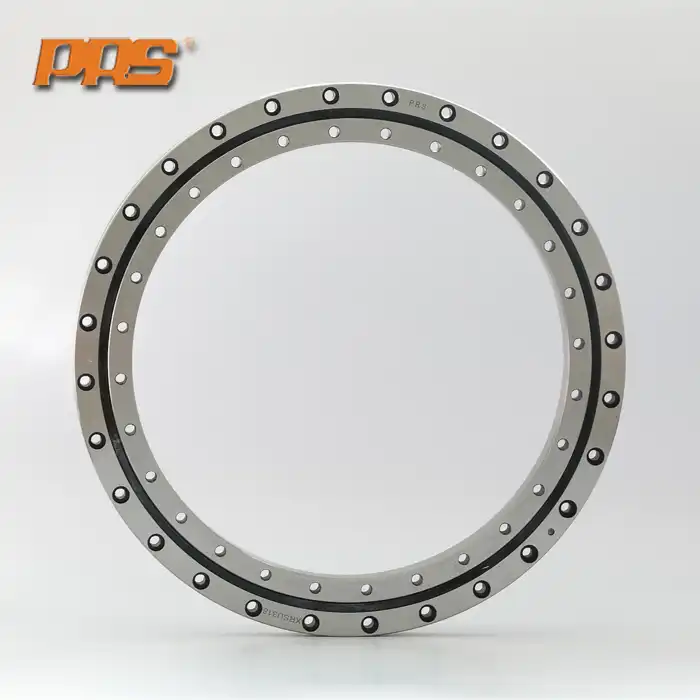
Cross-roller bearing technology is the basis for XSU robot bearings design. Between the inner and outer rings, circular rollers are set up so that they are perpendicular to each other. This arrangement lets it handle radial, axial, and moment loads at the same time within a small space, which is a huge benefit for robotic applications that are limited on space. The design of vertical rollers makes a crossed pattern that spreads loads evenly across the bearing structure. This keeps the positional accuracy even when loads are complicated.
Design Architecture and Load Distribution
Precision-ground rollers are positioned apart by special retainers that keep the rollers from touching each other. This design gets rid of friction spots and keeps the spacing the same during the whole spinning cycle. Each roller stays in touch with both raceways at all times, which makes them stiffer than regular ball bearings. Because these bearings have crossed rollers, they can handle moment loads up to several times their rotational capacity. This makes them very useful in places where there are a lot of tilting forces, like on welding robot arms and palletizing robot bases.
Material Composition and Manufacturing Precision
High-carbon chromium bearing steel (GCr15 or a similar) is used in XSU robot bearings. This steel goes thru a special heat process to make it as hard and stable as possible. The raceways are carefully ground so that the surface roughness is less than Ra 0.2μm. This makes the spinning smooth and increases the service life. The manufacturing tolerances are as precise as P4 and P2, and the raceway's roundness and width difference are managed to the micron level. These close tolerances make sure that the positioning is always accurate, which is important for uses like CNC indexing tables and rotary supports for coordinate measuring machines.
Thermal Stability and Operating Range
Quality robot bearings are different from standard industrial parts because they can manage temperature. XSU robot bearings stay the same size at temperatures ranging from -30°C to +80°C, and there are special versions that can work in even wider temperatures. The materials used for the bearings have controlled thermal expansion factors that keep the vital clearances the same when the temperature changes. Modern lubrication systems use synthetic greases that are made to keep their viscosity properties over a wide range of temperatures. This keeps friction coefficients stable in places like machines that cut semiconductor wafers and equipment used in cleanrooms to automate tasks.
Criteria to Evaluate XSU Robot Bearings for OEM Applications
Setting clear criteria for assessment makes sure that the choice of bearings meets both short-term operating needs and long-term performance goals. The evaluation process should include both measurable technical aspects and emotional factors, such as how reliable the provider is and how well they can help customers after the sale. An organized method lets buying teams compare options in an unbiased way while taking into account the goals that are most important for each application.
Load Capacity and Rating Life Calculations
The first step in load capacity analysis is to figure out what forces are actually working on the bearing while it is in use. Dynamic load ratings show how much weight the bearing can support when loads are moving, while static load ratings show how much weight it can hold when loads are fixed without permanently deforming. Application engineers have to figure out comparable loads that take into account the radial, axial, and moment forces that are common in artificial joints and rotary tables. Rating life calculations based on ISO 281 standards guess how long something will work based on its load, speed, and lubrication settings. To make sure there are enough safety margins, applications like intelligent warehousing stacker joints and AGV rotating lifting platforms need to be carefully load-analyzed.
Precision and Runout Tolerances
In precision uses, the correctness of the rotation has a direct effect on how well the system works, and for XSU robot bearings, radial runout, axial runout, and face wobble are all running accuracy parameters that are measured in microns. Radial runout for P4-grade bearings is usually less than 4μm, and axial runout is also less than 4μm. P2-grade parts can reach even smaller standards. Laser interferometer rotary tables, image measuring instruments, and photolithography machine rotating parts that need to be very accurate need bearings with known runout characteristics. Preparing the mounting surface and installing it have a big effect on how accurate the result is, so professional support from the provider is very helpful during integration.
Friction Characteristics and Smoothness
Measuring the starting torque and the running torque shows how smooth the gear is and how well it uses energy. Applications where low friction is useful include precision spinning parts for medical robots and joints for surgery robots, where smooth motion improves control precision. In indexing uses like automatic assembly line rotary platforms and cam divider supports, positioning repeatability is affected by how uniform the torque is throughout spin. Setting the preload on a bearing affects how friction acts; the best preload combines the need for rigidity with the limits of force. As part of the testing process, the torque characteristics should be checked under real-world load and speed conditions that are typical of the application.
Comparative Analysis with Established Brands
While well-known brands like NSK and THK set standards for the industry, comparing alternatives requires an unbiased assessment. Performance parity analysis checks to see if XSU robot bearings meet the same requirements for load capacity, accuracy, and life span. Cost-benefit analysis should take into account the price of acquisition, the frequency of planned upkeep, and the amount of energy used during operation. The total cost of ownership over a typical equipment lifecycle, which for industrial robots is usually between 10 and 15 years, is a better way to compare prices than the initial purchase price. Quality options made in the United States are getting closer and closer to meeting international standards. They also offer benefits like more flexible delivery, faster response times for customization, and local expert support for a wide range of uses, from five-axis machine tool swivel heads to wind turbine yaw system supports.
How to Select XSU Robot Bearings: Matching Solutions to OEM Needs?
A thorough study of the application is the first step in systematic bearing selection. Engineers have to write down the operating conditions, such as load profiles, speed ranges, accuracy requirements, environmental factors, and how easy it is to do maintenance. This basic knowledge leads the choice process from choosing the bearing type to figuring out the size and fine-tuning the specifications.
Application Segmentation and Requirements Mapping
Bearing parts have to meet different needs for different robotic uses. Six-axis robot joints need small bearings that can handle a lot of torque and don't weigh much. On the other hand, safety features and smooth operation are most important for collaborative robot rotating bases. For the SCARA robot's Z-axis to turn, it needs bearings that are designed to handle loads vertically with little axial play. For heavy-duty tasks like loading and removing robot bases that rotate, load capacity and reliability are more important than perfect accuracy. For light-duty uses in medical and food processing robots, suitability with cleanrooms, resistance to corrosion, and meeting industry-specific standards may be the most important things. By matching these needs with what bearings can do, the right match is made.
Bearing Type Selection
Robotics uses a number of different bearing designs, each with its own set of benefits. Crossed roller bearings are very strong and have a small size that makes them good for direct-drive uses. Thin-section ball bearings keep the weight down while still being able to hold enough weight for smaller systems. When set up in a single row, four-point contact bearings can handle combined loads. High-speed operation with controlled preload is possible with angular contact arrangements. Customized bearing configurations that balance performance needs with space limitations are helpful for CT machine rotating scanning tables and MRI equipment arm rotation. When making a choice, you should think about not only the current requirements but also what you might need in the future as the equipment gets better.
Size Determination and Integration Considerations
When bearing sizes are calculated for XSU robot bearings, both the load capacity and the fixing room limitations are taken into account. Bearings that are too big add weight and cost that aren't needed, and parts that are too small fail too soon. In uses like UAV gimbals and aerospace simulation rotary tables, the envelope size needs to be big enough to fit the mechanical structures around it. The design of the mounting interface affects the level of accuracy that can be achieved; precise shoulders and the right fits make sure that the bearings seat properly. When working with precision tools like spinning parts for a coordinate boring machine, where changes in temperature could affect how accurately they are placed, thermal expansion becomes very important. When planning an integration, you should think about how to get to the lubrication, how the seals are set up, and where contamination might come from in the working area.
Custom Configuration Options
Catalog bearings from a standard set work well for many uses, but customization can meet specific needs. In situations like semiconductor equipment and cleanroom automation, modified sealing arrangements keep certain contaminants out. Specialized coatings make naval radar moving bases less likely to rust or wear down, or they make high-cycle uses last longer. Special sizes are needed for things like photovoltaic dual-axis tracking bracket precision joints and wind power testing tools spinning platforms that have their own unique mechanical designs. Custom preload settings make performance work best for certain types of loads. Customization for OEM development programs can be done at a low cost by manufacturers who offer rapid prototyping and flexible minimum order quantities.
Procuring XSU Robot Bearings: Where and How to Buy with Confidence?
The sourcing strategy has a big effect on the standard of the product, the dependability of delivery, and the total cost of the project. Procurement teams have to find a mix between how low prices are and how reliable, quality-assured, and helpful the suppliers are. Getting to know qualified bearing manufacturers and distributors and building relationships with them makes the supply chain stable for ongoing production needs.
Identifying Authorized Suppliers and Quality Verification
Verifying the manufacturer is the first step in getting real products. Suppliers that are trustworthy offer quality certifications, credentials for the production site, and methods for tracking products. ISO 9001 certification shows that quality management methods have been established, and industry-specific certifications show that the company is meeting the needs of its particular field. Dimensional inspection reports, material certificates, and performance test results should all be included in the product paperwork. Applications in regulated fields, like radiotherapy equipment with precise rotating parts and orthopedic navigation equipment, need a lot of compliance paperwork. Requesting a sample for review lets you make sure that the specs are correct before committing to large amounts for production.
Bulk Purchasing and Inventory Management
Strategies for buying in bulk lower unit costs and make sure that parts are available on time for production plans. Long-term supply agreements with bearing makers keep prices stable and give priority to certain orders when capacity is limited. With vendor-managed inventory systems, sellers pay for the costs of keeping inventory, and just-in-time delivery is guaranteed. Both buyers and sellers can make more accurate plans when they work together on forecasting. Consolidated sourcing makes logistics and quality management easier for applications that need more than one type of bearing, like robotic arm assemblies with joints of different sizes. Creating strategic relationships with capable sellers gives you more than just lower prices as a way to compete.
Technical Support and After-Sales Service
The specialized skills of the supplier affect how well the products are integrated and how satisfied customers are in the long run. Pre-sales mechanical support helps with choosing bearings, figuring out loads, and designing mountings. Less time is spent finishing, and damage is avoided during building when people are trained in installation. Ongoing technical consultation helps fix problems with performance and make maintenance procedures more effective. Warranty coverage gives you options if something breaks down too soon, but it's important to know the limits of your coverage and how to file a claim so that you don't get confused. Comprehensive technical support relationships are especially helpful for applications that need complex installations, such as precision supports for missile guidance equipment or rotating parts for armored vehicle observation systems.
Pricing Transparency and Value Assessment
Knowing how prices are set for XSU robot bearings lets you negotiate more effectively and make more accurate budgets. Bearing costs depend on the quality of the materials, how precisely they are made, how rigorously they are tested, and how well they meet licensing requirements. Seemingly low prices could mean that the standards have been lowered or that the materials used aren't reliable. When figuring out value, you should look at the total cost, which should include freight, customs duties, the cost of keeping the item in stock, and any possible warranty replacement costs. Setting clear terms for payment and service serves the interests of both parties. Applications that have steady needs, like automated insertion machine rotating parts and laser marking machine precision parts, benefit from stable pricing arrangements that make it easier to predict costs.
Case Studies and Practical Insights from OEM Clients
Implementation events in the real world teach us a lot about how to evaluate and choose bearings. These examples show how the right bearing design and working together with a supplier can lead to operating success in a wide range of fields and uses.
Collaborative Robot Manufacturer Integration
A company that makes collaborative robots had problems with noise from bearings and torque that wasn't always the same in spinning base sections. An analysis showed that the previous choices of bearings put cost over the requirements for smoothness. Moving to correctly sized crossed roller bearings with controlled loading made motion quality a lot better. The maker set up inbound checking processes to make sure that the torque was uniform, which caught any differences in specifications before the parts were put together. In this case, it shows how important it is to give full standards that go beyond basic size requirements, especially for uses where people need things to work very smoothly.
Precision Machine Tool Upgrade
A company that makes CNC rotary tables wanted to make positioning more accurate and cut down on the time between maintenance visits. After doing some research, they found that the main problem with their current design's accuracy was bearing runout. The manufacturer was able to guarantee better machine specifications after upgrading to P4-precision bearings with known runout characteristics. At the same time, using the right methods to prepare the mounting surface and regulate the installation torques made sure that the accuracy achieved matched the bearing's capabilities. Better assembly methods and higher-quality parts gave the company measurable competitive advantages in a market segment that cares a lot about performance.
Medical Equipment Reliability Enhancement
During long procedures, a developer of a surgical robot had premature bearing failures in joint assemblies. An investigation showed that the excessive wear was caused by not enough lubrication for the continuous low-speed operation. Working together with bearing experts, they came up with special grease mixtures that worked best for the speed and load profile. Using condition tracking also found problems before they became functionally unusable. This experience shows how important it is to make sure that lubrication systems are right for the job instead of thinking that standard setups work for all situations. This is especially important in medical settings where reliability directly affects patient safety.
Conclusion
If you want to buy XSU robot bearings for OEM use, you need to do a full analysis that looks at technical specs, operational needs, supplier capabilities, and overall cost. The crossed roller shape of these parts gives them great performance in small packages that are good for current robotic systems. The right choice of bearings strikes a mix between short-term performance goals and long-term dependability and cost-effectiveness. Supply chain security is important for consistent production, and procurement strategies that focus on relationships with suppliers and quality checks do just that. Real-world examples can help you avoid common mistakes and get the most out of your bearing value. As automation technology improves, bearing performance becomes a bigger factor in determining what a system can do. This means that thorough evaluation processes are necessary to make sure that products are competitive.
FAQ
What factors most significantly affect bearing lifespan in robotic applications?
Conditions like load size, speed, temperature, contamination exposure, and the quality of the lubrication all have a direct effect on how long a bearing lasts. The service life is greatly increased by following the right mounting procedures and performing regular maintenance. On the other hand, overloading or not lubricating properly leads to early failure.
How do XSU robot bearings compare with NSK and THK offerings?
What makes XSU robot bearings different from NSK and THK ones? When comparing performance, you should look at individual models against specs that are the same. More and more, high-quality makers in the United States are meeting foreign standards for precision and load capacity. They also offer benefits like greater customization options, faster shipping, and lower costs. Objective testing makes sure that all applications work the same way in terms of performance.
Can bearings be customized for unique OEM requirements?
Manufacturers usually offer customization options such as non-standard sizes, different sealing configurations, special coatings, and preload settings that work best. How possible customization is depends on how much is being made and what the technology needs are. Getting providers involved early in the development process lets you get unique solutions at a low cost.
Partner with PRS for Superior Bearing Solutions
Choosing the right bearing supplier can affect how well your product works and how competitive your business is, and for XSU robot bearings, Luoyang PRS Precision Bearing Co., Ltd. has been a leader in crossed roller bearings and precision parts for more than 20 years, offering P4 and P2 levels of accuracy that are perfect for robotic uses that need the highest level of precision. Our engineering team helps you with everything, from choosing the right bearings to installing them, so that they work perfectly with your mechanical systems. As a well-known company that makes XSU robot bearings, we can customize your order, offer flexible delivery times, and give competitive prices that work with your development plans and budget needs.
Contact our technical experts at ljh@lyprs.com to talk about the needs of your particular application. We'll give you detailed specifications, chances to test samples, and engineering advice that makes your bearing choices clearer. You can look thru our full product catalog at prs-bearing.com and learn how our precision parts improve automation systems in a wide range of industries.
References
1. Harris, T. A., & Kotzalas, M. N. (2006). Essential Concepts of Bearing Technology. CRC Press, Boca Raton, Florida.
2. Wensing, J. A. (1998). On the Dynamics of Ball Bearings. Doctoral Dissertation, University of Twente, Enschede, Netherlands.
3. ISO 281:2007. Rolling Bearings - Dynamic Load Ratings and Rating Life. International Organization for Standardization, Geneva, Switzerland.
4. Palmgren, A. (1959). Ball and Roller Bearing Engineering. SKF Industries Inc., Philadelphia, Pennsylvania.
5. Tallian, T. E. (1992). Simplified Contact Fatigue Life Prediction Model: Parts I and II. Journal of Tribology, Transactions of the ASME, Vol. 114, pp. 207-221.
6. Eschmann, P., Hasbargen, L., & Weigand, K. (1985). Ball and Roller Bearings: Theory, Design and Application. John Wiley & Sons, Chichester, United Kingdom.

USER EVALUATE
Here is the customer's evaluation of us
YOU MAY LIKE
 VIEW MOREBearing for harmonic drive
 VIEW MORErobot harmonic reducer flexible bearing
 VIEW MOREdouble angular contact bearing
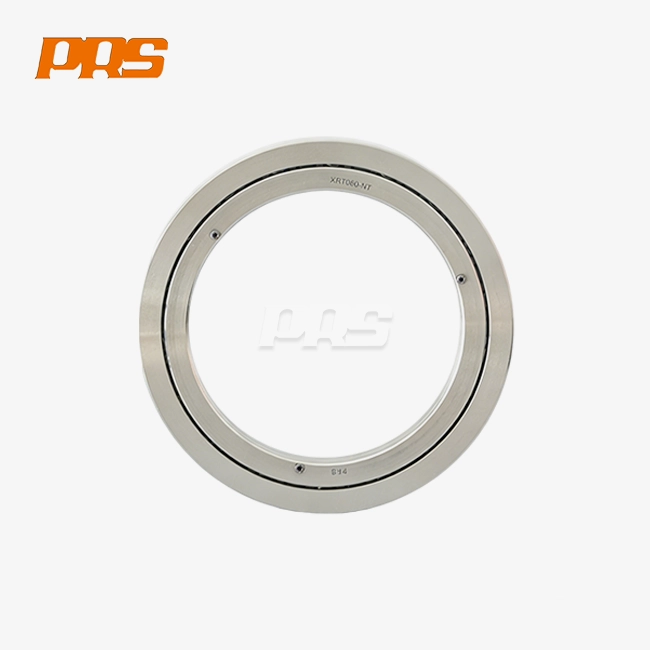 VIEW MORELathe Headstock Bearings
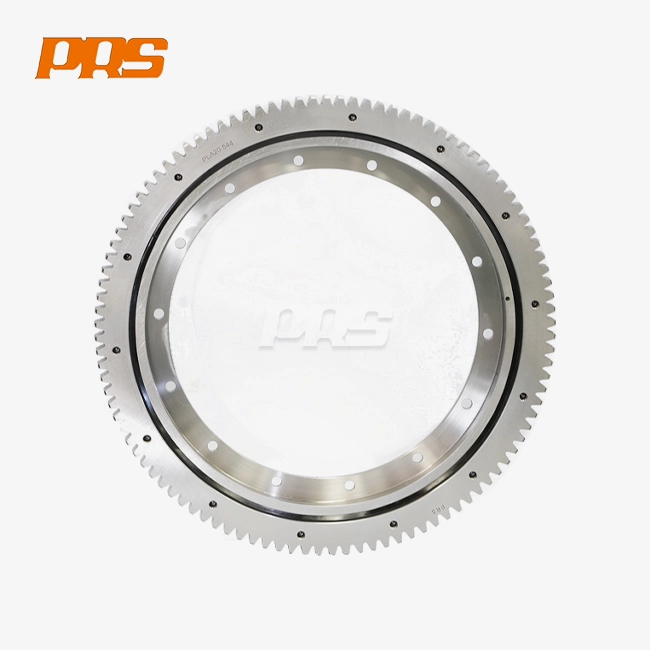 VIEW MOREsingle row ball slewing bearing
_1784080084231.jpg) VIEW MOREInternal Gear Slewing Bearing
VIEW MOREInternal Gear Slewing Bearing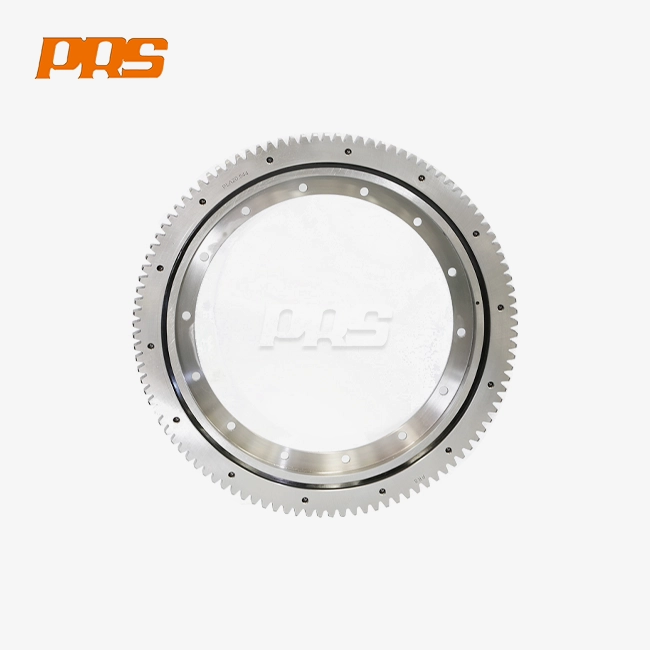 VIEW MOREExternal Gear Slewing Bearing
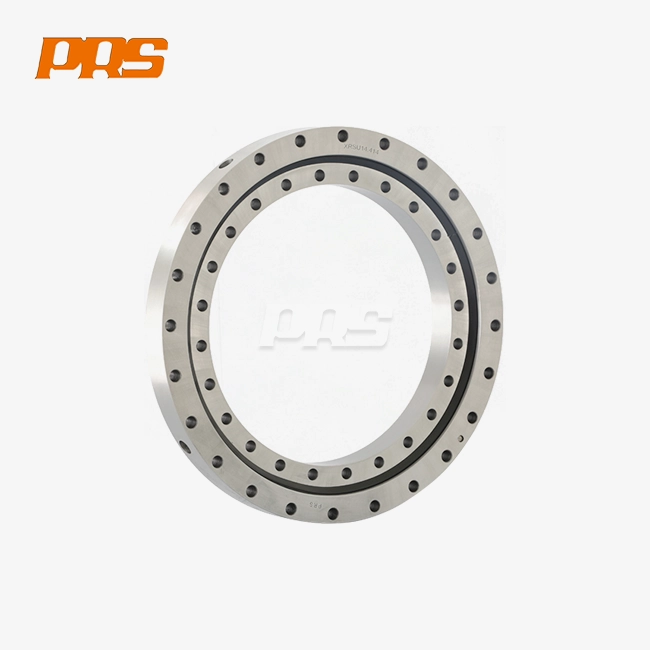 VIEW MOREdouble row ball slewing bearing