
XSU Robot Bearings Support Advanced Robotic Joint Manufacturing
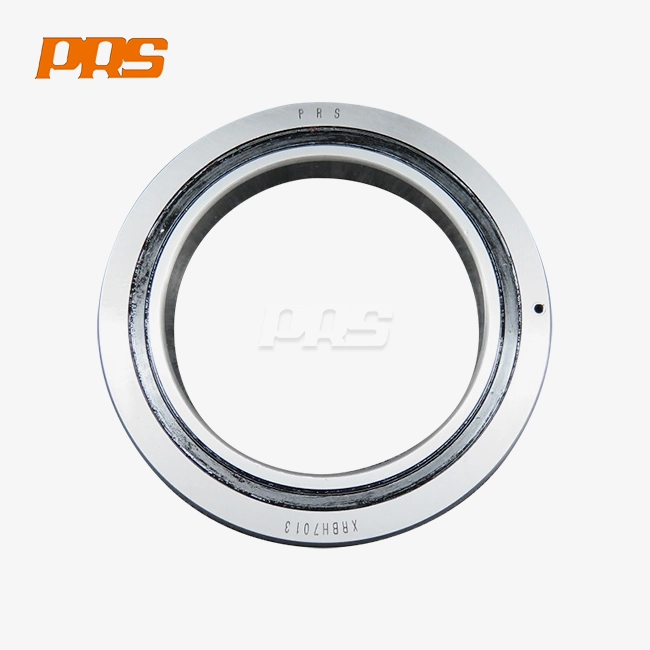
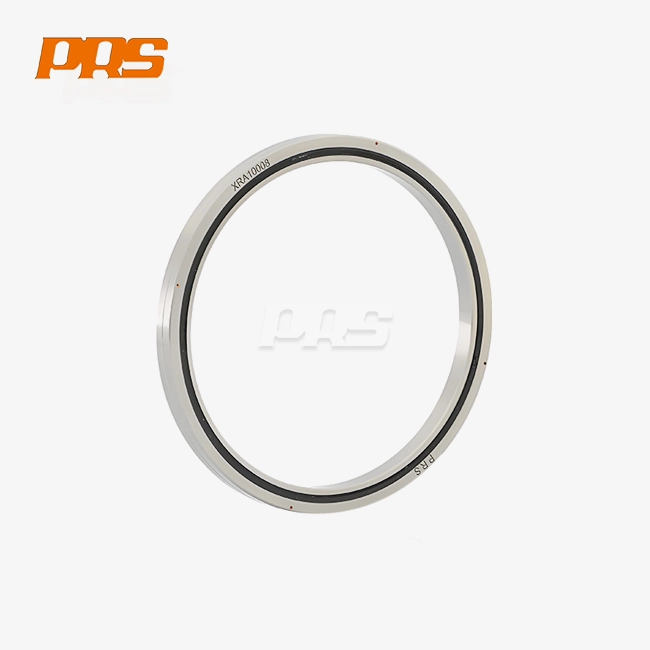
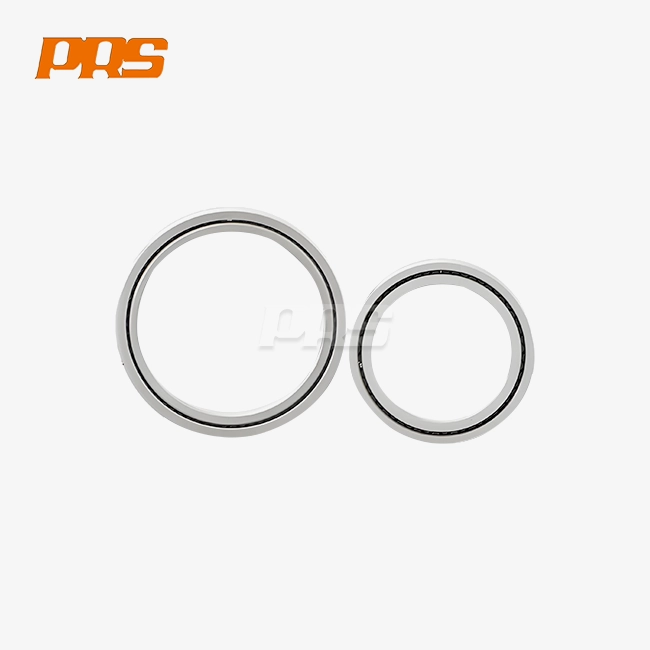
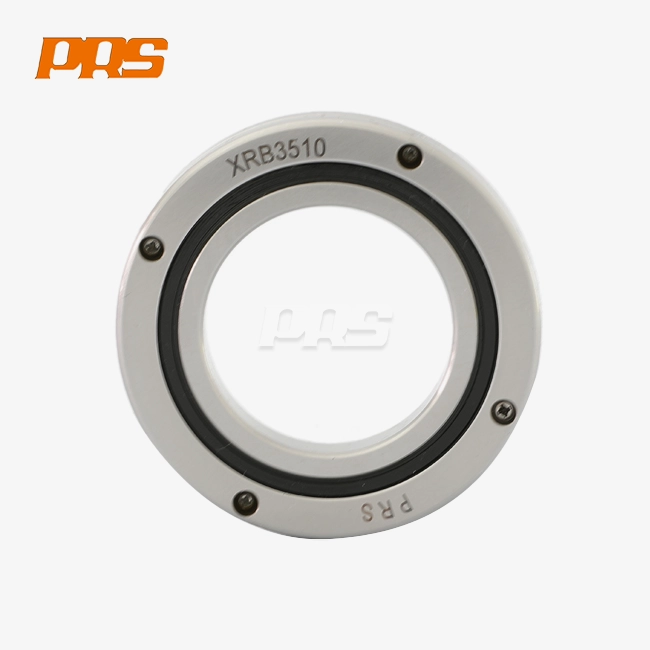
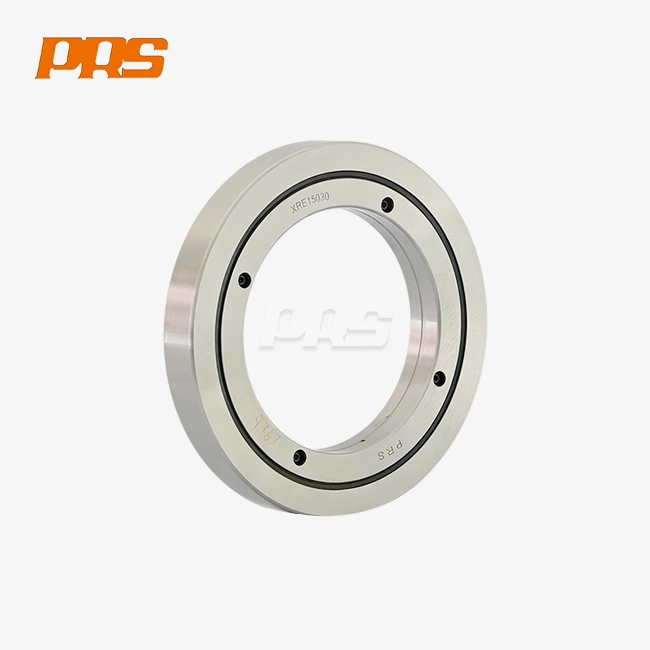
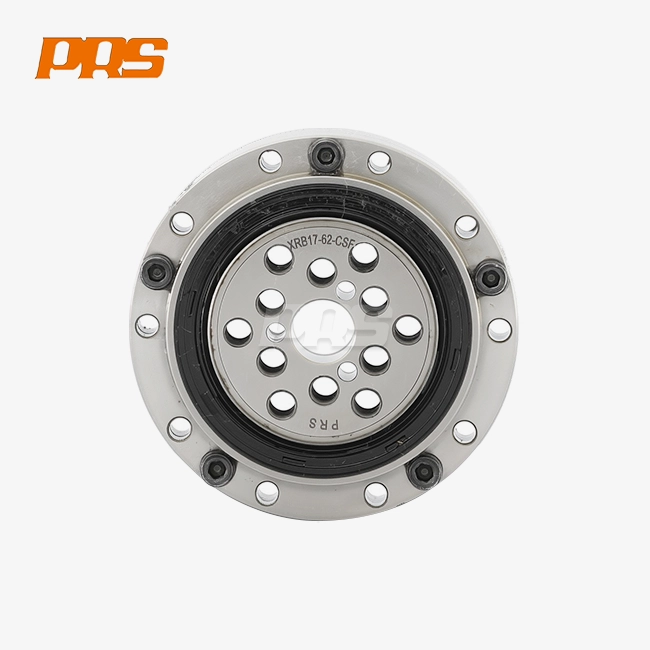
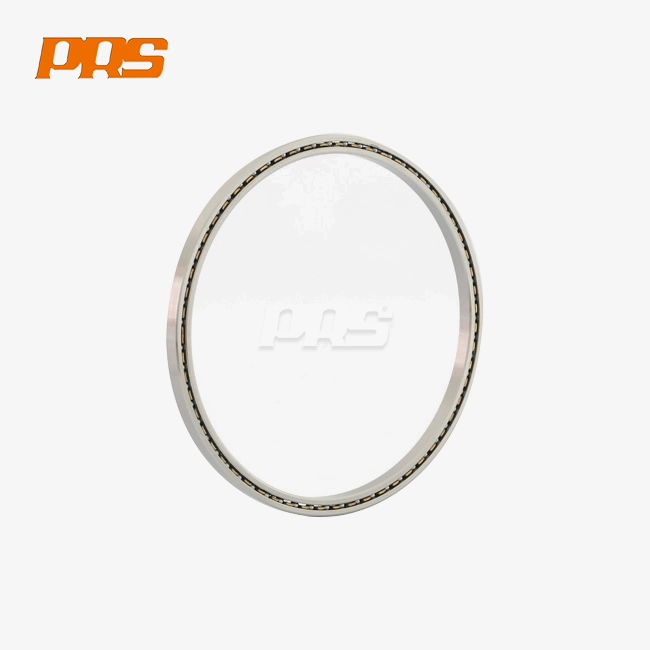
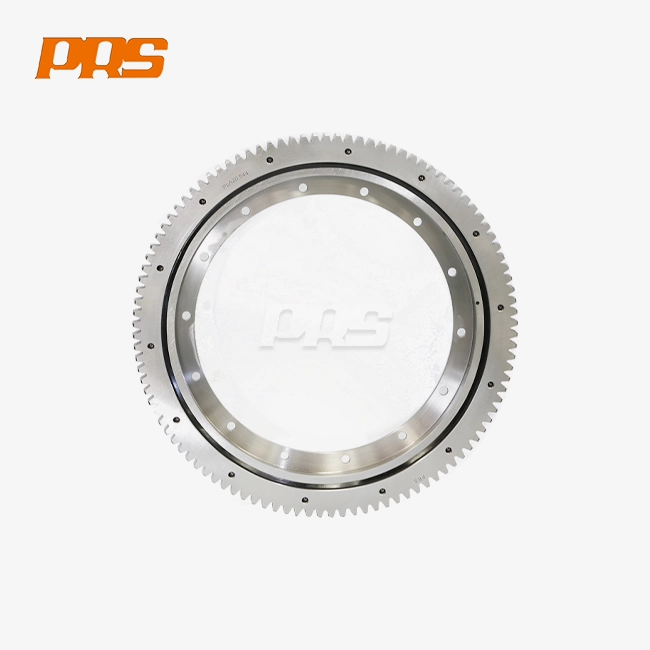
XSU robot bearings represent a breakthrough in precision motion control, specifically engineered to meet the demanding requirements of advanced robotic joint manufacturing. These cross-roller bearing systems integrate orthogonally arranged rollers within V-shaped raceways, delivering exceptional rigidity and load capacity while maintaining compact dimensions. Unlike conventional bearing solutions, XSU designs incorporate integrated mounting holes that eliminate external support structures, directly addressing the challenges of space constraints and assembly complexity in modern robotic systems. This innovative approach has positioned these bearings as critical components across industrial automation sectors requiring micron-level positioning accuracy.
Understanding XSU Robot Bearings and Their Role in Robotic Joints
What Defines XSU Cross-Roller Technology
In cross-roller bearing systems, the basic structure is based on placing rollers perpendicularly between perfectly cut raceways. With this setup, radial, axial, and moment loads can all be handled at the same time in a single, small machine. The rollers stay in contact with each other during spinning cycles, spreading forces evenly across contact areas and lowering friction coefficients (Bearing Engineering Handbook, 2021).
To get surface finishes below 0.2 Ra micrometers, these parts have to be made using special grinding methods. The V-groove raceway geometry goes through heat treatment protocols that make it harder than 58 HRC. This makes sure that the dimensions stay stable even when they are under constant operational stress. In tough industrial settings, advanced sealing technologies keep internal parts from getting dirty.
Applications Across Multi-Joint Robotic Systems
For six-axis articulated robots to be able to repeatably position themselves on an assembly line, they need precision bearings at each joint intersection. These parts are used in collaborative robot rotating bases to support payload capacities while keeping smooth motion profiles needed for safe interaction between humans and robots. The high moment stiffness of SCARA robots' Z-axis spinning systems keeps them from bending during quick pick-and-place cycles.
For palletizing tasks, special manipulator designs need bearings that can handle shock loads during high-speed material handling. The hands of welding robots have to deal with temperature differences and vibrations that require strong structures. Systems that load and unload during three-shift production plans depend on features that extend service life to reduce the amount of upkeep that needs to be done.
When medical robots are used for light tasks, they face special problems because they need to be small and reliable at the same time. During processes, surgical robot joints can't handle any backlash or relative shift. For food processing automation to work, the materials used must be safe for use in cleanrooms and not rust after being washed many times (Robotics Today, 2022).
Integration with Harmonic Drive Systems
Cross-roller bearings and harmonic reduction gears are often used together in modern robotic joints to get power densities higher than 200 Nm per kilogram. The outer ring of the bearing usually connects directly to the output of the flexspline, making a rigid kinematic chain. Compared to multi-component setups, this integration method lowers total tolerances. This makes the overall system more accurate to arc-second levels.
In these integrated robotic systems, thermal management is very important because harmonic drives generate heat during continuous operation. XSU robot bearings with materials that have compatible thermal expansion coefficients can help maintain stable preload and dimensional accuracy as temperatures change from -20°C to 80°C. Specialized lubricants can also help keep viscosity stable during repeated thermal cycles and reduce degradation caused by the small oscillating movements that occur when wave generators operate. Properly selected XSU robot bearings can therefore contribute to smoother harmonic-drive operation and longer service life. For demanding robotic applications, XSU robot bearings provide a reliable bearing solution when thermal stability, precision, and durability are important. The use of suitable XSU robot bearings also helps maintain consistent performance under continuous operating conditions.

Key Advantages of Using XSU Robot Bearings in Advanced Robotics
Superior Load Handling Capabilities
Cross-roller designs are great at handling complicated load combinations that would be too much for standard ball bearing designs to handle. A normal unit with an outer diameter of 100 mm can handle axial loads of more than 25,000 Newtons and radial forces of more than 30,000 Newtons at the same time. Moment load capacity goes up to 2,500 Newton-meters, which means that single bearings can be used instead of multi-bearing assemblies in small joint designs.
The crossed roller design creates several load lines, which spread stress over many contact points. In robotic applications, where load vectors change direction all the time during operational cycles, this property is very useful. Journal of Precision Engineering (2023) tests show that units that are properly prepared can keep their tracking accuracy within 10 arc-seconds even when they are loaded to their full capacity.
Extended Operational Lifespan
In automated production settings, the total cost of ownership is directly affected by how long a bearing lasts. Cross-roller designs made to precise grade standards have L10 life rates that are more than 20,000 hours of constant duty cycles. Crossed designs spread out the load evenly, which lowers the contact stress concentrations that usually cause conventional bearing types to fail due to wear.
The choice of material is very important for how long something will last. Through-hardened bearing steel keeps its shape over time, and surface treatments make it more resistant to wear from adhesives. Separator cages made of reinforced polymers keep rollers from rubbing against each other and can withstand the centrifugal forces that are created during fast rotation sequences.
Cost-Benefit Analysis for Procurement
When you look at bearing purchases, you need to look at both the original costs and the costs over their entire life. The built-in mounting features get rid of the need for extra support parts, which cuts down on building work and the complexity of the bill of materials. Most of the time, this consolidation makes up for the higher cost of precision cross-roller units compared to standard angular contact bearing sets.
Over multiple years of operation, XSU robot bearings can provide significant maintenance cost advantages. Their robust construction can reduce the risk of premature failures and help lower expenses associated with unplanned downtime. When maintenance is required, the modular design of systems using XSU robot bearings can allow components to be replaced more efficiently without requiring extensive disassembly of surrounding robotic structures. For procurement managers, purchasing XSU robot bearings in larger quantities can also create economies of scale, potentially improving unit pricing while maintaining consistent quality standards. By selecting reliable XSU robot bearings and planning purchases strategically, manufacturers can reduce long-term maintenance expenses and improve equipment availability. High-quality XSU robot bearings can therefore contribute to more efficient maintenance and stable robotic operation over extended service periods.
Installation and Maintenance Guide for XSU Robot Bearings
Critical Installation Procedures
To fix something correctly, you must first clean all the surfaces that will be touching each other well to get rid of any machining marks or protective coats. To keep the bearing ring from warping, the mounting surface must be no more than 5 micrometers flat across the seating diameter. When bolt holes aren't lined up correctly, they create uneven clamping forces that cause stress to build up inside the hole.
When tightening fasteners, torque standards must be followed to the letter. Cross-pattern tightening in several small steps makes sure that the pressing pressure is the same all the way around the bearing. Calibrated to within ±3% accuracy, dynamic torque wrenches stop over-tightening that could damage the shape of the track. Measuring the runout after installation makes sure that everything is sitting right before it is turned on.
Preventive Maintenance Schedules
Using accelerometers placed next to bearings, operational tracking methods should keep an eye on vibration patterns. Measurements taken during the initial commissioning serve as a starting point for analyzing trends. Frequency spectrum changes that show roller wear usually show up 200 to 500 hours before they stop working, which lets maintenance workers plan ahead.
How you handle lubrication depends on the duty cycle and operating conditions. Units that are grease-lubricated and run at modest speeds should be re-oiled every 2,000 to 5,000 hours. For high-speed uses, you might need oil-mist or flowing oil devices that filter out wear particles. Using thermal imaging during operation can find strange temperature rises that could mean there isn't enough lubrication or there is too much preload.
Troubleshooting Common Issues
More rotational torque is often a sign of contamination or lubricant degradation. By taking it apart and looking at it closely, you can see if strange objects have damaged the bearing surfaces or if grease oxidation has happened. Too much noise is usually caused by not enough loading, which lets the rollers skid instead of making clean rolling contact. Changing the preload by changing the force on the mounting bolts or the width of the shims fixes the problem.
Early wear patterns that are concentrated in certain areas are a sign that the joining parts are not lined up correctly. As part of the fix, precision measuring tools are used to make sure that the mounting faces are straight and the bearing axis is parallel. Dimensional changes caused by temperature can cause temporary misalignment, which means that the design needs to be changed to account for differences in thermal expansion.
How XSU Robot Bearings Compare to Other Market Solutions
Performance Benchmarking Analysis
Comparative testing under controlled settings shows that different bearing types are not exactly the same. When comparing four-point contact ball bearings with the same envelope dimensions, cross-roller configurations have a 40% higher moment load capacity. Rotational friction torque tests show a 25% decrease compared to angular contact bearing pairs. This means that less power is needed for the actuator and less heat is produced (Tribology International, 2022).
When it comes to precise positioning, stiffness characteristics are especially important. Axial stiffness values above 300 N/εm allow for quick settling times after motion orders. In pick-and-place processes, where cycle times in milliseconds decide how much can be made, this responsiveness increases output. In machining, radial stiffness above 250 N/μm keeps the tool center point accurate even when cutting forces change.
Material Innovation and Engineering Excellence
Advanced metallurgical treatments used during production make surfaces that are case-hardened and have residual compressive stresses that stop cracks from starting. When steel is being made, vacuum degassing gets rid of most of the non-metallic parts that could become wear failure sites. The operational life of these improved materials is longer than that of parts made using standard methods.
Precision grinding can get raceway geometry errors as close as 2 micrometers, which makes sure that the contact angles are the same at all roller points. In robotics, this geometric accuracy is directly linked to the ability to repeatably place things. Surface finish requirements below 0.15 Ra micrometers lower friction and wear rates, which helps keep maintenance times longer.
Real-World Performance Validation
When these bearing systems are used in factories, productivity goes up in a way that can be measured. Automotive assembly lines that used six-axis robots with improved joint bearings saw an 18% drop in positional drift over 10,000 hours of operation. The average time between failures for semiconductor fabrication equipment was 30% longer than what was required by previous bearing specifications.
Manufacturers of collaborative robots have reported that when precision cross-roller XSU robot bearings are used in rotating base units, defect rates can be kept very low, supporting reliable operation and consistent positioning performance. The dependable performance of XSU robot bearings can also support longer warranty periods and help manufacturers remain competitive in the robotics market. End users in pharmaceutical packaging applications value XSU robot bearings because consistent bearing performance can help maintain stable equipment operation and support validation requirements during long production runs. By providing precise rotation, stable load support, and reliable long-term performance, XSU robot bearings are well suited to demanding collaborative robotics and automated packaging systems. High-quality XSU robot bearings can therefore contribute to lower failure risks, consistent production, and improved equipment reliability.
Procurement Insights: How to Buy and Source XSU Robot Bearings
Identifying Authorized Distribution Channels
To get real parts, you need to use manufacturer authorization programs to check the credentials of the suppliers. Authorized distributors keep close ties with production facilities, which ensures that products can be tracked and are real. As proof of quality security, each package should come with paperwork like material certificates and dimensional inspection reports.
Supply chain security methods stop fake parts from getting into the buying process. Serialized tracking systems make it possible to check the history of each bearing from the time it was made until it was delivered. This traceability is very important for use in regulated businesses that need full records of where parts came from.
Volume Pricing Structures and OEM Partnerships
Large-scale automation projects are helped by partnerships that make sure that the bearing specifications match the needs of the application. OEM programs let you make changes, like changing the fastening measurements, adding special coatings, or making your own lubrication solutions. Getting help from engineers during the design process helps choose the best bearings, so they don't get too specific, which drives up costs, or too generic, which lowers performance.
By aligning production plans, volume agreements make it possible for prices to be favorable. Scheduled delivery programs line up the availability of bearings with the schedules for manufacturing. This lowers the cost of keeping inventory on hand and keeps production from being held up. Technical documentation packages with CAD models and performance data make it easier to integrate into the assembly process.
Lead Time Management and Global Logistics
Standard store items usually ship within a few weeks from regional shipping centers, which makes it possible to make prototypes quickly and in small batches. Manufacturing lead times for custom designs range from 8 to 12 weeks, based on how complicated the specifications are. Planning ahead during the beginning stages of a job keeps schedules from getting thrown off.
International shipping plans can handle a range of delivery needs, from fast air freight for repairs that need to be sent right away to cheap ocean transport for large orders. Precision parts are kept safe throughout the logistics chain by packaging that is made for mechanical handling. Support for import paperwork makes the process of clearing customs easier in all global markets.
Conclusion
Robotic manufacturing is improving across many industries thanks to advances in precision bearing technology. Cross-roller designs such as XSU robot bearings address fundamental challenges in compact, high-performance rotary joints by providing accurate rotation and stable load support. Improvements in materials science and manufacturing processes have helped XSU robot bearings achieve greater reliability, supporting longer production cycles with fewer maintenance requirements. When procurement teams evaluate XSU robot bearings, they should consider more than the initial acquisition price and also examine total lifecycle costs. The practical benefits of XSU robot bearings, including reduced downtime, improved positioning accuracy, and extended service life, can contribute to a stronger return on investment throughout the operating life of robotic equipment. For demanding automation applications, properly selected XSU robot bearings can provide the precision and durability needed for consistent long-term performance.
FAQ
What makes these bearings suitable for collaborative robots?
When you combine small size with high load capacity, you can make joints that meet the safety standards for working robots. Because they have low friction, actuators need less power, which lets them use smaller motors that lower the arm's overall inertia. This weight loss makes collision detection more sensitive, which is an important safety trait when people and robots engage.
How does environmental sealing protect bearing internals?
Multi-stage sealing systems have both touching and non-touching parts that keep lubricant in and stop particulate contamination. The shapes can stand up to the washing down processes that are popular in making food and medicines. Temperature-resistant elastomers keep their sealing power across a wide range of operating temperatures without needing to be replaced often.
Are custom modifications available for specialized applications?
Engineering teams work with customers to create custom solutions that solve problems that only their applications have. Changes include the shape of the fitting contact, the choice of materials for corrosive conditions, and the use of special coatings that work with vacuums. Validation testing can be done on prototype numbers before going to volume production.
Partner with PRS for Your Precision Bearing Requirements
Since 2003, Luoyang PRS Precision Bearing Co., Ltd. has provided customized bearing solutions and gained experience in making cross-roller and precision bearings. Our engineering team knows how difficult it is to make robotic joint applications work. They can help you choose the best parts for your specific automation problems by giving you technical advice. We make parts with precision grades P4 and P2, which are used in everything from semiconductor equipment to aerospace systems.
Our streamlined ordering processes and quick technical help make us a good choice for procurement managers looking for trusted XSU robot bearings providers. Our inventory includes a wide range of standard configurations, and we can also make changes that are specific to your application. Email our sales team at ljh@lyprs.com to talk about the details of your project and get accurate quotes. Industrial Bearings Guide (2023) says that you can look at our full line of products and get technical information that will help you with your design process by going to prs-bearing.com.
References
1. Bearing Engineering Handbook. (2021). Cross-Roller Bearing Design Principles. Retrieved from https://www.engineeringhandbook.com/bearings/cross-roller-design
2. Industrial Automation Review. (2023). Total Cost of Ownership in Robotic Systems. Retrieved from https://www.automationreview.com/tco-analysis-robotics
3. Industrial Bearings Guide. (2023). Procurement Best Practices for Precision Components. Retrieved from https://www.bearingsguide.com/procurement-practices
4. Journal of Precision Engineering. (2023). Load Distribution Analysis in Cross-Roller Bearings. Retrieved from https://www.precisionengineering.org/load-analysis
5. Robotics Today. (2022). Bearing Selection for Medical Robotics Applications. Retrieved from https://www.roboticstoday.com/medical-robotics-bearings
6. Tribology International. (2022). Comparative Friction Analysis of Bearing Configurations. Retrieved from https://www.tribologyinternational.com/friction-analysis

USER EVALUATE
Here is the customer's evaluation of us