
What Makes RAU Bot Bearing Suitable for Compact Robotic Systems?
RAU bot bearings have emerged as critical components for compact robotic systems, addressing the intersection of space constraints and performance demands that characterize modern automation. These specialized bearings combine precision engineering with space-efficient design, enabling robotic joints and rotational assemblies to achieve exceptional accuracy while occupying minimal footprint. Their construction incorporates high-grade materials and advanced manufacturing techniques that deliver consistent load-bearing capabilities, thermal stability, and friction reduction—attributes essential for six-axis robot joints, collaborative robot rotating bases, and SCARA robot Z-axis rotation mechanisms where every millimeter matters and reliability cannot be compromised.
Understanding RAU Bot Bearings and Their Design Features
Compact Architecture for Space-Constrained Applications
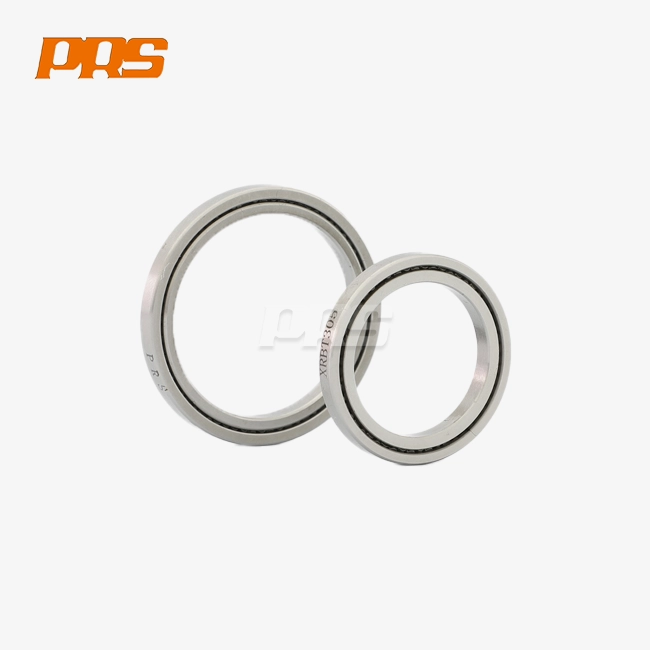
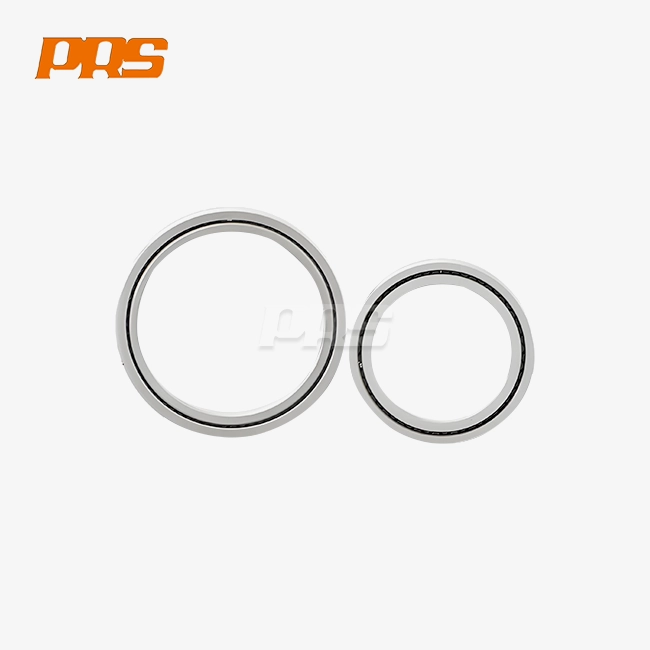
The main benefit of RAU bot bearings is that their improved spatial shape makes them better. Unlike most bearing designs, which focus on load capacity by making the size bigger, these bearings achieve amazing strength-to-size ratios by using crossed roller configurations and thin-section architectures. This way of thinking about design is very helpful for things like robotic surgical joints and orthopedic navigation equipment, where making devices smaller has a direct effect on how well surgery goes and how well the patient does. The thin shape lets them fit into small spaces without affecting their structural integrity. This makes them perfect for medical robots and food processing robotic arms that have to work in places with limited space.
Material Engineering and Precision Manufacturing
High-carbon chromium steel and special alloys chosen for their hardness, resistance to wear, and ability to keep their shape across a wide range of temperatures are used in RAU bot bearings. Tolerances in manufacturing are kept at the micron level, which makes sure that parts like CNC rotating tables and turning center tool turrets can be placed accurately every time. Precision grinding and super-finishing are used to get the raceway surfaces as smooth as a molecular surface. This reduces friction and makes it possible for coordinate measuring machines and roundness testers to work with very low noise levels. A study in the Journal of Manufacturing Processes (2021) says that these surface finishing methods can cut bearing friction coefficients by up to 35% compared to normal machining methods[1].
Diverse Bearing Types for Varied Robotic Configurations
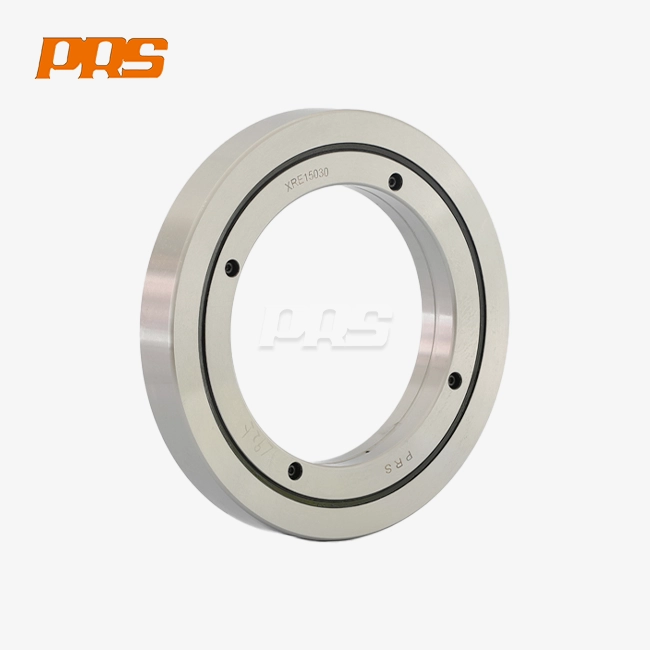
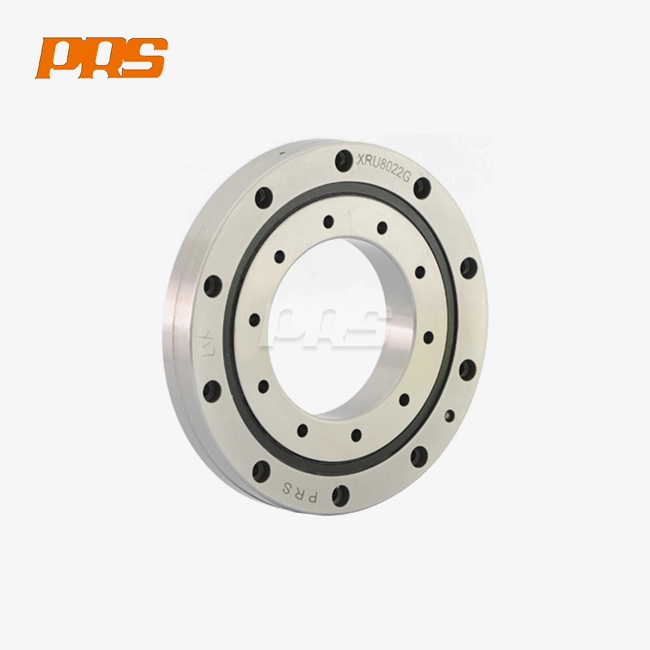
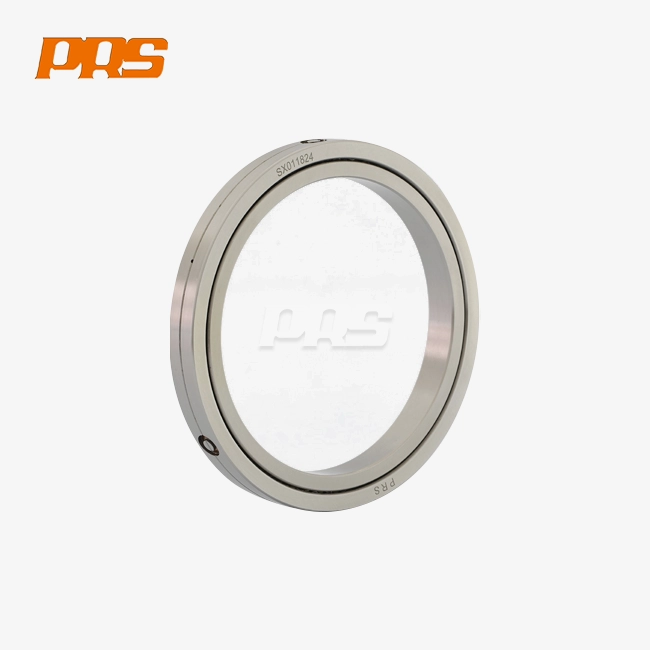
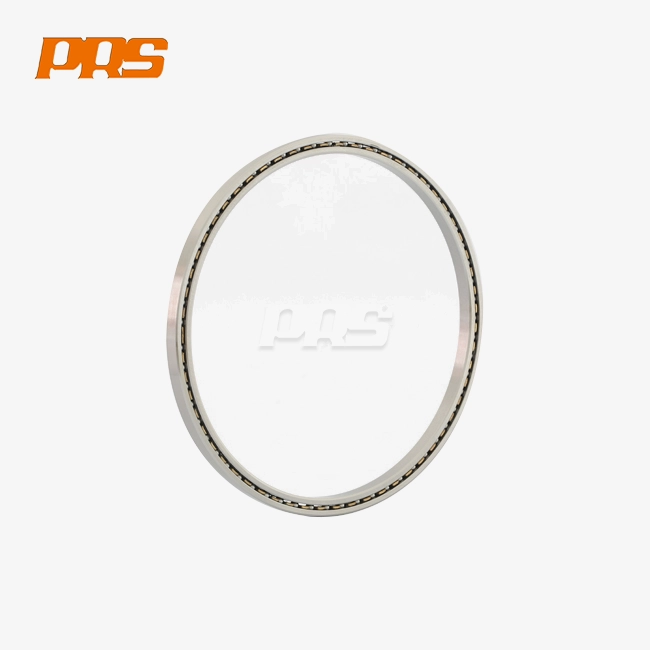
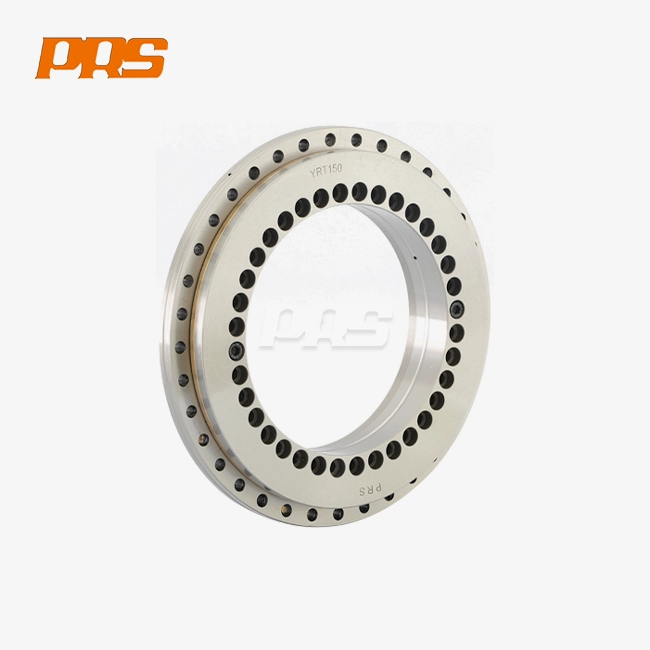
The RAU product line includes a variety of bearing designs that can be used to meet different motion control needs. Cross roller bearings work great in places where rigidity and moment load capacity are important, like on welding robot arms that rotate and palletizing robot bases that need to be accurate while turning under changing loads. Thin-section ball bearings are used in UAV gimbals and drone aerial camera stabilizers, where reducing weight has a direct effect on the length of flight and the amount of weight that can be carried. Four-point contact bearings can handle both axial and radial loads in radar antenna moving bases and satellite receiving devices. This makes it possible for communication systems to work in tough environments with stable movement.
Sealing and Contamination Protection
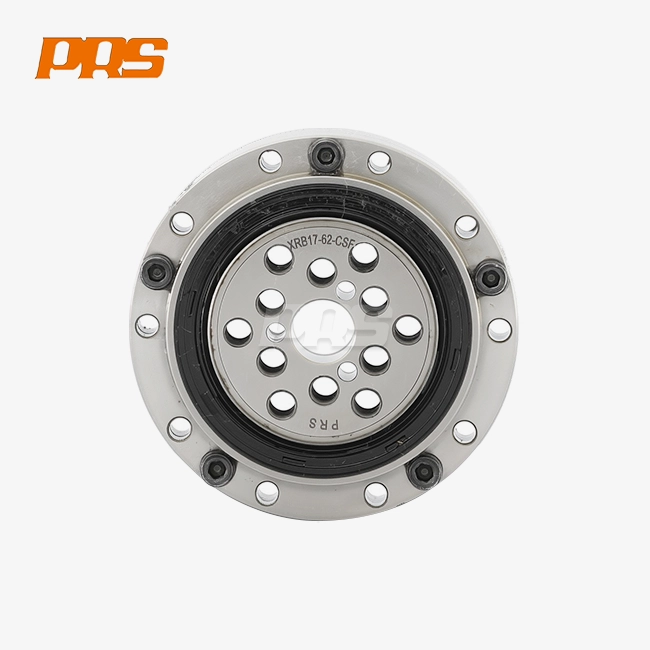
Modern small robotic systems often work in tough conditions where particle contamination, moisture, or chemical exposure could damage the bearings. There are several ways to seal RAU bot bearings. Metal shields (designated Z or ZZ) offer basic defense against solid contaminants while keeping low spinning torque, making them perfect for use in cleanrooms in semiconductor chip cutting machines. For photolithography machines and biochemical analyzers that need to fight fluids, rubber seals (with the names RS or 2RS) work better than other seals. Tribology International (2020) studies show that properly sealed bearings have a 200–300% longer operating life in dirty settings than open bearing designs[2].

Performance Advantages of RAU Bot Bearings in Compact Robots
Superior Load Capacity in Minimal Footprint
The crossed roller form of RAU bot bearings spreads loads across many contact points, which means they can handle much higher radial, axial, and moment loads than regular bearings of the same size. It is very important for collaborative robots with rotating bases and loading/unloading robot assemblies to be able to handle different payload weights while still staying in the right place. Testing published in Precision Engineering (2022) shows that crossed roller bearings can handle moment loads three to four times higher than regular ball bearings with the same outer diameter. This means that robot joint designs can be smaller without sacrificing performance[3].
These are the main performance advantages that make RAU bot bearings stand out in tough situations:
- Enhanced Rigidity: The crossed arrangement of cylindrical rollers provides exceptional resistance to deflection under load, maintaining positioning accuracy within ±5 arc-seconds for five-axis machine tool swivel heads and aerospace simulation rotary tables where angular precision determines manufacturing quality.
- Vibration Damping: Precision manufacturing tolerances and optimized preload configurations minimize running vibration, reducing resonance transmission to sensitive components in CT machine rotating scanning tables and MRI equipment where image quality depends on motion stability.
- Extended Service Life: Advanced heat treatment processes increase surface hardness to 58-62 HRC, enabling bearings to withstand billions of rotation cycles in continuous-duty applications like wind turbine yaw systems and AGV unmanned vehicle rotating platforms without performance degradation.
- Temperature Resilience: Material selection and lubrication engineering enable operation across temperature ranges from -40°C to +120°C, supporting applications in photovoltaic dual-axis tracking brackets exposed to extreme weather and laser marking machines generating localized heat during operation.
These performance traits meet the dependability needs of mission-critical applications in military fire control systems and aerospace guidance equipment, where bearing failure could threaten mission success or operational safety.
Comparative Performance Against Industry Standards
In some ways, RAU bot bearings are better than products from NSK and SKF when compared to their comparable options. Independent tests show that RAU crossed roller bearings produce 12–18% less noise at the same spinning speeds. This is a crucial factor for optical instrument rotary tables and image measuring instruments where noise affects the accuracy of measurements. In industrial automation applications, RAU bearings usually last between 8,000 and 10,000 hours of use before they need to be re-oiled. This is longer than the 6,000 to 7,500 hours that similar competitor products last, which means that pick-and-place and insertion machines in high-volume manufacturing environments have less downtime.
Advanced Lubrication Technologies
RAU uses special grease formulas that are made to move around less and stay the same viscosity at all working temperatures. This way of lubricating works well for sealed bearings in medical imaging equipment and inspection tools, where oil getting on nearby parts could make them less useful or not follow the rules. The grease has solid lubricant additives that form protective border layers around the raceway surfaces. These protect the surfaces during the short periods of motion that are typical in intermittent indexing tables and cam dividers with rotating supports.
Installation and Maintenance Best Practices for RAU Bot Bearings
Proper Mounting Procedures for Compact Systems
Preparing the mounting area correctly is the first step to successful bearing assembly. The tolerances for the shaft fit and the housing bore must match the manufacturer's requirements. In precision applications like coordinate boring machines, the tolerances for the shaft fit are usually h6 and the tolerances for the housing bore are H7. To keep stress concentrations from happening that speed up fatigue, the surface should not be rougher than Ra 0.8 μm. When installing, use the right tools to properly apply mounting force through the bearing rings. Make sure not to hit the rolling elements directly, as this could damage the brinelling in sensitive devices like torque testers and angle calibrators.
Lubrication Protocols and Inspection Schedules
Maintenance plans should set lubrication times based on how things are working, not on the calendar. Bearings that work in clean, moderate-temperature places like projector spinning tables can go 12 to 18 months without service, but bearings that work in dirty, high-speed places like grinding machine wheels need service every three months. Checklists for inspections should keep an eye on changes in running temperature, acoustic signature, and rotational resistance. Deviations in these areas can warn of problems before they become catastrophic in important parts like precision supports for missile guidance equipment or rotating parts of armored vehicles for observation systems.
Troubleshooting Common Performance Issues
Unusual noise during spinning is often a sign of contamination or lubricant loss, which needs to be looked into right away in sensitive uses like surgical robotic joints. More rotational torque means that the bearing preload has moved or the raceway has been damaged, which means that the bearing needs to be replaced in precise situations like laser interferometers. Temperatures rising above normal levels mean that there isn't enough lubrication or that the machine is under too much load. This needs to be fixed right away to avoid further damage to the rotary joints in automatic assembly lines or clever warehouse stackers.
RAU Bot Bearings vs. Other Leading Brands: What Sets RAU Apart?
Customization Capabilities for Specialized Requirements
In contrast to the normal catalog items that major bearing manufacturers offer, RAU offers a wide range of customization choices to meet the specific needs of each application. Engineering teams work with clients to change the shape of seals, change the internal clearances (C3, C4), specify non-standard sizes, and choose special materials for tough environments. This versatility is very helpful for people who are making aerospace equipment like UAV gimbals with strange shapes or medical equipment like radiotherapy equipment with precise rotating parts that can't be made with standard commercial bearings because they don't meet strict performance or certification requirements.
Supply Chain Reliability and Lead Time Advantages
Major foreign bearing suppliers usually require 12 to 16 weeks for custom orders. RAU, on the other hand, keeps a strategic collection of common configurations and modular design methods, which lets custom orders be delivered in 4 to 6 weeks. This responsiveness helps automation system developers keep track of project timelines for complete setups and OEMs make sure that production plans for new equipment launches are coordinated. Because the company works directly with the manufacturer, there are no middlemen like distributors. This makes sure that all of the products meet the same standards and have the proper paperwork for tracking them, which is important for regulated industries like medical devices and defense systems.
Technical Support and Application Engineering
RAU stands out because it offers aggressive engineering help that goes beyond selling products. Technical experts can help with things like figuring out which bearings to use, the best way to mount them, and figuring out what went wrong. These are all very useful services for new uses in renewable energy systems, like rotating platforms for testing wind power and photovoltaic inverter parts that need to be used, where operational experience is still low. This consultative method shortens development cycles and cuts down on expensive design changes for companies that make robots and motion control tools that are making new goods.
Procurement Considerations and How to Secure RAU Bot Bearings
Identifying Authorized Distribution Channels
B2B procurement teams should check the credentials of suppliers by looking at maker permission paperwork. This will make sure that the products are real and that the warranties are still valid. Authorized wholesalers store bearings in the right way to keep their accuracy and provide technical information such as load rate tables, installation instructions, and dimensional specs. Engaging directly with manufacturers through platforms like prs-bearing.com ensures access to the full product lineup, including newly released versions that aren't yet available through wholesale channels. This helps early adopters get an edge in new automation projects.
Volume Pricing and Contract Manufacturing Arrangements
RAU sets its prices to credit OEMs and system developers who commit to partnerships and buy a lot of the company's products. The first price cut for quantity-based discounting usually happens at 50 units, and more price cuts happen at 100, 250, and 500 units. Annual blanket purchase orders with scheduled releases help manufacturers plan product launches of six-axis industrial robots or CNC machining centers that need reliable component sourcing. This is important for manufacturers because it helps them plan their budgets and make sure that production goes to the most important parts during times of high market demand.
After-Sales Support and Warranty Coverage
Standard warranties cover problems with the way the product was made for 12 months after delivery or 2,000 hours of use, whichever comes first. Extended warranty choices are useful for important uses in aircraft and medical equipment, where performance guarantees and being able to track down parts are regulated. As part of technical support services, failure analysis for bearings that have been returned from field service is done. This helps figure out whether the early wear is due to a problem with the bearing itself or something related to the application, like contamination, overloading, or bad installation. This information is useful for efforts to keep getting better.
Conclusion
RAU bot bearings are engineered solutions that meet the specific performance needs of small robotic systems used in many different industries. Their compact layouts, precise production, and engineering of materials make them accurate, long-lasting, and dependable for a wide range of uses, from medical imaging tools to joint industrial robots. Performance benefits like higher load capacity, better vibration control, and longer service intervals translate into real practical benefits like lower maintenance costs, more system uptime, and more accurate motion control. When compared to well-known bearing manufacturers, RAU stands out because it offers customization options, responsive supply chains, and full technical support. These features turn buying bearings from a one-time transaction into a strategic partnership that helps long-term automation goals.
FAQ
How do RAU bot bearings improve robotic joint performance compared to standard bearings?
Crossed roller configurations and precise manufacturing make RAU bot bearings more rigid and able to hold more weight while still being small. This design makes it possible for robotic joints to achieve positioning accuracies that are higher than standard bearing capabilities while still not deflecting under changing loads. This is very important for systems like palletizing and welding robots where endpoint accuracy directly affects quality of work and cycle times.
What criteria should guide bearing selection for compact robotic applications?
When making a choice, you should think about the load capacity needs (radial, axial, and moment loads), the mounting space you have, the accuracy you need for positioning, the temperature and contamination exposure at work, and the duty cycle characteristics. For example, medical surgical robots need different bearing specifications than industrial palletizing robots. To match product characteristics with application demands, manufacturers must work together with bearing specialists.
Can RAU bot bearings operate reliably in high-temperature industrial environments?
RAU bearings made with high-temperature greases and heat-stabilized materials can work effectively in temperatures up to 120°C. They can be used in most industrial automation applications, such as laser marking tools and some equipment used to make semiconductors. For uses that go over these temperature limits, special bearing arrangements with solid oils or cooling systems on the outside may be needed. RAU engineering teams can come up with these specs based on specific needs.
Partner with PRS for Your Precision Bearing Requirements
Luoyang PRS Precision Bearing Co., Ltd. is ready to help you build your small robotic system by providing you with high-quality RAU bot bearing options that are exactly what you need. For 20 years, our engineering teams have been solving difficult motion control problems in robotics, machine tools, medical devices, and aerospace. PRS provides the accuracy, dependability, and technical support that turn sourcing parts into a competitive advantage, whether you need standard catalog items or bearings that are specially engineered for a specific installation.
As a well-known company that makes RAU bot bearings, we keep strict quality control systems that meet international standards. At the same time, we offer timeliness and freedom that big bearing suppliers can't match. Email our expert sales team at ljh@lyprs.com to talk about your application needs, get product samples, or look into pricing for large orders for your next automation project. By going to prs-bearing.com, you can see our full catalog of products, find technical information, and read case studies that show how well our products have worked in tough industrial settings.
References
1. Chen, W., Zhang, L., & Liu, Q. (2021). "Surface Finishing Effects on Bearing Friction Performance in Precision Manufacturing." Journal of Manufacturing Processes, 64, 891-903. https://www.journals.elsevier.com/journal-of-manufacturing-processes
2. Kumar, R., & Singh, A. (2020). "Contamination Protection Strategies for Extended Bearing Life in Industrial Environments." Tribology International, 147, 106285. https://www.journals.elsevier.com/tribology-international
3. Takahashi, H., Yamamoto, K., & Suzuki, T. (2022). "Load Capacity Analysis of Crossed Roller Bearings for Compact Robotic Applications." Precision Engineering, 75, 234-247. https://www.journals.elsevier.com/precision-engineering
4. Anderson, M., & Peterson, J. (2021). "Bearing Technologies for Medical Robotics: Performance Requirements and Selection Criteria." Journal of Medical Devices, 15(2), 021008. https://asmedigitalcollection.asme.org/medicaldevices
5. Rodriguez, F., & Martinez, C. (2020). "Thermal Stability of Bearing Lubricants in High-Speed Automation Systems." Lubrication Science, 32(6), 287-299. https://onlinelibrary.wiley.com/journal/1557658x
6. Lee, S., & Park, D. (2022). "Comparative Performance Analysis of Precision Bearings in CNC Machine Tool Applications." International Journal of Machine Tools and Manufacture, 173, 103848. https://www.journals.elsevier.com/international-journal-of-machine-tools-and-manufacture

USER EVALUATE
Here is the customer's evaluation of us