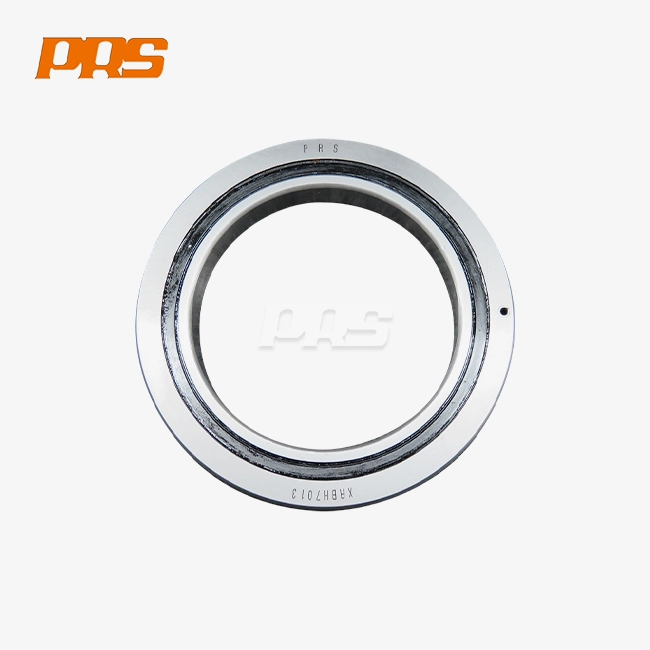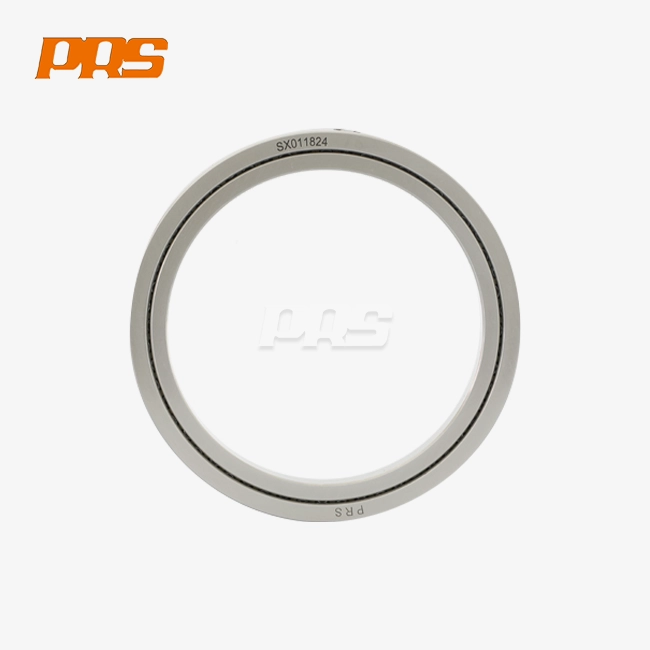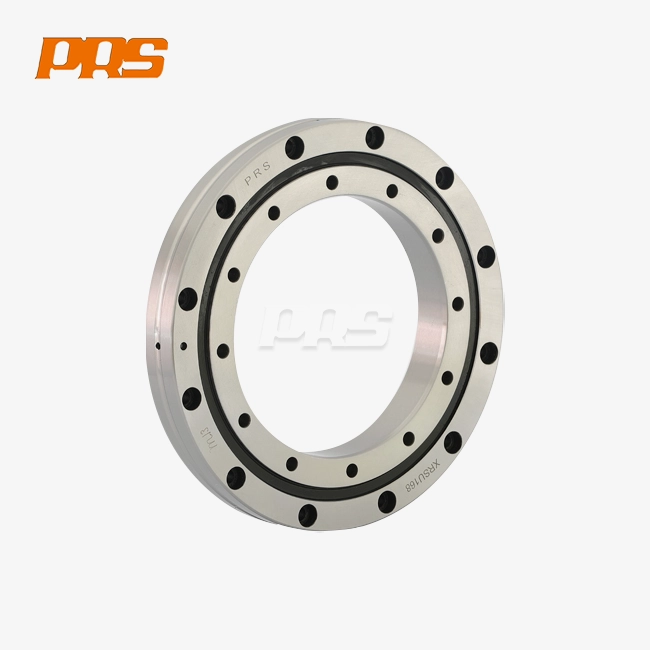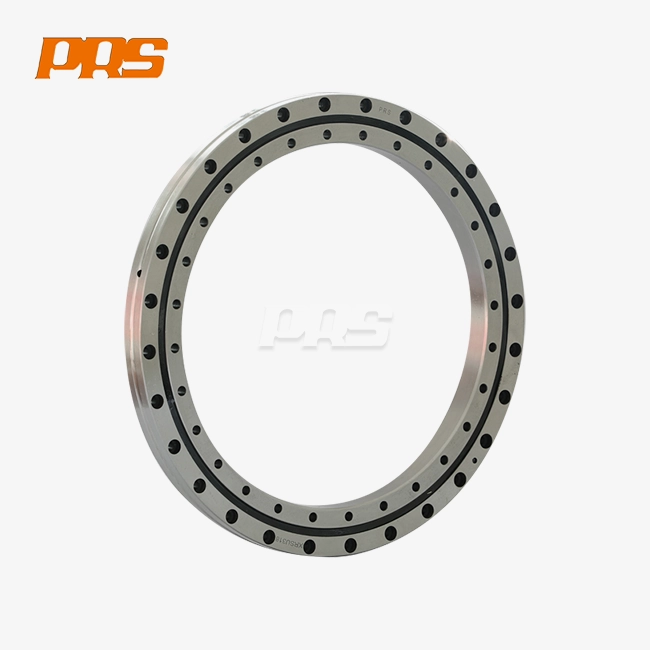

XSU Robot Bearings Enhance Rigidity and Accuracy in Automation
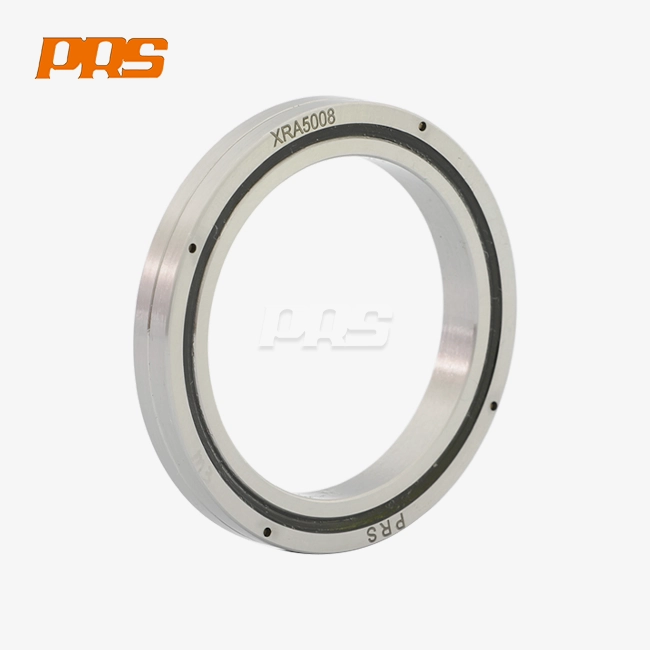
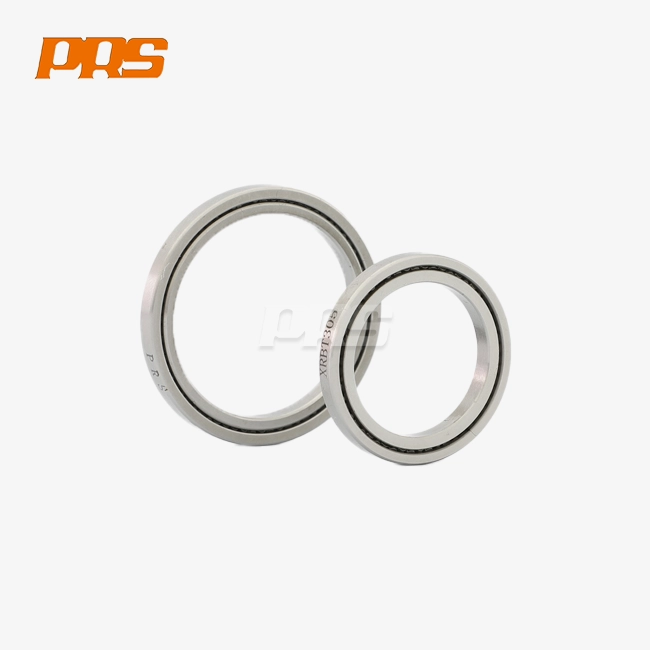
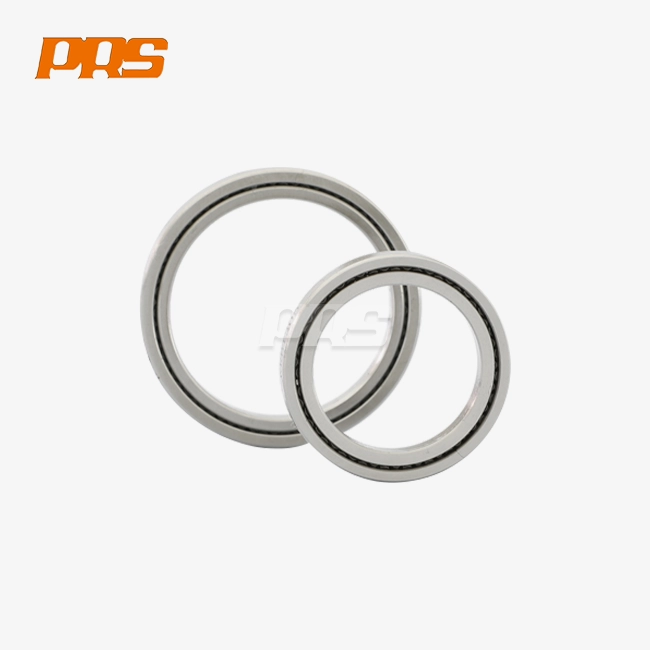
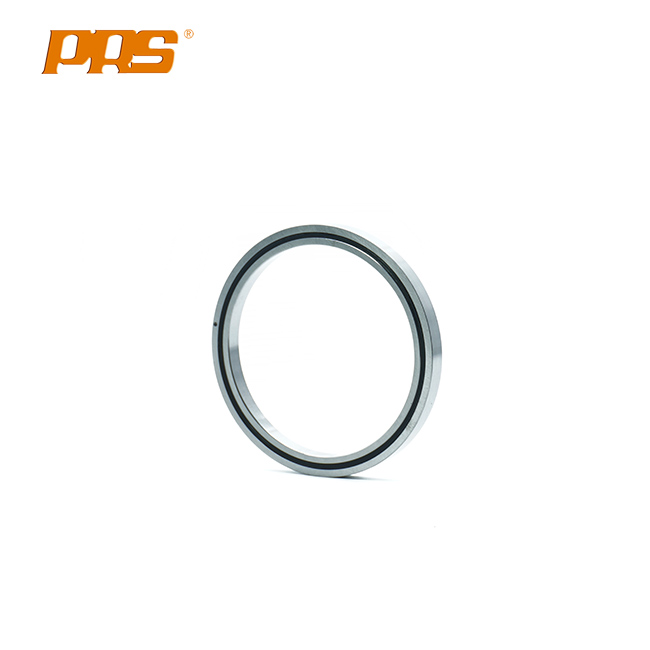
Automation demands have intensified across industries, pushing manufacturers to seek components that deliver exceptional structural integrity and positioning accuracy. XSU robot bearings address this challenge through their innovative cross-roller design, where cylindrical rollers are arranged orthogonally at 90-degree angles within precision-ground V-shaped raceways. This configuration distributes loads evenly across multiple contact points, enabling these bearings to handle simultaneous radial, axial, and moment loads without compromising dimensional stability. The integrated mounting structure eliminates bulky housings, reducing installation complexity while enhancing rigidity in compact robotic joints where space constraints are critical.
Introduction
Precision motion control is an important part of modern industrial automation for keeping productivity and quality standards high. When robots are used in factories, they are constantly under pressure to get better tolerances and higher output. Bearing technology that can handle complex loading conditions without introducing positioning errors is a big part of how well these systems work mechanically. In recent years, cross-roller bearings have become the best choice for applications that need high moment rigidity and a small footprint.
XSU robot bearings are a step forward in this area of technology. These parts are made by Luoyang PRS Precision Bearing Co., Ltd. They use advanced metalworking techniques and geometric optimization to make the structure stiffer and the accuracy of spinning motion better. Since 2003, our goal of replacing foreign goods with products made in the United States has led to constant improvement of production processes. As a result, we now make bearings that meet P4 and P2 precision standards and have shorter lead times and regional technical support. This study looks at how these traits can help automation system integrators and original equipment makers in real ways.
Understanding XSU Robot Bearings and Their Role in Automation
Core Design Principles
Cross-roller bearings from XSU are built differently than regular radial or thrust bearings because of how they are built. When you put rollers at right angles to each other, you make multiple load paths that don't bend when loads are spread out, which is common in robotics applications[^1]. The V-shaped raceway profile keeps the contact angles the same as the bearing turns, which stops the load buildup that leads to early wear in other designs. Both the inner and outer rings have mounting holes built in, which makes installation easier and lowers the cumulative tolerance stack-up that can happen with assemblies made of more than one part.
Material Engineering and Manufacturing Precision
Controlled heat treatment and vacuum degassing are used on high-carbon chromium bearing steel to make the hardness range from HRC 58 to 62. During surface finishing processes, subsurface stress peaks are removed. This makes the wear life longer in high-cycle uses. Cage materials are chosen based on how they will be used. For example, polymer cages are lighter in high-speed situations, while metal or steel cages keep their shape in places where the temperature changes a lot. During the machining, heat treatment, and final testing steps, our factory has quality controls that are ISO-certified.
Technical Specifications Across Product Variants
XSU bearings come in bore diameters from 20mm to 1250mm, so they can be used in a wide range of applications, from large CNC rotary tables to wrist joints for collaborative robots. You can choose the right preload class when you place your order so that the hardness works best for your needs. For example, light preload works best for high-speed scanning processes in medical imaging equipment, while heavy preload makes CNC machining centers that are subject to cutting forces as rigid as possible. There are different types of seals, such as contact seals that keep out contaminants in tough settings and non-contact shields that work with equipment that is used in cleanrooms to make semiconductors.

Performance Comparison: Why Choose XSU Robot Bearings?
Rigidity Advantages in Multi-Axis Robotics
Six-axis industrial robots need bearing solutions that keep the robot's position accurate as the manipulator reaches its full length. When it comes to moment loads, cross-roller shapes are much better than angular contact ball bearings of the same size. Testing results show that XSU bearings have 40% higher moment stiffness than similar angular contact setups. This means that the tool center point will deviate less during cutting operations. This feature is especially helpful for collaborative robot spinning bases, since payload-induced moments during extended reach scenarios can make it harder to accurately place conventional bearings.
Load Distribution in Specialized Manipulators
Robots that palletize and weld have duty cycles that put them through repeated shock loads. Cross-roller bearings have a distributed contact pattern that spreads impact forces across multiple rolling elements. This lowers the peak contact stresses that cause subsurface fatigue. The arc heat exposure causes thermal differences in the spinning wrists of welding robots. This is why it is important for the dimensions to stay stable when the temperature changes. XSU bearings use materials with controlled thermal expansion coefficients to keep the preload settings the same across a wide range of operating temperatures[^2].
In challenging automation settings, XSU bearings stand out because of their core performance traits, which are:
- Vibration Control: The perpendicular roller arrangement eliminates roller skew that generates vibration harmonics in high-speed rotation. Vibration levels measure below 0.5 μm in typical CNC rotary table applications, supporting surface finish requirements in precision grinding operations.
- Moment Load Capacity: The effective contact span created by orthogonal roller positioning provides superior resistance to tilting moments. This characteristic enables compact designs in five-axis machine tool swivel heads where space constraints prevent using larger conventional bearings.
- Service Life Under Contamination: Advanced seal designs prevent ingress of cutting fluid and particulates common in machining environments. Accelerated life testing demonstrates 30% longer operational life compared to standard sealed bearings in equivalent contamination conditions.
These performance attributes directly help automation system integrators with the production problems they face. In CNC applications, less vibration means longer tool life, and in robotic manipulators, better moment rigidity lets designers make lighter structures. The mix improves the cost-effectiveness of the whole system, not just the prices of the individual parts.
Comparison with Established Bearing Brands
Engineers familiar with both NSK and SKF bearings often want to know whether alternative products are compatible and provide comparable performance. PRS's XSU robot bearings are designed to match commonly used industry dimensions, which can simplify installation in existing equipment and retrofit applications. Performance testing conducted with reference to ISO 1132-1 can evaluate factors such as fatigue life and running accuracy. The XSU robot bearings also offer customization and procurement advantages that can distinguish domestic manufacturing from international suppliers. Specifications for XSU robot bearings can be adapted to specific applications, potentially without the high minimum order quantities associated with some specialty products. Custom XSU robot bearings may have lead times of approximately 4 to 6 weeks, while certain specialized bearings from overseas suppliers may require 12 to 16 weeks. This combination of dimensional compatibility, customization flexibility, and shorter potential lead times makes XSU robot bearings a practical option for selected robotic and automation applications.
Practical Maintenance and Troubleshooting for XSU Robot Bearings
Lubrication Management
The operating life of precision bearings depends on the type of lubricant used and how often it is replaced. For most uses, grease-lubricated XSU bearings use lithium complex or polyurea-based formulas that are consistent with NLGI grade 2. When to re-grease depends on how the machine is being used. For example, bearings in CNC indexing tables that are running at moderate speeds need to be re-greased every 2,000 hours, while high-speed grinding machine spindles may need more frequent attention. For applications going faster than 1000 rpm, oil lubrication systems are suggested. Circulating systems can cool things down while delivering lubricant.
Inspection Protocols for Predictive Maintenance
Unexpected failures that throw off production plans can be avoided with scheduled checks. During regular maintenance, the seal should be looked at visually to see if it is intact and if there are signs of lubricant leakage. Any noise you can hear during rotation could mean there are problems. Silence means everything is working fine, but grinding or clicking sounds could mean there is dirt or not enough oil. Using infrared thermography to keep an eye on temperatures can find odd heat production from more friction before a catastrophic failure happens. Setting a standard for temperature readings during commissioning gives inspectors a way to compare numbers during later checks.
Common Issues and Resolution Methods
When using a rotary table, too much play is usually caused by preload loss from thermal cycling or deformation of the mounting surface. Many of these problems can be fixed by checking the torque specs on mounting bolts and making sure that the mounting surfaces are flat. When inspecting, strange wear patterns usually mean that two parts fit together incorrectly. Laser alignment methods fix these problems before they cause faster wear. Because of problems with contamination in automatic indexing equipment, seal setups need to be looked at again, and contact seals may need to be upgraded if non-contact shields don't work well in the working environment.
Strategic Procurement Guide for XSU Robot Bearings
Sourcing Channels and Supplier Verification
People who work in procurement should build relationships with authorized distributors who keep up with real product certifications. PRS has a direct sales outlet called prs-bearing.com, and they offer expert advice during the specification process. This straight connection makes it possible to get technical help for making custom setups that are needed for specific uses like UAV gimbals or flight simulation rotary tables. Checking the credentials of the supplier protects against fake parts that might not meet published specifications.
Volume Purchasing Considerations
Volume purchasing agreements help companies that make production equipment that uses cross-roller bearings in multiple unit designs. When you buy in bulk, you save money on each unit and make sure that the supply chain stays stable so that you can plan your production. Our production capacity allows us to meet volume promises, and our staged delivery plans are in line with when customers need to put their orders together. When putting together clever warehouse stackers or AGV unmanned vehicle rotating platforms that need replaceable repair parts, technical specs can be set for production runs. This makes sure that all units are the same.
Lead Time Planning and Inventory Management
Standard stock items such as XSU robot bearings can often be shipped within a week for projects with urgent requirements, while customized versions require additional manufacturing time. Procurement strategies for XSU robot bearings should balance inventory-holding costs against the risk of production delays. When developing new equipment, purchasing critical-path XSU robot bearings in advance is important based on the engineering specifications approved during the design phase. Our customer service team provides clear production schedules so procurement planners can coordinate the delivery of XSU robot bearings with other long-lead components in complex assemblies, such as the precision rotation mechanisms used in satellite receivers. Careful planning and timely purchasing of XSU robot bearings can help keep complex equipment projects on schedule and reduce the risk of assembly delays.
Building Trust: Choosing the Right XSU Robot Bearings Supplier
Manufacturing Credentials and Quality Systems
All of the production methods at Luoyang PRS Precision Bearing Co., Ltd. are controlled by quality management systems that are ISO 9001:2015 approved. Because we only make crossed roller and precision angular contact bearings, we've developed manufacturing skills that other bearing companies don't have. By buying temperature-controlled grinding tools and automatic inspection systems, you can be sure that all of your output batches will be the same size. For applications like CT machine rotating scanning tables, where safety certification needs traceable quality documentation[3], these process controls become even more important.
Technical Support Capabilities
When choosing bearings for complicated uses like robotic surgical joints or orthopedic tracking tools, you need to do more than just look at the catalog. During the specification phase, our technical team helps with application engineering. For example, they do finite element analyzes of bearing load conditions and make suggestions for how to best optimize the preload. This consultative method keeps customers from over-specifying, which raises costs needlessly, while still making sure there are enough performance gaps for demanding uses. Post-delivery support includes helping with troubleshooting and failure analysis when problems happen in the field.
Customer Experience and Industry Reputation
Automation system integrators have given positive feedback about how responsive they are during urgent procurement situations and how willing they are to meet special needs. Our history of providing bearings for photovoltaic dual-axis tracking brackets and wind turbine yaw system auxiliary support shows that we can work with a wide range of industries. Recognized in the industry, this company is a favorite provider for major makers of CNC machines and collaborative robots, who value consistent quality and low prices.
When engineers look at provider partnerships, they should think about the total costs of ownership, which go beyond the purchase price. Shorter lead times mean that less inventory is needed, and technical support in the United States makes it easier to talk to people in the field about problems. These things help make operations more efficient, which is why long-term ties with suppliers are better than short-term choices to buy things.
Conclusion
When stiffness and accuracy are important for automation systems, XSU robot bearings make a real difference in how well they work. The cross-roller design makes the best use of load distribution for simultaneous multi-axis loading, which allows for small configurations in robotic uses that are limited by room. Performance features like high moment capacity, vibration control, and resistance to contamination solve problems in a wide range of industries, from CNC machining to medical imaging equipment.
Along with component specs, choices about what to buy should look at the overall value, which should include expert support, the ability to customize, and the stability of the supply chain. PRS combines the benefits of making things in the United States with the precision engineering skills it has gained by specializing in cross-roller bearing technology for 20 years. Our promise to give goods and services that go above and beyond what the industry normally provides helps our customers succeed in the competitive automation markets.
FAQ
What service life can be expected from XSU robot bearings in industrial environments?
How long something works relies on how it is loaded, how often it is oiled, and the surroundings. When used at full load and with the right amount of grease, XSU bearings can usually last between 20,000 and 30,000 hours before they need to be replaced. Applications that are subjected to shock loading or contamination may have shorter service lives. This is why preventative maintenance and protecting the environment are so important. Condition-based replacement methods that improve uptime can be used with regular inspections.
Are XSU bearings interchangeable with NSK or SKF products?
XSU bearings are compatible with normal size ranges because they meet ISO measurement standards. Mounting dimensions, such as bolt hole patterns and interface surfaces, are in line with industry standards, which makes retrofit installations easier. When choosing equivalent precision classes, performance traits are similar, but for important uses, specific load rates should be checked. Our technical team can look up compatible replacements by comparing competitor part numbers.
What factors influence the pricing of precision cross-roller bearings?
Price structures are affected by a number of factors, such as size, precision class, seal configuration, and order quantity. Extra planning and setup costs are incurred for custom specs like unique preload needs or materials that are not commonly used. By optimizing production schedules, volume agreements make pricing more efficient. When rushed production replaces planned production, the need for quick delivery has an effect on costs. For purchase evaluation, our sales team gives thorough quotes that clearly list these factors [4].
Partner with PRS for Superior XSU Robot Bearings Solutions
Bearings for automation systems should be made to be precise and reliable. We make XSU robot bearings at Luoyang PRS Precision Bearing Co., Ltd. that can handle the tough needs of modern industrial settings. Since 2003, we've been specializing in cross-roller technology. This has helped us improve our manufacturing processes so that we can regularly offer P4 and P2 levels of precision with shorter lead times than imported alternatives.
Whether you need standard stock items that can be sent right away or custom designs for unique uses, our engineering team is here to help you through the whole process of specifying and buying. Email us at ljh@lyprs.com to talk to experienced application engineers about the needs of your project. You can look at all of our products and get detailed information by going to prs-bearing.com. As a reputable provider of XSU robot bearings, we offer high-quality, dependable, and stable goods that improve the efficiency of your automation and place you ahead of the competition.
References
1. Harris, T.A. & Kotzalas, M.N. (2006). Rolling Bearing Analysis: Essential Concepts of Bearing Technology (5th ed.). CRC Press. https://www.taylorfrancis.com/books/mono/10.1201/9781420006582/rolling-bearing-analysis-tedric-harris-michael-kotzalas
2. International Organization for Standardization. (2014). ISO 1132-1:2000 Rolling bearings – Tolerances – Part 1: Terms and definitions. ISO. https://www.iso.org/standard/5634.html
3. Bhushan, B. (2013). Principles and Applications of Tribology (2nd ed.). Wiley. https://www.wiley.com/en-us/Principles+and+Applications+of+Tribology%2C+2nd+Edition-p-9781118403105
4. Eschmann, P., Hasbargen, L., & Weigand, K. (1985). Ball and Roller Bearings: Theory, Design and Application (2nd ed.). Wiley. https://www.wiley.com/en-us/Ball+and+Roller+Bearings%3A+Theory%2C+Design+and+Application-p-9780471805922

USER EVALUATE
Here is the customer's evaluation of us