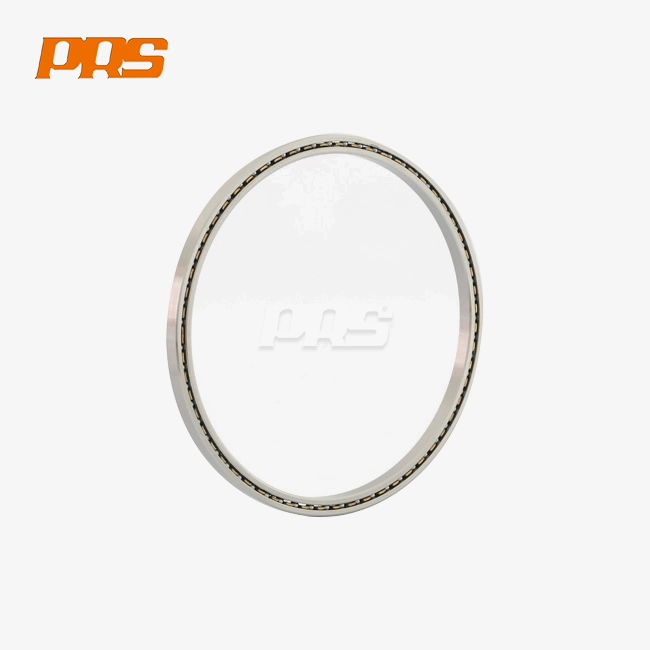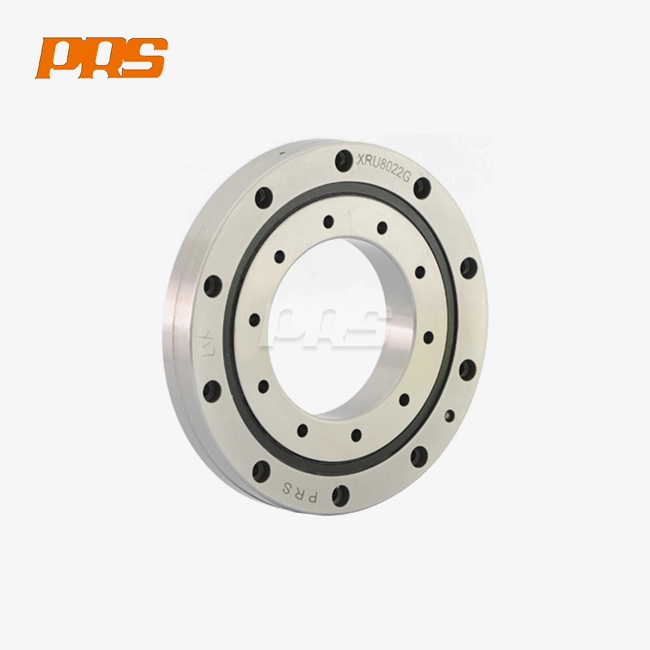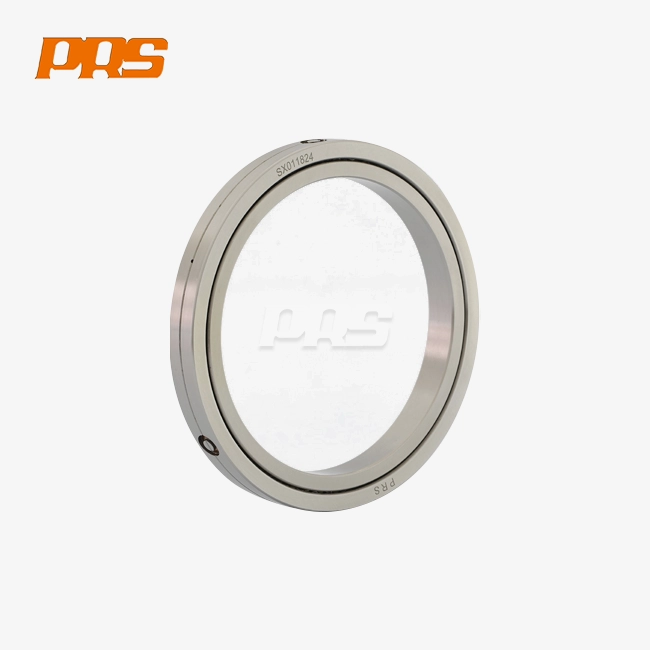

Why PRS Inner Tooth Bearings are the Top Choice for OEMs?
When your business success depends on how reliable your equipment is, you have to choose the right inner tooth bearing. OEM makers in robots, semiconductor equipment, aircraft systems, and medical devices use PRS inner tooth bearings because they are very accurate and last a long time. Our unique inner tooth design combines the benefits of easy fitting with the ability to handle loads in multiple directions. It solves important problems like controlling vibrations, keeping temperatures stable, and making sure the gears are in the right place. Since 2003, PRS has only worked on precise bearing technology. They have earned the trust of global OEMs that need consistent quality and measurable performance gains in the most difficult applications.
Understanding Inner Tooth Bearings and Their Industrial Applications
What Makes Internal Gear Bearings Unique
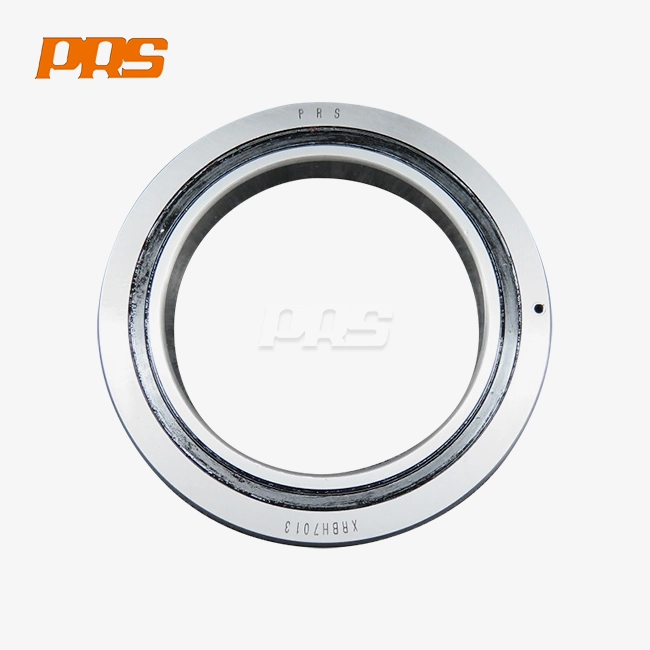
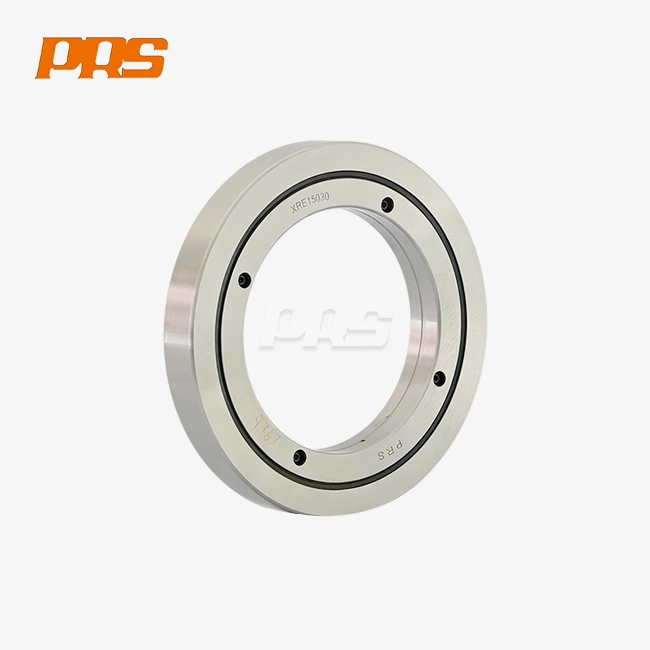
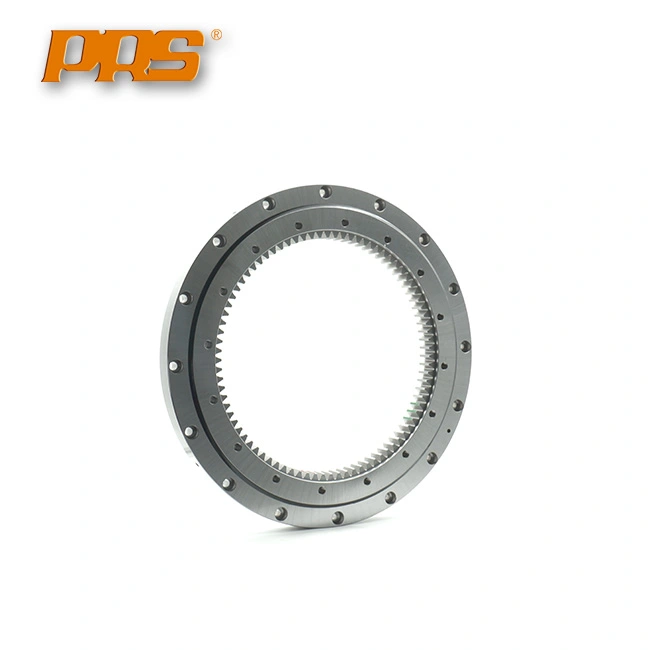
The combined design method that these inner tooth bearings use is what makes them unique. On the inside of the outer ring, there are precisely made gear teeth that make a safe gear link that fits with external pinion systems. This arrangement is very different from external gear setups, where teeth that are visible can get dirty from dust, debris, and water.
The shape of the bearing is made up of several important parts that work together. Precision-machined raceways spread the forces evenly across the rolling elements, which can be steel balls or cylinder-shaped rollers, based on the load. When gear teeth are placed internally within a sealed bearing, they naturally protect these important areas from outside contaminants that tend to speed up wear in other gear systems.
Load Handling Across Multiple Axes
The way these bearings handle complex force directions is appreciated by equipment makers. Axial loads that move perpendicular to the rotation axis work with radial forces that move perpendicular to the same axis. Moment loads cause tipping forces that make the structure less stable. In traditional bearing setups, these different types of loads are handled by separate parts. But with inner tooth bearings, all of this functionality is built into a single, small unit.
This ability to work on multiple axes is very important for robotic joints that have to deal with forces coming at them from different directions at the same time. When a six-axis industrial robot's arm moves around its area to do welding work, the loads on it are always changing. The bearing has to keep the positional accuracy within micrometers while taking these dynamic forces without deforming or wearing out too quickly.
Industry-Specific Applications
Equipment used to make semiconductors is used in one of the most difficult conditions. When it comes to wafer handling robots and laser systems, they need bearings that work well in cleanrooms and stay stable even when the temperature changes. Any particle formation from bearing wear lowers chip rates, so controlling contamination is very important.
CT machines, surgical robots, and other medical imaging tools need to be just as reliable, but they also need to be small. In a CT scanner, the gantry rotation system moves heavy X-ray equipment around the patient constantly for hours. This needs bearings that can run quietly and keep the exact circular routes. Position mistakes of a few hundredths of a millimeter or less hurt the quality of the picture and make it harder to diagnose.
In situations where failure is simply not acceptable, these bearings are used in aerospace control systems and radar platforms. The tracking device of a missile guidance system has to stay locked on targets even when there is vibration, sudden changes in temperature, and high-speed spinning that lasts for a long time. The bearing turns into a life-critical part whose dependability has a direct effect on the mission's success.
Why OEMs Prefer PRS Inner Tooth Bearings — Value Elaboration Approach
Engineering Excellence in Every Detail
Our design theory says that fixing real-world OEM problems is more important than just following the specs. Making noise is a problem in medical settings where patient happiness is important and in metrology tools where vibrations affect the accuracy of measurements. When compared to standard designs, PRS's engineering teams came up with their own raceway geometries that reduce harmonic frequencies and cut working noise by measurable decibels.
We do a lot of testing to make sure the things we choose are correct. Specialized heat treatment methods are used on high-grade bearing steel to make sure that the strength levels throughout the part are at their best. Advanced deposition methods are used to apply surface coatings that make things less likely to break down while keeping the low friction ratios that are needed for smooth spinning. These aren't just marketing claims; our quality control lab keeps track of the performance features of every batch of products, and buyers can get test data if they ask for it.
Proven Performance Through Rigorous Testing
Before an inner tooth bearing design goes into production, it goes through a lot of testing that mimics years of use. In accelerated life testing, samples are put under loads that are higher than their normal working conditions while signs of wear and tear are watched. Thermal cycling checks how stable function is over a range of temperatures. To check if a cover is working, contamination resistance testing adds measured amounts of particles.
These benefits were made very clear in a recent job with a big industrial automation manufacturer. Their robotic assembly line kept having bearing problems in rotary joint assemblies, which meant that production had to stop every couple of months. When they switched to PRS inner tooth bearings, the average time between failures went up by 340%, and the accuracy of setting went up by 15 micrometers at the same time. These changes directly led to lower costs for repair workers and better throughput because the robots worked more consistently.
Innovation Driven by Emerging OEM Needs
As manufacturing technology changes, it creates new needs for bearings. For safety reasons, collaborative robots that work with human operators need springs that react right away to changes in force. Motor systems for electric vehicles need bearings that work well at low and high speeds and can handle the heat from electrical parts that use a lot of power. Wind turbine pitch control systems and other renewable energy tools need bearings that work reliably even when they are exposed to high and low temperatures and pressure.
PRS keeps putting money into research and development to deal with these new uses. Our 35-person research team works with OEM customers during the equipment design process to make sure that the specs of the bearings perfectly match the needs of the system. This proactive method stops the expensive redesigns that happen when bearings are added as an extra instead of being built into the system from the start.
Comparing PRS Inner Tooth Bearings with Market Alternatives — Rational Choice Approach
Internal Versus External Gear Configurations
When engineers look at gear-integrated bearing options, they need to think about how the internal and external tooth arrangements work in real life. External gear bearings are easy to check because the teeth can be seen while the bearing is in use, but this also makes the bearing vulnerable. Contaminants stick to the outside of teeth, which speeds up wear and means they need to be cleaned more often in dirty places. Because lubrication can evaporate more easily from areas that are visible, maintenance needs to be done more often.
Through safe design, PRS inner tooth bearings change these properties. The gear contact is inside the sealed bearing box, which keeps dirt and other things from getting to sensitive areas. Seals keep oil inside the joint instead of letting it move away from the external teeth, which greatly improves lubrication retention. The bearing mounts without having to worry about covering the gear surfaces when they are being handled, which gives installers more options.
Performance Comparison with Alternative Bearing Types
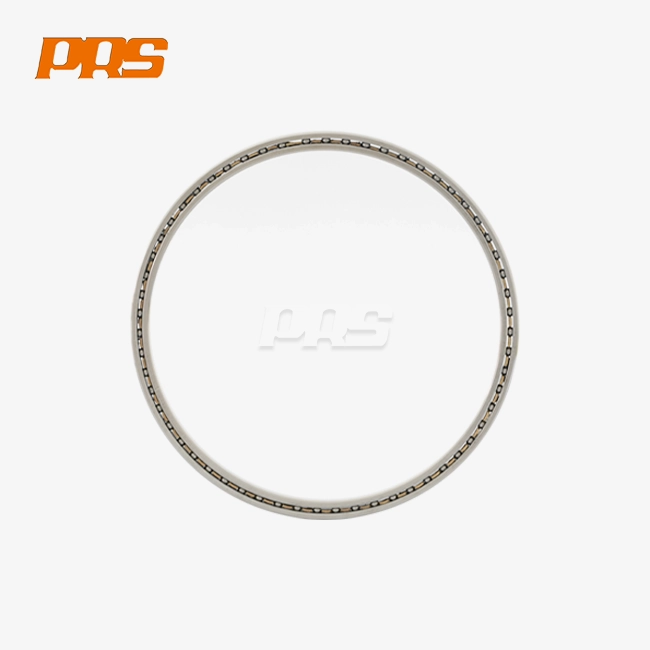
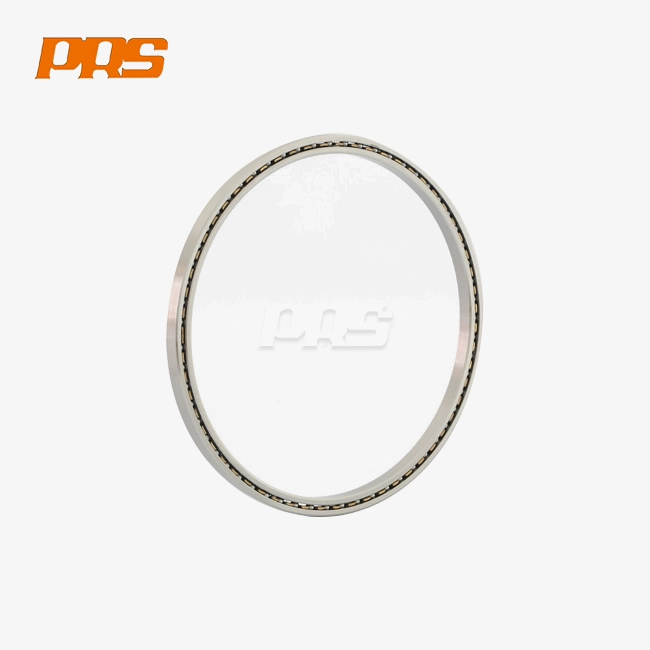
Although needle bearings have small cross-sections that make them good for uses with limited room, their low axial load capacity means that designers have to make trade-offs. While ball bearings are great at rotating at high speeds with little friction, they don't do well with big moment loads that inner tooth bearings do all the time. Different types of bearings are good for different tasks, but inner tooth setups are better than other designs when you need to combine rotational motion with multi-axis load support in a small space.
How PRS Stands Apart from Major Competitors
Cost factors include more than just the original buy amount. Needles may seem like a good deal at first, but in heavy-load situations, their shorter service life means more downtime and higher repair costs. When compared to easier bearing types, PRS bearings last longer between repair visits, which lowers the total cost of ownership even if the initial investment is higher. When making specification choices, procurement teams are becoming more aware of this lifecycle cost benefit.
There are well-known companies in the bearing market that have been around for decades and have good names. Companies like SKF, Timken, and NSK make good products and have networks that help them get them to customers all over the world. PRS can compete with these industry leaders because it has certain benefits that OEM buyers care about. Quality in manufacturing starts with controlling the process. Pass rates at our plant are higher than 99.9%, which means that almost every bearing that leaves our facility meets the standards set by the specifications.
The freedom to customize is another thing that sets it apart. Changes to specifications that mess up regular production runs are often resisted by big makers. PRS built its business on unique solutions, and engineers are still able to change designs to meet the needs of different OEMs. Our team answers with useful solutions instead of pushing you toward standard stock items that don't quite meet your needs. When equipment deadlines get squished and shipping dates get tight, responsiveness matters.
Procurement Insights: How to Buy PRS Inner Tooth Bearings Efficiently
Streamlined Ordering Options
Our process for buying inner tooth bearings was made to fit the way OEM buyers actually work. You can order online at prs-bearing.com and get access to product specs, detailed drawings, and quotes right away, 24 hours a day, seven days a week. Engineering teams can download CAD models in a number of different forms and then directly use them in their designs for assemblies. This saves time and prevents mistakes that can happen when entering dimensions by hand.
Flexible Volume Arrangements
A lot of people would rather work with a dealer they already know and trust. PRS has relationships with industrial sources all over North America and the world. This makes sure that local inventory is always available and that buying is easy. These distributors keep popular configurations in stock so they can ship right away, and they also have direct lines to our plant in case of unique needs. Production amounts are very different for each OEM application. For testing, prototype development needs small amounts, while full production runs need large amounts.
Delivery Reliability and Warranty Protection
PRS can handle both situations because it has flexible minimum order amounts that don't force you to buy too much inventory during the development stages. Volume discount arrangements reward customers who make bigger promises without punishing customers who only need to meet small needs. During the whole development process, custom engineering projects get specialized help. We know that the requirements for bearings change over time as machine designs get better. Our team works together on design changes, making prototypes for testing to make sure they work.
Transparency in lead times gets rid of the doubt that makes planning output harder. Standard versions are shipped within set deadlines that our transportation team always meets. Custom orders have clear production plans with reports at key points that let you know how the production is going. Expertise in international shipping makes sure that the right paperwork and transportation plans are made so that customs delays don't happen. Our faith in the quality of the product shows in the warranty coverage. Full protection against production flaws gives you options in the rare event that problems arise.
Maintenance and Longevity: Maximizing Your Investment in PRS Inner Tooth Bearings
Recognizing Early Warning Signs
Less often than not, inner tooth bearings fail without warning. If equipment managers and repair workers know what the warning signs are, they can step in before major problems happen. The most common early sign is noise that doesn't make sense. A normal bearing makes a low-level sound that doesn't change, but new problems make sounds that aren't the same. When you hear grinding sounds, it means that the rolling elements and raceways are dirty. If you hear clicking or popping sounds, it means that the bearing rings are starting to crack. Squealing is often a sign of not enough grease.
Maintenance Best Practices
As bearing state gets worse, vibration traits also change. Precision instruments can pick up on small changes long before people can, but even simple pocket vibration meters can give useful information about trends. By taking baseline readings during commissioning, you can use them as a guide during regular checks. Keeping an eye on the temperature shows that friction problems are getting worse. During operation, bearing temperatures usually stay within ranges that can be predicted. Over time, a rise in temperature can mean that the oil is losing its effectiveness or that new wear patterns are appearing.
When done right, lubrication control greatly increases the life of bearings. PRS gives exact information about the types of lubricants that should be used, how much should be used, and how often they should be applied for each type of bearing. If you follow these rules, you won't have to worry about either not lubricating enough or too much. The conditions of operation and the level of importance should match the inspection schedules. Bearings that work in clean settings or under heavy shock loads need to be checked more often than bearings that work in controlled conditions.
Predictive Maintenance Capabilities
A lot of people don't understand how important handling processes are. Bearing rings made to micron standards are easily broken by impacts or using the wrong tools for fitting. Do not hit bearing parts directly with tools. Use the right fastening gear that spreads the force out evenly. Keep bearings in protected packaging until they are time to install them to keep them from rusting or getting dirty. Instead of fixing problems after they happen, modern maintenance methods focus on predicting breakdowns before they happen.
PRS backs up these methods by giving you information on load capacity and figuring out how long something should last based on how it is used. These estimates are based on well-known bearing life theory and real-world experience factors from related uses. Maintenance teams can set up condition tracking tools with the help of detailed technical documentation. It is easier to do vibration analysis, acoustic emission tests, and thermal imaging when you know what the standard performance traits are. Our tech team is still available to help you understand tracking data and suggest actions to take when trends point to problems getting worse.
Conclusion
It takes more than comparing measurement charts and catalog specs to find bearing parts that really meet the needs of your OEM equipment. The bearing you select directly impacts equipment reliability, upkeep costs, and eventually customer happiness with your machinery. PRS inner tooth bearings meet the complex needs of precise uses in robotics, medical devices, aerospace systems, and optical equipment. They do this through proven engineering, strict quality control, and committed customer support. Our dedication to manufacturing excellence, backed by ISO certifications and written quality measures, guarantees steady performance that procurement teams can trust. We want you to see how real technical knowledge and service that focuses on the customer can make a difference in your supply chain relationships.
FAQ
What specific advantages do PRS bearings offer compared to established competitors?
OEM customers like PRS because it offers three main benefits: consistent manufacturing with pass rates above 99.9%, the ability to customize products to meet non-standard requirements without long lead times, and quick technical support from engineers who understand application needs rather than just reading catalog specifications.
How do I determine the right internal gear bearing for my specific application?
To make a choice, you need to look at your load conditions across all directions, as well as environmental factors like temperature ranges and contamination exposure, as well as your available room. Tell our engineering team about your application, and we'll suggest the right setups for your inner tooth bearing based on how well they've worked in similar equipment in the past, not on general selection rules.
What delivery timelines should we expect for volume orders?
For orders of less than 100 units, standard setups usually ship within two to three weeks. Depending on how complicated they are, custom requirements take 4 to 6 weeks. We give clear production plans when we quote, and we stay in touch with you during production to avoid schedule shocks.
Partner with a Leading Inner Tooth Bearing Manufacturer
OEM buying managers and engineering teams should only work with providers who add real technical value and don't just fill orders. PRS blends its skills in precision manufacturing with application engineering to help your equipment meet its performance goals. Our inner tooth bearing solutions can be quoted right away and come with full technical details. One type that stands out has an inner diameter of 325mm and an outer diameter of 484mm, making it perfect for heavy-duty rotary uses. You can email our technical team at ljh@lyprs.com to talk about your unique needs and see how a dedicated supplier works with customers in a different way. You can get full product datasheets by downloading them, asking for suggestions based on your individual application, or setting up consultations that help you match bearing specs with your operational goals.
References
Harris, T.A., and Kotzalas, M.N. "Advanced Concepts of Bearing Technology: Rolling Bearing Analysis, Fifth Edition." CRC Press, Taylor & Francis Group, 2006.
ISO 281:2007. "Rolling Bearings — Dynamic Load Ratings and Rating Life." International Organization for Standardization, Geneva, Switzerland.
Bhushan, B. "Principles and Applications of Tribology, Second Edition." John Wiley & Sons, New York, 2013.
Weck, M., and Brecher, C. "Werkzeugmaschinen Fertigungssysteme: Messtechnische Untersuchung und Beurteilung, Dynamische Stabilität." Springer-Verlag, Berlin, 2006.
Lynwander, P. "Gear Drive Systems: Design and Application." Marcel Dekker, Inc., New York, 1983.
Shigley, J.E., and Mischke, C.R. "Standard Handbook of Machine Design, Third Edition." McGraw-Hill Professional, New York, 2004.

USER EVALUATE
Here is the customer's evaluation of us