
Heavy-Duty Slewing Bearings in Tunnel Boring Machine (TBM)
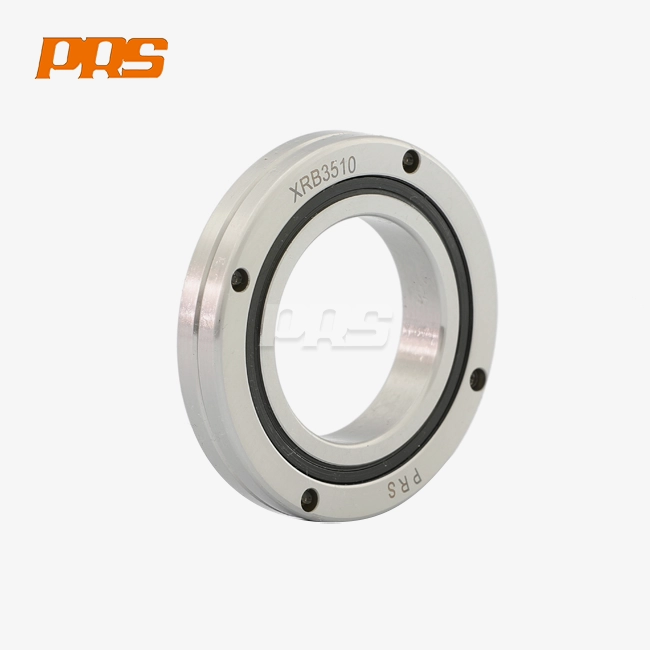
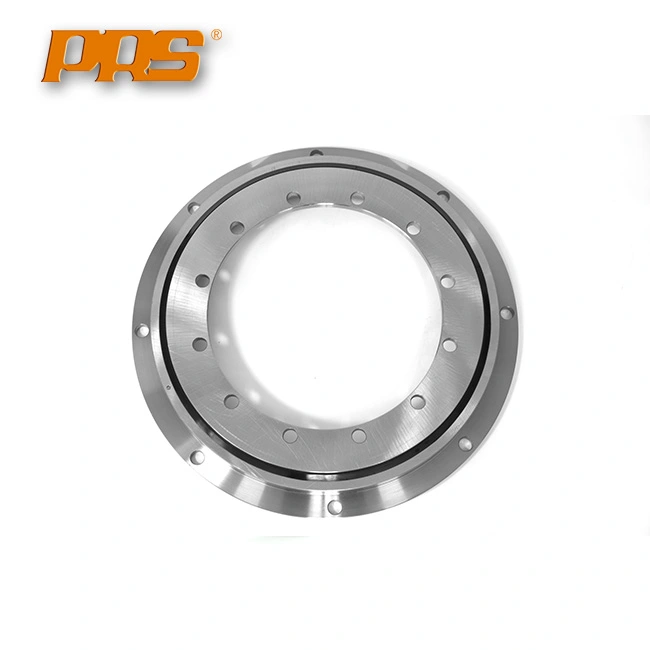
When tunnel boring machines cut through rock and dirt to make tunnels, the huge cutter head turn needs a part that can handle huge forces coming from many directions. As the key rotational contact, a heavy-duty slewing bearing handles axial, radial, and moment loads while allowing the cutter head to move smoothly even when operating under high pressures. This special turntable bearing combines mounting holes, sealing systems, and optional gear teeth into a small package. This gets rid of the need for complicated shaft setups and reduces the overall machine size while still keeping the structure strong during tough tunneling operations.
Understanding Heavy-Duty Slewing Bearings in TBMs
The Core Function in Tunneling Operations
Tunnel boring tools have their own problems that set them apart from building equipment used on the ground. The main bearing has to handle loads that are always changing as the cutter head cuts through rock types ranging from soft clay to hard basalt. The heavy-duty slewing bearing at the contact with the cutter head supports the weight of the cutting tools, takes the pressure of broken rock, and stops tilting moments that happen during steering.
The idea behind making this part is to spread the load across many touch places. Traditional bearings only use one load path. Heavy-duty slewing bearings, on the other hand, use three-dimensional load paths that work together to keep the system stable.
Structural Configuration for Extreme Environments
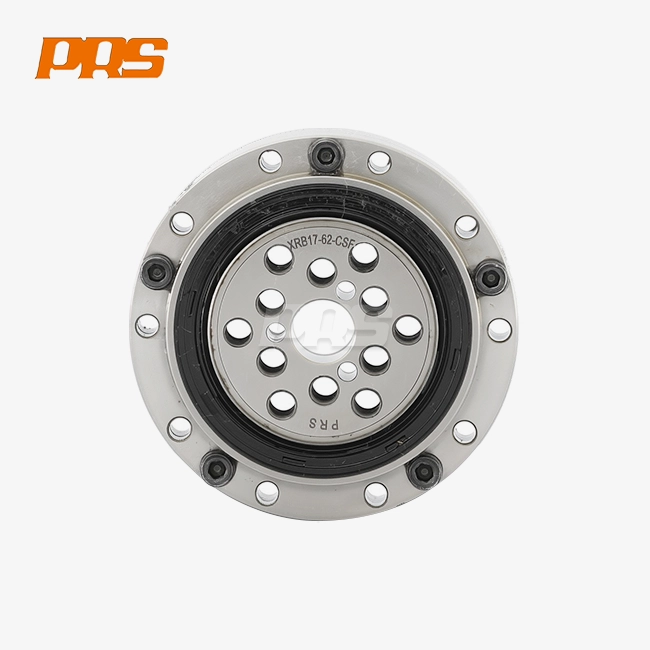
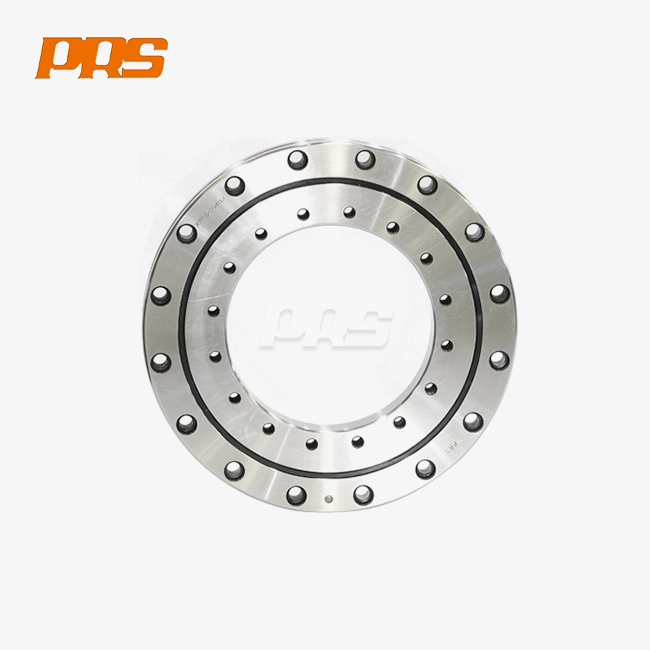
The bearing system is made up of inner and outer rings that were precisely machined and have attachment areas built in. The load-bearing contact is made up of carefully placed rolling parts that fit between these hardened steel rings. The configuration changes depending on the needs of the program. Each design has its own performance traits that work best in certain tunneling situations.
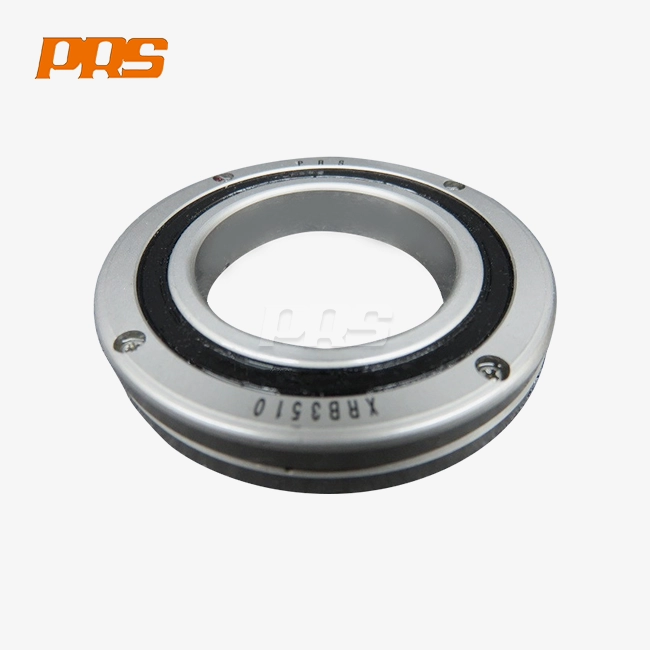
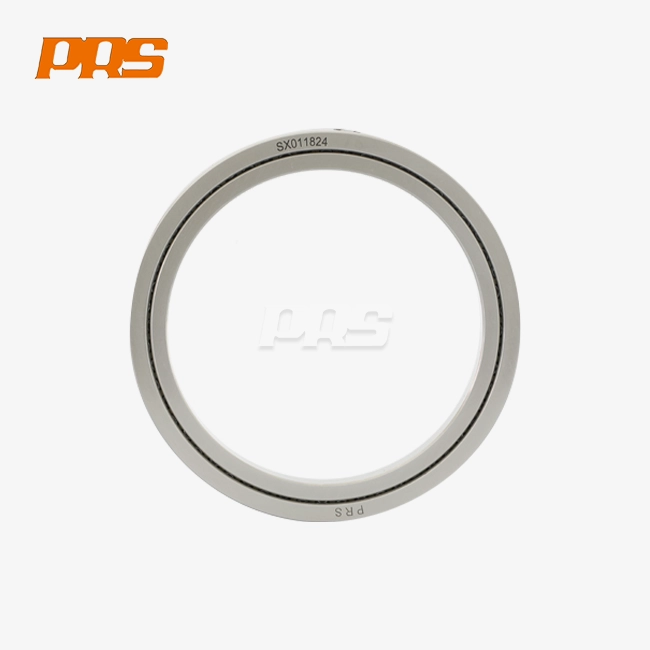
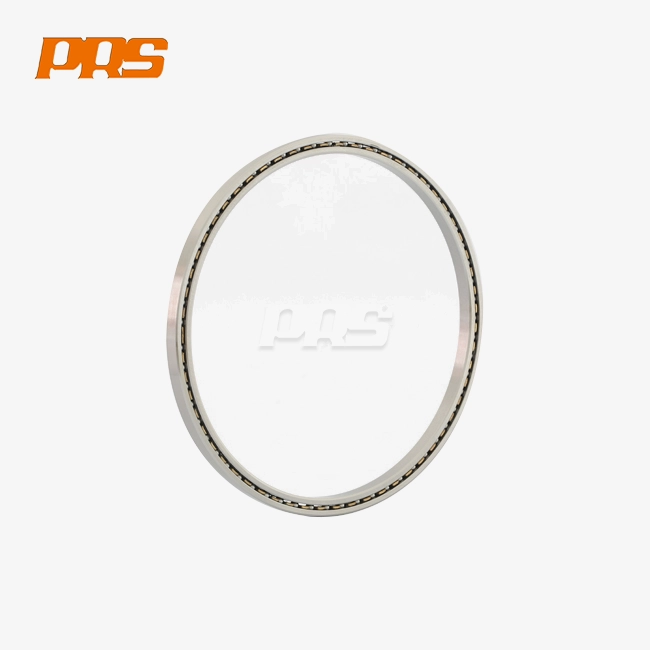
Cross-roller designs put circular rollers across from each other, making the bearing height small while increasing its load capacity. This setup works especially well in small areas where the TBM's width limits the size of the bearing envelope. You can get ball bearing setups with either one or two rows. They make spinning smoother when the load is modest, and they can handle higher rotational speeds when needed.
The tough underground climate doesn't affect the internal parts because of advanced sealing systems. Multiple seal steps use rubber lip seals and labyrinth grooves to keep out abrasive tunnel muck, groundwater seepage, and drilling mud exposure. These walls keep special greases that are made for high-pressure, low-speed situations that are common in TBM operations.
Load Capacity Requirements for Reliable Operation
To find the right load rates, you need to look at all of the operating forces. The static load capacity must be able to hold the full weight of the cutter head assembly, thrust jacks, and digging tools when the machine is not in use or when it is being shut down for repair. Dynamic load rates take into account stresses caused by spinning, cyclic loading from tool contact, and shock loads that happen when cutting tools hit very hard rock formations.
During TBM steering activities, moment load capability is very important. As hydraulic cylinders move the cutter head to keep the tube straight, big overturning moments happen at the main bearing contact. Not enough moment resistance causes uneven load distribution, faster raceway wear, and the possibility of catastrophic failure in underground settings where repair is hard to do and costs a lot.
Advantages and Maintenance of Heavy-Duty Slewing Bearings in TBMs
Performance Benefits in Underground Construction
Putting the tasks of mounting, rotating, and supporting loads into a single assembly makes TBM construction and operation much easier. This consolidation shortens the overall length of the machine, which lets equipment be put into pilot tubes with smaller diameters and makes it easier to move around during the assembly and teardown stages.
When you use space efficiently, you reduce the weight of the whole machine. The amount of structural steel needed for the support framework goes down when different bearing housings and complicated shaft systems are taken out. Less weight means less money spent on transporting machines and their use in projects where the ground conditions don't allow for heavy loads.
Precision in rotation has a direct effect on the quality of the tube. The controlled, smooth spinning of the cutter head in a heavy-duty slewing bearing makes sure that the tool engages evenly with the face of the excavation. This results in consistent tunnel shapes that lessen overbreak and lower the need for concrete lining. This accuracy is especially useful for urban digging projects, where keeping tolerances small keeps nearby buildings from being damaged by settling.
The strong building can handle the shock loads that are common in mixed-face rock. The bearing system is put under a lot of stress when the cutter head moves from soft dirt to rock layers. These impact forces are spread out over many contact points with multi-row rolling element setups. This stops localized stress buildup, which would quickly break down single-point bearing systems.
Recognizing Wear Indicators and Maintenance Strategies
To do good bearing repair, you must first understand how they normally work. During startup, workers take initial readings of the temperature profiles, rotation force, and vibration levels. Any changes from these baselines let you know about problems early on, before they become too big to fix.
Strange noise patterns are often a sign that bearing discomfort is starting to happen. Grinding sounds mean that there are sharp bits between the rolling elements and the raceways. If you hear clicking or popping sounds, it means that the moving elements or track surfaces are broken. Taking care of these signs right away through inspection and oil stops the problem from getting worse and leading to total bearing failure.
Managing lubrication is the most important upkeep task for extending service life. How often grease needs to be replaced depends on how hard the bearings are used, the surroundings, and their design. When tunnel projects are done in layers that hold water, they need to be oiled more often to make up for seal leaks and grease washout. Monitoring the state of the grease by taking samples and analyzing them shows when contaminants are getting in and the lubrication is breaking down before it speeds up wear.
During planned maintenance shutdowns, regular checks should include measuring backlash, checking the torque of the mounting bolts, and checking the state of the seals. More rotating pushback means that wear is getting worse, which needs a more in-depth look. Fretting rust happens where the bearing meets the structure because of loose mounting nuts. This damages the mounting surfaces permanently in the long run. Damaged seals make it harder to keep out contaminants, so they need to be replaced right away to stop wear from speeding up.
How to Choose the Right Heavy-Duty Slewing Bearing for Your TBM
Load Analysis and Bearing Type Selection
To choose the right bearing, you must first do thorough load calculations that cover all possible operating situations. Peak loads during full-face rock cutting are very different from thrust forces used during breaks in section erection. When you steer, you create uneven loads that have to be absorbed within the bearing capacity limits.
The estimated load spectrum shows which bearing setup gives the right amount of capacity and safety. Single-row ball bearings work well with TBMs that have a smaller diameter and work in good terrain with modest load needs. Double-row ball designs make it possible for mid-sized machines to handle mixed ground conditions with more capacity. When large-diameter TBMs dig through hard rock shafts where high forces build up, triple-row roller bearings handle the most weight.
Cross-roller types are especially useful when there isn't enough axial room to allow for a high heavy-duty slewing bearing. Through improved contact geometry and rolling element orientation, these small units can handle loads that are similar to those of higher multi-row designs. This arrangement is especially useful for refurbishment jobs where the size of the bearings is limited by the current machine envelope.
Material Quality and Manufacturing Standards
Quality of the bearing steel has a direct effect on how long it lasts and how reliable it is. When compared to regular types, vacuum-degassed alloy steels are cleaner and more uniform. This material's purity lowers the number of flaws that can cause wear cracks. This makes it last longer when loaded and unloaded many times.
Heat treatment methods make the tough core structures and hardened raceways that are needed for combined load resistance. When you use induction hardening, you get exact hardness patterns that make the best use of contact stress distribution while keeping the core's ductile qualities that let it absorb shock loads. When you carburize and cool metal, you make the case deeper, which makes it more resistant to wear over long tunnel projects.
Certifications of quality show that the manufacturing process is controlled and that materials can be tracked. ISO 9001 certification shows that quality management is done in a planned way, and ISO 14001 certification makes sure that environmental rules are followed during production. These certifications give buyers faith that suppliers will stick to regular manufacturing standards and make parts that work well.
Customization Options for Specific Applications
Because each job is different, standard catalog bearings don't always work best for TBM uses. Custom engineering can handle non-standard diameters that fit with current machine designs, unique gear setups that work with certain drive systems, and changed seal arrangements that work with specific geological conditions.
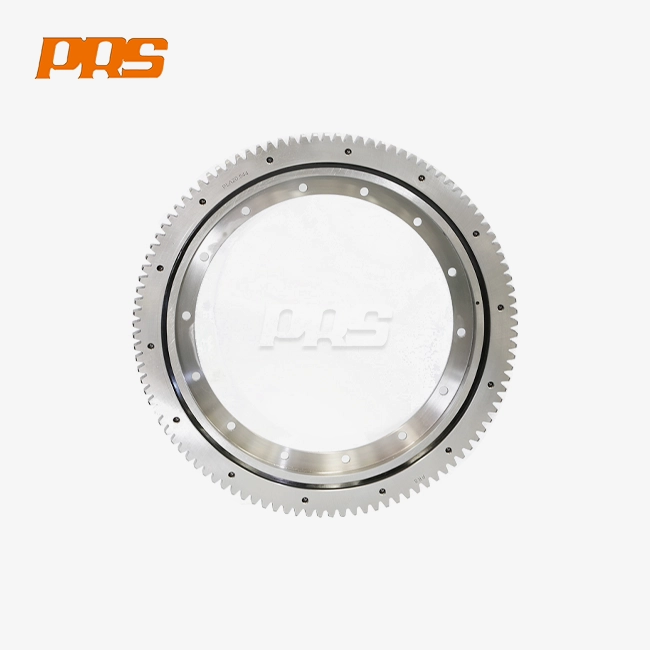
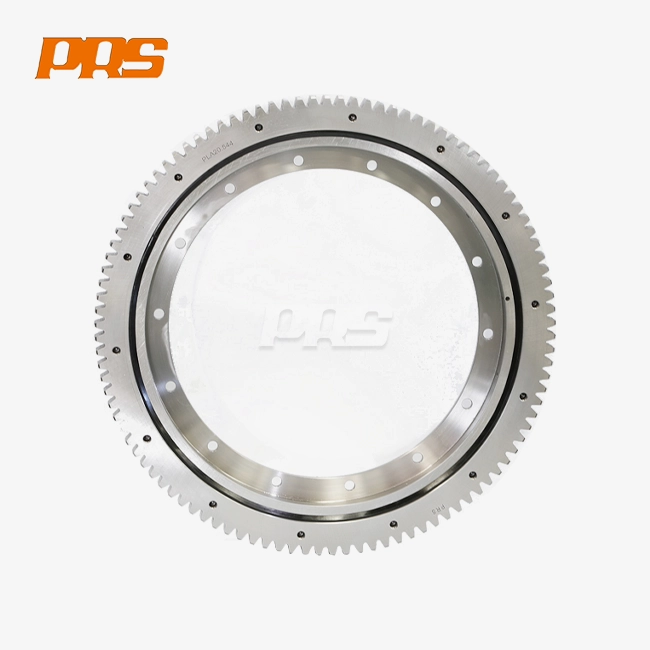
When you machine internal gear teeth straight onto the inner ring, you get safe drive systems where the pinion works inside the bearing envelope. External gear setups put the drive pinion outside the width of the bearing, which makes it easier to do upkeep. Which of these configurations to use relies on the available room, where the drive motors are located, and how easy they are to repair.
Mounting hole shapes need to be perfectly matched to the edges of TBM structures. Custom bolt circle widths, hole counts, and bolt sizes make sure that the fitting goes smoothly. When fastening designs don't match, changes have to be made in the field, which weakens the structure and makes assembly more difficult.
Installation and Procurement Best Practices for TBM Slewing Bearings
Pre-Installation Verification and Preparation
The right way to place a bearing starts long before it gets to the tunnel site. Preparing the mounting area makes sure it is flat and clean enough to meet the manufacturer's requirements. Surface flaws cause uneven loading patterns that speed up wear and shorten the life of the equipment. By milling mounting flanges to certain flatness limits, usually within a few hundredths of a millimeter, the whole mounting surface is brought into uniform contact.
When bearings are delivered, they are inspected to find any damage from shipping before they are installed. A visual inspection checks for harm to the coating, the integrity of the seal, and the safety of the protection cap. Rotation testing shows that the movement is smooth and there is no binding or other strange resistance. Checking the dimensions makes sure that the bore diameter, outer diameter, and mounting hole shapes are all the same as they are on the engineering plans.
The way bearing surfaces are stored protects them until they are installed. Climate-controlled storage inside keeps mist from forming, which leads to surface rusting. Keeping the protection coats that were applied at the plant in place and the preservation caps on stops contamination from getting in during storage.
Mounting Procedures and Alignment Techniques
Special tools and methods are needed to lift and place large-diameter heavy-duty slewing bearings. Spread out around the bearing's diameter are soft bands that keep it from deforming when it's being lifted. Keeping the carriage level during the lift keeps the rolling elements from moving, which could damage the raceways or cages.
To get two parts to fit together correctly, you need to use accurate measuring tools. Laser alignment devices make sure that the bearing and drive shaft directions are parallel to each other. As the bolts are tightened one at a time, dial markers check that the fastening surfaces are parallel. These careful steps for alignment make sure that the load is spread out evenly and that the spinning goes smoothly for the whole service life.
When installing mounting bolts, certain torque patterns are used to slowly and evenly press down on seals or shims that are between the bearing and the structure. The bearing rings don't get bent when you start with the first bolt and work in a star pattern around the bolt circle. Using calibrated torque tools and writing down the final torque values for each bolt position helps with upkeep in the future.
B2B Procurement Considerations for TBM Projects
Choices about where to get things affect project timelines, how well they stick to budgets, and the long-term success of operations. Direct links with manufacturers give you access to engineering help, the ability to make changes, and technical documentation that makes it easier to choose the right bearings and install them correctly. With distributor outlets, you can get more products and maybe even get them faster for regular configurations.
When planning a job, lead time is very important to think about. Custom-engineered bearings can take anywhere from a few weeks to several months to make, depending on how complicated they are and how big the width is. Planning purchases well ahead of when they need to be delivered keeps schedules from getting thrown off, which can keep expensive digging equipment from being used and cause the project to take longer to finish.
The review of a supplier should include more than just the original pricing of parts. A full cost analysis looks at things like the quality of expert help, the completeness of the paperwork, the terms of the guarantee, and the availability of replacement parts. Application engineering help from suppliers is valuable because it helps optimize bearing specs for specific tunneling situations. This could lower total project costs by making better component choices.
PRS has shown that it knows how to help with big building projects by providing complete bearing solutions. Our engineering team works together with TBM makers and tunneling companies to come up with the best bearing configurations for each project while also meeting tight deadlines and spending limits.
Conclusion
Choosing and keeping the right heavy-duty slewing bearings is a key part of making sure that the tunnel boring machine works well and the project stays within budget. When you know about the complicated load needs, environmental issues, and operational needs of underground building, you can make smart specification choices that balance the initial investment with the long-term needs for stability and maintenance. More automation and longer service gaps are coming to tunneling technology. To improve performance for next-generation infrastructure projects, bearing systems with condition tracking, new materials, and optimized designs will be needed.
FAQ
What inspection intervals should be followed for TBM slewing bearings?
How often you inspect relies on how busy your operations are and what the surroundings is like. Visual checks once a week and thorough exams once a month are enough to keep an eye on active digging in abrasive or water-bearing geology. When things are going well, projects may be able to go from once a month to once every three months for full reviews and eye checks. State of the seals, tightness of the mounting bolts, state of the grease, and smoothness of the spinning are all important factors for TBM heavy-duty slewing bearings.
How do cross-roller bearings differ from ball bearing designs in TBM applications?
Cross-roller designs put circular rollers at right angles to each other. This makes them able to hold more weight while taking up less space than ball bearings. This form works great in tight spaces where maximum load handling is needed. When compared to roller designs, ball bearings allow for smoother spinning, faster speeds, and better tolerance for small misalignments. The choice is based on the load needs, the available room, and the way the system works.
Can manufacturers provide custom bearing designs for specialized TBM configurations?
Reliable makers often make special bearing solutions that meet the needs of each machine. Customization includes sizes that aren't standard, unique gear setups, changed mounting patterns, and sealing arrangements that are made for a particular purpose. This technical help is very important for choosing the best bearings within the limits of the project and the operating conditions.
Partner With PRS for Your TBM Bearing Solutions
We have been making precision bearings for 20 years and have helped difficult uses, like tunnel boring tools, all over the world. Advanced machining centers in our 15,000-square-meter production plant make custom heavy-duty slewing bearing setups with precision grades up to P5 standards and diameters of up to 5,000 mm. As a well-known supplier dedicated to engineering quality, we offer full expert help from the creation of the initial specifications through production, shipping, and ongoing operational support. Our engineering team works directly with your expert staff to make sure that the bearings you choose are the best ones for the geological conditions, load profiles, and upkeep needs of your mining projects. Email our experts at ljh@lyprs.com to talk about your TBM bearing needs and get full technical advice to help you make decisions about what to buy.
References
Chapman, D.N., Metje, N., and Stärk, A. (2017). Introduction to Tunnel Construction, 2nd Edition. London: CRC Press.
Herrenknecht, M. and Bäppler, K. (2016). "Mechanized Tunneling in Challenging Ground Conditions," Tunneling and Underground Space Technology, 57(3), pp. 238-251.
Maidl, B., Herrenknecht, M., Maidl, U., and Wehrmeyer, G. (2013). Mechanised Shield Tunnelling, 2nd Edition. Berlin: Ernst & Sohn.
Rostami, J. (2016). "Performance Prediction of Hard Rock Tunnel Boring Machines (TBMs) in Difficult Ground," Tunneling and Underground Space Technology, 57, pp. 173-182.
Schneider, E. and Thuro, K. (2019). "Design Fundamentals and Technical Challenges for Large Diameter Tunnel Boring Machines," Geomechanics and Tunnelling, 12(4), pp. 347-359.
Zhang, Q., Qu, C., Kang, Y., and Wang, J. (2018). "Identification and Optimization of Energy Consumption in TBM Tunneling," Automation in Construction, 95, pp. 180-192.

USER EVALUATE
Here is the customer's evaluation of us