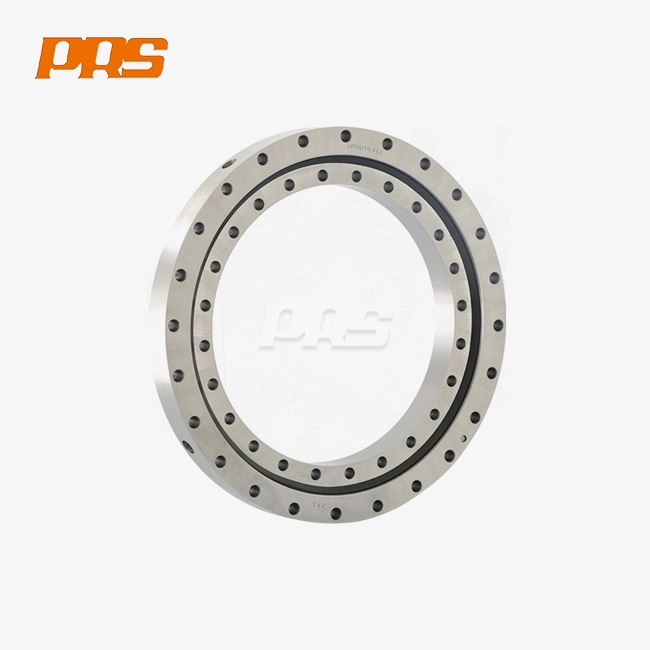

Mini Lathe Bearings for Precision Clockmaking & Prototyping
When precision clockmakers and prototype manufacturers face tight deadlines and demanding tolerances, the performance of their equipment becomes paramount. At the heart of every mini lathe sits a component that often goes unnoticed yet determines whether your finished piece achieves micron-level accuracy or falls short—the mini lathe bearing. These specialized bearings enable the rotational motion that transforms raw materials into intricate clock gears, delicate prototypes, and precision components. Understanding how these bearings function, how to maintain them, and how to select the right specification can mean the difference between consistent production quality and costly operational failures.
Understanding Mini Lathe Bearings and Their Role in Precision Clockmaking
The Fundamental Operation of Spindle Bearings
In a mini lathe, the mini lathe bearings connect the spindle shaft to the headstock case and allow the machine to stay precisely aligned while cutting. Unlike most industrial bearings, these parts have better contact shape and smaller runout tolerances, which have a direct effect on the surface finish and accuracy of the dimensions of made parts. The bearing system has to deal with radial forces from cutting and axial loads from mounting the workpiece at the same time. In precision uses, it has to be able to spin at speeds of more than 8,000 RPM.
Depending on the needs of the product, the internal structure usually has either deep groove or angular contact ball bearings. Precision-ground steel rings keep the surface roughness below Ra 0.1 μm, and high-grade bearing steel balls (GCr15 or a similar) make sure that the load is evenly spread across the track. This engineering method reduces the transfer of vibrations, which is very important when working on delicate clock parts where even small oscillations can ruin the finished product.
Types of Bearings for Miniature Applications
Steel bearings are still the standard for most clockmaking and experimental tasks because they are reliable and can handle a lot of weight. These parts are very hard in all directions and don't change much in temperature between 80°C and 120°C, which is usually the temperature range for small lathes. The makeup of the material makes it strong enough to last for the 5,000 to 10,000 hours of use that is typical in a skilled workshop.
Ceramic hybrid bearings are becoming more popular in specific uses that need longer upkeep periods or work in dirty settings. Ceramic elements lower friction and improve high-speed performance, but procurement professionals should look at the unique needs of the production to see if the practical benefits are worth the investment.
Sealed Versus Open Configurations
Choosing between sealed and open bearings changes how often they need to be serviced and how well they fight contamination. In normal machine settings, contact-sealed or shielded designs keep metal chips and coolant from getting in, which extends service life. These systems keep the lubrication working better for longer, which means less upkeep is needed, which is an important thing to think about when figuring out the total cost of ownership.
Open bearings are better in situations where they need to be inspected often or oiled in a certain way. They make it easier to clean and re-grease, which makes them good for prototype shops where tools may be used for more than one thing. When choosing between setups, you should think about how you run your business and how well you can maintain it.
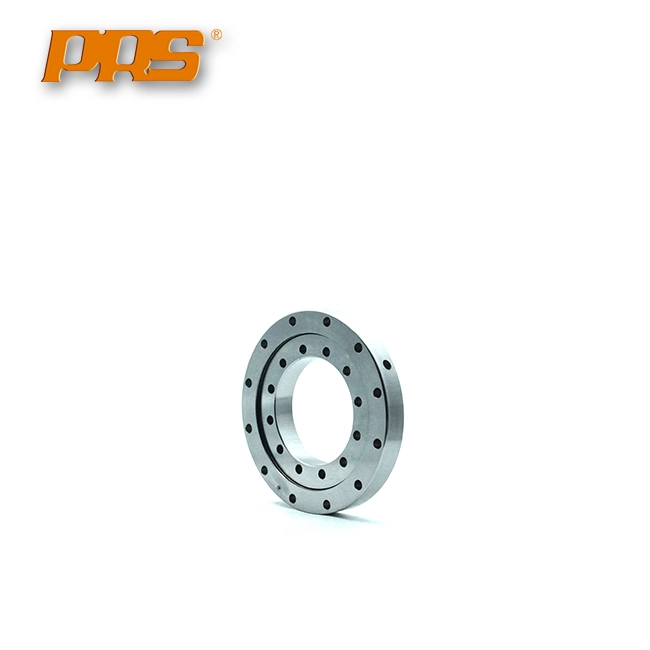
Identifying and Troubleshooting Common Problems with Mini Lathe Bearings
Recognizing Symptoms of Bearing Degradation
Bearing performance loss shows up in a number of visible ways that the buying and engineering teams should keep an eye on. Strange noise patterns, like popping, grinding, or high-frequency whining, could mean that the ball is damaged or the lube is breaking down. When working temperatures are higher than usual, it means there is too much friction because of dirt or a problem with the alignment. Vibration increases during spindle movement often happen before more major fails, giving you time to act quickly.
For clockmaking uses, precision loss is the most important sign. When made parts have differences in size that are outside of the tolerances specified, mini lathe bearings wear is often to blame. By keeping an eye on these signs, maintenance teams can plan to change bearings before they fail in a way that stops production.
Root Cause Analysis for Bearing Failures
It is still most often contamination that leads to early bearing failure in machine shops. Metal chips, liquid residue, and rough dust get into bearing systems when they aren't sealed properly or when they aren't maintained properly. These particles cause three-body friction between the raceways and balls, which speeds up wear patterns that make the machine less accurate.
Failure to lubricate can be caused by not enough grease, lube qualities that have been lost, or choosing the wrong specifications. Bearings that don't have enough grease on them have metal-to-metal contact, which causes too much heat and fast surface wear. If there is misalignment during installation, the load is not spread evenly across the ball set. This causes stress to build up in certain areas, which shortens the operating life. When cutting forces, speed ratings, or temperature changes are higher than what was planned, they cause mechanical overload that speeds up the failure processes of fatigue.
Maintenance Protocols for Extended Service Life
Many common bearing issues can be avoided by setting up systematic repair schedules. During regular inspections, the temperature should be checked with an infrared thermometer, vibrations should be analyzed with handheld tools, and the area should be looked at visually for signs of grease leaks or contamination. Cleaning methods need to find a balance between being thorough and protecting parts. For example, harsh cleaners can damage seals, and not cleaning them well enough can leave harmful bits behind.
When to re-oil depends on how the bearings are used and how they were designed. Sealed bearings usually don't need any care until they are replaced. Open types, on the other hand, should have their grease refilled on a regular basis, as directed by the maker. By keeping track of maintenance tasks, you can use history to help with planning future maintenance and make smarter choices about what to buy in the future.
How to Choose the Best Mini Lathe Bearings for Precision Clockmaking & Prototyping
Evaluating Technical Specifications
For clockmaking purposes, precision grade is the most important standard. Bearings made to P6 standards are good for basic grinding tasks, while P5 and P4 grades give you the accuracy and runout control you need to make clock parts with tolerances of just a few microns. The cost of making something is directly related to the precision grade, so procurement workers should make sure that the mini lathe bearings specifications they use fit the needs of the application, rather than making them too specific.
To figure out the load capacity, you need to take into account both the cutting forces and the safety gaps. Dynamic load ratings show how well the bearing can handle loads that spin over the course of its useful life. Static load ratings, on the other hand, show how well the bearing can handle loads that stay still while the wheel is under load. Speed ratings tell you the fastest spinning speed that is safe. Going faster than these limits causes too much heat and speeds up bearing wear.
Comparing Leading Bearing Manufacturers
Bearing makers around the world have come up with unique solutions that solve problems in certain applications. Some brands focus on ceramic mix designs that can work at high speeds, while others are more interested in advanced seal shapes that can work in dirty areas. When procurement teams know about these differences in technology, they can choose suppliers whose technical goals match their business needs.
The consistency of manufacturing quality changes a lot between providers. Bearings with the same spec sheets may have different service lives depending on how well the materials are controlled, how precisely they are heated, and how they are ground. Established makers with thorough testing methods offer more consistent performance, lowering the chance of early failure that delays production plans.
Supplier Capabilities and Procurement Considerations
In addition to product specs, a supplier's expert help, warranty terms, and transportation flexibility should all be looked at. Manufacturers that offer application engineering help procurement teams make difficult selection decisions, which could help them avoid costly design mistakes. Warranty coverage shows that the company that made the product is confident in its quality and protects you financially against broken parts.
Lead times for deliveries have a big effect on planning production, especially for custom bearing designs. When suppliers keep a lot of inventory on hand, they can quickly repair parts that break down for no reason, which cuts down on machine downtime. Custom engineering is important when normal catalog goods can't meet the specific needs of an application. This happens a lot with specialized clockmaking tools.
Enhancing Mini Lathe Bearing Performance for Superior Prototyping Results
Advanced Materials and Surface Treatments
Modern mini lathe bearings are made with surface coats that cut down on friction and make them last longer than older designs. These treatments make the surfaces of the raceways harder and better able to fight wear than normal heat treatment alone. Some companies use special cage materials that stay the same size over a bigger range of temperatures. This helps keep the quality even after many rounds of machining.
Material improvements include more than just bearing parts. They also include lubricants that are specially made for certain situations of use. High-performance greases keep their thickness even when the temperature changes a lot. They also don't let rust or contamination happen. Choosing lubricants made for precision bearings improves efficiency and increases the time between relubrication cycles.
Precision Installation Techniques
The quality of the installation directly affects how well the bearings work as designed. Tolerance ranges for shaft and housing fits must be met, usually h6 for moving inner rings and H7 for stationary outer rings. If these specs aren't followed, there may be too much pressure or not enough support, which shortens the life of the bearing.
Spindle stiffness needs to be carefully thought through when adjusting the preload. If the preload is too low, the shaft can bend too much under cutting loads. If the preload is too high, it causes more friction and heat. Controlled heating or cooling methods that keep things from breaking while they're being installed, torque requirements for holding hardware in place, and measurements to make sure everything is lined up before starting up the system are all part of the right installation process.
Condition Monitoring and Predictive Maintenance
Putting in place regular tracking programs changes maintenance methods from being reactive to being proactive. Vibration analysis tools can find early signs of bearing wear and tear before they affect the quality of a finished part. By tracking changes in temperature over time, you can spot slow rises that could mean greasing issues or growing misalignment issues.
Structured maintenance plans have led to big changes at some of the best clockmaking shops. One company that makes precision instruments cut down on downtime caused by bearings by 60% after putting in place methods for checking vibrations and temperatures every three months. Another sample shop increased the average service life of bearings from 4,200 hours to 7,800 hours by managing greasing and keeping contamination under control. These results show that proactive methods for bearing care really do work.
Procurement Guide: Buying and Ordering Mini Lathe Bearings for Your Business
Selecting Reputable Suppliers and Distributors
To buy mini lathe bearings successfully, you should first evaluate suppliers based on their expert skills rather than just their price. Distributors that offer technical support can help buying teams choose the right specifications, especially when application needs go beyond what is available in the catalog. This expert relationship is useful for fixing problems with performance or looking into ways to improve equipment.
When looking for unique bearing combinations that aren't sold by local wholesalers, being able to ship globally is important. Companies that make goods and have established foreign logistics networks can offer reliable supply schedules and tracking systems that help with planning production. The way you buy things should affect the volume discounts you get. For example, some sellers offer better prices for large orders, while others offer better value for more frequent smaller packages.
Warranty Terms and After-Sales Support
Different bearing makers offer very different warranty coverage. Full guarantees cover problems with the way the product was made and show that the source trusts the quality of the product. Knowing what warranties don't cover, especially when it comes to mistakes made during installation or damage caused by contamination, helps buying teams figure out how much risk they really face.
Technical help after the sale is what sets exceptional suppliers apart from average product sellers. Having access to application experts who can fix performance problems or suggest changes to the specifications is valuable even after the gear is bought. Some makers offer training programs that can help your repair team do a better job of getting the most out of bearings' performance and service life.
Avoiding Low-Quality Alternatives
There are a lot of sellers in the bearing market, and their prices are much lower than those of well-known makers. Even though price is still important, very cheap prices often mean that the quality of the materials has been weakened, they have not been heat treated properly, or they have not been ground precisely enough. These problems might not show up right away during the first use, but they will speed up wear and tear and shorten the service life.
Instead of just looking at the buy price, people who work in procurement should look at the total cost of ownership. A bearing that costs 30% less but only lasts half as long as planned raises running costs over time because it needs to be replaced more often, requires more maintenance work, and could cause production to stop. Documented source quality systems, like ISO 9001 certification, help make sure that the bearings are made the same way every time, but certification by itself doesn't ensure that the bearings will work well.
Conclusion
Choosing and taking care of the right mini lathe bearings is a very important choice that affects the quality of the work, the dependability of the equipment, and the costs of running a precision clockmaking or experimental business. Knowing the basics of bearings, like how structures are built and how loads are distributed, helps engineers and procurement workers make smart standard choices. Systematic repair plans increase the life of bearings and cut down on unexpected downtime that delays production. Long-term buying success depends on carefully evaluating suppliers based on their professional skills, consistency of quality, and support services. When compared to cheap alternatives that don't work as well or as reliably, buying high-quality bearings from reliable makers always has a lower total cost of ownership.
FAQ
What maintenance intervals should I follow for mini lathe bearings in precision environments?
How often maintenance is done depends on how the mini lathe bearings are used and how they are made. Most of the time, sealed bearings don't need to be inspected during their service life. On the other hand, open types should be checked every 500 to 1,000 working hours. Regularly check the temperature and vibration—increases above the normal levels could mean problems that need quick attention. Re-oiling times depend on speed, load, and the surroundings, ranging from 2,000 to 5,000 hours.
How do ceramic bearings compare to steel bearings for clockmaking applications?
For most clockmaking tasks, steel bearings have been used successfully in the past. They offer high load capacity, heat stability, and low cost. Although ceramic hybrid bearings usually cost a lot more, they reduce friction and make it longer between repair times. Standard steel bearings are better for accurate machining tasks unless they need to work at very high speeds, in dirty environments, or for long periods of time without any upkeep.
Should I select sealed or open bearing designs for my mini lathe?
Sealed bearings work well in places where there are a lot of metal chips, coolant, or dust because they protect against contamination and last longer with less upkeep. Open bearings are better when you need to be able to check them often or follow specific lubrication procedures. Check out your workshop and see how easy it is to do upkeep. If keeping the area clean is hard, sealed designs are likely to last longer and work better.
Partner with PRS for Your Precision Bearing Requirements
Luoyang PRS Precision Bearing Co., Ltd. has been making precision spindle bearings for over 20 years and has quality systems that are ISO 9001 approved. Their products are used in clockmaking and testing, which are very demanding industries. Our engineering team knows how important mini lathe bearing performance is for getting accuracy down to the micron level. They can make custom configurations and provide expert advice to meet your individual working needs. With accurate grades up to P4 and thorough testing that guarantees 99.9% pass rates, PRS bearings give you the dependability your production plans need. Email our team at ljh@lyprs.com to talk about your bearing needs with experienced application engineers who can help you find the best specs for your equipment. PRS is ready to be your trusted mini lathe bearing manufacturer, whether you need quick delivery from our large collection or creative solutions for unique uses.
References
Hamrock, Bernard J. and Dowson, Duncan. "Ball Bearing Lubrication: The Elastohydrodynamics of Elliptical Contacts." Wiley-Interscience Publication, 1981.
Harris, Tedric A. and Kotzalas, Michael N. "Essential Concepts of Bearing Technology: Rolling Bearing Analysis." CRC Press, Fifth Edition, 2006.
Eschmann, Paul, Hasbargen, Ludwig, and Weigand, Karl. "Ball and Roller Bearings: Theory, Design and Application." Research Studies Press, 1985.
Tallian, Tibor E. "Failure Atlas for Hertz Contact Machine Elements." ASME Press, Second Edition, 1999.
Palmgren, Arvid. "Ball and Roller Bearing Engineering." SKF Industries Incorporated, Third Edition, 1959.
Neale, Michael J. "The Tribology Handbook: Bearings and Lubrication in Machine Design." Butterworth-Heinemann, Second Edition, 1995.

USER EVALUATE
Here is the customer's evaluation of us
_1784080084231.jpg)