
Why Do Manufacturers Upgrade Their Lathe Machine Bearings?
Manufacturers upgrade their lathe machine bearing systems primarily to eliminate precision degradation, excessive vibration, and thermal instability that compromise part quality and machine uptime. Worn or outdated bearings create micron-level inaccuracies that cascade through production cycles, generating scrap rates and rework costs that erode profit margins. Modern precision bearings deliver measurable improvements in spindle concentricity, reduce operational noise by up to 40%, and extend maintenance intervals significantly. Beyond immediate performance gains, upgrading addresses evolving production demands—higher spindle speeds for complex geometries, tighter tolerances for medical and aerospace components, and the rigidity required for automated CNC operations where unplanned downtime directly impacts contract fulfillment and customer trust.
Understanding Lathe Machine Bearings and Their Role
Lathe machine bearings are the most important part of the connection between parts that don't move and parts that do. They make sure that the spindle rotates smoothly and handle the complex load vectors that happen during cutting operations. These carefully designed parts support radial forces from the mass of the workpiece, axial thrust from the cutting pressure, and moment loads from grinding conditions that aren't balanced. Their performance directly affects the quality of the surface finish, the accuracy of the dimensions, and the machine's ability to keep tight limits over long production runs.
Common Bearing Types in Lathe Applications
Deep groove ball bearings are still the most common type used in general-purpose lathes because they work well with modest speeds and uniform radial and axial loads. When the spindle speed is more than 8,000 RPM, angular contact ball bearings work very well in high-speed machining centers because they offer better stiffness through preload adjustment. Ceramic hybrid bearings have steel races and silicon nitride rolling elements. They have 60% less thermal expansion and work better in applications that are sensitive to temperature. Tapered roller bearings are used for heavy-duty tasks that need a lot of radial capacity and accurate axial positioning.
Material Science and Performance Characteristics
Bearing steel alloys, such as 52100 chromium steel, have been shown to last in normal machining settings. After being heated, they reach hardness ratings of 58 to 65 HRC. New ceramics have qualities that change the game. For example, silicon nitride elements are 40% lighter than steel, which lowers centrifugal forces at high speeds and stops corrosion in processes that use a lot of water. The type of material affects how much lubrication is needed. For example, ceramic bearings often work well with minimal oil-mist systems that lower the risk of contamination in cleanroom manufacturing settings. When procurement teams understand these important trade-offs, they can make decisions that are better suited to real-world operating conditions rather than making decisions based only on initial acquisition costs.
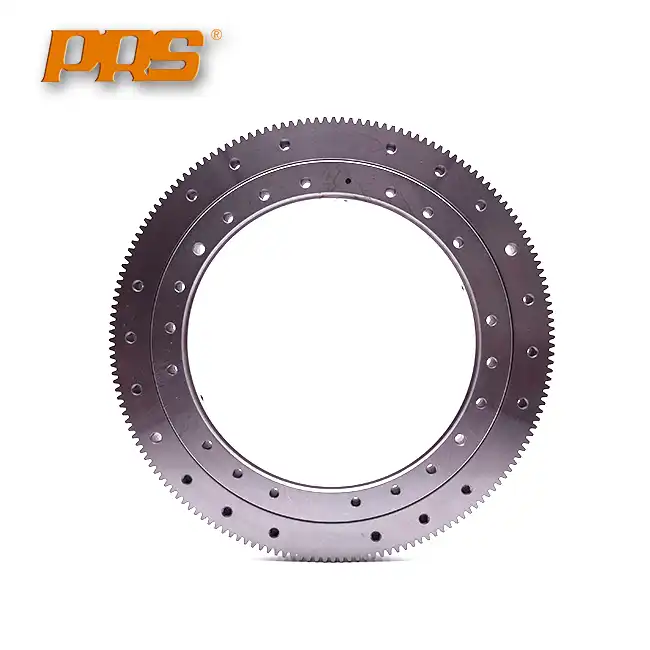
Why Manufacturers Choose to Upgrade Their Lathe Machine Bearings
The choice to upgrade lathe machine bearing systems was made because of real operating problems that build up over the life of the equipment. As bearings get older, the raceways crack, and the rolling elements wear out. This shows up as unpredictable changes in size when precision turning is being done. This wear and tear is especially expensive in fields like medical device making, where just one failed implant part can cost thousands of dollars in lost labour and materials.
Performance Limitations of Legacy Bearing Systems
With traditional bearing designs, output is limited to a certain point. Standard contact angle designs slow down spindle acceleration rates, which makes cycle times longer when cutting complex shapes that need to change speeds often. Spindle deflection under changing cutting loads is caused by inadequate preload systems. This leads to taper mistakes and concentricity problems that are common in high-tolerance work. In regular steel bearings, temperature changes cause dimensional instability. A 10°C temperature rise can change bearing clearances by several microns, which is enough to push precision parts outside of the specification windows.
Measurable Benefits of Modern Bearing Upgrades
When you upgrade to precision-class bearings, you can see improvements in a number of efficiency measures. When manufacturers replace ABEC-5 bearings with ABEC-7 or P4-grade ones, accuracy goes up by 30 to 50 percent, which directly leads to lower scrap rates. Modern designs with better sealing technologies cut breakdowns caused by contamination by two-thirds. This means that lubrication times can be increased from 500 to 2,000 working hours. Because angular contact bearing sets make things more stable, they can handle 25% faster feed rates without chatter, which shortens production plans by a large amount. A precision machining shop in the Midwest saved $47,000 a year by upgrading their CNC lathe machine bearings. This was due to less downtime, fewer rejected parts, and lower energy use from less friction loss.
Industry-Specific Upgrade Drivers
When bearing-generated particles get into chip processing, it creates special problems for companies that make semiconductor equipment. For cleanroom compliance, you need to switch to sealed ceramic bearings with HEPA-compatible designs. Manufacturers of aerospace parts now use bearings with strict quality certifications and records of where the materials came from. These bearings meet AS9100 standards that regular industrial bearings can't. Medical device makers look for small bearing options that let their machines have smaller footprints without sacrificing the positioning accuracy that is needed for surgical robot systems and diagnostic imaging systems.
Comparing Bearing Options for Lathe Machines: Making an Informed Decision
To choose the best bearing options, you have to weigh a lot of scientific factors against the needs of the machining. When comparing, you should think about both the immediate performance needs and the total cost of ownership, which includes things like how much energy it uses, how much maintenance it needs, and how long it's supposed to last under real-world operating conditions.
Deep Groove Versus Angular Contact Configurations
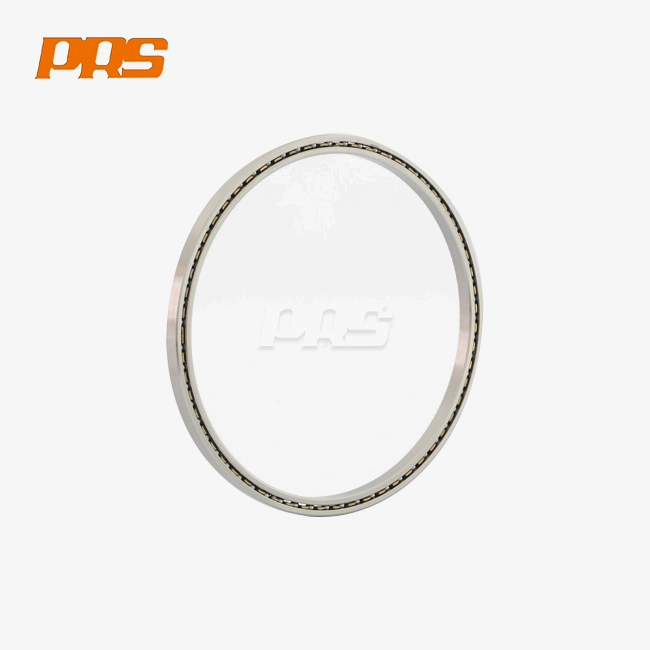
Deep groove ball bearings work well in a variety of moderate-speed situations because they can handle combined loads and have easier fitting processes that make installation simpler. Angular contact bearings give up some fitting ease in exchange for better axial stiffness through optimised contact angles. This makes them essential for high-speed precision work where spindle deflection must stay below two microns. The contact angle, which is usually 15°, 25°, or 40°, affects how the load is handled. Stricter angles give higher axial capacities but lower maximum speed rates.
Ceramic Versus Steel Material Trade-offs
Ceramic hybrid bearings are the most expensive option, but they provide significant advantages in demanding applications involving lathe machine bearings and high-performance machining systems. Their lower density reduces centrifugal forces at high rotational speeds, allowing lathe machine bearings with ceramic hybrid technology to operate at 20–30% higher speeds before reaching critical speed limitations. The enhanced hardness and wear resistance of ceramic materials can provide up to five times longer service life in abrasive coolant environments commonly found in industrial cutting operations. However, traditional steel lathe machine bearings remain a cost-effective solution for applications below 6,000 RPM, where extreme heat control and maximum speed capability are not essential. The final selection depends on whether the performance improvements, including higher precision, lower friction, better thermal stability, and extended service life, justify the additional investment. This cost-benefit analysis becomes increasingly favorable as production volumes increase, machining tolerances become stricter, and manufacturers require reliable lathe machine bearings for CNC equipment, precision lathes, and advanced industrial manufacturing systems.
Sealed Systems and Contamination Protection
While open bearing designs make it easier to check and re-grease, they also let coolant and abrasive particles get into vital areas. Contact seals offer strong protection, but they cause friction, which slows things down and makes more heat. Non-contact labyrinth seals are a good compromise because they keep out contaminants while minimising drag. This is especially helpful in high-speed situations where even small increases in friction can cause temperature rises that aren't good. For cleanroom uses, special sealing systems are needed to stop outgassing and particle loss while still meeting performance standards.
Load Capacity and Service Life Calculations
Knowing the dynamic load ratings helps you guess how long a bearing will last in real-world conditions. A statistical framework for planning maintenance is the L10 life calculation, which tells you how many hours it will be until 10% of bearings fail from fatigue. Heavy cuts that are interrupted create shock loads that are higher than the static load rates. This means that bearings with better impact protection are needed. Continuous operations work better with bearings that are designed for extended L50 life ratings, which means that half of the population is still functional after 50 years. This lowers the chance of unexpected failures in automated production environments where work is usually done without anyone being present.
Maintenance Tips and Troubleshooting for Lathe Machine Bearings
Preventative maintenance on bearings makes equipment last longer and stops catastrophic failures that stop production without warning. Systematic tracking programs find problems early on, when they are still easy and cheap to fix. This keeps damage from spreading to nearby parts and pieces of work.
Lubrication Management Protocols
Proper lubrication is the key to making bearings last a long time. Depending on the working speed and temperature, grease-lubricated systems need to be reapplied at different times. For example, high-speed spindle bearings may need to be serviced every 300 hours, while slower uses can go up to 2,000 hours between visits. Continuous lubrication is great for precision uses with oil-mist systems, but the viscosity needs to be carefully chosen based on the working temperatures. Both too much and too little grease are bad because they cause churning losses that make heat and lower performance. Temperature tracking helps find the best amount of oil. Bearing surfaces should be 20 to 30°C warmer than room temperature.
Inspection and Diagnostic Techniques
Vibration research can identify wear and potential failures in lathe machine bearings before they create noticeable operational problems. During equipment commissioning, baseline vibration measurements establish normal performance signatures for lathe machine bearings under specific operating conditions. Any deviation from these patterns can indicate developing issues such as lubrication problems, excessive clearance, misalignment, or bearing damage. Using advanced frequency analysis, engineers can distinguish defects in lathe machine bearings from other machine-related failures. For example, outer race defects generate different vibration frequencies compared with inner race damage or rolling element failures. Thermal imaging can detect abnormal heat areas caused by insufficient lubrication, improper preload, or increased friction, while ultrasonic testing helps identify early-stage cracks and surface defects that cannot be detected through visual inspection. Regular condition monitoring of lathe machine bearings improves CNC lathe reliability, reduces unexpected downtime, extends bearing service life, and supports predictive maintenance strategies in precision machining environments.
Troubleshooting Common Bearing Failures
Noise that is too loud is usually a sign of a problem with the lubricants, pollution, or alignment. As the temperature rises, signal friction issues caused by wrong preload, broken seals, or lubricant degradation become more likely. Radial play that goes beyond what is specified is a sign of wear that needs to be replaced right away before accuracy is lost. When surface spalling starts, it looks like flaked material making rough spots that get worse quickly. Getting to the root causes of problems stops them from happening again. For example, contamination problems need better sealing, and repeated preload failures need better mounting procedures or thermal expansion compensation.
Procurement Guide: Sourcing and Buying Lathe Machine Bearings
Strategic procurement weighs the direct prices of parts against the total value they give, which includes quality assurance, expert help, and the reliability of the supply chain. Transactional buying based only on unit price doesn't work as well as building relationships with bearing providers who understand the needs of your particular application.
Supplier Evaluation Criteria
Bearing companies with a good reputation keep strict quality control systems with written inspection and tracking rules. Certifications like ISO 9001 show basic quality management, while standards for certain industries, like AS9100 for aerospace or ISO 13485 for medical devices, show more specialised skills. Having access to technical support helps answer application questions during design and debugging, which adds value to the product itself. In production settings, where bearing failures can leave expensive equipment idle, delivery dependability is very important. Suppliers with local supplies or the ability to ship quickly reduce the risk of downtime.
Balancing Quality and Investment
Premium bearing brands charge more because they have been tested and proven to work well, and they also offer full support. This is necessary when downtime costs or precision requirements are high. Industrial-grade options work well for less challenging tasks and require less money to be spent. Total cost of ownership should be included in the figure. For example, a bearing that lasts twice as long and improves the quality of a part may be worth twice as much at first. When you buy in bulk, you save money on each unit, but you need space to store the goods and money to cover your operating costs. This works for normal, high-volume uses, but not so well for custom machinery with different bearing needs.
Custom Engineering and OEM Partnerships
Custom bearing solutions that are best for certain load profiles, envelope constraints, or environmental conditions are often useful for specialised applications. Some manufacturers, like PRS, make non-standard designs to solve problems that catalogue goods can't handle well. Integrated solutions are better than retrofit adaptations when engineers work together during the design stages of equipment. OEM partnerships set up long-term supply chains with clear specs. This way, replacement bearings can exactly match the performance traits of the originals, instead of using rough cross-references that cause uncertainty.
Warranty and After-Sales Considerations
Comprehensive guarantees show that the company that made the product is confident in its quality and protect buyers from having to replace the product too soon. Clear warranty terms that spell out the length of coverage, how to analyse failures, and how to replace parts are very helpful for lowering risk. After-sales support that includes technical advice, help with installation, and failure analysis is very helpful, especially when using bearings in serious situations where success must be proven. Suppliers with training programs help maintenance teams learn how to install and check bearings in a way that makes them last as long as possible.
Conclusion
Upgrading lathe machine bearings is a smart investment that has a direct effect on the competitiveness of manufacturing by increasing accuracy, lowering downtime, and making production more efficient. When making decisions, the framework should weigh short-term operational problems against long-term capability development. It's important to remember that better bearing performance leads to tighter tolerances, faster cycle times, and higher reliability. When choosing between steel and ceramic materials, configurations, and sealing strategies, they must all be based on real-world operating conditions, not just generic requirements. Successful upgrades include using high-quality parts, installing them correctly, keeping them in good shape, and keeping good relationships with suppliers who can offer ongoing technical support. This gives the upgraded companies a long-term edge in the precision manufacturing markets.
FAQ
How do I know when lathe bearings need replacement?
Keep an eye out for signs that get worse over time, such as loud noises, temperature rises above normal working levels, obvious wear on races or rolling elements, and worsening dimensional accuracy in finished parts. Vibration analysis finds worn-out bearings before they fail completely, so they can be replaced during regular maintenance instead of having to be shut down in an emergency. Too much radial play, which can be measured with dial indicators, means wear that needs immediate attention.
What precision grade should I specify for CNC lathe applications?
Most CNC jobs that need accuracy down to the micron level can use ABEC-7 or ISO P4 precision grades. ABEC-9 or P2 grades are better for high-speed machining centers because they offer tighter physical limits and better concentricity. ABEC-5 or P5 grades work well with general-purpose lathes. Match your precision investment to the tolerances that are actually needed. If you over-specify, you lose resources, and if you under-specify, you hurt the quality of the part.
Can I mix ceramic and steel bearings in spindle assemblies?
It is technically possible to mix bearing types in spindle assemblies, but it makes things more complicated because different types of bearings have different stiffness and thermal expansion rates. Matched bearing sets from the same maker make sure that the preload and heat behaviour are suitable. If you're thinking about a hybrid setup, talk to experts in bearings to avoid speed problems you didn't expect.
Partner with PRS for Superior Lathe Machine Bearing Solutions
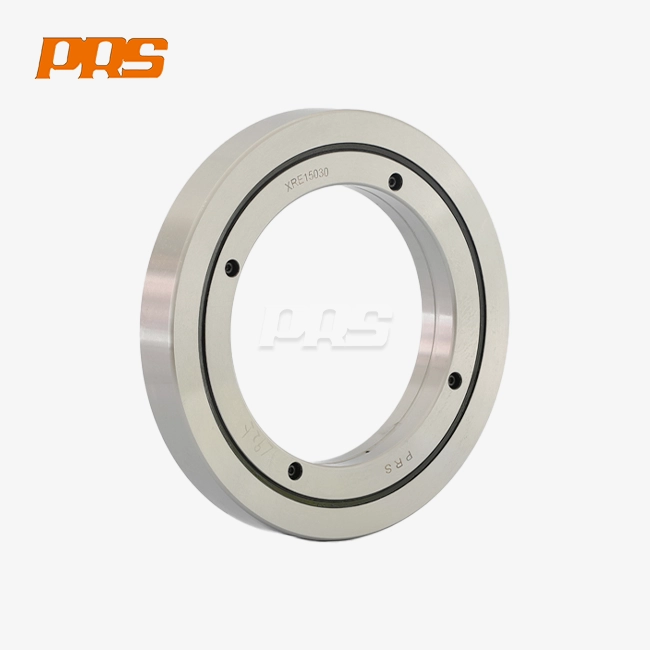
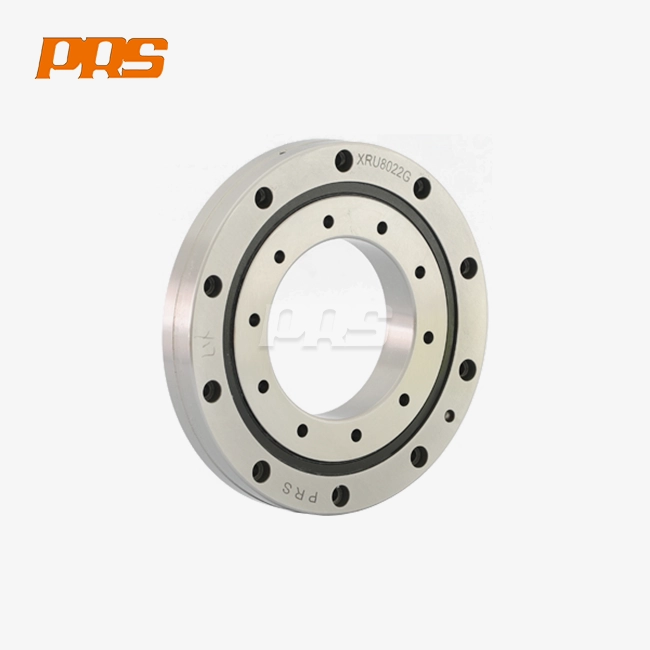
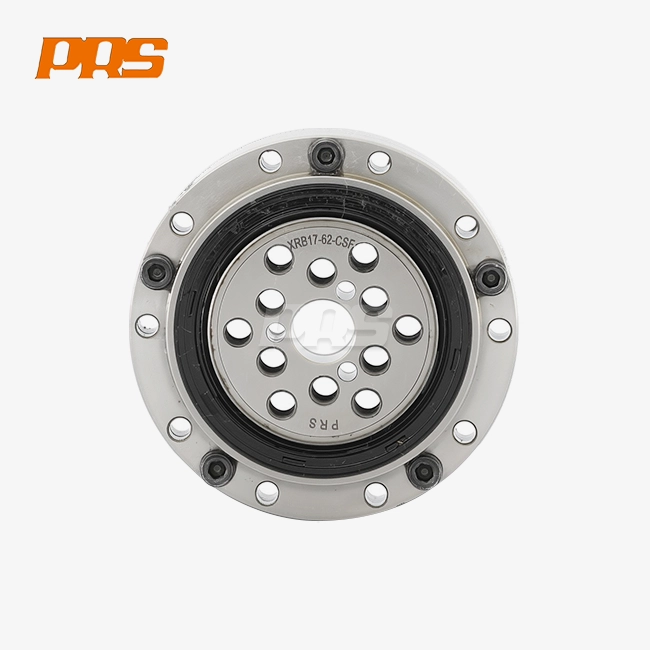
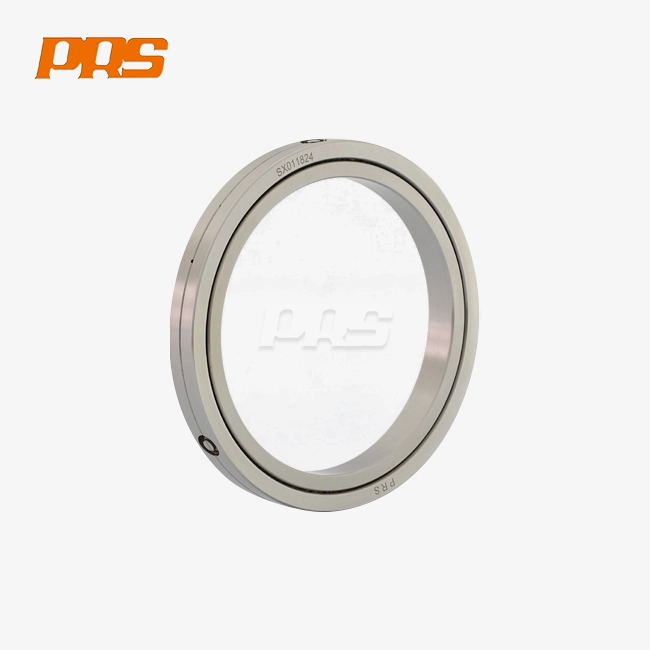
For precision cutting to work, the parts must be designed to be accurate and reliable. PRS is an expert at making high-precision bearings, such as crossed roller bearings, angular contact ball bearings, and custom designs made for tough machine jobs. Our precision grades go up to the P2 level, which is the level of accuracy needed for making medical devices, electronic equipment, and aircraft systems. As a company that has been making lathe machine bearings since 2003, we offer domestic alternatives to imported goods with faster delivery times and helpful technical support. Our engineering team works with clients to find the best bearing solutions for their specific load profiles and working conditions. Email us at ljh@lyprs.com to talk about your application needs and find out how our precision bearing technology can help you make your work easier and more productive.
References
1. Harris, T.A., & Kotzalas, M.N. (2006). Essential Concepts of Bearing Technology: Rolling Bearing Analysis. CRC Press, Boca Raton, Florida.
2. Budynas, R.G., & Nisbett, J.K. (2015). Shigley's Mechanical Engineering Design (10th ed.). McGraw-Hill Education, New York.
3. Weck, M., & Brecher, C. (2006). Machine Tools Production Systems: Design and Construction of Machine Tool Structures (Vol. 3). Springer-Verlag, Berlin.
4. Bhushan, B. (2013). Principles and Applications of Tribology (2nd ed.). John Wiley & Sons, Chichester, United Kingdom.
5. SKF Group. (2018). Rolling Bearings: Catalogue for the Machine Tool Industry. SKF AB, Gothenburg, Sweden.
6. American Bearing Manufacturers Association. (2019). Load Ratings and Fatigue Life for Ball Bearings: ANSI/ABMA Standard 9. ABMA, Washington, D.C.

USER EVALUATE
Here is the customer's evaluation of us