
How Slewing Ring Bearings Are Revolutionizing the Clean Energy Industry
The clean energy revolution demands components that can withstand extreme conditions while delivering unwavering reliability. Slewing bearings have emerged as the cornerstone technology enabling wind turbines, solar trackers, and renewable energy systems to operate efficiently under demanding environmental and mechanical stresses. These large-diameter rotational components simultaneously accommodate axial, radial, and moment loads, solving critical engineering challenges that conventional bearing systems cannot address. As renewable energy installations scale globally, the strategic role of precision-engineered slewing ring bearings becomes increasingly vital for manufacturers, system integrators, and procurement teams seeking durable solutions.
Understanding Slewing Ring Bearings in Clean Energy Applications
Modern machines that use renewable energy depend on parts that can handle a wide range of load situations while still working precisely. Specialised engineering has gone into making slewing ring bearings, which are perfect for these needs.
Core Design and Working Principles
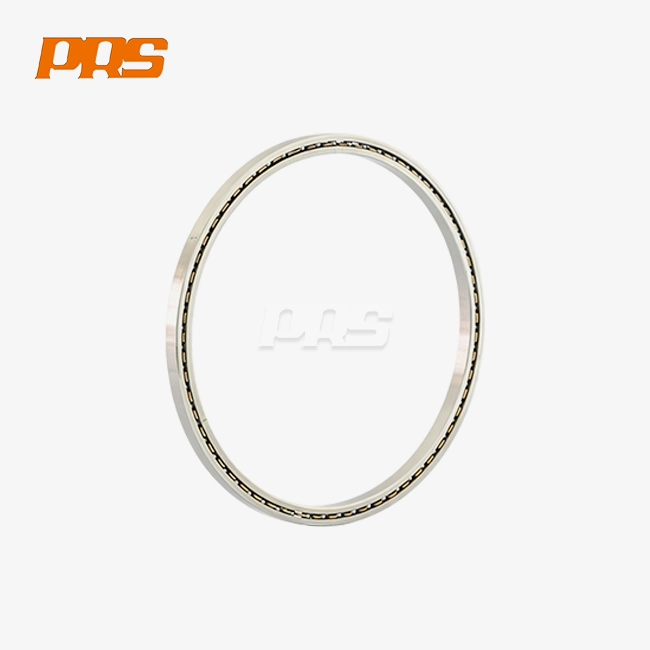
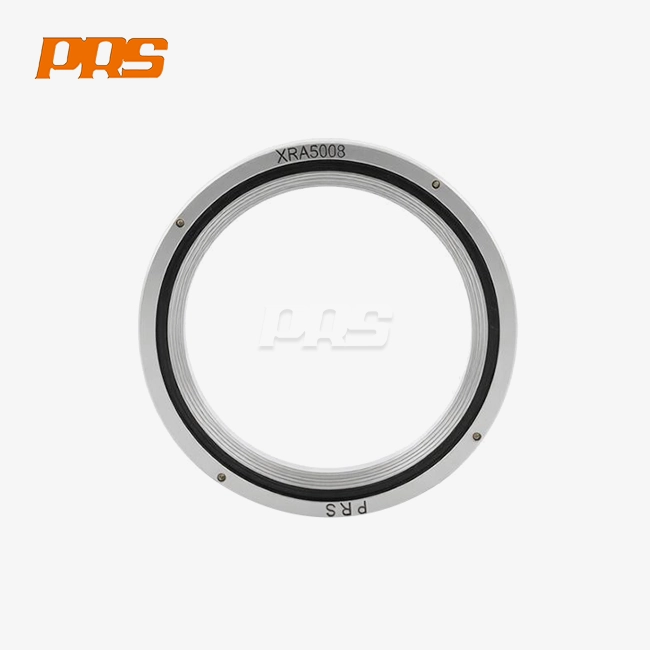
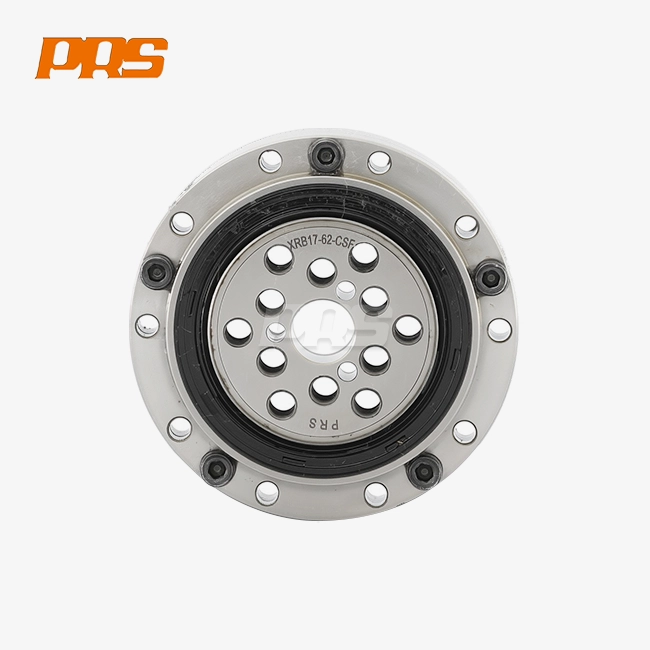
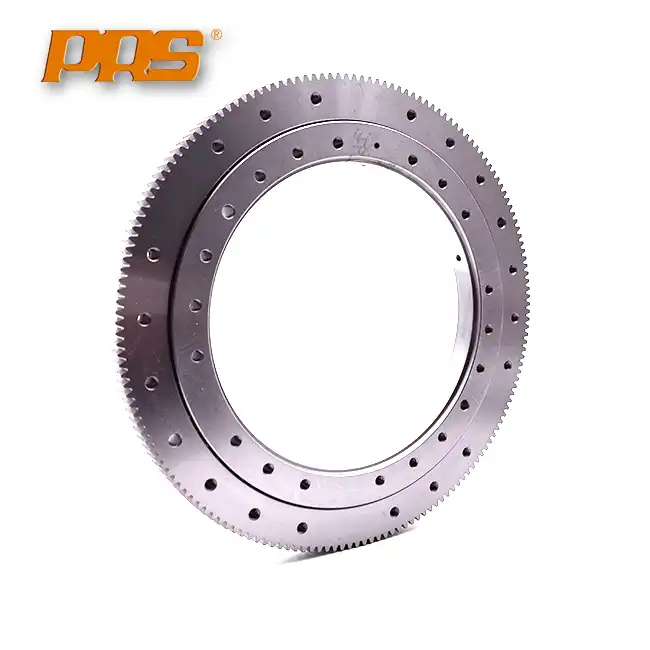
These rotating parts have inner and outer rings with precisely machined raceways that spread the load evenly around the whole bearing circumference. Slewing ring technology combines axial, radial, and moment load handling into a single small unit, while standard bearing setups need many parts and complicated shaft systems. The rolling parts, which could be balls or rollers, move between the raceways. This makes the rotational motion smooth, even when the loads are very high. This way of thinking about design gets rid of unnecessary structural complexity while improving load distribution efficiency. This makes them essential for clean energy applications where weight and space limitations are very important.
When you look at how these parts handle combined loading conditions, you can see the operational advantage. Horizontal raceway surfaces spread vertical forces across many contact points. This stops stress concentrations in one area, which is what normally causes systems to fail too soon. The vertical raceway design makes sure that horizontal forces are transferred optimally, keeping the structure stable during operation. The big diameter and spread-out contact design make it very resistant to tilting moments, which is very important for uses like solar tracker frames and wind turbine nacelles.
Configuration Types for Renewable Energy Systems
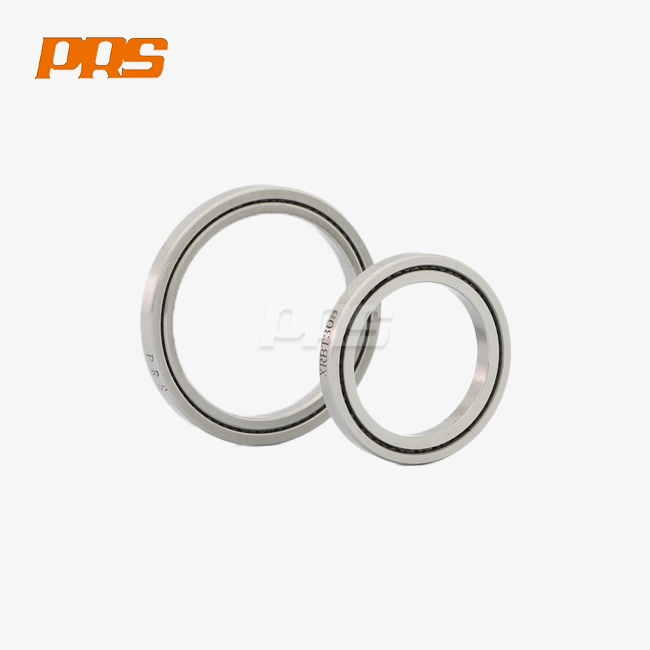
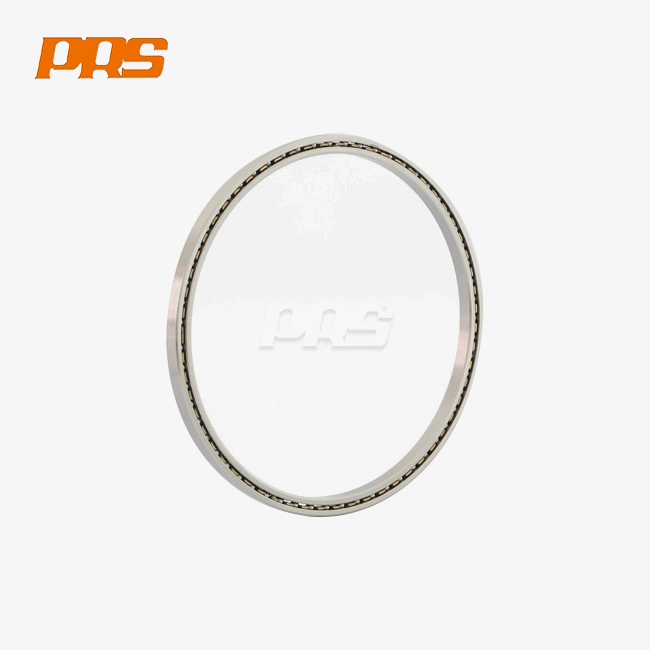
For each type of renewable energy application, there are specific bearing configurations that are needed to make it work. Single-row ball designs are flexible for mild load situations and have precision grades that reach P4 levels. This means that they can be used in smaller solar tracking systems and pointing equipment. Double-row designs offer better rigidity and load capacity for combined loads. They are widely used in mobile renewable energy sites and building equipment that helps clean energy projects.
When carrying the most weight is very important, triple-row roller systems offer different axial and radial load lines with diameters from 1000mm to 5000mm. These strong designs are used in big wind turbine yaw systems and heavy-duty green energy infrastructure that needs to be reliable all the time.
Gear Integration and Drive Solutions
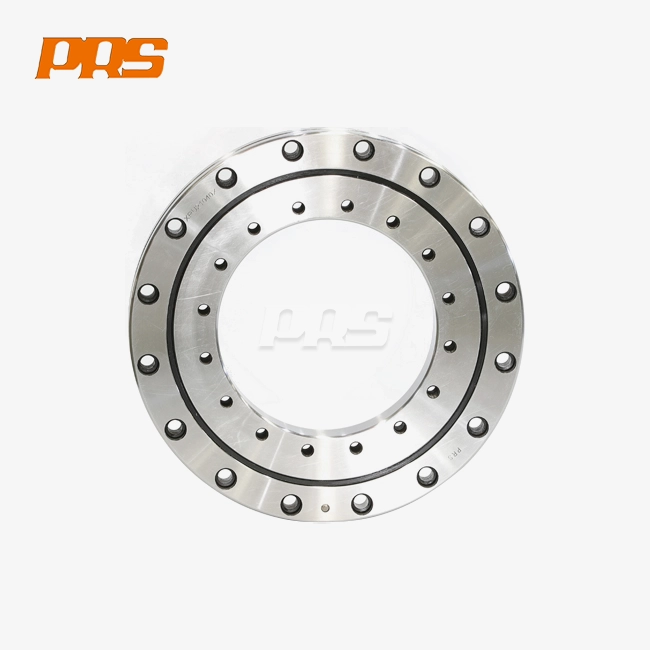
For rotating drive mechanisms, modern clean energy machinery often needs gear systems that are built in. There are three main types of configurations that can be used for different purposes. The external gear types have teeth machined into the outside ring, making them suitable for pinion drive systems with high reduction ratios that are common in wind turbine pitch control. Internal gear designs put teeth on the inner ring hole, which makes it possible for small drive setups with external pinions that are perfect for installing solar trackers in small spaces. Gearless choices give you the freedom to use different types of drives, like friction drives or a separate gear coupling, which makes them suitable for custom designs of green energy equipment.
Material Engineering for Harsh Environments
Clean energy installations require reliable slewing bearings that can operate in extreme environments, such as offshore wind farms exposed to saltwater corrosion and desert solar tracking systems facing significant temperature fluctuations. Premium bearing steels, including 50Mn and 42CrMo, are commonly used in high-performance slewing bearings and undergo advanced heat treatment processes to achieve uniform hardness distribution while maintaining core toughness for excellent impact resistance. Surface hardening treatments can achieve 55–62 HRC on raceways, creating durable contact surfaces that provide strong fatigue resistance and extended service life. Meanwhile, the flexible core structure allows slewing bearings to absorb shock loads caused by sudden wind gusts, vibration, or rapid solar tracker repositioning. Strict quality control procedures following ISO 9001 standards ensure precise dimensional accuracy, material consistency, and surface finish quality throughout the manufacturing process. These advanced slewing bearings solutions provide smooth rotation, high load capacity, corrosion resistance, and long-term reliability for renewable energy equipment, including wind turbines, solar trackers, and other clean energy systems.
The Challenges in Clean Energy Machinery and How Slewing Bearings Provide Solutions
For renewable energy equipment to work, it has to handle loads that are too heavy for standard bearing technology to handle. When you understand these problems, you can see why specialised slewing ring solutions are so important.
Environmental Stresses and Durability Demands
Wind turbines are always working in coastal and ocean areas where saltwater, humidity, and changes in temperature can damage the equipment. Solar trackers that work in dry areas have to deal with rough dust, UV rays, and daily temperature changes of more than 50°C. When these situations happen, traditional bearing systems wear out faster, which means they need to be serviced more often and last less long, which hurts the project's bottom line. A lot of clean energy installations are in hard-to-reach places that make regular maintenance hard to do and cost a lot of money.
Slewing ring bearings solve these problems with built-in covering systems that keep out dirt and keep the bearings lubricated even in rough circumstances. Using NBR or FKM rubber seals in advanced sealing methods gives standard designs IP65-level protection, keeping out wetness, dust, and particles that could damage the system. The spread-out big contact area lowers the bearing pressure, which keeps wear rates low even when the machine is running all the time. By choosing materials that are resistant to corrosion, repair times are greatly increased compared to other options.
Load Capacity and Fatigue Resistance
When clean energy machinery is loaded, it faces complicated patterns that include both static and moving forces. Yaw systems in wind turbines control the whole nacelle's weight while reacting to wind forces that cause big tilting moments. Solar tracker drives move big panel grids several times a day, which adds up to millions of rotational cycles over the course of more than twenty years. To keep the raceways from flaking or the rolling elements from breaking down, these high-duty cycles need to have very high levels of fatigue resistance.
Slewing ring bearings can hold more weight because they have a distributed contact design that engages multiple rolling elements at the same time across wide raceways. This setup lowers localised contact stress, which makes the wear life much longer than what would be expected for normal bearing arrangements. To meet the structural needs of big renewable energy systems, static load rates often go over a few thousand kilonewtons. Dynamic load ratings make sure that the system works reliably for millions of operating cycles, which is important for the long-term dependability needed for clean energy project costs.
Proven Performance in Field Applications
Manufacturers can see measurable improvements when they switch to purpose-engineered slewing bearings in the real world. Offshore wind farms that use optimised yaw and pitch bearing systems report maintenance intervals that are more than 40% longer than with older, more traditional designs. Solar tracking systems that use sealed, corrosion-resistant slewing rings have less downtime and a lower total cost of ownership because the parts last longer. These documented improvements in performance give OEM designers and procurement specialists more confidence when they look at part specifications for new renewable energy projects.
How to Choose the Right Slewing Bearing for Clean Energy Equipment
To choose the right slewing ring parts, you need to carefully look at the needs of the application and compare them to the technical options that are offered. When making procurement decisions, it's important to think about performance requirements, the environment, and the long-term cost of operations.
Load Analysis and Configuration Selection
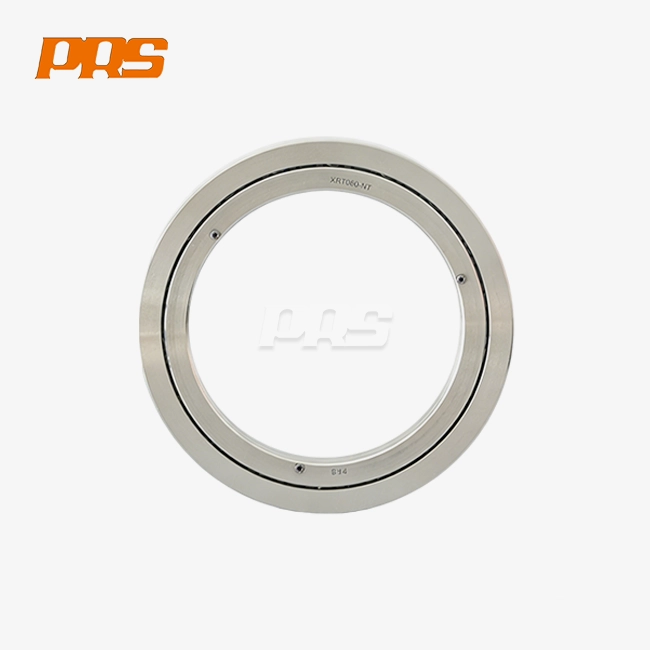
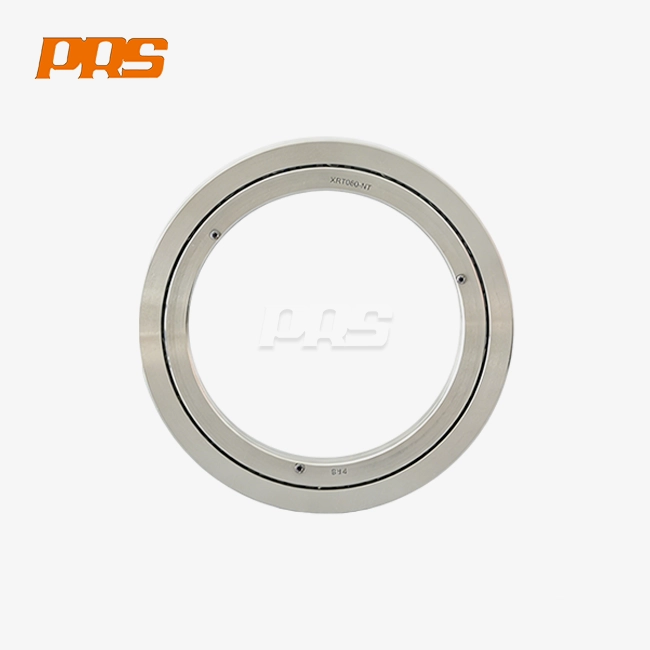
The first step in the choosing process is a thorough analysis of the loads' sizes and how they change direction during operating cycles. Engineers have to figure out how to measure axial forces from the weight of the structure, radial loads from working torques, and moment loads from outside forces like wind pressure or the spread of panel weight. Single-row ball bearings work best in situations where the spinning needs to be smooth under mild combined loads. They are a cost-effective choice for smaller solar trackers and backup positioning systems. When there are medium to heavy loads, double-row designs are more rigid because the structure is stiffer and can't bend, which can affect the accuracy of the system. Cross-roller designs offer high stiffness with low frictional torque, making them ideal for tasks that need precise positioning. Triple-row roller systems meet the needs for maximum load capacity in large wind turbines and large-scale renewable energy installations.
Environmental Adaptation and Sealing Requirements
Characteristics of the operating environment have a big impact on the selection criteria for bearings. Coastal wind installations need better corrosion protection through the choice of materials and the way they are sealed. When you live in a harsh environment where contaminants speed up wear, you need sealed bearing types. Extreme temperatures mean that you need to think about how well the lubricant works across all operational ranges and how thermal expansion affects the clearances between the bearings. Environmental protection rates, corrosion resistance testing standards, and proven performance in similar sites should all be clearly stated in the procurement specs.
Supplier Evaluation and Procurement Considerations
In addition to technical specifications, procurement decisions for slewing bearings should consider the supplier’s ability to support overall project success. Manufacturing precision directly influences the performance, reliability, and service life of slewing bearings used in industrial machinery, wind turbines, construction equipment, and automation systems. Quality certifications such as ISO 9001 provide basic assurance of consistent production processes and quality management. OEM customization options for slewing bearings allow manufacturers to optimize bearing structures, materials, sealing solutions, and load capacities according to specific application requirements, which can improve system performance and reduce total operating costs. Project schedules are also affected by delivery reliability, making supplier production capacity, inventory management, and supply chain stability important evaluation factors. Warranty policies, technical assistance, and after-sales support help reduce risks, especially for newly developed applications or challenging operating environments. Suppliers that provide application engineering support during product development and standard creation offer additional value beyond simple component supply, helping customers improve system design, enhance equipment reliability, and achieve better long-term performance with advanced slewing bearing solutions.
Maintenance and Lifespan Optimization for Slewing Bearings in Clean Energy
To get the best return on investment from renewable energy installations, you need to plan proactive maintenance that extends the life of parts and cuts down on unplanned downtime. Systematic methods for slewing bearing care have real, measurable benefits for the economy.
Lubrication Best Practices
Proper lubrication is the single most important thing that determines how long a slewing bearing lasts. Grease lubrication systems with specific formulations chosen for environmental conditions and working job cycles are often used in clean energy applications. For heavy machinery that is always turning, automatic greasing systems are helpful because they get rid of old grease and other contaminants at set times, usually every 100 hours of hard use. Pitch and yaw systems for wind turbines often include automated lubrication delivery systems. This makes sure that maintenance is always done, even in remote locations. Solar trackers that only work sometimes may have less frequent hand relubrication plans, but systematic tracking keeps them from being ignored, which causes them to wear out faster than expected.
When choosing a lubricant, you need to think about the temperature range, how well it resists water, and how well it works with bearing materials and seals. For uses in very high temperatures, new mixtures are needed that can keep their viscosity over a wide range of temperatures. Lubricants with better rust inhibitors work better in coastal sites. Talking to the bearing manufacturer about the recommended lubricant specifications is the best way to make sure that the bearings work well together.
Inspection Techniques and Failure Prevention
Systematic condition monitoring finds problems as they start to appear before they get so bad that the bearings need to be replaced right away. Visual inspections check the integrity of the seal by looking for damage, movement, or lubricant leakage that could mean the seal isn't protecting against contamination properly. Sound monitoring finds strange sounds that could mean that the rolling elements are damaged, the raceways are wearing out, or there isn't enough oil in the system. Temperature tracking shows that excessive heat is being produced because of high friction, inadequate lubrication, or bearing stress. Through identifying the unique frequency fingerprints of different failure modes, vibration analysis can detect problems early on.
Setting baseline measures during commissioning makes it possible to compare things in a useful way during regular checks. Trending analysis shows patterns of slow degradation, which helps with a predictive maintenance schedule that replaces parts during planned downtimes instead of when they break down unexpectedly. Written-down inspection results make a maintenance history that can be used to back up warranty claims and help designers make better designs for future installations.
Material and Design Innovations Extending Service Life
New engineering developments keep making slewing bearings last longer for use in renewable energy applications. Advanced surface treatments make things more resistant to rust than simple heat treatment methods. Better sealing designs keep out contaminants better while still allowing for manufacturing tolerances and thermal expansion. When the geometry of the raceways is optimised, loads are spread out more evenly, which lowers the peak contact stresses that cause fatigue cracking. These small changes add up to big service life extensions that make projects cheaper and tools more reliable.
The Future of Slewing Bearings and Their Role in Clean Energy Expansion
As technology keeps improving, component powers are changing, making it possible for next-generation green energy systems to work better and be more reliable. Procurement teams and design engineers can get ready for changing market needs by learning about new trends.
Smart Bearing Technology and Predictive Maintenance
An important step forward in managing green energy assets is the addition of sensors to slewing ring bearings. Sensors that measure temperature, vibration, and load are built into smart bearing systems. These systems send real-time operational data for analysis. Pattern recognition and machine learning are used by advanced algorithms to look at sensor data streams and find new failure modes. This approach to predictive maintenance lets you use condition-based replacement strategies, which gets rid of the need for extra preventative maintenance and keeps things from breaking down when you least expect them to. Operators of wind farms say that early intervention led by smart bearing data has cut repair costs by a lot and made equipment more available.
Renewable energy installations already have a lot of monitoring and control infrastructure, so the connectivity needs of smart bearing systems fit right in. When you connect new asset management platforms to existing SCADA systems, you get a full picture of the condition of all the equipment in an installation.
Advanced Materials and Protective Coatings
New developments in materials science solve certain problems that renewable energy bearings face. New bearing steel alloys are better at resisting rust while still having the mechanical qualities needed to carry loads. Surface coating technologies offer better defence against certain environmental threats. For example, plasma-nitrided surfaces don't rust in saltwater, which is useful for offshore wind applications, and ceramic coatings keep dust from damaging solar installations in the desert. These improvements in materials make bearings last longer in harsh settings, which lowers the cost of projects and cuts down on upkeep needs over decades of use.
Strategic Procurement for Competitive Advantage
Manufacturers and developers who want to do well in the growing global market for clean energy know that buying parts is more than just a business process. Working together with bearing suppliers early on in the design process of equipment allows for optimisation that isn't possible when parts are chosen late in the development cycle. Generic solutions don't work as well as customisation services that meet the needs of a specific application. Setting up relationships with chosen suppliers makes sure that projects are prioritised during times of high market demand, which protects delivery promises and project schedules. These strategic methods for buying things help a lot with staying competitive in markets for green energy that are growing quickly.
Conclusion
Slewing ring bearings have evolved from specialized components into critical technologies that support the rapid development of clean energy systems. Modern slewing bearings are essential for wind turbines, solar tracking systems, and other renewable energy equipment because they can manage complex axial loads, radial loads, and moment loads while operating in harsh outdoor environments. The reliability and performance of slewing bearings directly influence the efficiency, safety, and service life of renewable energy installations. To ensure the success of green energy projects, companies must carefully select high-quality slewing bearings, implement preventive maintenance strategies, and establish strong partnerships with experienced suppliers. As global clean energy capacity continues to expand, innovations in slewing bearings technology, including improved materials, advanced lubrication systems, corrosion protection, and precision manufacturing, will play an important role in reducing operating costs and improving project reliability. Companies that prioritize durable components, strict quality control, and long-term supplier cooperation will gain stronger advantages in the rapidly changing renewable energy market.
FAQ
What advantages do slewing ring bearings offer over traditional bearings in wind turbines?
Slewing ring bearings combine axial, radial, and moment load capacities into a single, small unit. This gets rid of the need for complicated multi-bearing arrangements that are common in older systems. The big diameter and spread-out contact pattern make the structure more rigid and even out the load, which is very important for wind turbine yaw and pitch systems that have to handle big structural loads and operational forces. When compared to traditional bearing solutions, improved sealing systems protect against the harsh environmental conditions that are common in wind sites. This means that maintenance costs are lower and service times are longer.
What are recommended inspection and lubrication intervals for solar tracker bearings?
How often inspections are done relies on the working setting and the intensity of the duty cycle. Installations in the desert that are exposed to a lot of dust profit from visual inspections every three months to check the state of the seals and lubricants. For continuous tracking systems, lubrication should be done every 100 hours. For intermittent operation in safe environments, it should be done every six months. Automatic lubrication systems provide the best consistency, while relubrication that is done by hand needs to be planned out so that it is not forgotten. Manufacturers give specific advice based on the type of bearing and the conditions of the application.
Can slewing bearings be customized for unique equipment specifications?
Reliable manufacturers offer a wide range of customisation options to meet the needs of different applications. Custom measurements are made to fit specific load situations and room limitations. The specs for gear teeth can be changed so that they can work with current drive systems. Seal shapes change to deal with problems in different environments. The performance is best for certain operating conditions when the right materials are chosen and heat-treated. When you work with bearing suppliers early on in the design process, you can get full optimisation that you can't get with standard catalogue parts.
Partner With PRS for High-Performance Slewing Ring Bearing Solutions
Luoyang PRS Precision Bearing Co., Ltd. is ready to help you with your clean energy projects by making slewing bearings that are precisely designed and meet the highest quality standards. We have been experts in making high-precision rotating parts since 2003. These parts are used in demanding situations in robots, industrial automation, and green energy. Our engineering team offers full application support, looking at your specific load conditions, environmental challenges, and performance needs to suggest the best bearing configurations. If you need designs with internal gear, external gear, or no gears at all, PRS can make them for you. Their solutions come in a range of sizes, from small systems to large installations. Contact our team at ljh@lyprs.com to talk about your needs with experienced slewing bearings providers who are dedicated to providing you with reliable, cost-effective parts that improve the performance and operating life of your equipment.
References
1. Burton, T., Jenkins, N., Sharpe, D., & Bossanyi, E. (2011). Wind Energy Handbook, Second Edition. John Wiley & Sons.
2. Harris, T.A. & Kotzalas, M.N. (2006). Advanced Concepts of Bearing Technology: Rolling Bearing Analysis, Fifth Edition. CRC Press.
3. Patel, M.R. (2005). Wind and Solar Power Systems: Design, Analysis, and Operation, Second Edition. CRC Press.
4. ISO 281:2007. Rolling bearings — Dynamic load ratings and rating life. International Organization for Standardization.
5. Wenske, J. (2014). Reliability-centered maintenance of wind turbine pitch and yaw systems. Journal of Solar Energy Engineering, 136(2), 021007.
6. Zhai, Y., Wang, S., & Liu, Y. (2018). Failure analysis and improvement measures of slewing bearings used in wind turbines. Engineering Failure Analysis, 92, 344-359.

USER EVALUATE
Here is the customer's evaluation of us