
Why Cross Roller Turntable Bearings Are Ideal for Rotary Tables?
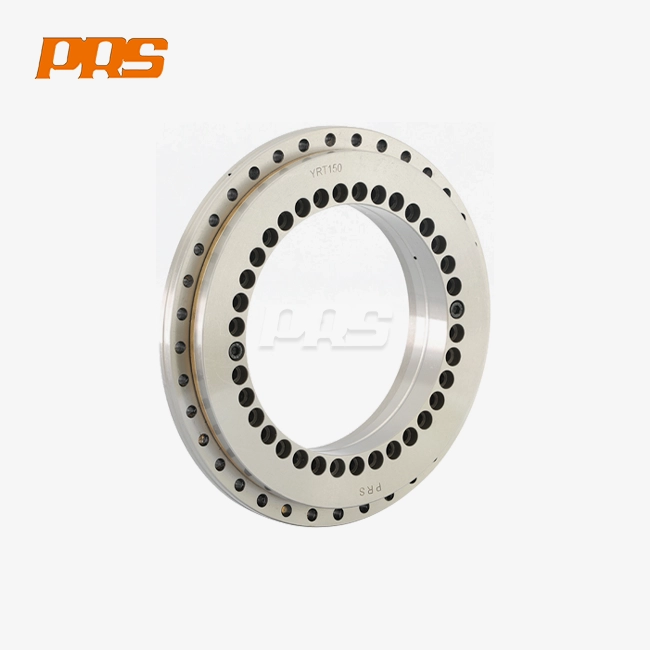
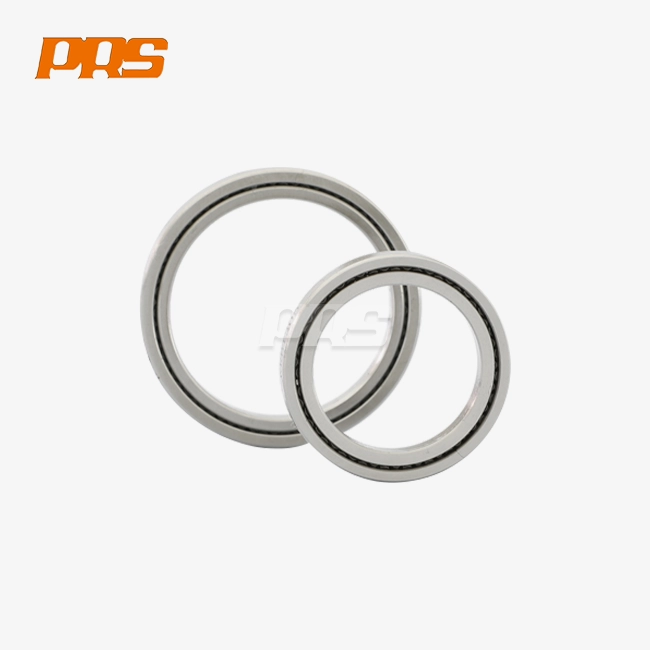
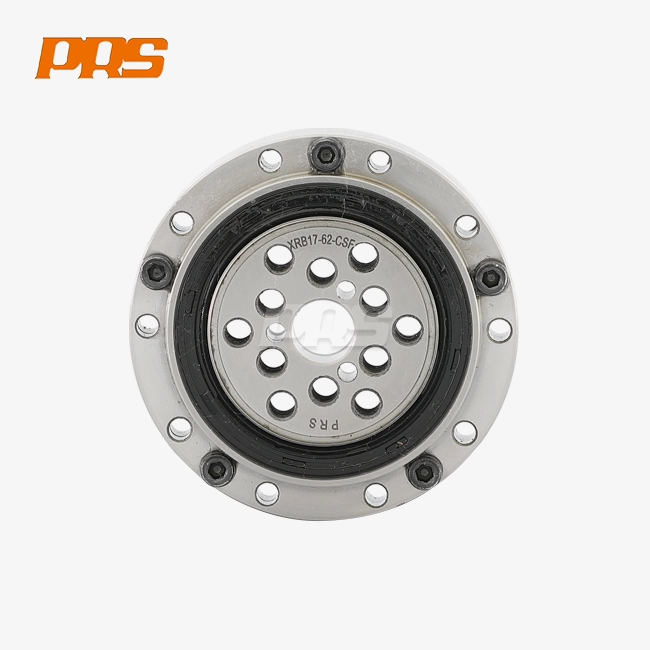
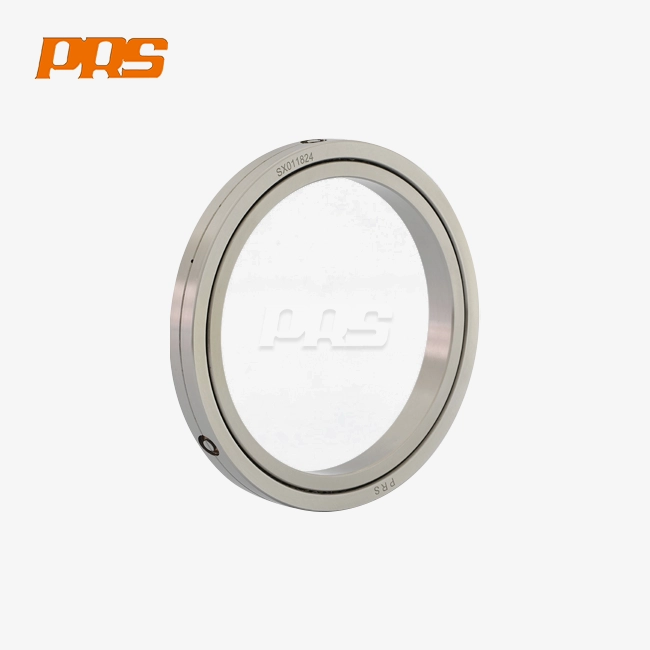
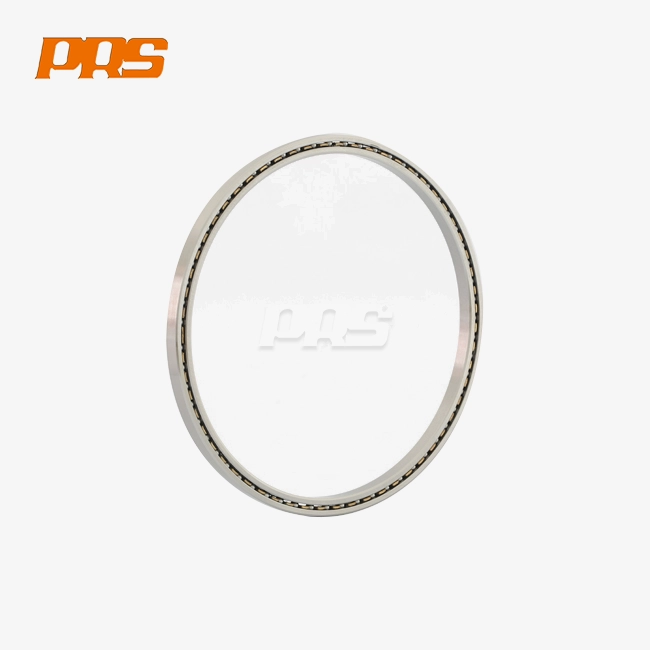
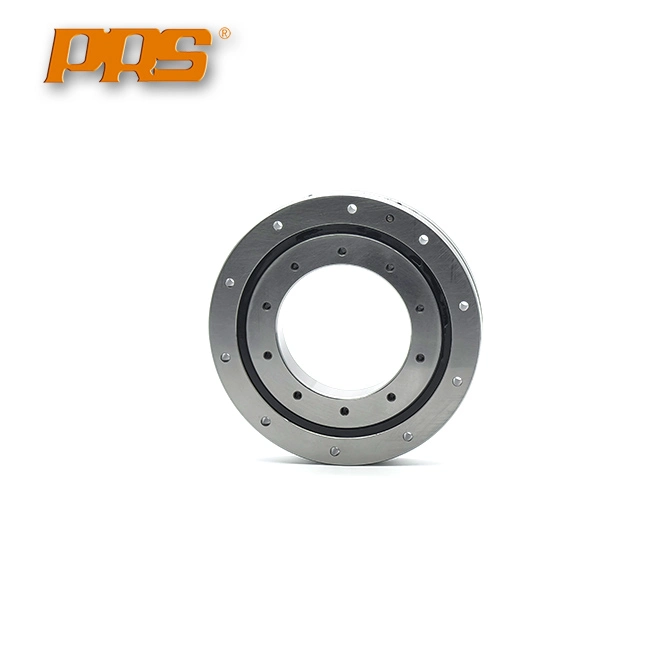
When designing rotary tables that demand exceptional precision under multi-directional loads, engineers consistently choose cross roller turntable bearing solutions. These specialized components incorporate cylindrical rollers arranged orthogonally at 90-degree intervals within precision V-groove raceways, enabling simultaneous handling of radial, axial, and moment loads within a single compact assembly. Unlike conventional ball bearings relying on point contact, these bearings utilize line contact principles to deliver 3-4 times greater rigidity, making them indispensable for robotics joints, CNC indexing heads, medical imaging gantries, and optical tracking platforms where positioning accuracy directly impacts production quality and operational safety.
Understanding Cross Roller Turntable Bearings
When used in rotary tables, special technical problems arise that are hard for standard bearing arrangements to solve. These special bearings are made to deal with these problems by using smart mechanical architecture in their basic form.
Orthogonal Roller Configuration and Load Path Mechanics
The defining characteristic lies in how the cylindrical wheels in the raceway system change the direction they are facing. Each roller is parallel to the ones next to it, making load tracks that cross each other and spread forces around the whole circle. When radial loads press down on one set of wheels, axial forces engage the perpendicular set at the same time. Moment loads then work on both groups together. By arranging the bearing in this way, it becomes a multi-directional support system, which used to require adding different types of bearings.
Manufacturing Precision and Material Specifications
In rotary uses, success results depend on how precisely the parts are manufactured. According to ISO 199 standards, PRS makes these cross roller turntable bearing units with inner diameters between 10mm and 350mm and outer diameters between 52mm and 540mm. All of them are ground to P4 and P2 tolerance grades. The precisely carved V-groove raceways keep the geometric accuracy within nano ranges, which keeps the roller contact angles constant as the bearings spin. Putting spacer plates between each roller keeps metal from touching metal, which gets rid of the friction points that wear things down too quickly. Machined fixing holes built right into the bearing rings make fitting easier and keep the structure strong even when it's under a lot of stress.
Application-Specific Technical Specifications
The technical specs are based on what people in different businesses actually need for real-world applications. Load rates change based on bearing size, so they can handle everything from small surgery robot wrists to heavy-duty spinning tables for machine tools. Temperature ranges of -30°C to +120°C are suitable for most industrial settings. In tougher situations, special sealing systems keep the internal parts safe from outside influences. You can choose between grease and oil methods for lubrication based on the speed of rotation, the number of times the load is changed, and how easy it is to do upkeep at the installation site.
Why Cross Roller Turntable Bearings Outperform Other Bearings in Rotary Tables?
Choosing the right type of crossed roller turntable bearings has a direct effect on how well the rotary table works, how much it costs to maintain, and how long the system lasts. Comparative research shows clear benefits that make cross roller turntable bearing designs the best choice.
Superior Load Capacity Through Line Contact Design
In traditional ball bearings, the raceways only touch them at a few places, which puts a lot of stress on a small area. Because of this, engineers have to use bigger bearings or more than one set of bearings to get the load values they need. cross roller turntable bearing units use line contact along the whole length of the roller, which spreads stress over a much larger surface area. The result gives 40–60% more load capacity in the same outer dimensions. This lets designers make rotary tables that are smaller without lowering their strength or longevity.
In rotary uses, moment load protection is very important. Cutting forces cause tilting moments on a CNC rotary table that are hard for normal bearings to stop. The orthogonal roller arrangement naturally fights these moments through opposite force couples. This keeps the accuracy of the positioning even when the load changes. Robot makers have tested that using precision-grade cross roller turntable bearing units in joint assemblies can repeat positions within ±5 arc-seconds, while using similar ball bearing setups can only do so within ±15 arc-seconds.
Rigidity That Transforms Machining Accuracy
In precision uses, deflection under load directly leads to positioning errors. The line contact principle gives structures stiffness that keeps them from stretching too much while they're working. A robotics developer in Michigan said that their six-axis welding robot's joint deflection dropped by 65% after they switched from paired angular contact ball bearings to cross roller turntable bearing units. This increase in stiffness made it possible to join with tighter tolerances and with fewer finishing steps after the welding process.
Builders of CNC machines are always under pressure to improve the quality of the surface finish while also speeding up the removal of material. cross roller turntable bearing units were incorporated into the rotating axis design of a grinding machine maker in Ohio, resulting in consistent 0.3-micron surface finish over production runs. The higher stiffness stopped noises that used to leave chatter marks, especially when working with hardened steels. Bearing checks were done once a year instead of every three months because vibration-induced micro-movements caused less wear.
Compact Design Enabling Space-Efficient Systems
Medical imaging equipment has to work within very strict size limits and hold a lot of moving mass. A company that makes CT scanners lowered the height of their gantry bearing assembly by 48 mm by switching from dual-row ball bearings to a single cross roller turntable bearing design. This saved room that let bigger detector arrays fit inside the same scanner housing. This made the picture quality better without making the equipment bigger. The simplified bearing arrangement cut assembly time by 35%, which cut costs and increased dependability by getting rid of more interfaces and possible failure spots.
Aerospace tracking systems need solutions that are light and stay rigid in settings with changing temperatures. A defense contractor making bases for tracking satellites asked for cross roller turntable bearing units, which made the whole bearing system 2.3 kg lighter than their old thrust bearing setup. This weight loss was very important for mobile deployment systems, since every kilogram affects how easy they are to move and how long it takes to set up.
Key Design Features Tailored for Rotary Tables
When engineers choose cross roller turntable bearing for rotor uses, they have to look at a number of design factors that affect how well the bearings work in the long term and how much it costs to own them.
Load Distribution and Service Life Optimization
The design of alternate rollers spreads the load evenly around the bearing's edge. Four-point contact ball bearings focus loads at certain contact angles. cross roller turntable bearing units, on the other hand, distribute loads equally no matter which way the force is applied. This pattern of spread lowers high contact stresses by 30 to 45 percent, which immediately increases the fatigue life of the rolling element. Accelerated life testing according to ISO 281 standards shows that systems that are well taken care of and only slightly loaded can last for more than 25,000 hours of operation.
When they are made, roller and track design is given a lot of thought. PRS precisely cuts the V-groove raceways to 90-degree angles, which makes sure that the rollers have the best touch along the whole length. The touch areas have a surface finish of Ra 0.2 or better, which reduces friction and helps a good lubrication film form. The cylinder-shaped wheels are induction hardened to an HRC of 60–62. This makes them resistant to wear while keeping their core toughness, which keeps them from breaking easily when they're hit with shock loads.
Advanced Sealing and Lubrication Technologies
In industrial settings, contamination is the main reason why bearings fail before they should. These days, sealed versions have multiple lip seals that keep particles, water, and process chemicals out while keeping the lubricant inside the bearing hole. Versions that can be used in cleanrooms and are suitable for making semiconductors meet Class 10 cleaning standards. This stops particles from forming that could affect chip production.
Lubrication engineering changes both how well something works and how often it needs to be maintained. Initial lubrication during assembly makes sure that all moving surfaces are covered. The length of time between relubrications depends on how the machine is used. Standard commercial uses need to be relubricated every 6 to 12 months, but settings with a lot of dirt or high speed may need service more often. For ongoing operations and centralized repair infrastructure, oil lubrication systems work best. Grease lubrication, on the other hand, makes maintenance easier in areas that are spread out.
Customization Capabilities for Specialized Requirements
Catalog bearings from standard sets work for most rotary table uses, but some setups need unique solutions. PRS still has engineers who can change bearing designs to fit different load rates, space limitations, or environmental problems. A company that makes semiconductor equipment needed bearings with titanium cages to keep their imaging tools from getting magnetically interfered with. Custom bearing solutions included seal materials that have been changed so that they can withstand plasma cleaning without breaking down.
In extreme temperatures, normal structures can't work as well as they should. A company that makes sun tracking systems needed bearings that could keep their position accurate from -40°C at night in the desert to +85°C during the day. Custom bearing solutions used special greases that could work in a wider range of temperatures and thermal stability processes to keep the dimensions the same even when the temperature changed. The bearings that were made kept their positioning accuracy within the acceptable range for five years of field installation tests.
Conclusion
Modern rotary table uses need bearings that can hold a lot of weight, are strong, precise, and small. cross roller turntable bearing solutions meet these needs. Their orthogonal roller arrangement can handle loads going in more than one way within a single unit. This makes system design easier and improves performance compared to other types of bearings. The line contact principle offers higher stiffness that keeps positioning accuracy even when operational loads are applied. This directly leads to better product quality in industrial settings and higher reliability in mission-critical systems. When bearings are properly chosen, installed, and maintained, they last longer and cost less to own because they don't need to be replaced as often and there is less unexpected downtime. Strategic purchasing choices that combine technical needs with supply chain issues make sure that the quantity of parts is in line with production needs and project schedules.
FAQ
How do cross roller bearings differ from slewing ring bearings?
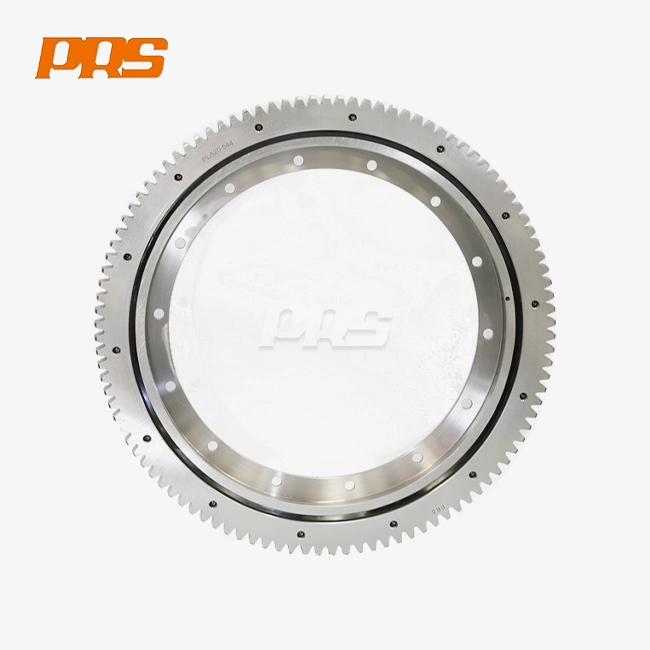
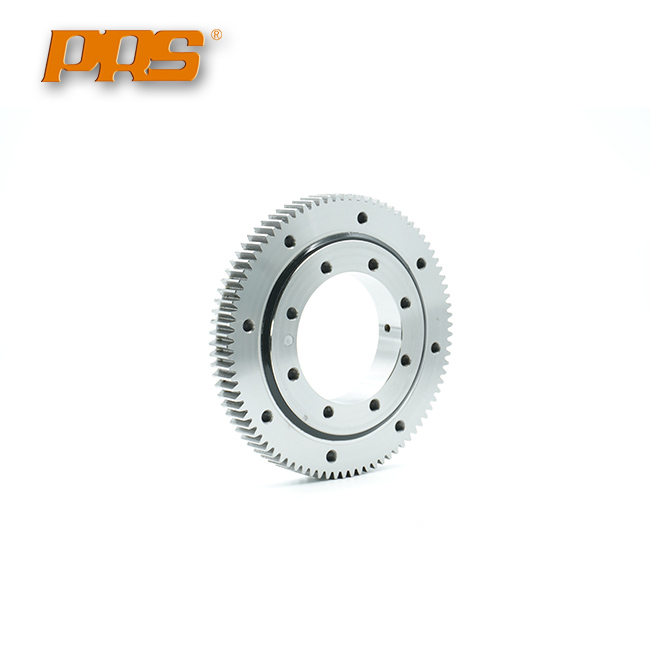
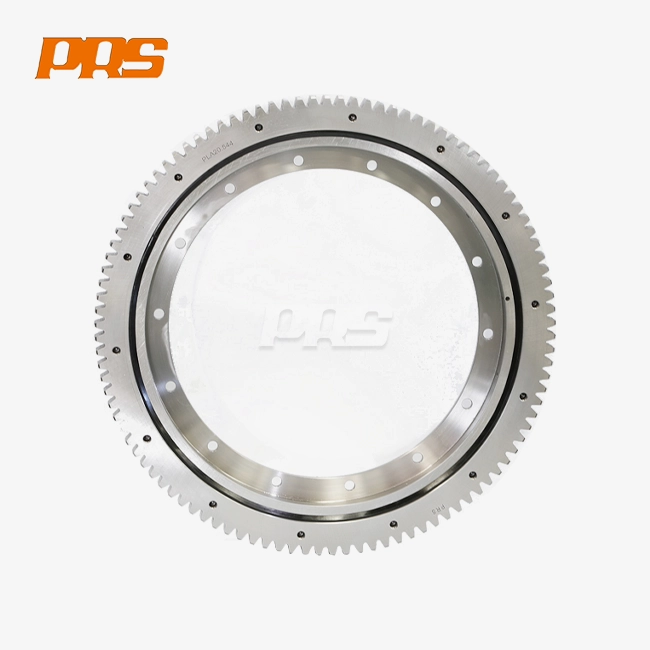
cross roller turntable bearing units have one row of cylindrical rollers that are placed orthogonally. This makes the best use of space for small uses that need high stiffness. Slewing ring bearings have more than one row of balls or rollers, which makes them better for heavy-duty, large-diameter uses like wind turbines and industrial equipment. The choice relies on the required accuracy, the size limitations, and the size of the load.
What maintenance practices extend bearing service life most effectively?
By following the manufacturer's recommended lubrication times, you can avoid damage to the seals from too much lubrication and wear from not having enough film thickness. Monitoring vibrations on a regular basis can find problems before they become too big to fix. Abrasive pollution is kept to a minimum by keeping work areas clean. A level load is spread evenly when the mounting surface is properly installed and the bolts are tightened to the right force.
Can bearings be customized for specialized rotary table applications?
Manufacturers offer a lot of customization options, such as different sealing systems for tough conditions, special materials for high or low temperatures or magnetic sensitivity, and non-standard sizes for specific design needs. Custom cage materials, lubricating choices, and fastening arrangements can be made to fit the needs of any application. Working together as engineers to create specifications guarantees the best solutions.
Partner with PRS for Your Precision Bearing Requirements
With more than 20 years of experience making specialized products, Luoyang PRS Precision Bearing Co., Ltd. is ready to help you with your rotary table bearing needs. Our ISO 9001-certified factory makes bearings with inner diameters ranging from 10mm to 350mm in P4 and P2 precise grades. These bearings are used in robots, machine tools, medical equipment, and aerospace systems, among other things. As a well-known seller of cross roller turntable bearing units, we keep a large stock of standard bearings so that we can ship orders quickly. In addition, our team of 35 engineers can create unique bearings that meet the needs of your specific application. You can talk to our expert team about your project, get a quote, or send an email to ljh@lyprs.com for more information. We give your important applications the accuracy, dependability, and quick help they need.
References
Harris, T.A. and Kotzalas, M.N. "Advanced Concepts of Bearing Technology: Rolling Bearing Analysis, Fifth Edition." CRC Press, 2006.
ISO 199:2014. "Rolling bearings — Thrust bearings — Geometrical product specifications (GPS) and tolerance values."
Weck, M. and Brecher, C. "Werkzeugmaschinen Fertigungssysteme: Messtechnische Untersuchung und Beurteilung, dynamische Stabilität." Springer, 2006.
Tsuha, N.A.H. and Cavalca, K.L. "Stiffness and Damping of Elastohydrodynamic Line Contact Applied to Cylindrical Roller Bearing Dynamic Model." Journal of Sound and Vibration, Volume 481, 2020.
Gupta, P.K. "Advanced Dynamics of Rolling Elements." Springer-Verlag, 1984.
Eschmann, P., Hasbargen, L., and Weigand, K. "Ball and Roller Bearings: Theory, Design and Application, Second Edition." John Wiley & Sons, 1985.

USER EVALUATE
Here is the customer's evaluation of us