
Improving Rotary Table Accuracy with Cross Roller Turntable Bearings
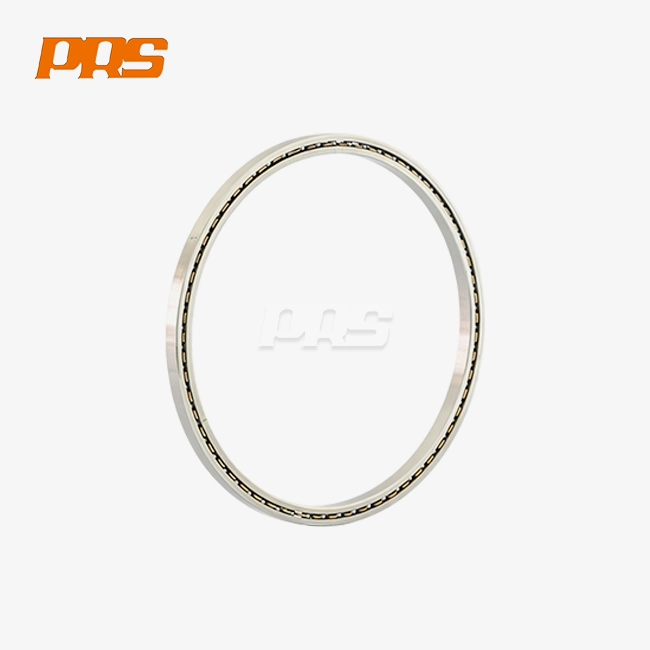
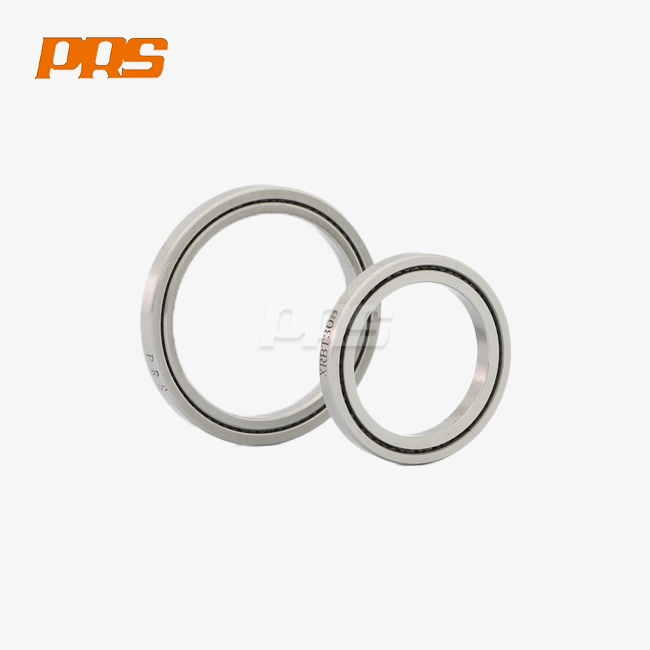
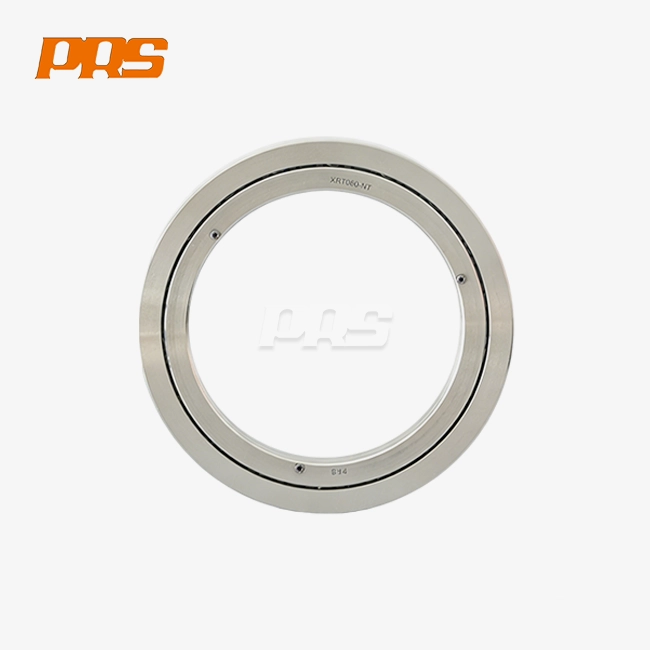
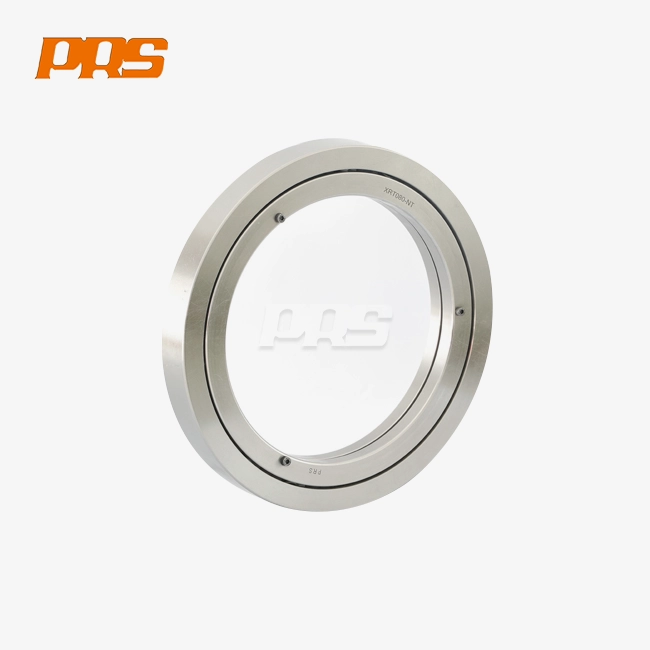
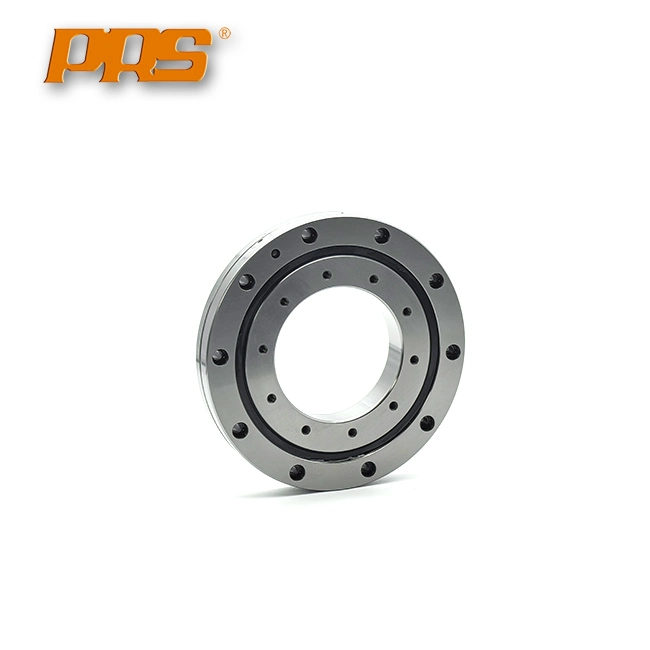
Understanding how cross roller turntable bearing technology improves accuracy is very important when precision is very important in your rotary table uses. These special parts use cylinder-shaped rollers set up at right angles inside precise V-groove raceways. This lets them handle radial, axial, and moment loads at the same time. In contrast to regular ball bearings, which rely on point contact, this orthogonal roller design provides line contact along the full length of the roller, making it much more rigid and reducing deflection. The end result is very accurate spinning with almost no runout, which is exactly what is needed for tough robots, CNC machining, and medical equipment.
Understanding Cross Roller Turntable Bearings and Their Role in Accuracy
The main benefit of cross roller turntable bearings is the way they are designed on the inside. Each roller is not connected to the ones next to it, so there are different load paths inside a single small unit. The way forces move through the bearing system changes because of this design.
How the Crossed Roller Design Works?
Loads are spread out evenly across the raceway area by the alternate roller arrangement. Each roller in your rotating table takes a fair share of the forces that act on it, such as vertical loads during heavy cutting, horizontal forces from moving materials, and twisting moments from workpieces that aren't centered. This even spread stops the stress buildup that happens in point-contact bearings when a few balls carry too much weight. The idea behind this design comes from engineers who made precise instruments and needed small solutions for things like radar tracking systems and observation telescopes.
Rigidity Advantages Over Traditional Designs
When compared to ball bearings of the same size, PRS cross roller turntable bearings are 3–4 times more stiff. Because the bearing bends less under load, this hardness directly leads to better accuracy. When a CNC rotating table is moved to a new place, the bearing has to be able to withstand tilting forces without changing the angle. Lower deviation means that the workpiece stays in the right place in relation to the cutting tool. This makes it possible for finished parts to have better tolerances.
Compact Integration Benefits
The form of the combined mounting holes gets rid of the need for separate housing. Direct attachment to the frame of your machine cuts installation room by about half while keeping the full load capacity. This great use of space is especially useful in places like robotic joint systems and multi-axis machine centers where every millimeter matters. There are diameters ranging from 10mm to 350mm on the inside and 52mm to 540mm on the outside, so they can be used for a wide range of purposes, from small medical robots to large industrial spinners.
Design Considerations to Optimize Rotary Table Accuracy
To get the most accurate results, you need to pay close attention to the factors you use to choose the cross roller turntable bearing and how it fits into the design of your whole system. A number of important things affect the final result.
Roller Arrangement and Cross-Section Geometry
The load capacity and rigidity for cross roller turntable bearing are both affected by the angle at which the wheels meet. Standard designs use crossed 90-degree arrangements, but different shapes may work better in some situations. Contact stress is spread out based on the ratio of roller width to length. Longer rollers spread loads over a larger area, but they also make friction worse. The PRS engineering team can look at your load levels and suggest the best setups that balance different performance factors.
Material Selection and Heat Treatment
To get the right amount of stiffness, materials for bearing rings and rollers are carefully heated. Standard GCr15 bearing steel has standard performance qualities, while special alloys have better features for harsh settings. When semiconductor equipment is used in a cleanroom, it might need special materials that keep particles from forming. Materials that work the same way at all temperatures are needed for aerospace uses. The choice of material has a direct effect on how long a bearing will last and how accurate it will stay over time.
Precision Class Specification
According to ISO 199, there are different levels of precision for bearings. P4 stands for high precision and P2 for ultra-high precision. For general accuracy tasks, P4 class bearings work well in robot joints and scanning tables. P2 bearings are used in the most difficult situations, like CT scanner gantries, camera mounts, and coordinate measuring tools, where even small changes can hurt performance. Tighter manufacturing standards are needed for higher accuracy classes, which makes production more difficult and expensive. By specifying the right level of accuracy, you can avoid over-engineering and make sure there are enough performance gaps.
Customization for Unique Requirements
Standard bearing sizes work for most uses, but custom designs make the best performance for unique situations. Different mounting systems can use different flange designs. The patterns of seals can be changed to work in dirty places or clean rooms. Some coatings stop rust or lessen friction. PRS's manufacturing options are still open enough to handle both regular catalog items and custom-engineered solutions. Our 15,000-square-meter building has more than 200 high-precision machines that can make bearings with diameters ranging from 10 mm to 5000 mm. This means that we can customize our products to meet your exact needs without requiring long wait times.
Understanding these design factors makes it easier for procurement professionals and design experts to work together. The bearing design is no longer a separate component choice; it's a decision that takes into account mechanical needs, weather conditions, and business needs.
Maintenance and Best Practices for Longevity and Accuracy
Without proper upkeep, even the best accurate cross roller turntable bearings will wear out. Proactive care increases the useful life of an item while keeping the accuracy that makes the original investment worthwhile.
Lubrication Management
Lubrication lowers friction and stops wear before it's due. Before putting it together, the first lubrication should cover all contact areas equally. Relubrication intervals depend on the conditions of use; for normal uses, they are usually between 6 and 24 months. Places with high temperatures or routines that run all the time may need more frequent care. Cross roller turntable bearings can be oiled or greased, but which one to use depends on the speed, temperature, and ease of entry. For sealed units, grease makes upkeep easier, while oil ventilation systems work best for high-speed or high-temperature tasks.
Inspection Protocols
Visual inspections done on a regular basis for crossed roller turntable bearings find problems before they become major problems. Check for changes in the color of the lube that could mean it is dirty or breaking down due to heat. Keep an ear out for strange sounds that could mean that the rollers are damaged or that dirt is getting inside. Check the working temperature—too much heat means that the bearings aren't oiled enough or are being overloaded. Vibration analysis finds emerging flaws that can't be seen with the naked eye. Setting standard data during commissioning gives you points of reference for analyzing trends.
Common Issues and Solutions
Rotational resistance that goes up often means that the bearings aren't oiled well enough or are dirty. Cleaning and re-greasing usually get things back to normal. Raceways with visible wear patterns may not be lined up correctly or be under too much load. Recurrence can be avoided by making sure the fixing surface is flat or going over the load estimates again. Damage from corrosion happens when chemicals or water get into a metal. Better sealing or protected layers lessen the effects of external factors that cause rust.
Case Study Evidence
A company that makes precision machining centers said that structured repair plans increased the life of bearings by 40%. As part of their routine, they checked the machine every three months, kept an eye on the temperature, and oiled it once a year. Another case involved a medical equipment OEM whose CT scanner bearings met accuracy standards for 12 years thanks to regular maintenance, which was longer than the 8-year design life expectation. These examples from real life show that investments in repair pay off in the form of less downtime and longer component life.
Keeping records of upkeep tasks is a good way to preserve history. It's easier to guess when to replace something and plan preventative maintenance if you keep track of when it was oiled, what was found during inspections, and how many hours it was used.
Procurement Guidance: Selecting the Best Cross Roller Turntable Bearings for Your Business
Strategic buying strikes a mix between technology needs and business concerns. During the decision-making process, many things that affect long-term value should be carefully looked at.
Defining Application Requirements
Start by putting a number on the real working conditions for cross roller turntable bearing. When you figure out the load, you should include both normal and peak loads. The right cross roller turntable bearing types are based on the rotational speed needs. The range of operating temperatures affects the choice of material and grease. Sealing needs are determined by things like contamination, wetness, and chemical contact. Accuracy goals set the level of accuracy that is needed. Writing down these factors makes a specification that providers can use to give accurate quotes.
Evaluating Supplier Capabilities
Besides product specs, a supplier's skills have a big effect on the success of a project. Suppliers can meet your number needs and delivery dates if they have the ability to make what you need. How well providers can help with application engineering depends on how much technical support they offer. Quality systems give customers trust in the regular performance of their products. ISO 9001 certification sets the standard for what should be done. The terms of the warranty show that the maker trusts the product to work well. When technology questions come up during installation or use, having access to after-sales help is important.
Ordering Strategy Optimization
Single-unit purchases are good for testing and developing prototypes, while volume buys lower unit costs and make sure there is enough stock for production plans. There are big differences in the lead times for regular catalog things and custom designs. PRS keeps a large stock of standard types that can be sent out 24 hours a day for standard requirements. Custom bearings, on the other hand, usually take 4-6 weeks, depending on how complicated they are. The best time and amount to buy are found by balancing the costs of keeping supplies with the needs for production consistency.
Total Cost of Ownership Analysis
The purchase price is one part of the total cost of bearing. Over the bearing's service life, the work that goes into installing it, the time it takes to change it, and the upkeep that it needs add up. Higher-quality bearings that cost more at first often have lower total purchase costs because they last longer and break down less often. Lifecycle costs are a more true way to compare values than just looking at prices.
Building Supplier Relationships
Long-term relationships with dependable providers are good for both sides. Suppliers get steady amounts of income and can better predict what customers will want. Buyers get special attention when there aren't enough spots and can get professional help. When new application problems come up, collaborative connections make it easier to solve them. PRS sees its relationships with customers as long-term partnerships rather than one-time transactions. It does this by offering technical advice and quick help for apps that need complex precision.
Conclusion
The precision of a rotary table depends on how well the bearings work. cross roller turntable bearings have an orthogonal layout of rollers that gives them the strength, accuracy, and load capacity that are needed for difficult uses. To get the best results, you should know how these bearings compare to other options, choose the right design factors, follow good maintenance procedures, and work with reliable providers. The technology keeps getting better with better materials, more precise production, and more ways to customize. Companies that regularly check their suppliers' bearing needs and abilities set themselves up for competitive benefits in situations where accuracy is key.
FAQ
How does crossed roller bearing design improve rotary table accuracy compared to ball bearings?
The design of the orthogonal rollers makes line contact instead of point contact, which spreads the load over a larger surface area. This form is 3–4 times more stiff, which means it won't bend as much when it's loaded. Less displacement directly leads to more accurate positioning and less runout during spin.
What maintenance activities are most critical for preserving bearing accuracy?
Regular greasing keeps the film thick, which keeps metals from touching and wearing down. When you do regular inspections, you can find contamination and wear patterns before they hurt performance. Temperature and shaking tracking find problems early on, when they are easiest to fix and before they get worse, preventing accuracy loss.
How do I choose between standard and custom bearing designs?
When their specs meet the needs of the product, standard bearings offer faster delivery and lower costs. When normal bearings can't handle certain room limitations, load combinations, or environmental conditions, custom designs are the best way to get the best performance. The choice strikes a balance between the need for success and the limitations of time and money.
Partner with PRS for Your Precision Bearing Requirements
For uses that need to be very accurate, Luoyang PRS Precision Bearing Co., Ltd. has more than 20 years of specialized experience. Our precision cross roller turntable bearing solutions use tried-and-true design principles and cutting-edge production tools. Our dedication to dependable performance in robots, machine tools, medical equipment, and precision instruments is shown by factory quality pass rates that are higher than 99.9%.
As a reliable producer of cross roller turntable bearings, we offer full application support, from helping you choose the right bearings to showing you how to install them. Our 35 technical engineers look at your unique needs and come up with the best solutions that balance accuracy, longevity, and value. Our production is flexible enough to meet your needs, whether you need regular catalog items that can be sent out within 24 hours or custom-engineered bearings for unique uses. Email our expert team at ljh@lyprs.com to talk about how PRS precision bearings can help your rotary table work better and be more accurate.
References
Harris, T. A., & Kotzalas, M. N. (2006). "Advanced Concepts of Bearing Technology: Rolling Bearing Analysis." CRC Press, Fifth Edition.
Eschmann, P., Hasbargen, L., & Weigand, K. (1985). "Ball and Roller Bearings: Theory, Design and Application." John Wiley & Sons, Second Edition.
ISO 199:2014. "Rolling Bearings - Thrust Bearings - Geometrical Product Specifications and Tolerance Values." International Organization for Standardization.
Tsuha, N. A. H., & Cavalca, K. L. (2012). "Stiffness and Damping of Elastohydrodynamic Line Contact Applied to Cylindrical Roller Bearing Dynamic Model." Journal of Sound and Vibration, 331(24).
Weck, M., & Brecher, C. (2006). "Machine Tools Production Systems: Design, Calculation and Metrological Assessment." Springer-Verlag, Volume 4.
Amasorrain, J. I., Sagartzazu, X., & Damian, J. (2003). "Load Distribution in a Four Contact-Point Slewing Bearing." Mechanism and Machine Theory, 38(6).

USER EVALUATE
Here is the customer's evaluation of us