
Why Choose Precision Slewing Ring Bearings?
When industrial machinery needs to move precisely while being loaded with heavy loads, precision slewing ring bearings are the most reliable engineering solution. These special parts combine the ability to support axial, radial, and moment loads into a single, small assembly. This gets rid of the need for bulky multi-bearing setups that weaken the structure's stiffness. Choosing the right precision-grade rotational bearings has a direct effect on working uptime, positioning accuracy, and the total cost of ownership in a wide range of industries, from aircraft to industrial automation. Knowing why accuracy is important is what sets apart equipment that just works from gear that works at its best for decades.
Understanding Precision Slewing Ring Bearings: Core Features and Advantages
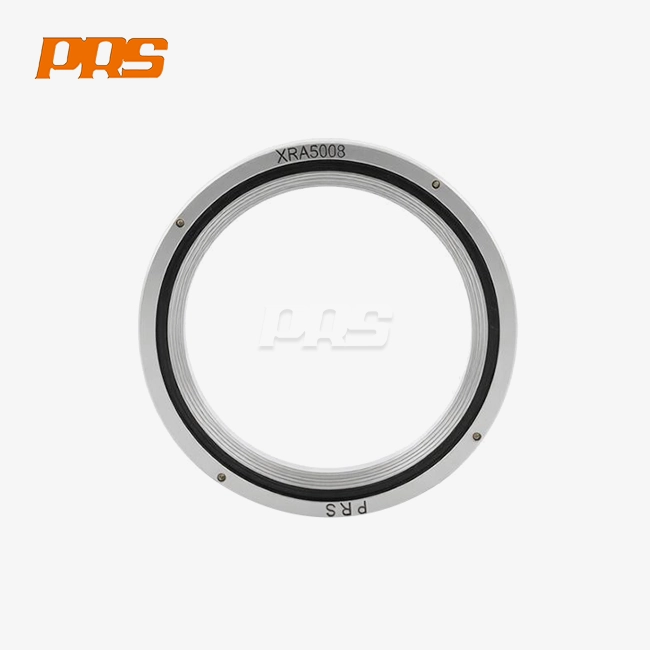
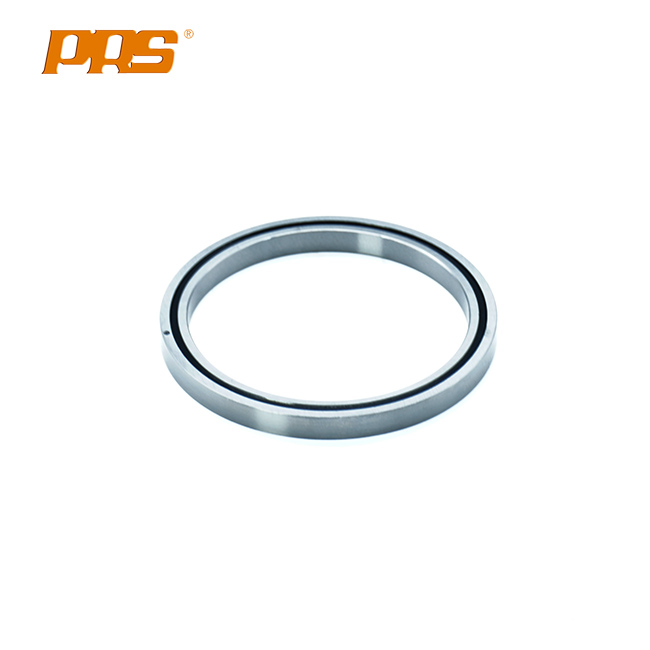
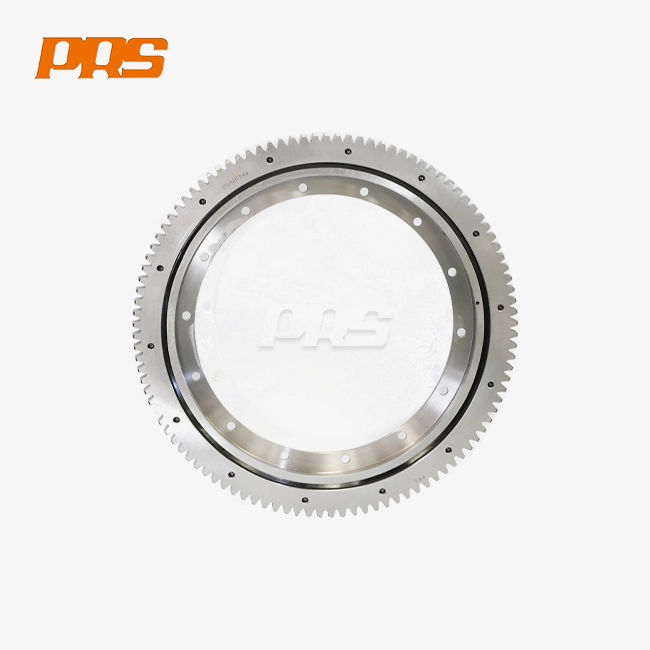
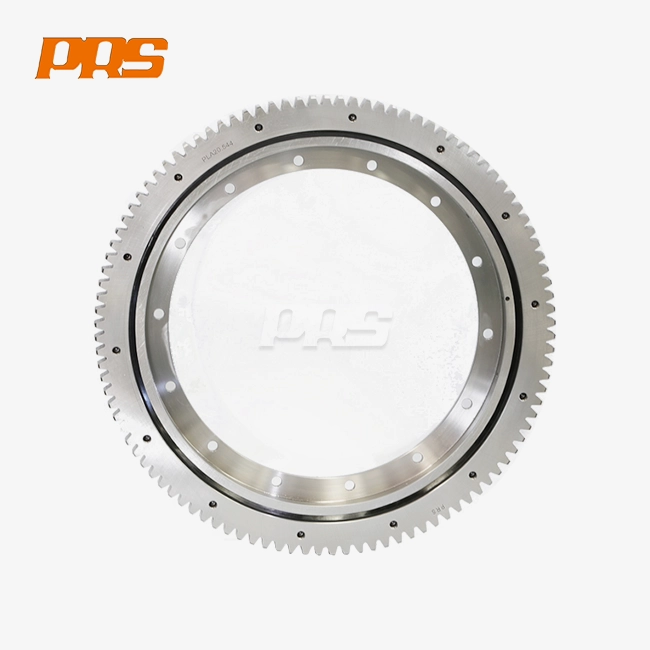
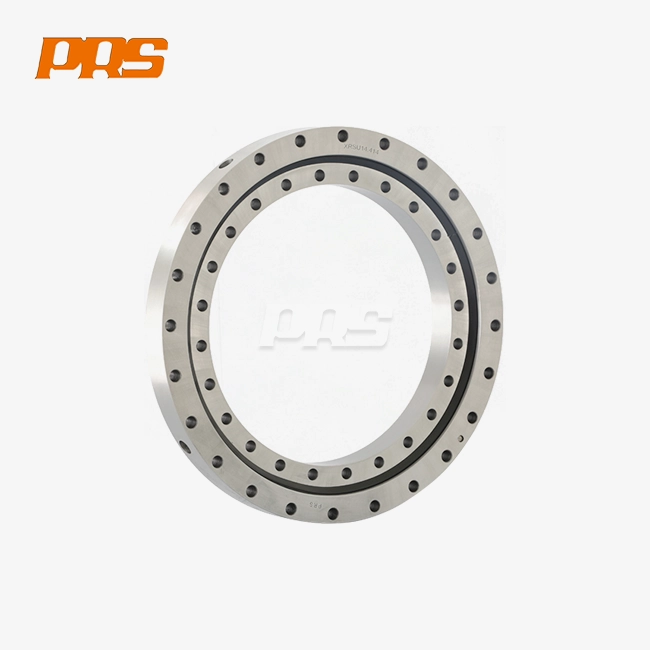
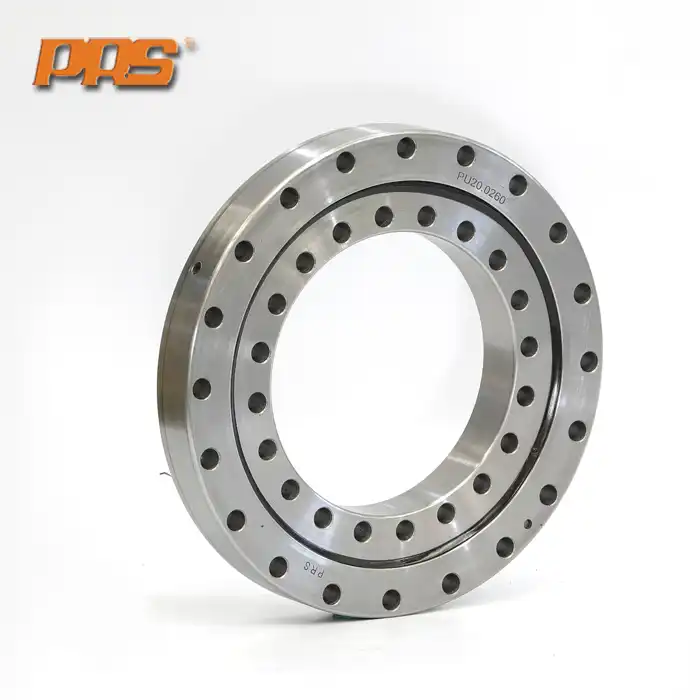
Different types of spinning parts are called precision slewing ring bearings. These are made to meet very strict clearance requirements that regular bearings can't meet. We make these bearings at PRS with tolerances measured in microns, which means that the radial and axial runout accuracy meets the requirements for precision grades P4 and P2. This level of accuracy is very important when equipment needs to be positioned the same way over and over or when even small errors can lead to working problems.
Fundamental Design Architecture
The way precision rotor bearings are made is very different from how other types are made. The first step in our manufacturing process is choosing high-quality materials, usually 42CrMo or 50Mn cast steel, because they are very tough and stable at high temperatures. Induction hardening makes the raceways so that their surfaces are between 55 and 62 HRC, which is the best range of hardness for rolling element contact. This hardened layer's depth is carefully controlled during production. If it's not deep enough, it will brinel too soon when shock loads are applied, and if it's too deep, it will become brittle, which increases the chance that cracks will spread.
Precision bearings need to have their preload adjusted carefully, while normal bearings can work with bigger tolerance bands. This technical trait gets rid of the need for internal clearance, which makes zero-play setups necessary for robots and metrology equipment that can't have backlash. The preload system spreads the contact stress evenly across the rolling elements. This stops wear patterns from forming in certain areas, which would otherwise shorten the service life.
Material Excellence and Surface Treatment
The choice of material has a direct effect on how well a bearing works in tough circumstances. Different types of stainless steel are very resistant to rust in cleanrooms where semiconductors are made, while alloyed steel can hold the most weight for heavy-duty uses. In addition to improving the qualities of the base material, improved surface treatments also make things last longer. Our factory uses special coatings that lower friction and make things more resistant to chemicals. This is especially helpful for medical devices that have to work in tough conditions during sterilization processes.
Performance Differentiation from Standard Bearings
When you compare how they work, the benefits of precision-grade rotating bearings become clear. Standard bearings might work fine for moving things around in general, but they fall short in very specific situations. Because the raceway shape is adjusted and the rolling elements are of higher quality, precision bearings can increase load capacities by 20 to 40 percent. The amount of vibration drops by at least half, which is very important for optical systems and CT machines because even very small vibrations can ruin the quality of a picture.
As industrial standards get tighter, noise production goes down by a lot. This lower level stops sound interference that makes condition tracking harder in automation systems with multiple bearings working at the same time. When rigidity goes up, positioning accuracy goes up when loads change. This is because computer joints keep path precision within hundredths of a millimeter instead of tenths.
Why Precision Matters: Performance Optimization and Application Scenarios
Precision engineering in rotary bearings is a direct indicator of how well equipment meets design requirements over the course of its planned service life. Tolerances in the manufacturing process that don't seem important on inspection reports become very important when the product is being used. Lifecycle cost analysis helps buying teams show that initial investments were worth it by showing how these links work.
Load Distribution and Operational Efficiency
Precision slewing ring bearing use closely controlled raceway profiles to spread forces over bigger useful contact areas. This level of physical accuracy stops edge loading situations that put stress on the edges of the track. When axial thrust, radial forces, and rolling moments come together, as they usually do when robotic joints and spinning indexers are loaded, even small changes in geometry can cause uneven contact pressure. Over thousands of cycles, this mismatch speeds up wear and makes the variation in rotational force bigger.
Handling semiconductor wafers is an example of an application where accuracy is important. For cleanroom robotics to work, the placement must be repeatable to within ±5 microns, and fragile parts must be moved faster. Motion controls get confused when standard bearings cause drag to change in unpredictable ways. Precision versions keep torque profiles constant, which lets control systems reach their speeds goals without going too fast.
Application-Specific Requirements
Different fields have different performance needs that precision bearings can meet well. For medical imaging machines like CT scanners to work, the gantry's extended mass needs to be supported by bearings that can spin smoothly at different speeds. Any shaking that happens on a regular basis creates picture artifacts that make scans useless for diagnosis. PRS precision bearings make sure that the spin is uniform, which keeps vibration peaks below detection limits for the whole range of operations that the equipment can handle.
Aerospace navigation systems are another problem that must be solved with great accuracy. Tracking platforms have to keep their angular positioning accurate even when the temperature changes from -40°C to +120°C and they are exposed to sand, water, and shock loads. Specialized sealing systems and thermally stable oils in our precision bearings keep them working well in a wide range of temperatures. In these situations, a failed bearing could lead to a task failure or a safety issue, so reliability is very important.
Maintenance Strategy and Failure Prevention
Getting repair practices that meet precision-grade needs is key to extending the life of bearings. Condition-based tracking that keeps an eye on key signs like starting torque and axial play is what our technical team suggests. If the axial tilting clearance goes over certain limits, usually 1.5 to 3 mm based on the width, the wear on the raceway has gone beyond what is safe. Finding decline early stops catastrophic fails that hurt parts that fit together.
Managing lubrication is even more important when you have accurate bearings. For lubricating raceways, we ask for lithium-based high pressure greases that meet NLGI Grade 2 viscosity guidelines. When to re-grease depends on the speed and load of the machine, but as a general rule, we suggest checking the oil every 500 hours for continuous-duty uses. When it comes to gear-type bearings, the gear teeth need special care. High-viscosity open gear oils can handle contact forces that would squeeze regular greases out of mesh zones.
Comparing Precision Slewing Ring Bearings to Alternative Solutions
To choose the best bearing technology, you need to know how the different types solve problems in different applications. Turntable bearings, cross roller bearings, and standard bearing sets are all types of precision slewing ring bearings that can be used. Each technology has its own benefits that make it better for different types of uses and performance needs.
Structural and Performance Comparisons
Because the rollers are arranged perpendicularly, cross roller bearings are very rigid. This makes them perfect for uses that need the most stability in a small space. They can still move slowly compared to ball-type precise slewing bands, though. When the speed of spinning is higher than 10 rpm, ball bearings cut down on heat and friction loss. Large pitch sizes help turntable bearings handle moments better, but they might not have the tight tolerances needed for precise placement. Knowing these trade-offs helps you choose the right tool.
From our experience in industry, we know that hybrid methods work well in many situations. Precision cross roller bearings might be used in robotic elbow joints at the shoulder joint, where loads are highest, and ball-type precision slewing rings at the wrist, where speed is more important. This application-specific matching improves efficiency and keeps prices low.
Material Selection Impact
The environment affects the choice of materials in more ways than just basic load figures. Even though they cost more at first, stainless steel bearings don't rust, which is important in industries like food processing and pharmaceutical production where parts are washed and exposed to acidic chemicals and water. Standard steel bearings need protective coats or to be replaced more often, which raises the total cost of ownership even though they cost less to buy.
Temperature extremes also affect choices about things. Materials with stable dimensional properties work better in aerospace uses that go through thermal cycles. When the temperature changes, our 42CrMo steel keeps the shape of the raceways even though most materials would grow widely, causing changes in clearance that make accuracy less accurate.
Supplier Expertise and Quality Standards
How well a bearing works rests a lot on how well it was made and how well application engineering was supported. Global providers like NSK, SKF, Timken, Kaydon, and THK have been improving their products for decades, setting standards for the industry. At PRS, we've looked into these standards a lot while also coming up with our own methods that get similar quality at shorter lead times.
As part of our quality control procedures, we test raw forgings with ultrasound to find holes inside them, look for cracks on the surface with magnetic particles, and use coordinate measuring tools to check the geometry. Starting torque tests and clearance measurements are done on every production batch. With this thorough method, factory pass rates are higher than 99.9%, which means that customers get bearings that meet stated specs.
Total Cost of Ownership Analysis
The price at which a bearing is bought is only one part of its lifespan economics. Precision bearings cost more because they are made with better materials and tighter standards. However, this initial investment usually pays off because the product lasts longer and needs less upkeep. Maintenance teams spend less time making repairs and replacing parts, and unexpected downtime doesn't mess up production plans.
To figure out return times, you have to figure out how much failure costs for each application. When a bearing failure stops a chip production line that makes $50,000 worth of goods every hour, even small improvements in reliability are worth big investments in bearings. On the other hand, standard-grade components may be more cost-effective for uses where bearings are easy to get to and downtime costs are low. Working with our application engineers helps make these factors clearer for certain use cases.
How to Select and Procure Precision Slewing Ring Bearings Effectively
A successful bearing purchase combines technical needs, limitations in the supply chain, and business concerns. Through our work with a wide range of businesses, we've found key choice factors that make selection easier and guarantee good results.
Technical Specification Criteria
Figuring out the load ability is the first step in choosing the right size bearings. Engineers need to figure out what the highest axial loads, radial forces, and tilting moments are in the worst possible working situations and then use the right safety factors. Dynamic load rates are important for applications that need to rotate all the time, while static capacity controls motions that happen slowly back and forth, which is common in positioning systems. When application data is sent to us, our technology team helps with calculations and makes size suggestions.
Environmental factors have a big effect on how bearings are made. Extreme temperatures, contamination, and wetness levels can change the sealing needs and lubricant choices. For example, semiconductor tools need seals that work in clean rooms and stop particles from forming, while construction tools need strong exclusion seals that keep mud and dirt out. Finding these situations early on keeps design changes from being too expensive.
Supply Chain and Commercial Considerations
Lead times for precision bearings depend a lot on how they are configured and how many are ordered. Standard catalog sizes with either internal or external gears usually ship between 4 and 6 weeks. Custom designs that need different sizes or special materials add 8 to 12 weeks to the time frame while tools are made and quality checks are done. Project delays can be avoided by planning purchases around these dates.
Different businesses have different minimum order amounts that affect how they buy things. OEMs that are making more than one machine may combine orders to get better prices and make sure they have enough supplies. Custom machinery makers who only need one unit need sources who can work with low volumes. At PRS, our 15,000 m² production center can handle both situations with efficient methods that keep quality the same no matter what batch size.
PRS Manufacturing Capabilities
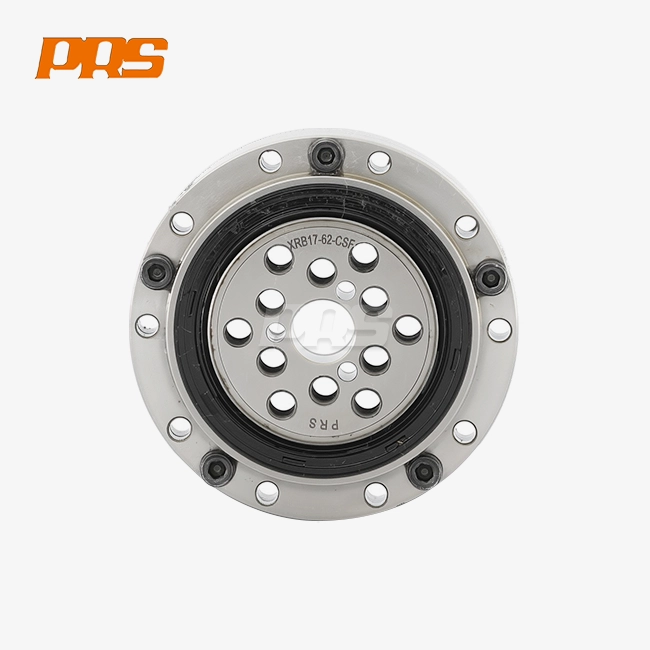
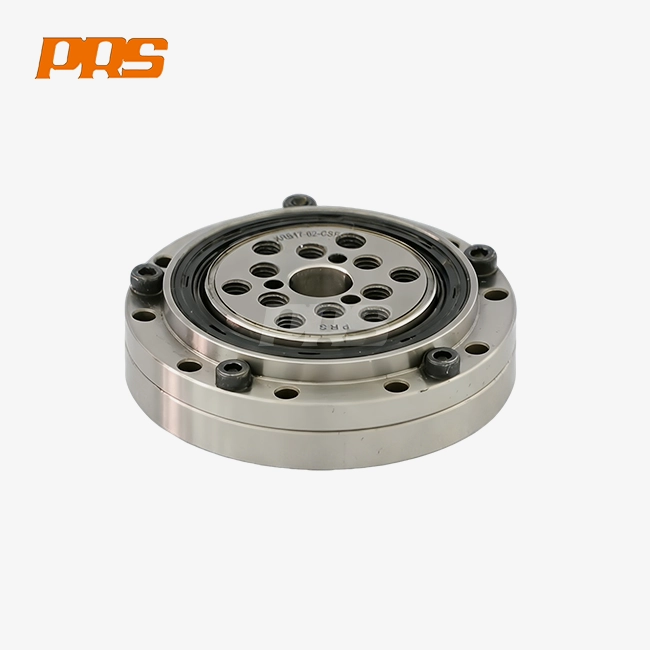
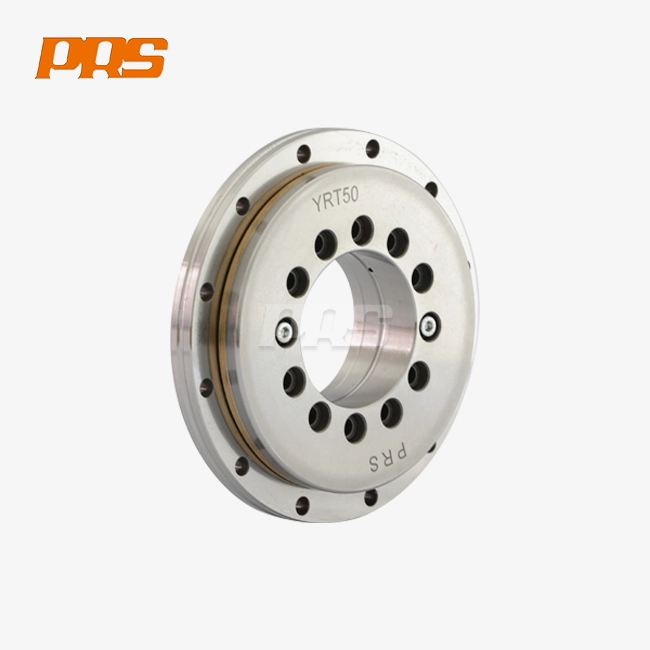
With 20 years of experience, Luoyang PRS Precision Bearing Co., Ltd. is a company that makes bearings. We've only made precision and special bearings since 2003, so we've learned how to handle the most difficult situations. We have crossed roller bearings, thin-walled ball bearings, YRT turntable bearings, ZKLDF thrust angular contact ball bearings, and full slewing ring bearing systems with P4 and P2 precise grades. The sizes of our products range from 10mm to 5000mm.
Our engineering team is made up of 35 technology experts who work on unique design projects. We offer responsive application support, whether it means changing current designs to fit specific mounting needs or coming up with totally new bearing configurations. This feature comes in handy when business equipment is rebuilt or when new technologies create bearing needs that catalog goods don't meet.
Quality standards like ISO 9001, ISO 14001, and ISO 45001 show that we are dedicated to consistent production methods and ongoing growth. These standards are known all over the world, which makes export paperwork easier and gives buying teams faith that bearings meet the requirements. Our 6S production management method enforces order in the factory, which leads to reliable products.
Future Outlook: Trends and Innovations in Precision Slewing Ring Bearings
Bearing technology keeps changing as new materials, production methods, and ways of putting things together come out, bearing technology keeps changing. Knowing about these trends helps procurement teams make choices that protect investments in tools and keep them ahead of the competition.
Advanced Materials and Coatings
New developments in material science point to bearings that will last longer and work better. Ceramic rolling parts are lighter and less likely to rust than steel ones, which makes them useful in medical and military settings. Hybrid bearings that use both ceramic parts and steel raceways offer average performance at a price that most people can afford. Diamond-like carbon films and other surface coating technologies lower friction coefficients and provide high wear protection, which could double the life of bearings in rough settings.
Integrated Condition Monitoring
Smart bearing systems with built-in sensors are a game-changing piece of technology for managing upkeep. Accelerometers pick up changes in sound that show wear, and temperature sensors pick up on loss of lubricants before it causes damage. By building these sensing features right into the bearing assemblies, you don't need any extra tools for tracking, and you can see the performance in real time. Predictive maintenance plans based on sensor data cut down on unplanned downtime and improve maintenance times by using real bearing state instead of conservative schedules.
Expanding Application Sectors
As renewable energy grows, so does the need for more large-diameter precise bearings. Wind turbines need big yaw and pitch bearings that can work consistently for 20 years or more, even though they are constantly being loaded and unloaded and are exposed to the elements. For accurate panel positioning, solar tracking devices need small, low-friction bearings. These uses make bearings bigger while still meeting strict accuracy standards. This creates manufacturing problems that are solved by new production technologies.
Robotics expansion across manufacturing, logistics, and service industries creates demand for compact, lightweight bearings with exceptional precision. For collaborative robots to work with people, their motion needs to be smooth and reliable so that safety risks are kept to a minimum. Our plan for future growth includes bearing designs that are best for these new uses. This way, customers can get technology that works with next-generation tools.
Conclusion
Precision slewing ring bearings offer measurable performance benefits in all fields that need exact, reliable rotating motion under combined loads. Precision-grade parts have micron-level tolerances, optimized preload, advanced materials, and better surface treatments. These engineering improvements have direct operational benefits, such as longer service life, less maintenance, better positioning accuracy, and lower total ownership costs. When choosing the right bearing technology, you need to look at the load conditions, environmental factors, precise needs, and cost-effectiveness over the lifespan of the product. Successful results are guaranteed when you work with experienced makers who offer full engineering help, tried-and-true quality systems, and flexible production options. As bearing technology improves through new materials, built-in tracking, and more application development, precision bearings will continue to make it possible to build machines that weren't possible or practical before.
FAQ
What maintenance schedule should we follow for precision slewing ring bearings?
Maintenance times rely on how the machine is being used, but as a general rule, for continuous-duty uses, starting torque and axial clearance should be checked every 500 hours. Check the state of the oil and add more grease if needed. If the temperature of a bearing keeps going up after the initial reading, it could mean that the grease is breaking down or there are other issues that need to be looked into. For equipment that only works sometimes, once a year checks are usually enough.
How do we determine if precision-grade bearings are necessary versus standard options?
Precision bearings are usually needed when setting repeatability is less than 0.1 mm, when working in a laboratory, when vibrations are a big problem, or when a failed bearing could put people in danger. Precision-grade endurance is also good for equipment that spins continuously more than 100,000 times a year. Our systems engineers can look at specific use cases and suggest the right bearing types.
What are typical procurement lead times and minimum order quantities?
Standard setups with popular gearing choices usually ship between 4 and 6 weeks. Custom patterns that need unique sizes or materials can make the wait time 8 to 12 weeks, based on how complicated they are. We can take orders for just one unit for prototype development and special machinery uses, and our prices are set so that they stay cheap across a range of order sizes. Get in touch with our team to talk about your unique project needs.
Partner with a Trusted Precision Slewing Ring Bearing Manufacturer
Choosing the right bearing partner is the first step to improving the rotating performance of your tools. PRS makes precision slewing ring bearings that are designed to work in tough industry settings like aircraft, medical devices, automation, and precision manufacturing. Because we've been specializing in high-accuracy bearing systems for 20 years, you can be sure that the parts you receive will meet your exact needs and come with full expert support.
Reaching our engineering team at ljh@lyprs.com connects you with specialists who understand your application challenges and can recommend optimal bearing configurations. We offer custom design capabilities, competitive lead times, and quality assurance protocols maintaining factory pass rates exceeding 99.9%. Our ISO-certified manufacturing facility produces bearings from 10mm to 5000mm diameters with P4 and P2 precision grades, supported by flexible minimum order quantities accommodating both prototype development and production volumes. Visit prs-bearing.com to explore our complete product catalog and discover why discerning OEMs choose PRS as their precision slewing ring bearing supplier.
References
Harris, T.A. & Kotzalas, M.N. (2006). Advanced Concepts of Bearing Technology: Rolling Bearing Analysis, Fifth Edition. CRC Press.
Wensing, J.A. (1998). On the Dynamics of Ball Bearings. PhD Thesis, University of Twente, Netherlands.
ISO 199:2014. Rolling bearings - Thrust bearings - Tolerances. International Organization for Standardization.
Palmgren, A. (1959). Ball and Roller Bearing Engineering, Third Edition. SKF Industries Inc.
Budynas, R.G. & Nisbett, J.K. (2015). Shigley's Mechanical Engineering Design, Tenth Edition. McGraw-Hill Education.
American Gear Manufacturers Association (AGMA). (2004). Design Manual for Enclosed Epicyclic Metric Module Gear Drives. AGMA 6123-B06 Standard.

USER EVALUATE
Here is the customer's evaluation of us