
How to Calculate Load for Heavy-Duty Slewing Bearing Selection
It takes a lot of care to choose the right bearing for big tools. When determining the load on a heavy-duty slewing bearing, you must consider three main forces: axial loads (weight and downward pressure acting vertically), radial loads (horizontal forces acting perpendicular to the spinning axis), and moment loads. During action, these parts work together at the same time. Correctly calculating the load keeps your equipment from breaking down too soon and makes sure it works safely in real life. By using well-known methods to figure out how to mix these forces, you can find the best bearing specification for your needs.
Understanding Heavy-Duty Slewing Bearings and Load Concepts
What Makes Slewing Bearings Unique
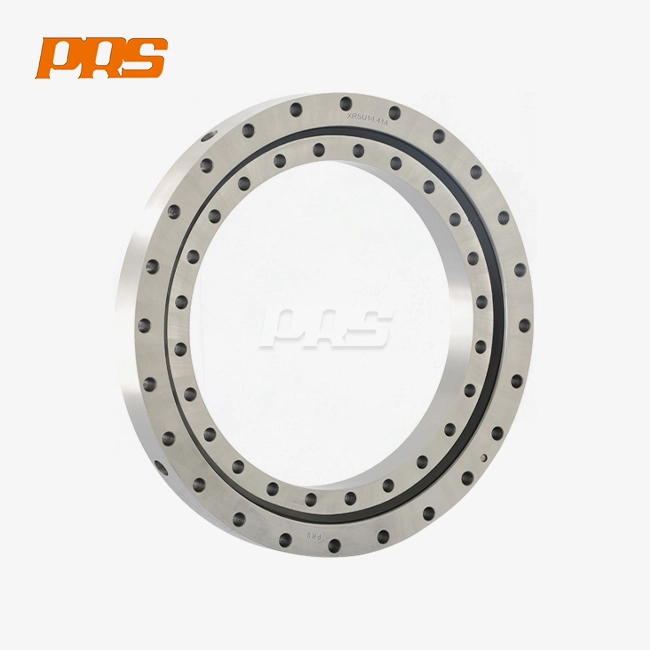
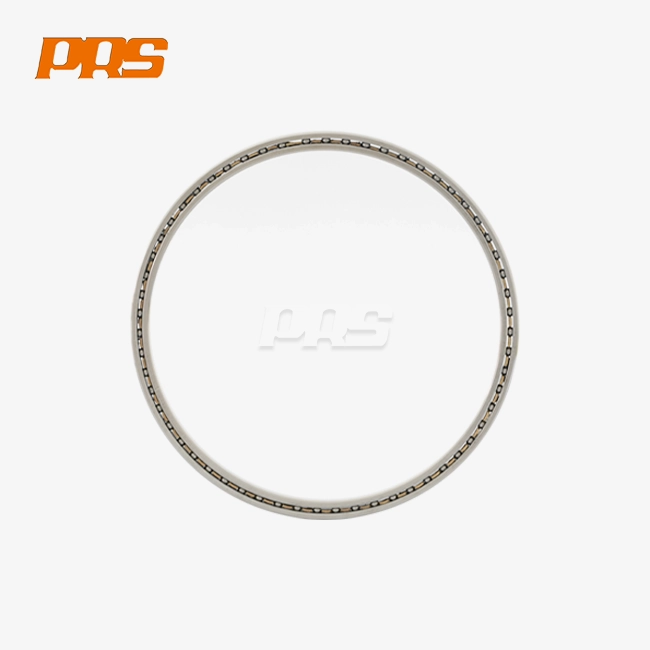
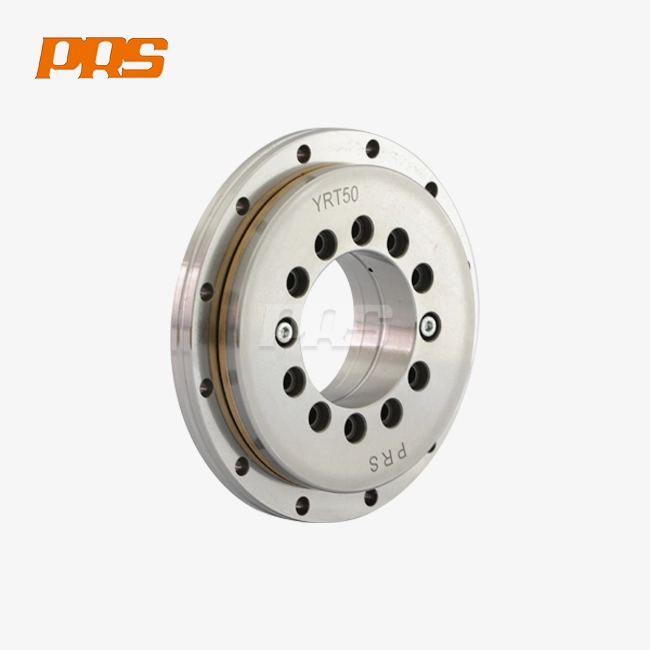
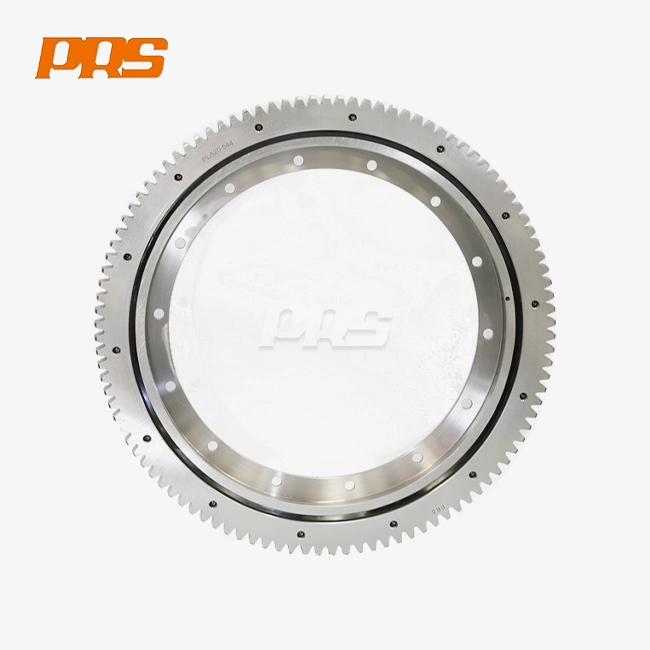
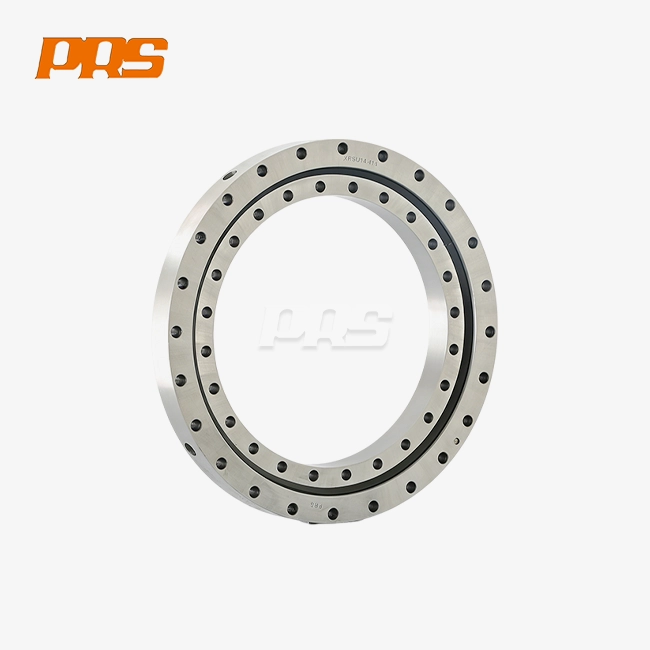
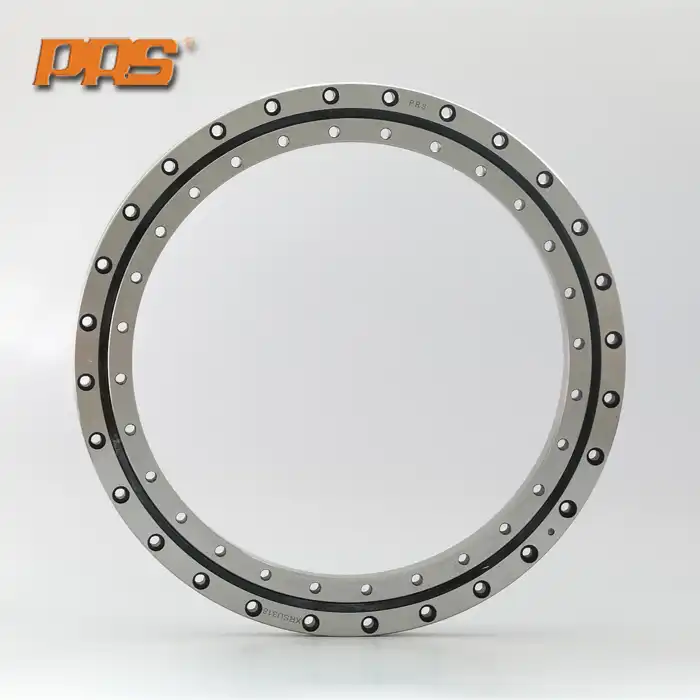
Slewing rings are a special kind of spinning support that are not the same as regular bearings. These big parts have fixing holes, sealing systems, and alternative gear teeth built right into the structure of the bearing. This arrangement gets rid of the need for different shaft units while still keeping the structure strong under tough conditions. The design lets it be directly bolted to the frames of machinery, spreading the force over many rolling parts that are set up in certain geometric shapes.
Three Critical Load Types
Turntable bearings work best when the load is spread out evenly along multiple directions. The weight of the tools, the mass of the payload, and the pull of gravity working vertically through the bearing center are all examples of axial loads. Forces that work horizontally, like wind pressure on crane booms, lateral acceleration during slewing motions, or side hits during material handling, can cause radial loads. Moment loads happen when forces act away from the axis of the bearing, putting rotational stress on the bearing assembly that tries to tilt or flip it over.
It's important to understand how load and force combine because these forces rarely happen alone. When the crane is working, lifting a load creates axial force and a moment arm that causes bending stress at the same time. Wind blasts add horizontal forces to the vertical loads that are already there. To keep bearings from getting damaged, this mixed loading situation needs to be carefully looked at.
Why Precision Matters in Load Calculation
When you guess wrong about bearing loads, bad things happen. Under-specification causes the track to wear down quickly, the rolling element to get pits, and the whole thing to fail during peak operating demands. Over-specification makes equipment more expensive, heavier, and harder to install than it needs to be. Our experience at PRS has shown that using correctly estimated load rates can increase the life of bearings by 40 to 60 percent compared to estimates that are only based on the weight of the equipment. When procurement teams spend time on correct load analysis, they lower the total cost of ownership of machinery and make it more reliable over longer operating cycles.
Step-by-Step Method to Calculate Loads for Heavy-Duty Slewing Bearings
Identifying Operational Conditions
A full operating study of heavy-duty slewing bearing is the first step in figuring out the load. Write down the duty cycle of your equipment, including the number of spinning, the angular speed, and the patterns of load change. Figure out what the highest load situations are, such as emergency stops, high winds, or full lifting operations. Think about dynamic effects like shock loads when something hits something or vibrations from machines next to you. Extreme temperatures and being exposed to contamination are some of the environmental factors that affect how loads are distributed and how bearing materials respond.
Calculating Individual Load Components
- Axial Load (Fa): Add up all the vertical forces, such as the equipment's own weight, its highest carrying capacity, and any hydraulic pressures that are pushing down. For uses that are likely to experience shocks, use a number that is usually between 1.25 and 1.5 to account for dynamic factors. Fa = (Static Weight + Payload) × Dynamic Factor is the answer.
- Radial Load (Fr): Figure out the horizontal forces from wind pressure figures, the acceleration forces during slewing (mass × angular acceleration × radius), and the side loads from packages that aren't balanced. When forces work in more than one direction, you need to combine the vector components. Radial loads can reach 20 to 40 percent of axial loads in most crane uses.
- Moment Load (M): To find tilting moments, increase forces by how far they are from the axis of the bearing. Take the cargo weight times the length of the boom times the sine of the boom angle. Take the wind moment from the wind force times the effective height above the centerline of the heading.
Combining Loads Using ISO Standards
The guidelines in ISO 76 and DIN 628 explain how to combine these different types of load into a single dynamic load number that is the same. The calculation takes into account the shape of the rolling elements, the contact angle, and the way the loads are distributed in your particular bearing setup. Cross-roller designs handle combined loads differently than ball bearing designs, so models need to be tailored to each setup.
For slewing rings, the equal dynamic load (P) is usually given by: P = XFr + YFa + ZM, where X, Y, and Z are load factors that come from the shape of the bearing and the order of the rolling elements. These factors are different if you choose a single-row ball, a double-row ball, a cross-roller, or a triple-row roller arrangement. Get in touch with our technical team to get exact coefficients that match your bearing type.
Applying Safety Factors
As an engineer, you need to leave some room for error in your calculations, differences in materials, and practical stresses you didn't see coming. Use safety factors between 1.5 and 2.5, ranging from 1.5 for controlled settings with known loads to 2.5 for harsh conditions with unpredictable loads. For important uses in medical or aircraft tools, factors close to 3.0 may be needed. The chosen factor multiplies the equivalent load you determined to get the minimum bearing grade.
Key Design Features and Material Considerations Affecting Load Capacity
Structural Design Impact
The load capacity is mainly determined by the ring's length and cross-sectional shape. Stresses are spread out over bigger areas of material by thicker rings, which lowers the quantity of peak stresses. How rolling elements move loads between the inner and outer rings is affected by the contact angle and the curve of the raceway. PRS's triple-row roller designs can hold the most weight because they have the right shape to handle axial, radial, and moment load paths at the same time.
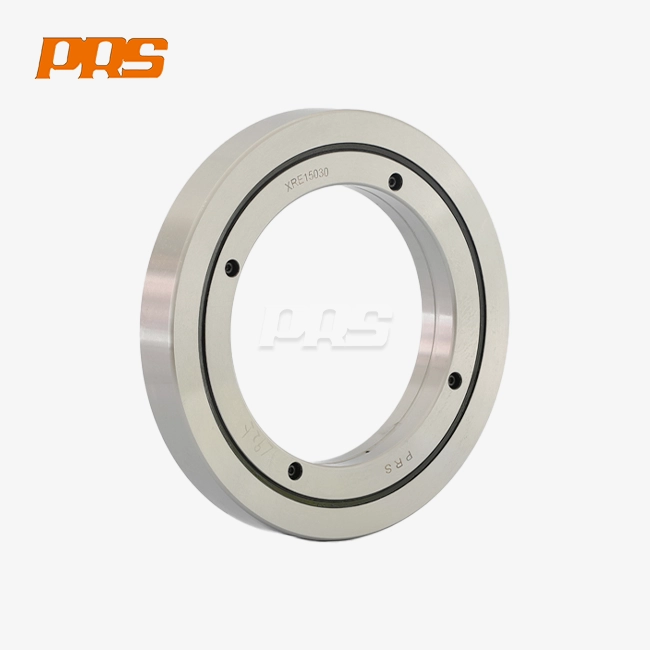
The number and arrangement of rolling elements directly correlate with load distribution efficiency. Cross-roller layouts change the direction of the rollers, which lets small shapes with high rigidity be made. This design works especially well for robotic joints and precision positioning systems that have limited room for the bearing envelope.
Sealing and Lubrication Systems
Effective sealing keeps lubrication in and keeps internal parts from getting dirty under different operating situations. In building sites, multi-lip seals with built-in fans keep dust and moisture out. Labyrinth locks protect without touching, so they can be used in high-speed situations. Bearing designs with lubrication paths make sure that grease is evenly spread across all load-bearing surfaces. This keeps the film thickness that keeps metals from touching during spinning.
Material and Heat Treatment Quality
Choosing the right steel grade affects how well it resists wear and how much weight it can hold. When compared to regular bearing steels, special alloy steels like 42CrMo and 50Mn are better at hardening and being tough in the middle. At PRS, we use deep carburizing and cooling methods to make raceways that are harder than 55 HRC while keeping cores that are tough, flexible, and immune to shock loading.
The accuracy of the heat treatment stops warping and makes the raceway surface hard all over. Induction hardening lets you treat only the top of something while keeping the core's qualities. Contact stress resistance and total service life are based on the effective case depth, which is usually more than 3mm for large-diameter slewing rings. When a material is pure and homogeneous, it gets rid of any impurities that could cause stress cracks to spread during repeated loads.
Heavy-Duty versus Standard Bearing Comparison
Standard slewing bearings are used in a wide range of situations where the load is modest and the climate is managed. Heavy-duty slewing bearings versions have stronger construction, better materials, and better seals for tough circumstances. The difference can be seen in load ratings that are 30–50% higher, longer maintenance intervals, and dependability when operating under shock loads or steady duty cycles. When buying something, people should think about how much it will cost up front compared to how much it will save in downtime and service times.
Practical Applications and Case Studies of Load Calculation
Mobile Crane Load Scenario
Think about a mobile crane that can lift 50 tons and has a 30-meter boom. The vertical force is 58 tons (568 kN), which is made up of the 50-ton payload and the 8-ton weight of the boom at full length. The radial load comes from the 15 m/s wind speed, which creates a horizontal force of about 45 kN. The moment math shows that 50 tons times 30 meters times the force of gravity equals 14,700 kN·m of shifting stress.
We used our framework for calculations and a 1.8 safety factor for mobile equipment to find that a triple-row roller bearing with a 5,000 kN axial capacity and an 18,000 kN·m moment value met all of our needs. The choice of bearings included external gear teeth that made it easier to place the boom precisely and better sealing for use outside. This application showed that proper load analysis can stop under-specification problems like the ones that happened with the client's last bearing choice, which broke after only 2,400 hours of use.
Wind Turbine Yaw System
Yaw bearings in wind turbines have to deal with special loading patterns that include high moment loads from rough wind conditions and constant low-speed spinning. For a 2.5 MW turbine project, estimates had to be done for blade thrust forces, nacelle weight distribution, and different types of high wind events. The weight of the nacelle and rotor unit added up to 1,200 kN of rotational load. Radial forces from the strongest wind shear hit 340 kN, and the tilting moment during a storm was close to 8,500 kN·m.
We asked for a double-row ball bearing design with a P5 precision grade. This would allow for smooth spinning under varying loads while keeping the accuracy of positioning within 0.02 degrees. For redundancy, the bearing had internal gear teeth that were moved by more than one pinion. When choosing materials for remote systems, corrosion protection and low-temperature performance were given a lot of weight. This case shows how external factors affect both load estimates and the layout of bearings in ways that go beyond simple mechanical analysis.
Maintenance Tips to Ensure Optimal Load Performance and Longevity
Routine Inspection Protocols
Set up inspection plans for heavy-duty slewing bearing that take into account how busy the business is and how much the environment is affected. Visual checks should be done once a month to find any damage to the seals, oil leaks, or fixing bolts that aren't tight. Rotational torque is measured every three months as part of routine inspections to find cases of increased friction due to wear or loss of grease. Once a year, full reviews are done to check the pretension of the bolts, look for indents in the raceways, and, if necessary, check the state of the gear teeth.
Advanced condition tracking uses sound sensors to find patterns of bearing wear before the loss of performance is obvious. Ultrasonic testing finds early signs of surface damage or breakup of the grease film. Through changes in temperature around the bearing's diameter, thermal imaging shows that the load is not evenly distributed. These ways of diagnosing make it possible to use forecast repair plans that keep things from breaking down at crucial times.
Lubrication Best Practices
The protection film between raceways and rolling elements stays in place when the machine is under load thanks to good lubricant. Use greases that are made for high-load, low-speed uses like slewing rings and are recommended by the maker. Relubrication times rely on how often the bearings rotate, how heavy the load is, and how well the seals work. In general, they should be changed every 100 to 500 operating hours. Too much grease raises the internal resistance and could damage the seal, while not enough grease speeds up wear.
Before the final assembly, spread grease thoroughly over all areas of the raceways during installation. During repair intervals, fully flush out the old lubricant to keep contamination from mixing. Extreme temperatures call for special formulations. Low-temperature greases keep their stickiness in cold places, while high-temperature versions don't break down over time when used for a long time.
Load Recalculation Triggers
When equipment or operations change, the bearing load needs to be re-evaluated. Changing job cycles, increasing carrying capacity, or extending boom length all change the amounts and patterns of force. Putting more stuff on top of spinning platforms increases the vertical load and moves the center of gravity. Changing the environment, like moving equipment from protected to exposed areas, adds wind loads that weren't there in the original estimates.
If the bearing's working behavior changes, you need to recalculate the load. If there is more rotational resistance, strange noises, or wear patterns that can be seen, it means that the real loads are higher than what was planned. Regular re-evaluation stops damage from getting worse and shows whether operating changes or bearing replacement are better for extending the life of equipment.
Conclusion
Correctly calculating the load for heavy-duty slewing bearing is the key to choosing the right slewing bearings and making sure they work well for a long time. You can make sure that bearing specifications are correct for real-world needs by checking axial, radial, and moment loads in a planned way and using the right safety factors. The load capacity you need is based on the quality of the materials, the features of the design, and the accuracy with which companies like PRS make their products. Maintaining things and reevaluating their loads on a regular basis can help them last longer and avoid expensive breakdowns. Putting in time and effort into a full load study during the procurement phase will pay off over the life of the bearing in the form of less downtime, lower upkeep costs, and safer equipment.
FAQ
What differentiates heavy-duty slewing bearings from standard rotational bearings?
Heavy-duty slewing bearings have fastening structures, gear teeth, and sealing systems all built into one unit. They can handle axial, radial, and moment loads at the same time. Standard bearings can only handle one type of load and need their own housings. The combined design gets rid of the need for shafts and spreads forces across bigger diameters, which makes machinery smaller and makes installation easier.
Which safety factor should we apply to our load calculations?
Which safety factor to use depends on how predictable the process is and what will happen if something goes wrong. Factors of 1.5 are required for controlled settings with steady loads, while 2.0 to 2.5 are needed for changing conditions with shock loads. Critical uses where a broken bearing could put people in danger or cause a lot of money to be lost support factors close to 3.0. Talk to bearing makers about the specifics of your product to figure out the right margins.
How can bearing suppliers assist with load calculation and selection?
During the design process, engineers from experienced makers help with the details. We look at your operational factors, check your load estimates, and suggest bearing configurations that are best for your needs. Our team looks at more than just mechanical loads. They also look at things like the surroundings, the ability to maintain the system, and the limitations of how it can be integrated. This way, we can provide complete solutions instead of just choosing individual parts.
Partner with PRS for Expert Heavy-Duty Slewing Bearing Solutions
Luoyang PRS Precision Bearing Co., Ltd. has been in the bearing business for more than 20 years and can help you with your bearing buying needs. As a company that only makes heavy-duty slewing bearings, we use cutting edge calculation methods and precise production skills in our 15,000 m² building. Our engineering team can help you with load calculations, choosing the right bearings, and making changes to the design that fit your specific needs.
PRS has slewing bearings with internal teeth, external teeth, and no gears in diameters ranging from 200 mm to 5000 mm. Our list of materials includes high-quality 42CrMo and 50Mn alloy steels that have been heat treated to get the best hardness profiles for long service life. Our quality systems are backed up by ISO 9001 and CE certifications, and plant acceptance rates of over 99.9% show that our products are consistently made.
Integration companies that work with automation, CNC machine makers, companies that make medical equipment, and aerospace contractors who need solid rotational support solutions are welcome to contact us. Email our technical experts at ljh@lyprs.com if you need help figuring out the load, advice on how to build a custom bearing, or a quote. You can look through our full list of products at prs-bearing.com and learn how precision engineering can help you meet your equipment's performance goals.
References
Harris, T.A., and Kotzalas, M.N., "Advanced Concepts of Bearing Technology: Rolling Bearing Analysis," Fifth Edition, CRC Press, 2006.
International Organization for Standardization, "ISO 76:2006 - Rolling Bearings - Static Load Ratings," Geneva, Switzerland, 2006.
Deutsches Institut für Normung, "DIN 628 - Rolling Bearings - Large Diameter Ball and Roller Bearings," Berlin, Germany, 2018.
Glover, D., "Slewing Bearing Selection and Application for Heavy Equipment," Journal of Mechanical Engineering Design, Vol. 134, No. 3, 2012.
Zhou, Q., and Liu, H., "Load Distribution Analysis in Multi-Row Slewing Bearings Under Combined Loading," Tribology International, Vol. 142, 2020.
American Gear Manufacturers Association, "AGMA 6123-B06 - Design Manual for Enclosed Epicyclic Gear Drives," Alexandria, Virginia, 2006.

USER EVALUATE
Here is the customer's evaluation of us