
Selection Guide: High-Performance Slim Section Bearings
Choosing the right bearing for your precision machinery isn't just about finding something that fits—it's about understanding how slim section bearing technology can transform your equipment's performance while saving valuable space. These ultra-thin profile components represent a critical advancement in mechanical engineering, delivering exceptional load capacity and rotational accuracy despite their minimalist design. Whether you're designing robotic joints, aerospace guidance systems, or medical imaging equipment, this comprehensive guide will help you navigate the technical specifications, performance characteristics, and procurement considerations that matter most. Drawing from decades of manufacturing expertise, we're committed to helping you make informed decisions that enhance operational reliability and drive measurable results in your applications.
Understanding Slim Section Bearings: Features and Benefits
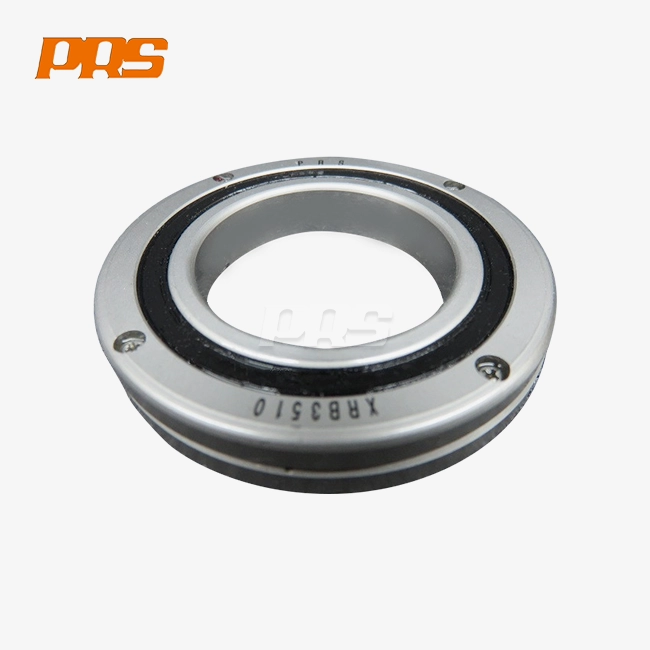
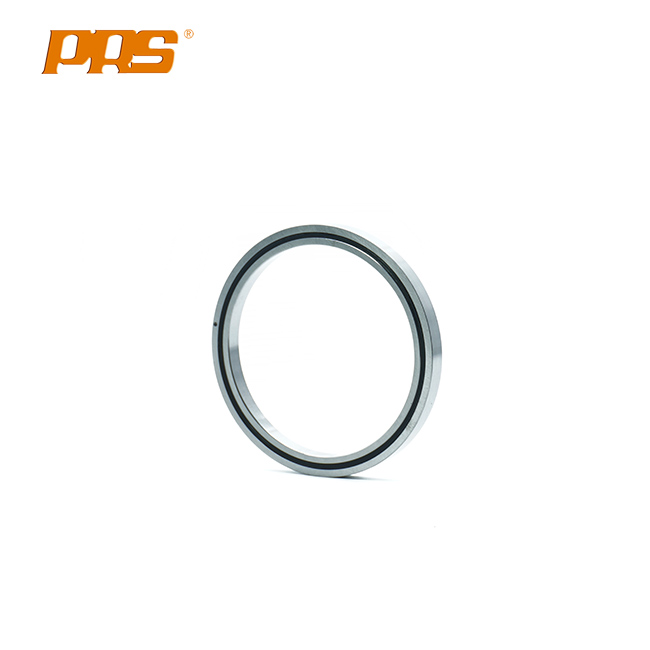
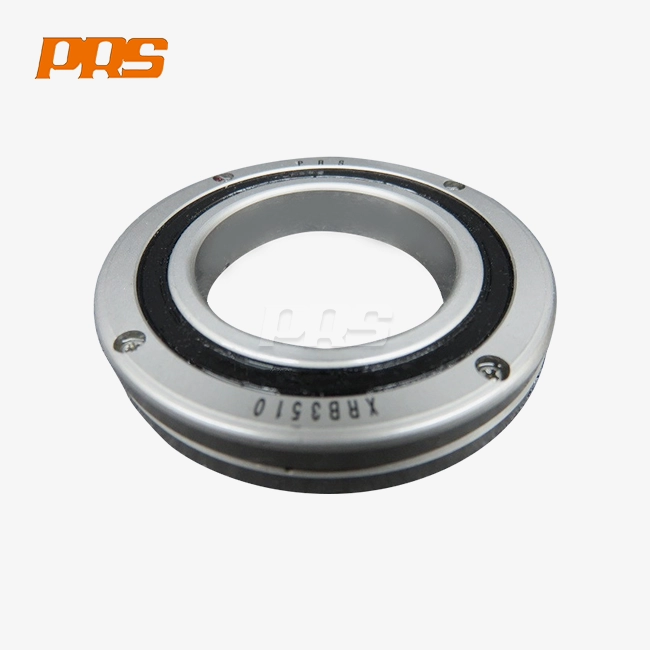
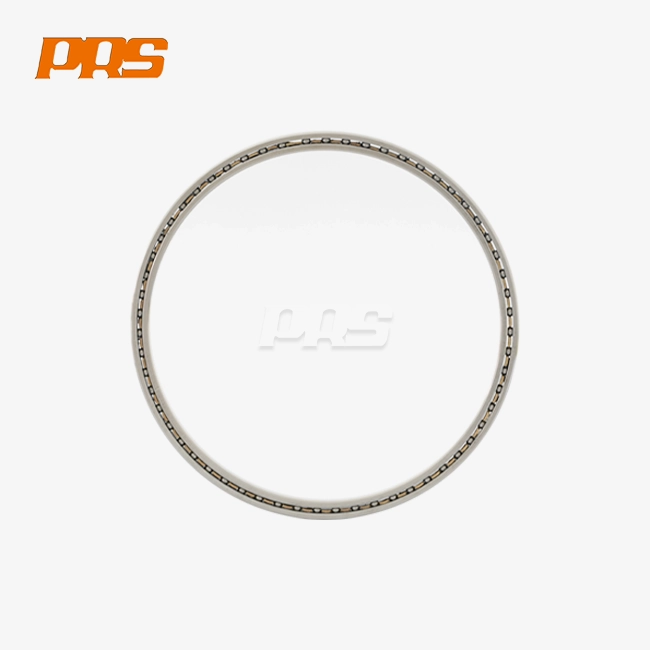
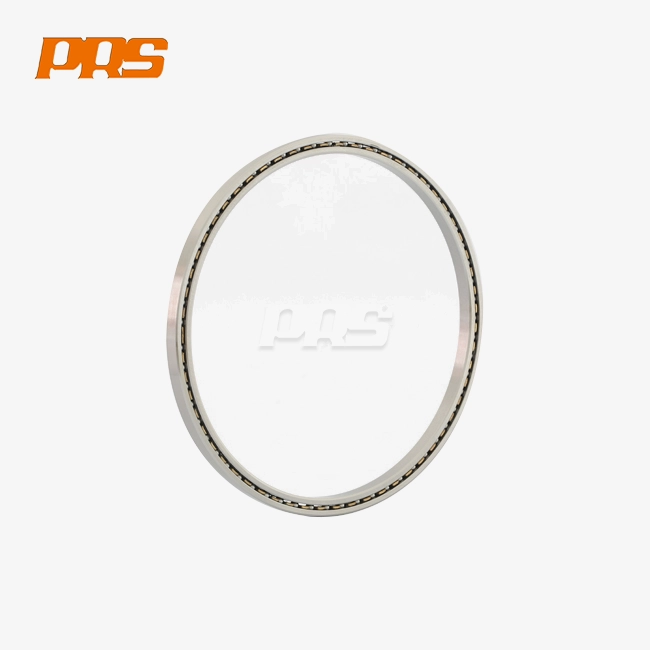
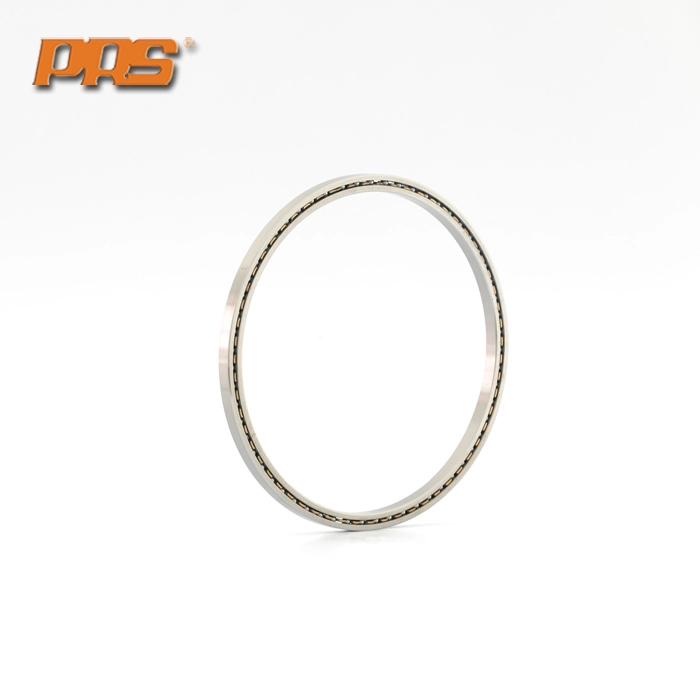
Though slim section bearings are a special kind of rolling element component, their cross-sectional dimensions are much smaller than those of regular designs. Standard bearings usually have girth and width that are related to each other. Slim section bearings, on the other hand, can handle large loads even though they have small profiles.
What Makes These Bearings Unique
Precision-ground raceways that are machined into complete inner and outer rings form the basis of the design. These parts are made by PRS using GCr15 high-grade bearing steel. The steel is heated to the right temperature levels to make it hard, between 58 and 64 HRC. When it comes to wear resistance, this choice of material is great. It also keeps its shape even when temperatures change in industrial settings.
The inner diameter of our CRBH series ranges from 20mm to 250mm, the outer diameter from 36mm to 310mm, and the thickness shapes range from 8mm to 25mm. This physical flexibility lets different mounting arrangements work without weakening the structure.
Core Performance Advantages
Space efficiency stands out as the main benefit that is driving growth in many fields. Engineers can add rotational functionality to parts where normal bearings just won't fit because of the ultra-thin shape. This ability is very important for collaborative robots because the size of the joints affects how much they can carry and how far they can reach in the area.
Because the form is small, weight loss is a normal result. This quality is very useful in aerospace uses because every gram that is taken out of actuation systems means more instrument room or better fuel economy. Medical equipment makers also like how less mass makes surgery tools and portable testing devices more ergonomic.
Carefully calculated contact shape leads to load sharing efficiency. The raceway shapes spread forces across the best contact zones, which increases the life of the system even when it is loaded in radial, axial, and moment ways. Our quality control lab's testing always shows that bearings last longer than the industry standard when they are fitted and kept correctly.
All of these benefits add up to real value in fields like robots, making semiconductors, precise metrology, and defense systems. Figuring out these basic traits gives you the information you need to make smart selection decisions that meet the needs of your application.
Comparing Slim Section Bearings Against Alternative Bearings
Before making a final choice on a component, engineers often look at more than one type of bearing. Knowing the trade-offs in performance between slim section bearing designs and other options makes it easier to see when each one works best.
Performance Characteristics Across Bearing Types
Deep groove ball bearings are still the most popular type of rotating part in factories. They are great at handling radial loads and modest rotational forces, and they are also easy to install. Their proportional cross-sections, on the other hand, take up a lot more room than slim section bearing forms. A 100mm hole deep groove bearing might be 25mm wide, but a matching slim section bearing can hold the same amount of weight while being only 10mm thick.
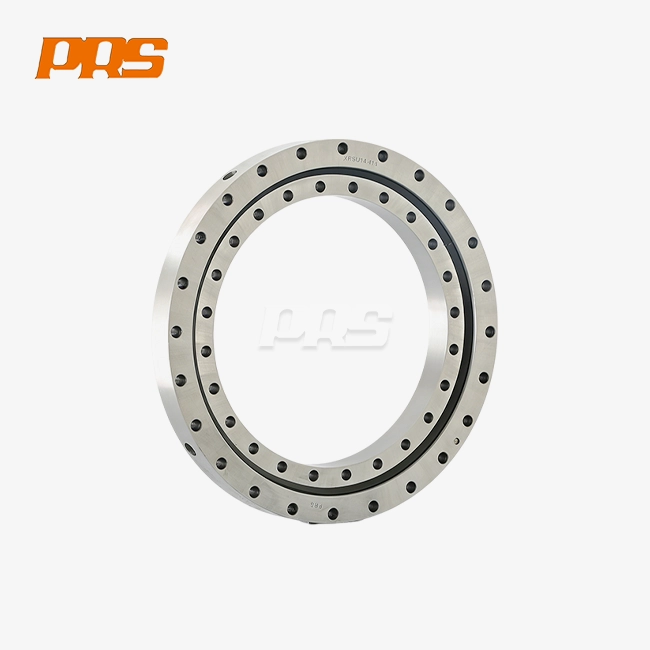
Cross roller bearings have perpendicular roller arrangements that make them very rigid and accurate when rotating. This setup works well for turntable tasks that need positioning accuracy down to the micron level. But because they are harder to put together, they cost more than ball-type options. Cross roller technology is what we suggest when applications need total positioning accuracy that makes the extra cost worth it.
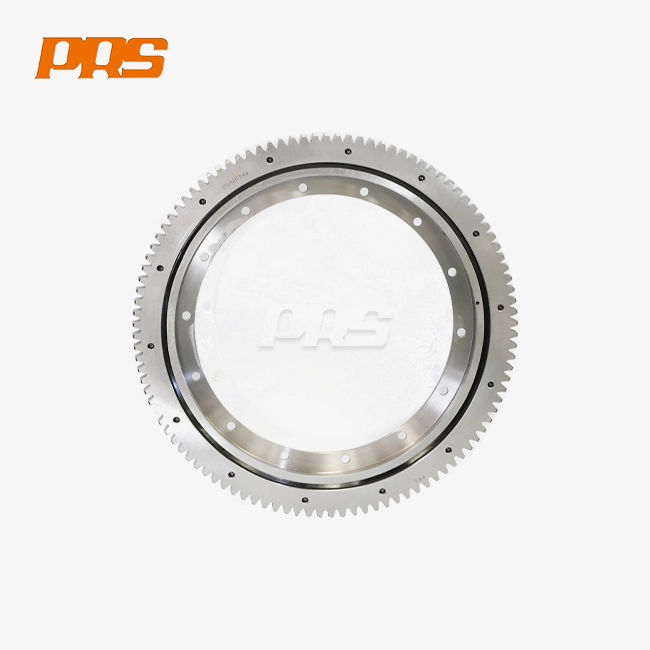
Four-point contact bearings have raceways with gothic arches that touch moving elements in four different places. This shape can handle radial, axial, and moment loads at the same time in a single part, which could mean that bearing pairs are not needed after all. The design works well in gimbal mechanisms and robotic wrist assemblies where normal duplex mounting setups can't be used because of lack of room.
Making Strategic Selection Decisions
The best bearing type is eventually chosen based on the needs of the application. When envelope sizes limit mechanical layouts, slim section bearing forms are the norm. Their protected design keeps internal parts from getting dirty in places like semiconductor cleanrooms and medical settings where particle production needs to be kept to a minimum.
Limits on speed should be taken into account during the choosing process. Slim section bearings work well for moderate turning speeds, but for very fast spindle uses, you might need special angular contact designs with ceramic rolling elements. In order to make sure there are enough safety margins throughout the predicted job cycle, load estimates must take into account both static and dynamic circumstances.
The total costs of ownership, not just the buying price, should be looked at in a cost study. Even though premium precision bearings cost more at first, they often have better lifecycle economics than cheaper options that need to be changed more often because they last longer and require less upkeep.
How to Select the Right Slim Section Bearing for Your Needs
Systematic review of technical factors makes sure that the slim section bearing you choose will work reliably for its entire life. This organized method lowers the chance of mistakes while also making sure that the specifications of the parts are best for your particular purpose.
Dimensional and Load Requirements
First, set envelope limits that say what the largest bearing measurements can be. Find the outer diameter limits by measuring the available radial space. Then, find the minimum hole requirements by calculating the internal mounting surfaces. If normal sizes don't exactly meet your needs, our tech team can help you make custom designs.
To figure out the load, you have to carefully look at the forces that are working on the bearing while it is running. Find the circular loads by looking at the weight and the forces that transfer power. Then, find the axial loads by looking at the thrust components and the preload needs. Offset forces and overhung masses cause moment loads, which are complicated stress patterns that affect the life of bearings. The expert team at PRS can do a thorough load analysis using the factors of your application to make sure there are enough capacity reserves.
Environmental and Precision Considerations
The operating setting has a big effect on the choice of bearing and how long it lasts. Temperature differences change the thickness of lubricants and the way materials expand. Our designs are double-sealed to keep out dust, water, and chemicals in tough industrial settings while keeping the grease intact.
Which precision grade you choose depends on how accurate you need to be. If the positioning accuracy is in the tens of microns, P4 grade bearings are good for basic mechanical equipment. P2 precision parts are used in metrology tools and optical systems that need consistency of one micron or less. For each level of precision, there are extra production controls that make sure the dimensions are always the same and the spinning is accurate.
Supplier Evaluation Framework
Long-term dependability is directly affected by how well a brand is known and how well it is made. Since 2003, PRS has focused on developing precision bearings, becoming an expert in making non-standard and high-accuracy parts. Our 15,000-square-meter factory has more than 200 high-tech tools that work together to make sure that quality is maintained at every stage of production.
Certification credentials are concrete proof of the skill to make things. Our ISO 9001 quality management system, ISO 14001 environmental standards, and ISO 45001 workplace safety measures all show that we are dedicated to doing everything we do to the highest standards. Factory quality control keeps pass rates above 99.9% by using thorough inspection methods that cover everything from checking the raw materials to making sure the end dimensions are correct.
Support after the sale is what sets great sellers apart from average ones. Long-term partnerships that work well include technical help during installation, troubleshooting advice when problems appear, and quick contact throughout the lifecycle of the product. Our 35-person engineering team evaluates applications and creates unique engineering solutions that fit your needs.
Installation, Maintenance, and Troubleshooting Slim Section Bearings
How well bearings are installed and maintained directly affects how long they last their supposed service life. By following tried-and-true steps, you can protect your investment and get the most use out of your tools.
Installation Best Practices
Before installing, make sure that all of the fixing surfaces are clean and free of any burrs, rust, or other dirt that could make the installation go wrong. When installing slim section bearings, they need to be handled carefully because their lower mass makes them more likely to bend. Do not hit bearings directly with nails or use too much force to push them onto shafts.
When installing interference fits, temperature difference mounting is the best way to do it. When you heat the case or cool the shaft, a brief space opens up that lets the bearing move smoothly without any mechanical force. Keep temperature differences within the limits set by the maker to avoid changes in the material's properties or distortions in its shape.
Because there are no fixing holes in our CRBH series' seamless ring design, they need to be mounted on the shoulder or the seat. By cutting the shaft and housing shoulders to the right sizes, you can make sure that the contact areas are straight and stay in place during installation. Before deciding on the final preservation methods, use dial indicators to check the concentricity.
Maintenance and Inspection Protocols
Managing lubrication makes bearings last longer and keep their performance steady. Our double-sealed bearings come already oiled with high-quality grease that is made to last longer between services. Keep an eye on the noise level and working temperature to see how well the lubrication is doing. If the characteristics change from the baseline readings, you should schedule relubrication or replacement.
The frequency of regular inspections should match how important the equipment is and how it is being used. Damage to the seal, rust, or contamination that gets inside can be seen and found before it causes damage on the inside. Vibration analysis finds patterns of wear that are starting to show up, so parts can be replaced before they become too damaged to fix and cause production delays.
Common Issues and Solutions
Too much noise usually means that the bearings aren't properly oiled, are dirty, or are starting to get damaged on the surface. Check the orientation of the fitting and make sure the preload settings are correct, as both of these can cause premature wear. If the working temperature goes up, it means that there isn't enough oil or that the load is too high for the bearing to handle.
An early failure study helps find the root reasons and stops the problem from happening again. Check the wear patterns on the raceways and rolling elements to tell the difference between regular wear and tear and unusual situations like brinelling, false brinelling, or corrosion damage. Keep records of how the machine is used and what repairs have been done in the past to back guarantee claims and help with fixing problems.
Procurement Strategies for Slim Section Bearings: Buying and Supply Chain Insights
Strategic buying strikes a balance between scientific needs, budget limitations, and the dependability of the supply chain. When you make an informed purchase, you can be sure that you will get genuine parts and helpful expert support.
Supplier Evaluation and Selection
When evaluating possible sellers, look at how well they can make things instead of just what they have in their catalog. When compared to distributors who handle multiple brands, direct makers like PRS offer more customization options and better quality control. Our production center has full control over the inspection, heat treatment, and machining steps that decide how well the end bearing works.
You should ask for scientific proof that shows the product meets foreign standards. Test records, material certifications, and dimension drawings are all concrete ways to show that a product is of good quality. Be wary of suppliers who can't back up their performance claims with thorough specs or quality control data.
Cost Optimization Approaches
Making a promise to buy in bulk can often get you better prices and make sure you have enough goods for planning your production. Talk to your providers about how much you expect to use in a year so that you can look into bulk buying options that will lower the cost per unit without requiring you to keep too much inventory on hand. We help our customers set up stocking plans that work with their production routines and cash flow needs.
Customization options make things in a store more valuable. Different seal materials don't react with certain chemicals, different lubricants work in a wider range of temperatures, and changed gaps make preload work best for particular uses. After looking at your needs, our engineering team will come up with cost-effective options that meet all of your performance standards.
Supply Chain Risk Management
Dual-sourcing methods keep quality consistent and protect against problems with supplies. Instead of rushing when supplies are low, find qualified backup sources when things are stable. Before there are production problems, try samples to make sure that alternative sources meet the same requirements.
Communication procedures make sure that everyone knows what is expected of them during the whole buying process. Before you place an order, make sure you know the wait times, minimum order amounts, payment terms, and shipping options. Clear communication about changes to specifications, delivery times, and technical questions helps relationships work well even when problems arise.
Conclusion
To choose high-performance slim section bearings, you need to carefully look at the technical specs, the needs of the product, and the supplier's abilities. These small parts are useful in robotics, aircraft, medicine, semiconductors, and automation because they save room, reduce weight, and provide precise performance. To make good selection choices, you need to know about the limitations of size, the loads that need to be handled, the surroundings, and your precise requirements. With the right installation methods, upkeep schedules, and provider partnerships, bearings will last as long as they were designed to and continue to work reliably. To get measured value over the lifecycles of tools, strategic buying methods balance quality, cost, and the reliability of the supply chain.
FAQ
What distinguishes slim section bearings from standard bearing designs?
The main difference is the size of the cross-section compared to the width of the hole. Standard bearings have width-to-diameter ratios that are proportionate, but slim section bearing designs can hold the same amount of weight while having a much thinner axial thickness. This shape makes it possible to make machines that are very small, which wouldn't be possible with regular parts. This is especially useful for robotics and aerospace uses that need to save room.
How do I determine the appropriate precision grade for my application?
Your needs for precision depend on how accurate you need to be with placing and how much room you have for turning. P5 grade bearings with micron-level precision are usually required for general industrial equipment. Tools used for metrology, optical systems, and making semiconductors need P4 or P2 precision grades that can repeat within a micron. Talk to application workers to make sure that the exact requirements match up with the budget and the needs of the function.
What maintenance practices maximize bearing service life?
With regular inspections, problems can be found before they get bad enough to break. As performance markers, keep an eye on the working temperature, noise levels, and vibration patterns. Regularly greasing or replacing sealed bearings is a good way to keep things lubricated. Keep the equipment clean in harsh settings and make sure the fixing position stays within the specs for the whole life of the equipment.
Partner with PRS for Premium Slim Section Bearing Solutions
Luoyang PRS Precision Bearing is ready to help you with your precise motion control needs by providing you with high-quality parts that are designed to work in tough conditions. As a company that only makes slim section bearings, we use cutting-edge manufacturing technology and quick technical help to give you options that go above and beyond your hopes. Our GCr15 steel bearings go through strict quality control on more than 200 high-precision machines. They reach P4 and P2 accuracy levels that are accepted around the world in robots, medical equipment, semiconductor tools, and aerospace systems. Our 35-person expert team looks at your unique needs to make sure speed and reliability are at their best, whether you need standard configurations or custom engineering solutions. Email us at ljh@lyprs.com to talk about your application needs, get technical specs, or look into prices for large orders for your next project. You can find out more about our wide range of products and production skills by going to prs-bearing.com.
References
Harris, T.A., and Kotzalas, M.N. (2006). Advanced Concepts of Bearing Technology: Rolling Bearing Analysis, Fifth Edition. CRC Press, Taylor & Francis Group.
Hamrock, B.J., Schmid, S.R., and Jacobson, B.O. (2004). Fundamentals of Fluid Film Lubrication, Second Edition. Marcel Dekker, New York.
ISO 492:2014. Rolling bearings — Radial bearings — Geometrical product specifications (GPS) and tolerance values. International Organization for Standardization.
Shigley, J.E., and Mischke, C.R. (2001). Mechanical Engineering Design, Seventh Edition. McGraw-Hill, New York.
Eschmann, P., Hasbargen, L., and Weigand, K. (1985). Ball and Roller Bearings: Theory, Design and Application, Second Edition. John Wiley & Sons, Chichester.
Tallian, T.E. (1999). Failure Atlas for Hertz Contact Machine Elements, Second Edition. ASME Press, New York.

USER EVALUATE
Here is the customer's evaluation of us