
Why Choose Precision Roller Slewing Bearings?
When you choose precision roller slewing bearings, you're choosing an option that was made for tough situations where load capacity, stiffness, and long-term use are very important. Roller slewing bearing technology uses cylindrical rollers that make line contact instead of point contact, spreading loads over a much bigger surface area than traditional ball-type options. This basic difference in design directly leads to better performance for big machinery, robotic systems, and precision equipment that needs to keep its stability under axial, radial, and moment loads at the same time. The high standards of precise manufacturing used to make these parts have a direct effect on the uptime, repair plans, and total cost of ownership of your equipment.
Understanding Precision Roller Slewing Bearings
What Defines a Precision Roller Slewing Bearing?
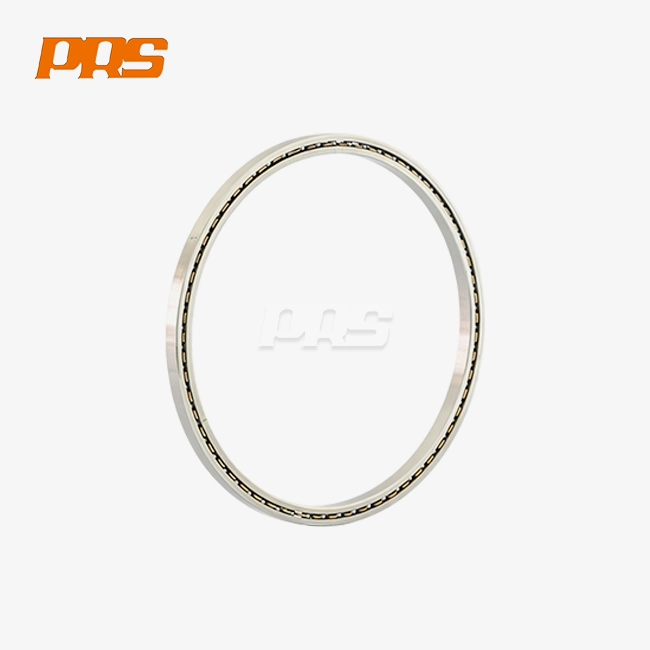
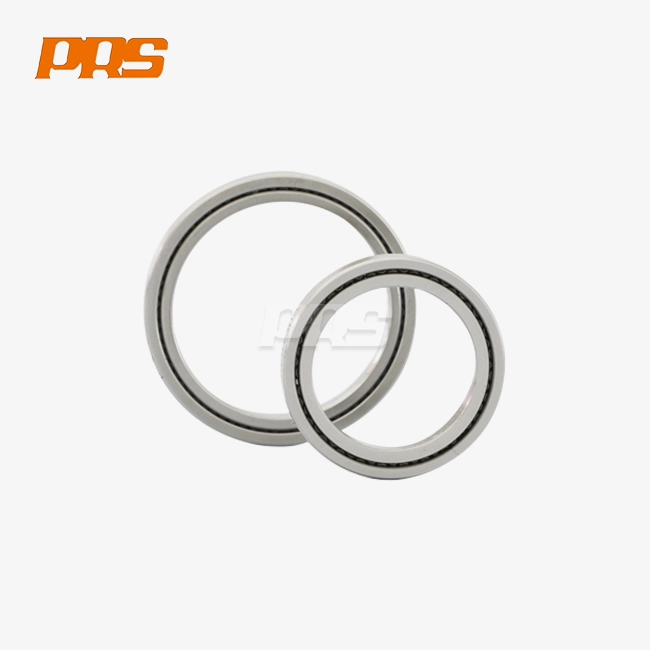
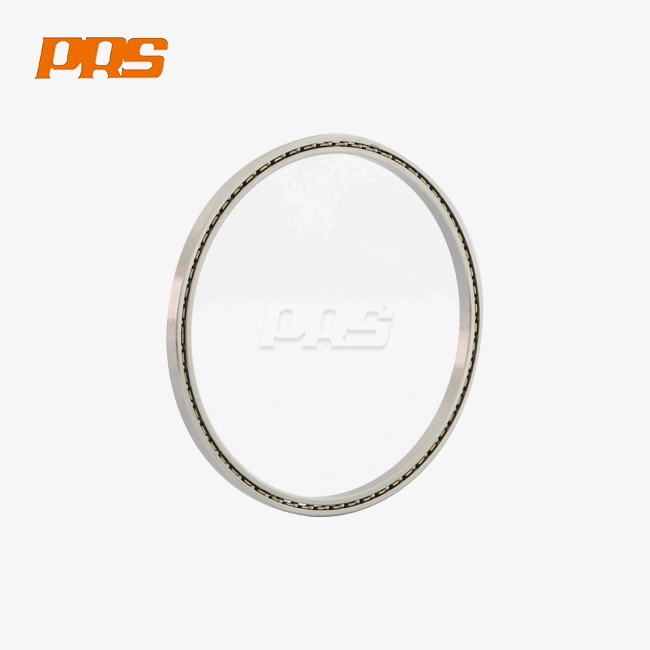
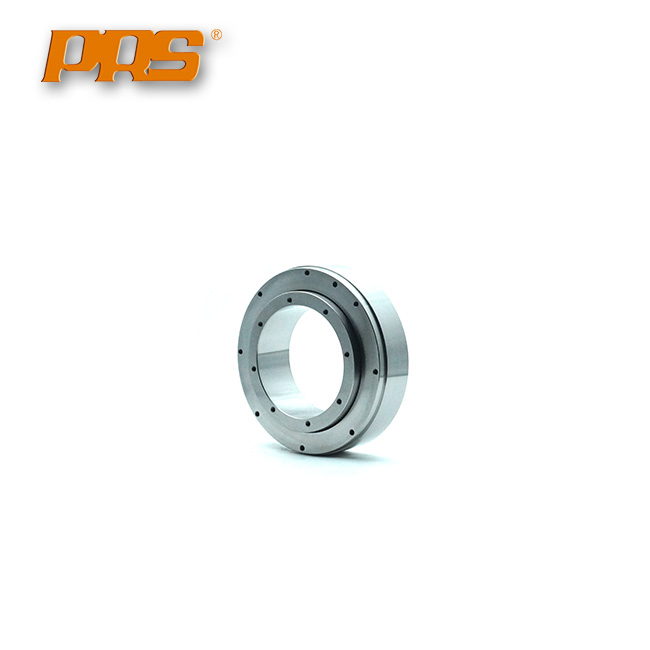
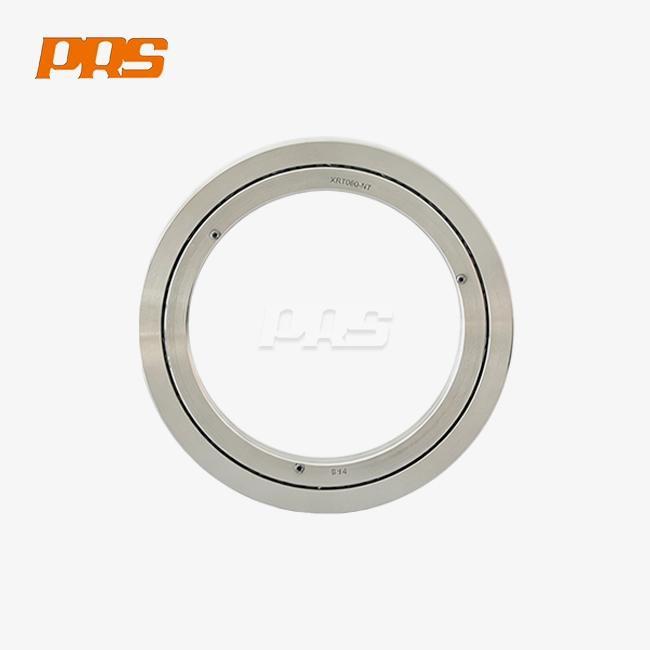
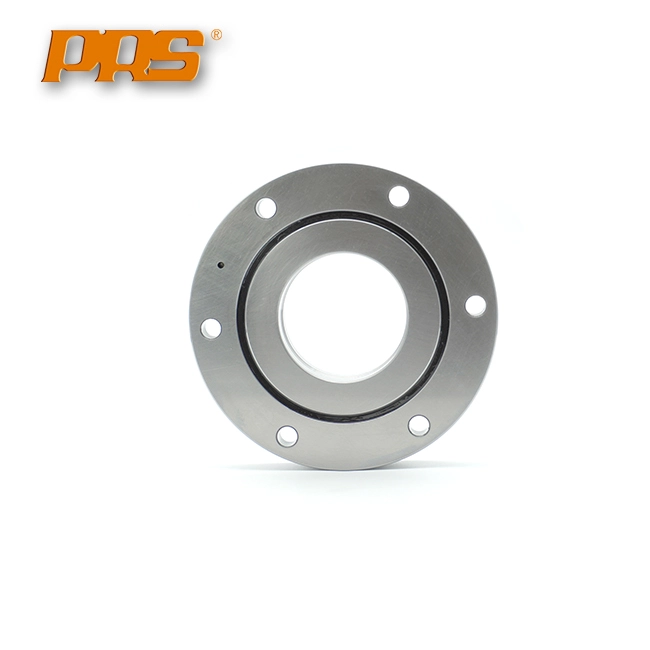
Precision roller slewing bearings are strong rotary surfaces that are made to handle large radial, axial, and moment loads all at the same time. The bearing has an inner ring, an outer ring, and circular rollers that are exactly placed between machined raceways. This arrangement is different from other types of bearings because it can handle loads coming from different directions in a single small unit. The main idea behind how it works is that cylinder-shaped parts move along precision-ground raceways. This design reduces friction while increasing the efficiency of load distribution. Usually, the combined design has fixing holes, sealing systems, and lubrication entry points that make it easier to install and maintain. This way of building structures is useful in fields where room is limited and small solutions are needed without sacrificing load capability.
Core Structural Advantages
The way these parts are built gives them a number of measured advantages that help solve certain problems in the industry. Contact stresses are spread out over bigger areas by wide load distribution surfaces. This lowers pressure concentrations that speed up wear in point-contact designs. Rigid cross-sectional shape keeps dimensions stable under dynamic loading conditions, stopping movement that could affect accuracy in important situations. Integrated mounting bolt designs make installation easier and make sure that the right amount of weight is transferred to the supporting structures. When used in difficult conditions, effective sealing designs keep internal parts clean and extend the time between service intervals. Centralized access to oil makes it easy for maintenance workers to service bearings quickly, which cuts down on downtime during planned maintenance. When you put these design elements together, you get a solution that works especially well in places where accuracy and dependability are very important, like medical imaging devices, military tracking systems, and equipment used to make semiconductors.
Available Configurations for Diverse Applications
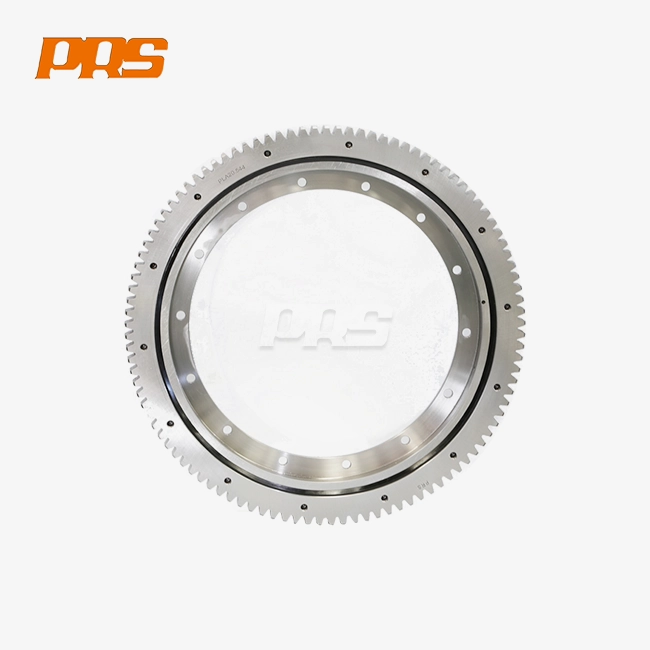
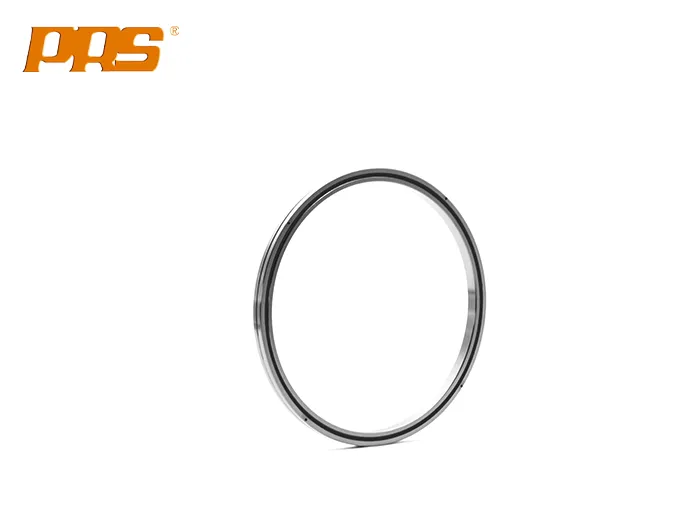
PRS has the manufacturing skills to make different types of bearings that meet the needs of different applications. Single-row versions are small and work well for situations where the load isn't too heavy and there isn't much room. Double-row designs can hold more weight for machines that are under more operating forces. The three-row versions are the strongest and can handle the most weight. They are designed for heavy-duty uses like mining tools and marine crane systems. A exact load analysis, the amount of fixing space available, and the level of rotational accuracy needed all affect the choice of configuration. Based on the needs of the drive system, gear integration choices include designs with internal teeth, designs with external teeth, or designs that don't have any teeth. PRS has bearing diameters that range from 200mm to 5000mm, and they can also make unique specs for specific uses. This makes sure that procurement managers can find parts that exactly match the specifications of their equipment.
Why Precision Roller Slewing Bearings Outperform Other Bearing Types?
Superior Load Capacity Through Line Contact
The main benefit of roller slewing bearings comes from the way their contact mechanics work. Cylindrical rollers make line contact with raceways, which spreads loads over a much bigger surface area than point contact made by ball bearings. Because of this change in geometry, roller bearings can hold much heavier loads within the same envelope measurements. The line-contact shape is especially useful in situations where there are three or more types of stress. For example, when moving materials, the weight of the tower, the lifting forces of the boom, and the dynamic shock loads all act on construction equipment platforms at the same time. The roller bearing can handle these complicated load combinations without deforming too much, so the position stays accurate during all operating cycles. Because of this, they are the best choice for CNC rotary tables and precision tracking systems that need to keep accuracy at the micron level even when the loads change.
Extended Operational Lifespan and Reduced Maintenance
The choice of material and the heat treatment methods have a big effect on how long a bearing lasts. PRS uses high-quality bearing steels that have been controlled induction hardened to make the best hardness profiles. The effective case depth goes deep enough to support roller contact loads without surface spalling, which is a typical way for parts that haven't been properly treated to break. Roller types have lower surface pressures than ball bearings when the loads are the same because they have a bigger contact area. Lowering the touch stress directly leads to less wear and tear and a longer service life. Maintenance times get a lot longer, which cuts down on downtime and lowers the total cost of ownership. Robotic system programmers and makers of automation equipment value this trait the most, since unexpected downtime in production settings costs a lot more than just the cost of repairs.
Precision Manufacturing for Enhanced Performance
The performance qualities of a bearing are directly affected by the manufacturing flaws. PRS keeps precision grades up to the P2 level, which makes sure that rotational accuracy stays the same, vibrations are kept to a minimum, and positional accuracy is kept. During the whole production process, checks on the dimensions make sure that the finished parts are within the allowed ranges before they are sent out. This accuracy is very important in medical imaging equipment, like CT scanner gantries, which need to rotate smoothly and without vibrations to keep the quality of the images. In the same way, companies that make optical instruments rely on repeated accuracy for measuring systems that use precise motion control. Rigid quality control procedures are used during production to get rid of differences that would hurt performance in these tough situations.
How to Choose the Right Precision Roller Slewing Bearing for Your Needs?
Comprehensive Load Analysis Requirements
A careful load study for a roller slewing bearing is the first step in choosing the right bearing configuration. Engineers have to figure out the highest axial loads that come from gravity, the highest radial loads that come from horizontal forces, and the highest moment loads that come from loading situations that are not balanced. Dynamic load factors take into account shaking and shock, and safety gaps make sure the bearing works within its design limits in all possible situations. Application-specific factors have a big effect on these estimates. For example, wind turbine yaw systems have a constant low-speed spinning with short bursts of high-torque adjustments when the direction of the wind changes. These working traits are very different from those of material handling equipment that rotates randomly and starts and stops a lot. With accurate load analysis, procurement managers can choose bearings that are just right for the job, not too big or too small. This improves performance and cuts down on costs.
Environmental and Operational Considerations
Operating factors have a big impact on the choice of bearing and how it is set up. Extreme temperatures affect the choice of lubricant and the form of the seal. For applications in cleanrooms, like semiconductor chip handling systems, particle generation and contamination control need extra attention. When things are exposed to corrosive substances or salty atmospheres, they need protective coats or new materials to keep them from breaking down too quickly. The shape of the rollers and the layout of the cage are affected by the required rotational speed. Even though roller slewing bearings usually work at slower speeds than high-speed spindle bearings, the range of speeds changes the choice of greasing regime. When lubrication is needed at very low speeds, the lubricant needs to have different qualities than when it is used in elastohydrodynamic lubrication regimes. Customers can get help from PRS technical support in weighing these factors to make sure they are specified correctly.
Supplier Qualification and Support Services
Working with skilled makers makes sure that parts meet strict quality standards. Certified providers have quality control systems that are written down and can be tracked all the way through the manufacturing process. Material approvals make sure that the steel is made of the right ingredients, and heat treatment proof makes sure that the hardness profiles meet the requirements. Different providers in the precision bearing market have different levels of technical help. Engineering teams that help with applications, unique designs, and installation instructions add a lot of value on top of the physical part. PRS has kept this support promise since 2003, gaining more than 20 years of knowledge in a wide range of businesses. This knowledge is very helpful when normal catalog items need to be changed to fit specific needs, which happens a lot with specialized tools and study equipment.
Maintenance and Troubleshooting for Precision Roller Slewing Bearings
Lubrication Strategies for Maximum Service Life
Proper greasing is the key to making bearings last a long time. The choice of lubricant relies on the temperature range, speed, and climate in which the machine is used. Because it is easy to do and works well in normal working conditions, grease lubrication is good for most roller slewing bearing uses. Oil lubrication systems are useful in situations where heat needs to be removed or where temperatures are very high or very low. When to re-oil depends on the job cycle strength and the amount of contamination in the surroundings. As a general rule, raceways should be regreasing every 100 hours of operation. However, uses that are constantly under a lot of load may need service more often. Automatic lubrication systems don't need any help from a person, so they always give the right amount of grease to keep things from wearing out too quickly. By keeping an eye on the state of the seals during the cleaning service, possible paths for contamination can be found before they damage internal parts.
Installation Best Practices
How the bearings are installed has a big effect on how well they work and how long they last. When preparing the mounting surface, precision roller slewing bearings are more sensitive to surface imperfections than ball-type options, so extra care needs to be taken. The rigid roller design sends changes in the mounting surface straight to the raceways. This creates areas of high stress that speed up wear failure. To keep the track from warping, the surface must be flat enough to meet the requirements set out in standards like DIN EN 12835. When pin torque is applied correctly, the load is spread evenly around the mounting edge. Following the manufacturer's instructions stops both under-tightening, which lets the relative motion happen, and over-tightening, which causes too much preload. Verifying the alignment of two parts that fit together gets rid of the conditions that cause them to stick together, which raises friction and speeds up wear. These basic installation rules work for everything, from defense radar tracking systems to industrial robotic joints.
Diagnostic Indicators and Troubleshooting
Monitoring working factors lets you find problems early on, before they become too big to fix. Usually, strange noises mean that the lube isn't good enough, there is contamination, or wear patterns are starting to form. When temperatures rise above their usual ranges, it means that there is too much friction because of imbalance or a breakdown in the lubrication. If the rotating resistance goes up or there are occasional binding feelings, this could mean that the raceway is damaged or foreign material is getting into it. Regular reviews give you a chance to check the state of the bearings by looking at them and using them. Surface inspection of places that can be reached shows signs of rust, broken seals, or oil leaks. Rotational feel testing finds problems that aren't obvious when the machine is running on electricity. By writing down these findings, you create past records that can be used to look for trends. This helps with predictive maintenance strategies that stop planned downtime from happening.
Procurement Insights: Buying Precision Roller Slewing Bearings
Supplier Evaluation Criteria
In addition to price, there are other factors that need to be looked at when looking for suitable sources. The ability to manufacture tells you if a provider can make bearings that meet your precise needs. Quality certificates show that you are committed to using consistent methods and standards for paperwork. Lead times and the ability to scale up or down depending on your number needs are affected by production capacity. Application support services tell the difference between providers who are capable and those who only sell parts. Consulting an engineer during the decision process makes sure that the specifications meet your needs. With custom design, you can make items that fit specific needs that normal store items can't. Technical support after the sale helps with questions about installation and fixing during commissioning, which lowers risk during key project stages.
Understanding Total Cost of Ownership
When you look at the total cost of ownership of a component over its entire useful life, buying something based only on its starting cost is often not the best financial choice. The projected service life, the amount of maintenance needed, and the costs of downtime caused by replacement are all part of the total cost of ownership study. Even though they cost more at first, higher-quality bearings that are made with more precision often have lower total costs. Project plans and methods for managing inventory are both affected by lead times. Standard setups usually ship within a fair amount of time, but custom specs take longer to make. Project planners can arrange the purchase of bearings with other long-lead parts when they know about arrival dates. Throughout the production cycle, PRS keeps communication open and honest by giving progress reports that help project managers do their jobs well.
Warranty and After-Sales Considerations
A full guarantee shows that the company that made the product is confident in its quality and protects against problems caused by mistakes in the making process. Knowing about guarantee terms, covering limits, and how to file a claim before you buy keeps you from having problems after installation. After-sales help that responds to questions and concerns that come up while the equipment is being used is valuable for the life of the bearing. The quality of the documentation affects both how well the installation goes and how well the long-term upkeep works. Detailed technical specs, installation directions, and care guides make sure that the part is handled correctly throughout its entire life. PRS includes detailed instructions with every bearing, making sure that customers have all the information they need to successfully integrate the bearing into their program and keep it running.
Conclusion
Precision roller slewing bearings have measured benefits in terms of load capacity, working accuracy, and service life. These benefits have a direct effect on how well equipment works and how much it costs to maintain. Roller bearings are better at distributing load than ball-type options because they are made with a line-contact geometry. This makes them the best choice for heavy-duty uses in building, green energy, aircraft, and precision manufacturing. To choose the right bearings, you need to do a full load analysis, an environmental assessment, and source approval to make sure the parts meet the needs of your particular application. The best way to protect your equipment investment over its entire life is to install and maintain it correctly so that parts last as long as possible and operations are interrupted as little as possible. Working with seasoned makers like PRS guarantees access to high-quality parts, engineering help, and other technical tools that help projects succeed.
FAQ
What lifespan can I expect from precision roller slewing bearings?
Service life depends a lot on how it is used, how much weight it has, and how well it is maintained. If you choose the right bearings and keep them in good shape, they can last for more than 30,000 hours in well-designed uses. Applications that run continuously, aren't overloaded, and have good maintenance habits may get a lot more service life. On the other hand, harsh shock loads, poor lubrication, or dirty surroundings shorten the projected life. The life calculation uses the L10 method, which takes into account the unique load spectra your program sees.
How do single-row and three-row configurations differ functionally?
Single-row designs are small and work well for situations where room is limited and the total loads are moderate. Three-row designs have different rows of rollers for axial and radial load paths, which makes it possible for bigger diameter bearings to carry more weight. The three-row design works great in heavy-duty uses like offshore cranes and mining excavators that need to be able to handle a lot of weight. Based on load analysis and available mounting room, the best design is chosen based on the needs of the application.
Can these bearings perform reliably in harsh outdoor environments?
If the right specifications are followed, precision roller slewing bearings work well in harsh environments. The choice of seal takes into account pollution from chemicals, dust, and water. Coatings that don't rust protect surfaces that are used for bearings in chemical processing or coastal settings. For normal setups, the temperature range goes from -20°C to +120°C. For extreme temperatures, there are special versions that are available. An environmental review during the specification process makes sure that the bearing configuration fits the conditions that will be encountered.
Partner with PRS for Your Precision Bearing Requirements
Luoyang PRS Precision Bearing Co., Ltd. has more than 20 years of experience making precision roller slewing bearings that can handle your toughest jobs. Our engineering team provides full application support from the initial design stage through installation and testing, making sure that the best components are chosen for your needs. Our roller slewing bearings come in diameters ranging from 200mm to 5000mm and precision grades up to P2. They are used in many fields, such as robots, medical equipment, aircraft, and industrial automation. Custom setups solve problems that are specific to a program and can't be solved by normal catalog items. Procurement managers and design engineers are welcome to email our team at ljh@lyprs.com to talk about your bearing needs and find out how PRS, a trusted roller slewing bearing manufacturer, can improve the performance of your equipment. You can look at all of our products and detailed information at prs-bearing.com.
References
Harris, T.A. & Kotzalas, M.N. (2006). Advanced Concepts of Bearing Technology: Rolling Bearing Analysis, Fifth Edition. CRC Press.
Budynas, R.G. & Nisbett, J.K. (2015). Shigley's Mechanical Engineering Design, Tenth Edition. McGraw-Hill Education.
Eschmann, P., Hasbargen, L., & Weigand, K. (1985). Ball and Roller Bearings: Theory, Design and Application, Second Edition. John Wiley & Sons.
ISO 76:2006. Rolling bearings - Static load ratings. International Organization for Standardization.
DIN EN 12835:2016. Slewing bearings. German Institute for Standardization.
Warda, B. & Chudzik, A. (2014). "Fatigue Life Prediction of the Radial Roller Bearing with the Correction of Roller Generators." International Journal of Mechanical Sciences, Volume 89, pp. 299-310.

USER EVALUATE
Here is the customer's evaluation of us